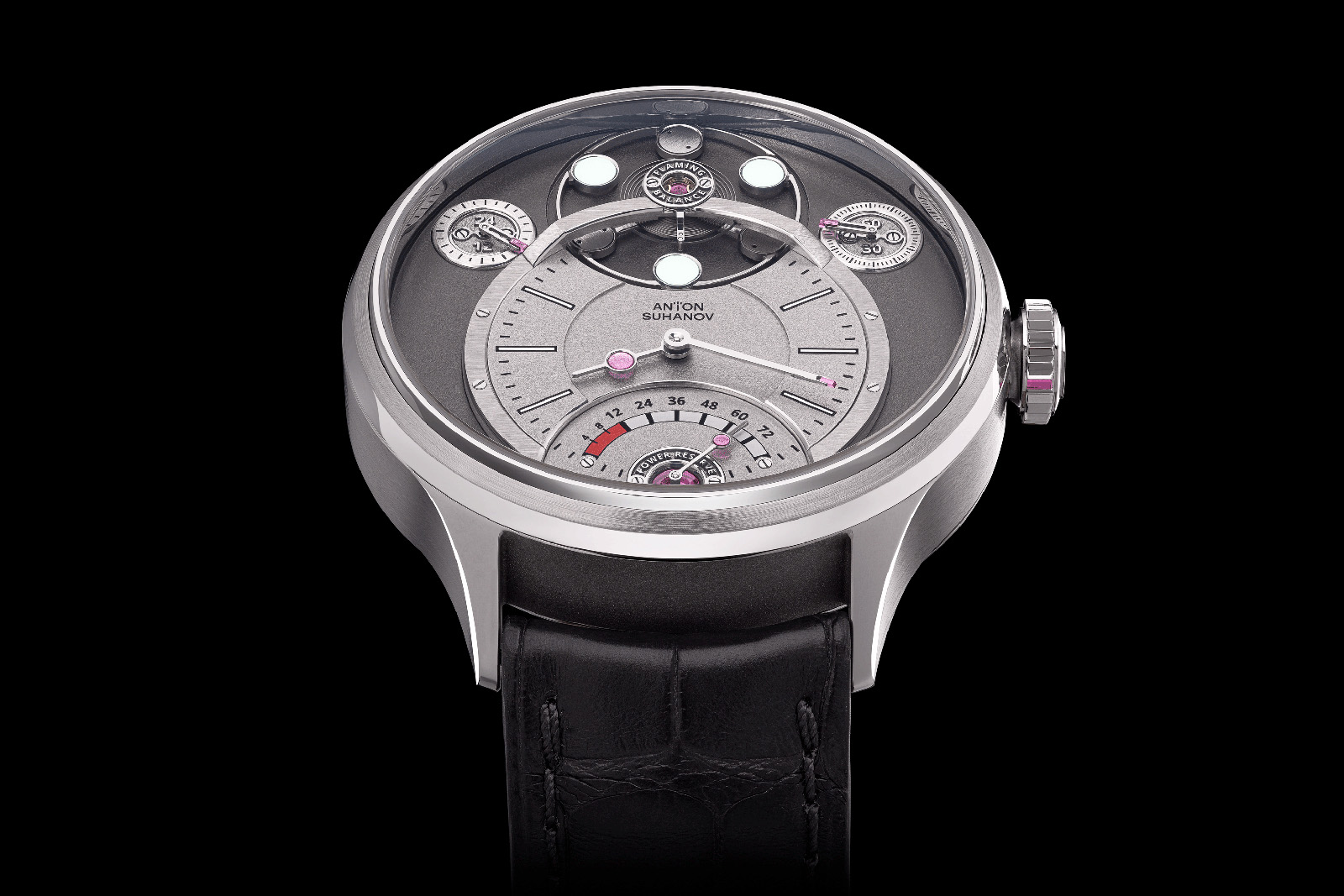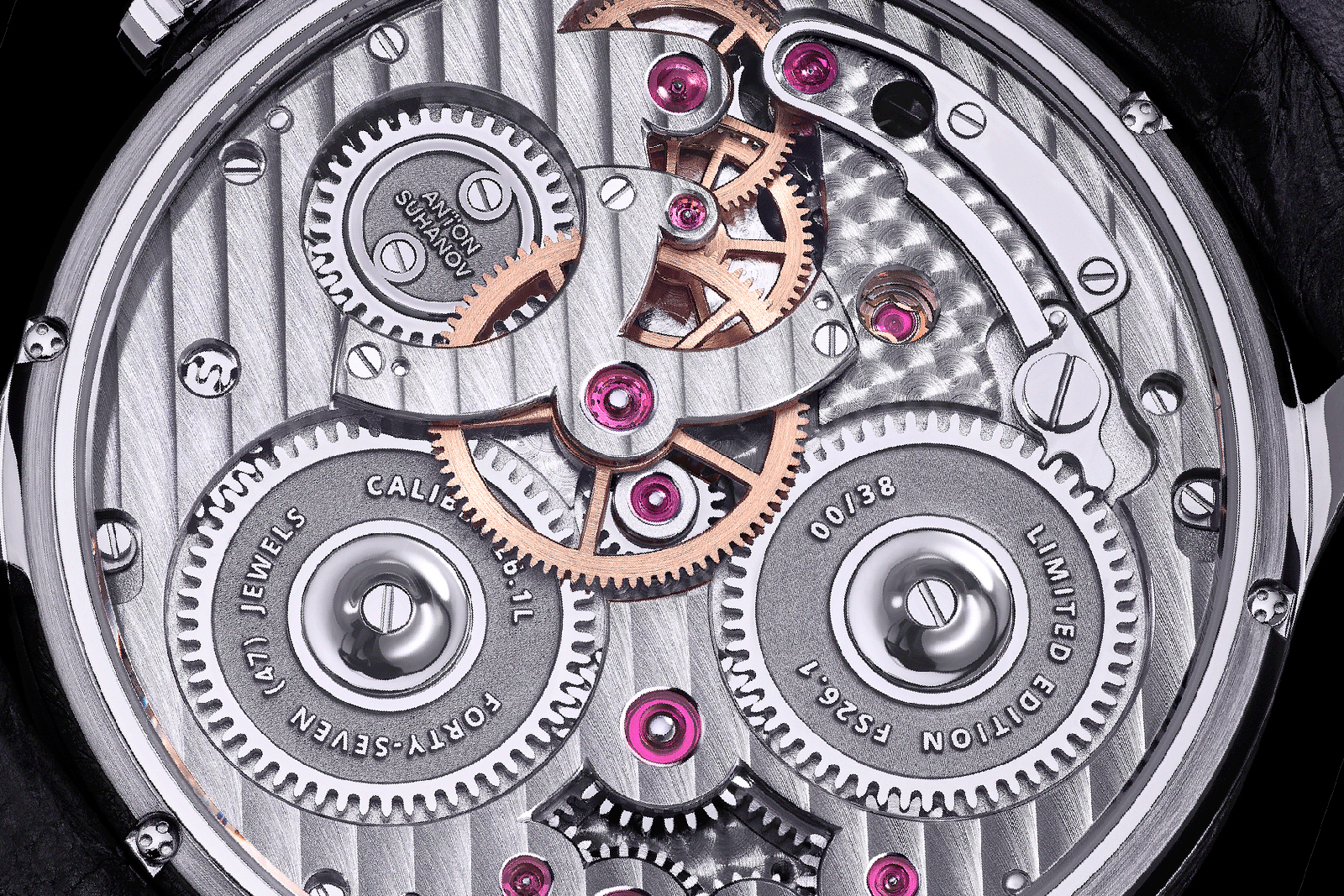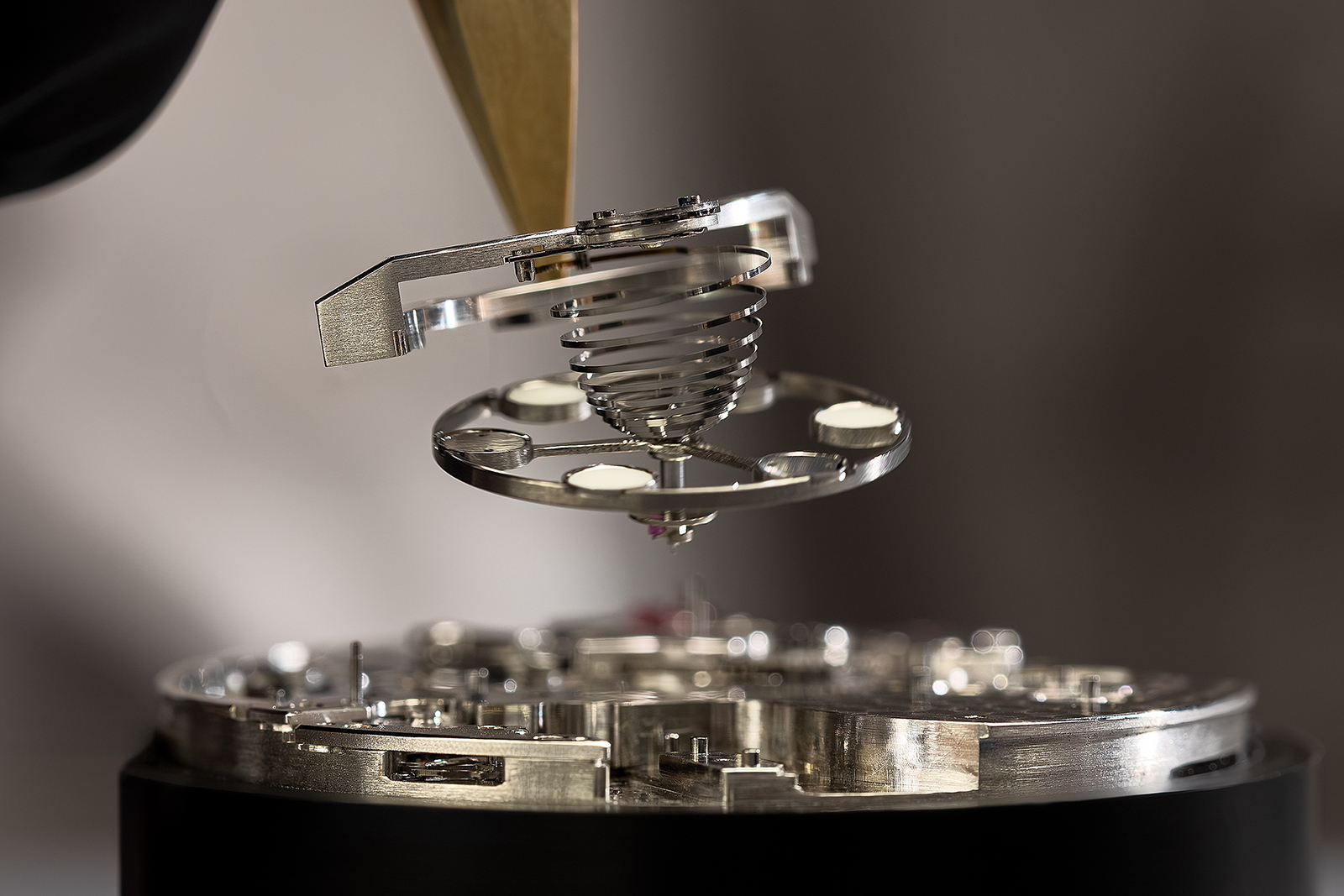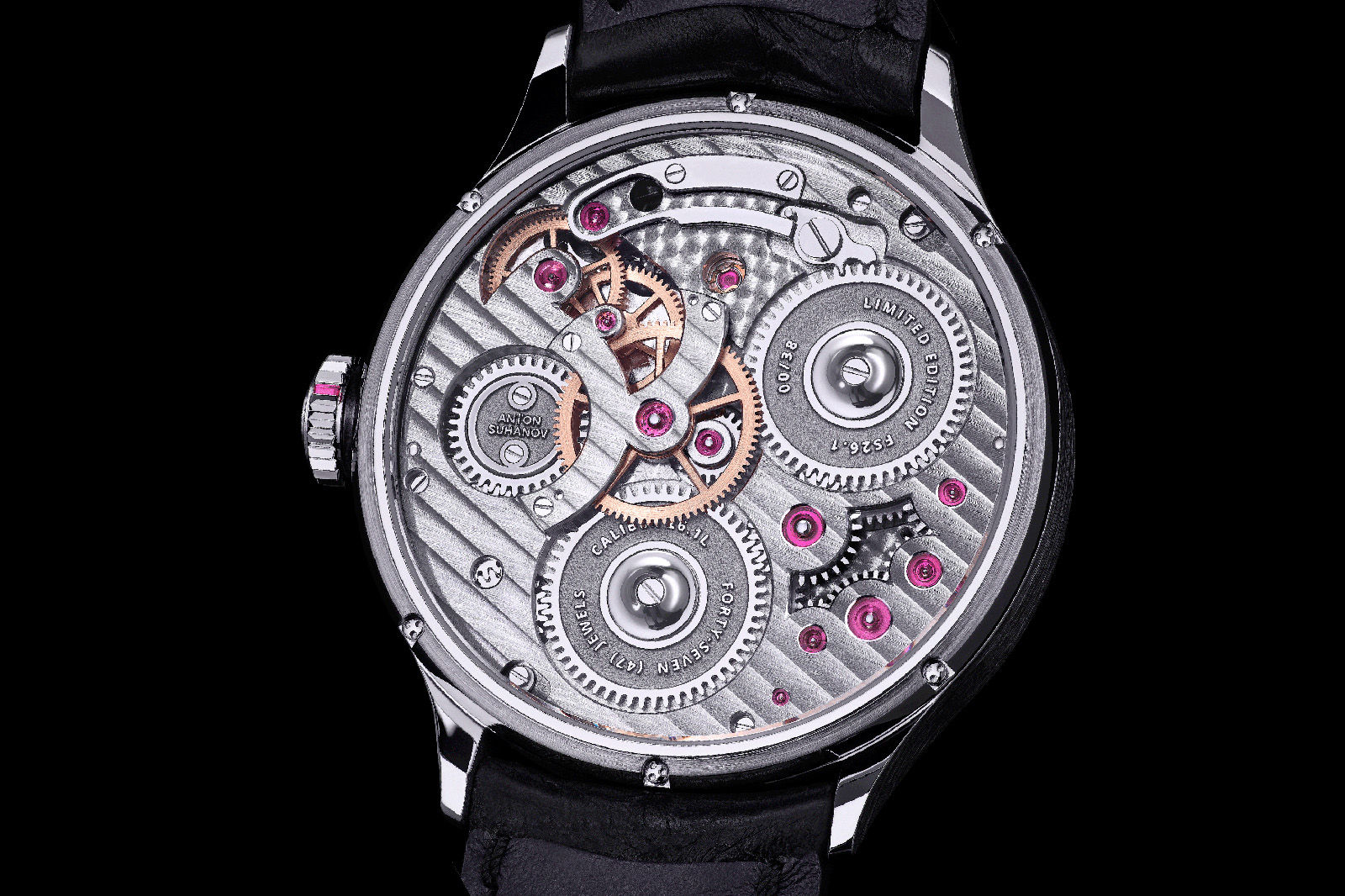

Ressence Introduces First Proprietary Movement
The Type 11 and its RW-01 calibre.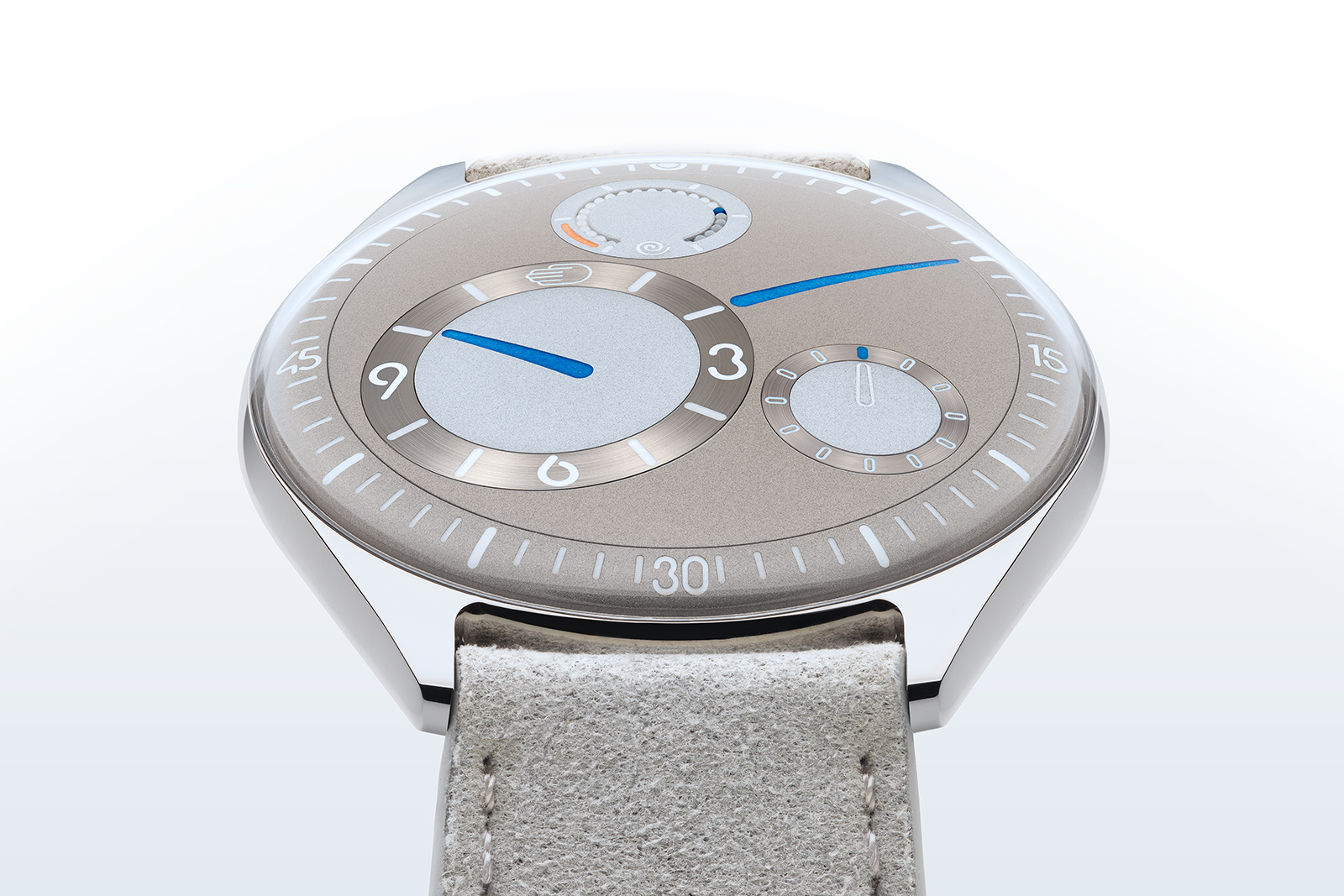
Independent watchmaker Ressence unveils the Type 11, powered by a proprietary movement for the first time. The trailblazer of oil-filled mechanical modules, Ressence has so far relied on third-party base movements to power its eccentric creations. The Belgium-based watchmaker has finally taken the next step and developed its own calibre, dubbed the Ressence-Werk RW-01.
Initial thoughts
Ressence watches are instantly recognisable for their inventive and minimalist way of telling the time, using the patented Ressence Orbital Convex System (ROCS) to put a new spin on the classic time display. Using a clever arrangement of planetary gears powered by a base movement, Ressence has achieved an original functional design that remains unique to this day.
In terms of design, Ressence has an unmistakable, contemporary look, not unlike that of Apple. As a result, partnerships like those with industrial designer Marc Newson feel natural.
The concept behind Ressence’s signature time display is the use of clear silicone-based oil which fills the hermetically sealed ROCS module to the crystal. The fluid medium cancels out total internal reflection, leading to the illusion that the turning disks sit right under the crystal itself. In this respect, Ressence dials can at times look like an OLED screen in a smartwatch.
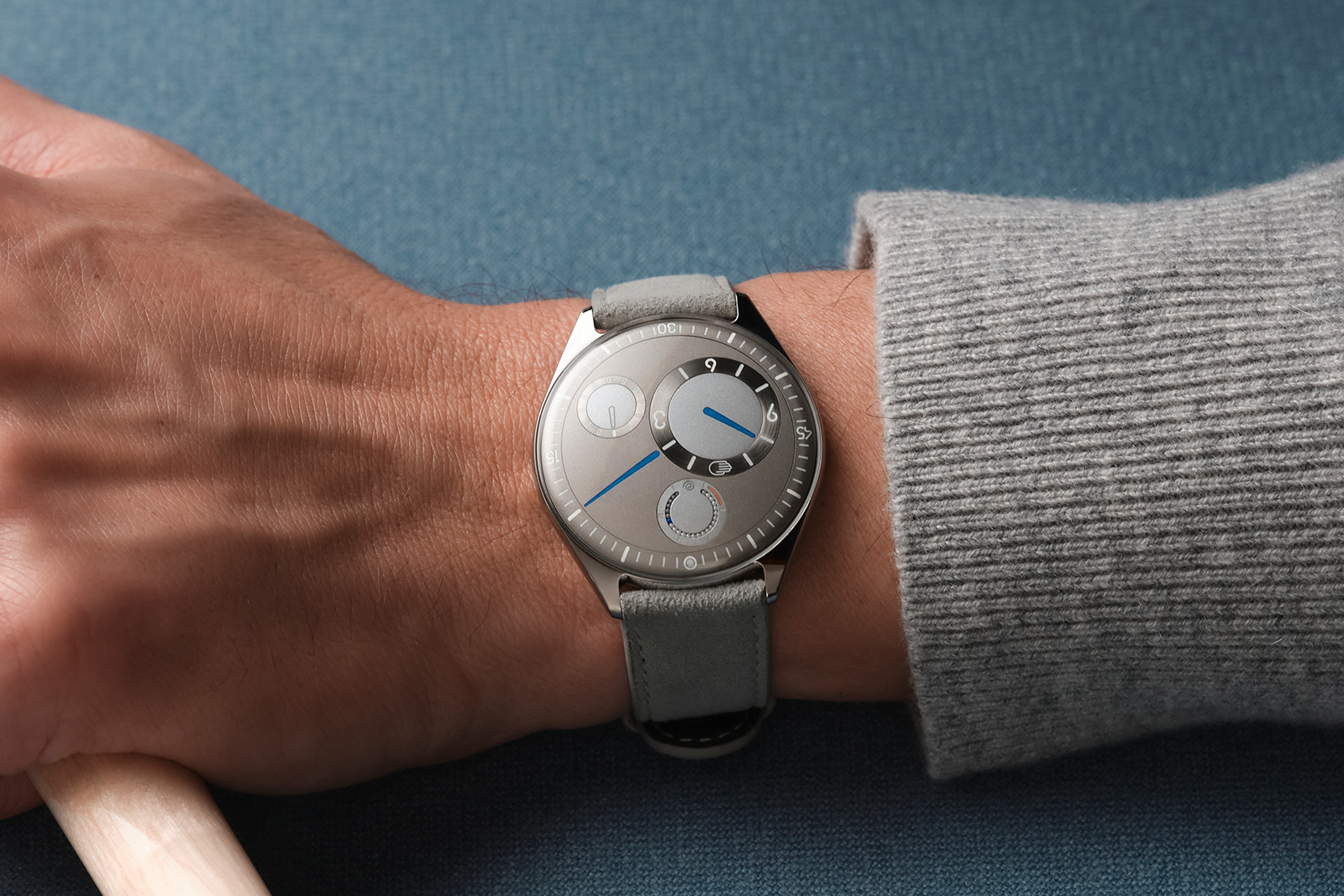
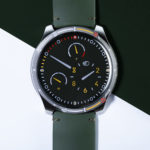
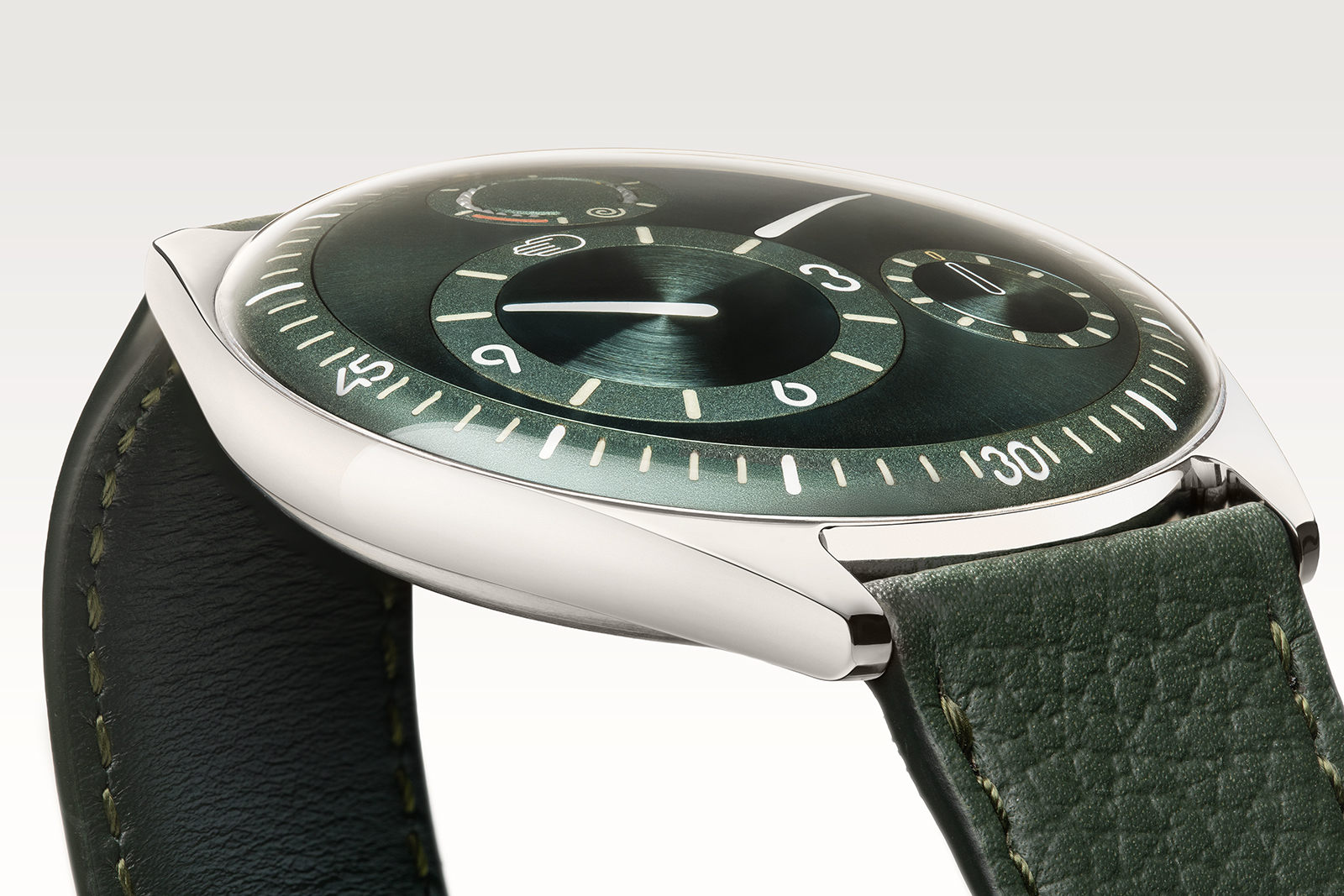
The Type 11 continues the signature streamlined minimalism of past Ressence models, but adopts a less complicated display. There are hours, minutes and seconds, arranged in the brand’s particular regulator layout, with the minute hand being in fact a large revolving domed platform which carries the other indicators along with it.
Much like any other Ressence, the Type 11 is rather intuitive to read once one recognises the familiar indications, and the reinterpretation of a classic regulator display is both inventive and charming.
But no matter how advanced the ROCS modules and complications became, the base movement remained the disappointingly familiar ETA 2824 or 2892. The choice to focus on the key differentiator is understandable, and not uncommon. Urwerk employs a similar approach, developing only the satellite time display modules and relying on third-party suppliers like Zenith and Vaucher for base calibres.
Sixteen years on from its founding, Ressence has developed both the following and the confidence required to invest in the development of a proprietary calibre, which is produced in collaboration with an unnamed movement specialist.
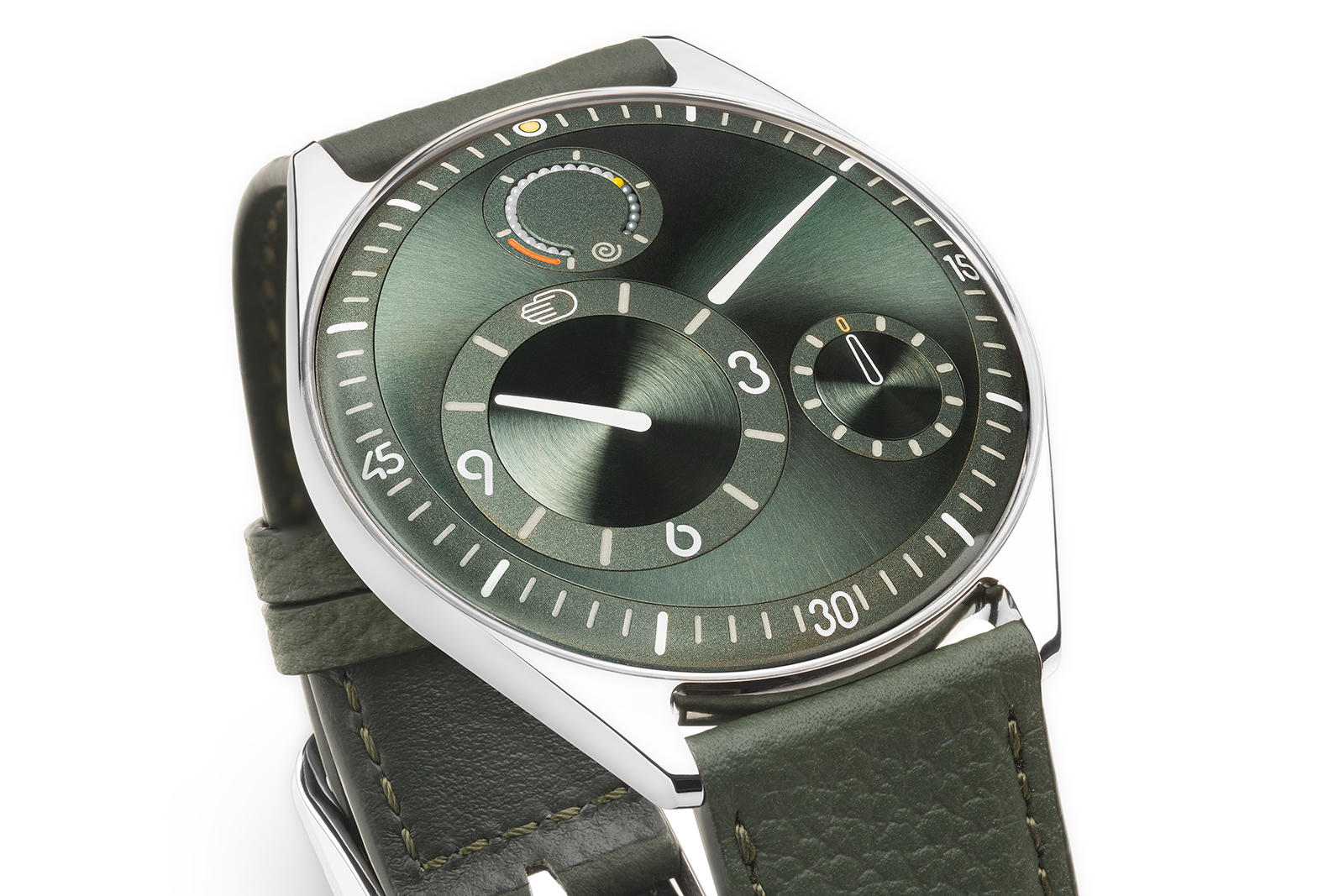
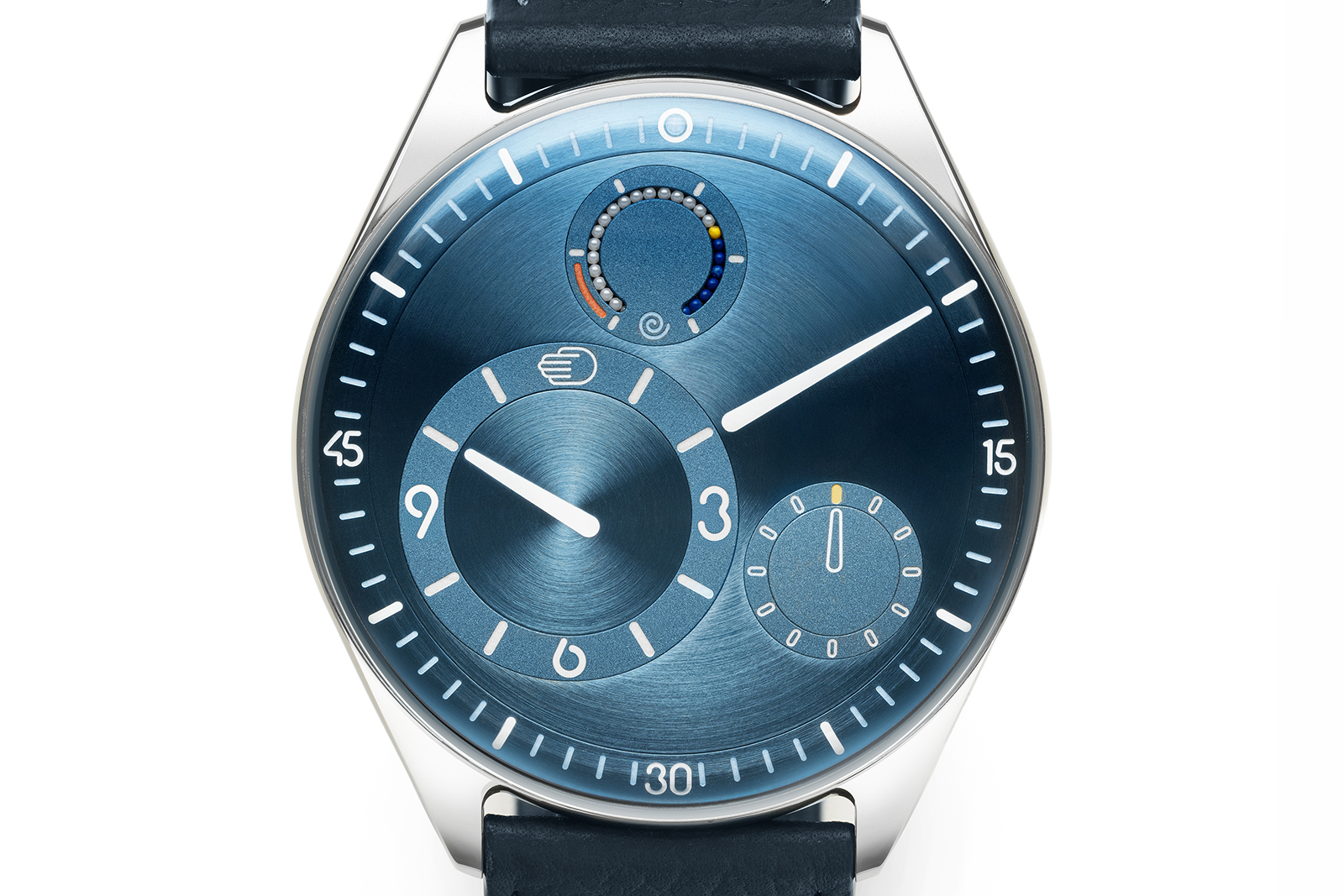
A particular addition to the Type 11 is a ball-based power reserve complication. Using coloured ceramic marbles, the small sector indicator shows the user how much charge is left in the twin mainspring barrels. The feature is as useful as it is playful, and the visually tactile display adds some layering to the pebble-like surface of the watch face.
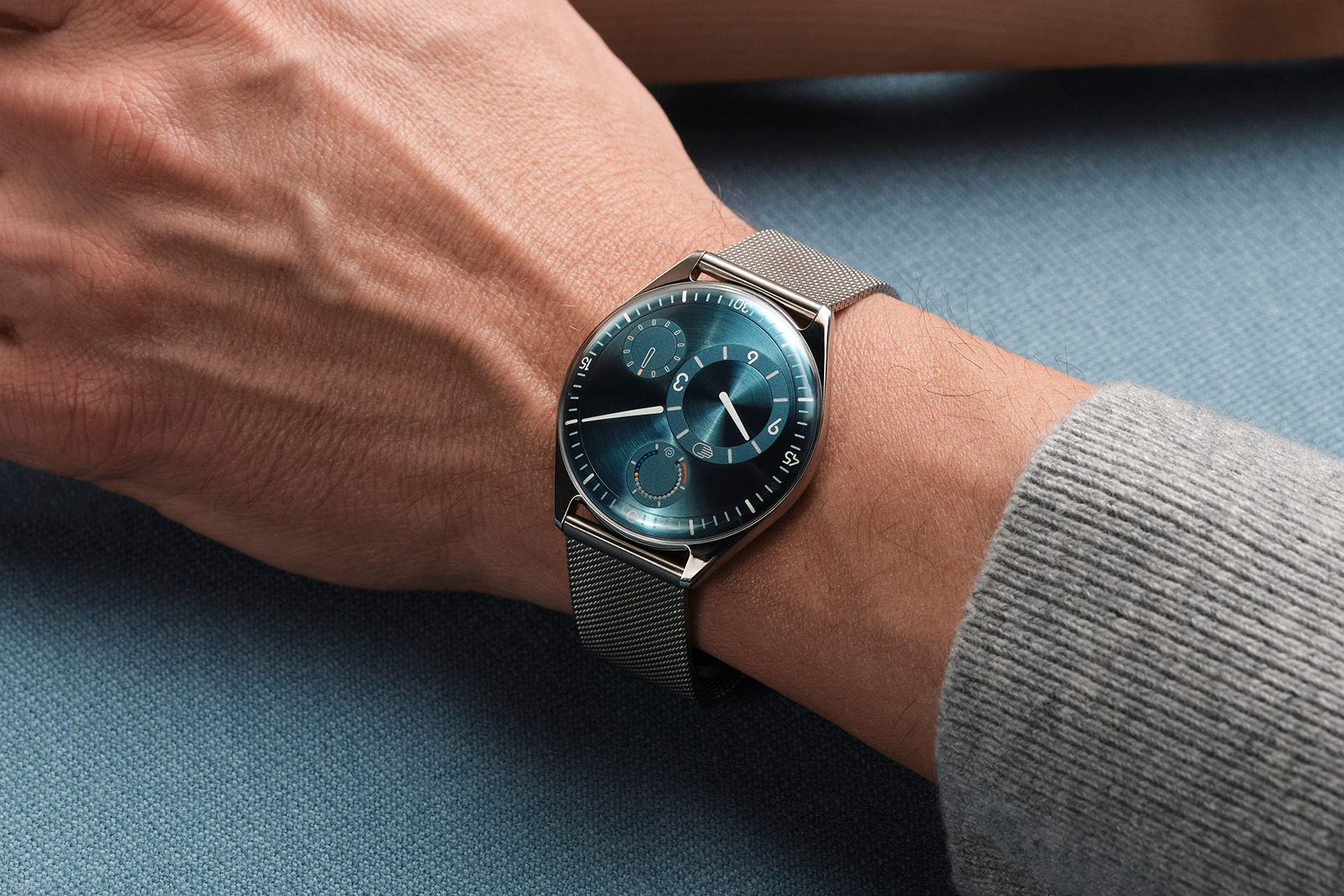
At launch, the Type 11 is available in three colourways — themselves reminiscent of Apple product nomenclature — Pine, Sky and Latte. The Grade 5 titanium case has a warm industrial sheen to it, which works very well paired with these pastel colour schemes.
This is a brave and well-executed step towards greater vertical integration. Moving away from stock calibres is a sign that Ressence is consolidating its place within independent watchmaking — and suggests there are more exciting things to come. Perhaps most surprisingly, the Type 11 is priced below some of its ETA-derived stablemates at just CHF23,000.
Dial in ultra HD
For anyone remotely familiar with traditional watchmaking, the experience of seeing a Ressence timepiece for the first time can be peculiar. Apart from some cues that the pebble-like object may be telling the time, there is little that links any given Ressence watch to what might be classified as classical horology.
Such is the case with the Type 11, which looks more like a wearable tech gimmick than a five-figure mechanical luxury wristwatch. In typical Ressence fashion, there is no winding crown — a fact that further alienates it from traditional design norms.
The lack of a crown also means that the Type 11 can be worn on either the left or right wrist with the same degree of comfort. The Grade 5 titanium case is 41 mm diameter, but Ressence watches tend to wear larger since there is no bezel and the dial stretches from edge to edge.
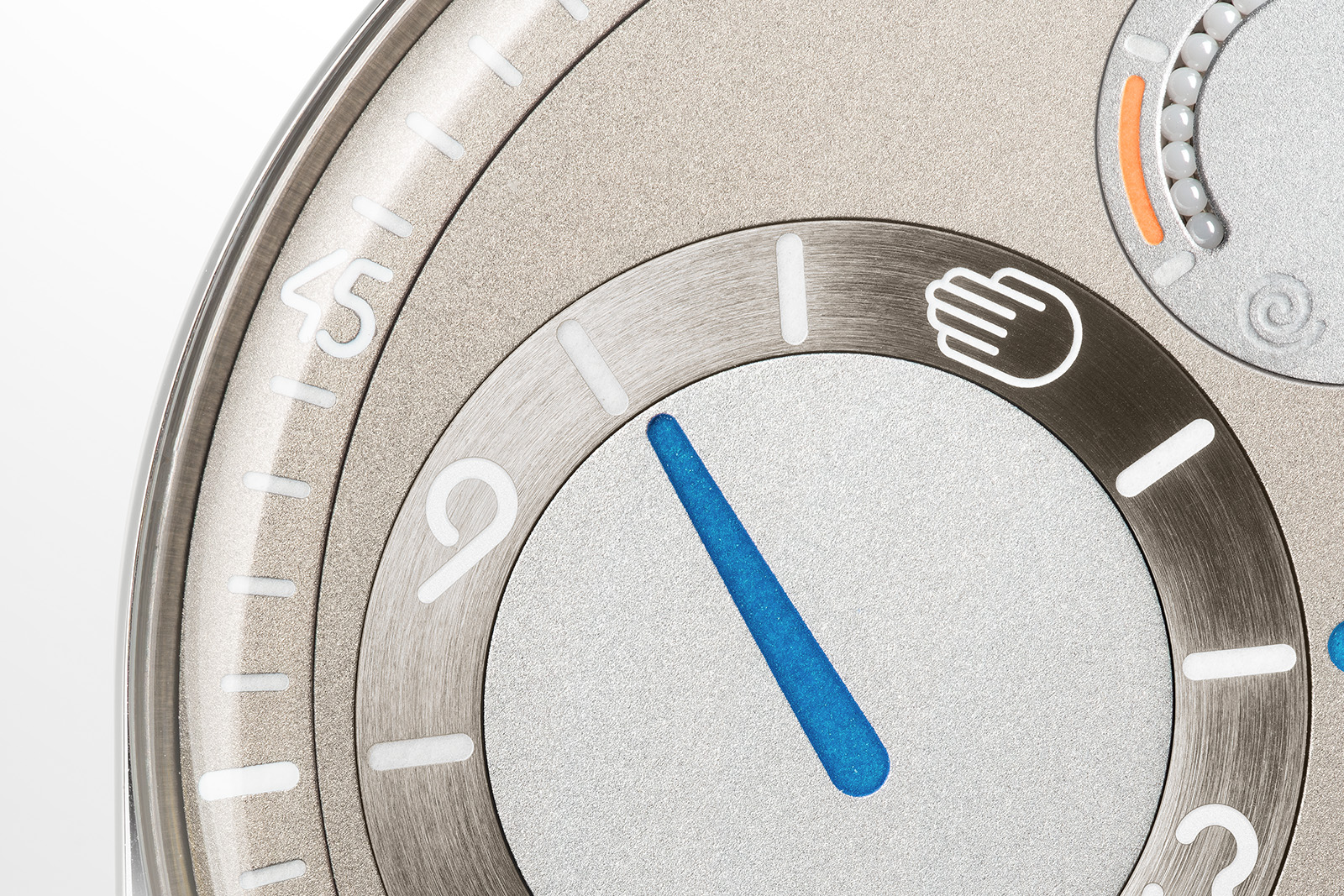
The layout of the Type 11 traces its roots back to the landmark Type 3 in terms of overall design language, while adopting the minimal complication pack of the sleek Type 1. The central, slightly domed platform turns once every hour and is engraved with a Super-LumiNova-filled minutes hand. Despite the unusual layout, it’s surprisingly legible, as there is a broad minutes ring at the edge of the crystal.
Depending on the colour, the minutes platform is either radially brushed, or simply grained in the case of the taupe ‘Latte’ configuration. The different textures lend each configuration a distinct personality.
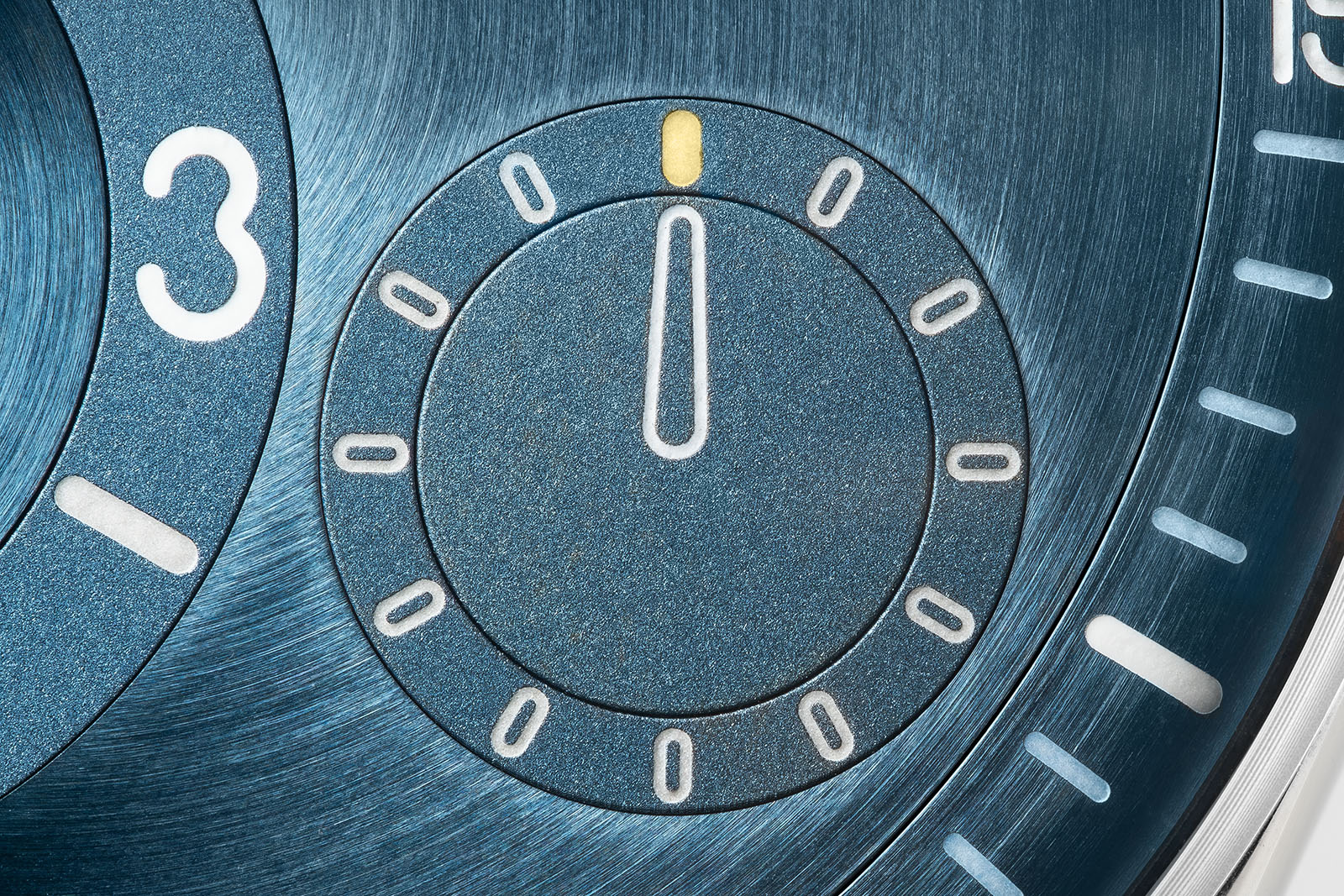
Nested on the central platform are three eccentric indications, namely a rather large hours sub-dial, small seconds and the marble power reserve indicator. The hours and seconds sub-dials are fairly typical, at least by Ressence standards, while the power reserve indicator is genuinely unusual.
The display is comprised of more than two dozen small ceramic ‘micro-balls’ — reminiscent of the rollers in rotor ball bearings — which are captive in a circular channel.
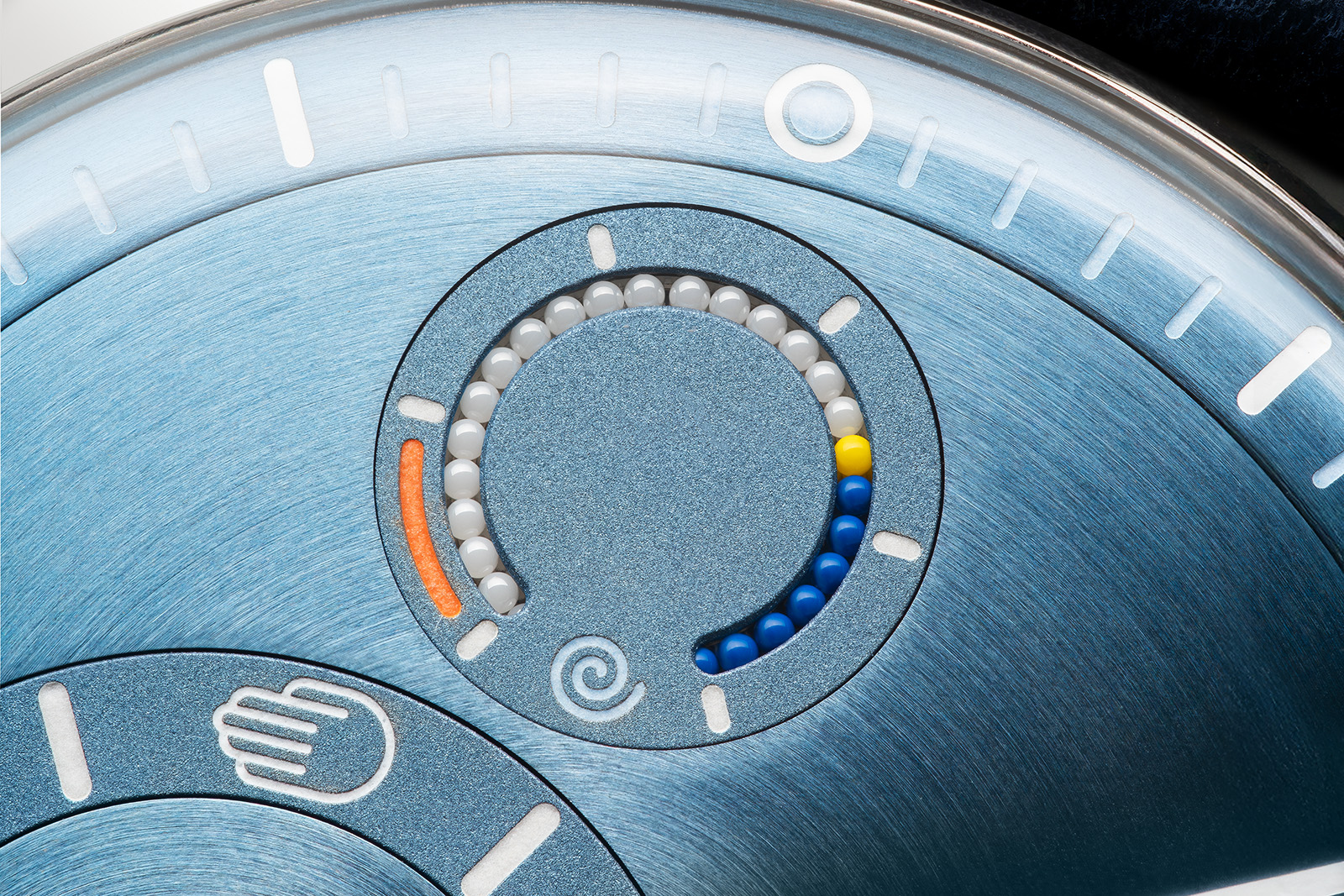
When the watch is fully wound, only the bright marbles are on show. As the power runs down, the ratio changes in favour of the dark-hued balls. When the power reserve gets critically low, the darker marbles will reach an orange sector, encouraging the wearer to wind the watch.
The Ressence-Werk RW-01
Beyond its novel power reserve indicator, the defining feature of the Type 11 is undoubtedly the newly-developed RW-01 calibre, which was designed by Ressence in collaboration with a specialist constructor.
The choice to outsource some of the construction and the production activities of the movement makes sense, since Ressence is not a fully integrated watchmaker in the traditional sense.
Ressence founder Benoît Mintiens is an industrial designer by trade, so his practical experience with functional watchmaking was limited from the get-go. Early Ressence timepieces were actually assembled by Ludovic Ballouard’s workshop in Geneva. Although the brand has clearly outgrown its new-comer status, very few brands have the resources to develop and build reliable mechanical movements from ground up without help— making the choice to enlist a movement specialist reasonable, even commendable.
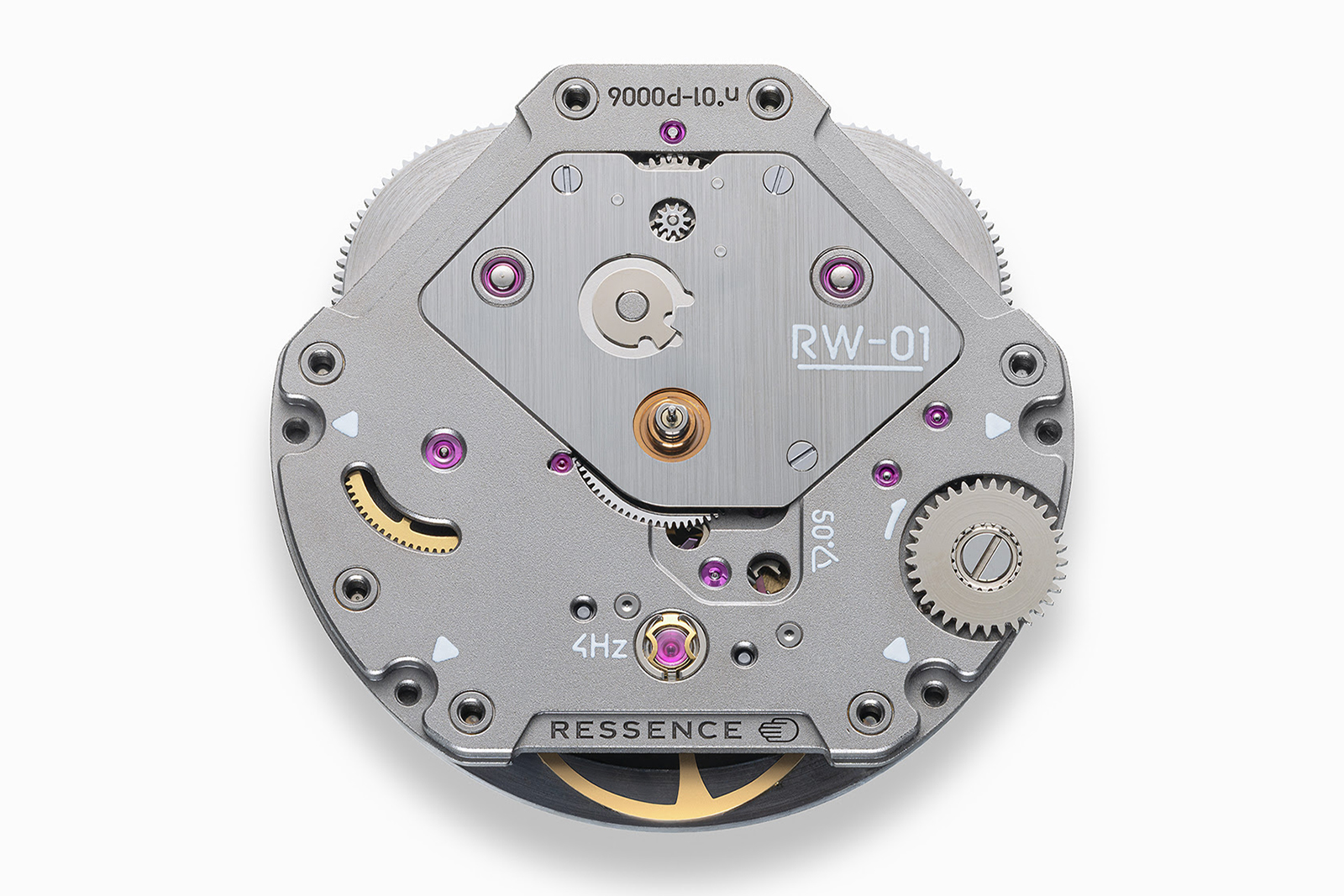
Designing the RW-01 from a blank sheet allowed Ressence to tailor the movement to its own particular needs. The iconoclastic no-crown design, for example, requires the movement to be set and wound solely through the case back. This was accomplished through a complicated “Control Interface” in past models.
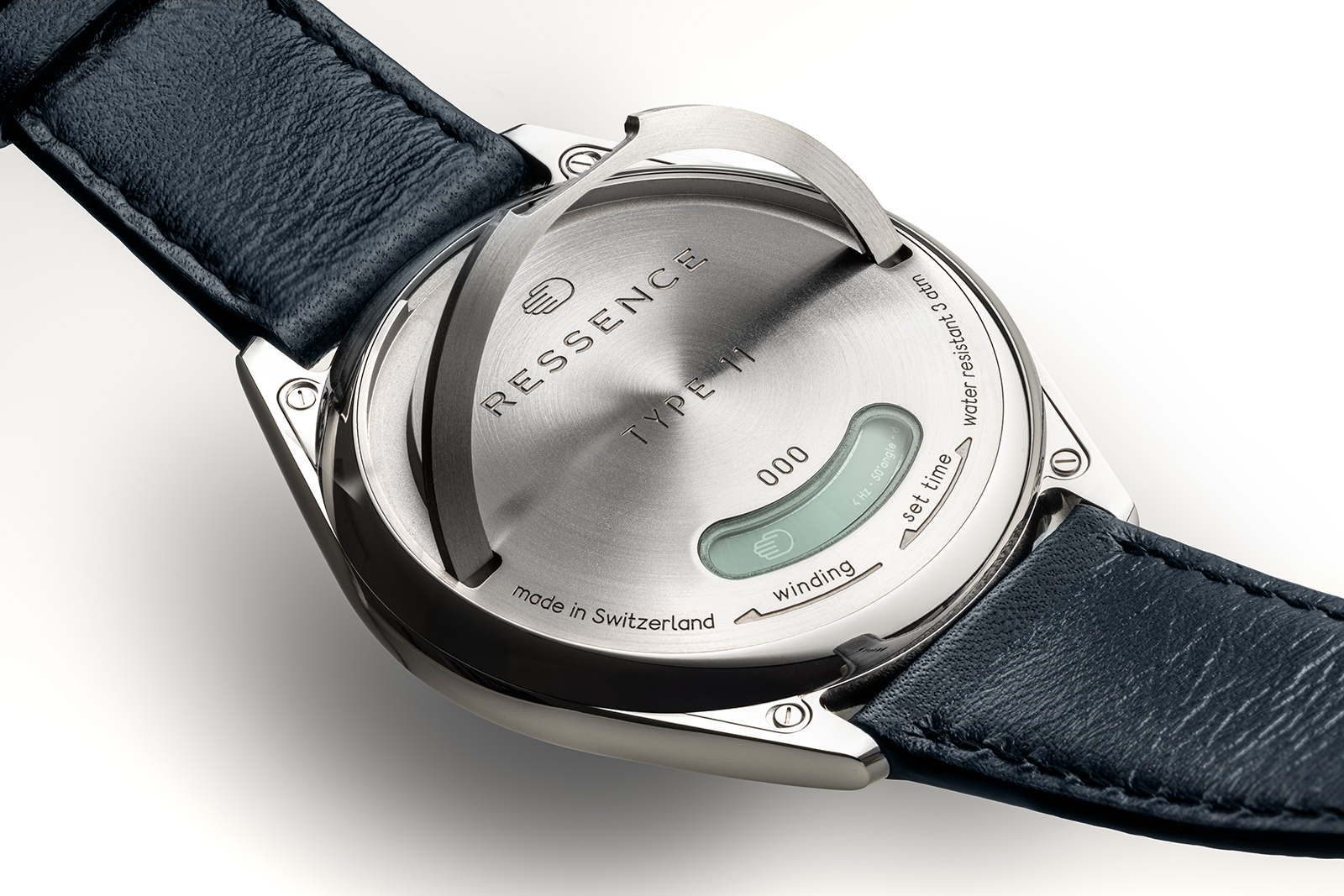
With the RW-01, the movement is specifically designed to accommodate a case back-only mechanism, allowing for more efficient winding and setting. The operation is straightforward: turning the case back in one direction sets the time, and turning it the opposite direction winds the movement.
The RW-01 is also an automatic calibre, with a small case back aperture showing a glimpse of the rotor. The rotor’s edge is engraved with some technical specs, such as the balance frequency, and the escapement’s lift angle. These details add an industrial, machine-like quality to the watch.
Interestingly, the RW-01 comes equipped with two mainspring barrels. The movement is not entirely round and the barrels peek out from the slanted mainplate. The look is odd, but fitting for Ressence.
The two barrels appear to be serially-coupled for delivering the 60-hour power reserve and the movement features what looks to be an original stop-work system, not unlike a Maltese cross, that limits the winding and unwinding of the mainsprings.
The movement is destined for life behind a solid case back, so the finishing decisions make sense. There’s little in the way of haute horlogerie decoration, but the appearance is neat and tidy with a mix of matte and straight-grained finishes on the plates and bridges.
The magnetic interface for the ROCS 11.1 module is now more deeply integrated with the movement, although it remains contained within a sealed, oil-filled chamber. Since the silicon oil permeates all the layers of the ROCS module, its components are particularly well-lubricated at all times.
Much like all the modern ROCS modules, there is a system of mechanical bellows to compensate for changes in oil temperature, and the planetary gearing compensates for the platform’s continuous rotation, keeping the sub-dials vertical at all times.
Key Facts and Price
Ressence Type 11
Ref. TYPE 11L (Latte)
Ref. TYPE 11P (Pine)
Ref. TYPE 11S (Sky)
Diameter: 41 mm
Height: 11 mm
Material: Grade 5 titanium
Crystal: Sapphire
Water resistance: 30 m
Movement: In-house developed RW-01 movement with ROCS 11.1 module
Functions: Hours, minutes, seconds and power reserve indicator
Winding: Automatic
Frequency: 28,800 beats per hour (4 Hz)
Power reserve: 60 hours
Strap: Leather, rubber or Milanese mesh titanium bracelet
Limited edition: No
Availability: From selected Ressence retailers worldwide starting May 2026
Price: CHF23,000, excluding taxes
For more information, visit Ressencewatches.com.
Back to top.