Seiko’s New Marinemaster Gives the People What They Want

Upgraded across the board.
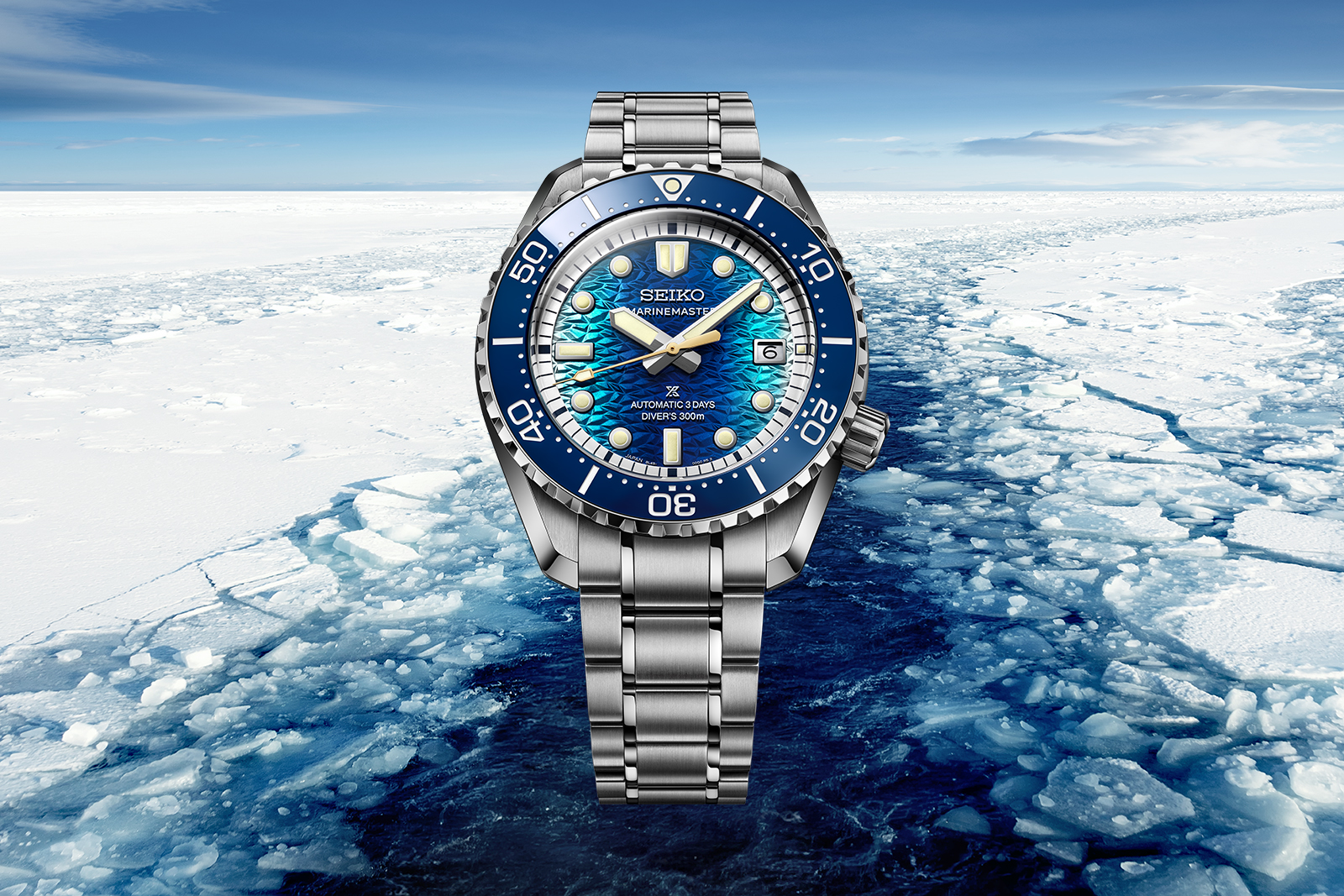
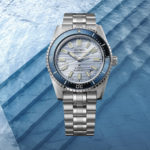
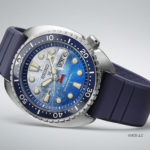
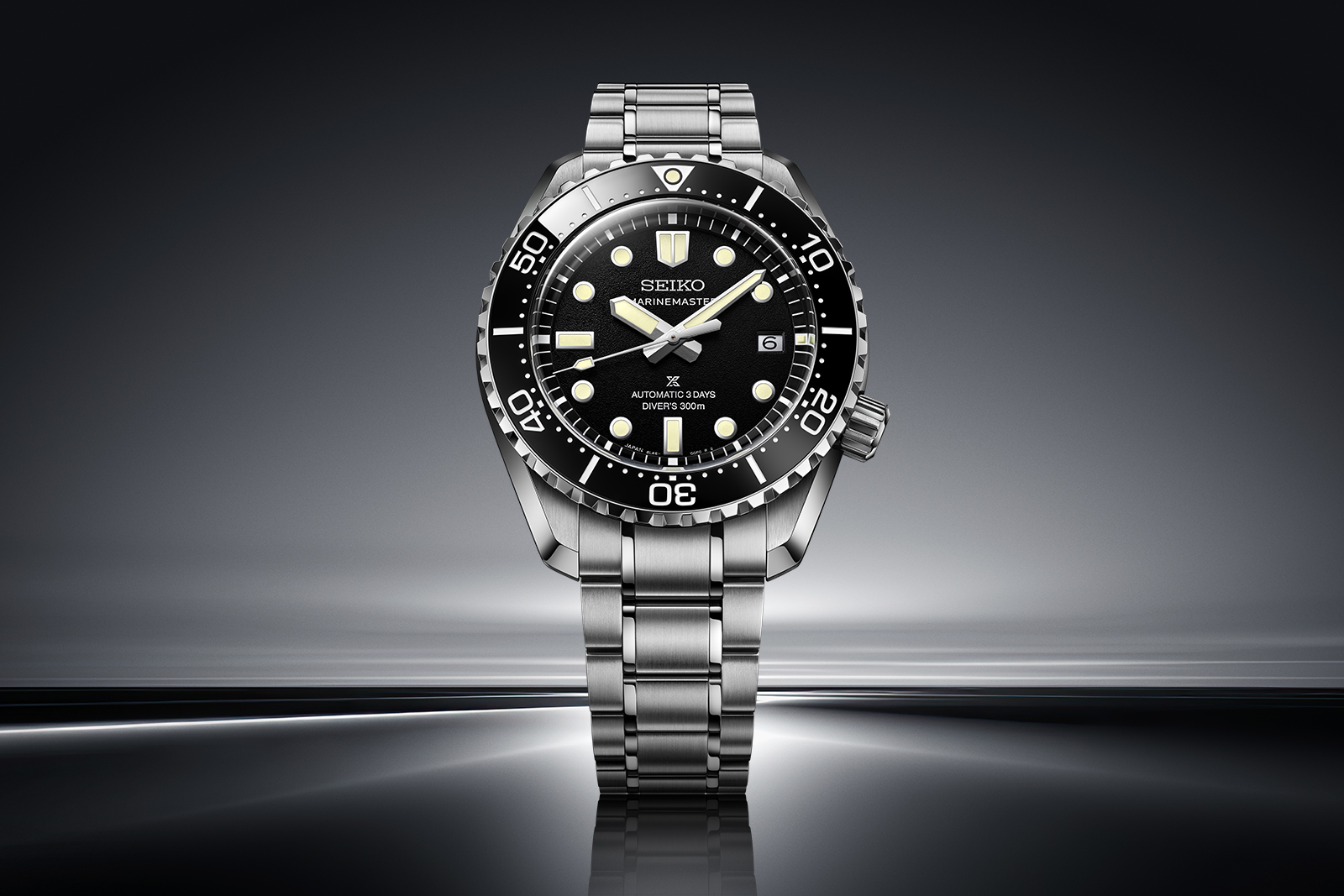
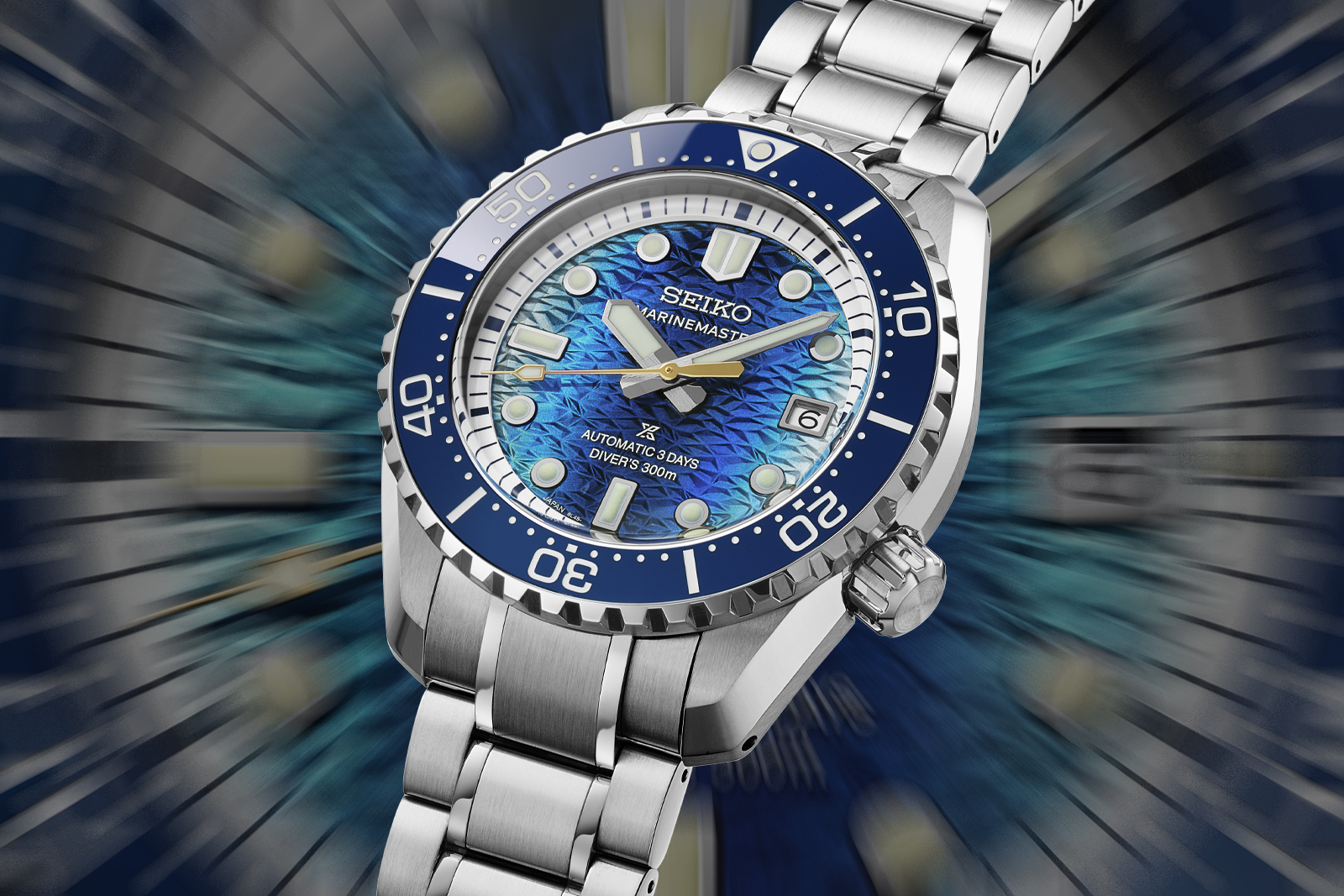
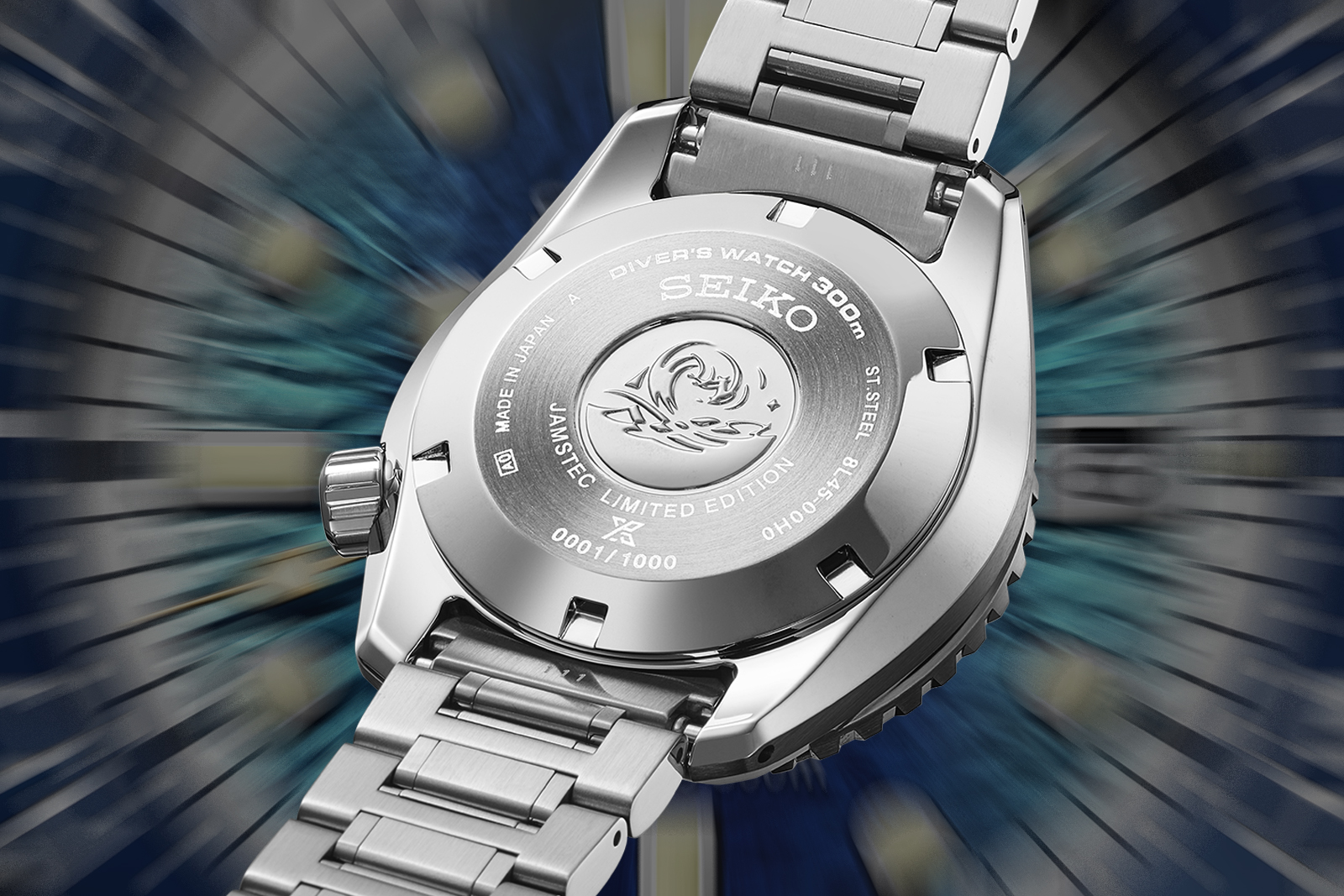
Less than two years out from its 2024 relaunch, Seiko refreshes its flagship dive watch with the new Prospex Marinemaster 1968 Heritage Diver’s Watch HBF001 and its limited edition counterpart, the HBF002. Both models feature a ceramic bezel, longer power reserve, better promised timekeeping, and a much-requested tool-less micro-adjust clasp — tangible upgrades that justify a near 25% premium over the previous generation. The regular production model launches alongside a more flamboyant 1,000-piece limited edition designed in collaboration with the Japan Agency for Marine-Earth Science and Technology (JAMSTEC).
Initial thoughts

Seiko relaunched the Marinemaster brand three years ago with an unexpected trio of compact skin-divers. This was followed by a return to form the following year with a pair of 300 m Hi-Beat Diver-inspired models that dispensed with the “Professional” branding, front-loading case construction, and helium impermeability that distinguished Marinemasters of the past, but offered a more compact 42 mm size and a much improved bracelet.
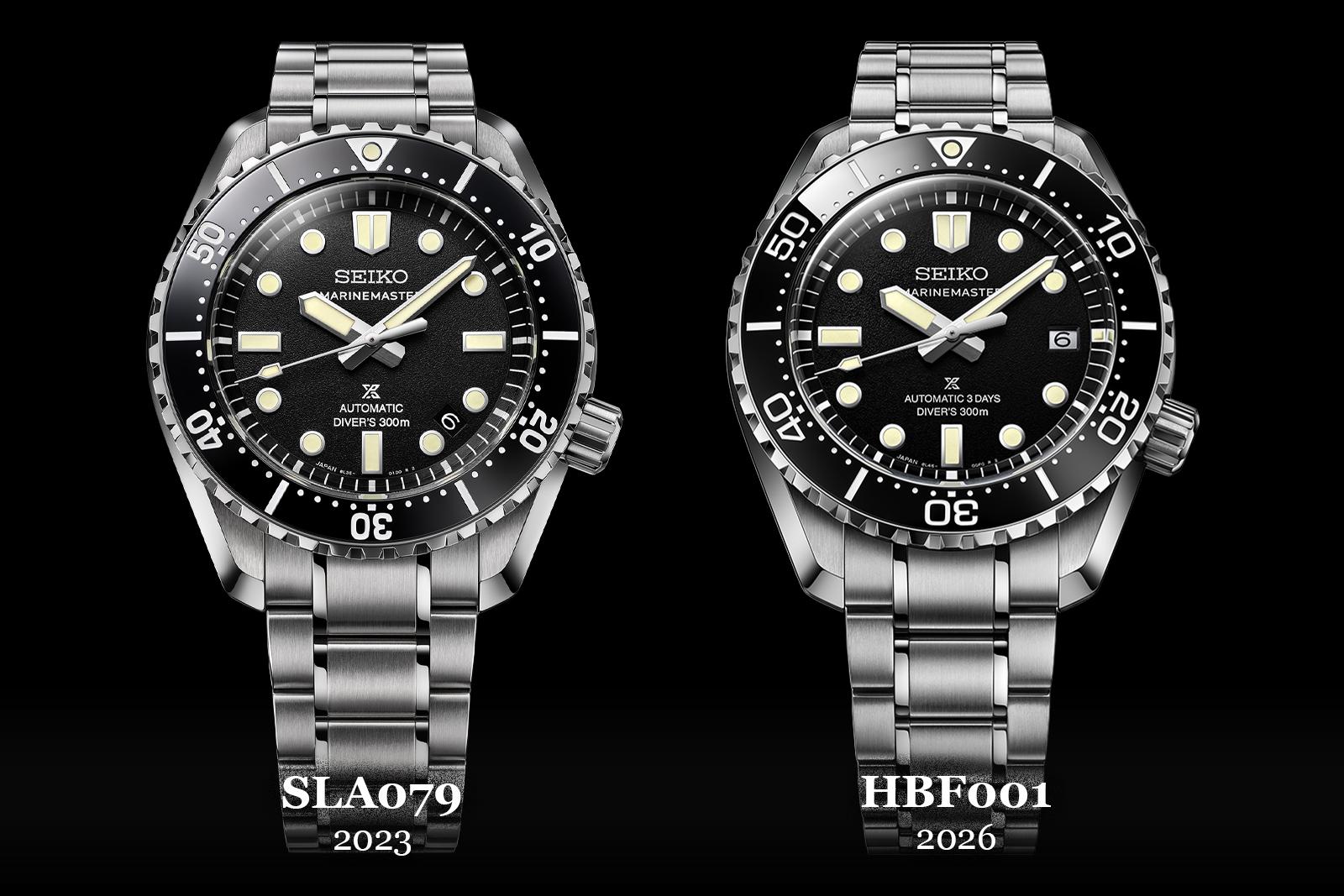
However, it still used the same stamped clasp body found on entry-level divers, just with an upgraded swing arm, and relied on the aging cal. 8L35 movement while Seiko rolled out the improved cal. 8L45 in the similarly priced King Seiko Vanac. The new HBF001 solves all of those problems, and introduces only a few new ones. Given the similarity to the SLA079, Seiko clearly felt the need for unambiguous differentiation, which probably explains the “3 days” text on the dial, though getting rid of the unnecessary Prospex logo would also have done the trick. But fortunately, the crown is spared the unsightly laser-engraved “X”.
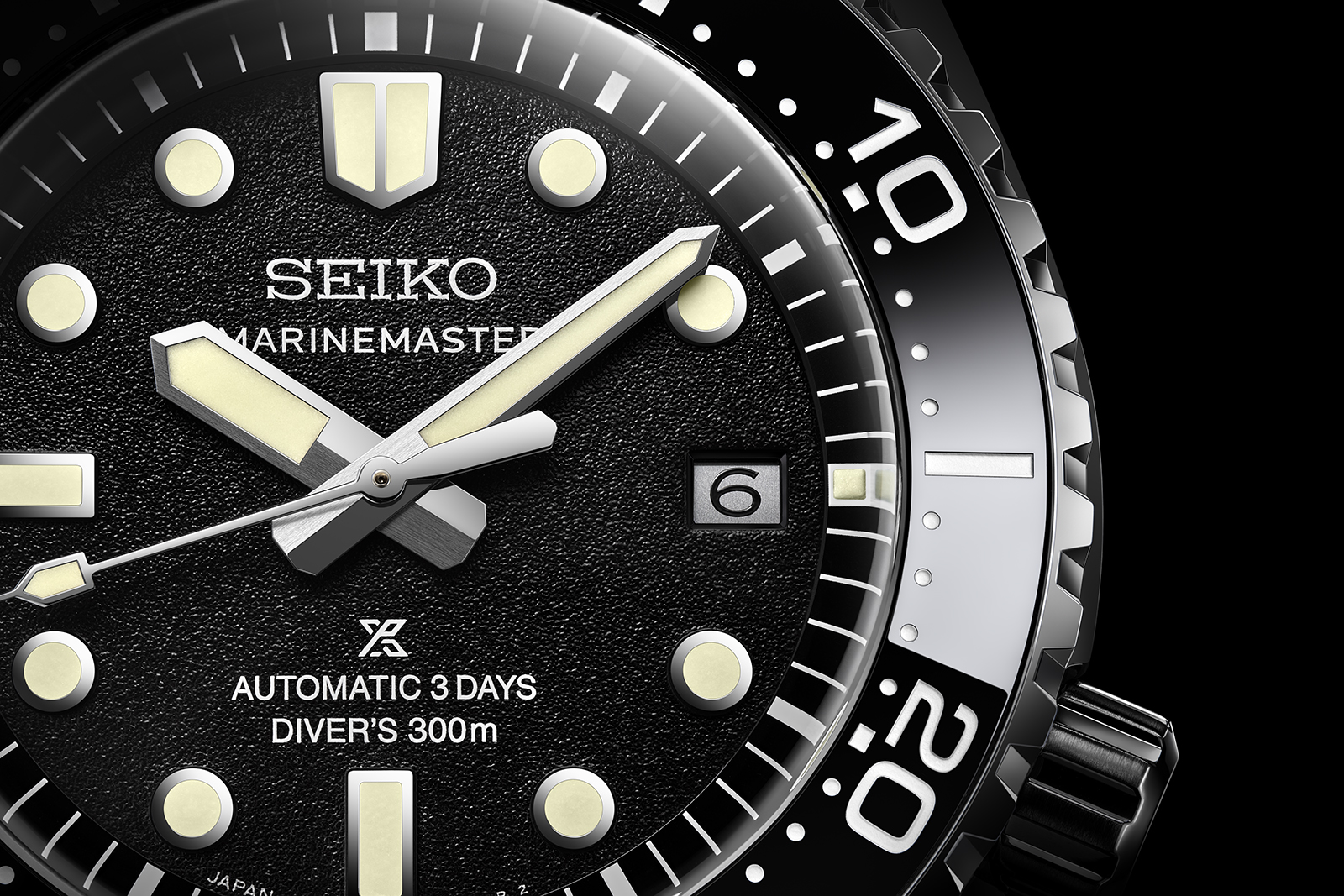
At US$3,600, the regular production variant is a strong contender for the best diver in its price segment, coming in nearly $1,000 under the least-expensive Tudor Black Bay. Perhaps it is even too good, raising the bar for Seiko divers and closing the gap with Grand Seiko’s only current dive watch, the SBGH289. At any rate, the HBF001 proves Seiko is listening to its customers, even if it sometimes seems slow to act.
Case and face

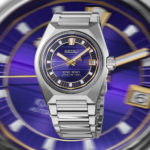
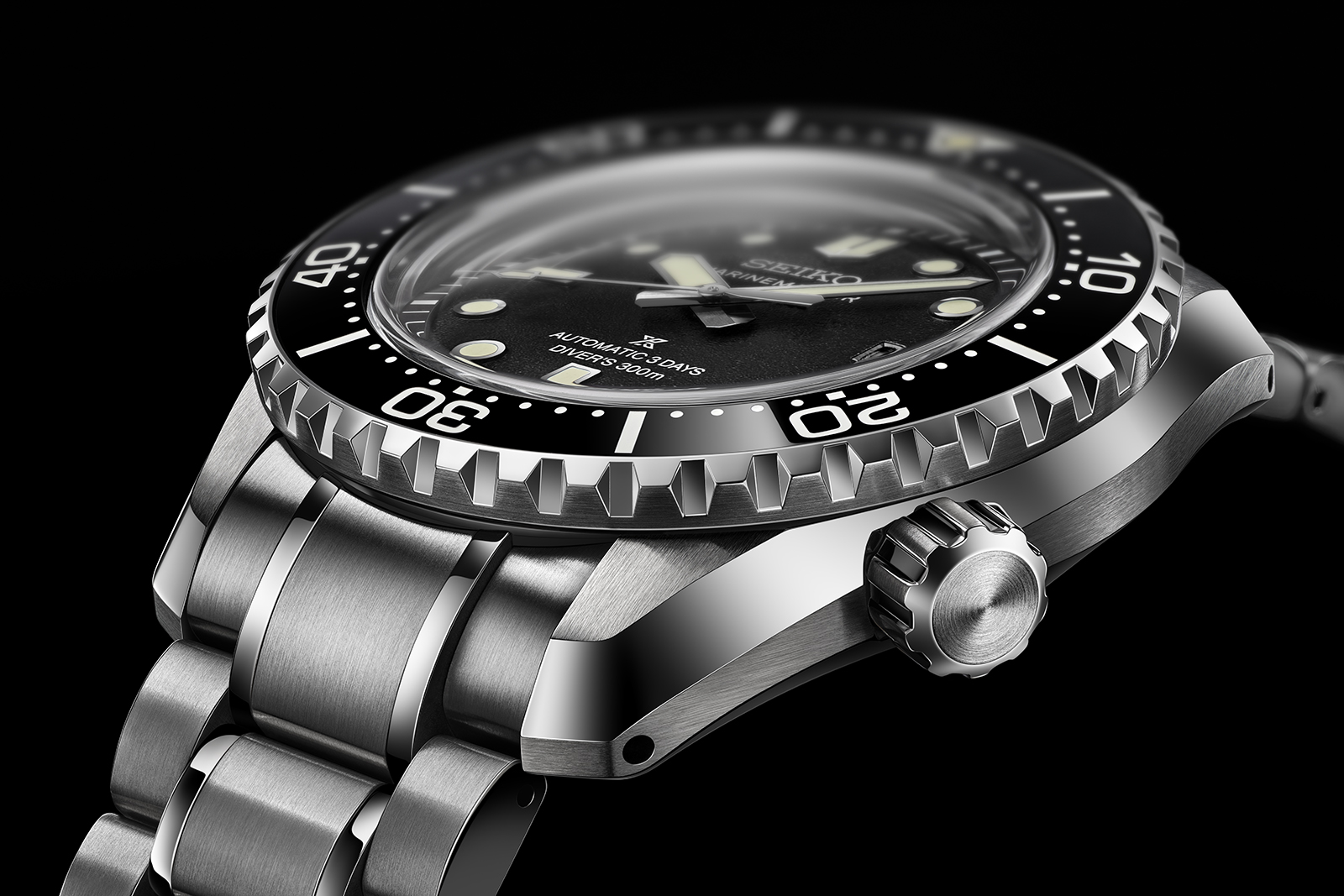
According to Seiko, the grained black dial of the HBF001 improves visibility underwater as it reflects less light. The same probably can’t be said for the limited edition HBF002. Meant to evoke a JAMSTEC Icebreaker cleaving through thick arctic ice, the crystalline dial texture has been given a gradient blue coating topped with a layer of clear varnish. The latter treatment explains why the printed text sits flat above the textured dial. Seiko divers have a reputation for bright, long-lasting lume, which no doubt be reinforced with these models.
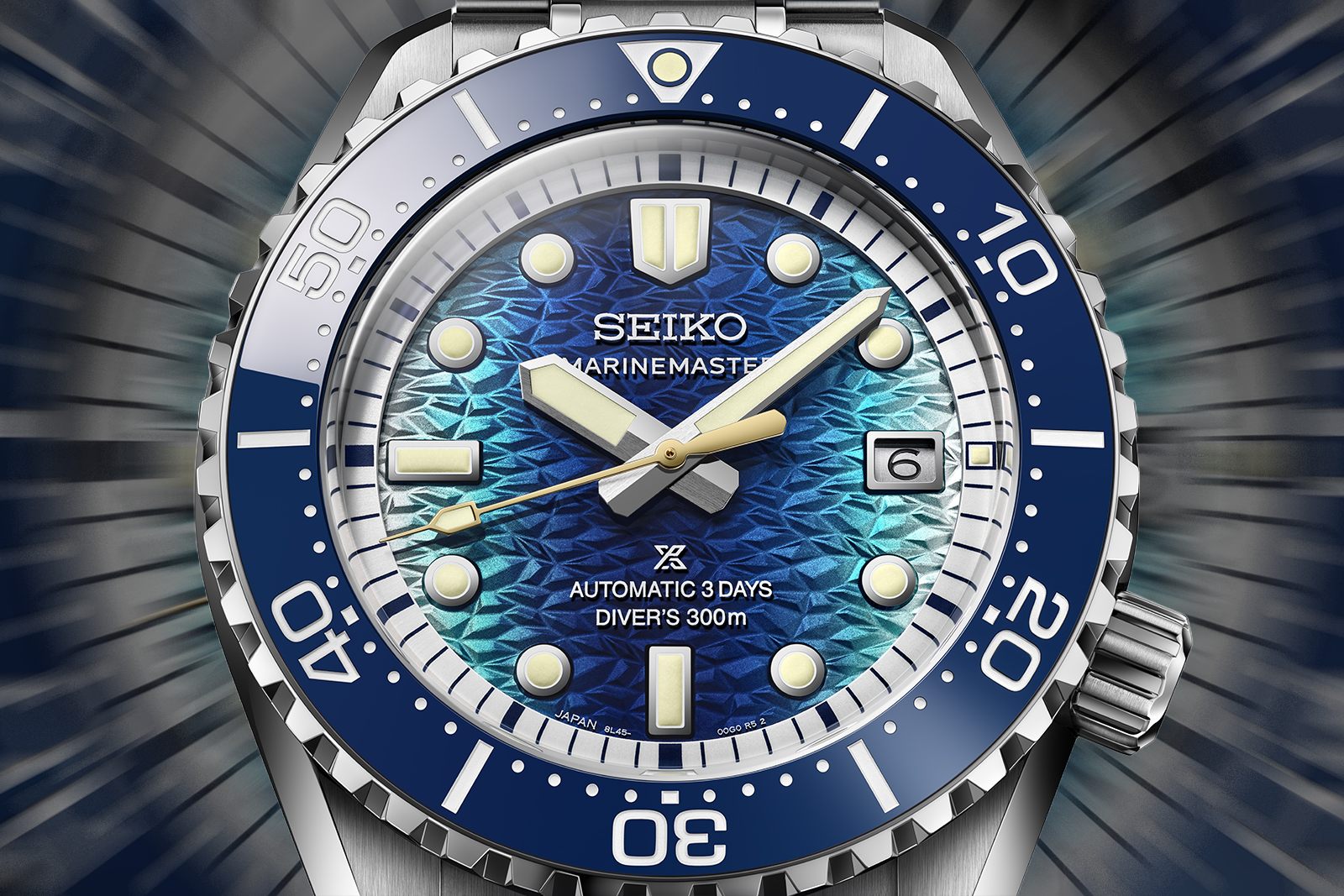
The case is stainless steel and protected by a “super-hard coating” which Seiko once called Dia-Shield. While not as hardy as Citizen’s latest and greatest surface coatings, it goes a long way to protect the finely lapped mirror finish of the case. While no longer purpose-built for saturation divers, the modern Marinemaster solves one of the more serious problems with past professional models – the crown tube. Historically, Marinemaster crown tubes were not removable, meaning a full case replacement was the easiest fix for damaged threads. Seiko finally addressed this in 2023 by adopting a replaceable crown tube.
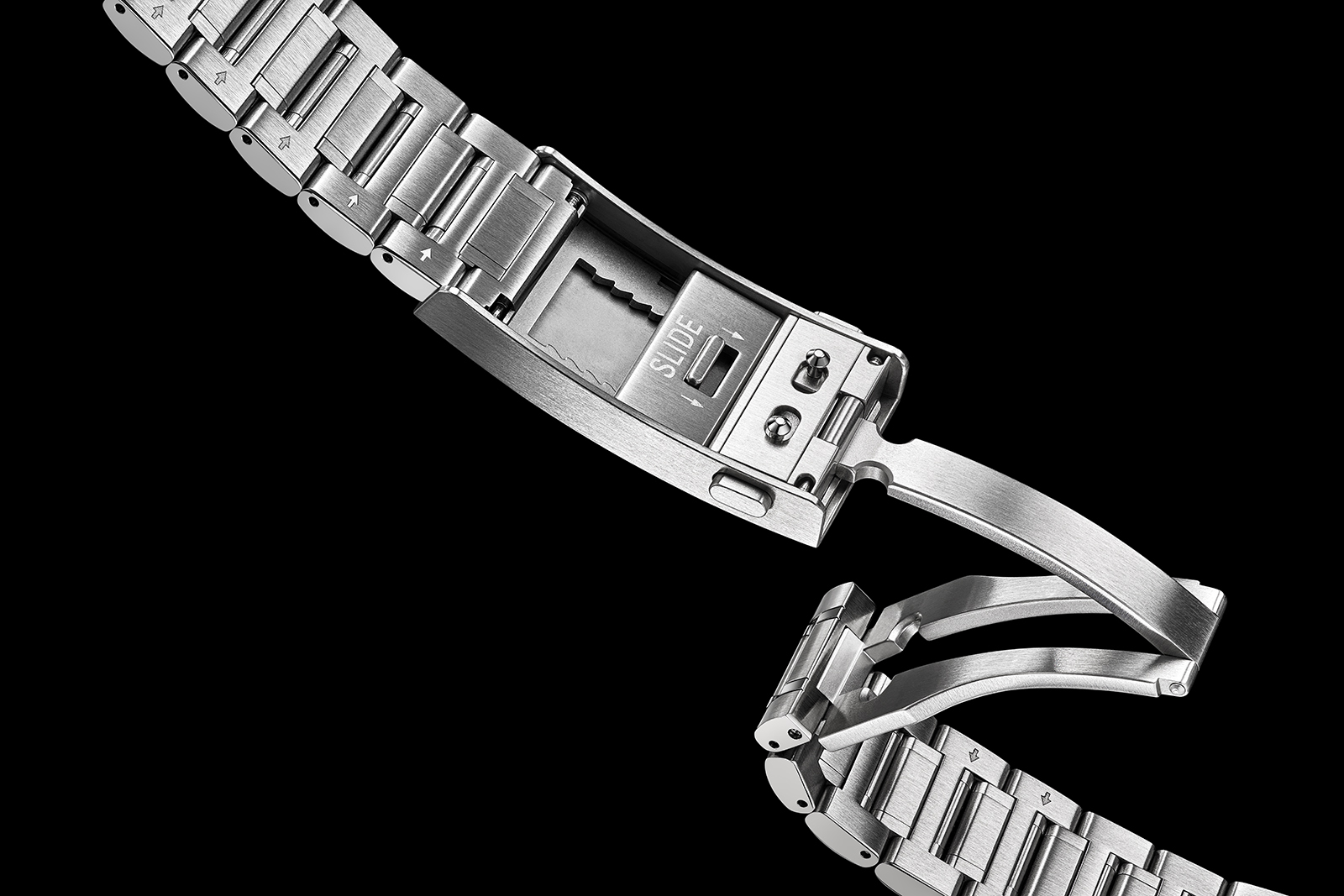
The same super-hard coating extents to the bracelet, where is arguably even more useful. The new clasp introduces a tool-less micro-adjust system which allows the bracelet to be extended by up to 16 mm by pulling the marked slide. It can also be tightened in 2 mm increments while on the wrist. Beyond this ergonomic upgrade, the new clasp has a more premium feel than the stamped clasp bodies found on the previous generation, which, other than the swing-arm and Dia-Shield coating, were the same as you would find on a Seiko Turtle.
New engine

Seiko offers a broad range of movements at different price points, and the cal. 8L45 is currently the top-of-the-range automatic mechanical movement offered by Seiko outside of the Grand Seiko brand. It is essentially the same as Grand Seiko’s cal. 9S65, which explains the 72-hour power reserve and reverser-wheel bidirectional winding system. This is a nearly 50% increase from the cal. 8L35’s 50-hour power reserve, which is charged with the Magic Lever winding system. Compared to the outgoing movement, the cal. 8L45 features a modified assortment (the hairspring coils counterclockwise rather than clockwise) and a tighter accuracy window of -5 to +10 seconds per day.
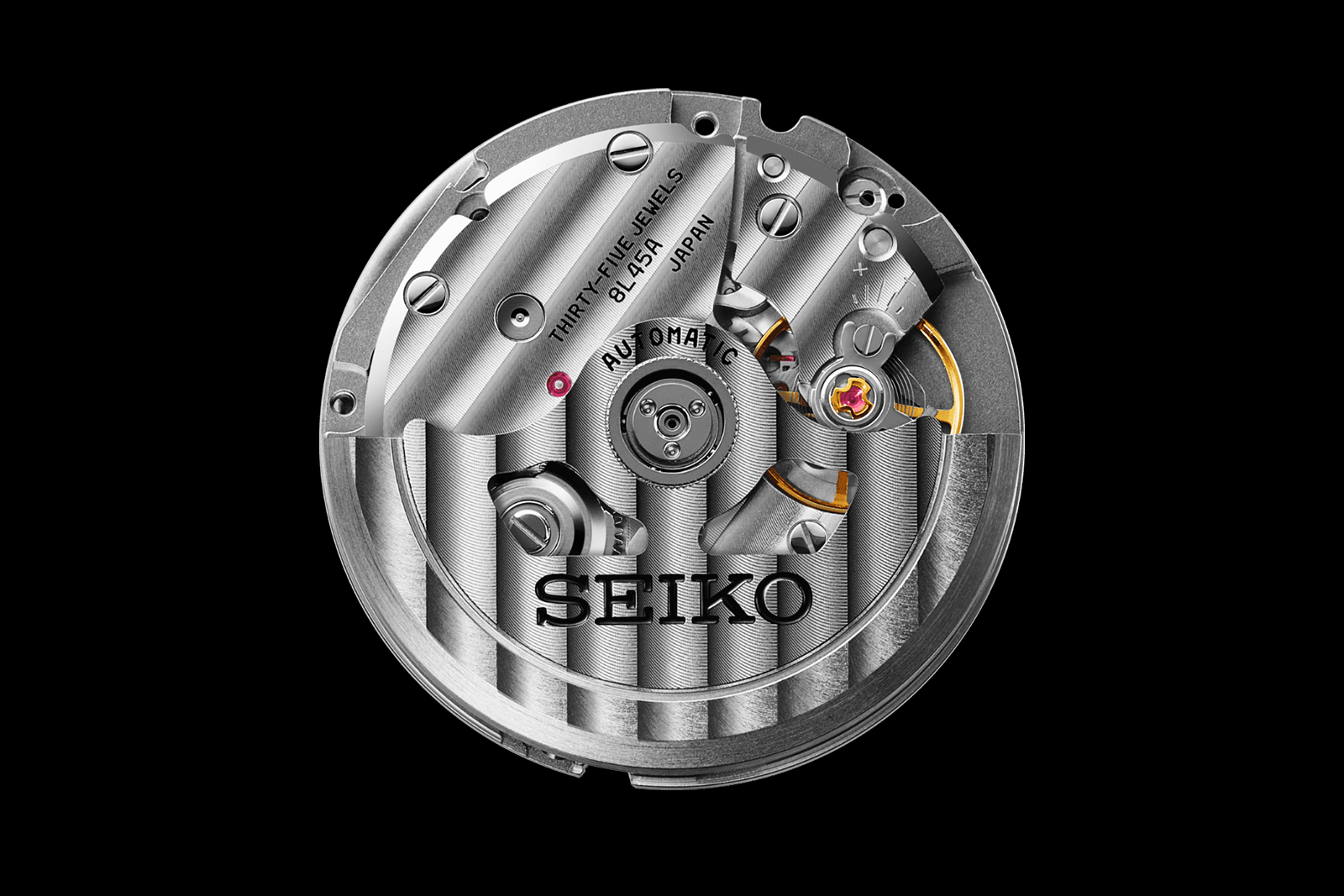
The performance rating is not exceptional for the price, especially compared to what some Swiss brands promise, but Seiko tends to be conservative when it comes to accuracy specifications, often delivering performance well within the stated range. But even as it is, the rating is tighter than what we’re accustomed to seeing from Seiko, superior even to the rating for the Credor Locomotive. It also uses Seiko’s proprietary regulator that is more upscale than the Etachron system found on the cal. 6R and 6L families.

Key facts and price

Seiko Prospex Marinemaster 1968 Heritage Diver’s Watch
Ref. HBF001 (black dial)
Ref. HBF002 (JAMSTEC edition)

Diameter: 42.6 mm
Height: 14.1 mm
Material: Stainless steel
Crystal: Sapphire
Water resistance: 300 m

Movement: Cal. 8L45
Functions: Hours, minutes, seconds, date
Winding: Self-winding
Frequency: 28,800 beats per hour (4 Hz)
Power reserve: 72 hours

Strap: Stainless steel bracelet with tool-less adjustment

Limited edition: JAMSTEC edition limited to 1000 pieces
Availability: From July 2026 at Seiko boutiques and retailers
Price: US$3,600 (HBF001), US$3,900 (HBF002) before taxes

For more information, visit seikowatches.com.


Back to top.
You may also enjoy these.

The King Seiko Vanac Returns in Titanium

Lightweight and facetted.

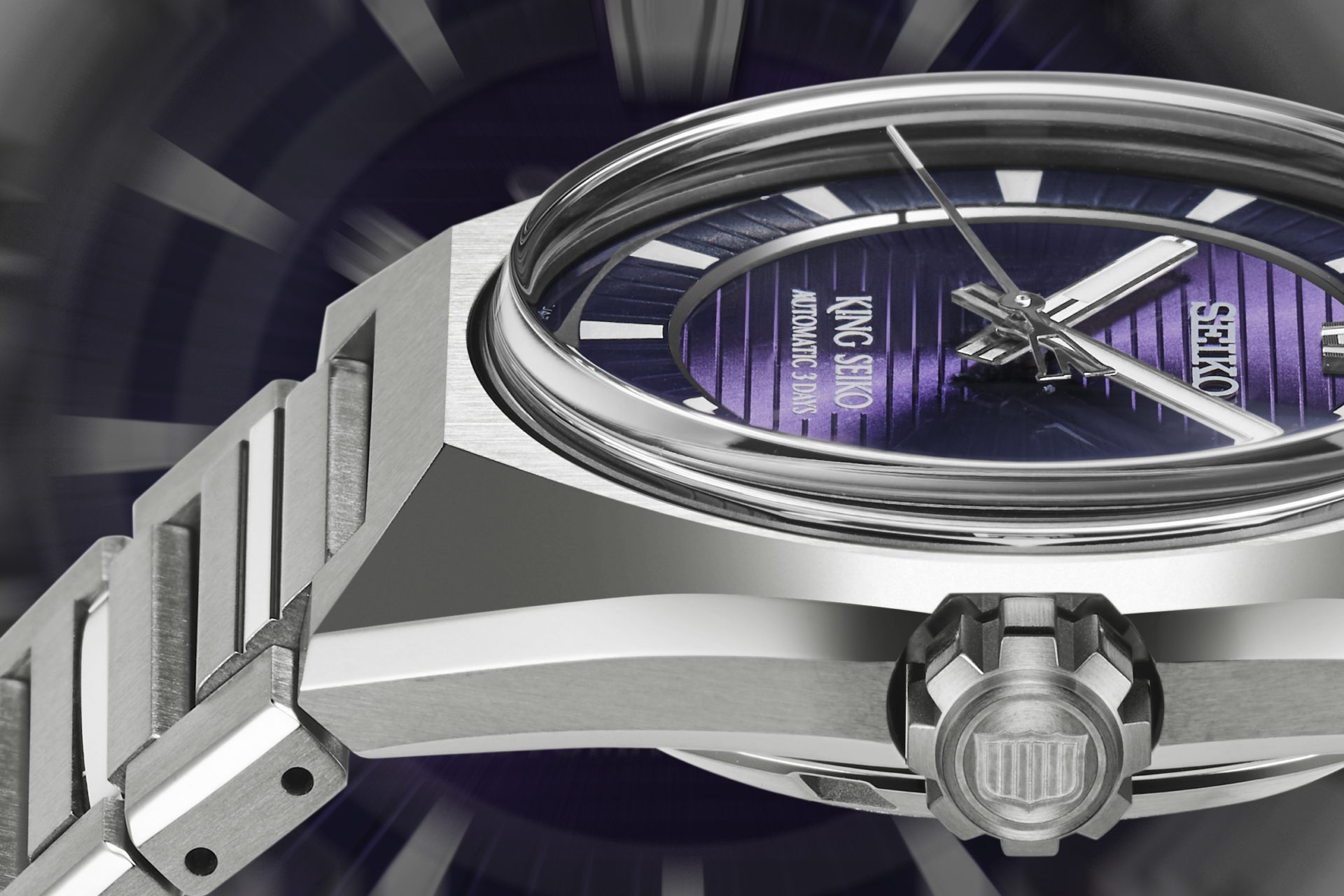
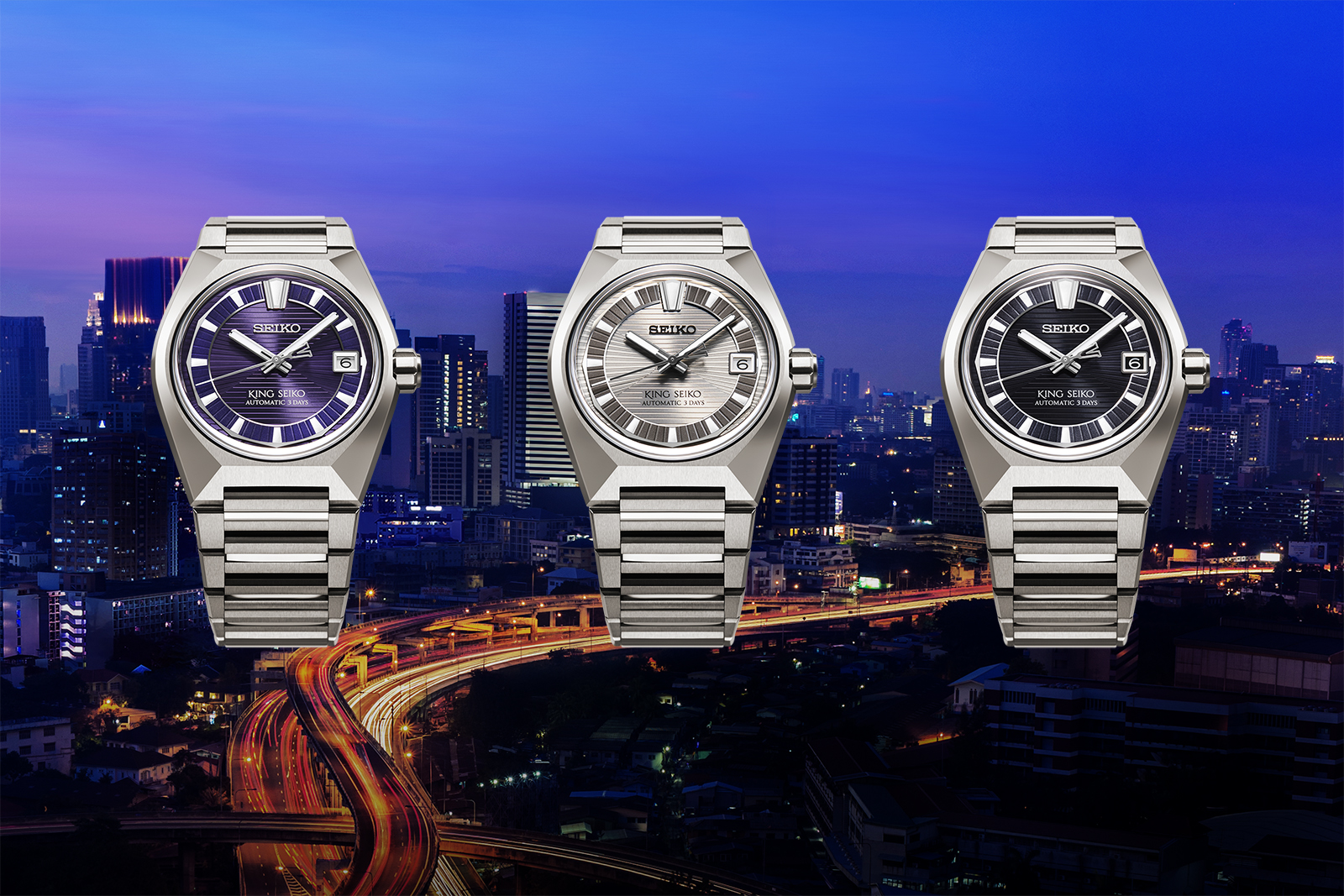
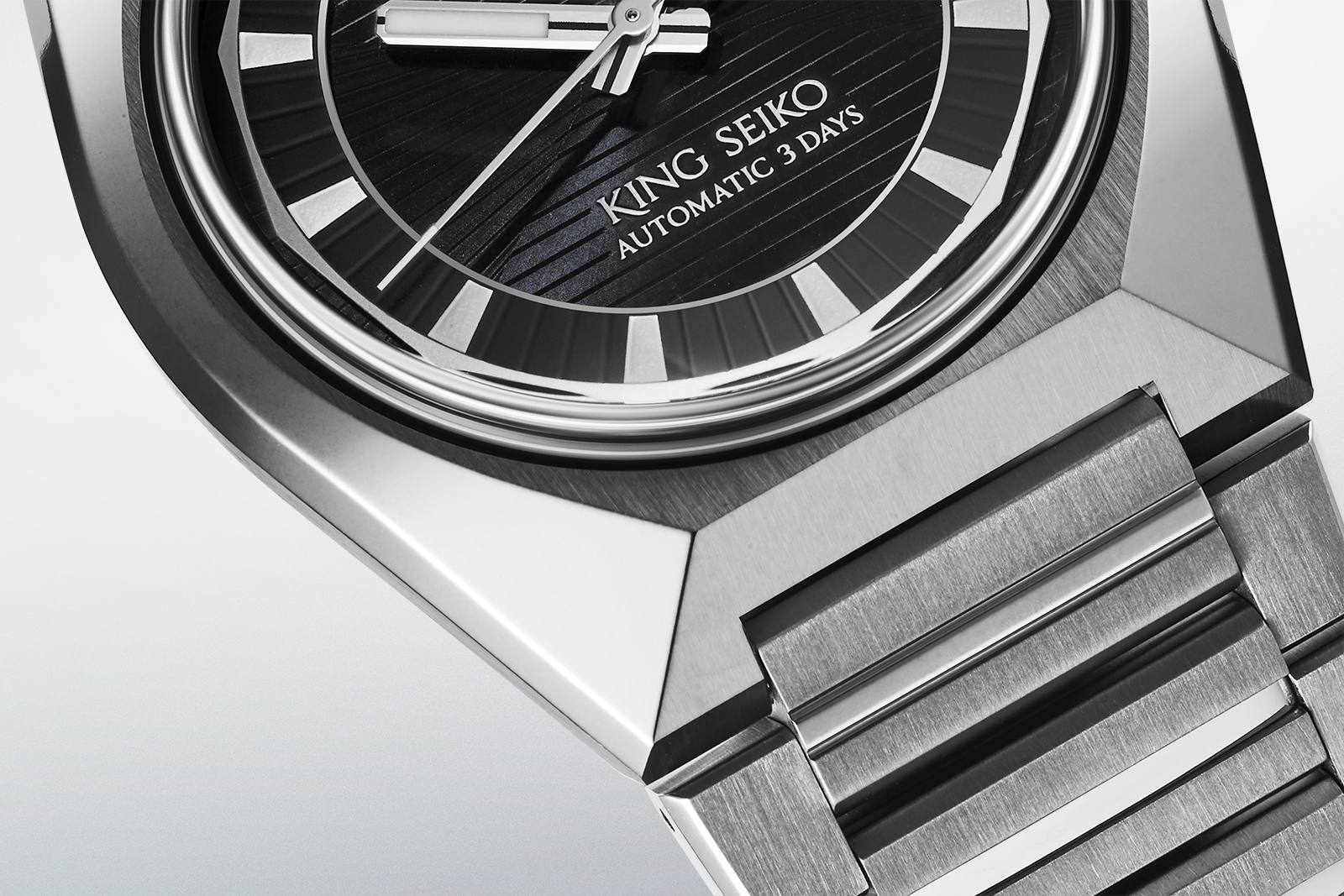
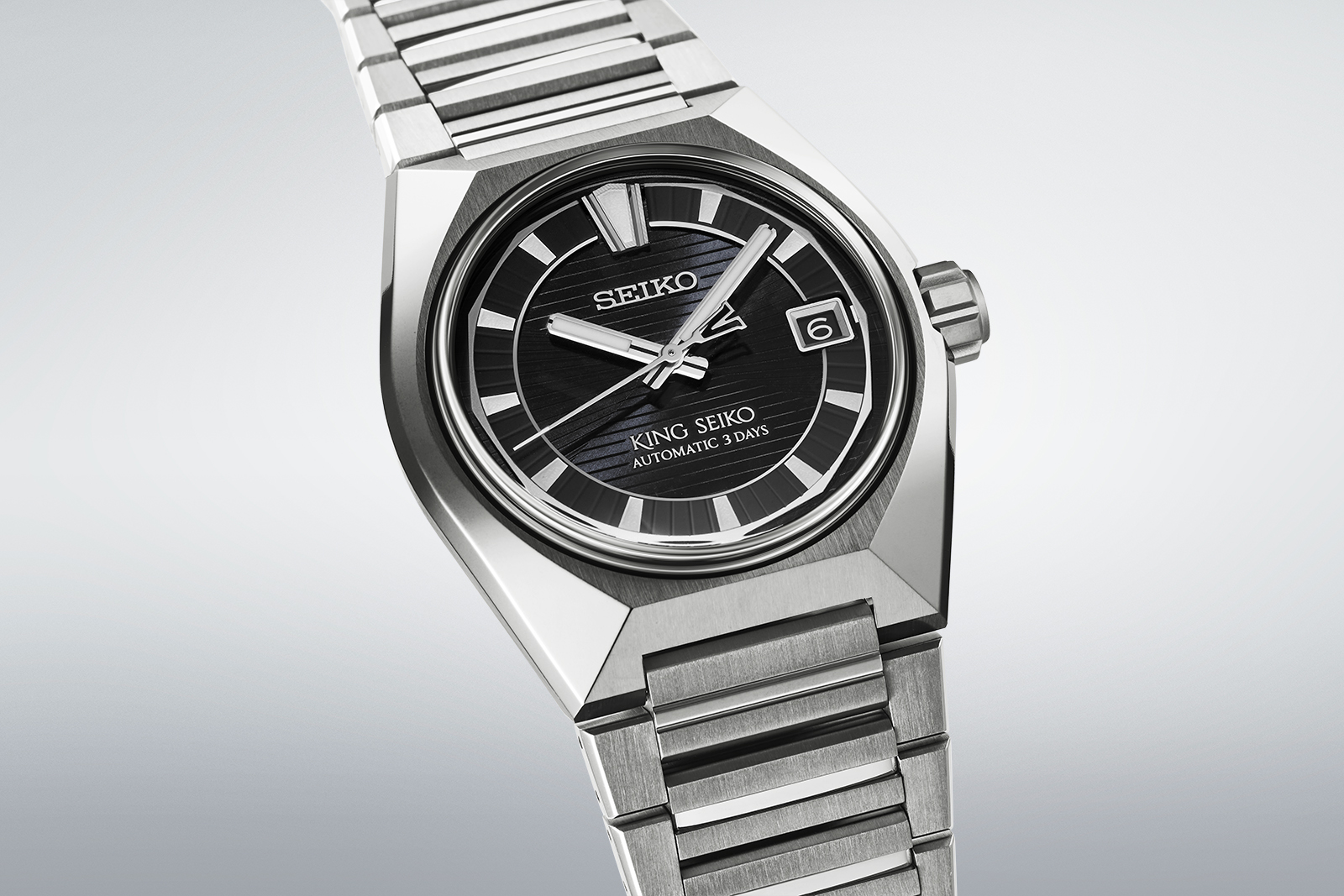
One of Seiko’s recent bestsellers was last year’s King Seiko Vanac, a watch inspired by a 1970s model but distinct on its own. Originally available only in steel, the line-up now grows to include the King Seiko Vanac in titanium.

While retaining the stylistic and mechanical features of the steel original, the new Vanac in titanium is noticeably lighter in weight, an especially appealing upgrade given the largish case and integrated bracelet.

Initial thoughts

I liked the original Vanac of 2025, though I thought a marginally smaller case would have suited the retro style better. And I thought it would have been ideal in titanium.

So the new model in titanium is arguably the ideal Vanac. It’s the same size, but different in tactile feel due to the lightness. Given the size, the lightweight alloy arguably works better than steel.

Despite the Vanac being a mid-range watch, Seiko’s excellent case treatment across prices and alloys means the multiple planes of the facetted case are finished well, as good as, but probably better than, most titanium watches in this price segment.

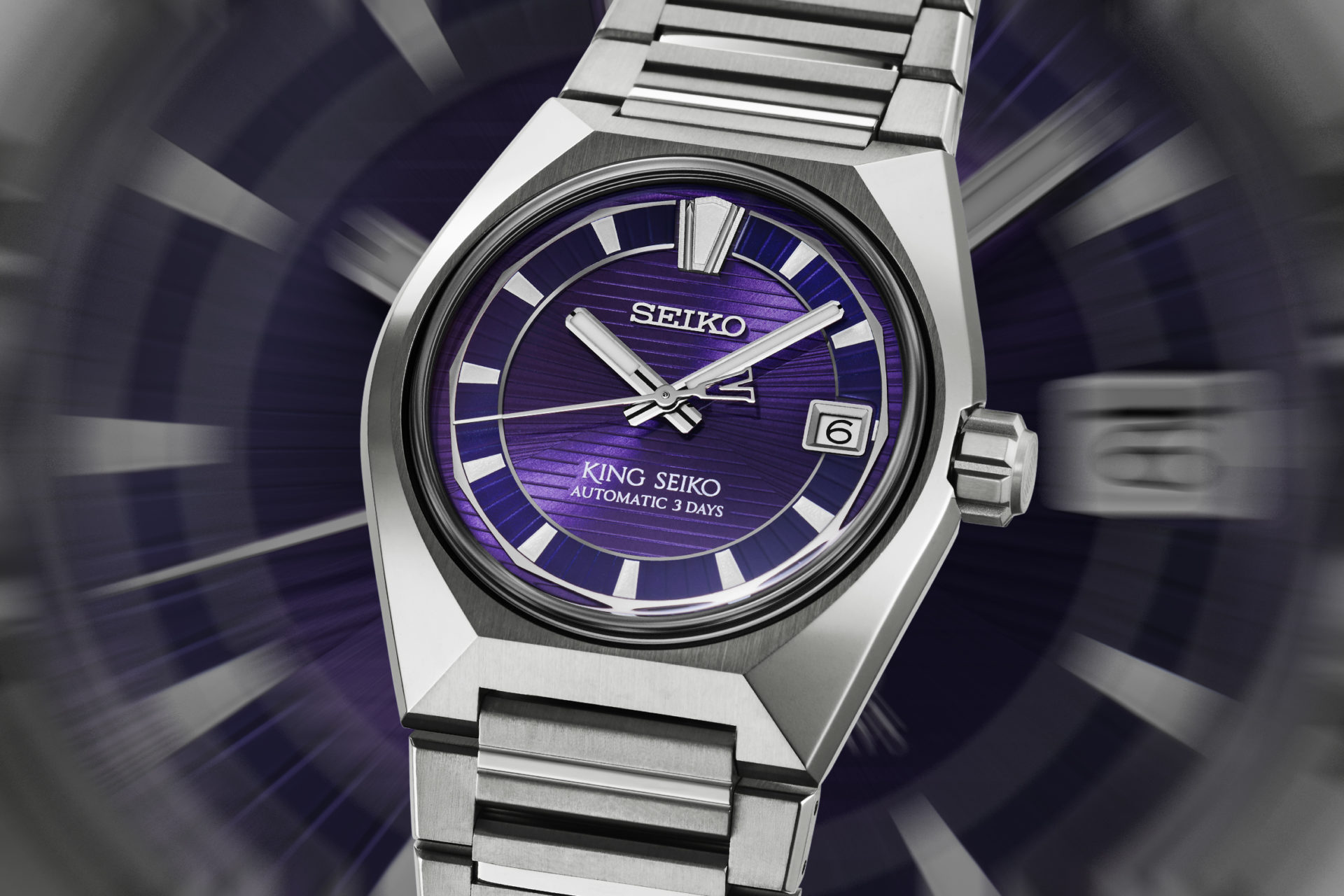
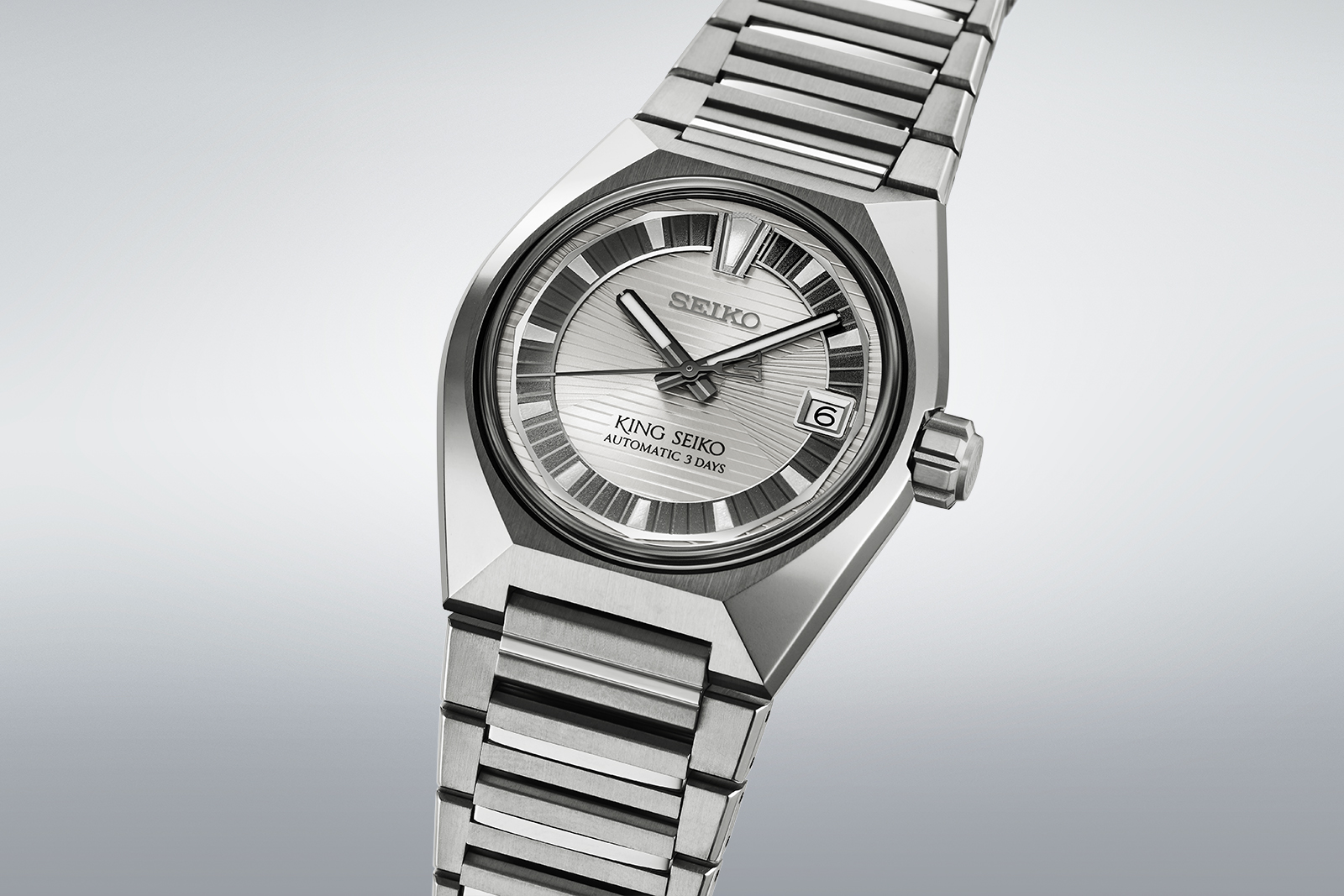
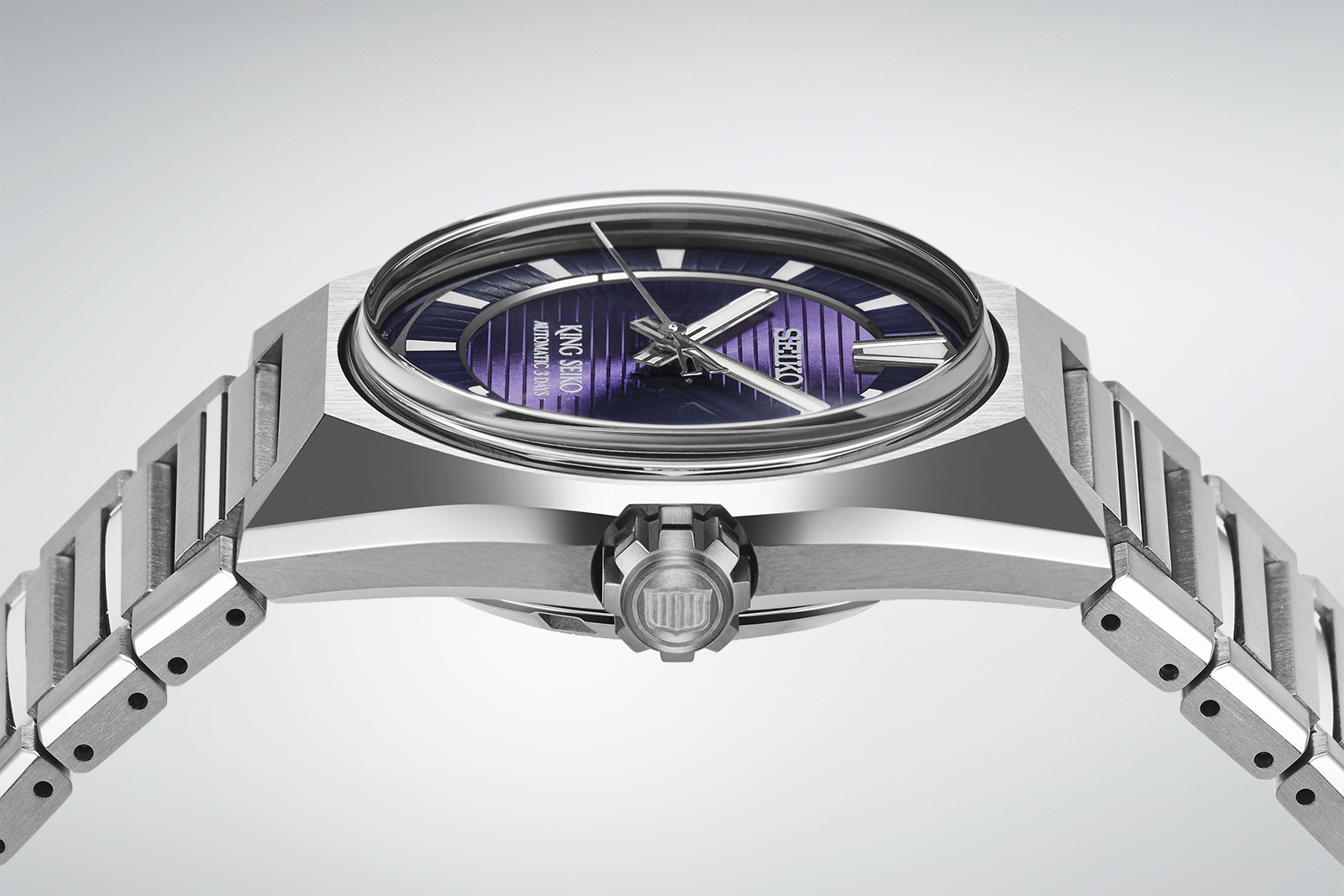
The titanium models are a little less funky in terms of dial colours, though the standout metallic purple dial does make its way into the titanium case. The dial does, however, get a subtle upgrade with a novel motif that combines horizontal and radial fluting for an intriguing visual effect.

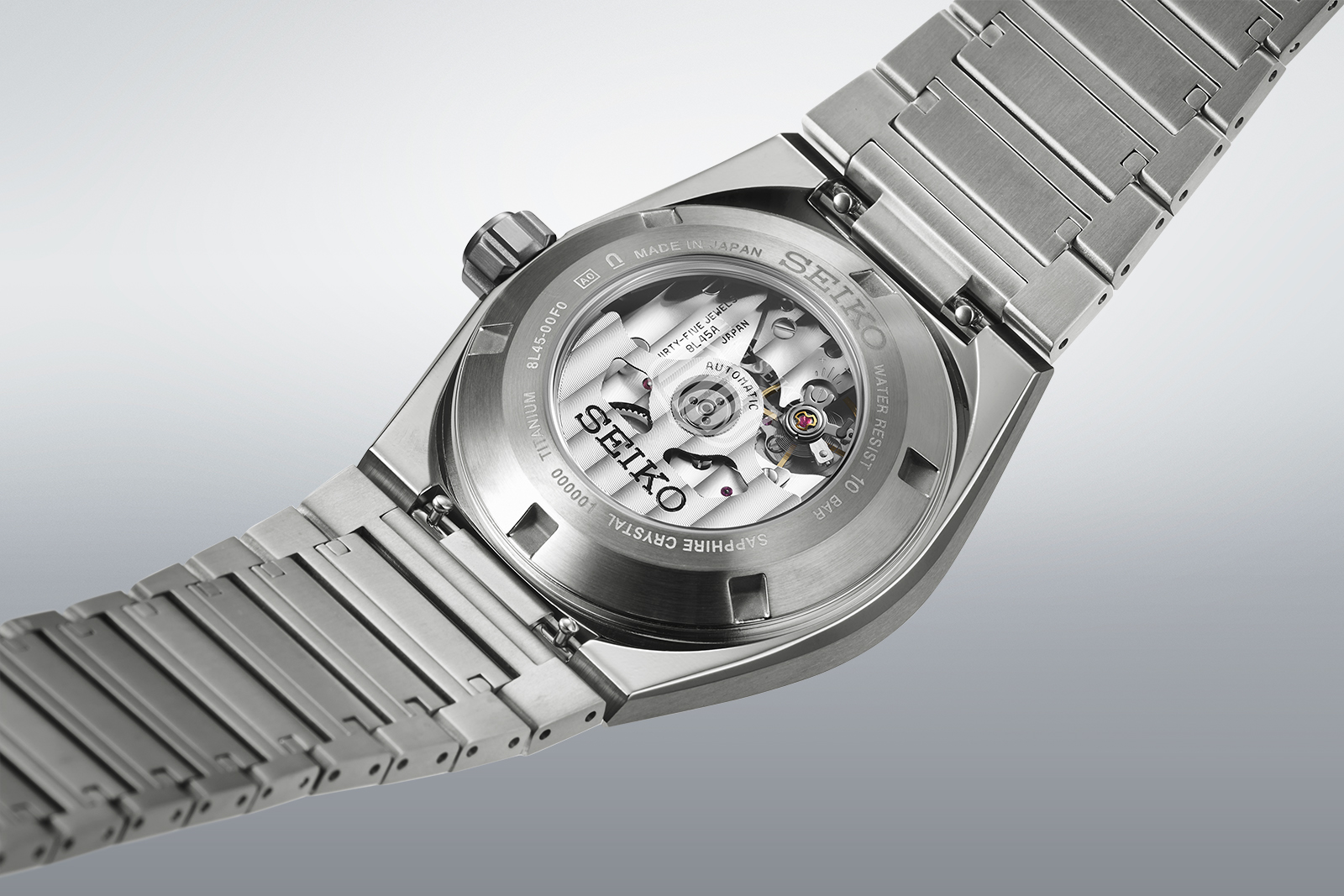
The movement stays the same. This gets the brand’s top-of-the-line mid-range movement, the cal. 8L45, an automatic running at 4 Hz with a three-day power reserve. It’s a Grand Seiko-adjacent calibre that is solid contender in this segment.

Overall the titanium Vanac is an excellent offering in its price category with its sharply finished case, three-day movement, and distinctive styling. It costs less than comparable Grand Seiko models, but the Vanac’s specs come close enough to Grand Seiko to make it a value proposition.

1970s chic

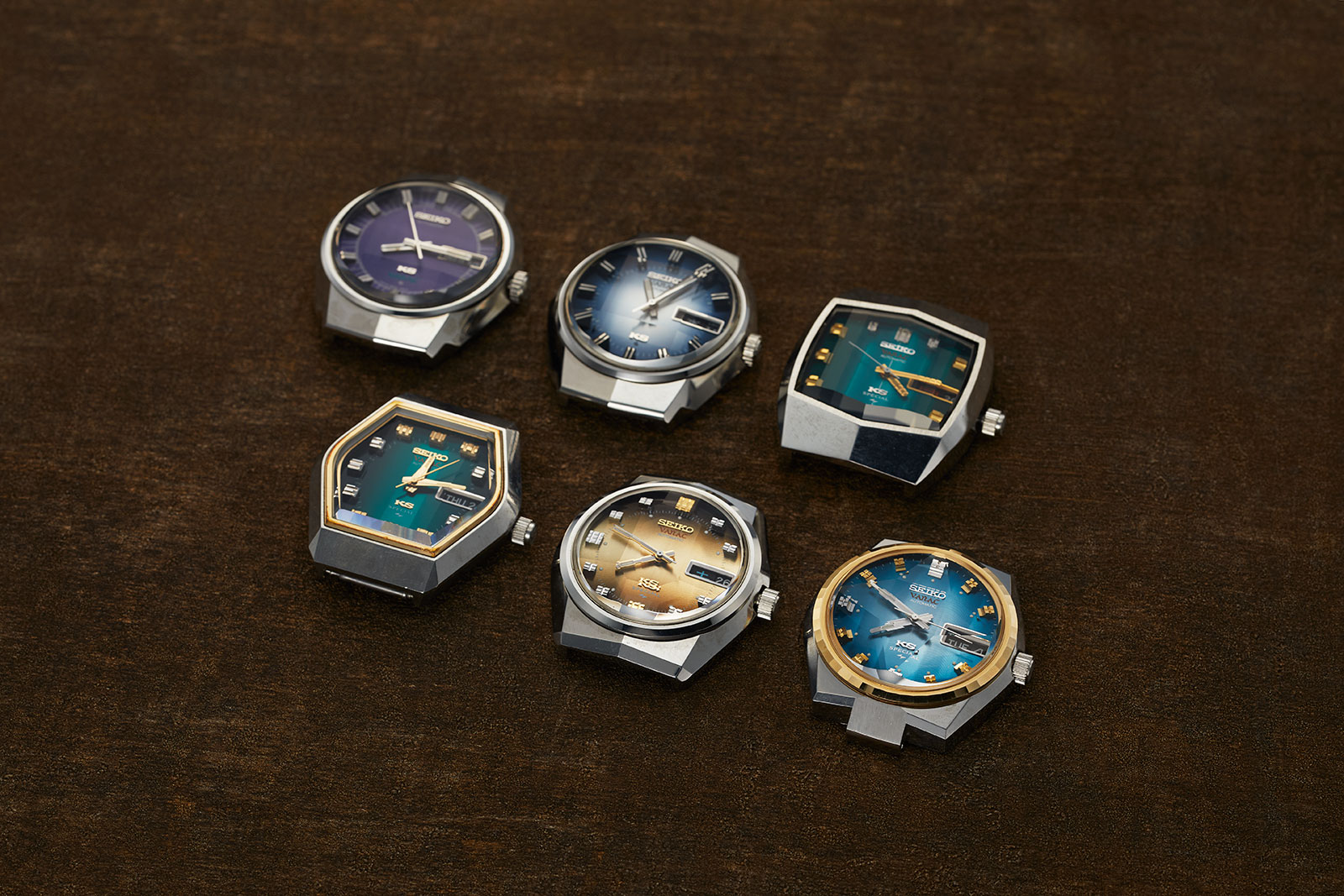
The original Vanac was an entire collection of watches with funky cases and dials that were typically 1970s in style. Today’s Vanac channels the spirit of the original, but is not a remake, which is a good thing. Some of the original Vanac models are excessively 1970s; today’s Vanac takes the best of the era while smoothing out the rough edges to make it ready for 21st century tastes.

Amongst the key aesthetic elements of today’s Vanac is the facetted case with contrasting polished and brushed surfaces, matched with an integrated bracelet, along with blocky hands and hour markers.

The new Vanac in titanium retains the design of its steel counterpart, but with a case and bracelet in titanium. Though the material is different, the finishing of the case and bracelet are identical, a crucial point since the multi-planar surfaces of the Vanac case is a key part of its appeal.

Notably, the Vanac case is rated to 100 m of water resistance, higher than usual for a watch of this type. While not useful in a practical sense, the depth rating is a nice thing to have.

At a distance, the dial of the titanium model might seem identical but it is a little more interesting than that found in the steel version. While the dial of the steel model relied on simple horizontal fluting, the titanium version employs an intriguing combination of horizontal and radial patterning that creates an optical illusion of sorts.

The dial colours, however, are more conservative. Last year’s steel model including the option of a metallic brown that was very 1970s. Now just three dial colours available: monochromatic grey or black, and metallic purple. That said, the purple dial has hands and indices that match the case, rather than the contrasting gilt finish found on the steel version.

The movement remains unchanged from the steel model. It’s the cal. 8L45, one of Seiko’s newer calibres and definitely the flagship of its mid-range offerings.

Equipped with a 4 Hz balance and three-day power reserve, the cal. 8L45 is rated to -5/+10 seconds a day, which in the typical Seiko fashion is a conservative range that plays it safe. This range-topping calibre should run within a tighter range in most everyday situations.


Key facts and price

Seiko King Seiko Vanac Titanium
Ref. HKF001, HKF002, HKF003

Diameter: 41 mm
Height: 14.3 mm
Material: Titanium
Crystal: Sapphire
Water resistance: 100 m

Movement: Cal. 8L45
Functions: Hours, minutes, seconds and date
Winding: Self-winding
Frequency: 28,800 beats per hour (4 Hz)
Power reserve: 72 hours

Strap: Titanium bracelet

Limited edition: No
Availability: From July 2026 at Seiko boutiques and retailers
Price: US$3,850, or JPY473,000 before taxes

For more information, visit seikowatches.com.


Back to top.
You may also enjoy these.

Dominique Renaud’s Pulse60 is Slow and Steady

With a 1 Hz balance and ingenious escapement.

One of the most influential watchmakers of the post-quartz era has re-emerged with a groundbreaking slow-beat oscillator that cleverly avoids the amplitude constraints typical of such constructions. The Pulse60 is the latest project from Dominique Renaud’s eponymous workshop Haute Horlogerie Dominique Renaud (HHDR), and the first watch to bear his full name in a decade.

The Pulse60 runs at just 7,200 times per hour — a frequency of just 1 Hz – a quarter the rate of a conventional movement. Ordinarily, such a slow beat would leave the movement susceptible to external forces, but here it has been combined with a proprietary escapement that overcomes the challenge. While the technical ingenuity is expected given Mr Renaud’s pedigree, the relatively accessible price of under CHF50,000 is unexpected, especially given the state of the market today.

Initial thoughts

It’s been a decade since Dominique Renaud came out of retirement, but his most public contributions since then have come under the Renaud Tixier banner. Latecomers to independent watchmaking may be less familiar with Mr Renaud’s work, but he played an important role in establishing the contemporary high-end watchmaking landscape.

The Pulse60 is the first watch to carry the Dominique Renaud name since the exotic and expensive DR01 Twelve First, which was not made in significant numbers. But unlike its short-lived predecessor, which featured a low-amplitude, high-frequency escapement of Mr Renaud’s own design, the Pulse60 flips the script with a slow-beating oscillator that seeks stability through unprecedented amplitude.

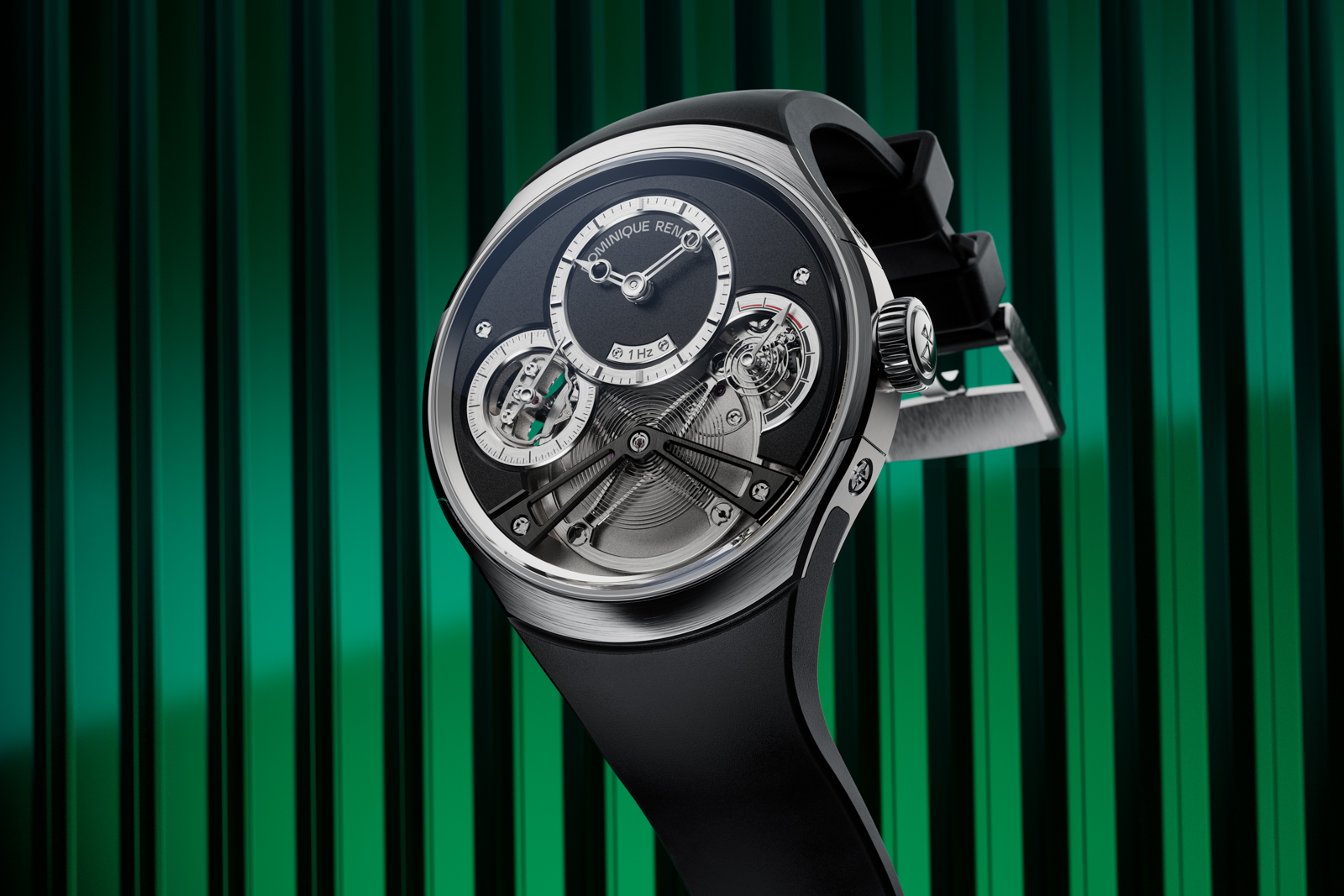
Also unlike the DR01, the Pulse60 looks like a normal wristwatch, similar to Greubel Forsey’s Convexe series, and is sized and constructed to be worn easily. This should make it more commercially viable than its predecessor, which never really got off the ground. And while the DR01 carried a seven-figure price tag a decade ago, the Pulse60 is more accessible, starting at CHF49,000 in titanium.

An established name

Having founded Renaud & Papi in 1986 alongside Giulio Papi, Mr Renaud helped create a hotbed of innovation in Le Locle that jumpstarted the careers of now-legendary watchmakers like Robert Greubel, Stephen Forsey, Anthony de Haas, Andreas Strehler, and Carole Forestier-Kasapi, to name just a few.

In 1992, Audemars Piguet (AP) acqui-hired the duo, who had begun their careers at the firm, creating what we now today as Manufacture de Haute Horlogerie Audemars Piguet in Le Locle. Previously known as APRP, the division was been responsible for, among other things, some of the most important early innovations from A. Lange & Söhne and Richard Mille. All that is to say that when Dominique Renaud does something, it’s worth paying attention.

Extreme amplitude

The Pulse60 takes its name from its enormous slow-beat oscillator, which beats just 7,200 times per hour — a frequency of just 1 Hz. In other words, it locks and unlocks once per second, moving the seconds hand in half-second steps. By way of comparison, most modern movements oscillate four times as fast in order to maintain rate stability in the face of shocks, and Breguet has managed to commercialise two different 10 Hz platforms.

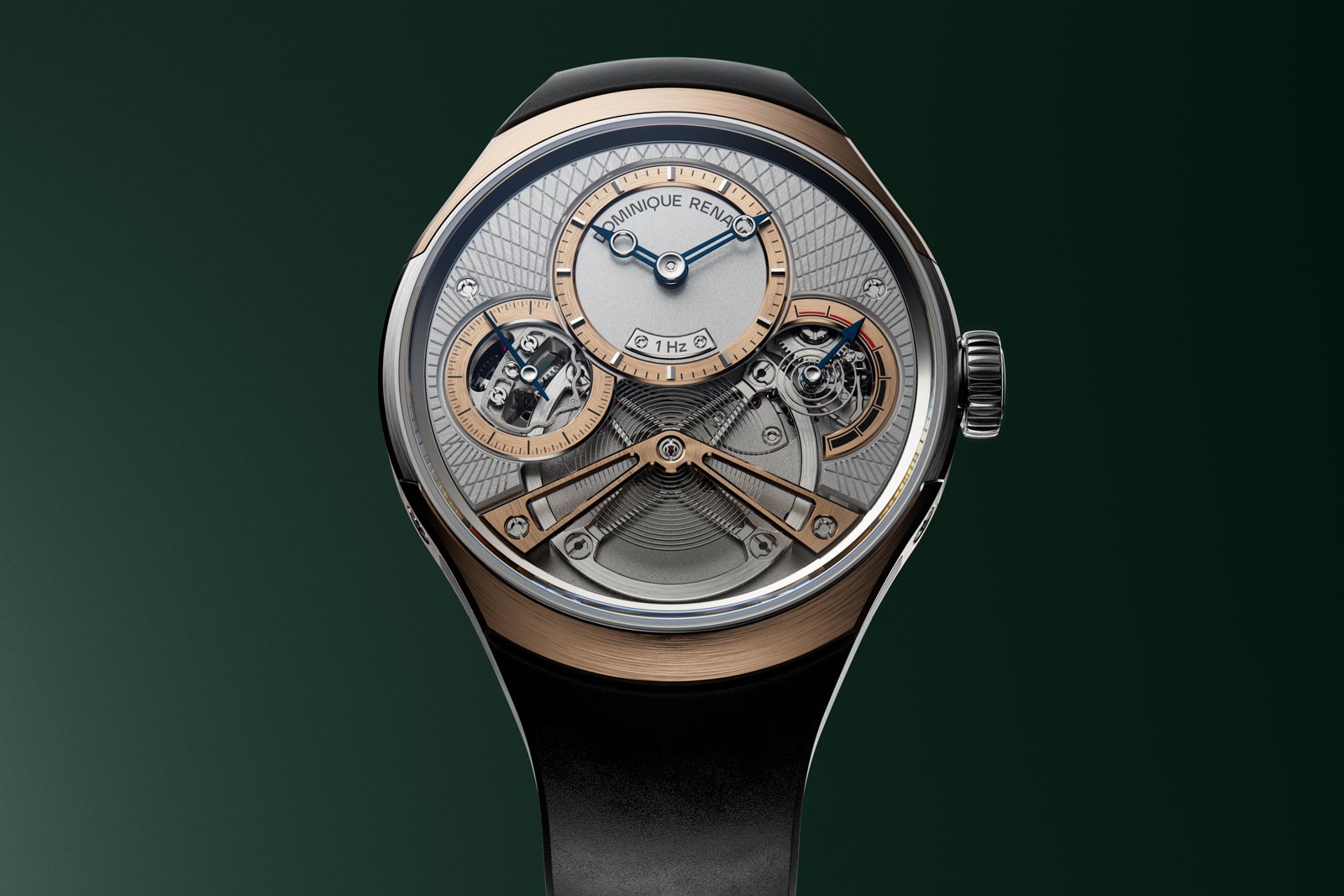
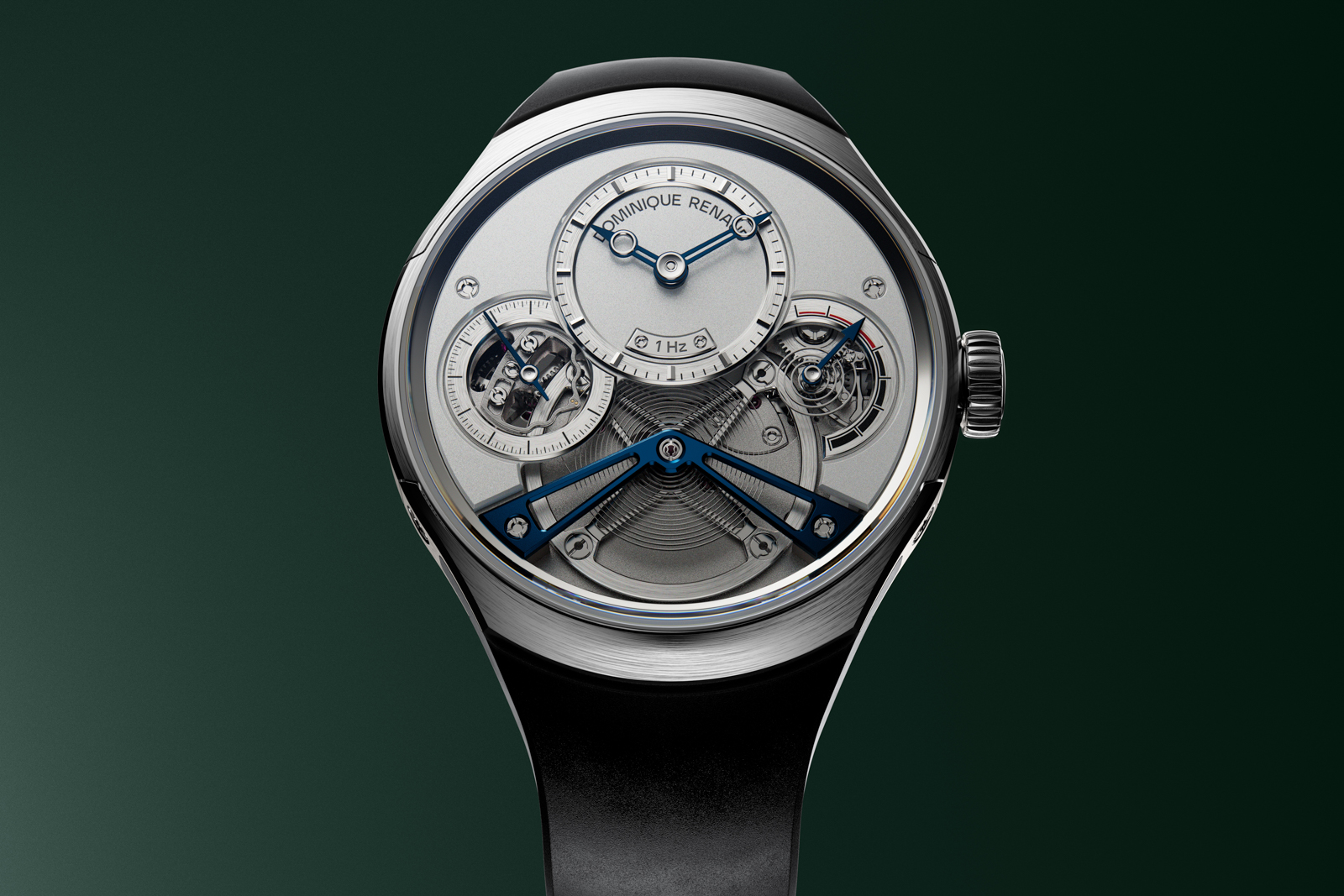
By going the other direction, Mr Renaud has created a movement that operates at a human scale. The massive 20 mm variable-inertia balance, appropriately displayed on the dial side of the movement, is paced like a human heartbeat. The concept is similar to the ill-fated Antoine Martin Slow Runner released in 2013, but the outward expression of the watch is entirely different thanks to the prominent position of the balance wheel.

The slow-beat oscillator is hypnotic in action, but in theory it’s more susceptible to disturbance on the wrist. Mr Renaud has accounted for this potential threat with an escapement of his own design that allows for increased amplitude, improving stability.

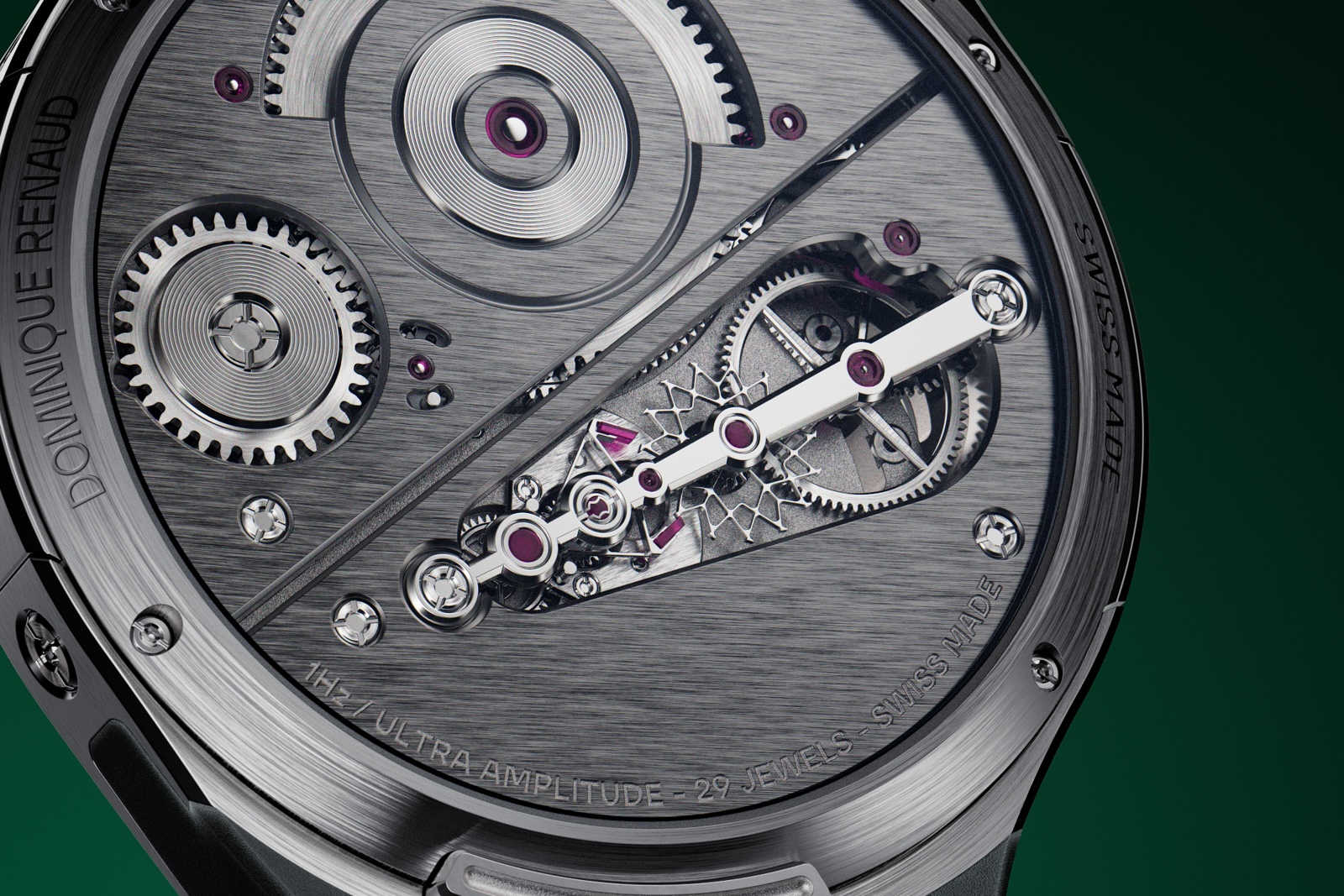
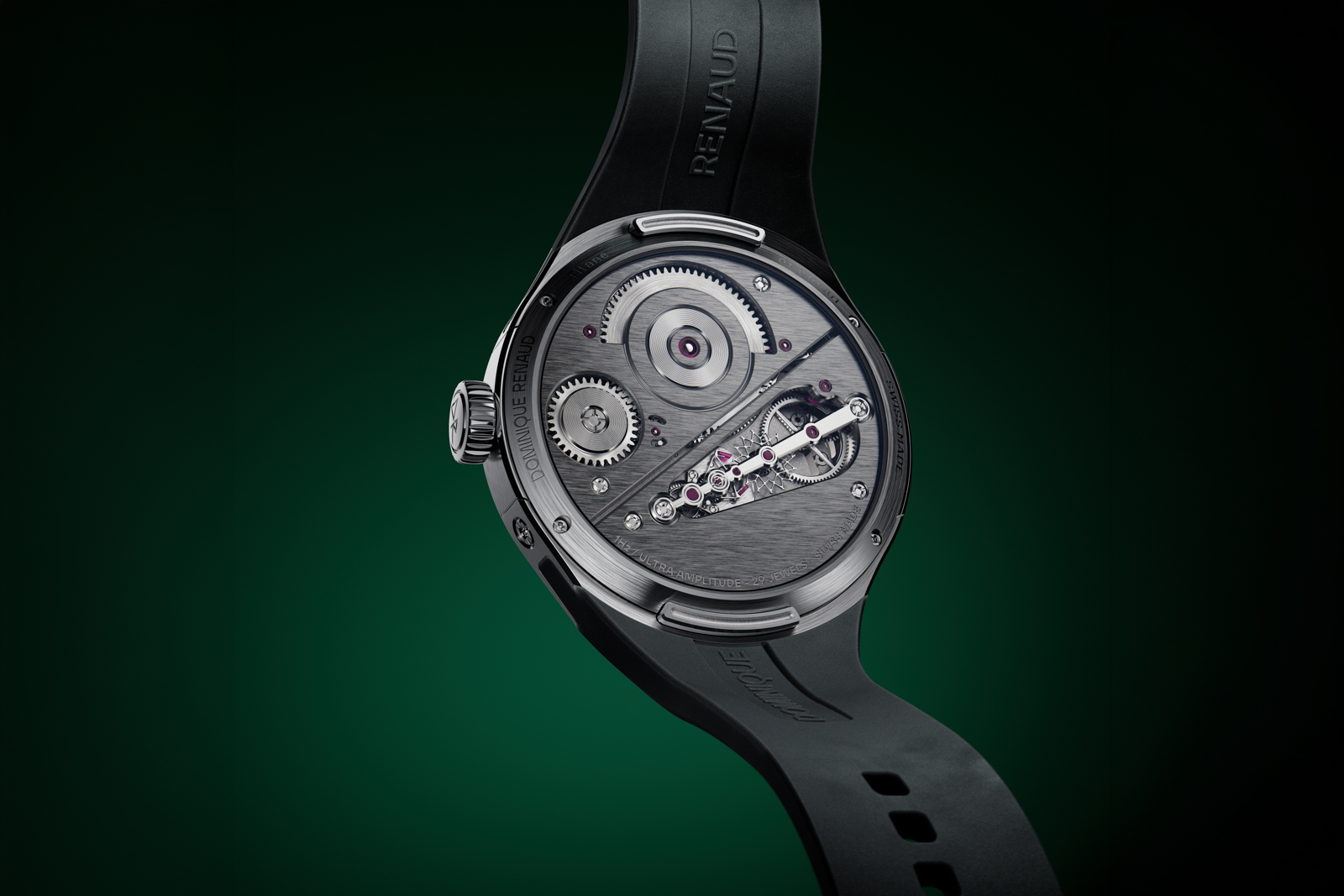
In an ordinary Swiss lever escapement, the rotation of the balance wheel is constrained to a maximum amplitude of about 310 degrees, just short of a full rotation, to avoid having the impulse jewel collide with the outside faces of the horns of the pallet fork. While fundamentally a lever escapement, Mr Renaud’s design hugs the balance staff and engages with a geared roller on the opposite side, eliminating the typical constraint. It’s a clever way to compactly achieve amplitude in excess of 360 degrees. In fact, Mr Renaud claims the setup can, in theory, accommodate amplitude up to 700 degrees.

The novel escapement is the star attraction of the view through the case back, secured by a black-polished steel bridge not unlike the remontoir bridge in the cal. L043.6 that powers Lange’s second-generation Zeitwerk. This gives the slow-turning openworked escape wheel prominence and ample space to shine.

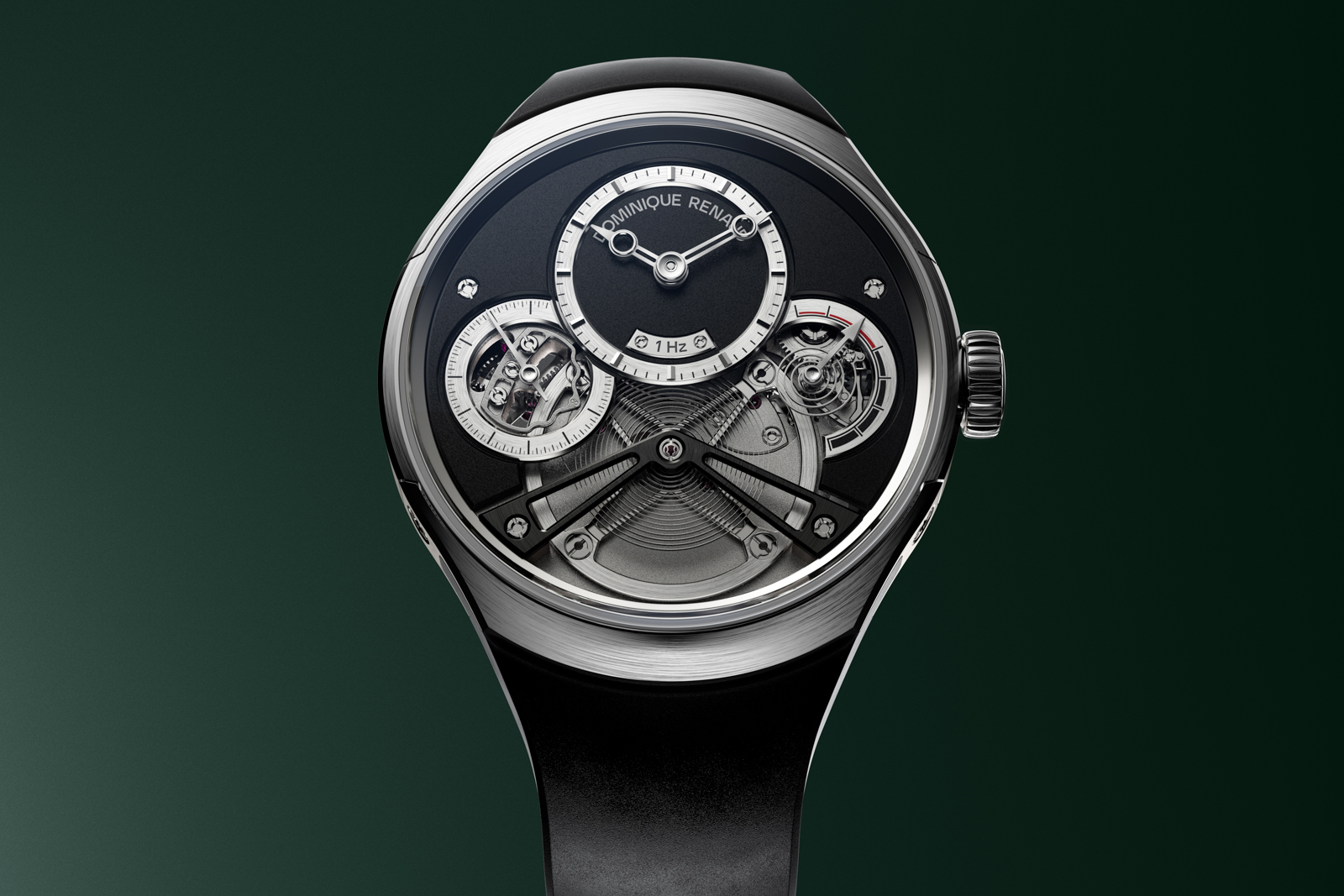
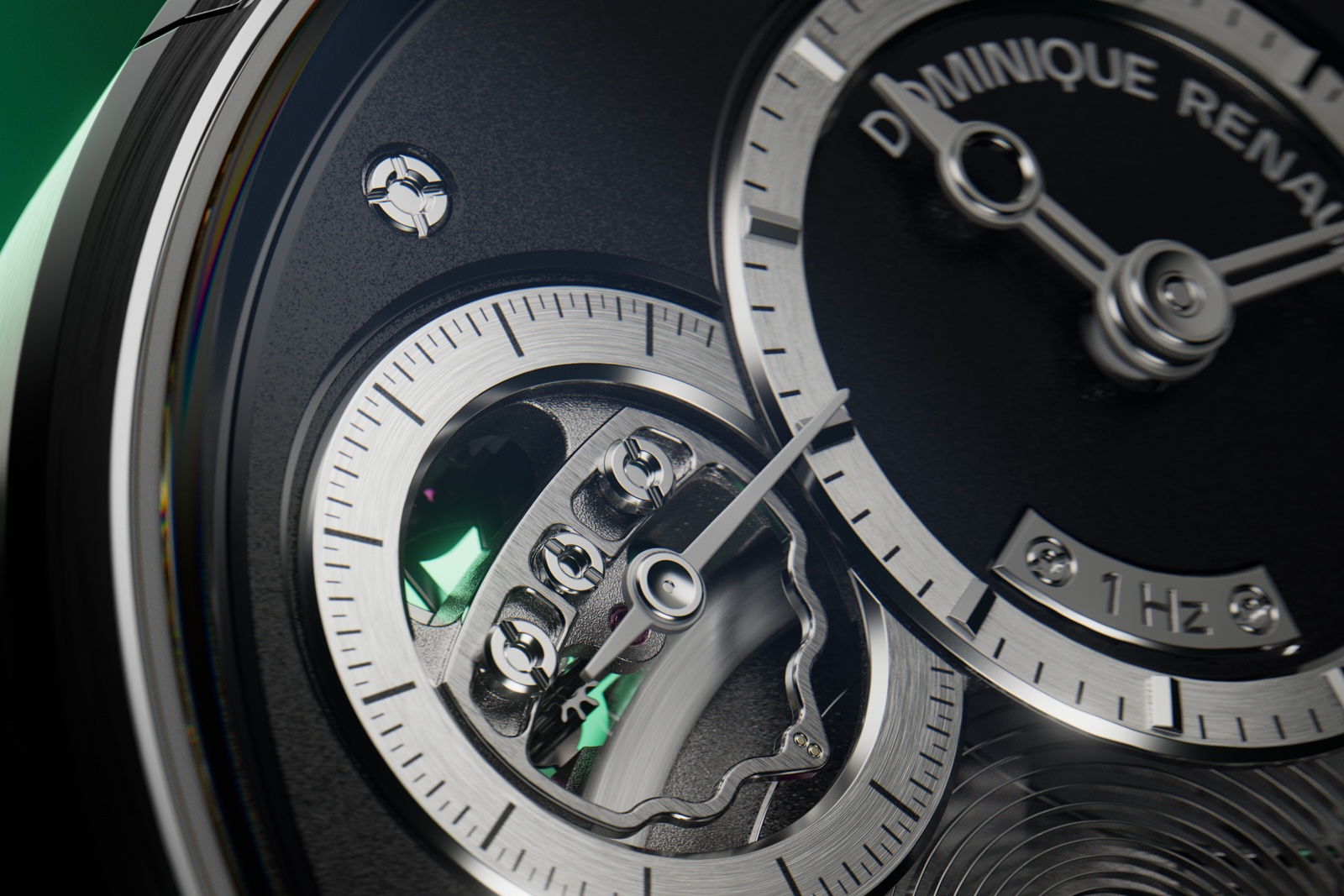
Like mobile stud holder in the cal. 7121 found in the Audemars Piguet Royal Oak, the curb-pin regulator is mounted on its own bridge, exposed within the running seconds sub-dial at the traditional nine o’clock position. This keeps the massive balance bridge free of extraneous details that might otherwise distract from its melodic cadence.

The movement also features a torque indicator, a mechanism that dates back to Mr Renaud’s days at Renaud Papi, seen on many Richard Mille movements of that era. The elegant indicator has its own sub-dial opposite the running seconds, and is mounted to a graceful coil spring revealed through the dial.

Wrist-friendly innovation

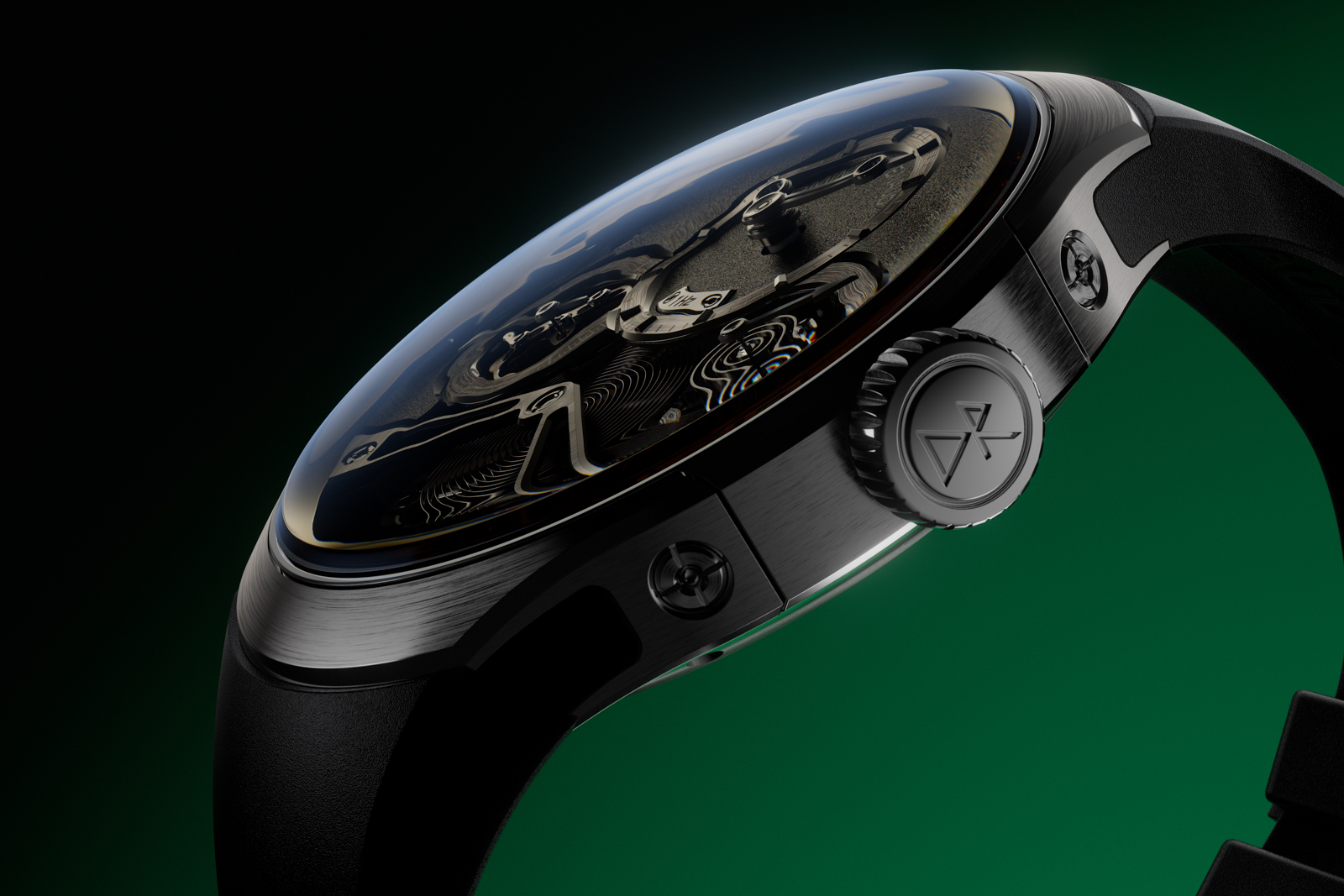
Innovative products are often debuted with extreme designs to demonstrate novelty. In this context, the Pulse60 is surprisingly straightforward in its design and comes in a wrist-friendly 40 mm size, complete with interchangeable rubber straps.

While it’s reasonable to be wary of proprietary strap systems, especially when they come from a low-volume independent, the minimalist design is appealing and flows gracefully into the case. It’s an effect that would be impossible to recreate with an off-the-shelf strap, so it’s understandable.

The compact and wearable Pulse60 is making its debut in three variants — titanium with silver or black dials, or a two-tone livery in titanium and 18k pink gold that features gold chapter rings and an engraved dial plate.


Key facts and price

Dominique Renaud Pulse60

Diameter: 40 mm
Height: 12 mm
Material: Titanium or titanium and 18k pink gold
Crystal: Sapphire
Water resistance: 30 m

Movement: Pulse60
Functions: Hours, minutes, seconds, and torque indicator
Winding: Manual wind
Frequency: 7,200 beats per hour (1 Hz)
Power reserve: 96 hours

Strap: Interchangeable rubber strap

Limited edition: Unknown
Availability: Available for pre-order through Dominique Renaud retailers
Price: CHF49,000 (titanium) or CHF59,000 (titanium and 18k rose gold) excluding taxes

For more, visit dominiquerenaud.com.


Back to top.
You may also enjoy these.

Welcome to the new Watches By SJX.

Subscribe to get the latest articles and reviews delivered to your inbox.