
Business News: Chanel Takes Stake in Kross Manufacture
A selective investment in high-end production.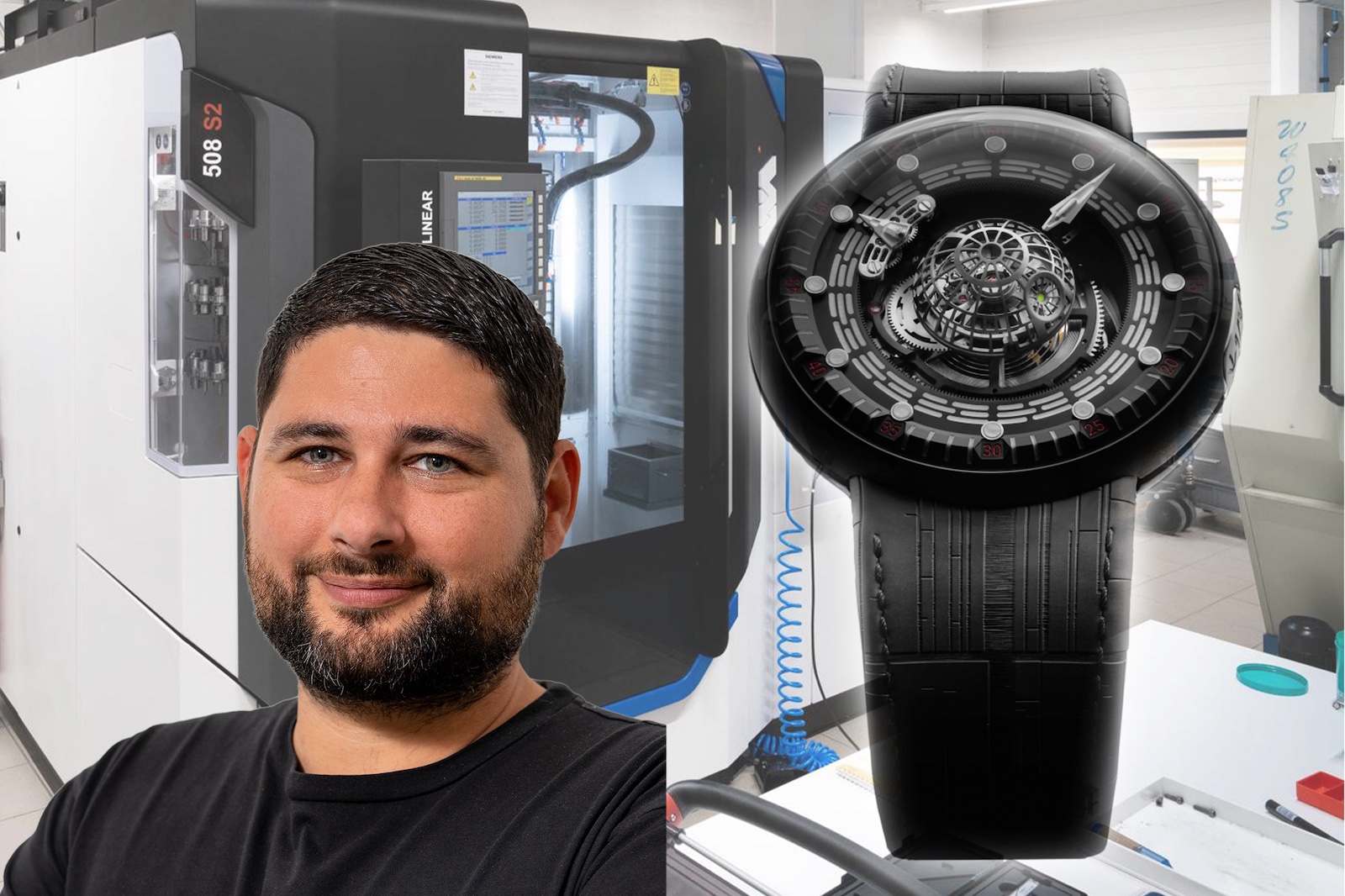
Chanel has taken a 30% minority stake in Kross Manufacture, the industrial operation behind the watches of Kross Studio and several third-party clients. Though the investment has not been formally publicised, I reached out to the brand’s founder Marco Tedeschi who confirmed the investment and provided additional context on the strategy for Kross Manufacture.
In short, the transaction continues Chanel’s long-running strategy of backing independent watchmaking infrastructure through minority investments, rather than pursuing full acquisitions or operational control.
Initial thoughts
While Chanel’s growing footprint across independent watchmaking is well documented, its investment in Kross Manufacture is notable for its manufacturing-first focus. Unlike brand-level partnerships, the stake is confined strictly to production capabilities, reinforcing Chanel’s long-term interest in securing specialised, high-end manufacturing capacity rather than expanding its portfolio of consumer-facing marques.
In this sense, the investment can be viewed as similar to its 2019 investment in the Kenissi manufacture alongside Tudor.
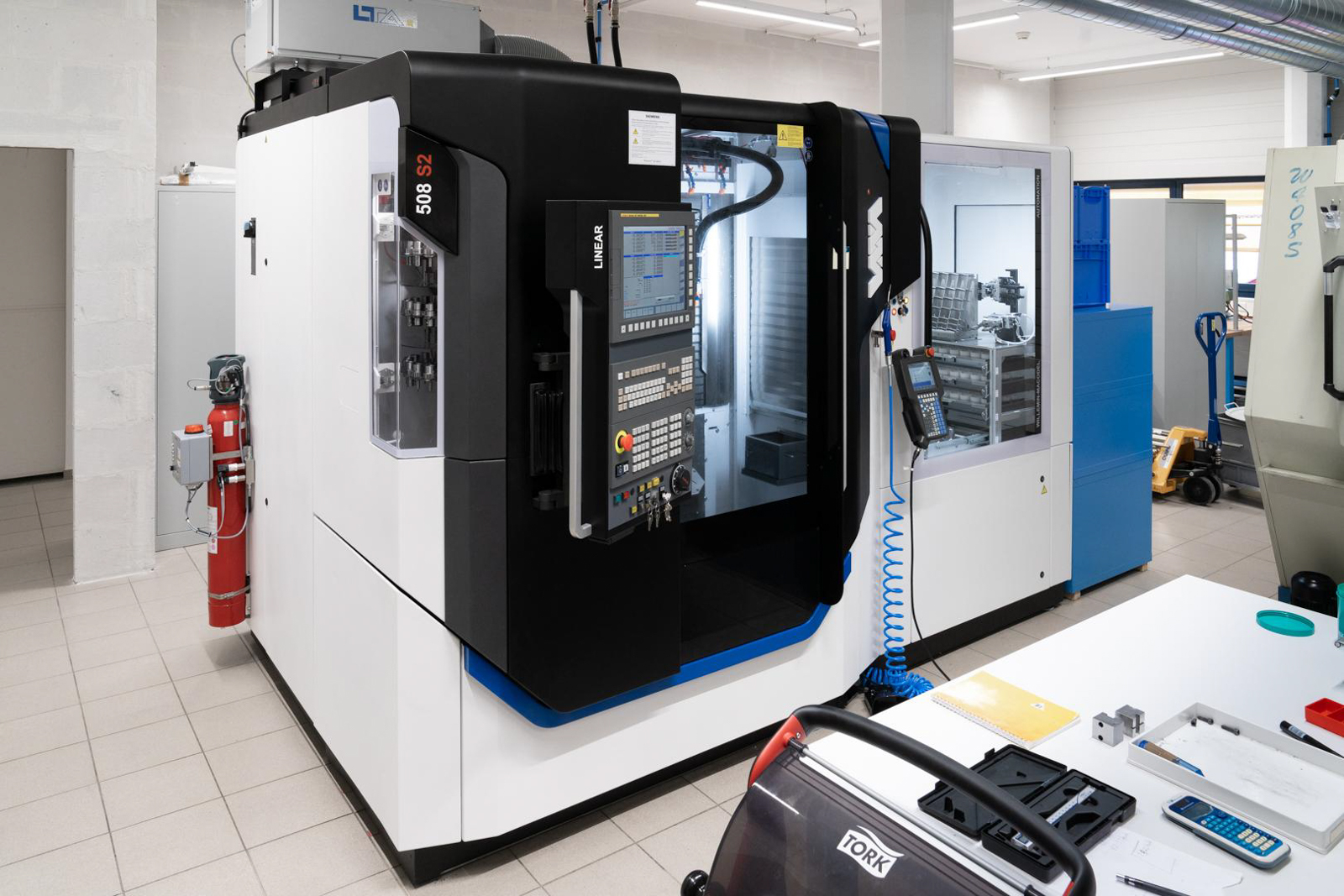
Equally significant is what the deal does not represent: there is no rapid industrial scaling planned. Instead, the investment appears designed to selectively expand capacity, allowing Kross Manufacture to continue serving both its in-house brand and more third-party clients without sacrificing the agility required to produce watches in very small quantities.
Understanding Kross Manufacture
The name Kross Studio might already be familiar to those who follow independent watchmaking. The brand was founded in 2020 and is probably best known for its central flying tourbillon movement that has served as a backdrop for a diverse range of pop culture-themed limited editions featuring IP from the franchises like Star Wars, Harry Potter and Game of Thrones.
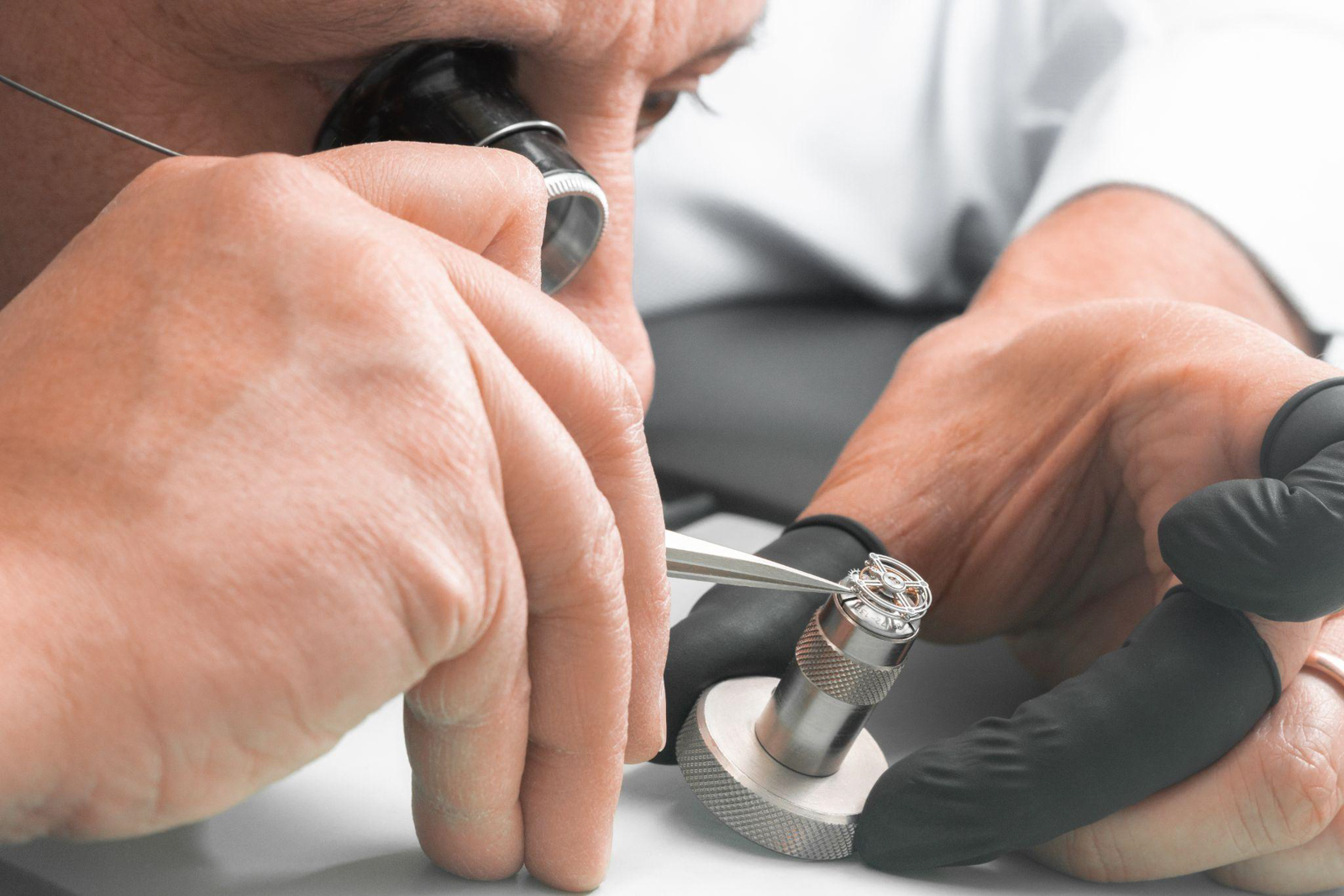
What collectors might not know is that Kross Studio owns its own manufacture near Nyon. This is somewhat surprising given the brand’s relatively small output and sudden emergence, but it makes sense from the standpoint of diversification. Since the beginning, Kross Studio has sold its surplus manufacturing capacity to third-party brands, developing a second revenue stream separate from that of its consumer-facing business.
Ironically, the very first components manufactured by the new facility when it opened were for a client brand, since Kross Studio was still developing its initial series.
The manufacturing operation has now been carved out as a standalone company called Kross Manufacture; this carve out was executed specifically for this transaction. Kross Studio will continue to be a client of its manufacture, in much the same way that F.P. Journe is a client of its own dial maker Les Cadraniers de Genève.
Founder Marco Tedeschi remains at the helm, serving as both the creative director of Kross Studio and chief executive of Kross Manufacture. Prior to founding Kross Studio, Mr Tedeschi had a decade-long career at Hublot and later served as chief executive of RJ, formerly known as Romain Jerome.
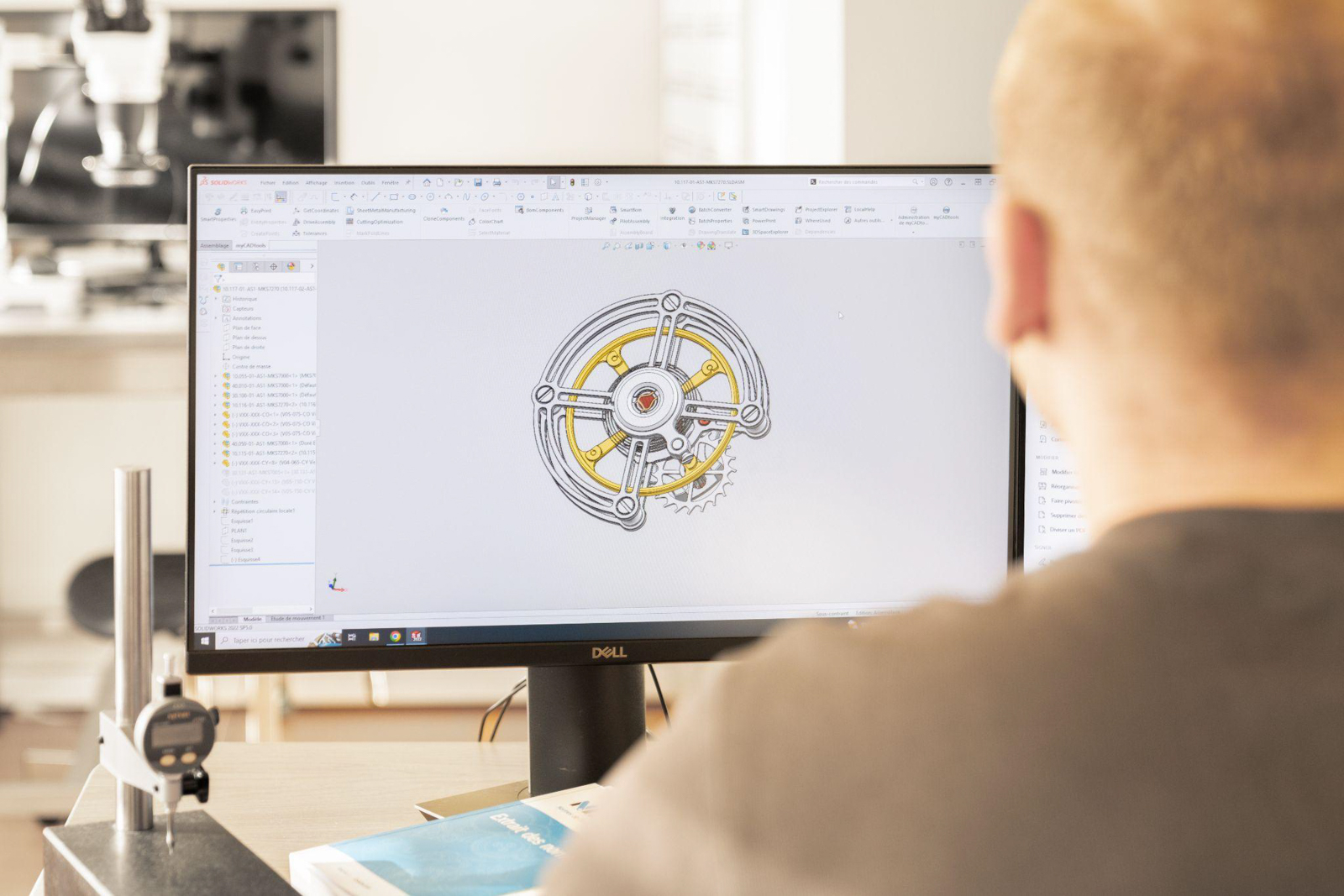
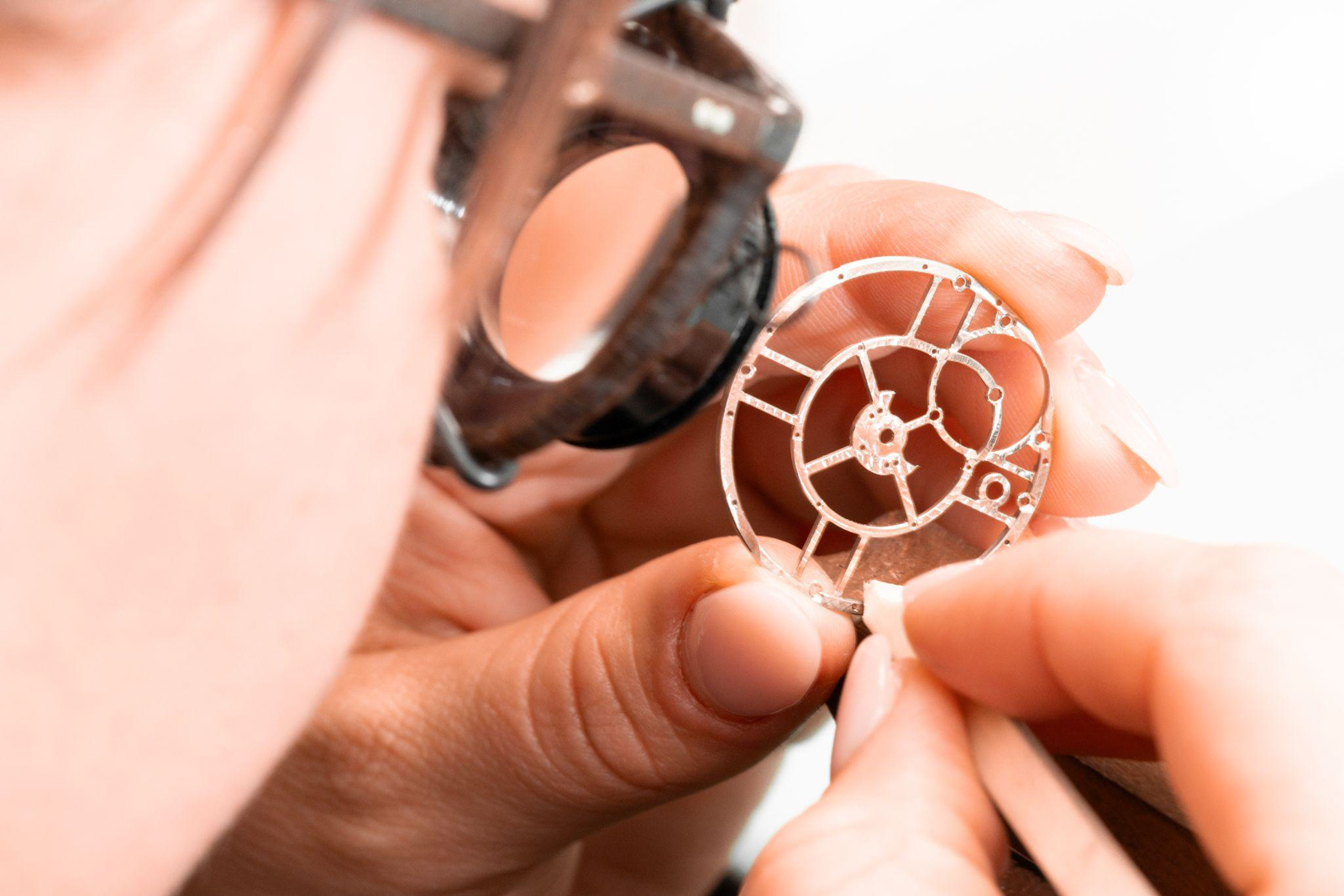
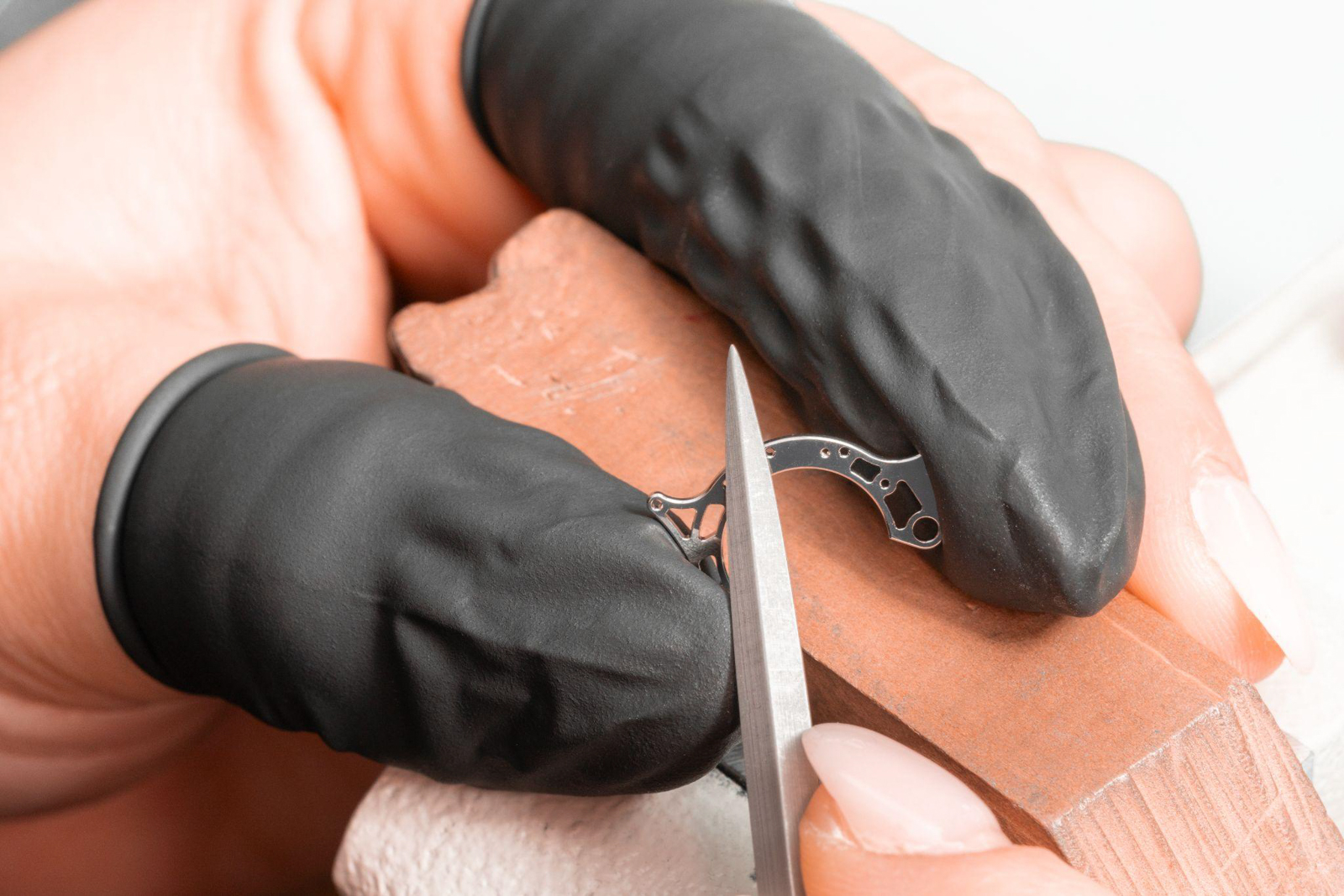
Today, Kross Manufacture employs 15 staff and works with a broad spectrum of clients, from major groups to independent brands and small workshops. Its strengths lie in technical development, CNC production, and some decorative processes, particularly for small, high-end series that are impractical for larger industrial players to accommodate.
What happens next
Chanel’s investment in Kross Manufacture stems from a project the two companies are developing together; more information about the transaction is expected once this project is formally announced.
Back to top.