
Best of 2025: Surprises and Unexpected Developments
Material innovation.
From one-off artistic creations to new escapement technologies, 2025 delivered more than its share of surprises and unexpected developments. Brands with institutional research and development departments led the way with unexpected material breakthroughs, while Geneva’s oldest watchmaker surprised (and delighted) with a clock of astronomical proportions.
Rolex Land-Dweller and Dynapulse Escapement — SJX
Given its institutional nature, Rolex rarely surprises, but when it does, the brand does so in a big way. The Land-Dweller was unquestionably one of the biggest debuts from Rolex in a long time. The integrated bracelet design is certainly a departure from the prevailing house style, but the Land-Dweller is a landmark mainly for the movement inside, the cal. 7135 that boasts the Dynapulse escapement.
While Rolex movements have enjoyed largely incremental improvements for years, the cal. 7135 in the Land-Dweller is a radical break because it’s an all-new movement with an all-new escapement. The Dynapulse escapement is one of the most forward-thinking inventions by Rolex, arguably ever. A double-wheel, detached and indirect-tangential impulse escapement, the Dynapulse is arguably among the most advanced escapements on the market today – and the cal. 7135 is probably the most precise self-winding movement on the market.
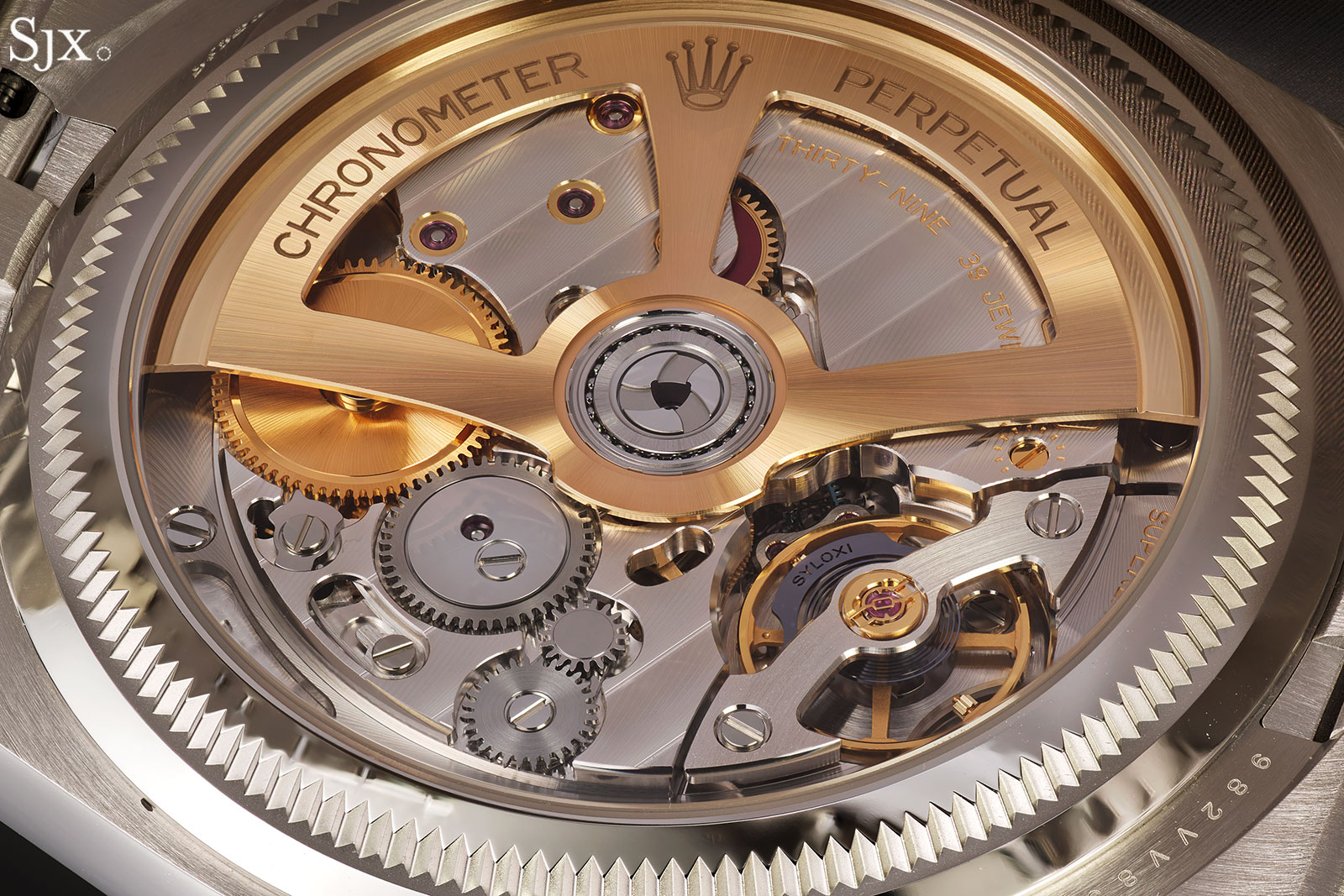
More crucially, it is being produced at scale. A new escapement is an achievement, but a new escapement manufactured in large numbers is a bona fide feat. Although Rolex doesn’t divulge how many Land-Dwellers are leaving the factory each month, the hundreds of examples for sale on the secondary market indicate that a significant number have been delivered since launch, reflecting the tremendous and likely unparalleled industrial prowess of Rolex.
The scale of production is surprising in itself, and indicates the substantial preparation in the lead-up to the public launch of the model in April 2025.

The impulse is delivered to the balance in a radial, near frictionless manner, while the mirrored escape wheels are powered by the same going train and their speed is set by the same mixed-function lever
The Land-Dweller itself is equally a departure from the norm, albeit not as much of a landmark as its movement. The design is clearly modelled on the Oysterquartz with its integrated bracelet. Though different from the typical Oyster, the Land-Dweller is still easily recognisable as a Rolex thanks to the fluted bezel and Jubilee-style centre links.
Besides the movement, the most impressive detail of the Land-Dweller is concealed within the case. Because the bracelet attachment to the case is narrow, Rolex engineers devised an incredibly robust, maybe even over-engineered, set up that anchors the bracelet to the case with screws, ceramic clips, and spring bars finished with a wear-resistant coating. The bracelet attachment will far outlast the wearer; it exemplifies the Rolex way.
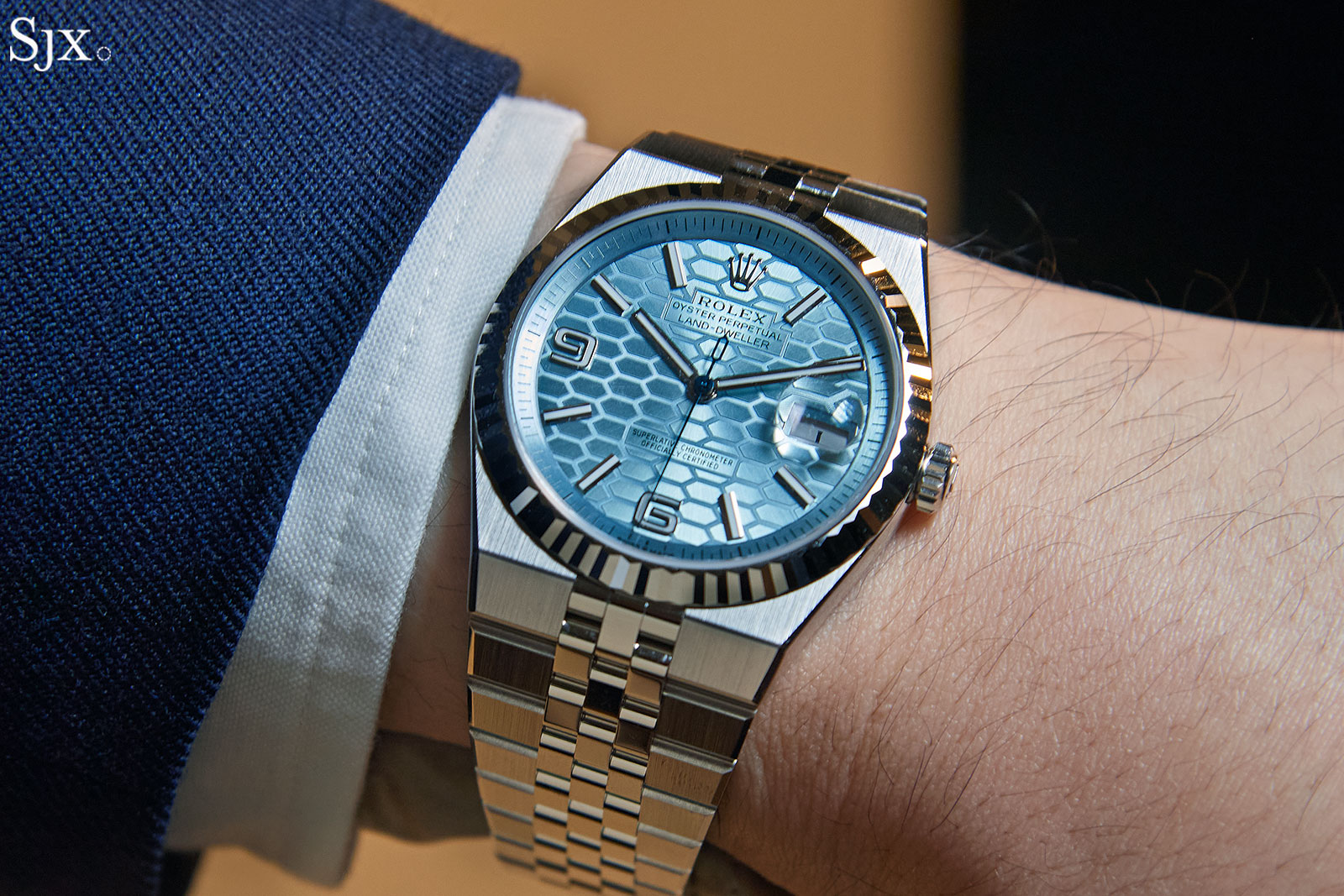
I am not a fan of the fluted bezel and honeycomb dial, but I imagine Rolex will roll out (many) variations in the future, so there will eventually be something for everyone when it comes to the Land-Dweller. As the stands, the best iteration of the Land-Dweller is definitely the platinum version with a baguette diamond-set bezel.
Breguet Expérimentale 1 — David Ichim
Breguet capped its 250th anniversary with what is arguably this year’s biggest surprise: the Expérimentale 1. A truly experimental watch, it introduces a high-frequency magnetic escapement that delivers constant force to the 10 Hz balance.
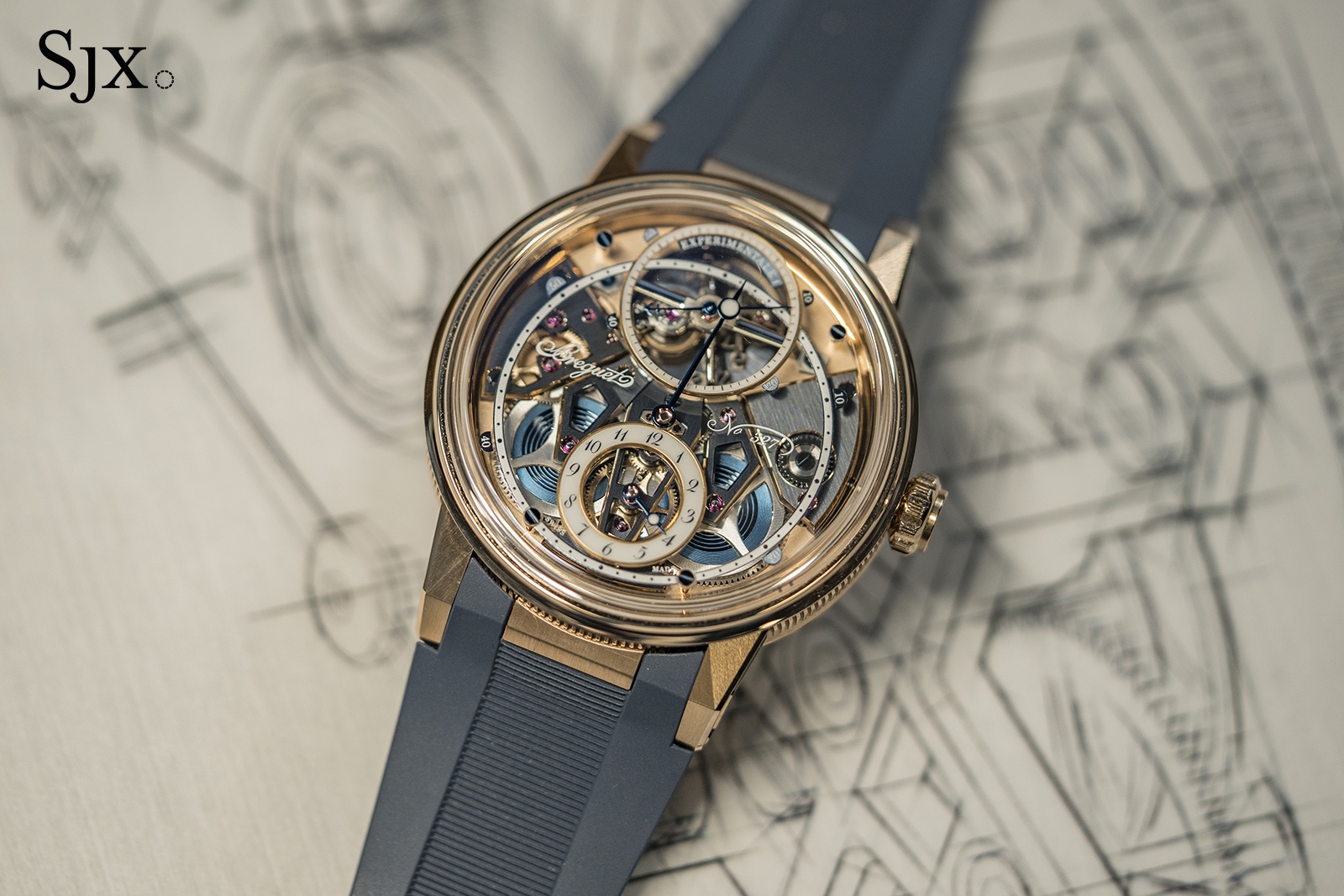
Abraham-Louis Breguet was one of the most prolifically inventive watchmakers of his (or any) generation, and the Expérimentale 1 continues that legacy, showing just how far horology has come in the past quarter-millennium. Alongside the brand’s other magnetic marvel, the Classique 7225, the Expérimentale 1 is rated to run within +/- 1 second per day, which is the tightest accuracy guarantee of any mechanical watch on the market today. In other words, the technology works.
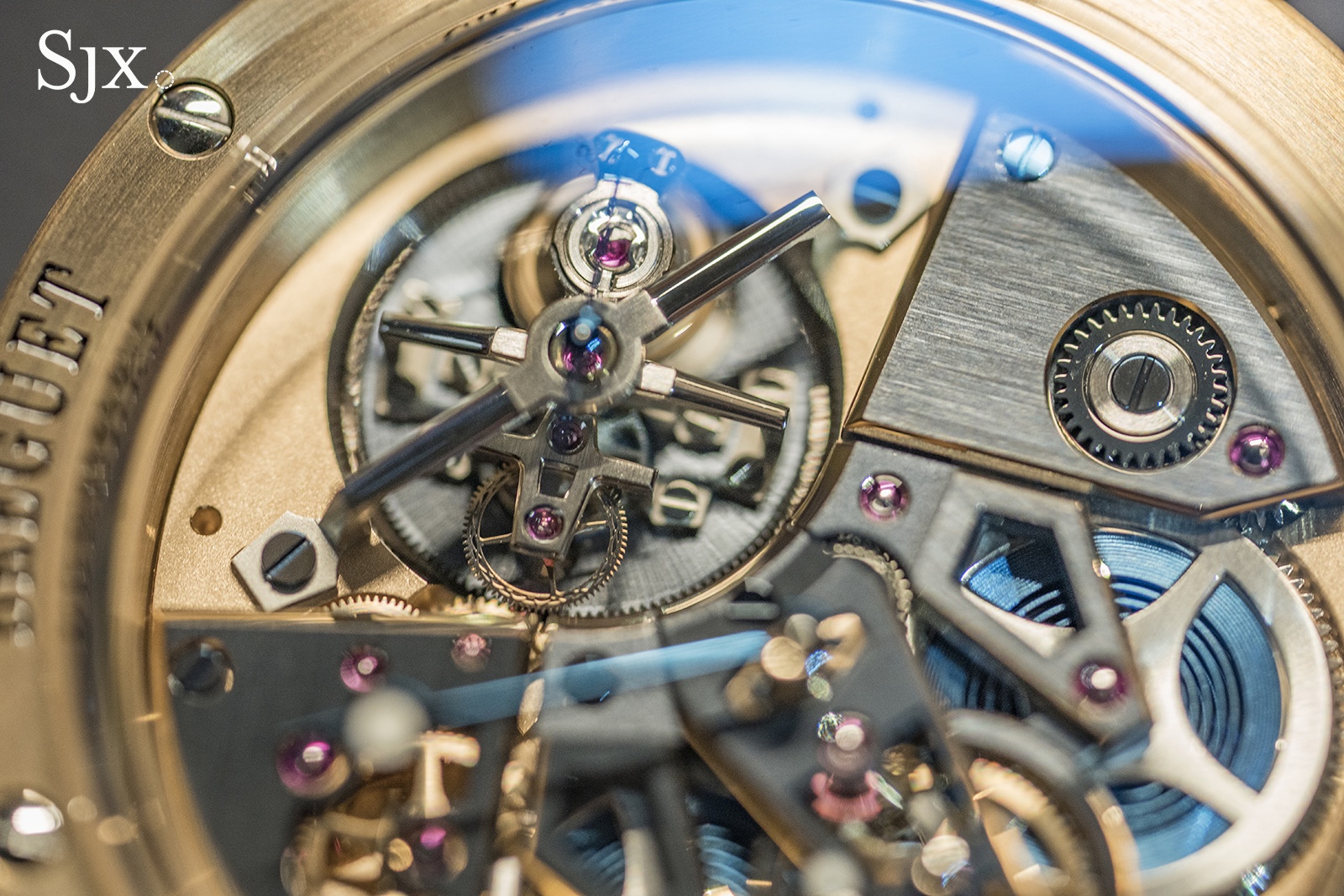
At the heart of the cal. 7250 is the constant-force escapement, which relies on magnets and their consistent repelling force to impart constant impulse to the high-frequency balance. With this almost entirely contactless interface between the escape wheel and the oscillator, Breguet has solved both the issue of escapement friction and that of constant force by harnessing the power of magnets with clever geometry.

While the eccentric Expérimentale 1 is clearly meant to be a show of force and technical expertise, its exotic nature means its impact may be limited unless its technology trickles down to more watches in the Breguet portfolio. There’s reason to think this will happen; the Expérimentale 1 marks the start of a wider “Expérimentale” series, a new line of prototype-oriented watches intended to showcase Breguet (and the Swatch Group’s) research projects.
Vacheron Constantin La Quête Du Temps – Brandon Moore
I could not have been alone in thinking that the record-setting Solaria was intended to be the highlight of Vacheron Constantin’s 270th anniversary launches. In some ways it was, setting the tone for a year-long slate of releases with astronomical complications and artistic themes.
That is to say I did not expect the brand to also release a 150 kg astronomical clock with a musical automaton, built in collaboration with François Junod and L’Épée 1839.
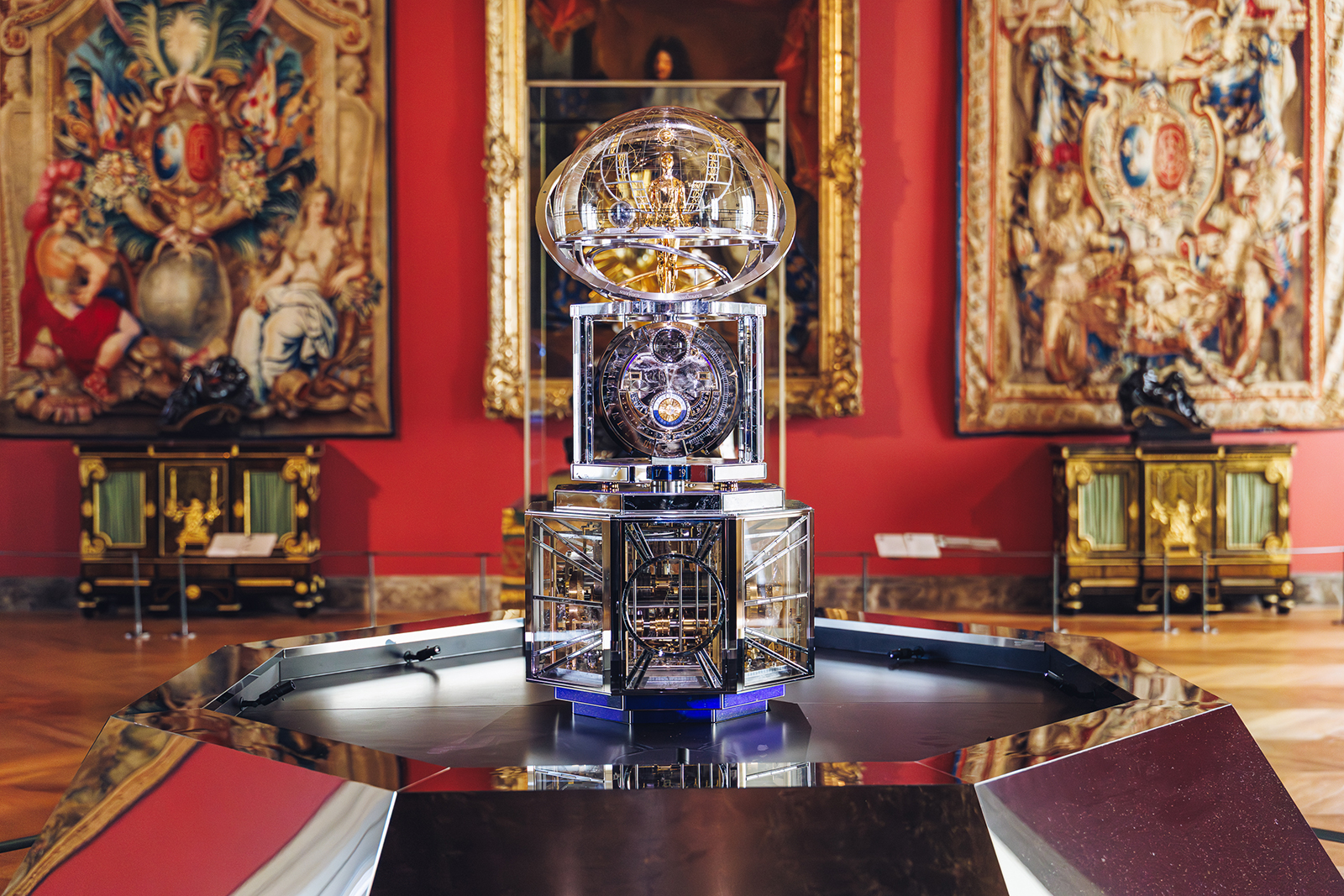
La Quête Du Temps is an extraordinary object in almost every sense. It’s a towering example of haute horlogerie dressed in semi-precious stone inlay and rock crystal, composed of three main elements. The base reveals the metallophone and cam system for the automata, while the middle section contains the primary time-keeping functions, with meticulusly wrought dials front and back, containing a perpetual calendar, planisphere, and other astronomical indications.
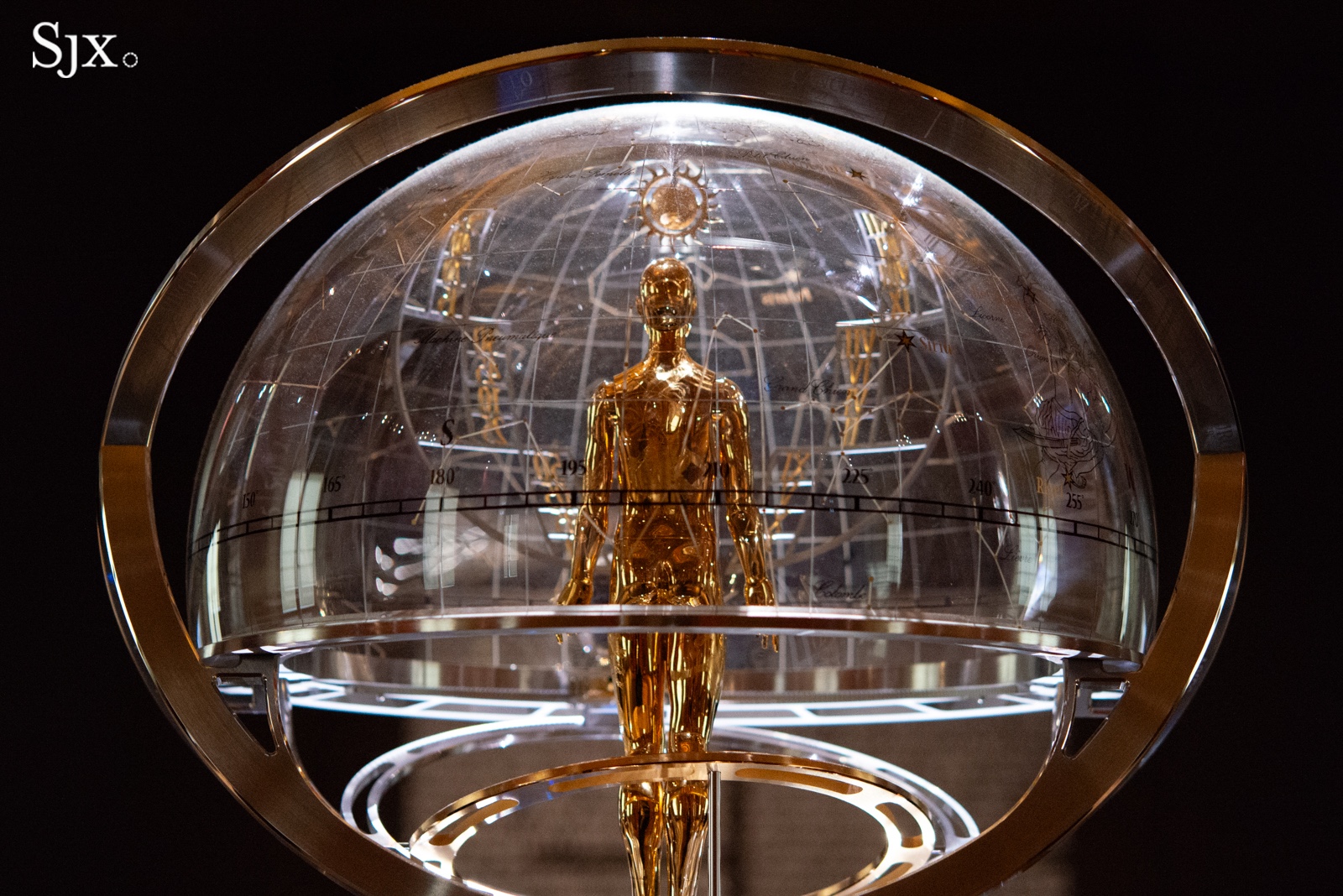
The crowing achievement of the clock, however, sits (or rather stands) at the top. Here a gilded automaton called Astronomer stands beneath a crystal vault hand-painted with the constellations as they would have appeared at the moment of the brand’s founding in 1755. The automaton is capable of indicating the time, gesturing to the moon phase, and, most charmingly, simply admiring the night sky above, through as many as 144 unique motions. Astronomer is powered by a mechanical linkage that connects to the cam system in the base, similar to the construction of mystery clocks.

I had a chance to visit the clock during its limited run at the Louvre, which was an unexpected yet appropriately dignified venue for the reveal. Vacheron Constantin is a philanthropic partner of the Louvre, and in 2017 the brand provided the funding for the restoration of one of the most significant historical clocks in the museum’s collection, the Pendulum Clock of the Creation of the World, built by Claude-Siméon Passemant and the Lepaute brothers in 1754.
This connection explains how La Quête Du Temps ended up in the Sully wing of the world’s most visited museum. It might also explain why the clock is not for sale; the Louvre isn’t in the business of promoting its exhibits for purchase. That said, Vacheron Constantin could presumably make another clock in a similar style for the right price.
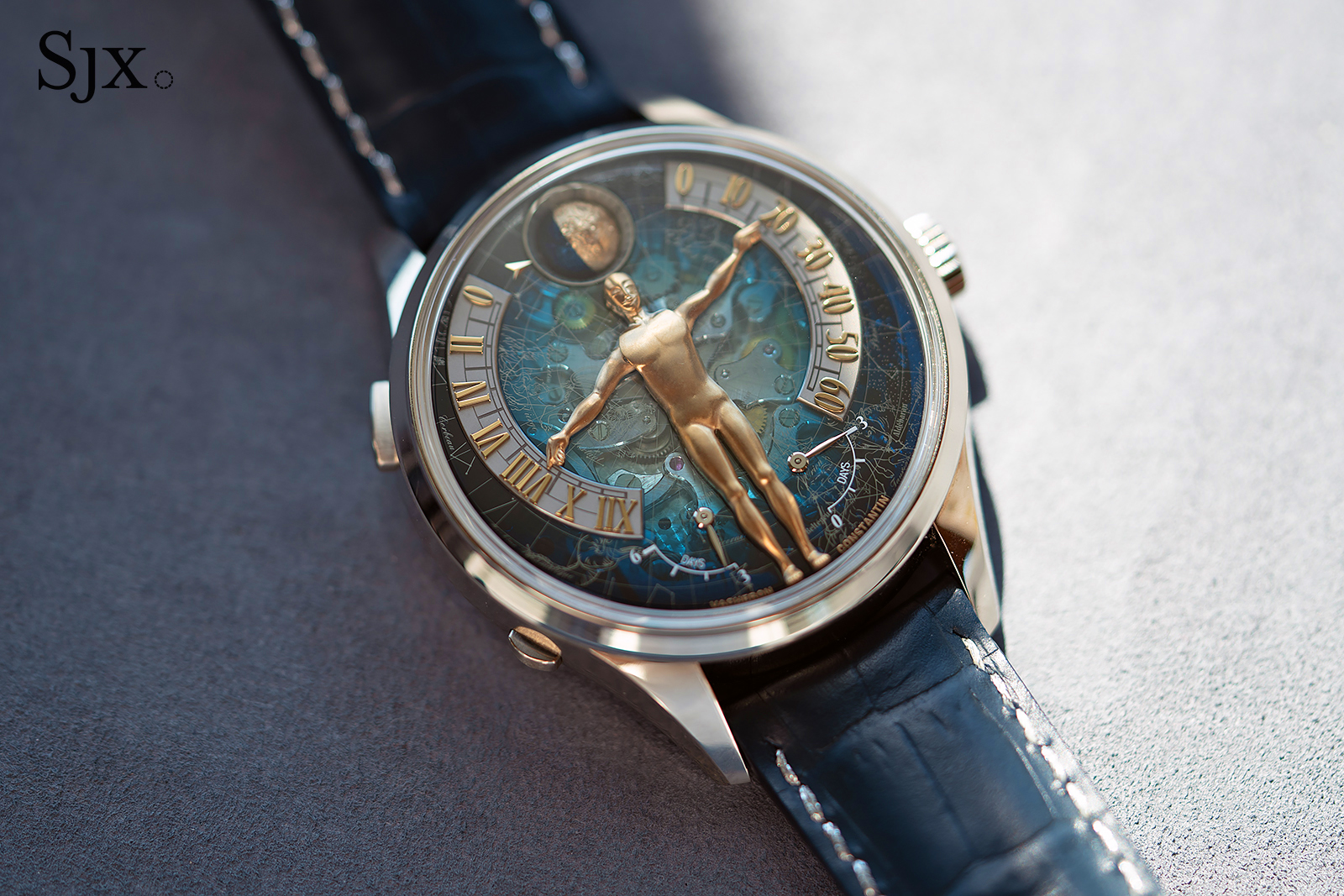
At the same time, Vacheron Constantin launched a companion wristwatch, the Métiers d’Art Tribute to the Quest of Time. The wristwatch features a similar theme as the clock, with a highly accurate depiction of the constellations on a sapphire crystal dial, and a sophisticated bi-retrograde time display indicated by a miniature version of Astronomer.
TAG Heuer Carbon Hairspring Industrialisation — David Ichim
TAG Heuer is once again living up to its techniques d’avant garde moniker with the (re)launch and industrialisation of carbon nanotube-based hairsprings. While the watchmaker has experimented with carbon hairsprings for sometime now, the product was still a prototype until the official unveiling of the TH-Carbonsprings earlier this year.
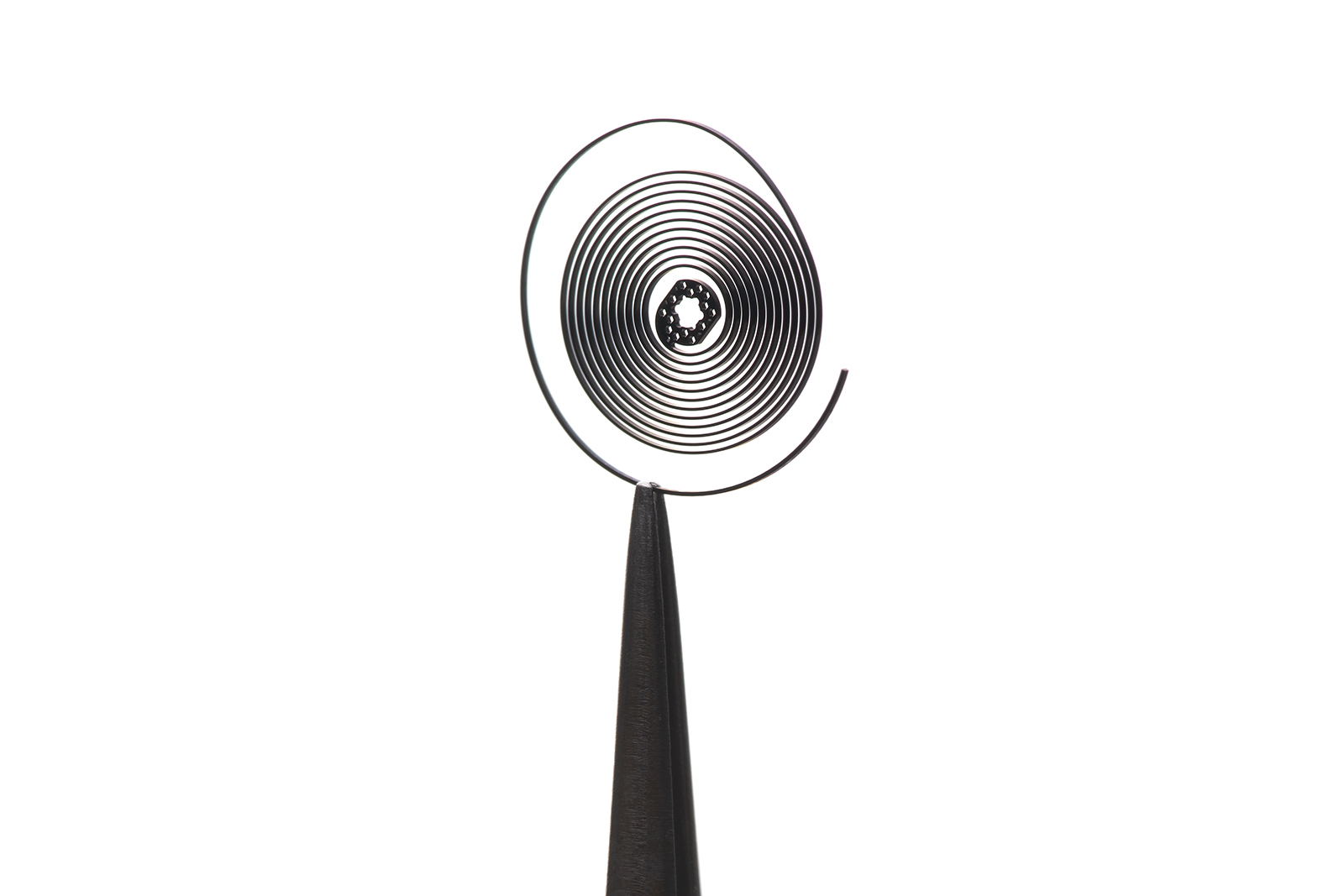
Coinciding with the 350th anniversary of the hairspring, the launch of perfected carbon springs marks a big step for TAG Heuer and the wider watchmaking wing of the LVMH group. Since silicon hairsprings remain protected by intellectual property rights held exclusively by the Swatch Group and a handful of others like Rolex, Patek Philippe, and Ulysse Nardin, this modern and high-performance alternative from TAG Heuer could help the brand create distance between itself and rivals reliant on off-the-shelf components.
Carbon is anti-magnetic and has a higher yield strength than silicon but is just as easily mouldable. TH-Carbonsprings have their own end curve geometry which reduces pivot pressure and helps with reducing isochronism defects. The material is also self-compensating to temperature changes — a big issue for watchmakers.
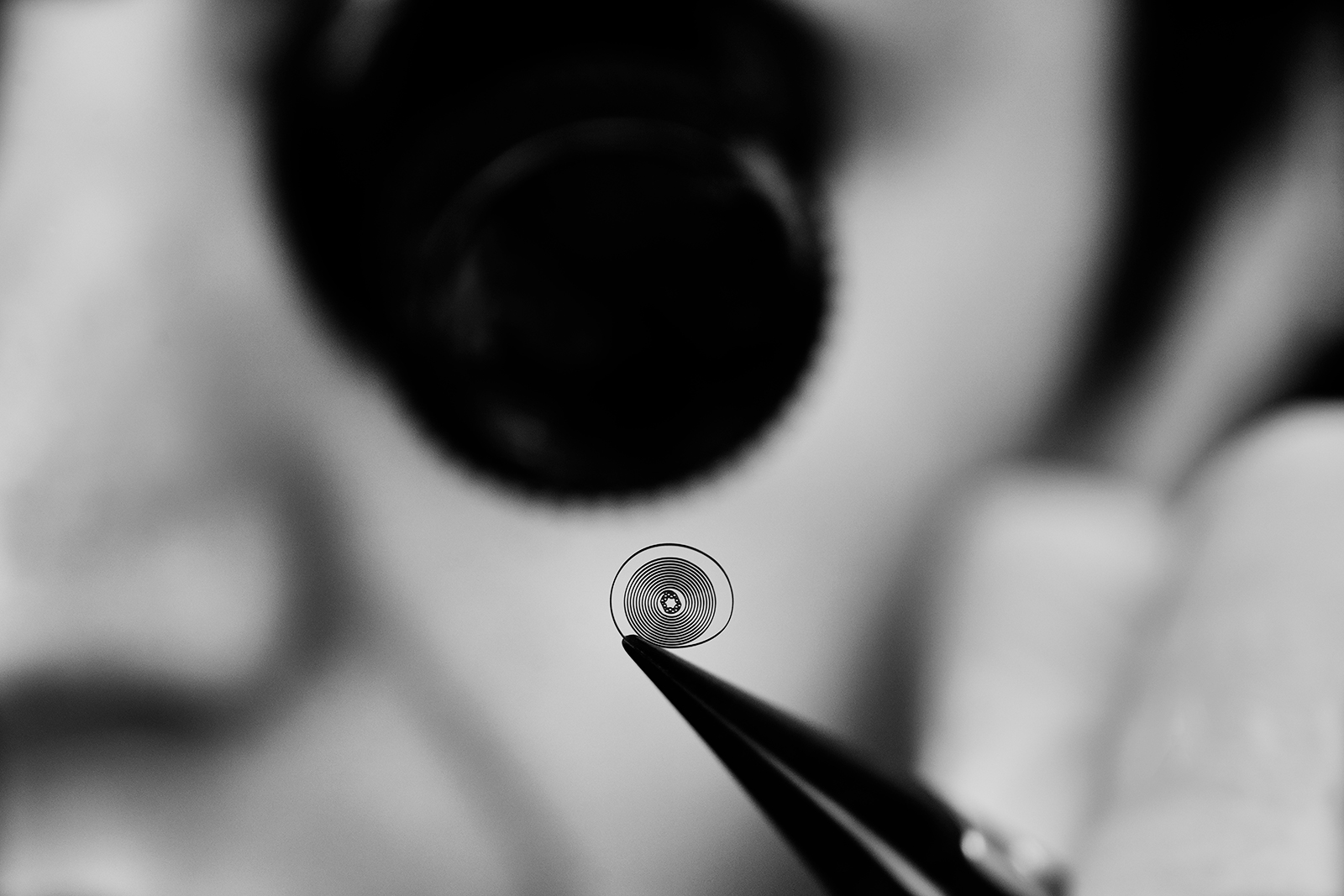
The new TH-Carbonsprings solve the main problem of early carbon springs: permeability. Being formed as a forrest of nanotubes, early springs acted like a sponge over time, absorbing humidity and stray droplets of movement lubricant. This issue has been addressed with a complex and robust surface passivation process, which renders the material hydrophobic.
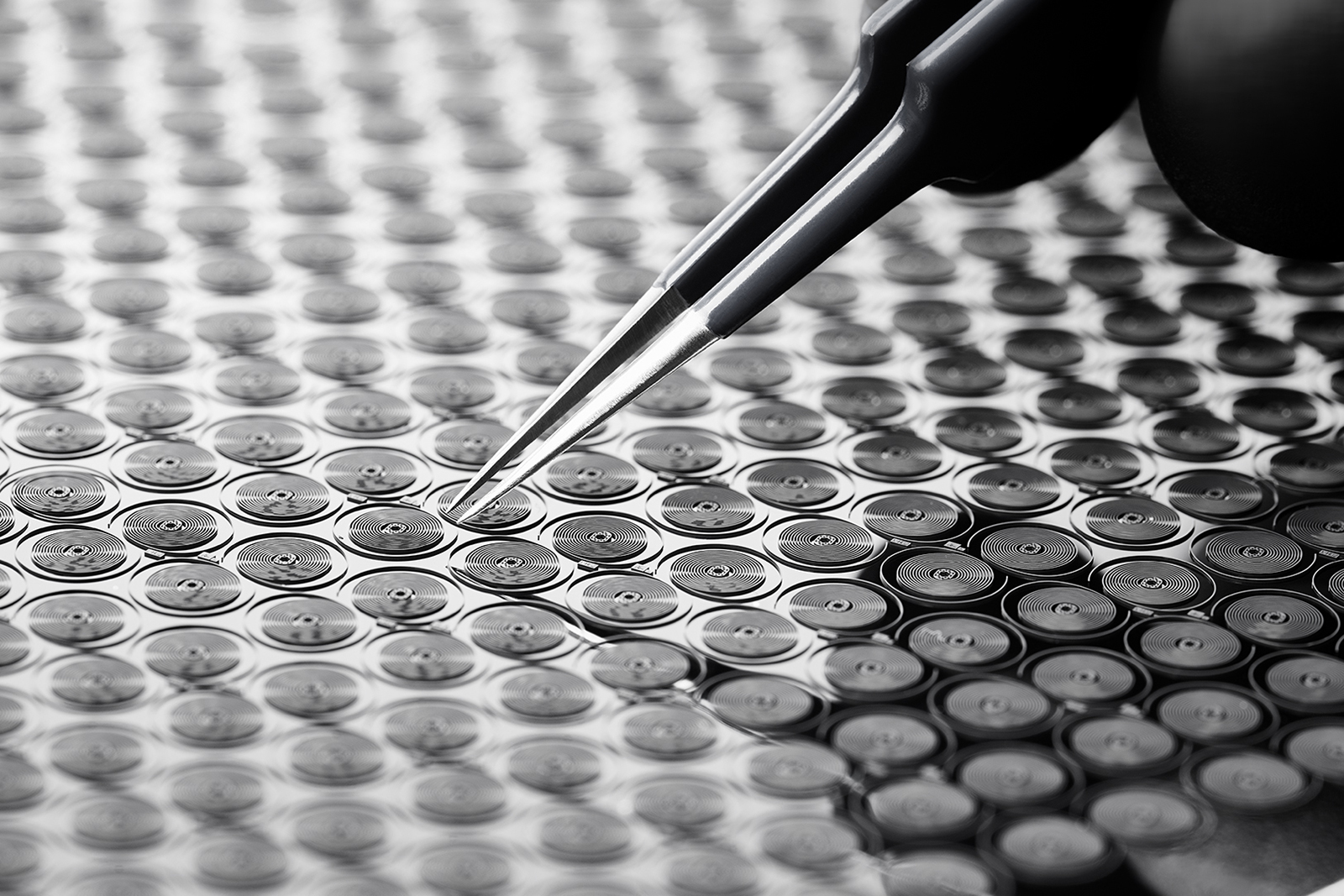
While the technology underpinning the TH-Carbonsprings is fundamentally scalable, it has thus far appeared in only two limited-edition models. Whether 2026 will be the year that we see broader implementation across TAG Heuer’s lineup remains to be seen, but it’s a development worth following.
Back to top.