
Roaring Twenties Marque Niton is Born Again
Jumping into the 21st century.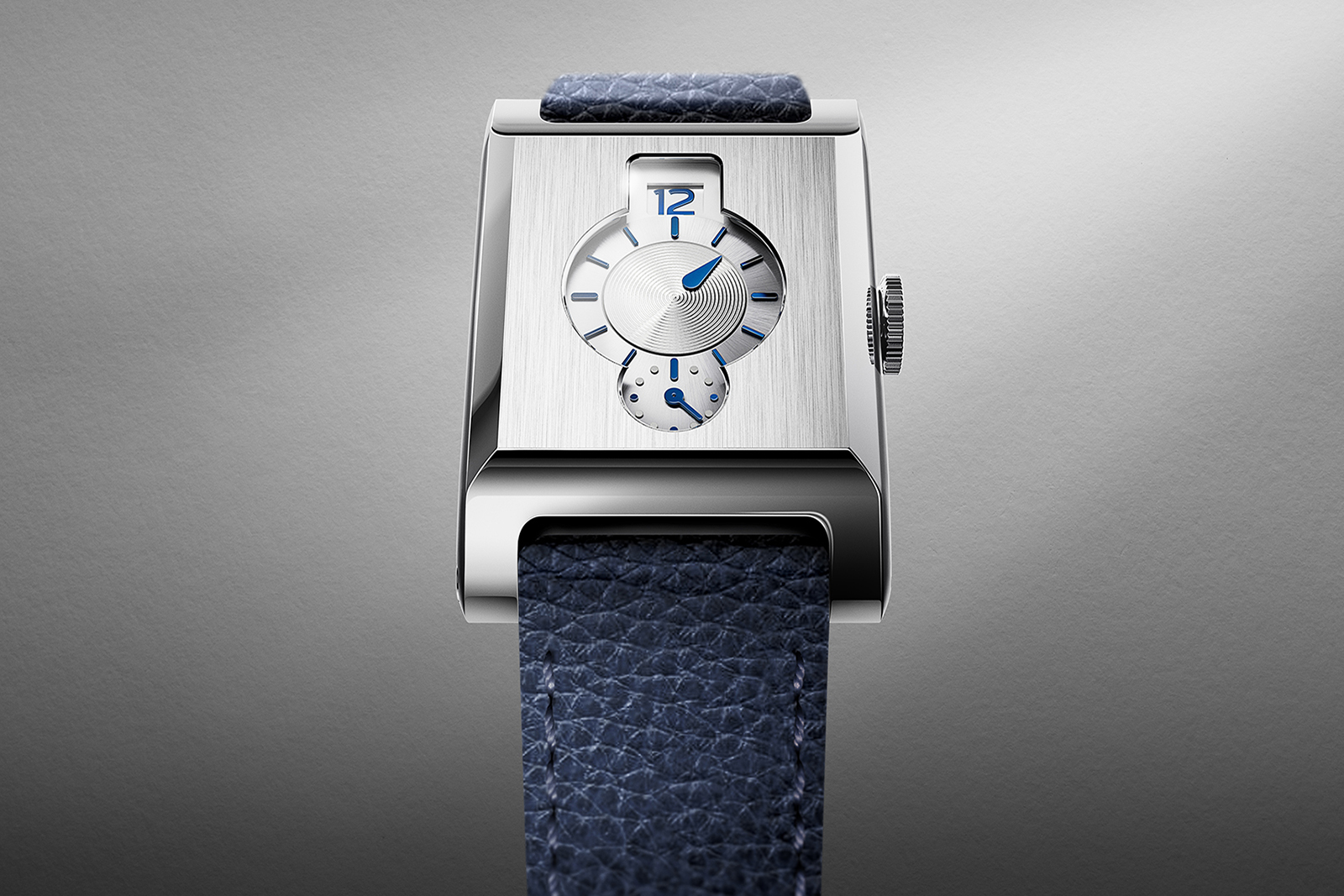
A long defunct Geneva watchmaker, Niton has been revived and is getting off the ground with the Prima, a historically-inspired jump hour watch. With some serious tricks up its sleeve – the proprietary calibre is surprisingly excellent – the Prima might just be the right new-meets-old infusion the watch market needs.
Initial thoughts
Bringing back defunct but once illustrious watch manufactures is not a sure thing, and Niton might be more challenging than most given the lack of name recognition. The brand, however, did have a glorious, if short, history.
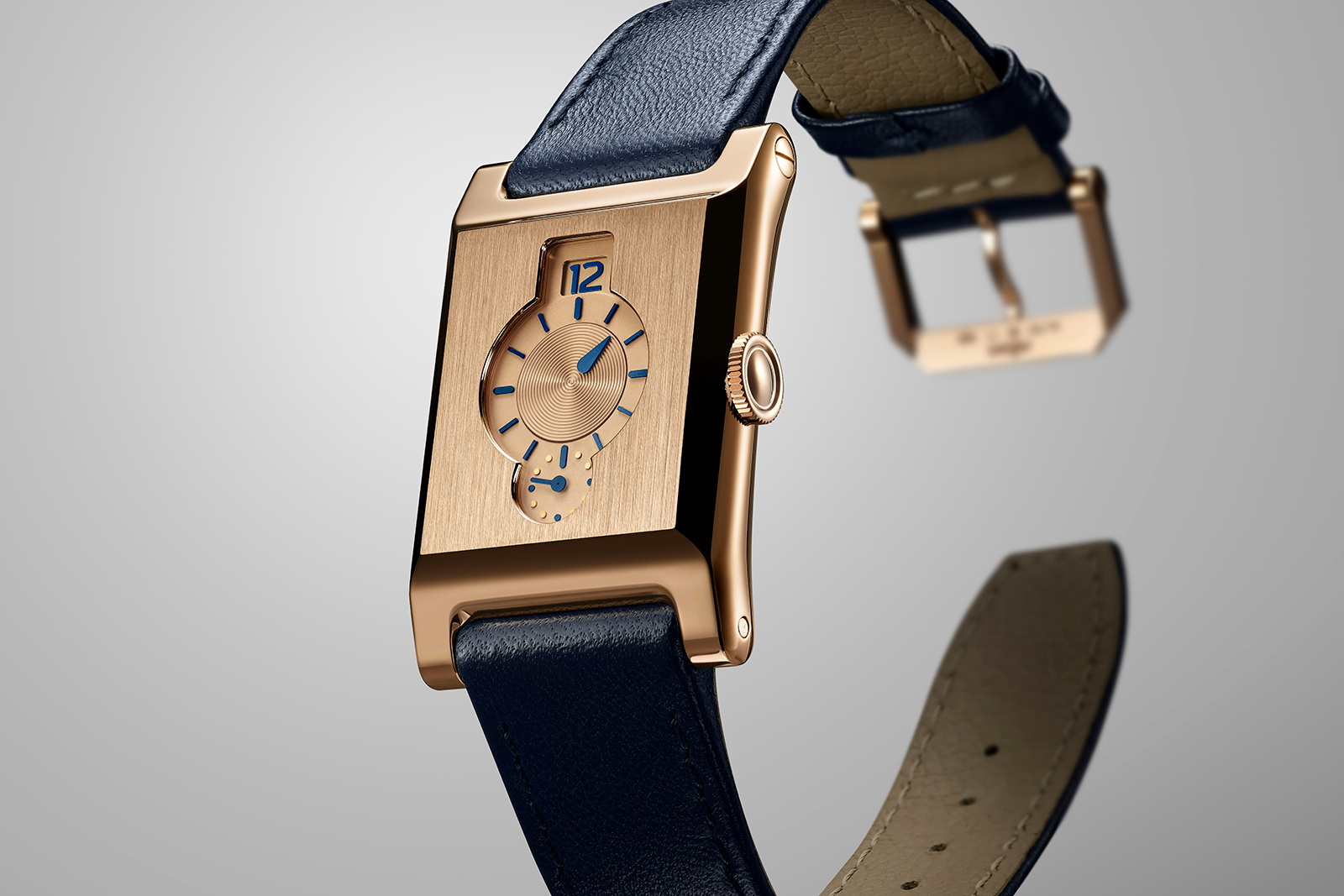
The introductory model of the recently revived brand is the Prima. While the watch takes its inspiration from pieces made in the 1930s, the overall impression is more evocative of retro-futuristic 1960s. Rounded typography, thick indices, and a concentric pattern on the central minutes disk all make for a look that’s equally comforting and refined.
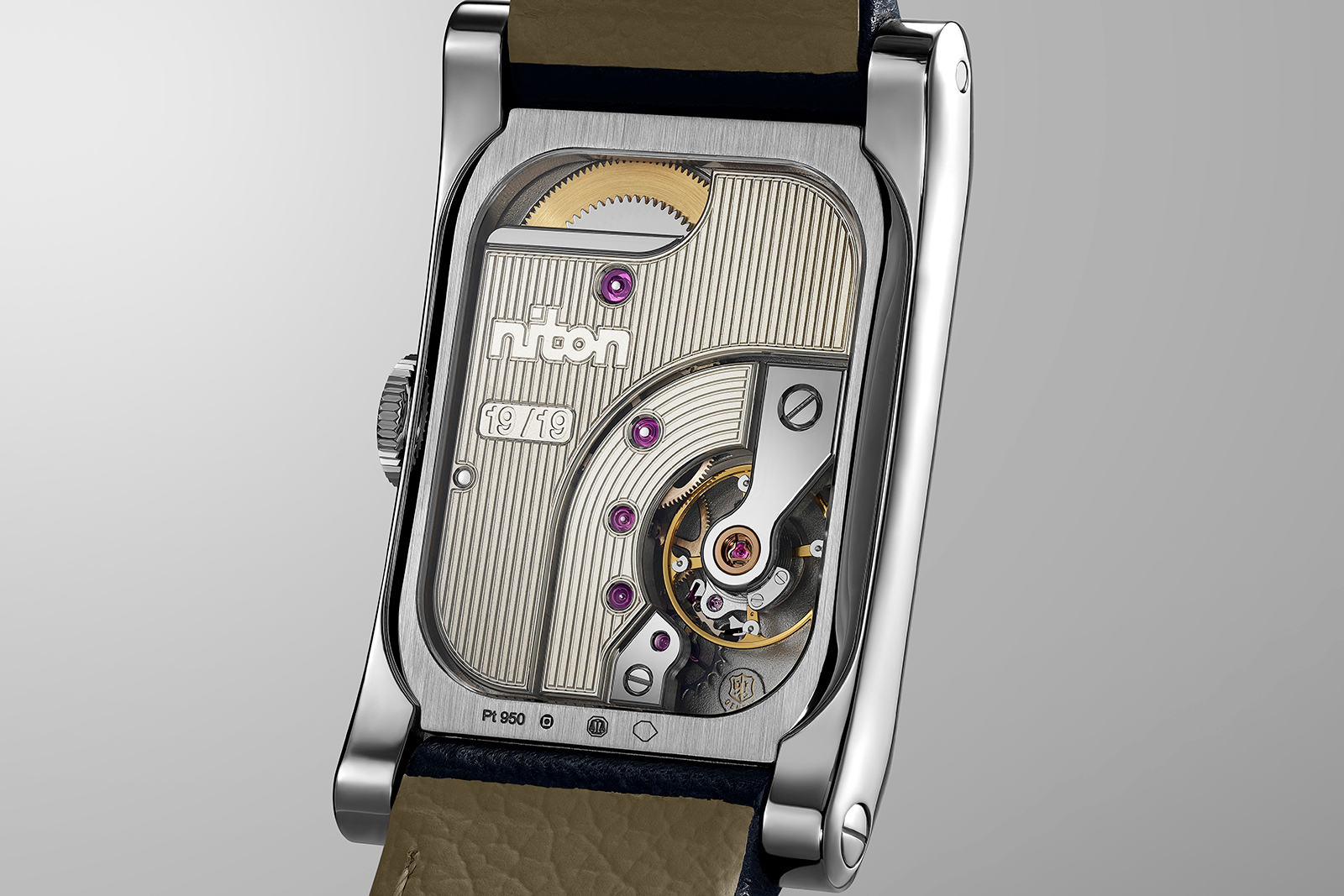
Arguably the best surprise is the in-house NHS01 inside the Prima. A square movement developed in-house, the ambitious, hand-wound NHS01 integrates the jump hour complication with the in-line minutes disk and small seconds display, all while bearing the coveted Poinçon de Genève. Seeing a small independent brand earn the demanding hallmark for its first run of pieces is nothing short of amazing.
Both versions of the Prima sit at under the CHF50,000 mark, which places the model in the upper echelons of pricy independent time-only watches. However, one might argue the Prima doesn’t exactly qualify as “time-only” and when comparing with similar propositions from Cartier or Audemars Piguet, Niton is actually competitively priced.
The Prima is arguably the most mechanically refined and unique square jump-hour watch on the market right now and everyone should be paying attention.
The Niton story
While hardly a household name, Niton was an artisanal watch and movement manufacturer founded in 1919 by three men — two of whom were alumni of Vacheron & Constantin (at that time the two names were joined by an “&”).
Known mostly to vintage watch connoisseurs, Niton supplied movements and even complete watches to the likes of Patek Philippe, A. Lange & Söhne and Breguet, while also selling directly through jewellers like Cartier, Bucherer or Tiffany & Co. Niton was successful in the European market and exported to the United States as well.
Since their production was always artisanal at its core, the industrial age of watchmaking wasn’t kind to Niton and the name eventually disappeared in during the 1970s after changing hands several times. During its peak, Niton was known for its jump hour and minutes disk display (introduced in 1928) and movement bearing the Poincon de Geneve.
The good name of Niton is now revived by two friends: Yvan Ketterer and Leopoldo Celi. With both co-founders having worked inside the watchmaking industry for a long time, Niton is guaranteed to benefit from both corporate and bench experience. Moreover, a distant relative of Mr Ketterer’s was a former president of Vacheron Constantin and also involved with Niton, so the connection to the brand runs deeper than passion for watchmaking alone.
A slim ingot
Prima is Latin for “the first” in its feminine form, alluding to French for “watch”, montre, a feminine noun. Prima is unlike most other guichet-style watches which seem to recently recapture the enthusiasts’ minds.
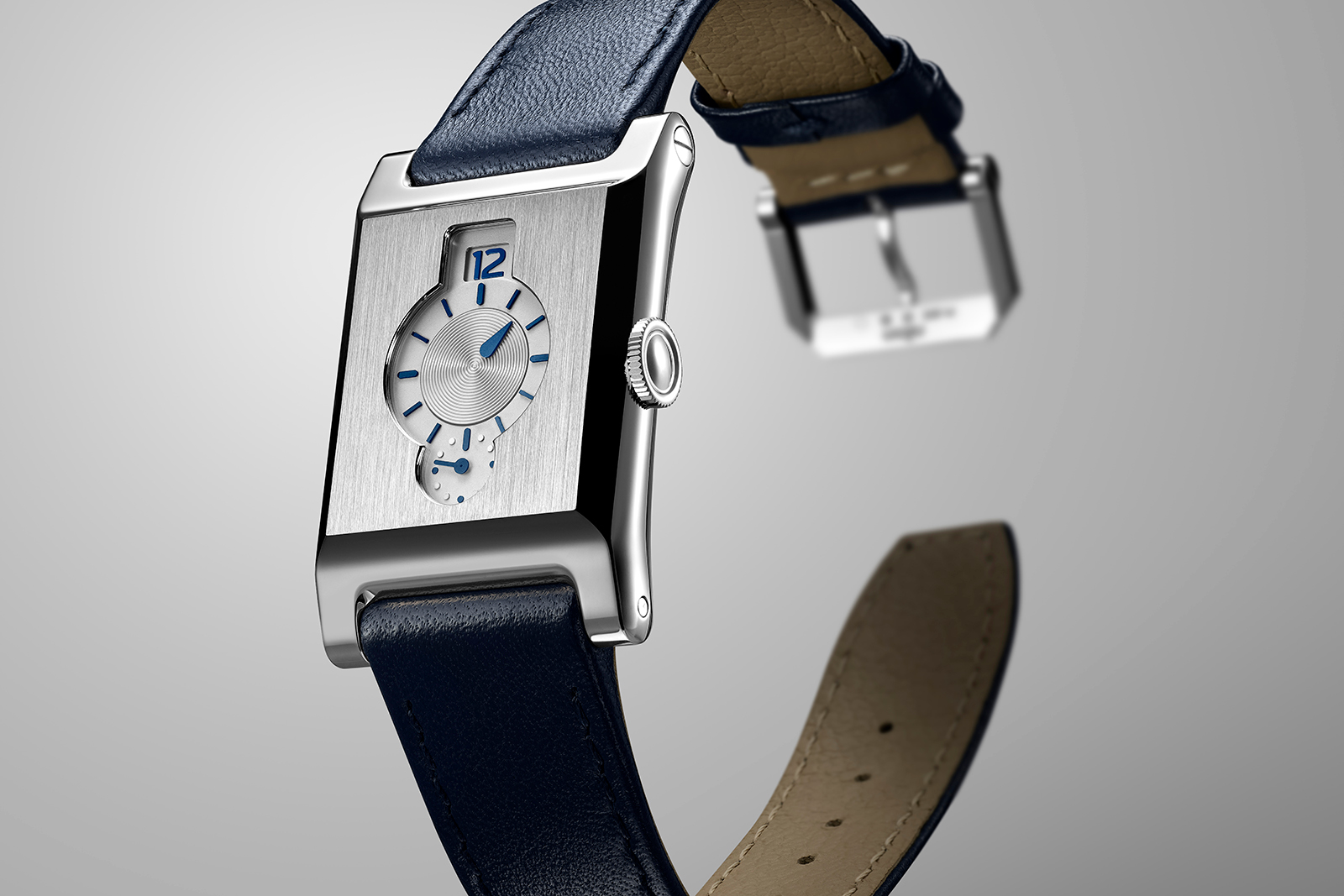
The Prima’s design has touches of Bauhaus, Art Deco and something else too, all which create an interesting visual signature. This particular piece will come in a limited run of 38 numbered pieces, 19 in pink gold and another 19 in platinum.
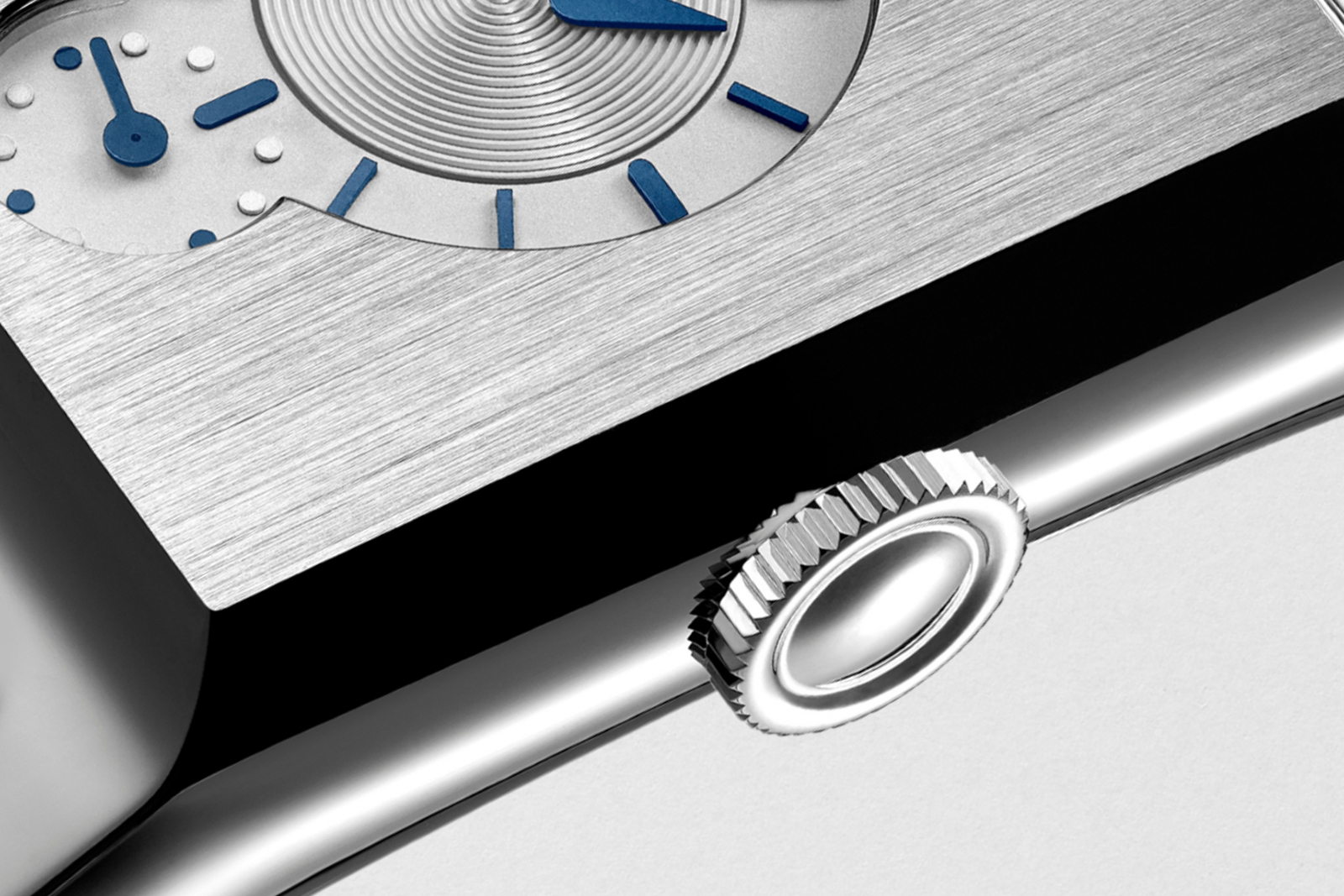
The case of the Prima looks and feels precious, regardless of the metal version. Measuring 27 mm by 35.5 mm, the slim case is decidedly rectangular, but has quite soft lines. The face is vertically brushed with a coarse grain, providing texture, while the case sides and lug tops are highly polished. A thoughtful detail are the material-matched screws serving the stop to the stubby lugs, with rounded heads to fit with the case lines.
On the face itself is a cutout for the dial, which is shielded under a sapphire glass. The hours are displayed through an aperture at 12 o’clock, then there is the central minutes disk and a small seconds sub dial sits at 6 o’clock.
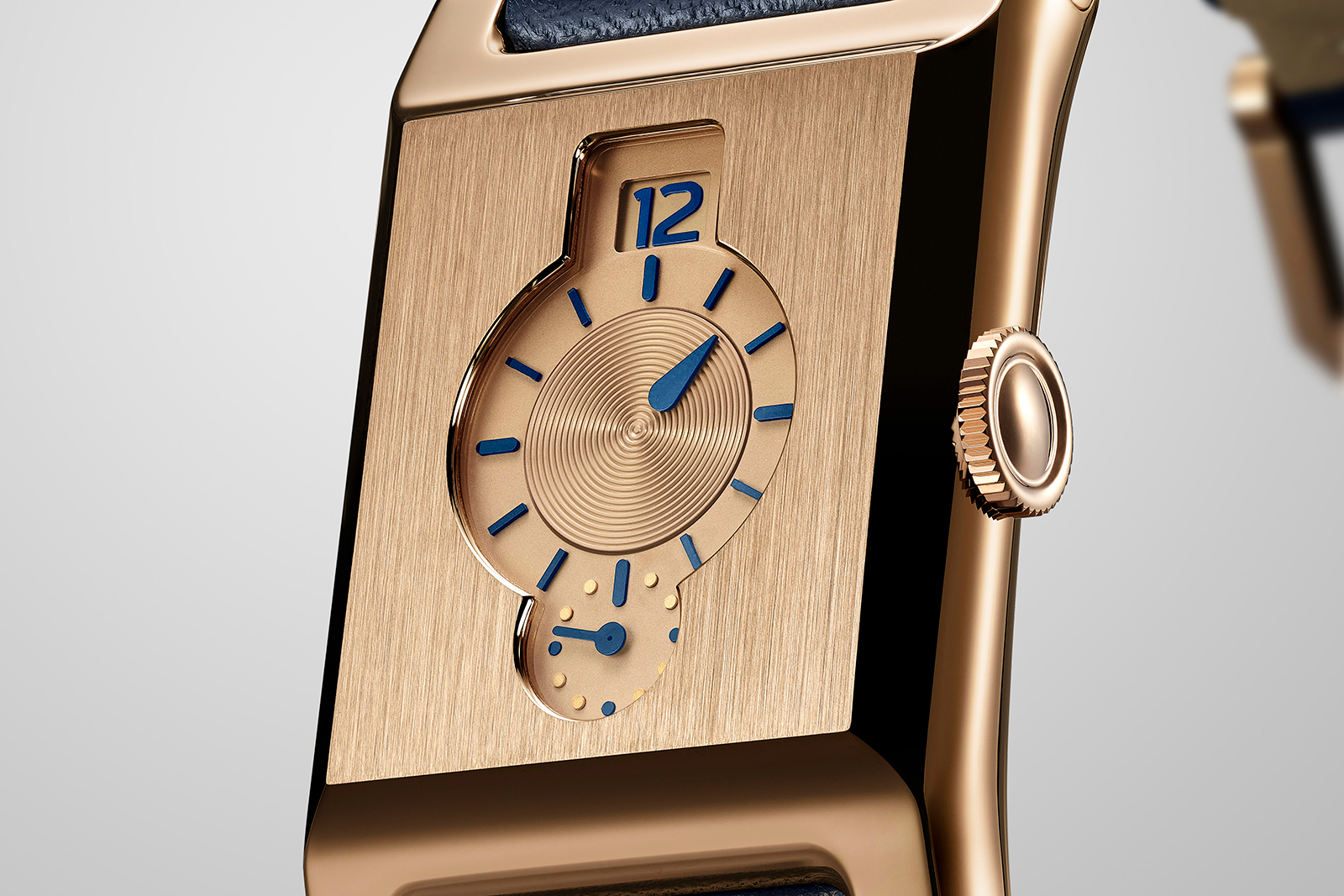
The blue applied indices feel substantial but soft, as does the minimalist design of the minute pointer and small seconds hand. As it was the case with original Niton jump hour watches, the minutes are indicated by a turning disk, here decorated with a deep, concentric pattern.
The numerals used for the jump hour are blocky adding to the industrial, retro-futuristic feel of the timepiece.
The unsigned crown looks a bit over designed, a subtle bubble center and sharp, grippy ridges to help with winding. Much like the crown, the dial is left unsigned as well — a fitting choice for a manufacture that used to supply movements for other watchmakers to sign.
A jewel of a movement
Turning the Prima over allows us to fully admire the NHS0 movement. The Art Deco influence looks to be the strongest here, permeating both decoration and core movement architecture.
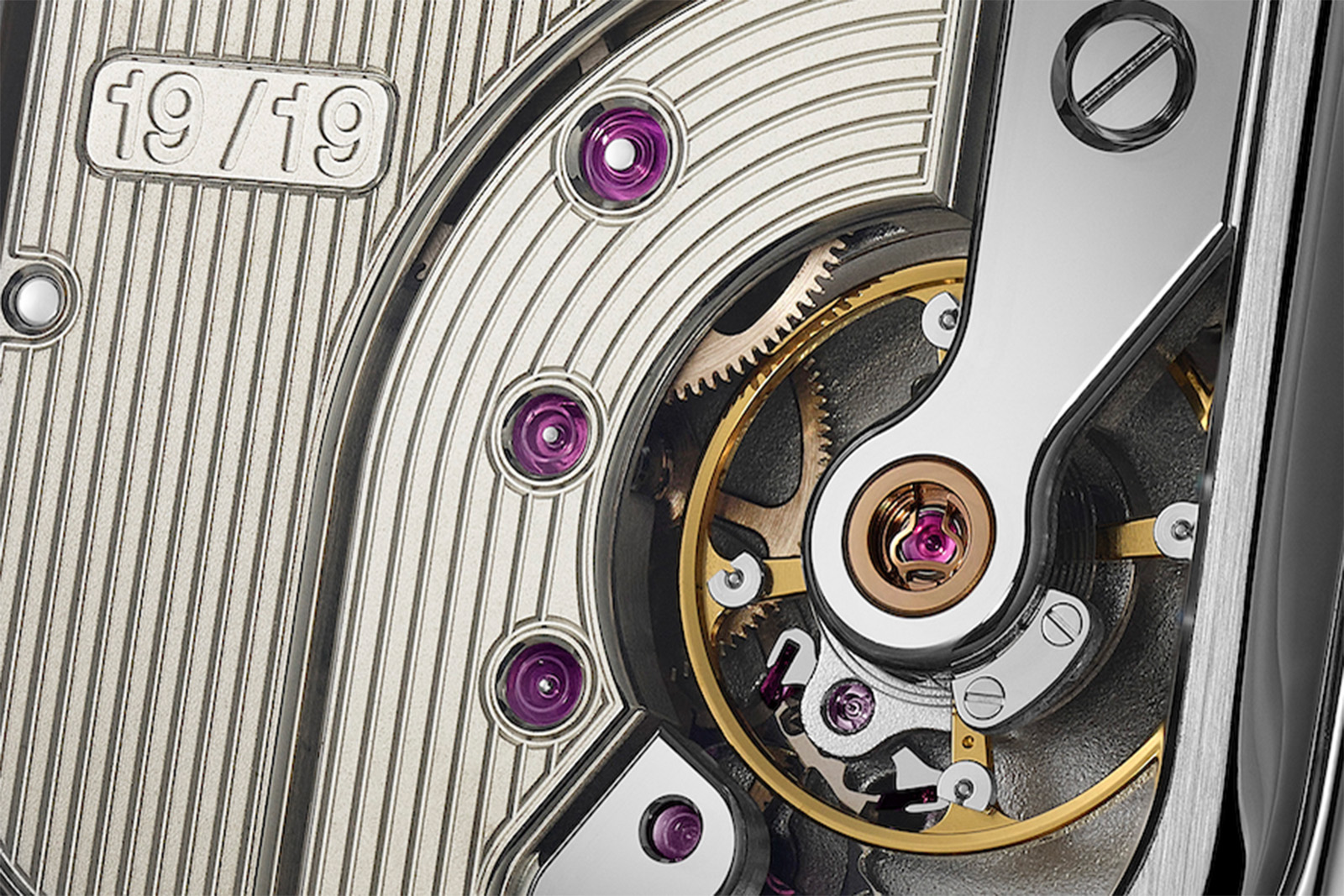
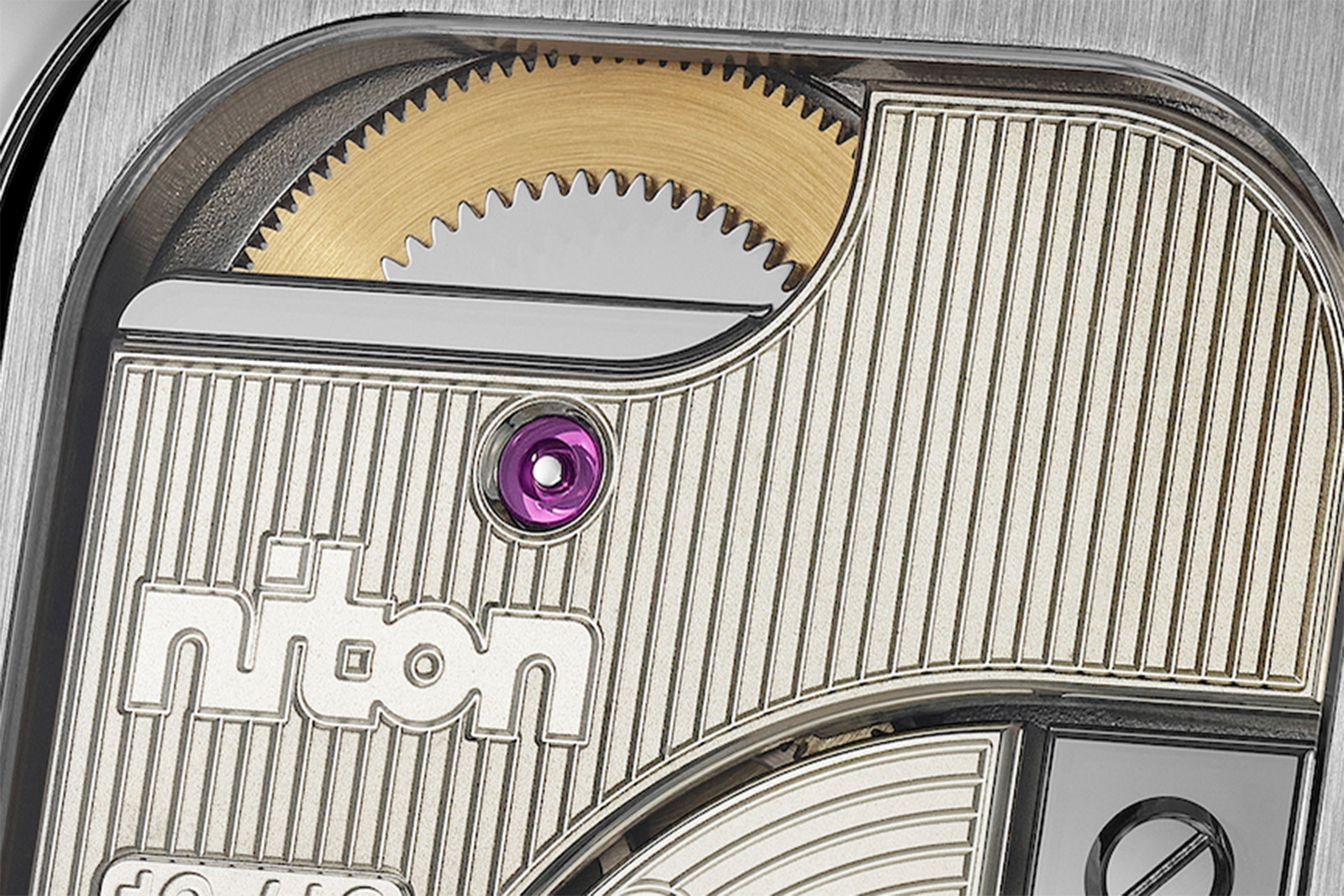
A bold choice from Niton was to forego traditional decorating techniques like Geneva stripes or perlage, and instead opt for a blend of sharp lines on untreated bridges and mirror polished steel parts. The two main bridges look like untreated German silver, while the small finger bridge for the escape wheel is steel-capped.
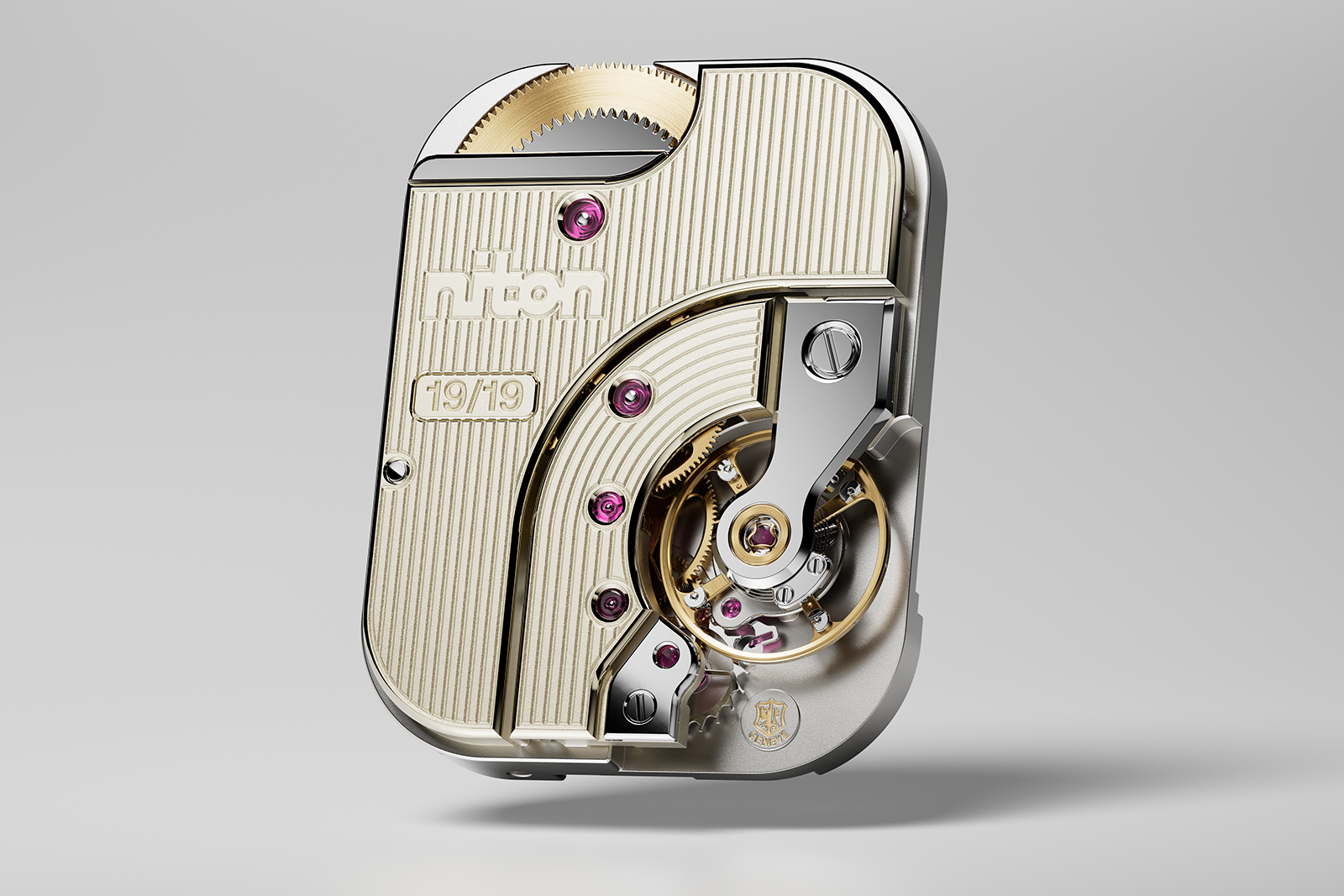
The rounded rectangular silhouette of calibre NHS01.
The bridges feature clean anglage on their edges and the three large steel components (blade click spring, escape wheel bridge cap, balance wheel bridge) are all mirror polished to the highest degree.
On the coarsely grained baseplate, under the balance, is engraved the Poinçon de Genève, looking discreet but important. Apart from finishing-related requirements, the hallmark demands specific construction choices, like the hairspring to be securely pinned (so no Etachron-like regulators allowed) or the escapement banking system to be integrated with the baseplate. While the hallmark has lost some of its historic lustre due to larger brands tending towards internal certifications, its criterion remains as demanding and prestigious as ever.
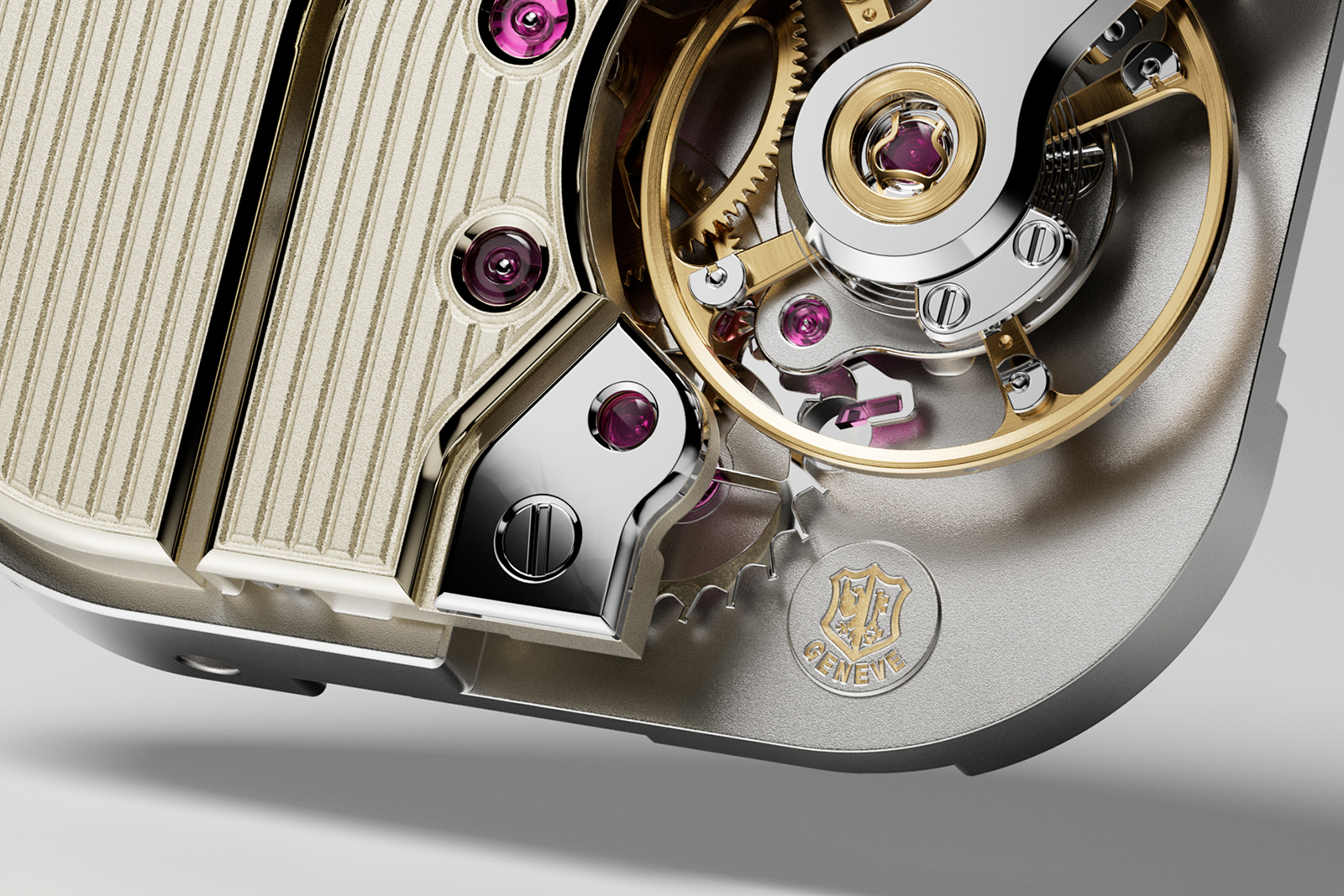
The NHS01 is not just a pretty face; it runs for 72 hours on a single barrel and beats at 4 Hz — quite unexpected for this sort of an artisanal movement. Moreover, the balance is free-sprung and comes paired with a hand-formed Breguet overcoil hairspring, which hints at the large investment and dedication behind Niton.
The Prima’s caliber actually exceeds the Poinçon de Genève requirements, adding some interesting features and being chronometer certified as well. Although Niton didn’t disclose which institution backs the certification, they state the Prima is ISO 3159 certified. As only two institutions in Switzerland are allowed to test and award the ISO 3159 chronometer certification (namely the C.O.S.C and the Observatoire Chronométrique de Genève), it is clear that Prima has a strong pedigree in this regard.
Unseen for the caseback side are two functions which make the Prima even more appealing: a passing hour chime function and a stop-to-zero mechanism, which halts the seconds hand at the “zero” when setting the time.
Since the jumping hour mechanism already involves a slowly-cocking mechanism which triggers swiftly every 60 minutes, Niton watchmakers also added a striking function to the system. Every time the hour jumps, the mechanism also strikes a copper gong embedded in the case itself, thus creating a quiet, soft chime.
As for the stop-to-zero system, when the crown is pulled the movement continues running as usual until the seconds hand reaches the zero position, when hacking is engaged. This assures the precision of time setting and comes in useful since the Prima is a chronometer. This uncommon way of synchronising the seconds hand reminds of the F. P. Journe Centigraphe, where the foudroyante hand completes its revolution to a halt when the chronograph is reset.
Key specs and price
Niton Prima
Size: 27 by 35.5 mm (42 mm lug-to-lug)
Height: 7.9 mm
Material: Pink gold or platinum
Crystal: Sapphire
Water resistance: 30 m
Movement: NHS01
Features: Striking jump hours, minutes, seconds
Frequency: 28,800 beats per hour (4 Hz)
Winding: Manual
Power reserve: 72 hours
Strap: Leather with matching precious metal buckle
Limited edition: Yes, 19 pieces in pink gold and 19 in platinum
Availability: Directly from Niton
Price: CHF44,750 in pink gold, CHF47,750 in platinum (excluding VAT)
For more details visit niton.swiss.
Back to top.