
Up Close: Vacheron Constantin Minute Repeater “Epic Warriors”
A heroic homage.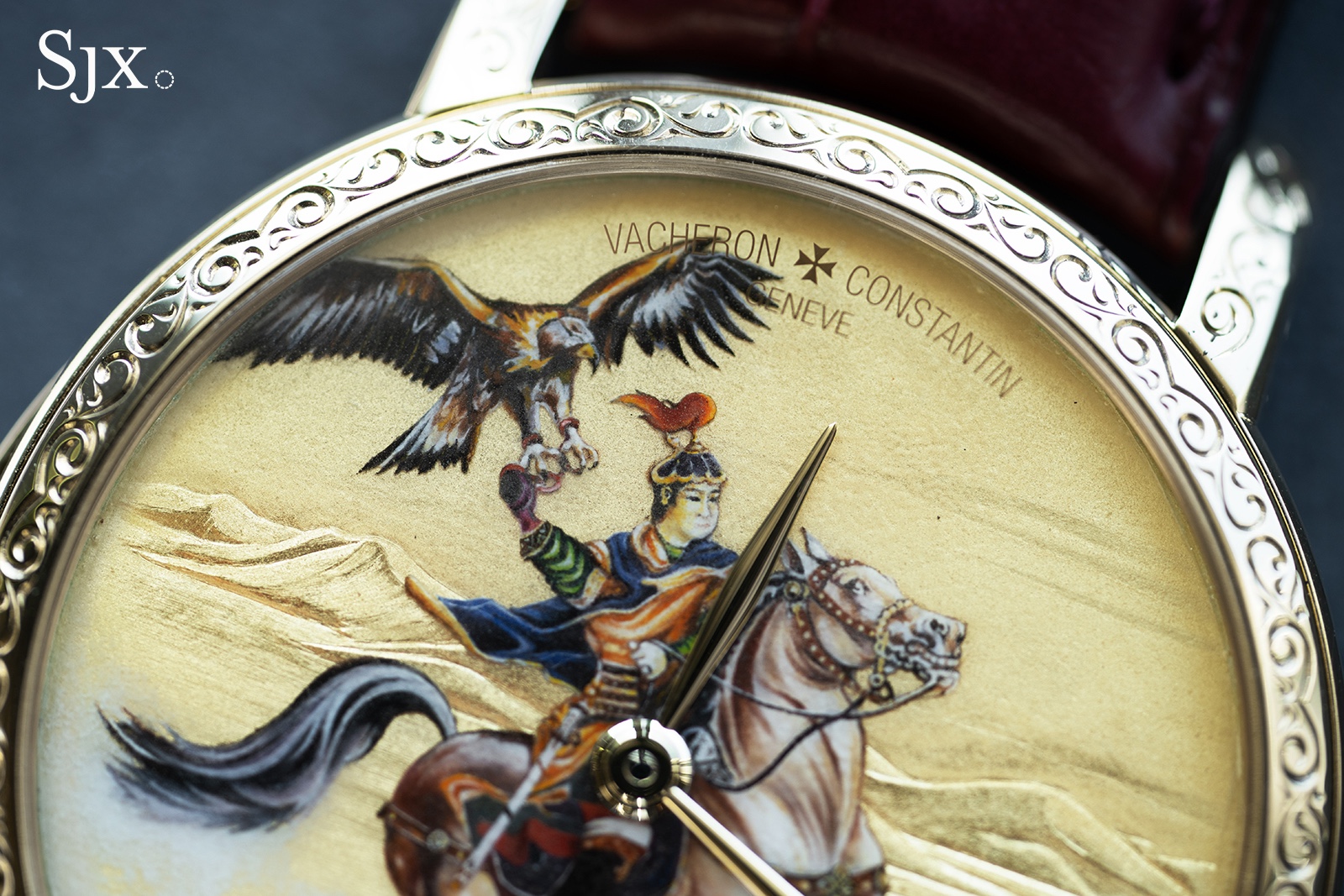
Vacheron Constantin kept its team busy during its 270th anniversary year. Having put a tremendous amount of effort into the most complicated wristwatch ever made and a few other genuine novelties, many of the brand’s other releases, including several one-off Métiers d’art creations, were new versions of existing models.
The Les Cabinotiers Minute Repeater Ultra-Thin Homage to Epic Warriors is an example of the latter, introducing four one-of-a-kind grand feu enamel references to its otherwise simple (and thin) minute repeater platform.
Heroic subject matter
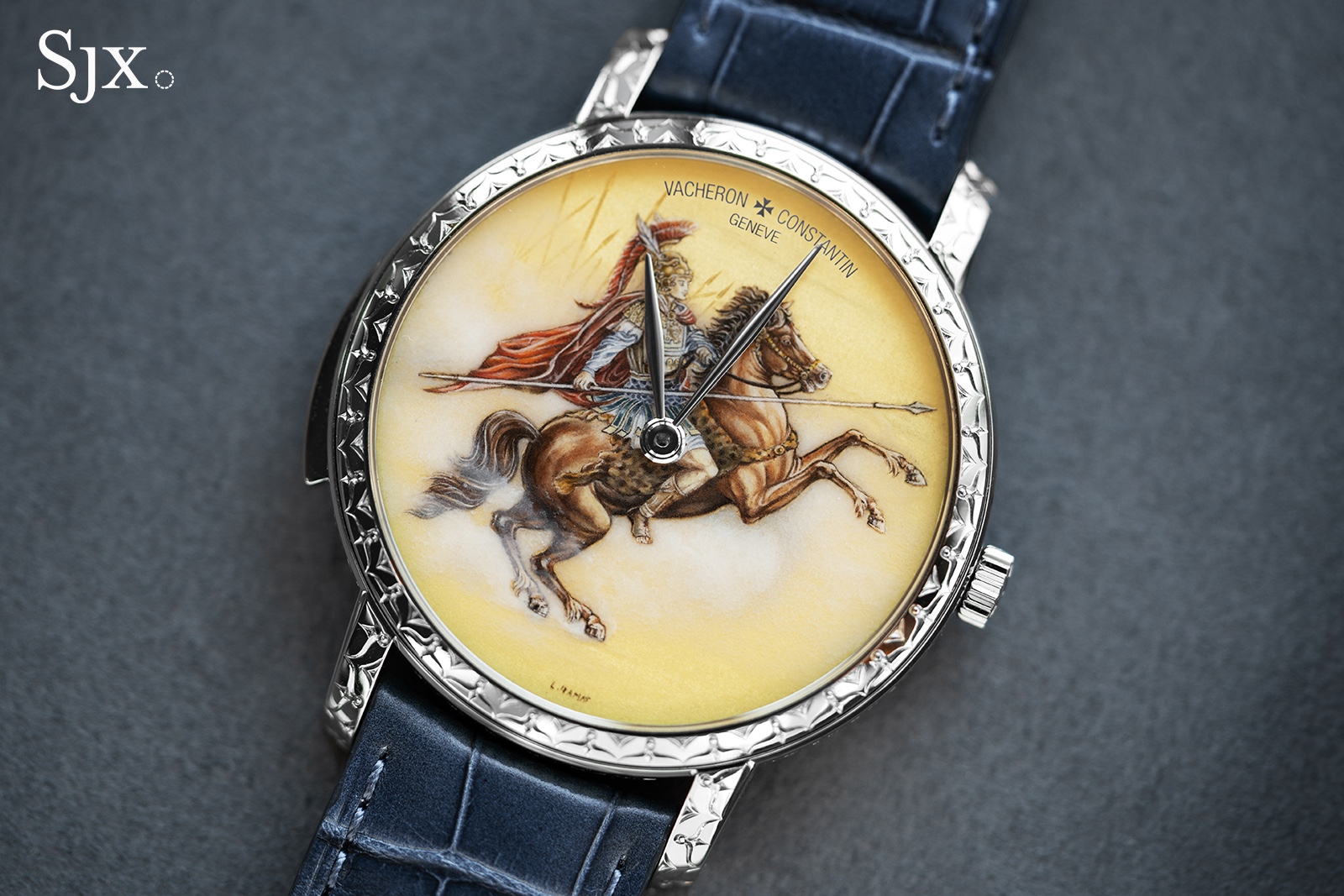
The ‘warriors’ set celebrates four famous warriors from across time. The series begins with the Homage to Alexander the Great, a pupil of Aristotle who conquered much of the eastern Mediterranean region (and beyond) in the fourth century BCE.
From there, the inspiration gradually moves east, making its first stop in what is now Saudi Arabia, where a warrior poet named Antarah ibn Shaddad, now often known simply as Antar, made his mark about 1,500 years ago. The Antar reference was not available to photograph.
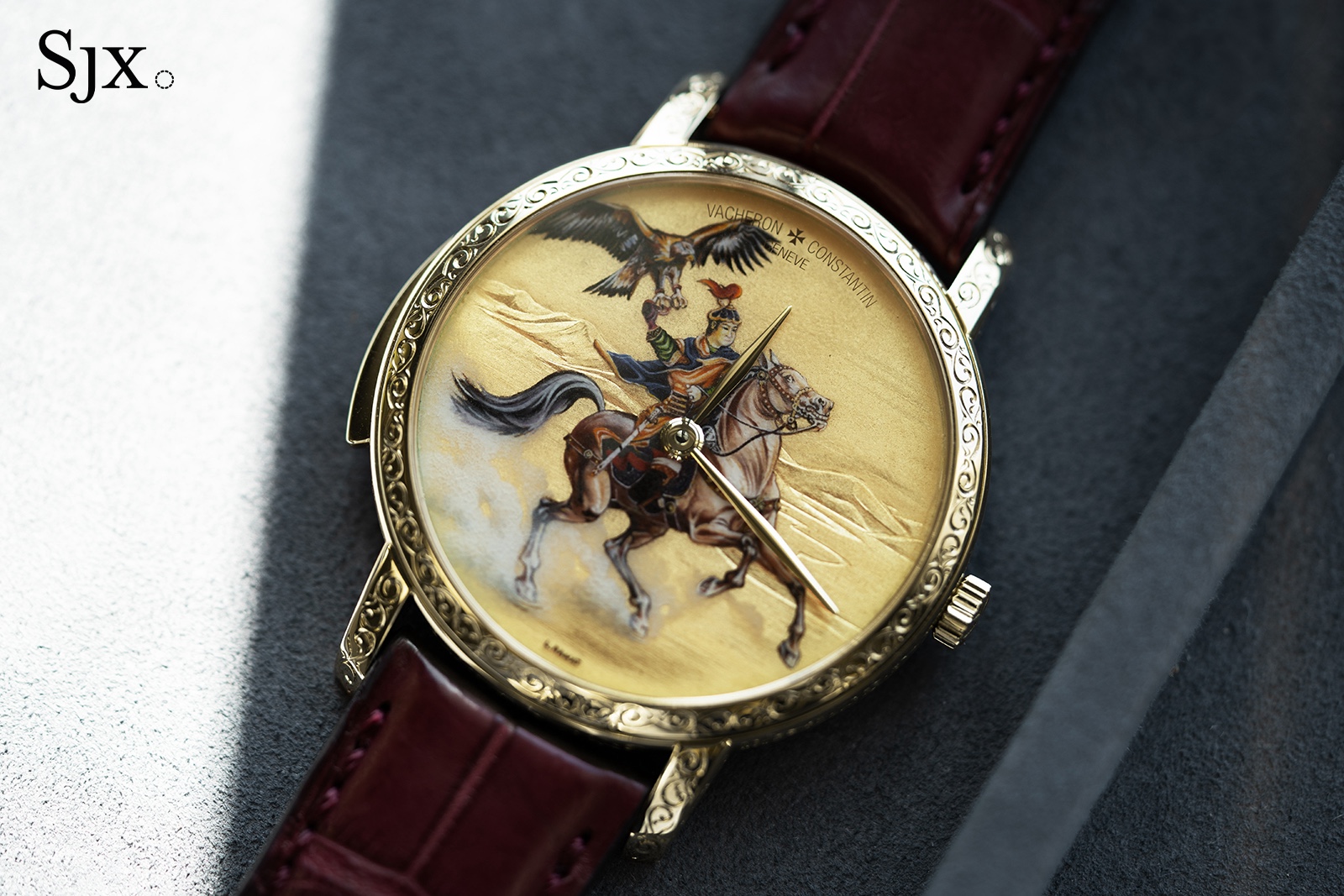
No set of warrior-themed watches would be complete without an homage to the most legendary conquerer of all time, Ghengis Khan. That name is actually a title he adopted in 1206, and translates as ‘universal ruler’.
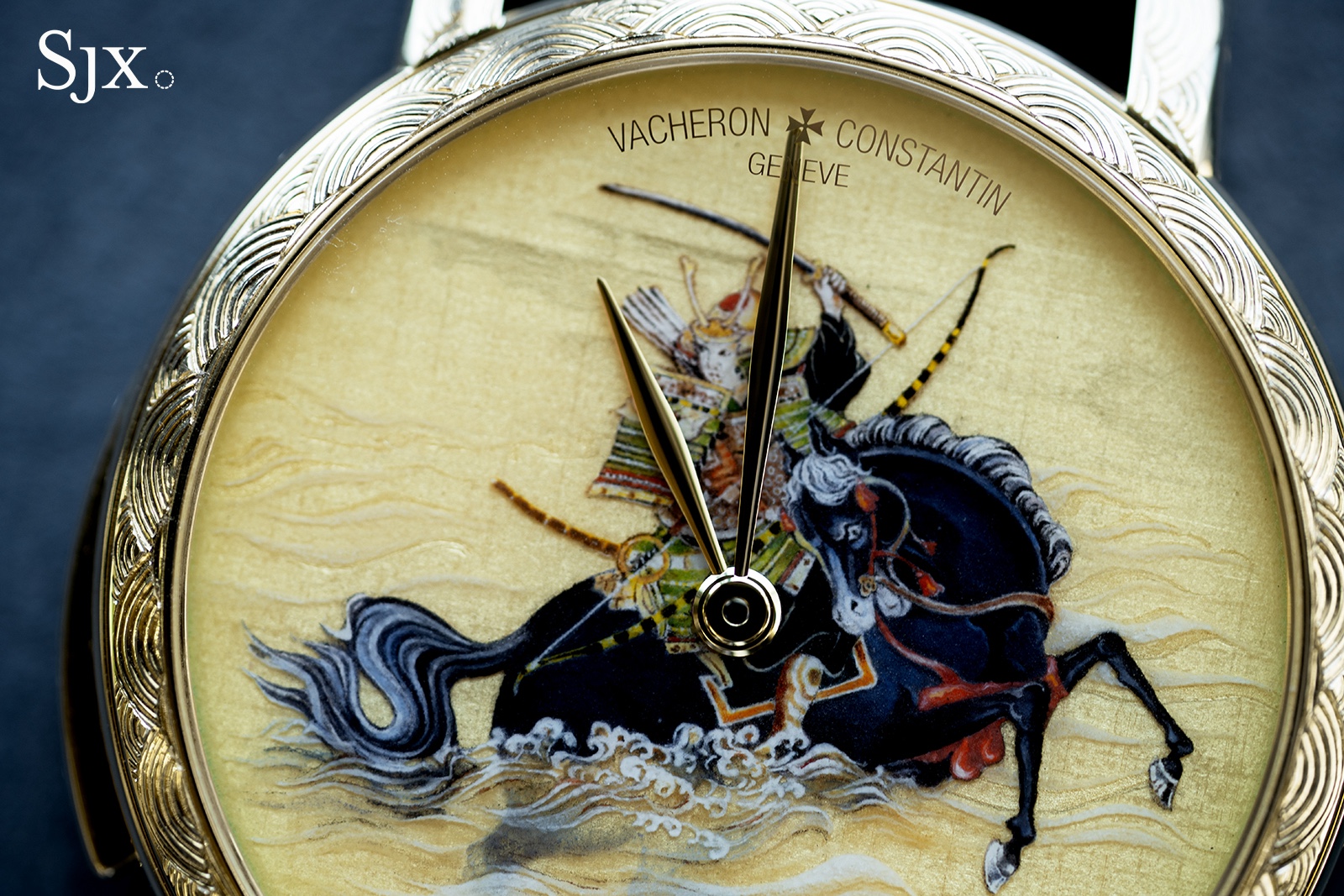
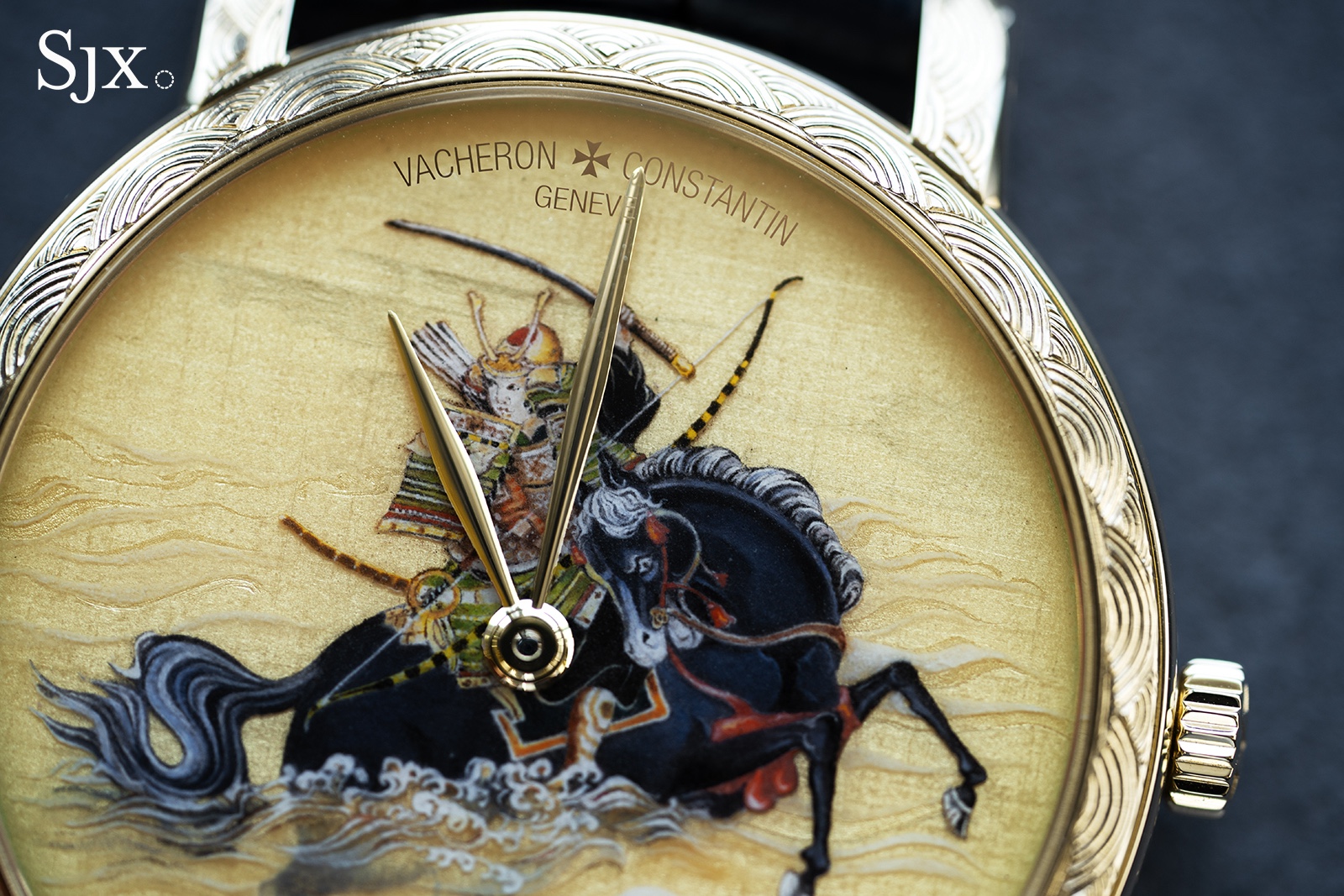
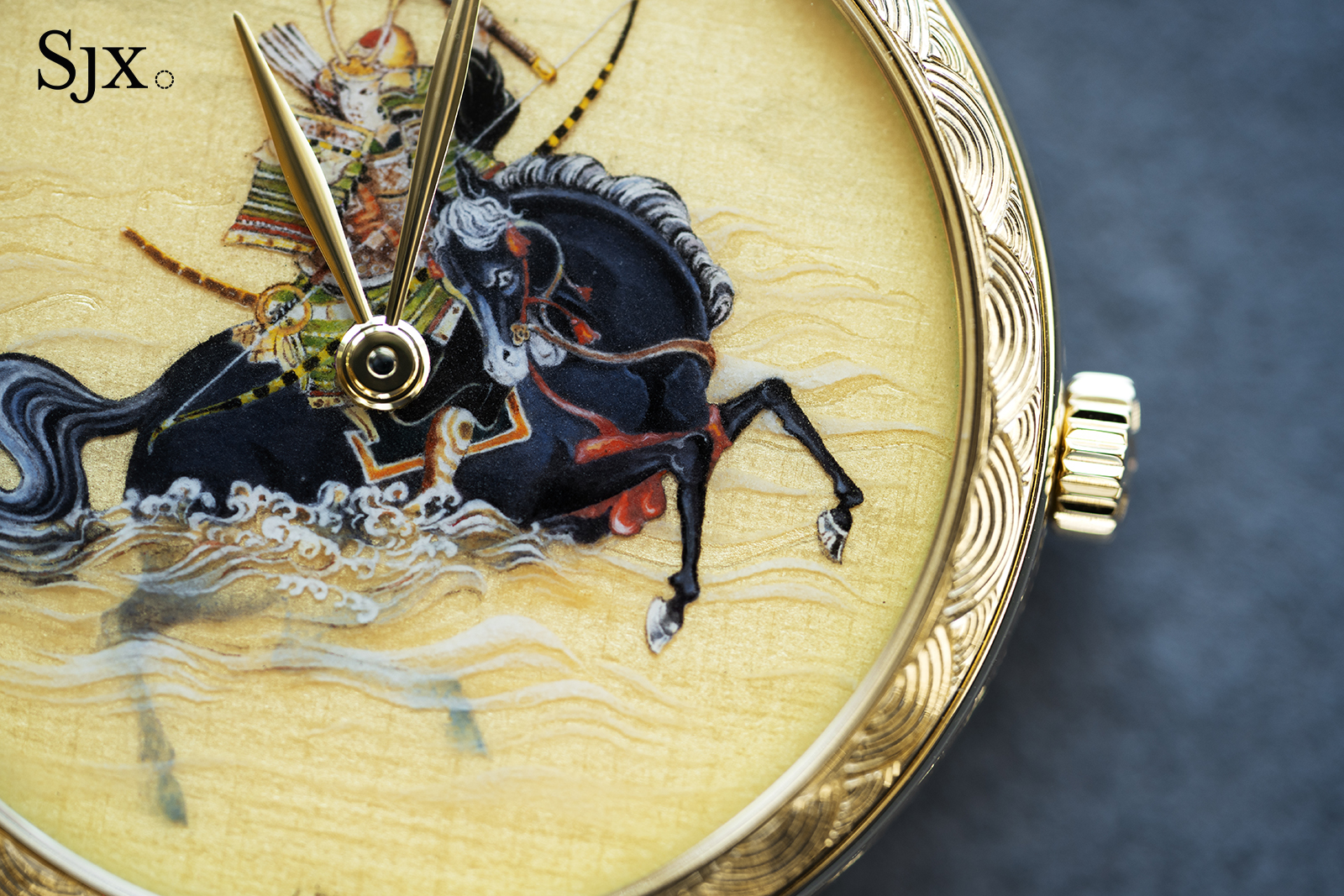
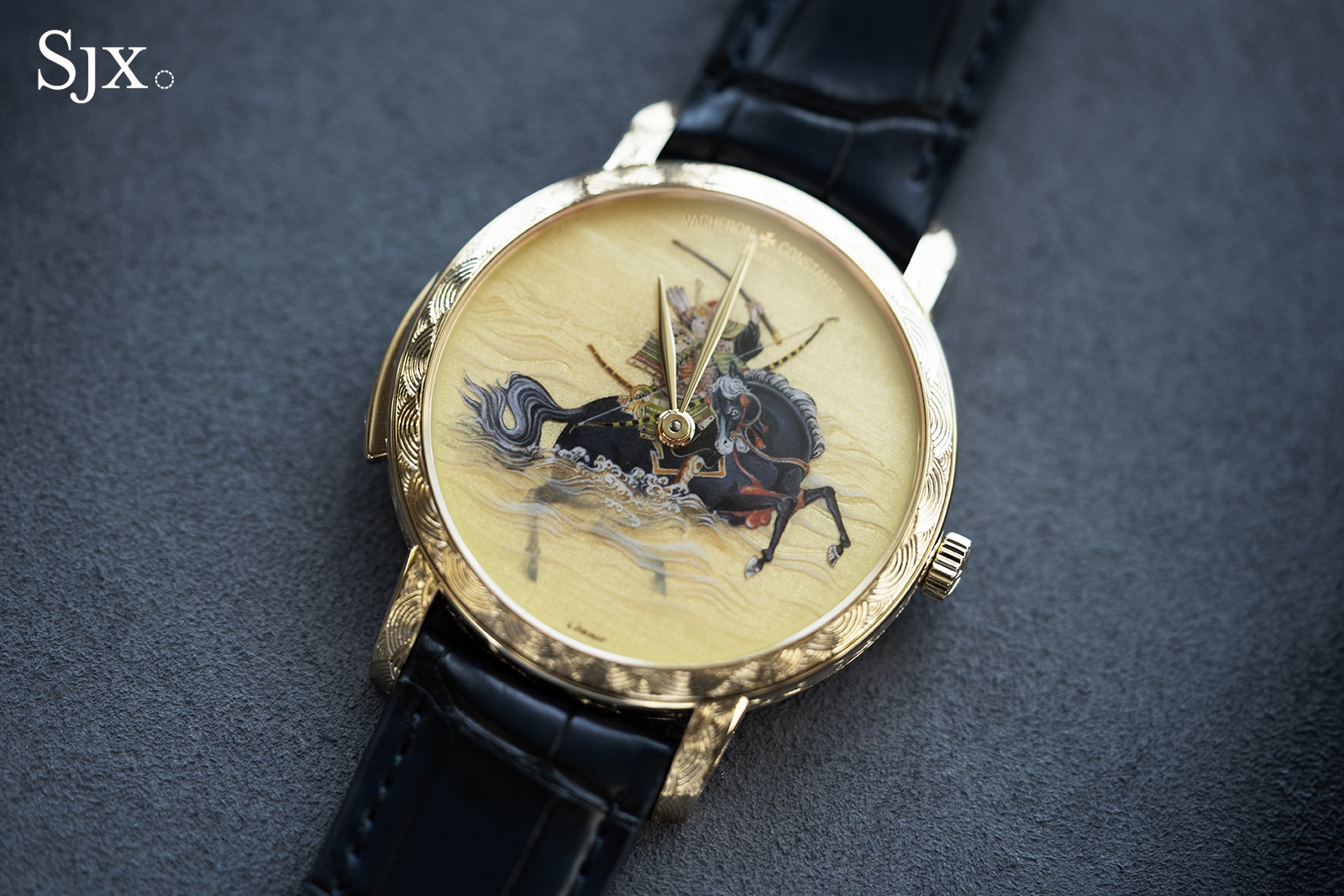
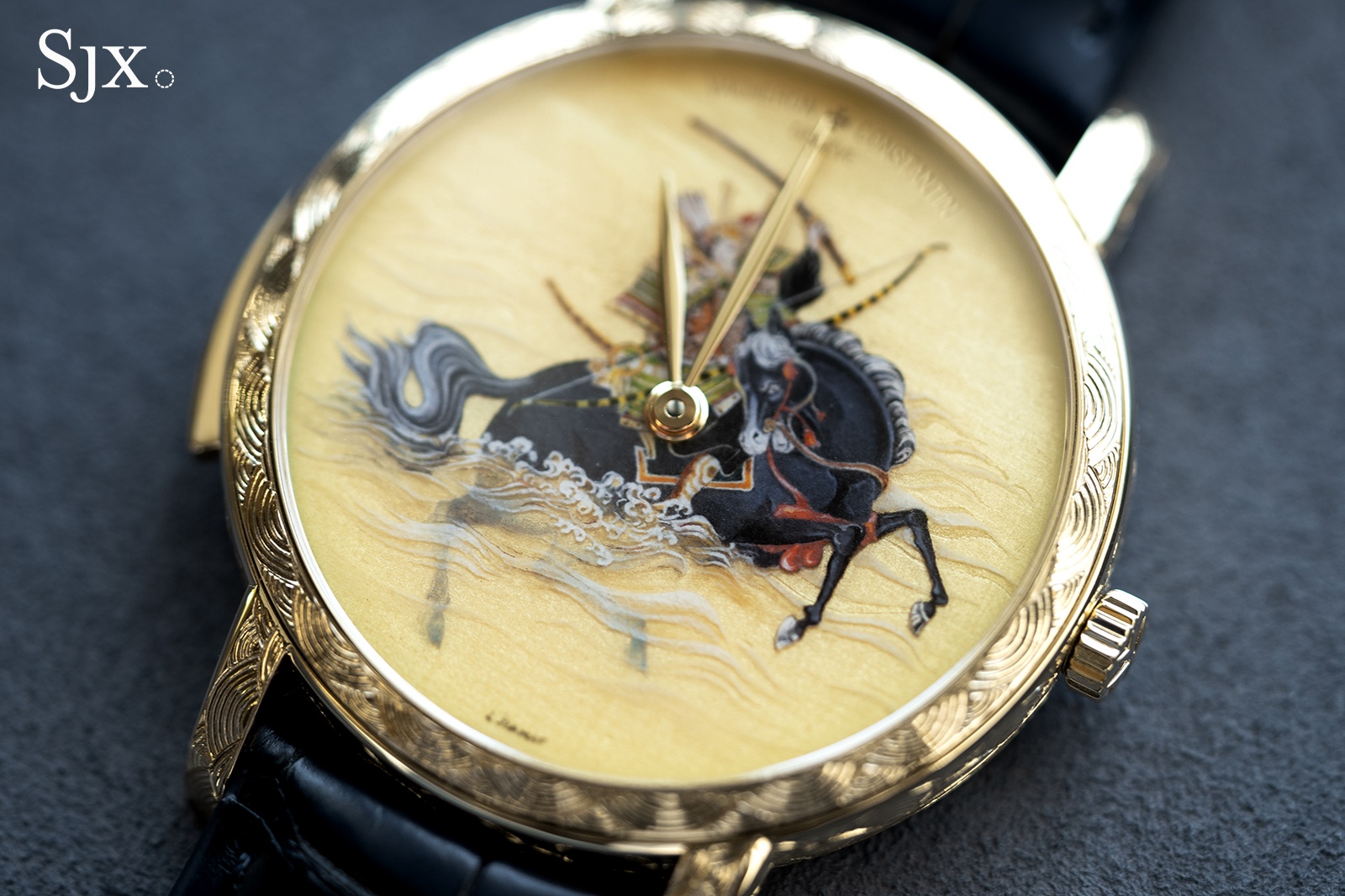
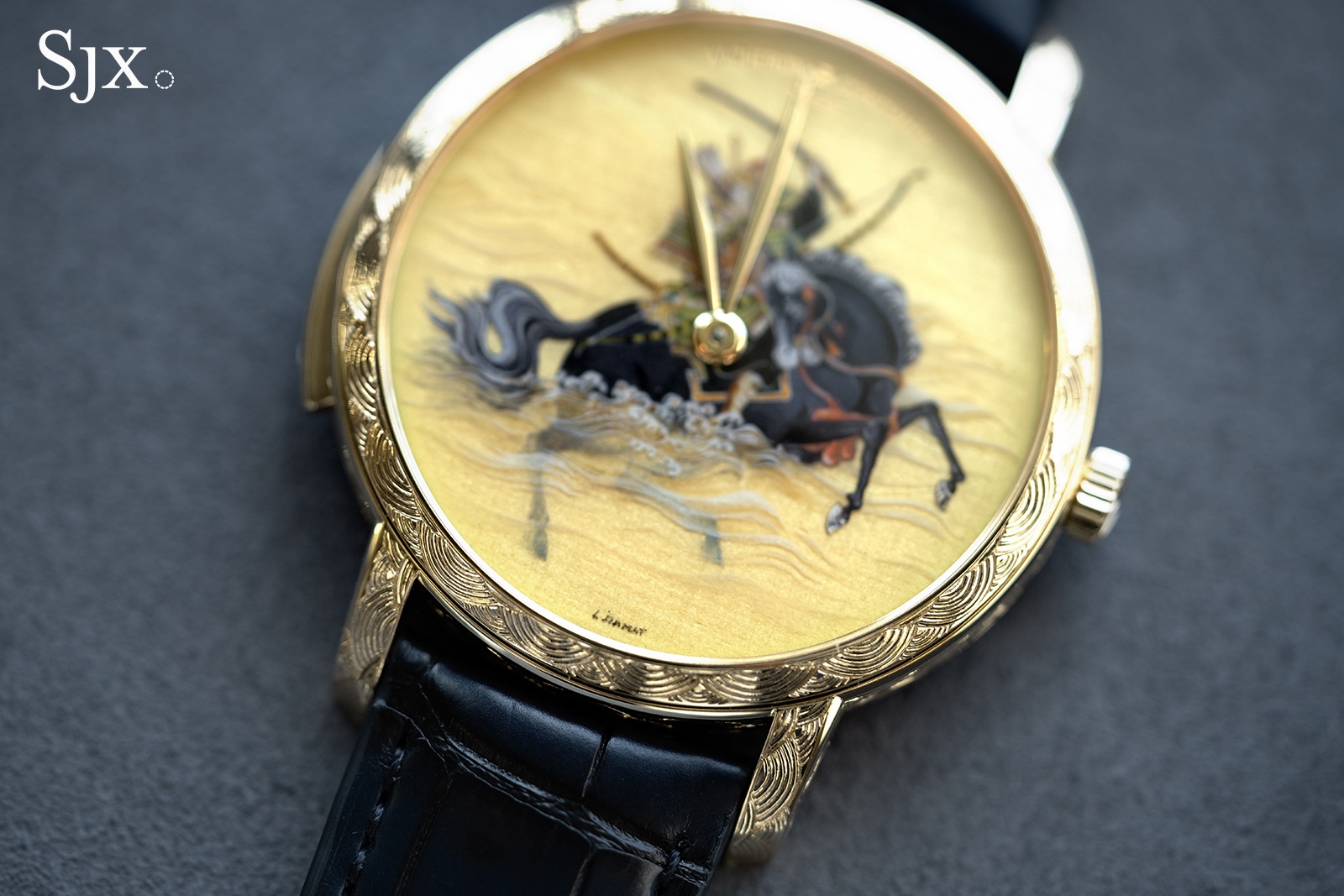
The series concludes by looking east, to the land of the rising sun. Sasaki Moritsuna was technically a contemporary of Ghengis Khan, though he died when the future Mongolian ruler was just 12 years old. A true samurai, Moritsuna was an enforcer for seminal shogun Minamoto no Yoritomo.
The subject matter is somewhat disconnected from the tradition of watchmaking, which emerged much later. But Vacheron Constantin often takes inspiration from romantic themes, so in that respect the warriors collection makes perfect sense.
Christian Selmoni, the brand’s heritage director, explained that ‘heroism is a human trait that transcends cultures’. The subjects of herosim and conquest will also likely appeal to prospective buyers, who may well be corporate conquerers in their own right considering the lofty price point of artisanal watches like these.
Miniature enamel
Miniature enamel painting is deeply rooted in the history and culture of Geneva. The city’s artisans perfected the technique centuries ago, and added their own touch: a clear layer of fondant (clear enamel glaze) as the icing on the cake. Local practitioners of this technique were part of what has become known as the Geneva school of enamelling. Today this tradition lives on, sustaining Geneva’s status as the capital of miniature enamel painting.
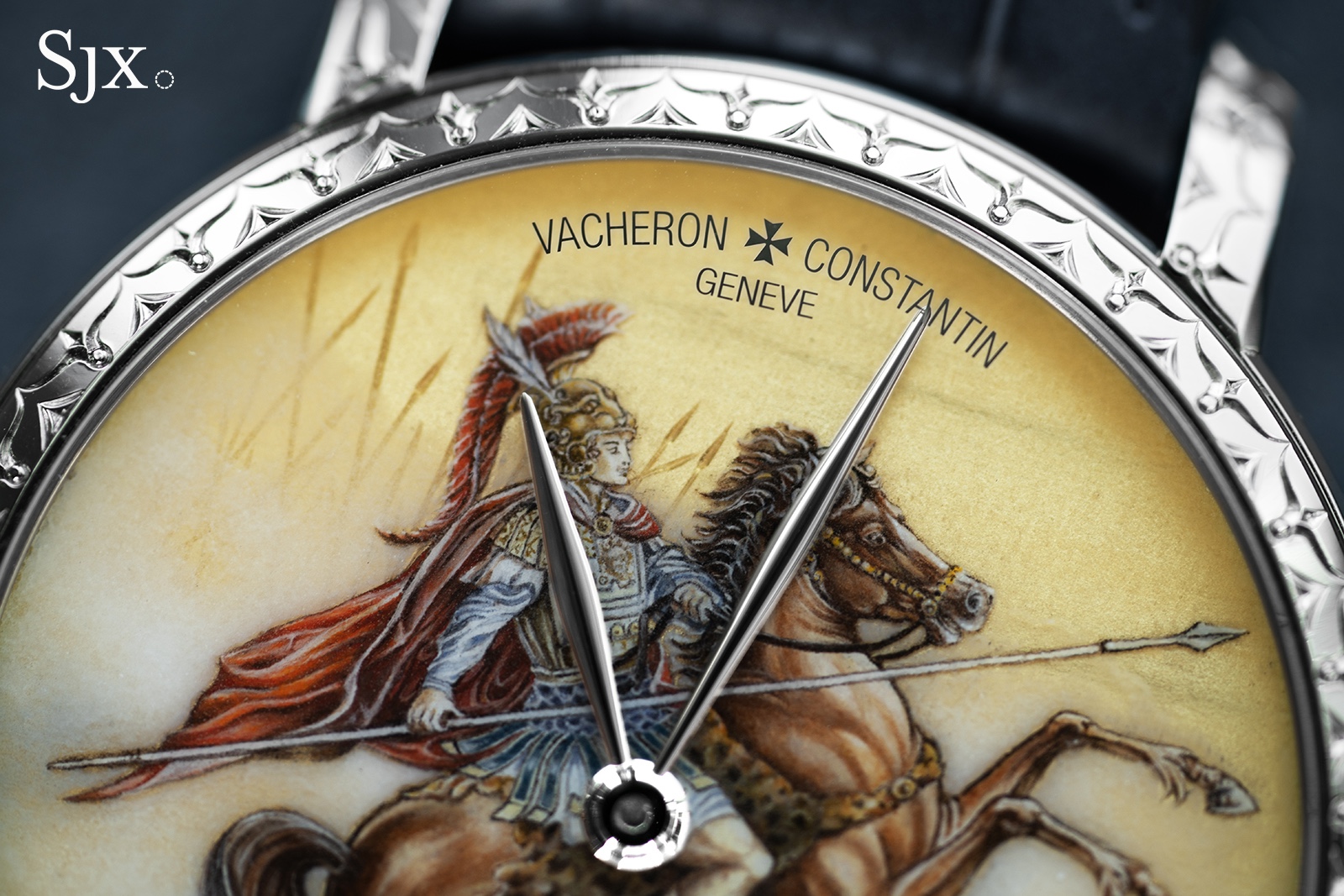
One of the places carrying on this tradition is Vacheron Constantin, which is one of the few brands with the resources and in-house talent to produce its own painted enamel dials. The work is painstaking because of the different pigments used to create each of the colours. Some of these pigments react differently to temperature than others; more vibrant colours, like certain shades of green and pink, can become too dark with repeated firings and must be applied last.
As a result, the more resilient pigments must be applied first, since each dial must be fired several times – six or seven times in the case of the warriors series.
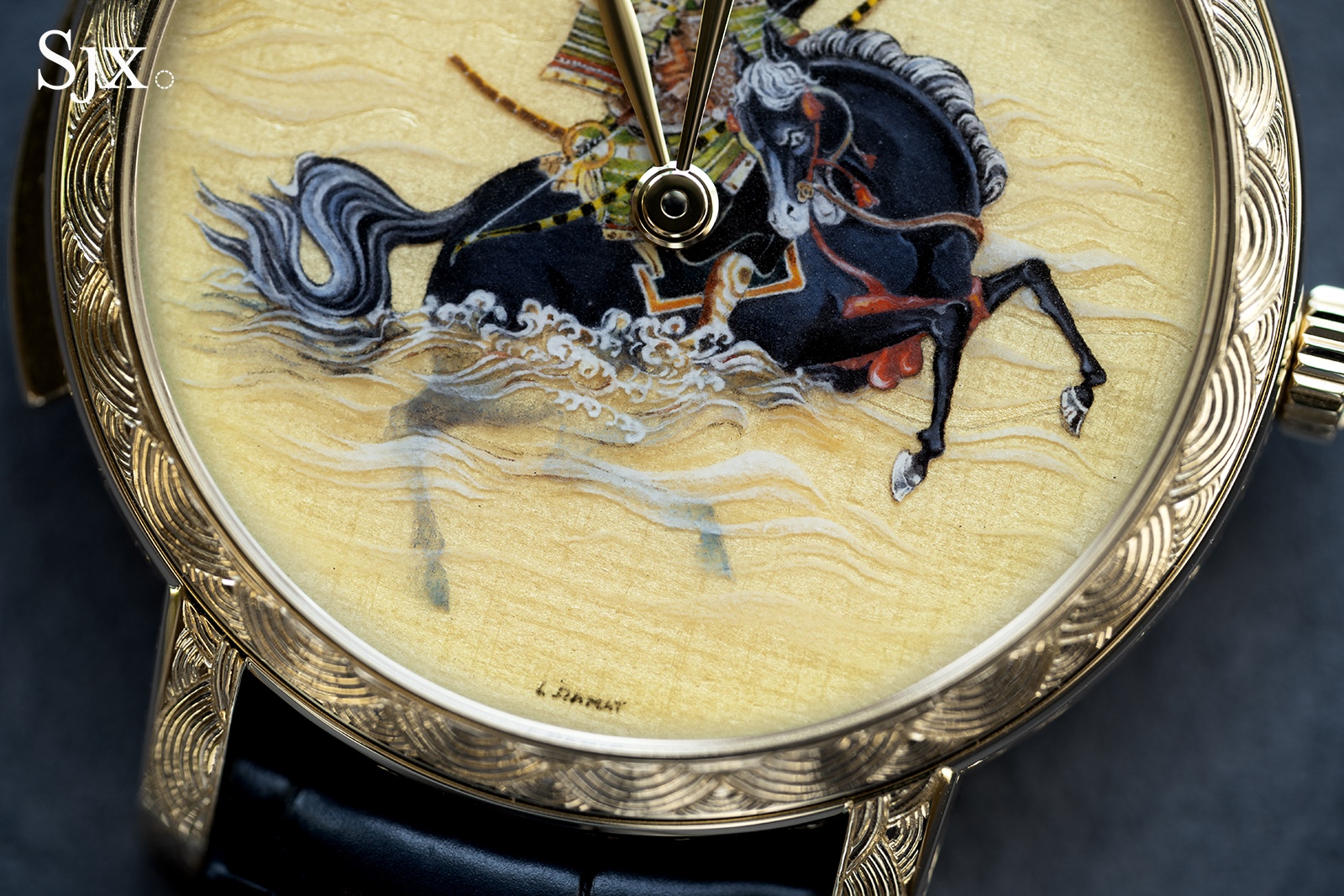
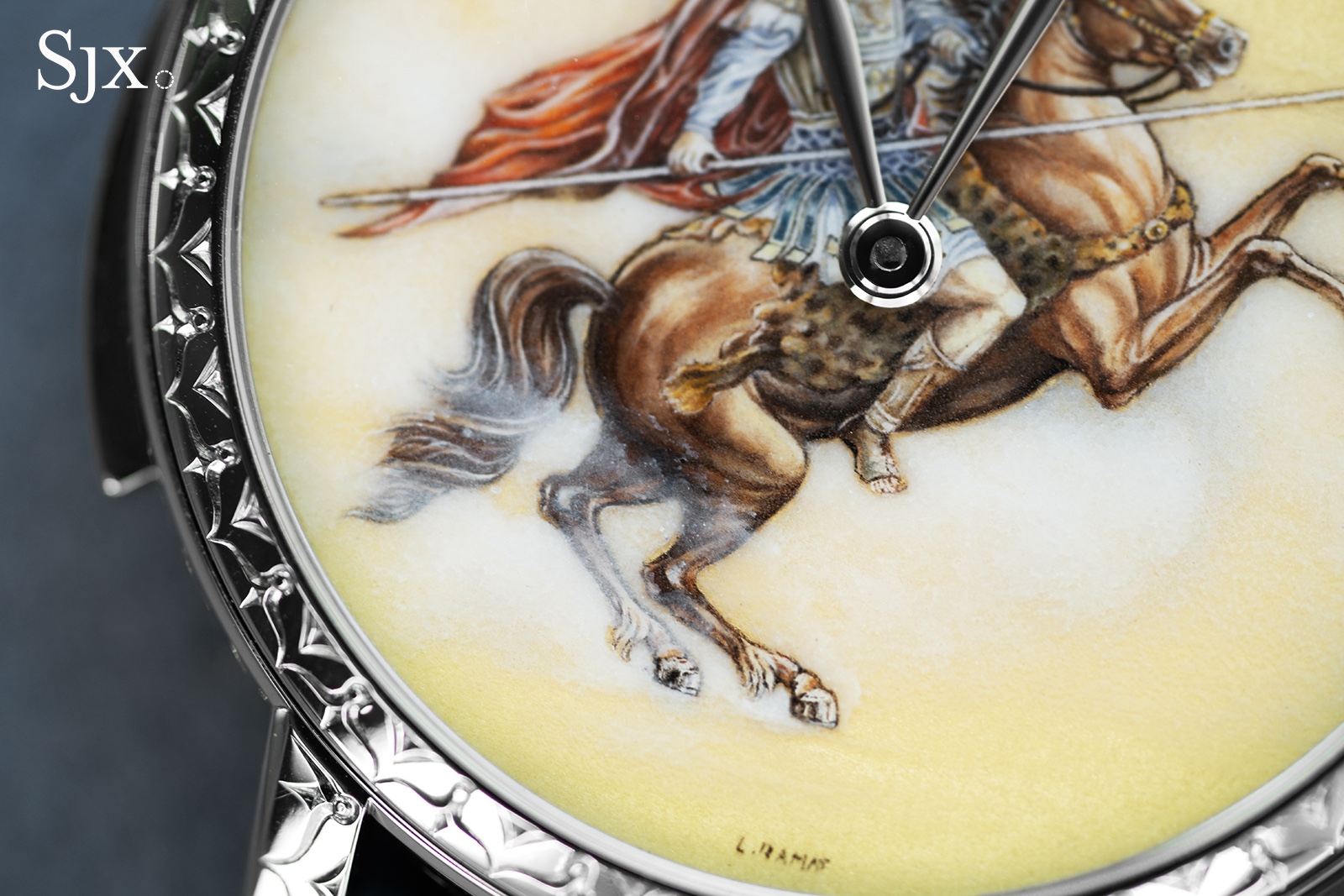
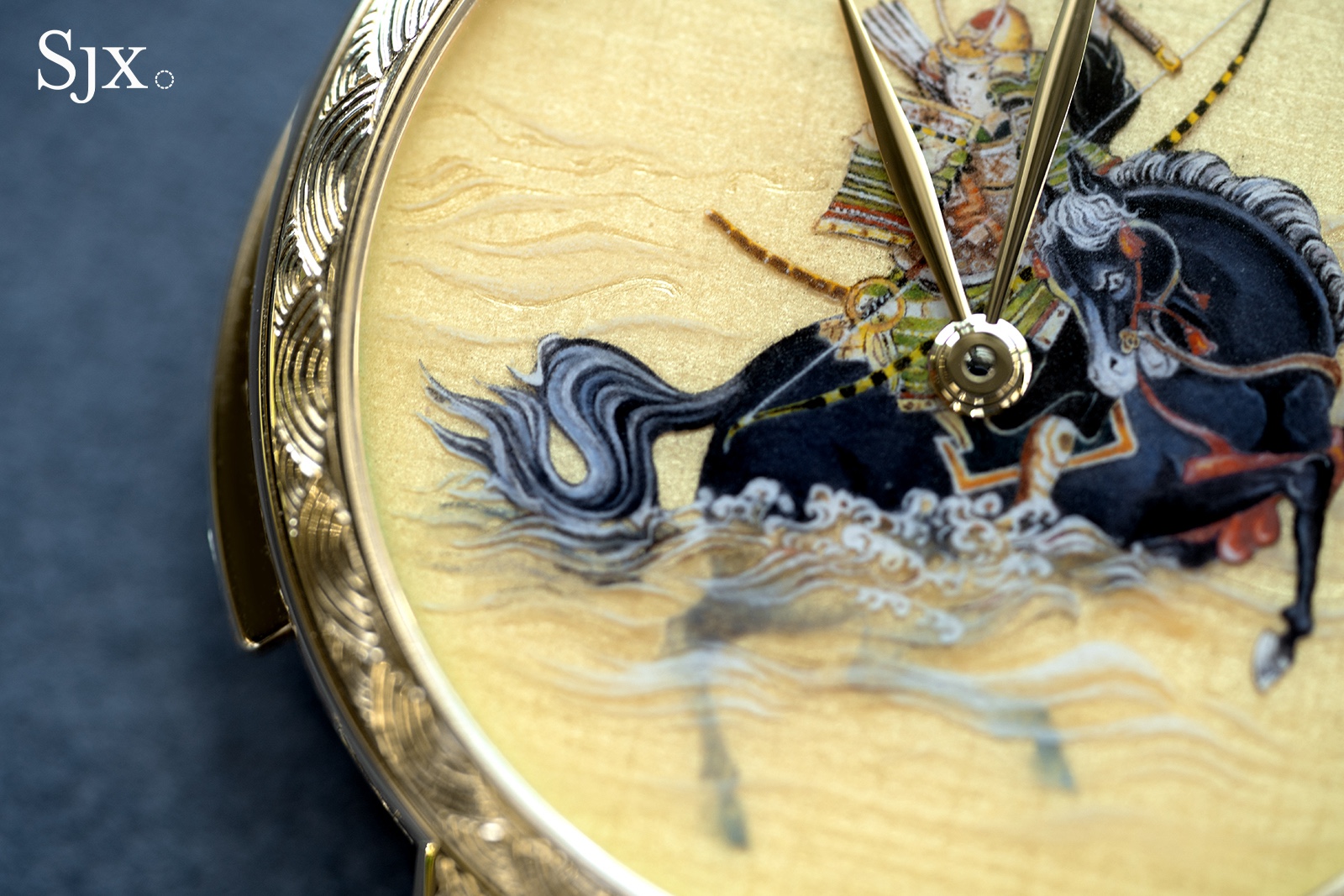
Often, enamel is painted directly on a plain gold dial base. However, the dial of each watch in the warriors series is first hand engraved with the backdrop of the tableau. The enameller then coats the engraver’s creation in clear enamel to protect the design and establish a flat surface for the remainder of the work. To establish clear contrast between the subject and the background, each figure is painted atop a white enamel silhouette that requires its own preparatory firings.
While a deft touch is required to paint at this scale, sometimes with a single-haired brush, the skill of the artist is arguably best captured by the richness of colour and depth of the image. The depiction of Moritsuna’s horse, for example, displays the various layers of enamel in the cloud of dust around the horse’s hooves.
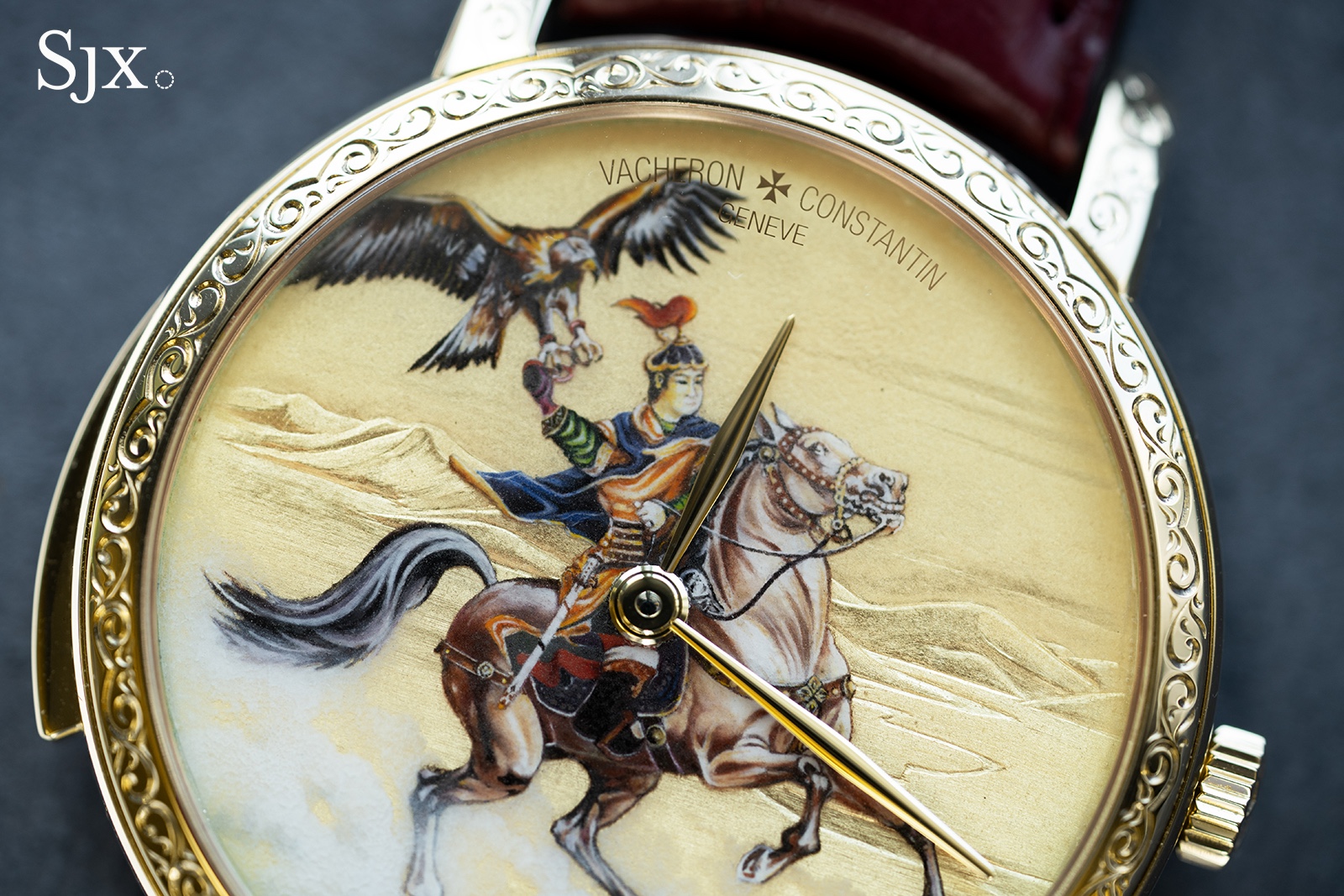
The artist’s signature
As discussed, Vacheron Constantin has its own enamel workshop in-house, and furthermore is one of the few brands that allows its enameller’s name to appear alongside its own. Enamel artists often toil in anonymity, but a few like like Anita Porchet and Suzanne Rohr have become household names within a certain collector segments.
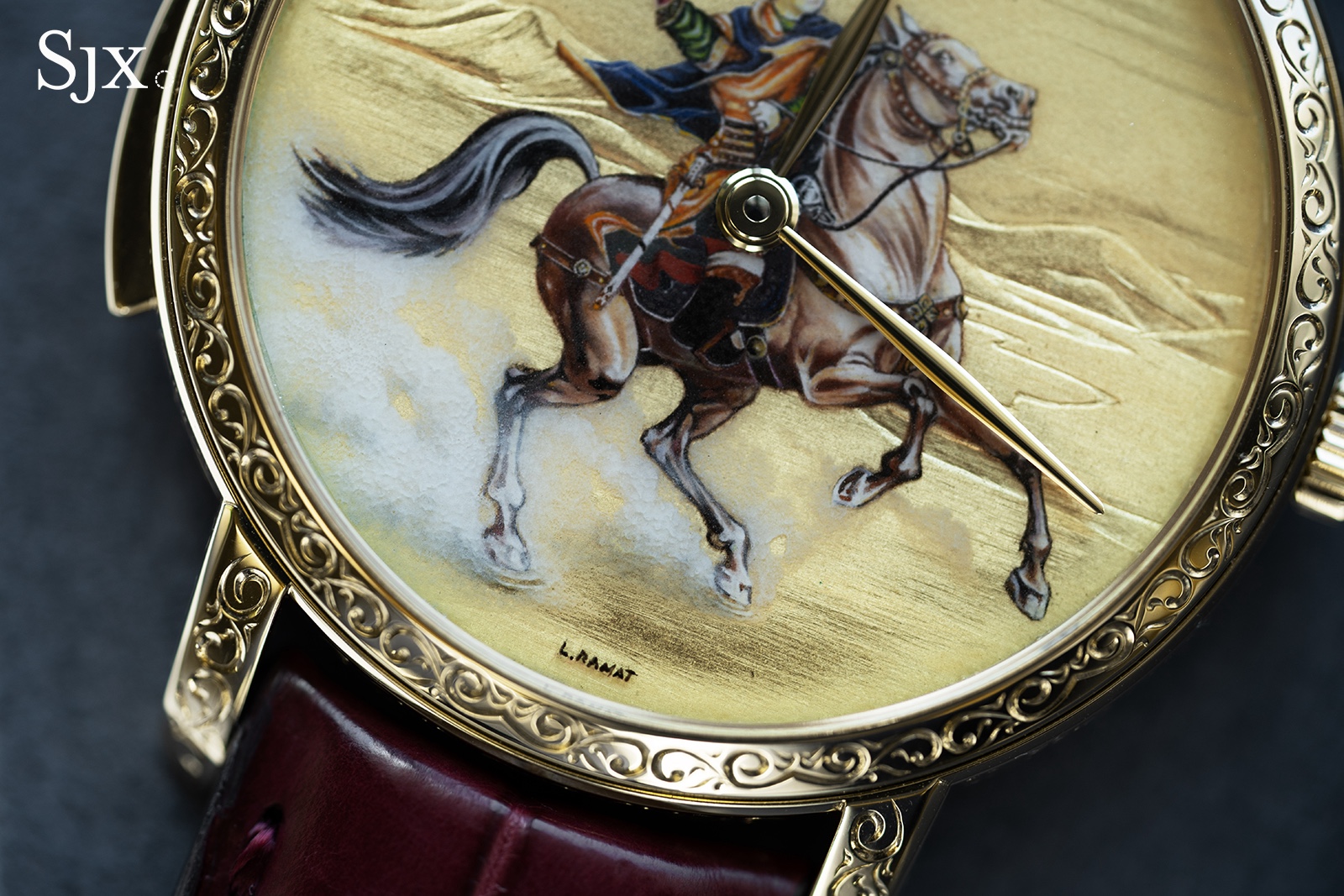
Laurent Ramat, whose signature graces the dial, is another name to know. I appreciate that Vacheron Constantin is crediting Mr Ramat in this way, and I find it imbues the product with a sense of artisanship and authenticity that’s usually out of reach for an established brand.
Cutting them softly
Compared to the incredibly elaborate dials, the cases are as restrained as any hand-engraved gold case can be. The case is necessarily slim at 8.59 mm, with a thin bezel and simple lugs, so the available real estate for engraving is fairly minimal. That said, the engraving is very fine, made free-hand with the taille-douce ‘soft cut’ technique.
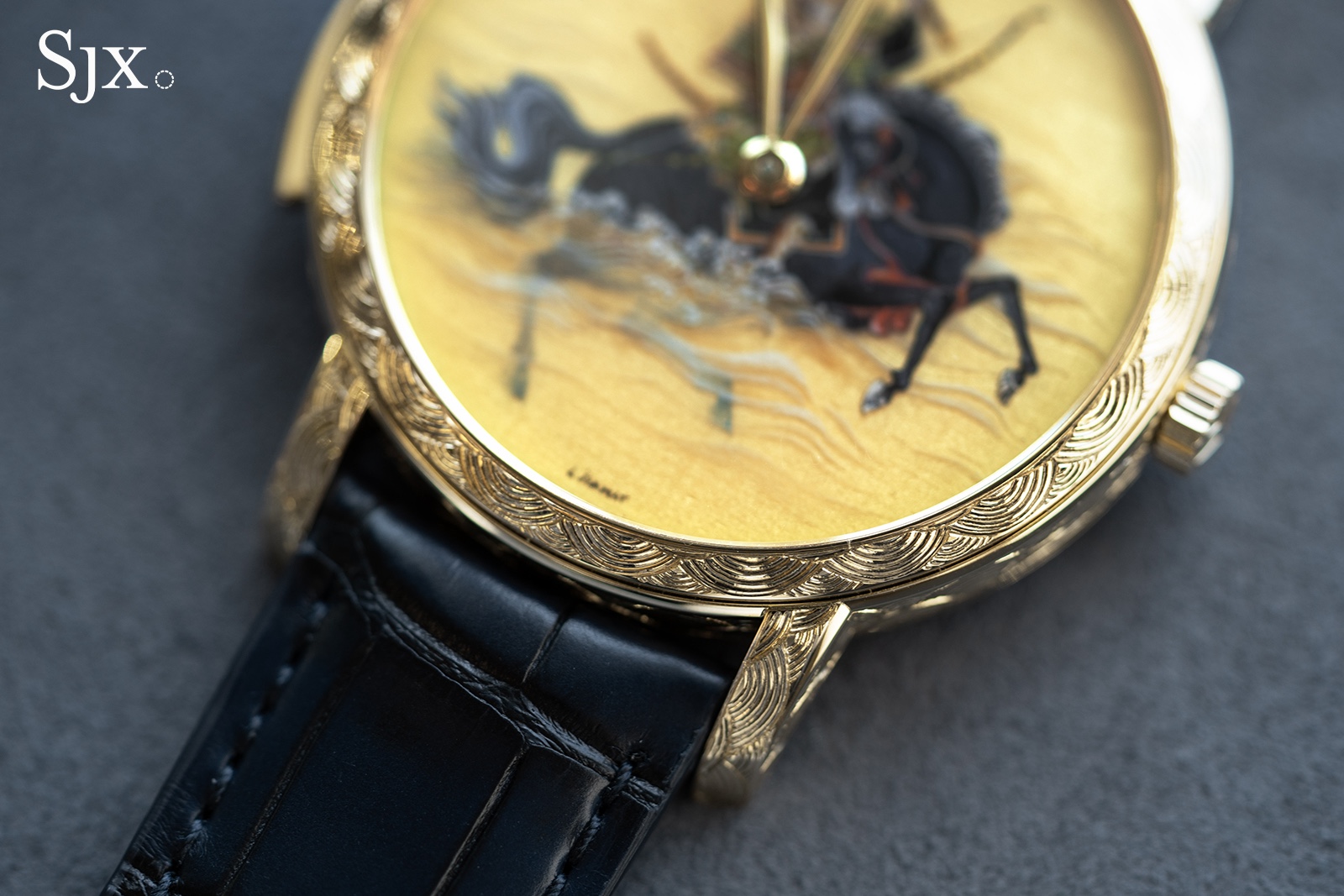
Despite the limited surface area, the engraving alone for each case takes about 160 hours of work, which, surprisingly, is about 30% more time than it takes the enamel artist to do their job. Regardless, the time spent on the watches is one thing, but it’s merely a byproduct of the production process; the true value is created by the high level of execution.
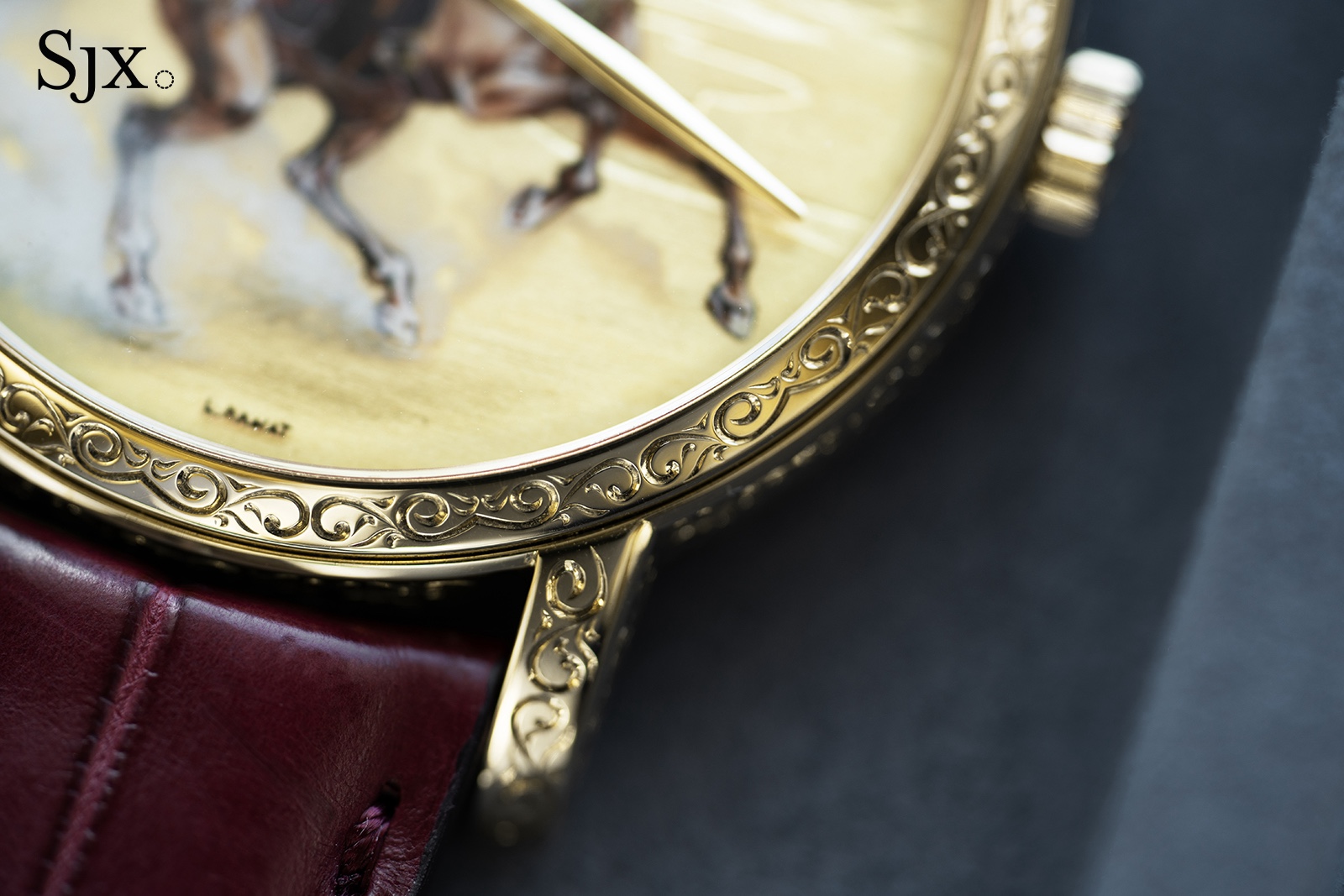
That said, there’s one aspect that could be improved, or, at least, dressed up even further. Considering the grand nature of the subject matter and the no-expense-spared approach to the dial, I would have expected baguette-set repeater slides, as the brand offered previously with the 2022 versions of the same watch celebrating Fujin and Raijin, the Japanese gods of wind and thunder, respectively.
A treat for the eyes and ears
Vacheron Constantin’s cal. 1731 minute repeater is a fine choice for a watch like this. For one thing, it’s slim but wide, creating an expansive dial for decoration within a still-reasonable 41 mm case. Furthermore, the acoustics are quite refined, and thanks in part to the non-water resistant case, the sound is a treat for the ears. The cadence of strikes is well-paced, which helps with auditory legibility.
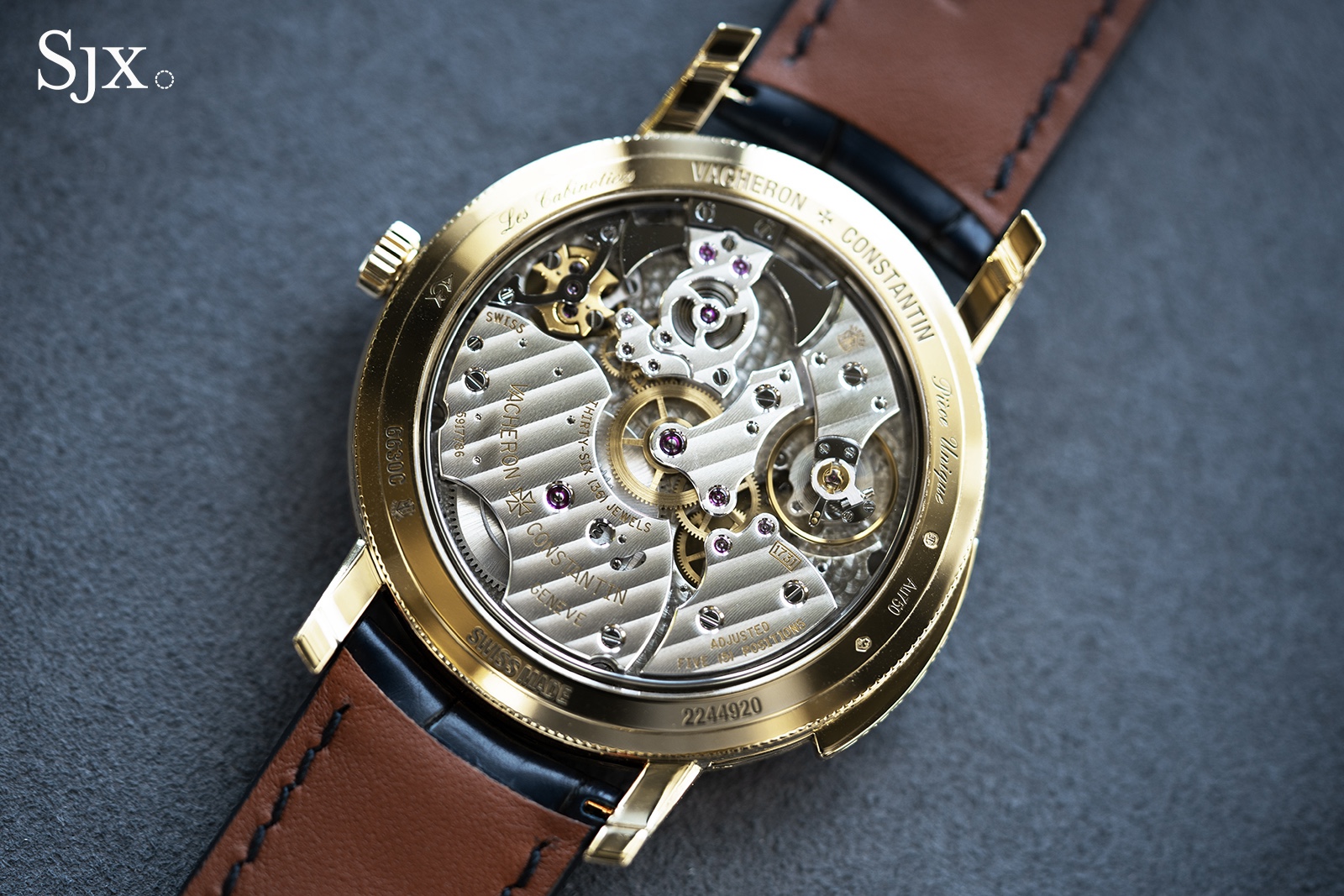
The cal. 1731 launched in 2013, and squeezes 65 hours of power reserve from a complicated movement just 3.9 mm thick. Some observers might decry the lack of inner angles in a few spots where they’d probably add a bit of gravitas, but by and large the movement is finished in a manner befitting its elevated stature in the brand’s portfolio.
The movement really shines in its steelwork, especially the twin hammers and the bridge for the silent strike governor. I’d argue the movement might benefit from a free-sprung balance, but that’s a relatively minor detail in a watch like this and the cal. 1731 is otherwise a very modern and competent minute repeating calibre.
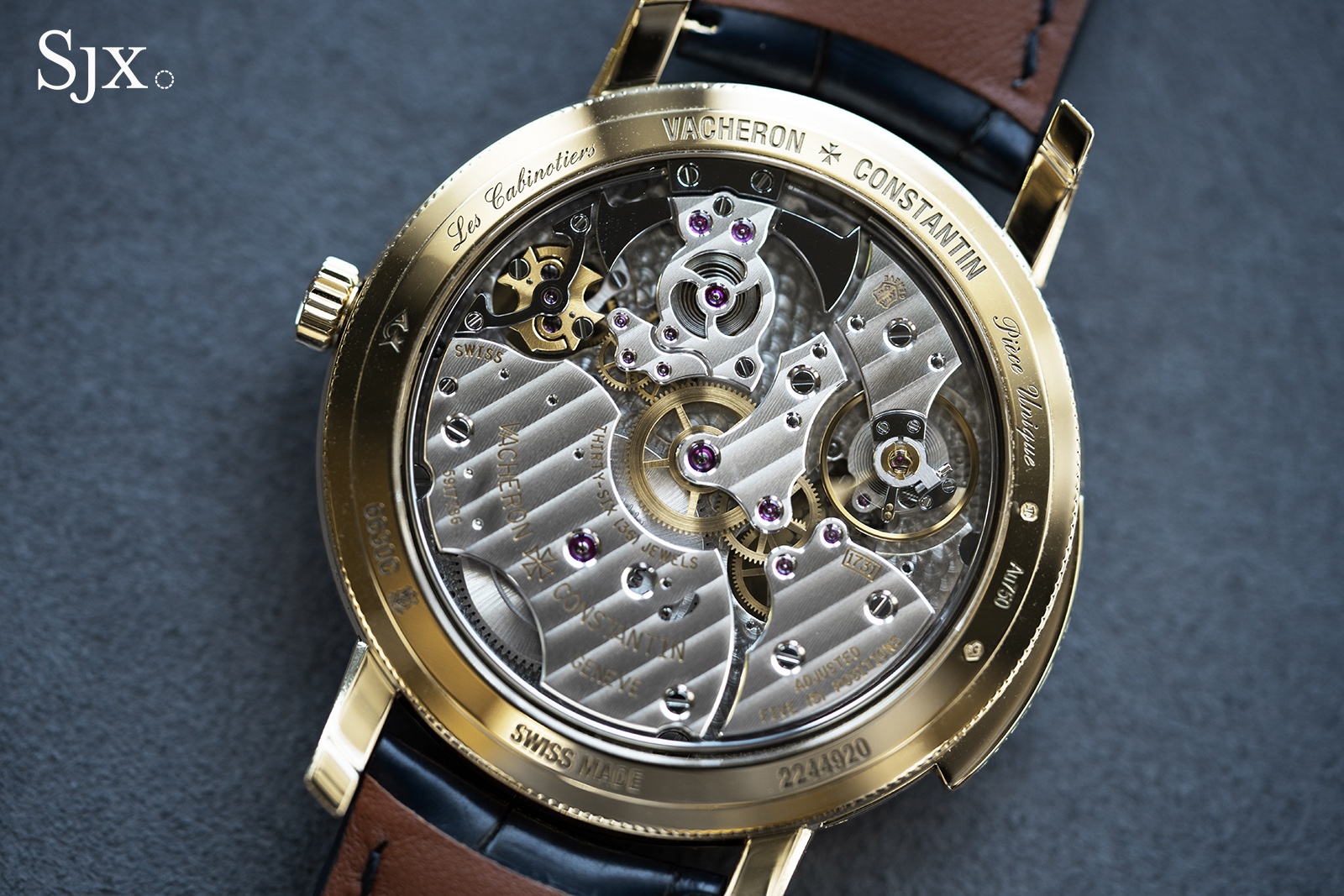
Please enjoy several more images of the warriors series.
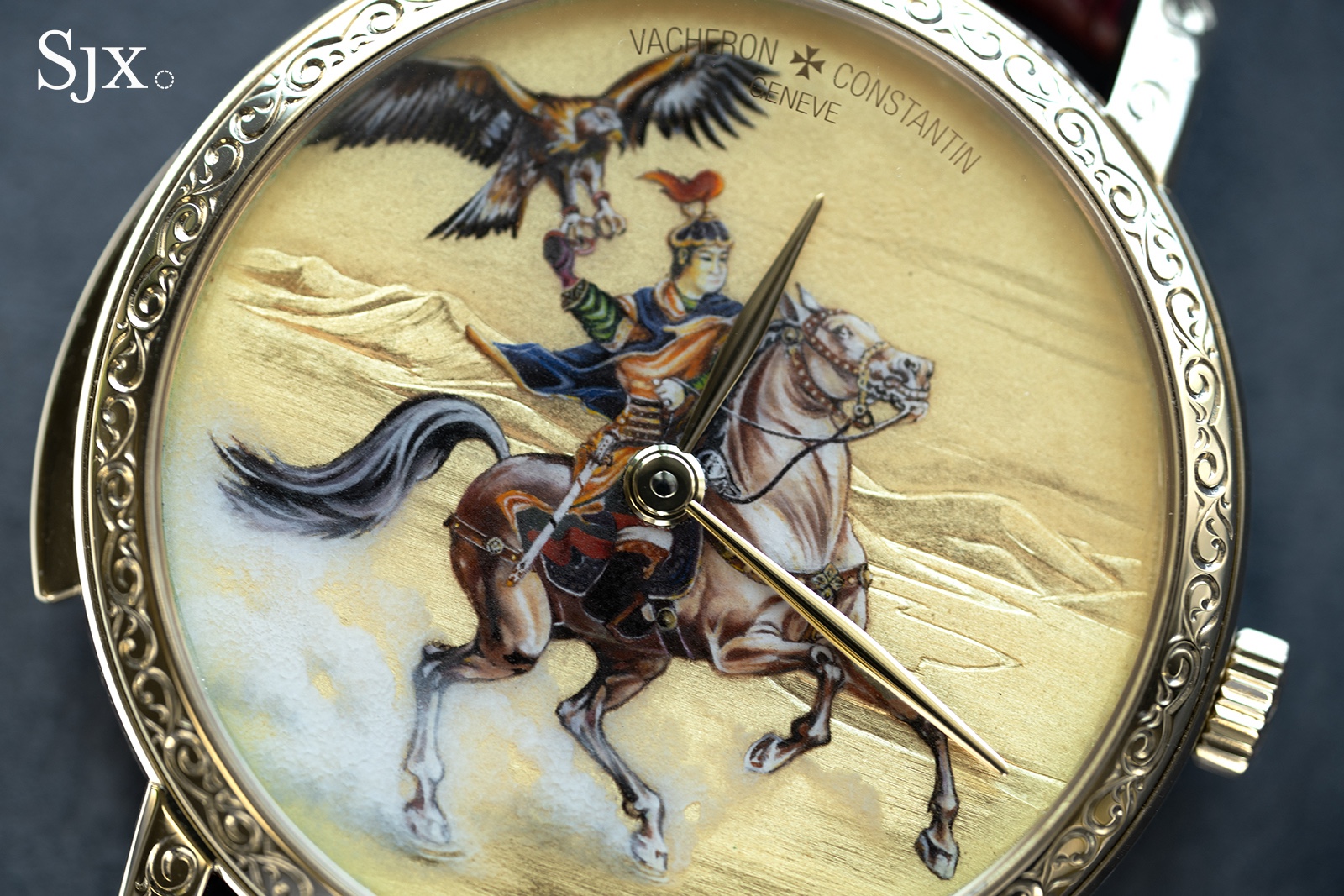
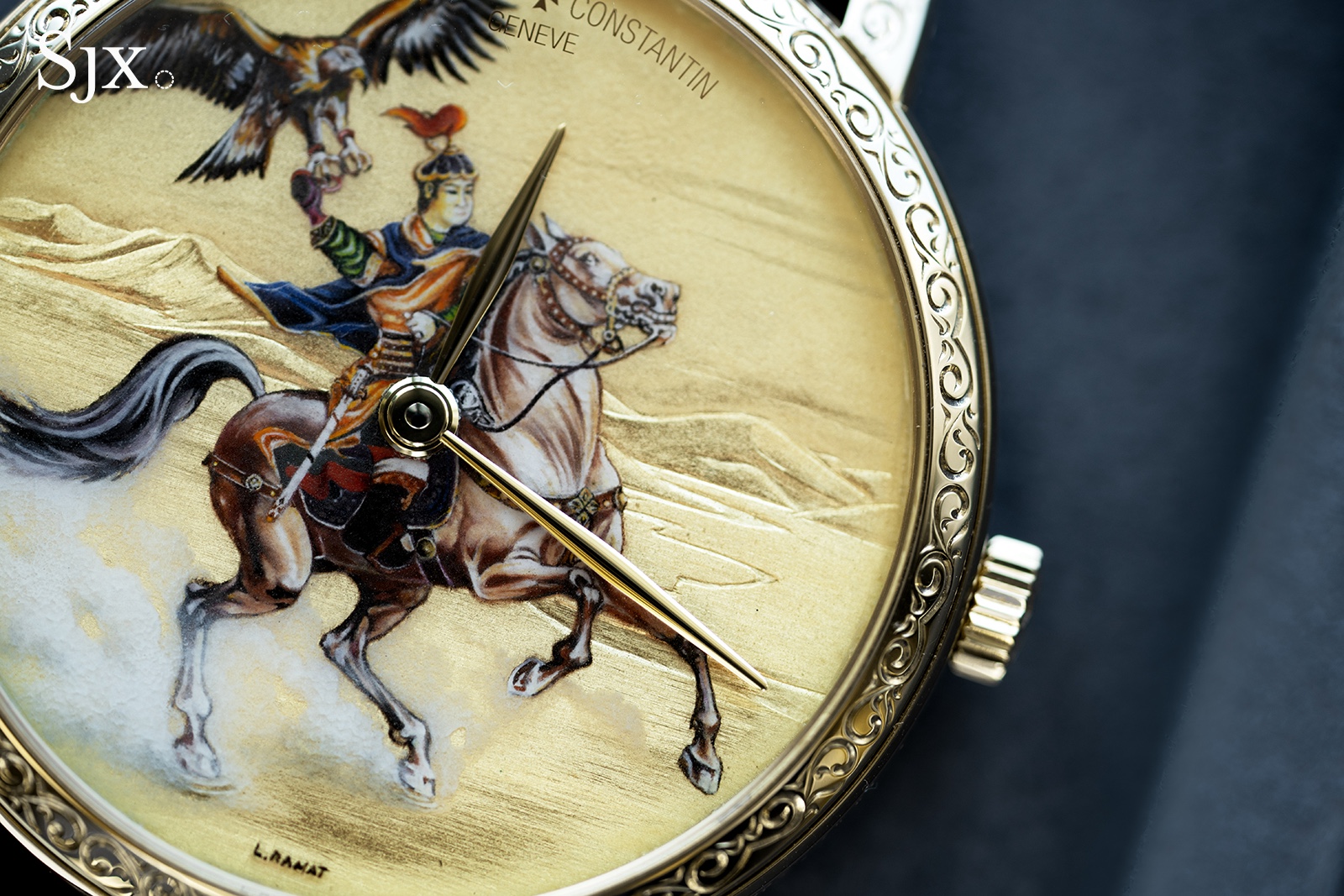
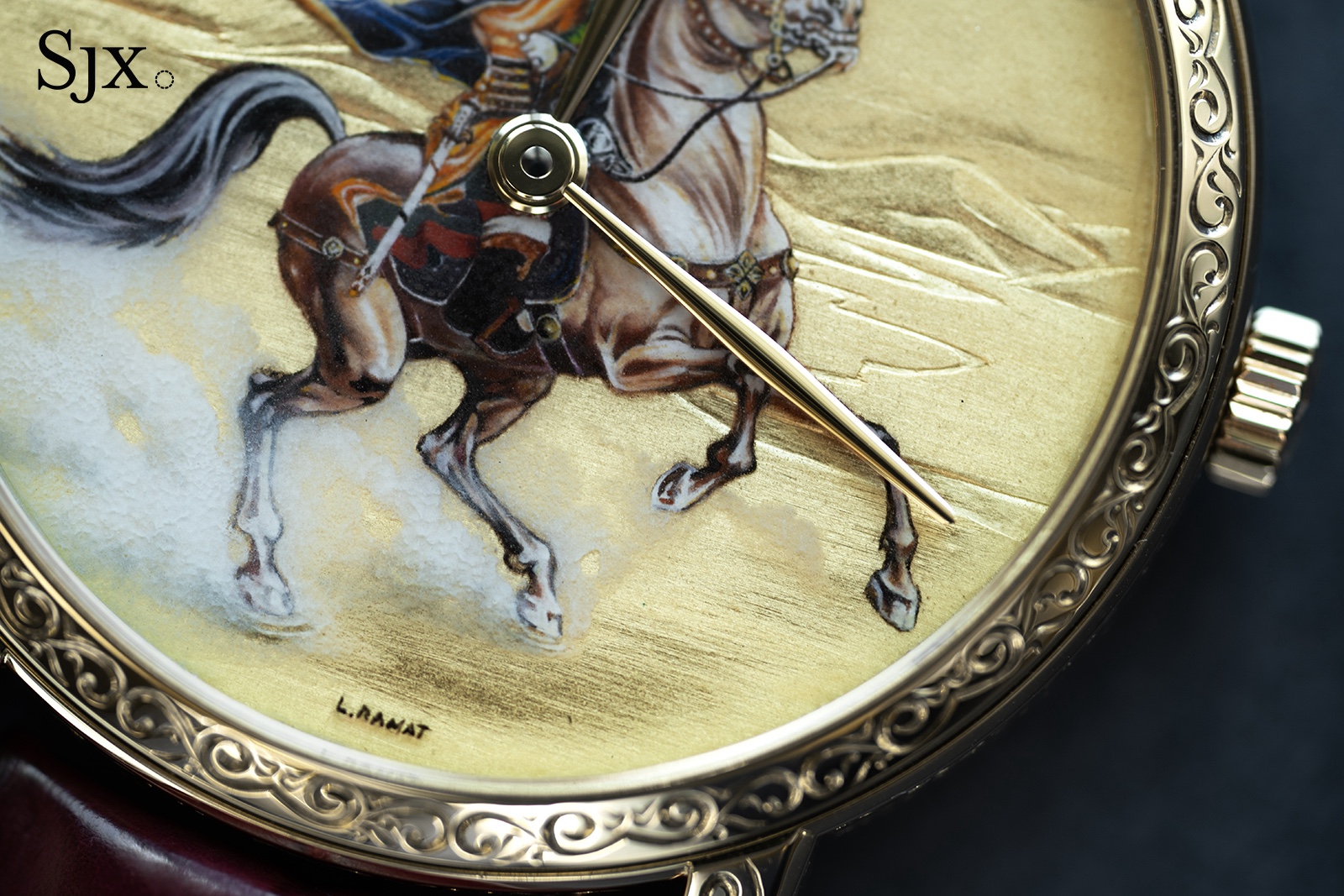
Key facts and price
Vacheron Constantin Les Cabinotiers Minute Repeater Ultra-Thin – Homage to Epic Warriors
Ref. 6630C/000G – 322C (Alexander the Great)
Ref. 6630C/000G – 323C (Antar – not pictured)
Ref. 6630C/000J – 324C (Ghengis Khan)
Ref.6630C/000J – 325C (Sasaki Moritsuna)
Diameter: 41 mm
Height: 8.59 mm
Case material: 18k white or yellow, hand engraved
Crystal: Sapphire
Water-resistance: Not water-resistant
Dial: 18k gold disc decorated with hand engraving and Grand feu miniature enamel
Movement: Cal. 1731
Functions: Hour, minutes, and minute repeater
Winding: Hand-wind
Frequency: 21,600 beats per hour (3Hz)
Power reserve: 65 hours
Strap: Alligator with pin buckle
Limited edition: Each is unique
Availability: Only at Vacheron Constantin boutiques
Price: Upon request
For more information, visit Vacheron-constantin.com.
Back to top.