Best of 2025: Complications

A banner year.
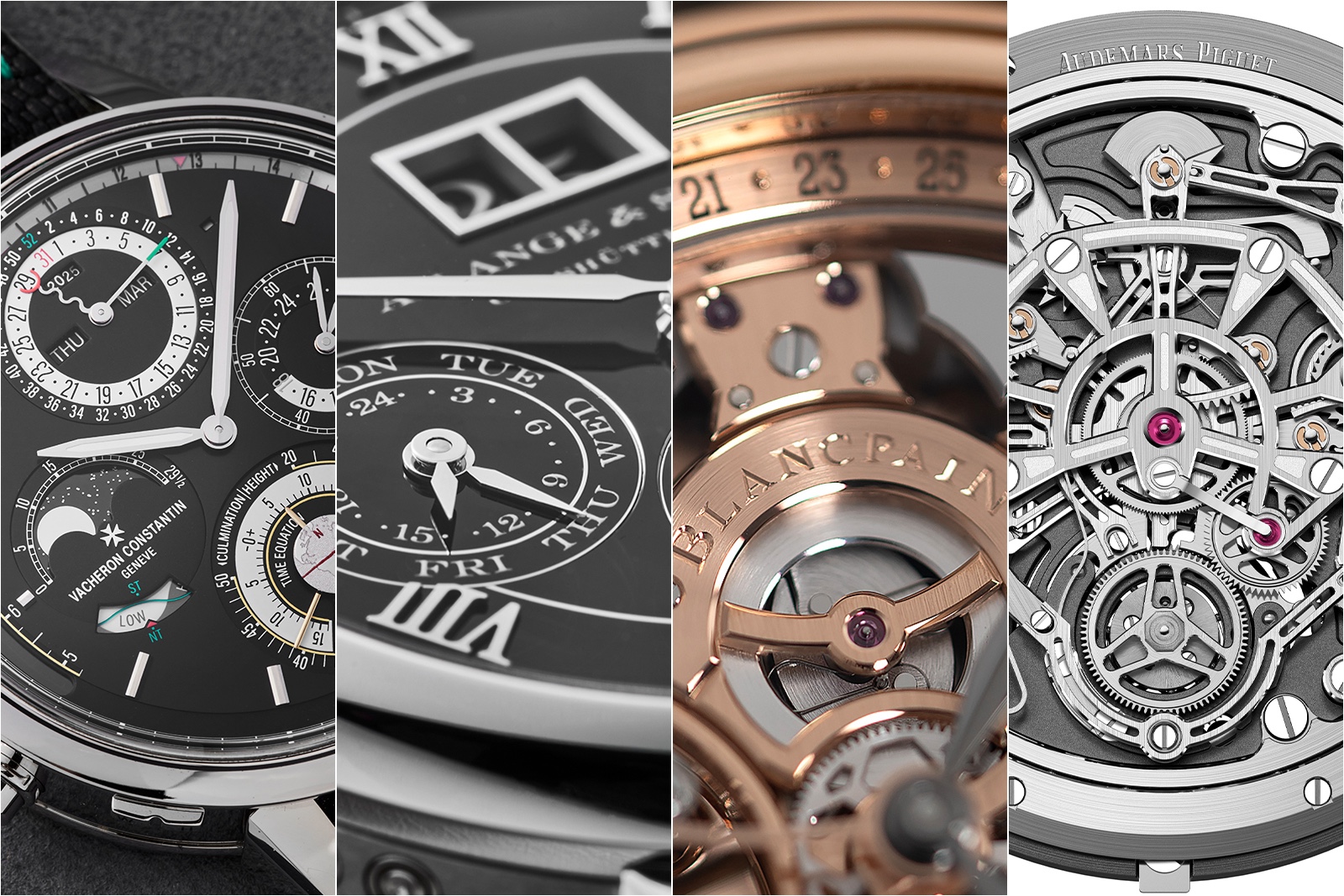
After a slow year for complications last year, big brands showed up in force in 2025. Spurred by a number of major anniversaries celebrated by the likes of Vacheron Constantin and Audemars Piguet, the year witnessed a range of record-setting and never-before-seen complications. The breadth and ambition of new complicated watches, some from unexpected corners, proved to be one of the defining themes of the year.

Within this crowded field, a few stood out.


Vacheron Constantin Solaria Ultra Grand Complication – Brandon Moore

For collectors who keep a close eye on the record books, the year ended almost as soon as it began. At Watches & Wonders 2025, Vacheron Constantin unveiled the Les Cabinotiers Solaria Ultra Grand Complication – La Première, a unique wristwatch that immediately became one of the most talked-about watches of the fair. The buzz was justified: the Solaria is the most complicated wristwatch ever made.
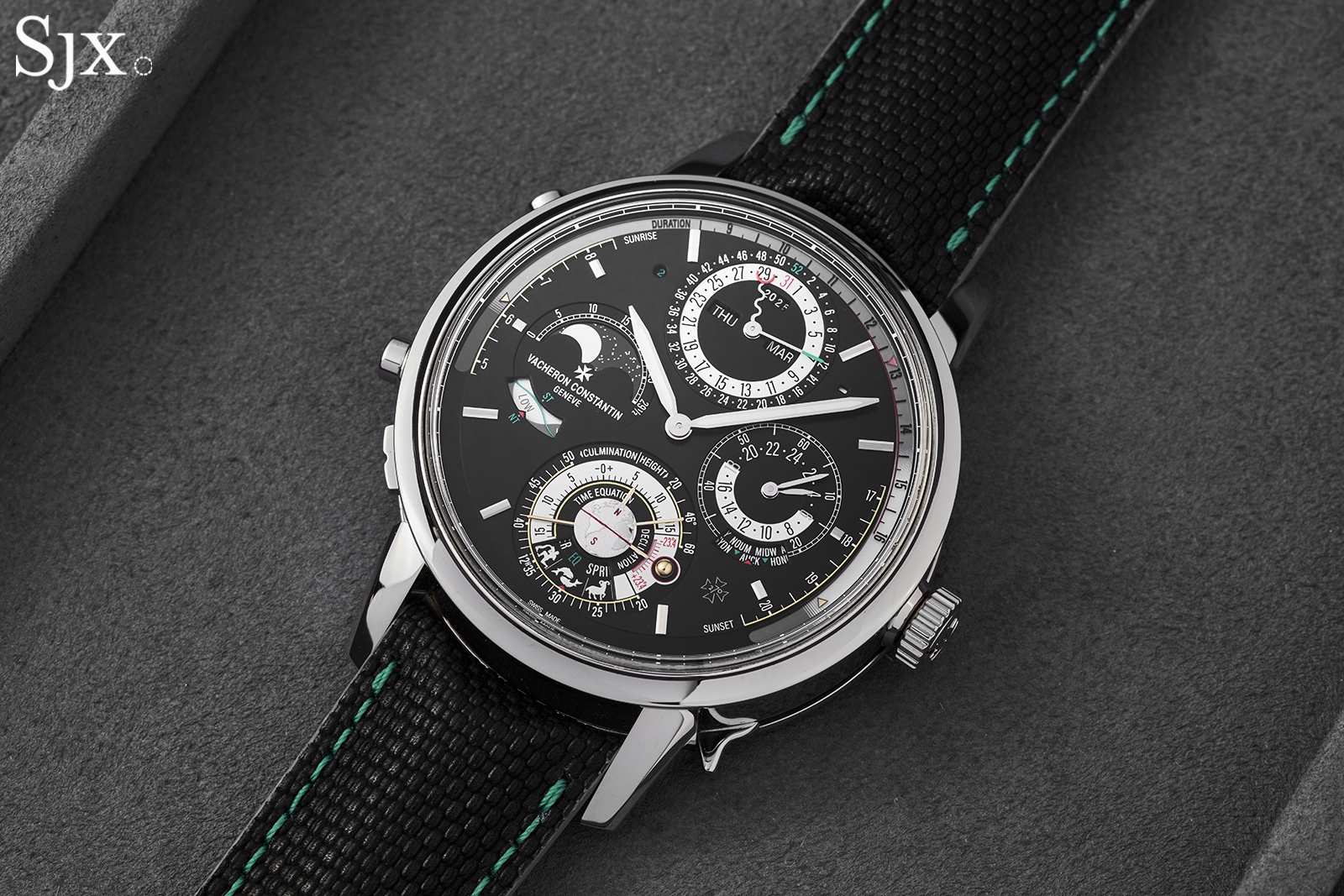
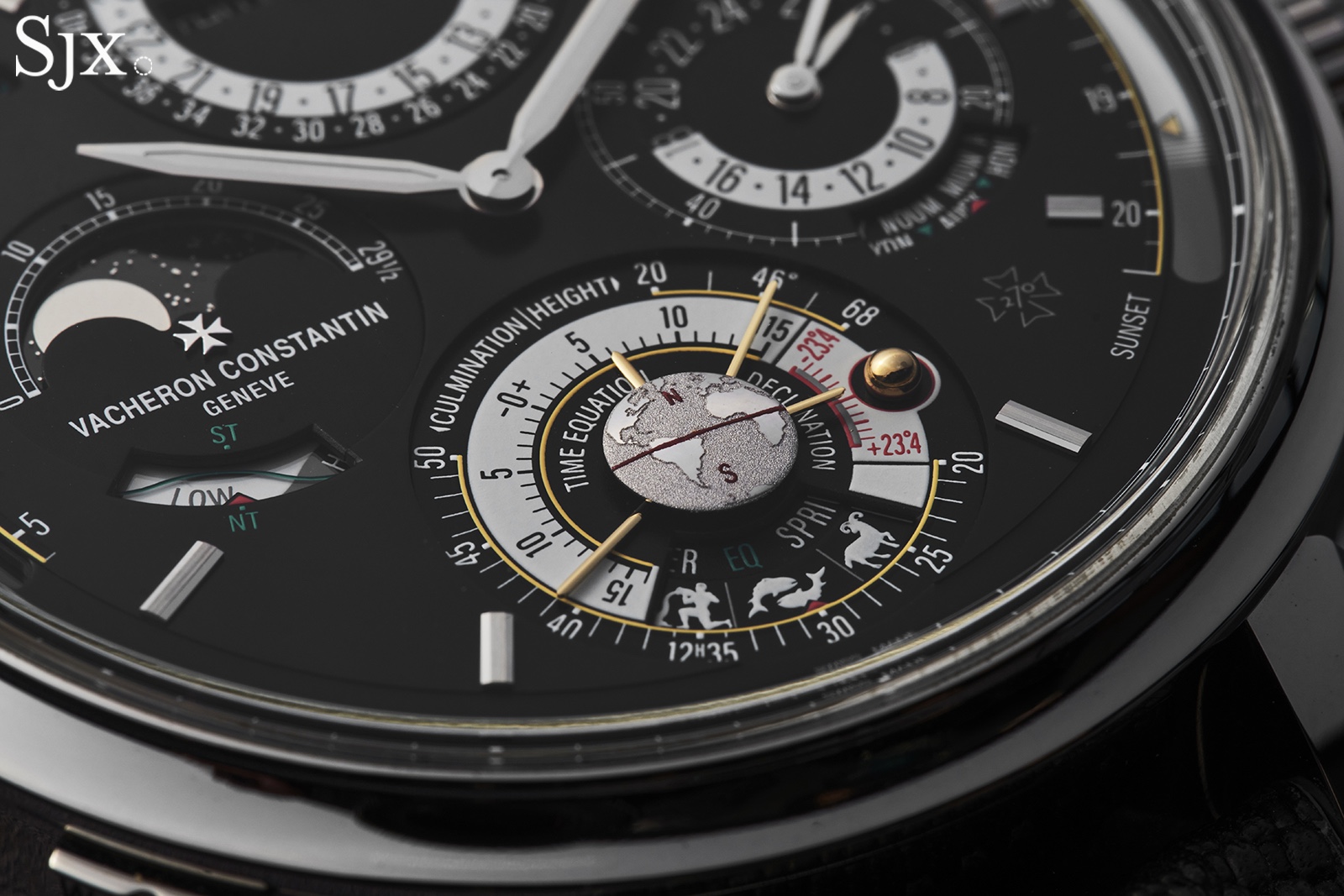
Developed over eight years, the Solaria leverages 13 patents to bring together 41 complications across two dials. While the headline figure is the sheer number of functions, the Solaria’s true distinction lies in its astronomical indications. Four of its rare complications track the apparent path of the Sun, displaying its position, height, culmination, and declination – as observed from a specific location on Earth.
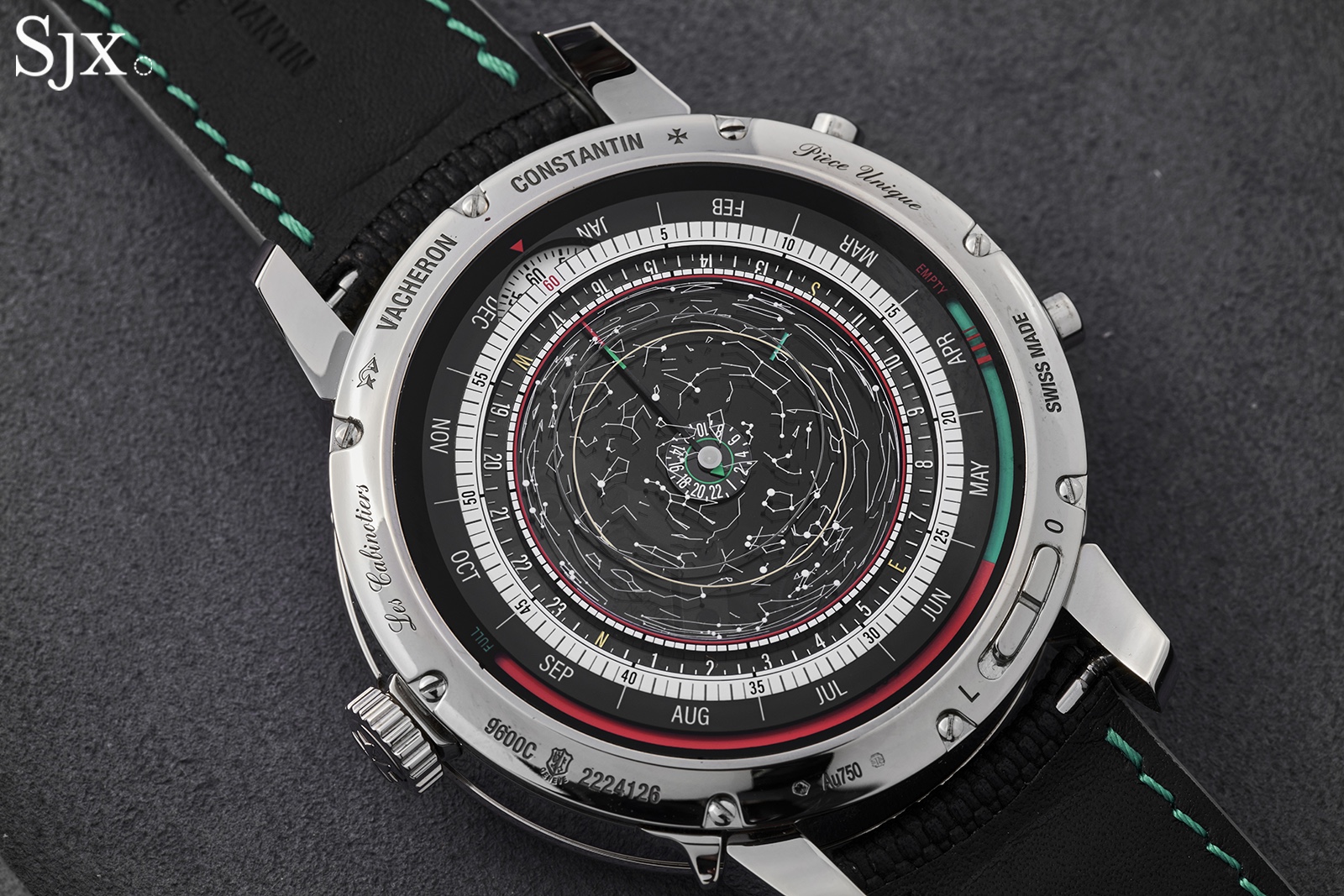
Turning the watch over reveals another first: a celestial object tracker linked to a split-seconds chronograph. Twin rotating sapphire discs form a real-time star chart, allowing the user to calculate the time remaining before a chosen constellation will appear.
Despite its extreme complexity, the Solaria is also notable for its wearable proportions (just under 15 mm thick) and watchmaker-friendly modular construction that should simplify servicing. Debuting on the heels of “The Berkley” Grand Complication pocket watch from last year, the Solaria further enhanced Vacheron Constantin’s reputation for high complications and set the tone for what ended up being a remarkable 270th anniversary year for the Genevan brand.


A. Lange & Söhne Minute Repeater Perpetual – SJX

Lange does certain things very well and the Minute Repeater Perpetual is a good example of that. It’s a very complicated watch executed to a very, very high standard that is impressively large on the wrist.

The Minute Repeater Perpetual is a combination of complications not before offered by Lange (though common in the wider industry), so it fills in a gap in the Lange catalogue.
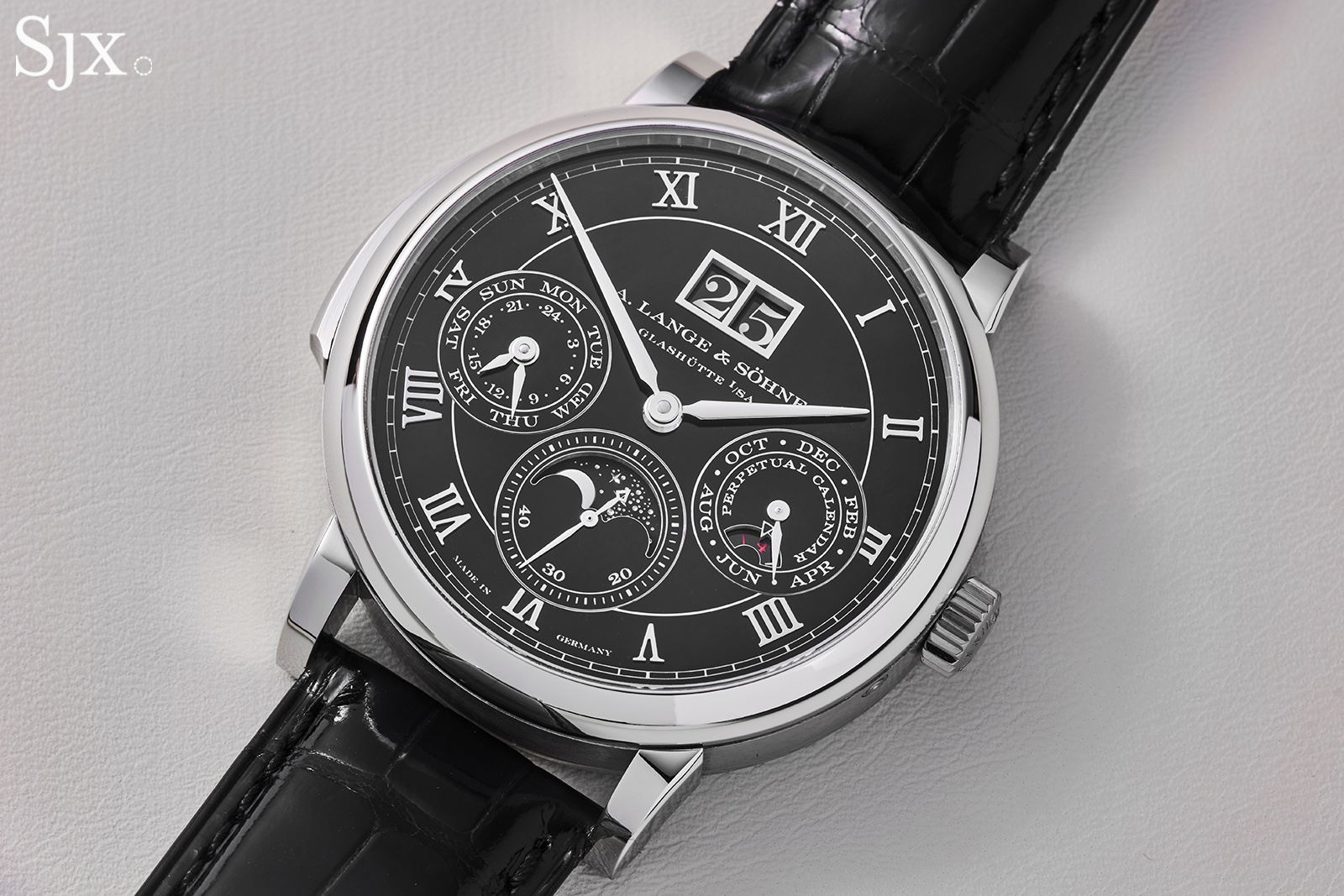
But it is also novel in other respects, most notably with the black champleve enamel dial and the frosted finish on the movement. These are subtle details but more than just stylistic tweaks; detail-oriented Lange enthusiasts will certainly appreciate the difference. Such deviations from standard finishing are usually only applied to special series like the Handwerkskunst, but the Minute Repeater Perpetual is not one such watch.
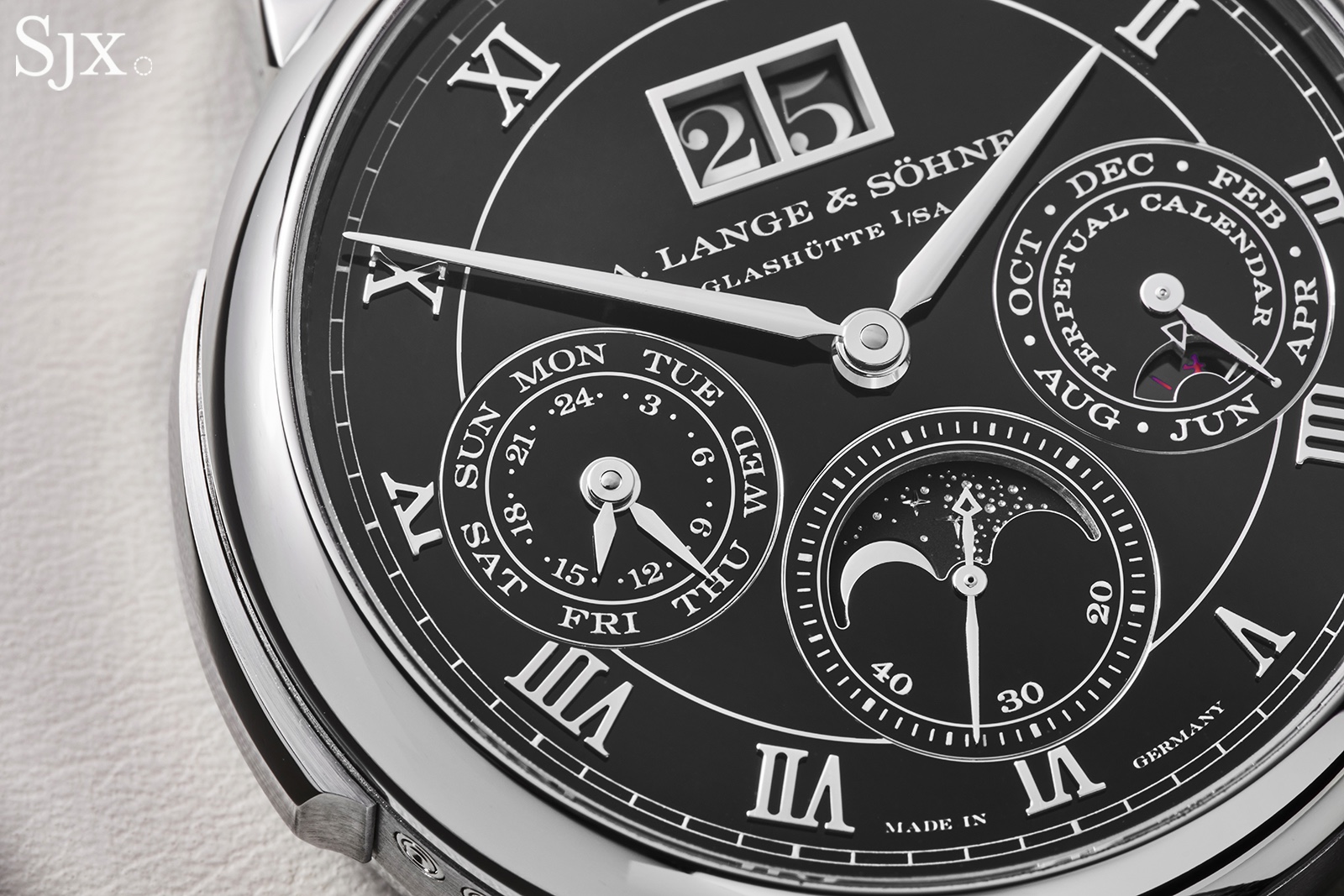
Strictly speaking, the Minute Repeater Perpetual is not entirely new. The base calibre is recognisable as being derived from the movement inside the Richard Lange Repeater, while the perpetual calendar is the familiar mechanism that’s now almost 25 years old.

That, however, takes nothing away from the quality of the watch, which is outstanding in the typical Lange fashion. Moreover, the combination of a tried-and-tested base movement along with an existing perpetual module is the same formula employed by Patek Philippe and Vacheron Constantin, so it can’t be all that bad.
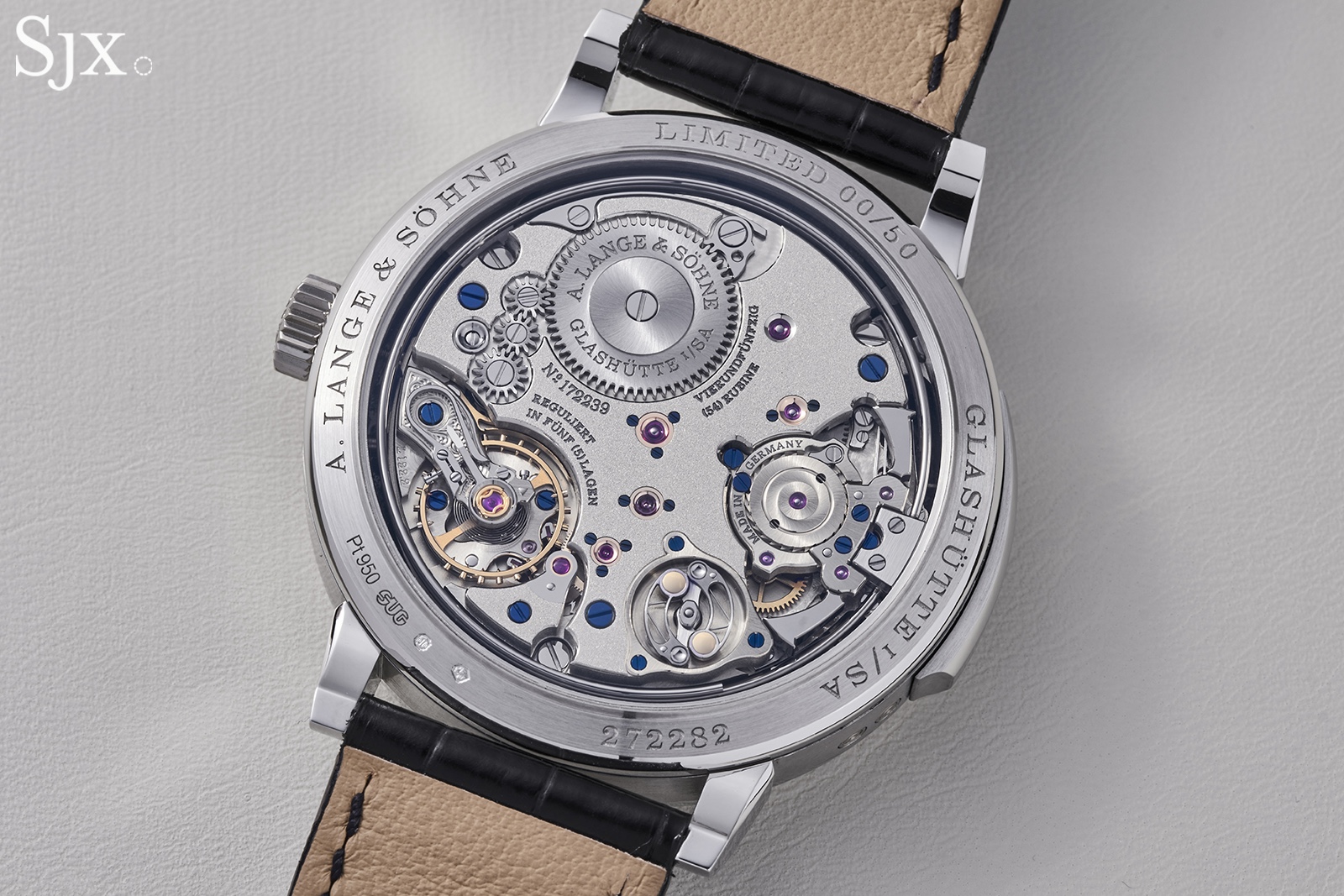
Like many recent Lange complications, the Minute Repeater Perpetual is pricey. Is it too much? In comparison to historical Lange benchmarks yes, but not relative to its peers today. So the best way to describe it is expensive but fair – and probably worth it.


Blancpain Grande Double Sonnerie – David Ichim

One of the most ambitious and surprising new complications of 2025 was the CHF1.7 million Blancpain Grande Double Sonnerie. For the first time in watchmaking, the time can be sounded in either of two different melodies: the classic Westminster chime and a bespoke tune composed by Kiss drummer Eric Singer. The watch is programmed with both tunes, so the owner can chose between them on demand, just as easily as selecting between grande and petite sonnerie modes. 
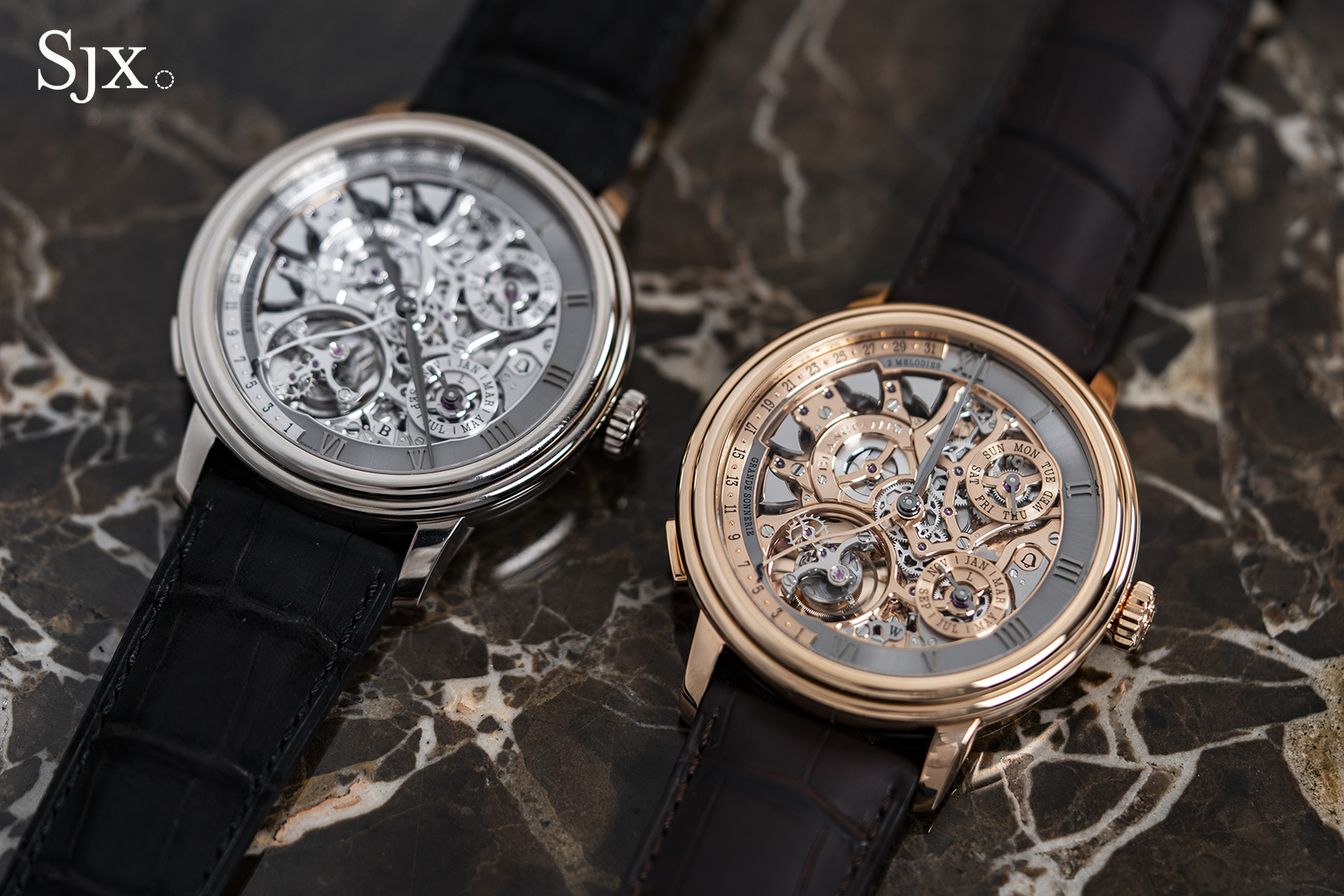
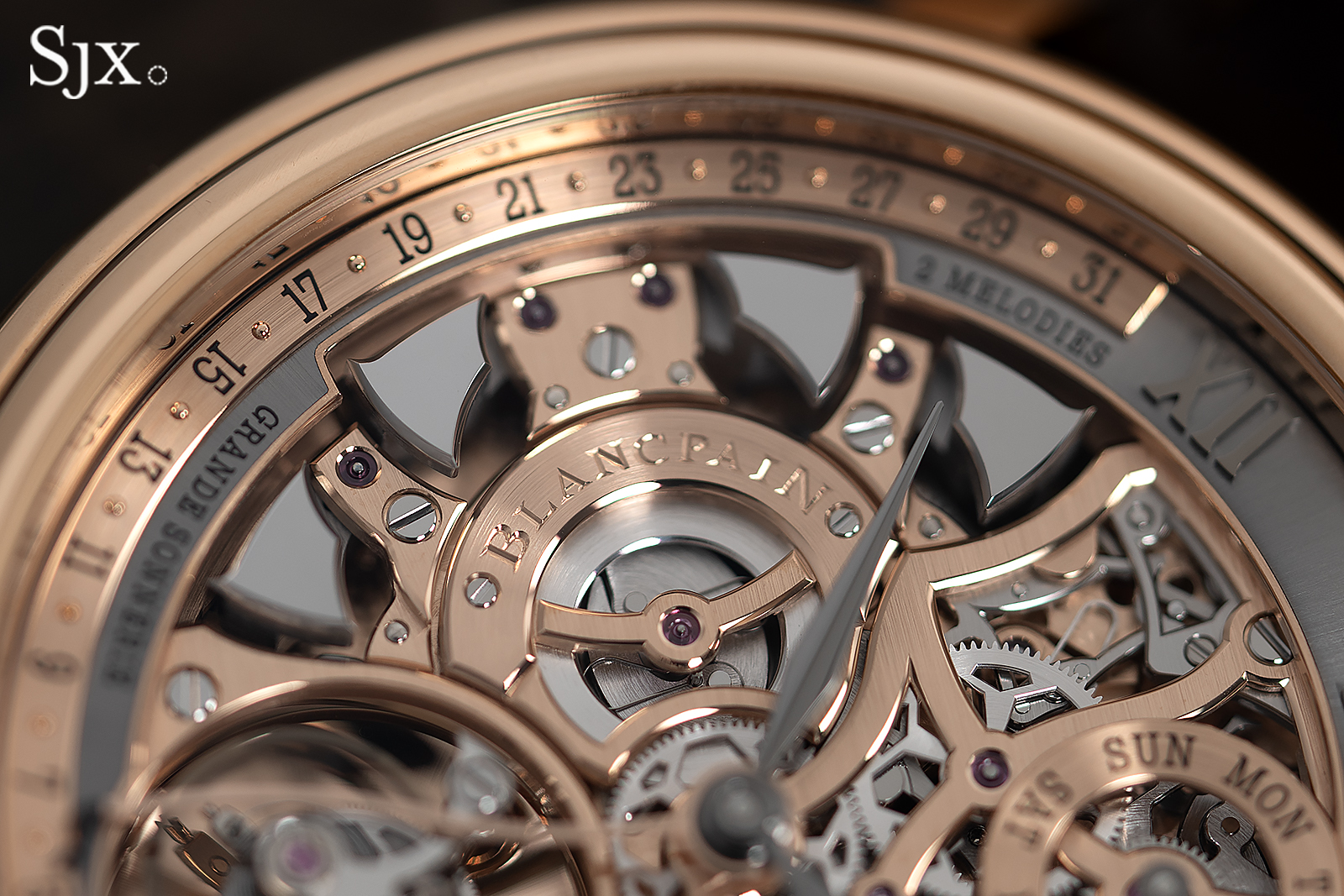
The novel complication aside, Blancpain managed to balance the aesthetics of the Grande Double Sonnerie, showcasing both its extreme technicality while also preserving the certain elegant attire expected of a range-topping clock watch like this. The heavily open-worked dial reveals the two pairs of striking hammers, the governor and a large aperture for the flying tourbillon.
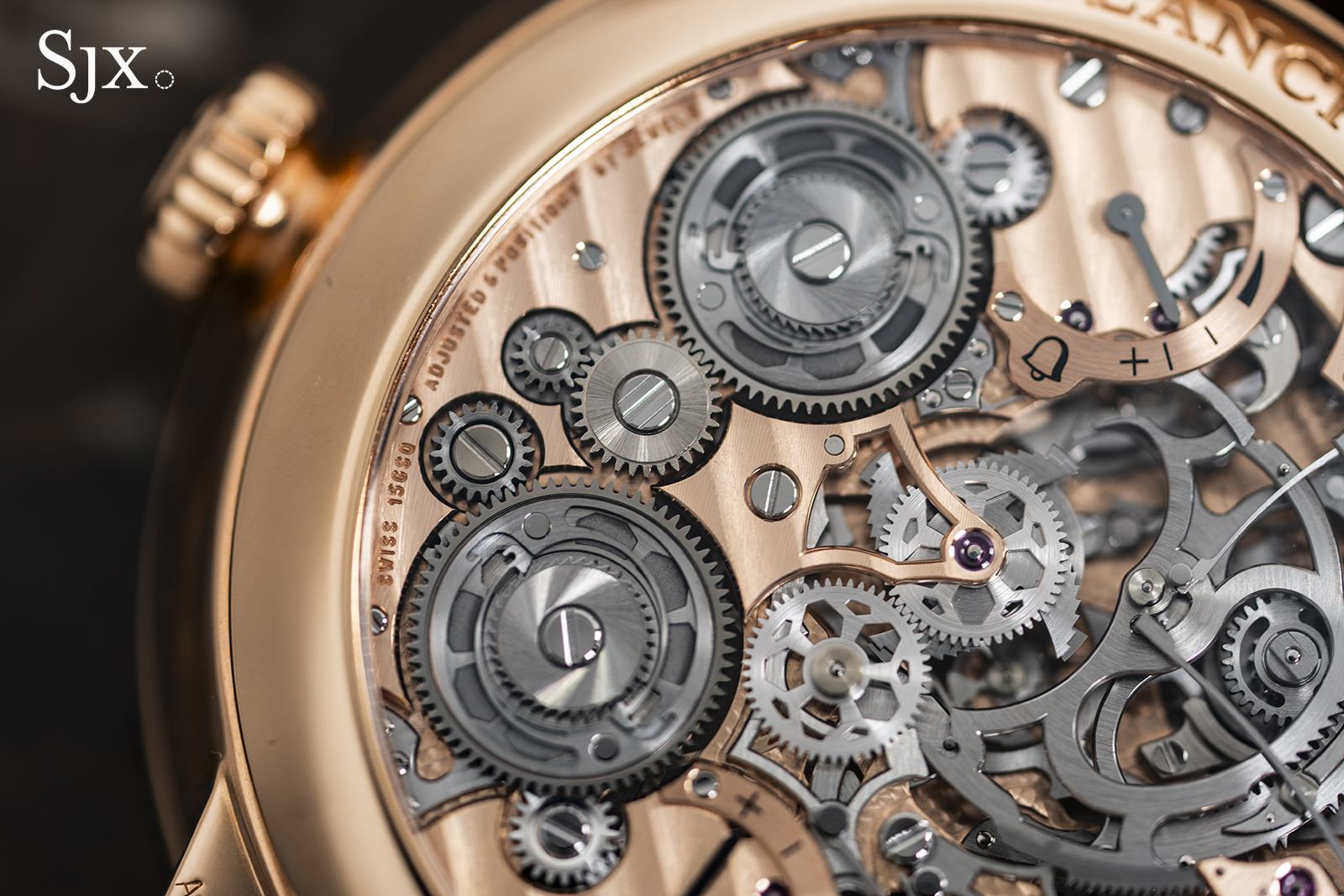
An awe-inspiring watch, the Grande Double Sonnerie is the result of over eight years of development. Although the watch is decidedly traditional — in both look and function — the caliber 15GSQ is an entirely modern construction that benefits from the Swatch Group’s latest technology. That includes the (silent) magnetic governor for pacing the strikeworks, a special acoustic membrane integrated into the bezel, and a silicon hairspring for the brand’s signature flying tourbillon. 
Against this backdrop, it’s worth noting that Blancpain didn’t neglect the perpetual calendar, which is one of the more advanced designs on the market, with a design that ensures crisp indexing of the retrograde hand as well as an improved perpetual mechanism. The original construction was designed with security and convenience in mind, and features the brand’s discreet under-lug correctors and an intuitive layout.
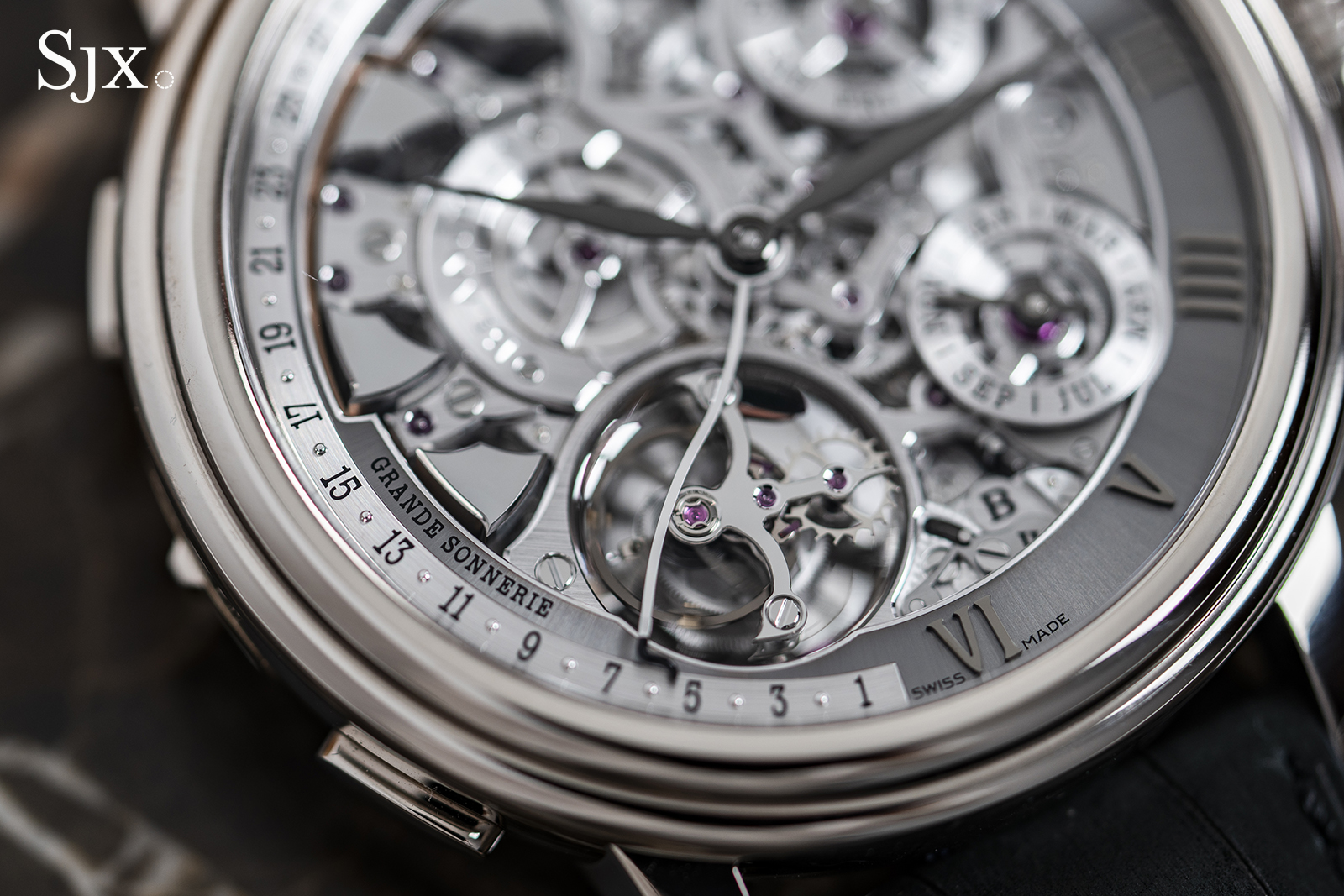
The finishing is executed to Blancpain’s highest standard, comfortably rivaling that of many finishing-oriented independents. Mirror-polished steel components are used judiciously, complemented by precise anglage and softly brushed surfaces on the solid 18K gold bridges. After a few quiet years, the Grande Double Sonnerie serves as a reminder of just how deep Blancpain’s technical depth and craft capabilities truly run.


Audemars Piguet Royal Oak “Jumbo” Extra-Thin Selfwinding Flying Tourbillon Chronograph (RD#5) 150th Anniversary – Andrew Cavanaugh

The fifth and final instalment of Audemars Piguet’s “RD” series, the verbosely named Royal Oak “Jumbo” Extra-Thin Selfwinding Flying Tourbillon Chronograph (RD#5) arguably represents the most innovative new chronograph design since the AgenGraphe. Its clever consolidation of functions also makes it the second-thinnest automatic chronograph ever made, despite its flying tourbillon.
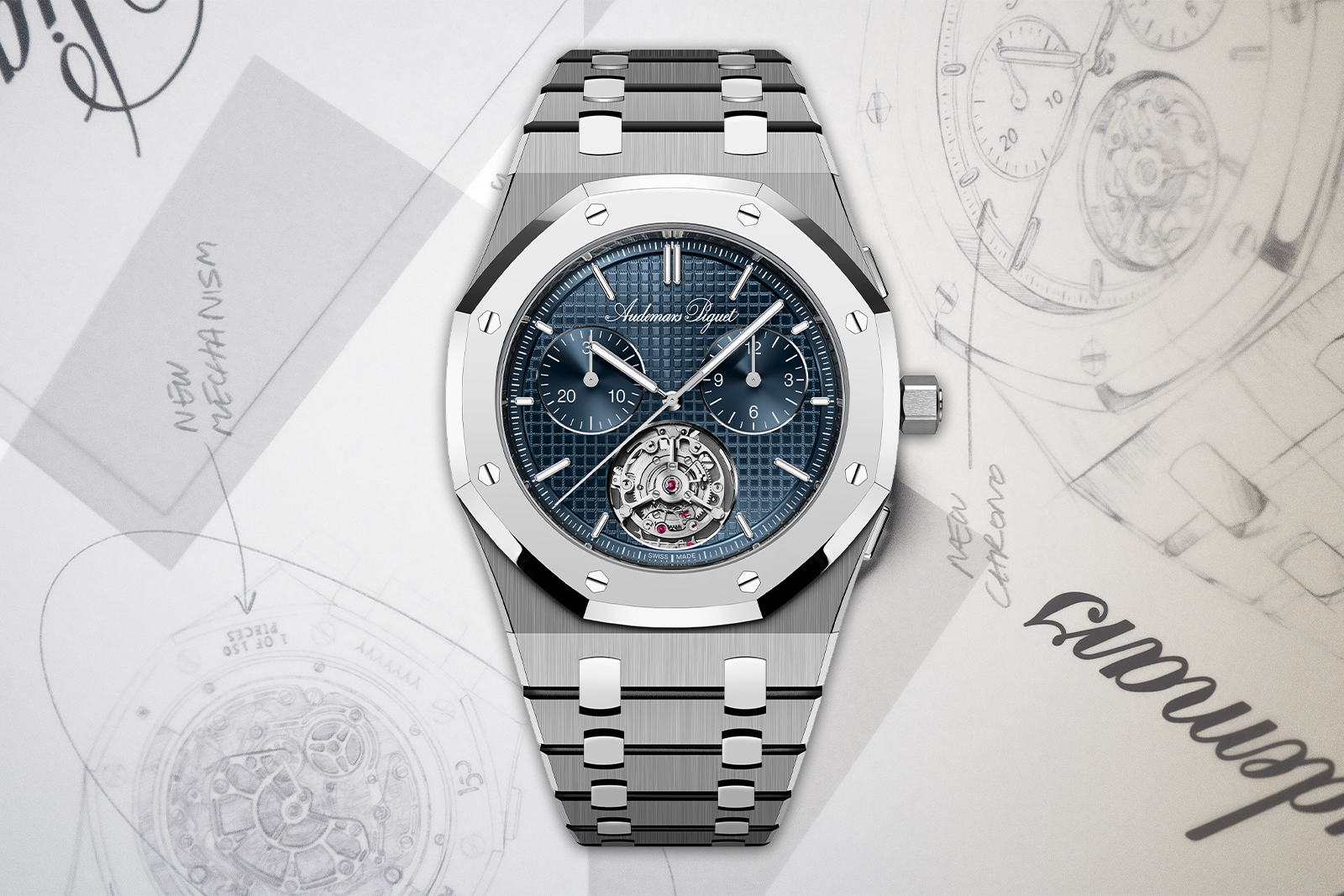
One of the defining characteristics of the RD#5 is its revolutionary approach to energy management. Normally, the energy needed to reset the chronograph enters the movement via the force exerted on its pushers, either directly from pressing the reset button, as in the Rolex cal. 4130, or indirectly from energy accumulated from pressing the start button, as in the Patek Philippe cal. CH 29-535.

Rather than relying on energy from outside the watch, the RD#5 uses spring-loaded racks to store energy from the mainspring as the chronograph runs. As the elapsed seconds hand crosses zero that energy is released, driving the chronograph minutes counter forward instantaneously, and nudging the hour counter forward slightly.
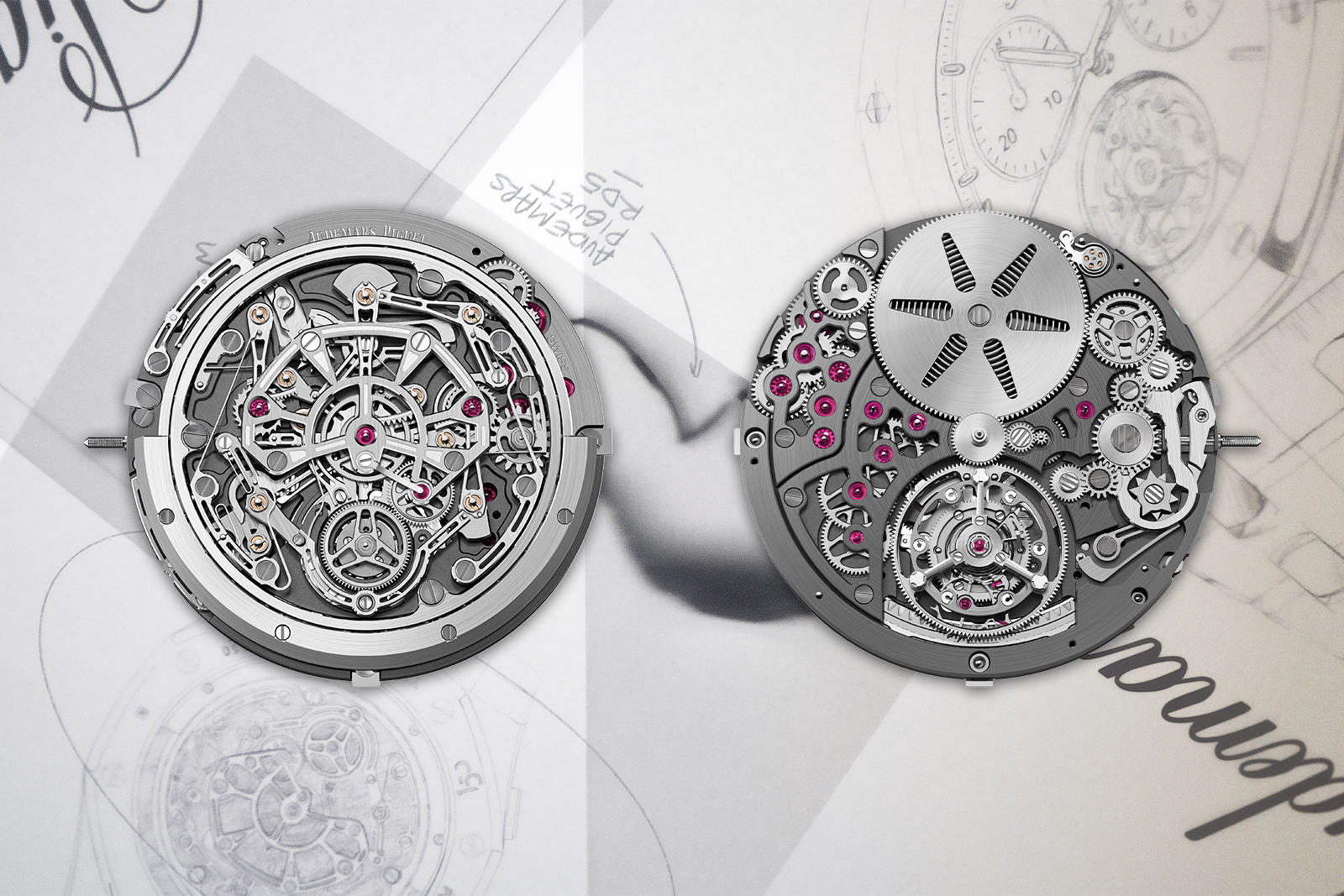
Stored energy from the mainspring is also used to reset the chronograph back to zero, at any time, almost effortlessly and with minimal pusher travel. Conveniently, this rack system also replaces the friction spring (or LIGA etched no-play wheels), normally necessary to prevent the elapsed seconds hand from jittering.
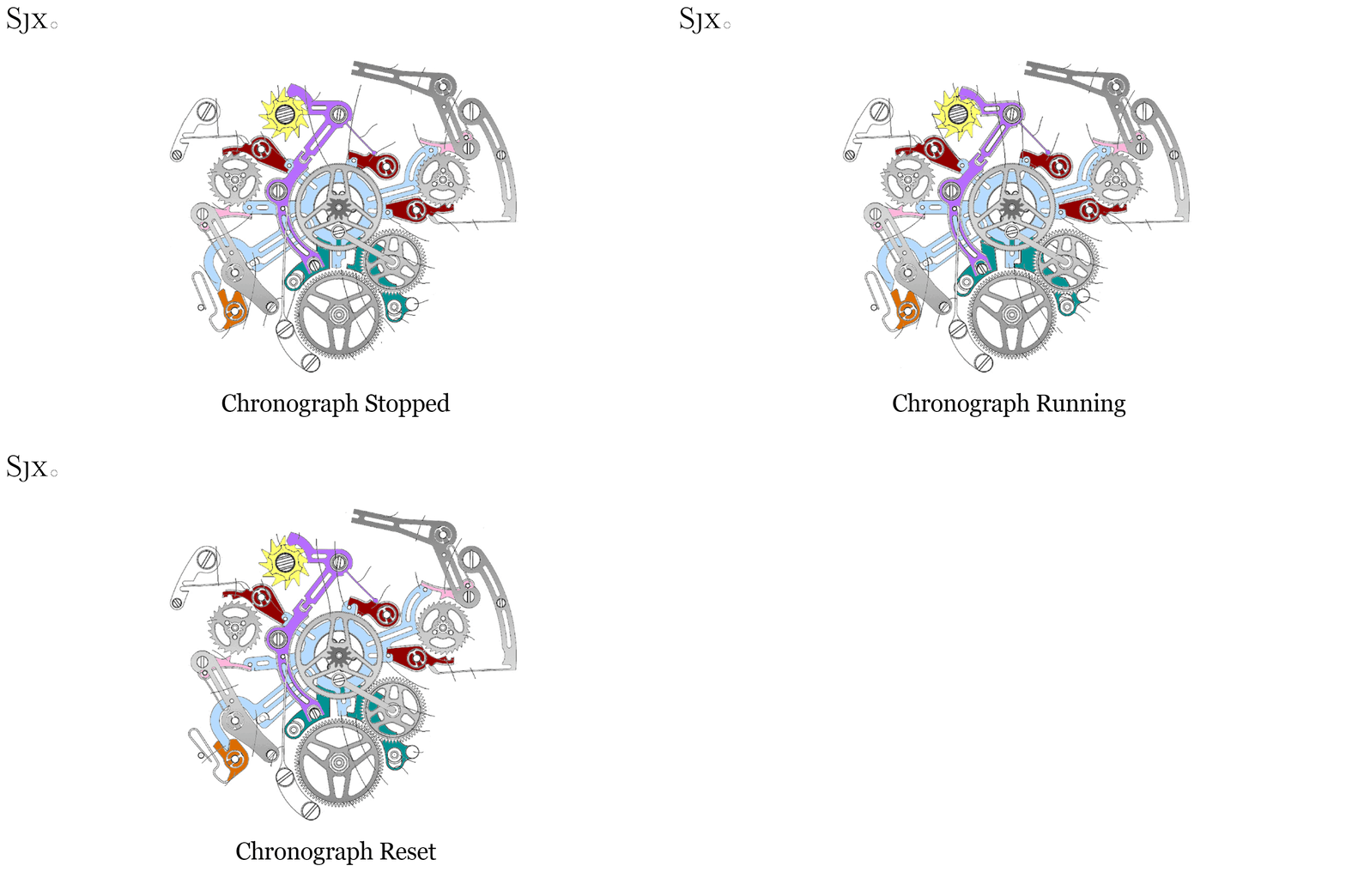
The result is a clever and elegant chronograph unabashedly designed for modern manufacturing; its design is a testament to wire erosion machining in particular.

Audemars Piguet’s patents note the deterministic nature of the RD#5, which doesn’t require tedious adjustment of spring tension and cam alignment. In fact, despite the tourbillon, the cal. 8100 in the RD#5 has two fewer parts than the brand’s rank-and-file automatic chronograph, the cal. 4401. Time will tell whether this approach has a future beyond the now-concluded “RD” series, but it’s a promising development that remains one of the year’s stand-out complications.


Back to top.

You may also enjoy these.

Best of 2025: Independent Watchmaking

A narrow field.

Independent watchmaking presented relatively few genuinely new releases in 2025. Many watchmakers instead reintroduced familiar models in new configurations or colourways — an approach typically associated with larger brands.

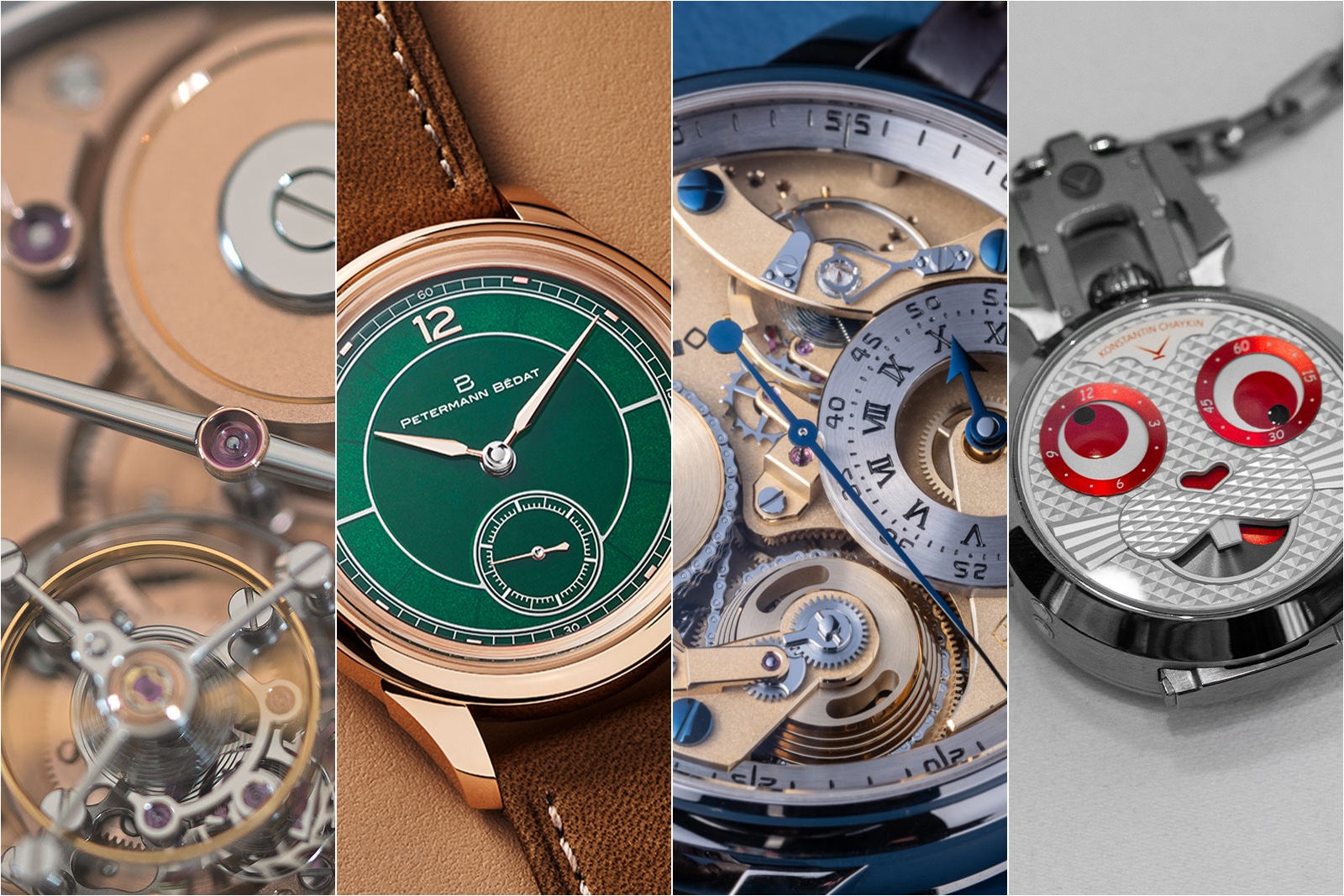
The strongest releases were excellent, but they were few and far between. Our highlights reflect that: Urban Jürgensen’s relaunch stood out for its confidence and momentum, while Petermann Bédat and Raúl Pagès showed there is still room to say something new within the time-only format.


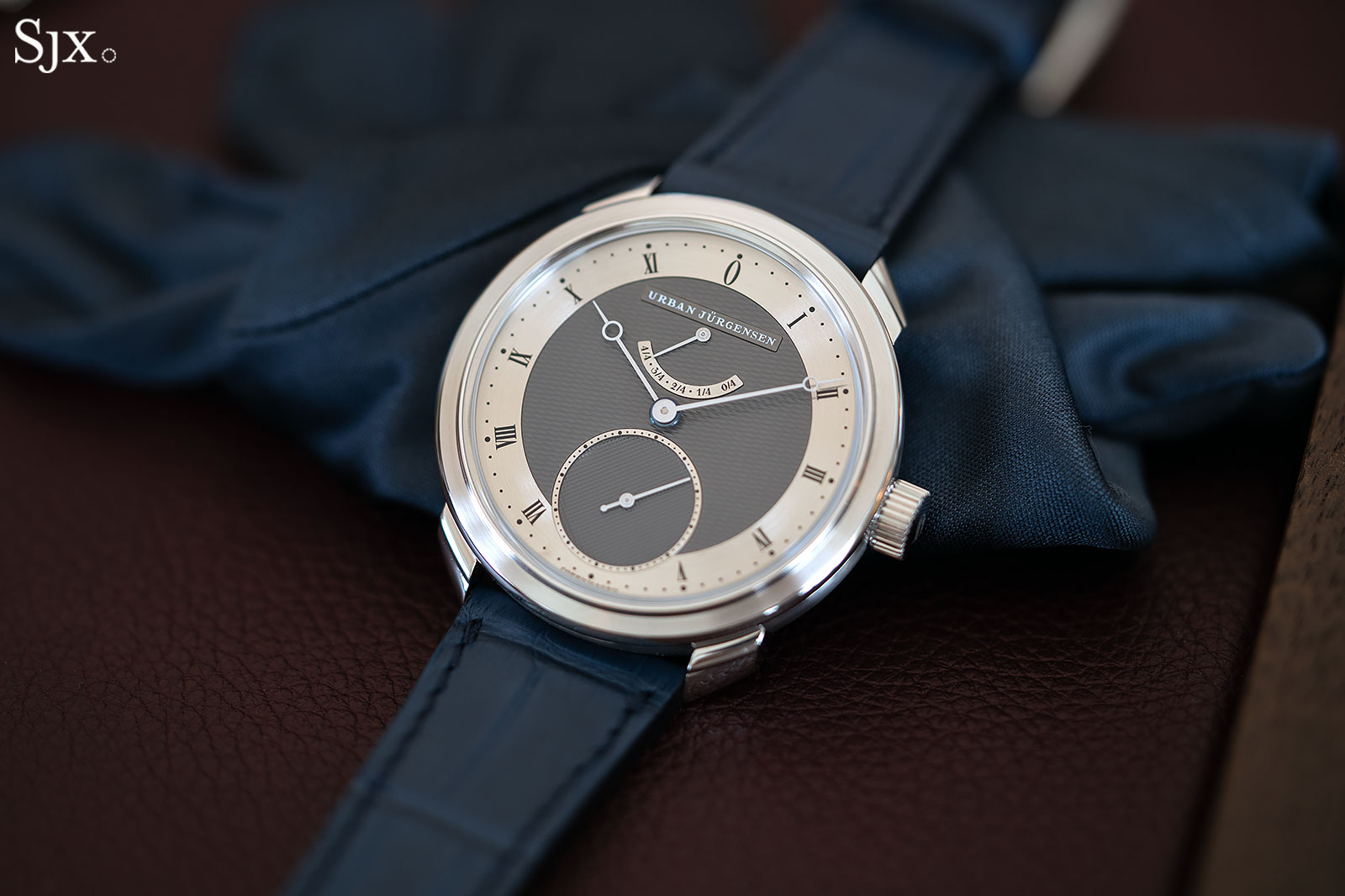
Urban Jürgensen UJ-1 Tourbillon – SJX

When I first heard about Urban Jürgensen being revived, I was sceptical. Could an investor halfway across the world and a watchmaker busy with his own brand pull it off?

As it turned out, they could. The Rosenfields, Andy and Alex, father and son, and Kari Voutilainen, managed to put together a collection of three watches – all impressively conceived and executed – and then deliver a good number of watches in the months since the launch in mid-2025.

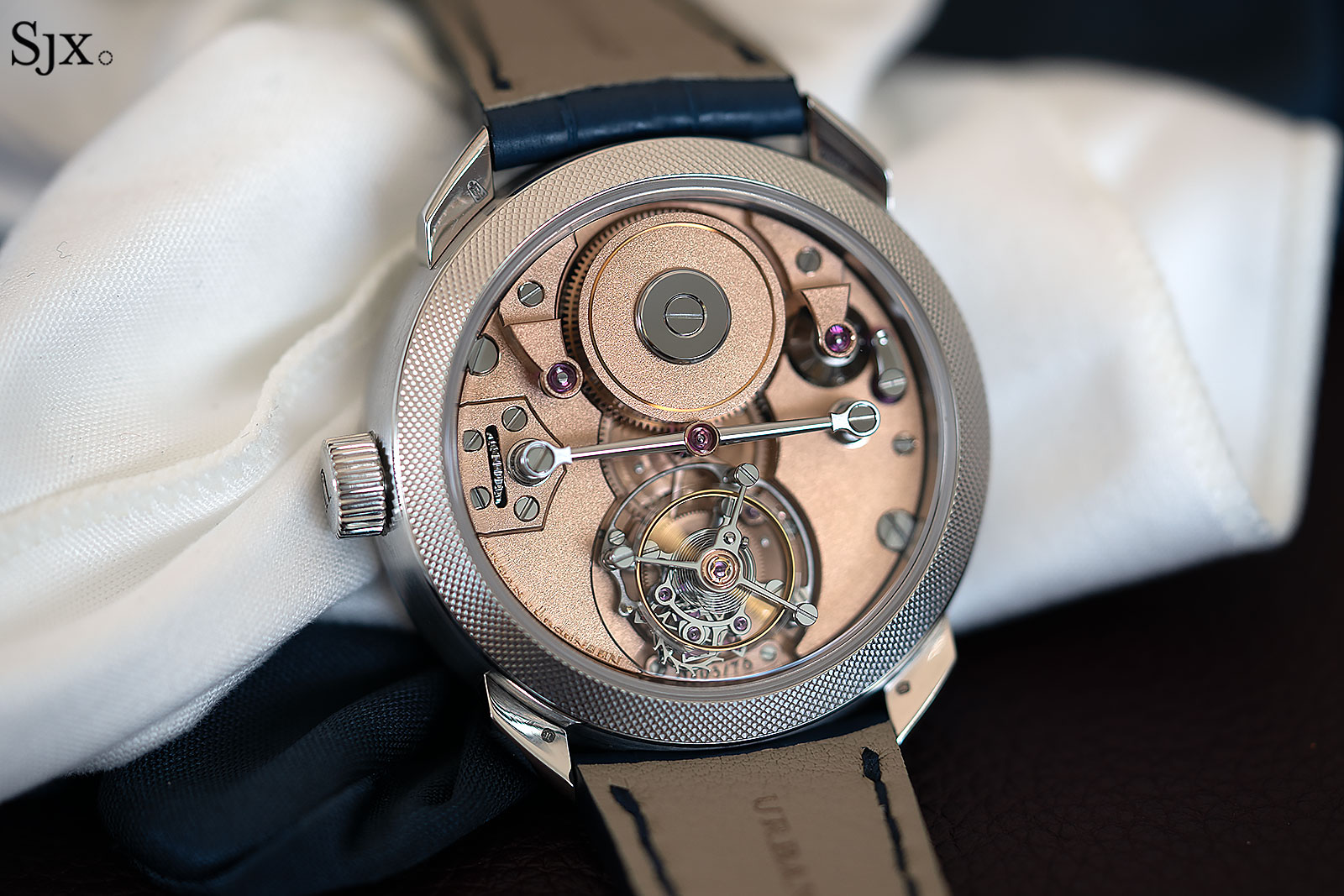
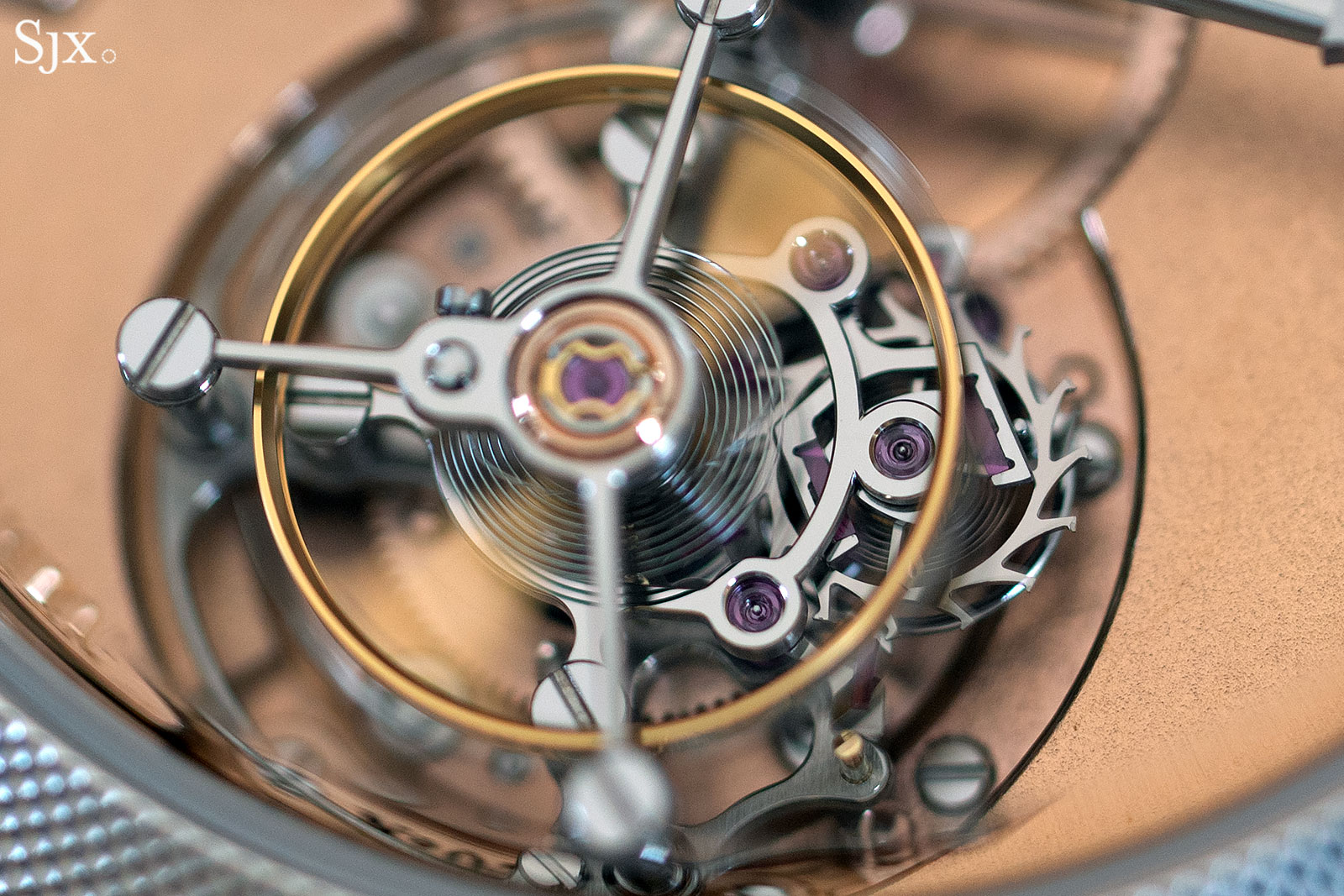
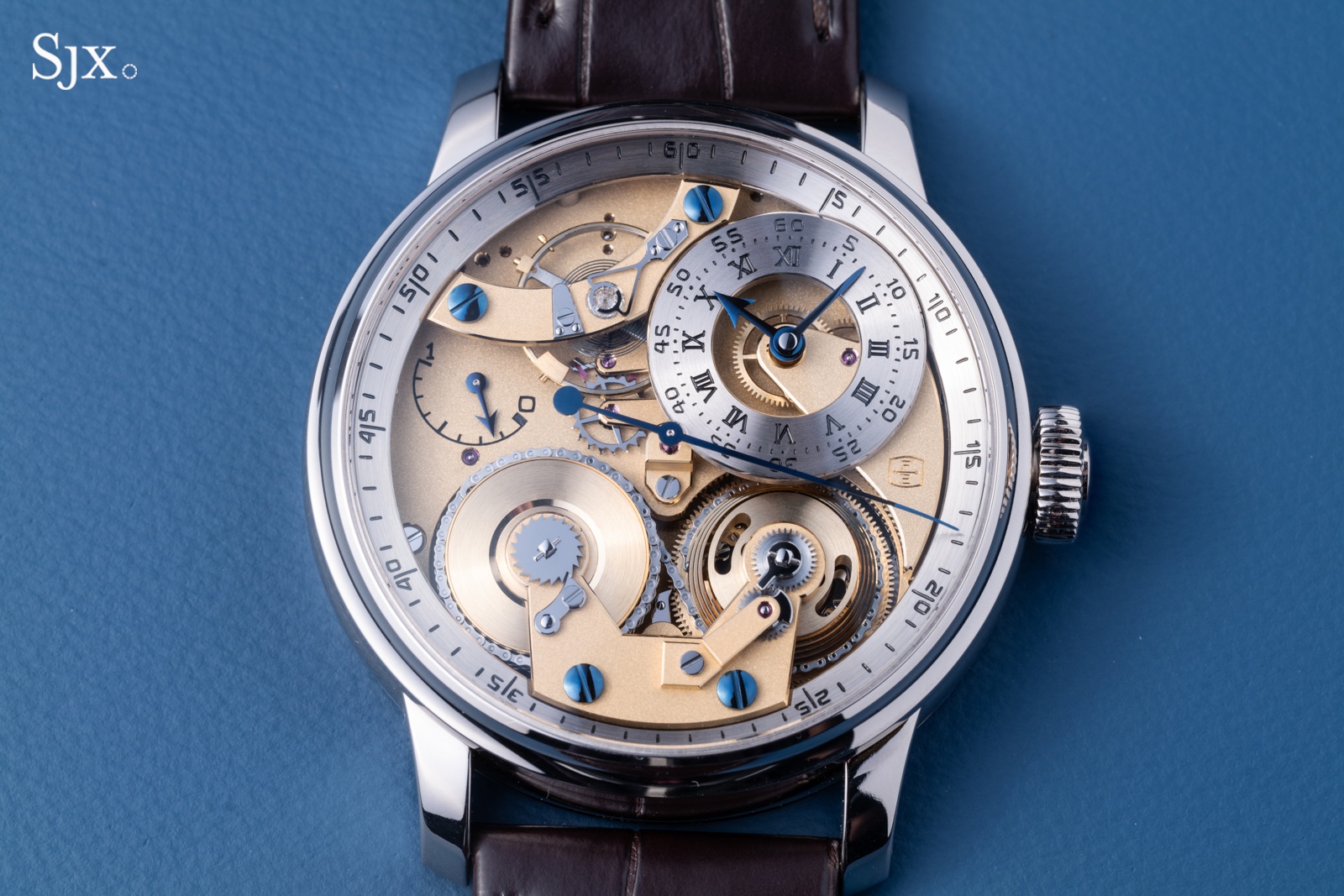
The flagship of the Urban Jürgensen line-up and clearly its best creation to date is the UJ-1. A tourbillon with remontoir, the UJ-1 is modelled on the Oval pocket watch that was made by Derek Pratt for Urban Jürgensen. The movement instantly feels like it was descended from the Oval, which is a feat considering the disparity in scale.

Mr Voutilainen managed to translate many of the key elements of the Oval into wristwatch format, including the “floating” barrel and linear bridge for the centre wheel. The movement is truly a beauty (though I would change the form of the carriage).

The UJ-1 is outstanding, but at CHF368,000 probably a little too expensive for what it is, even in today’s market for independent watchmaking. But I love it; if I could, I would. I even like the odd lugs that actually help the case wear well on the wrist. It sets a high bar for the brand, and I look forward to seeing the Urban Jürgensen story unfold.


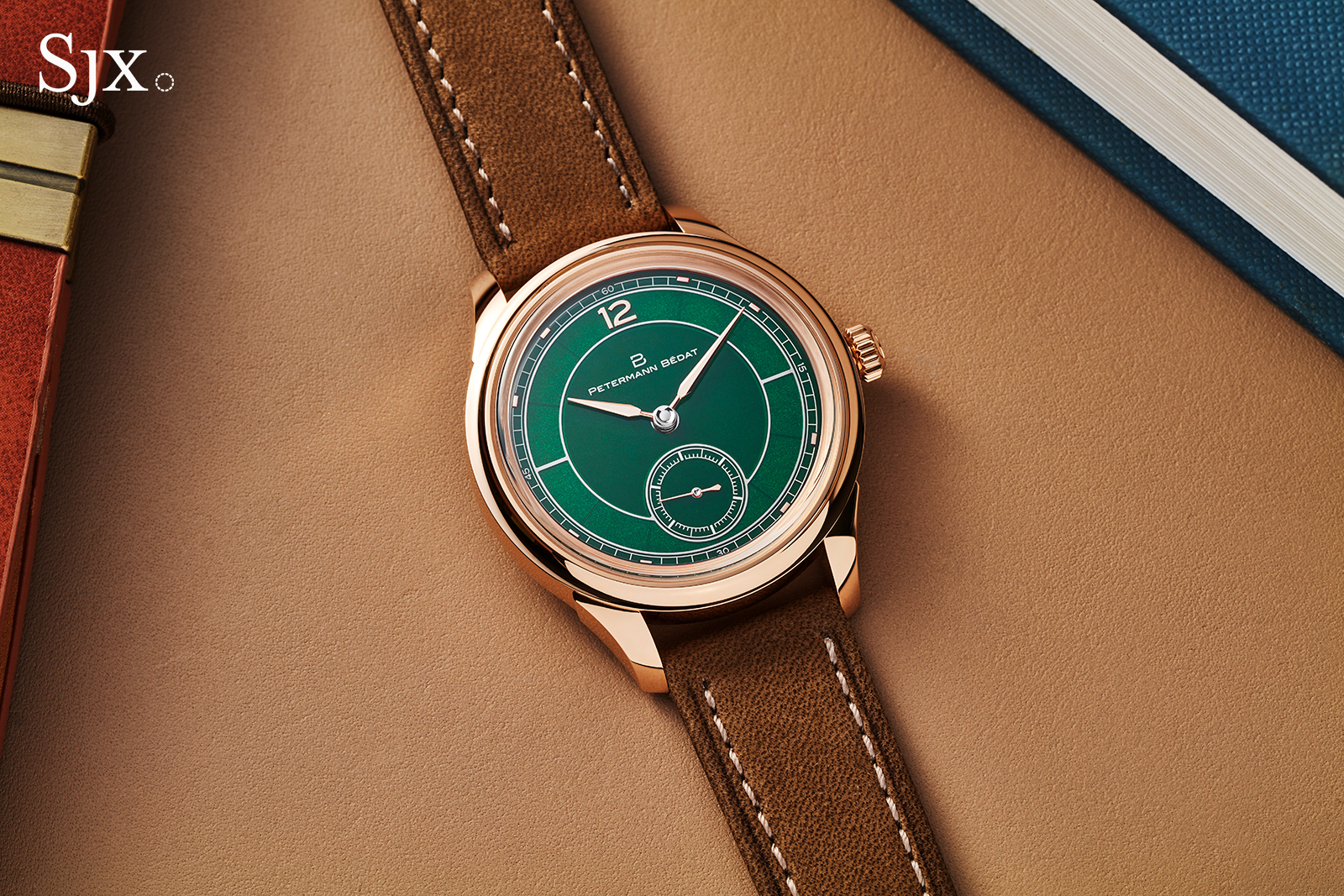
Petermann Bédat Reference 1825 and Raúl Pagès RP2 — Brandon Moore

Highly finished time-only watches have become one of the defining categories of contemporary independent watchmaking, fuelled by sustained collector appetite for the ideals embodied by watches like Philippe Dufour’s Simplicity and Rexhep Rexhepi’s Chronomètre Contemporain.

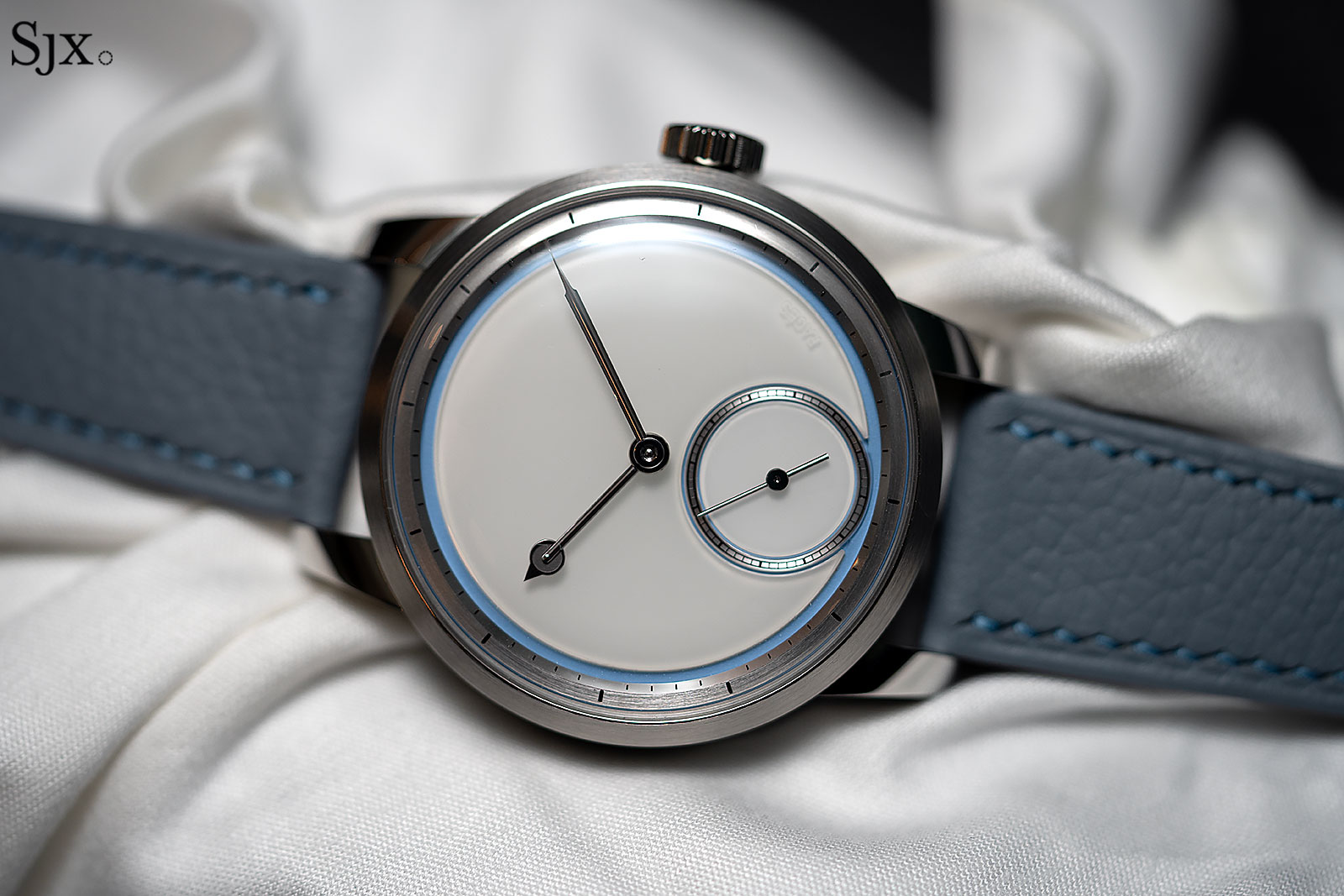
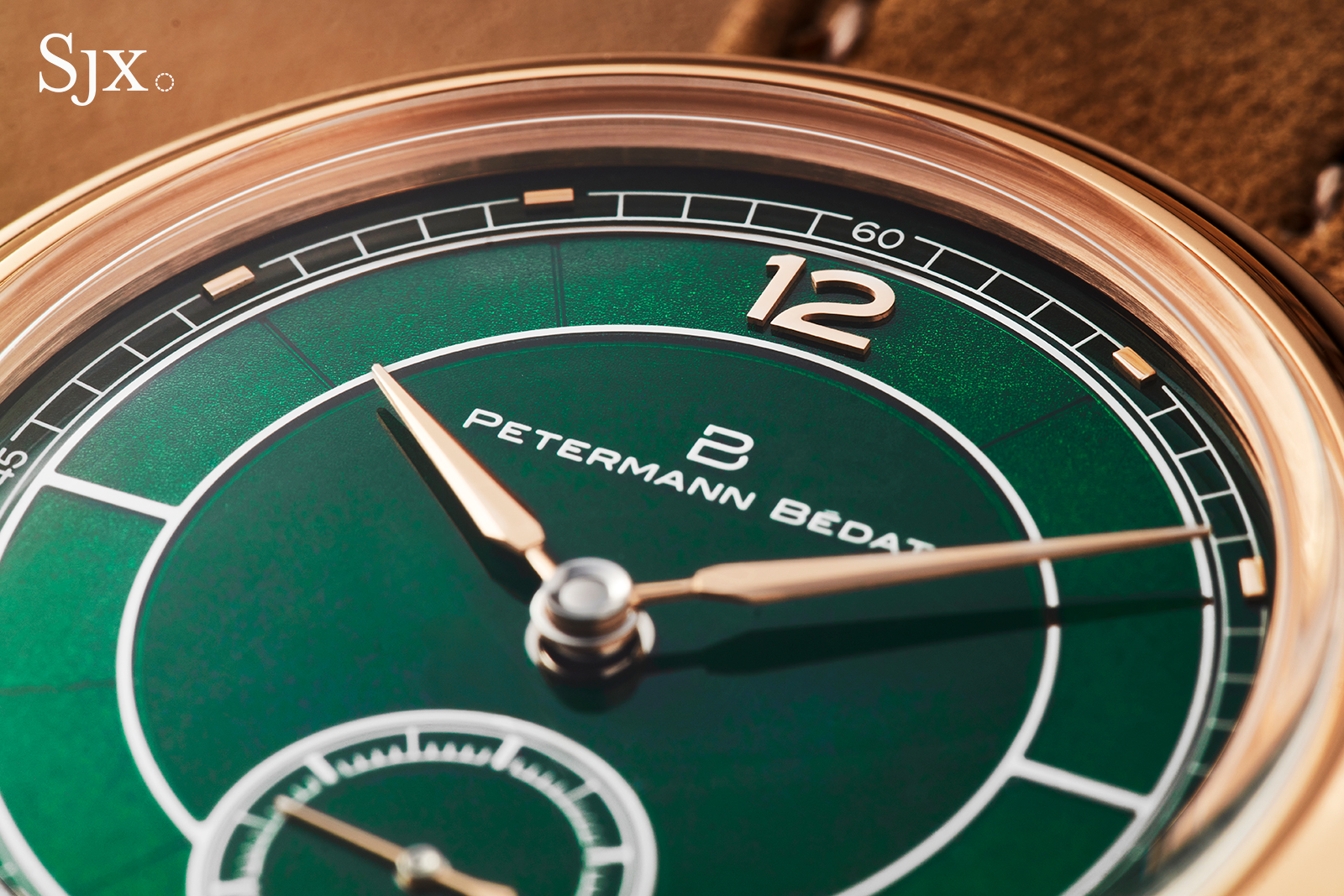
In recent years, a seemingly endless roster of up-and-coming watchmakers has sought to capture some of that magic, often by leaning heavily on open dials, demonstrative finishing, or overt historical references. By 2025, it felt as though every possible expression of the format had already been explored. Against that backdrop, Petermann Bédat’s Reference 1825 arrived as a breath of fresh air.

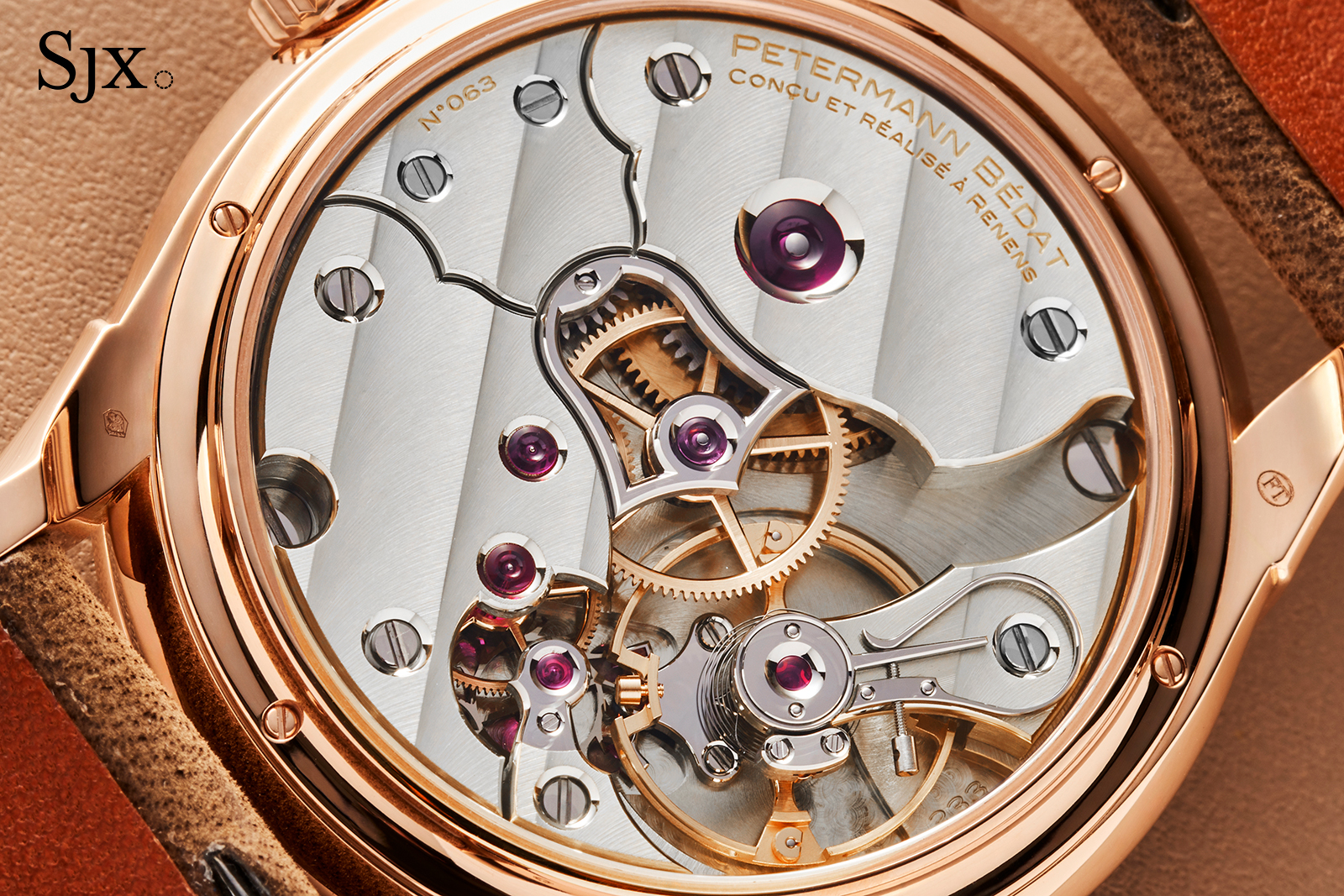
 The ref. 1825 succeeds precisely because it does less. The lustrous enamel sector dial is beautifully executed yet understated, while the case – evolved from the brand’s ref. 2941 split-seconds chronograph – is classical without being generic. And while the cal. 233 appears to be just another finely finished three-hand movement, extended viewing reveals an architecture that is both original an sophisticated.
The bell-shaped bridge, the absence of fashionable tubular forms, and the cleanly defined outlines speak to a thoughtful design process rather than trend-driven styling. Importantly, the movement is finished in-house using traditional techniques, lending the watch an air of sincerity that is increasingly rare.

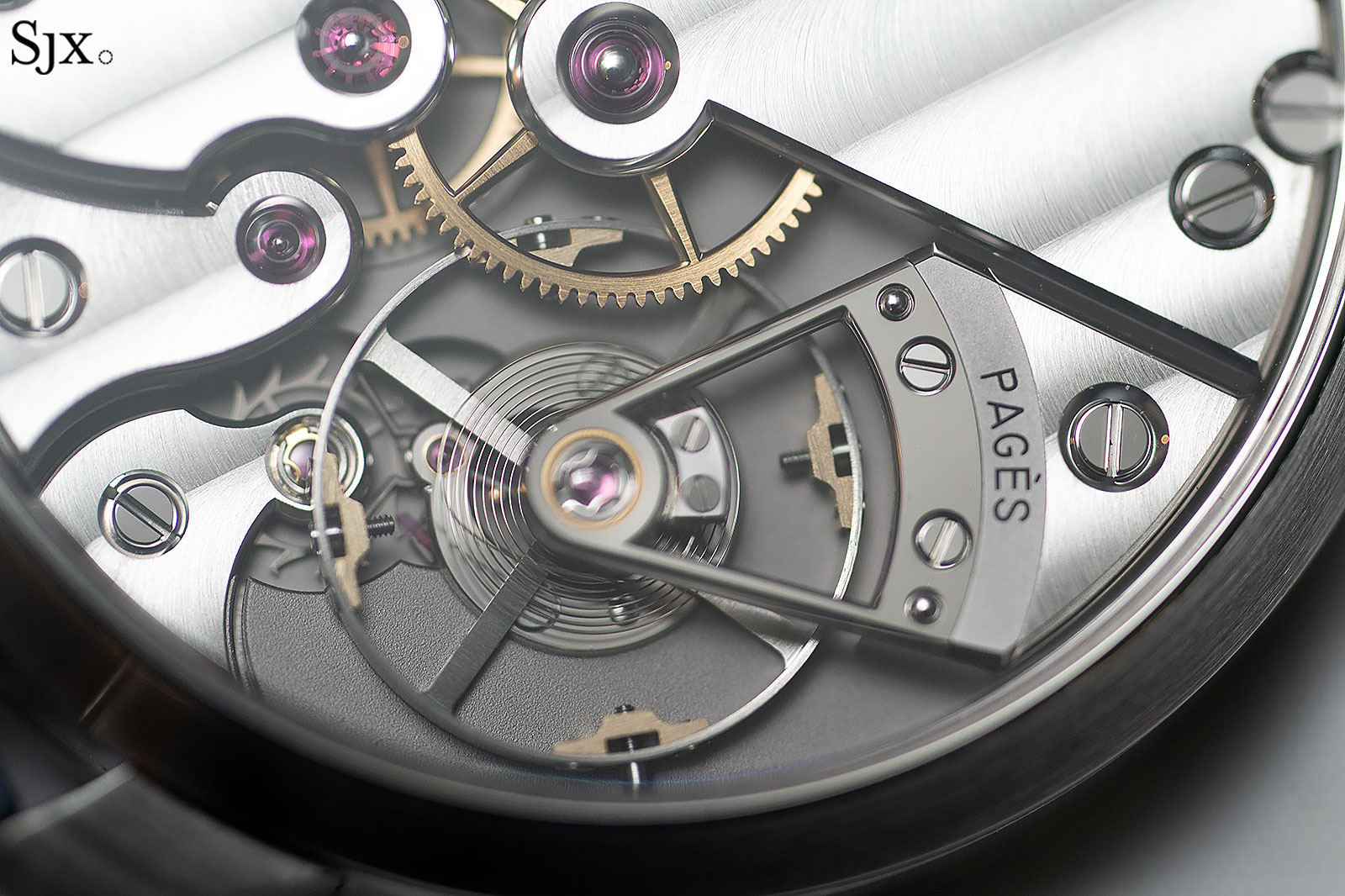
In this context, the Raúl Pagès’ RP2 also stood out. While Mr Pagès is no stranger to time-only watches – the Soberly Onyx predates it by nearly a decade – the RP2 is arguably more compelling because it represents a clear evolution of his own design language. Rather than relying on a historical ébauche, the RP2 employs a new movement that builds on the aesthetic foundations laid by the award-winning RP1.

The result is a calibre that is undeniably traditional but unmistakably modern in execution, distinguished by details such as the black-polished, open-worked triangular steel balance cock and a large, free-sprung balance of Mr Pagès’ own design. Like the ref. 1825, the RP2 avoids excess, focusing instead on proportion, coherence, and almost clinical finishing. Together, these two watches showed that even in a crowded category, there is still room for originality when it is grounded in taste and discipline.


Ferdinand Berthoud Naissance d’une Montre 3 – David Ichim

The Time Æon Foundation’s Naissance d’une Montre series was conceived to test the limits of truly hand-made contemporary watchmaking. The latest chapter in this quirky collection came from Ferdinand Berthoud and is simply called Naissance d’une Montre 3. 

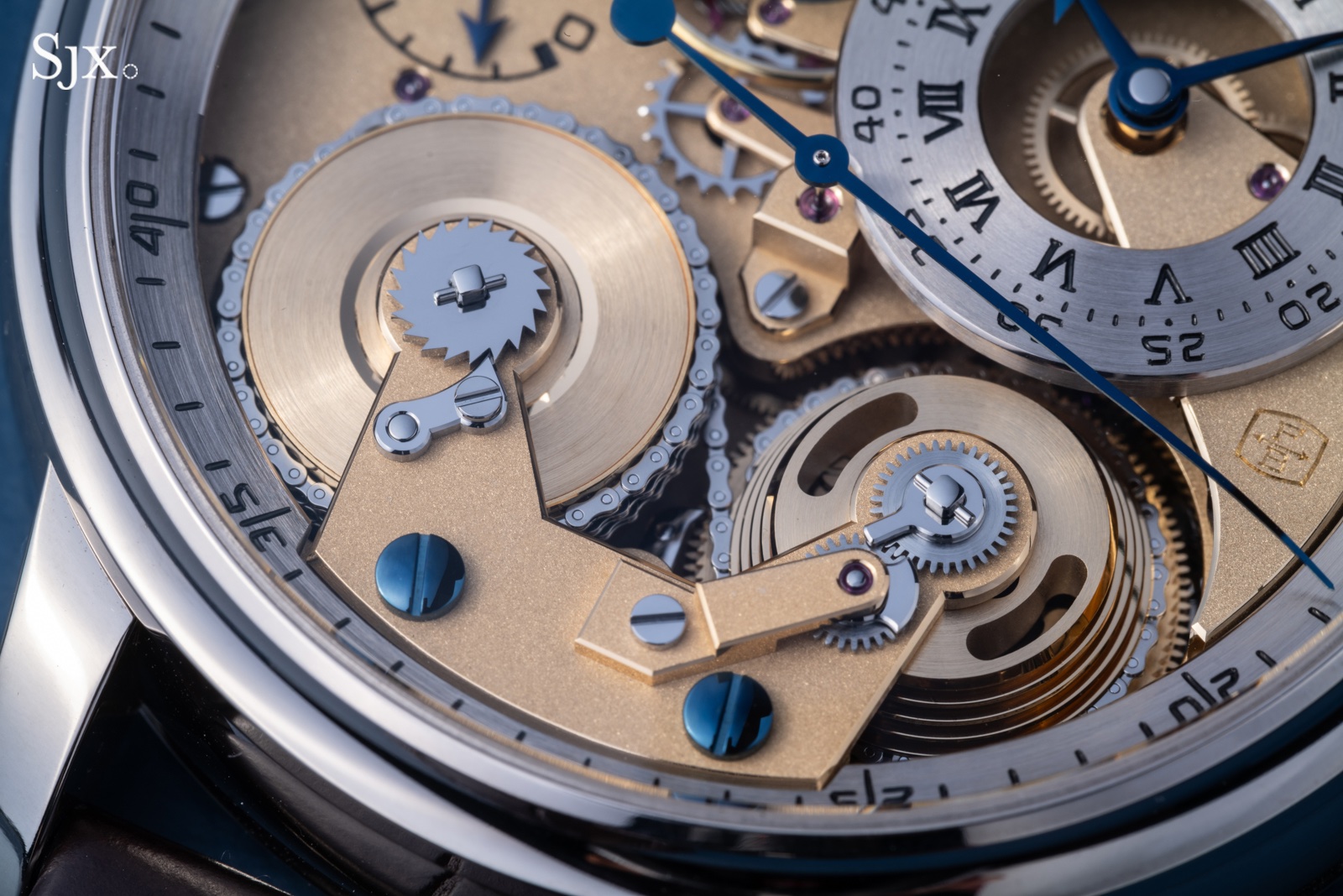
What is basically a time-only marine chronometer-style wristwatch takes thousands of hours of manual labour to produce. About 80 people are involved in the production of each watch, combining for the equivalent of what would be several years of work for a single individual. Beyond just artisanal finishings and basic parts cutting, the team at Ferdinand Berthoud had to learn and document the process for making a fusée and chain system using only hand-operated tools. The commitment to ‘handmade’ even extends to the case, crown, strap, clasp, and watch box.

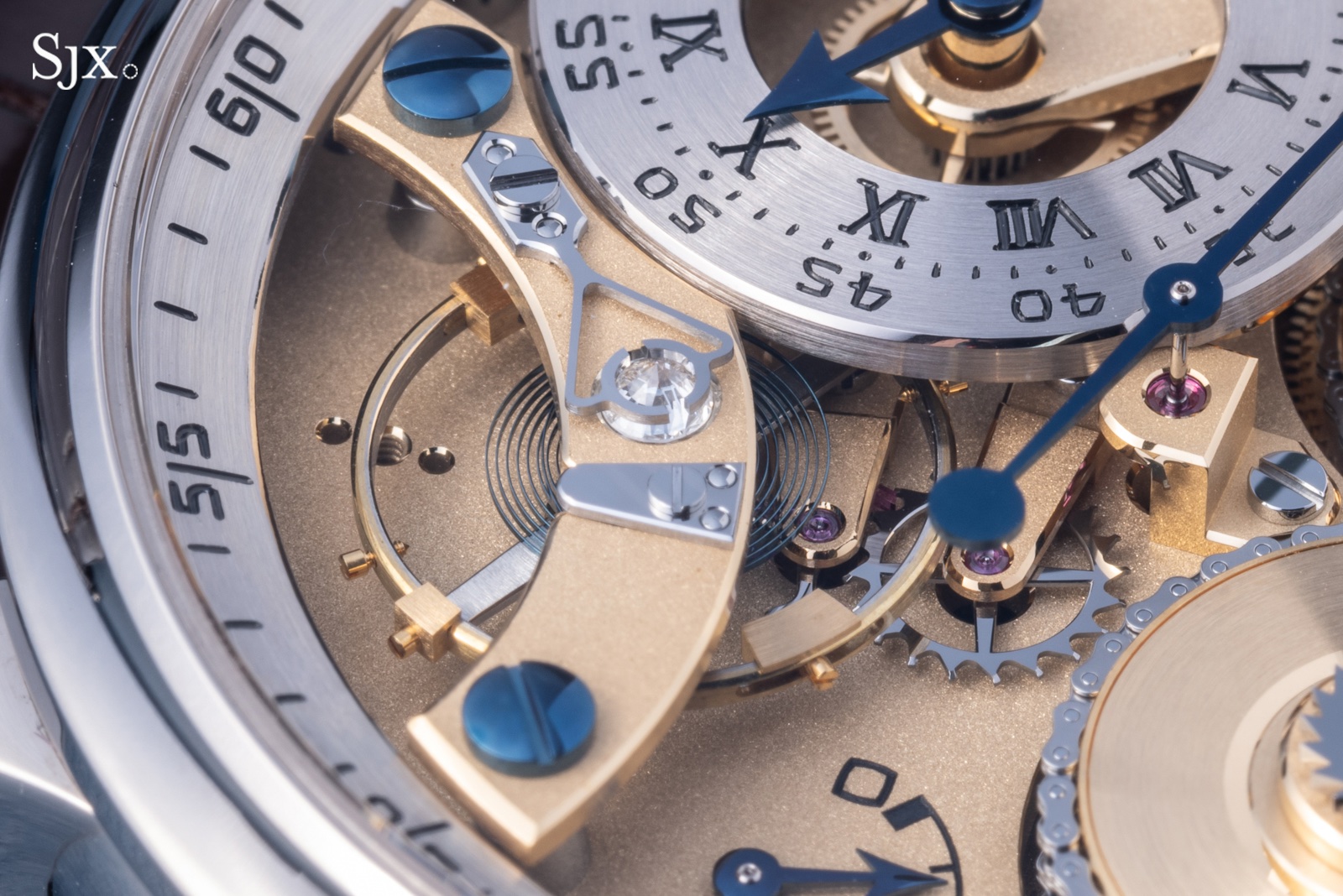
The Montre 3 has a restrained, purposeful appearance, with the cal. FB-BTC.FC taking centre stage in place of the brand’s familiar regulator display. Finishing highlights include large, rounded blued screws, gently grained plates set off by crisp anglage, and an overall sense of deliberation rather than excess. Ferdinand Berthoud’s mastery of steelwork is again evident: the 191 chain links are individually made and finished by hand, alongside numerous high-polished steel components. Despite its technical density, the movement conveys an unexpected warmth, stemming from the visible handwork and the cream-toned hue of the gilded plates.

The piece seeks to recapture the feel of historical handmade watches authentically, so the brand went to great lengths to minimise concessions to modernity. This is most evident in the use of diamond cap jewels for the balance staff, secured by handmade pare-chute shock absorbers. The balance itself is cut and bi-metallic, paired to a flame-blued hairspring.

Though styled like an antique chronometer, the Montre 3 is COSC-certified, underscoring Ferdinand Berthoud’s commitment to precision. Such a level of craft inevitably commands a lofty price, but the result is a compelling demonstration of traditional watchmaking disciplines that remain increasingly rare.


Greubel Forsey QP Balancier and Konstantin Chaykin White Rabbit — Andrew Cavanaugh

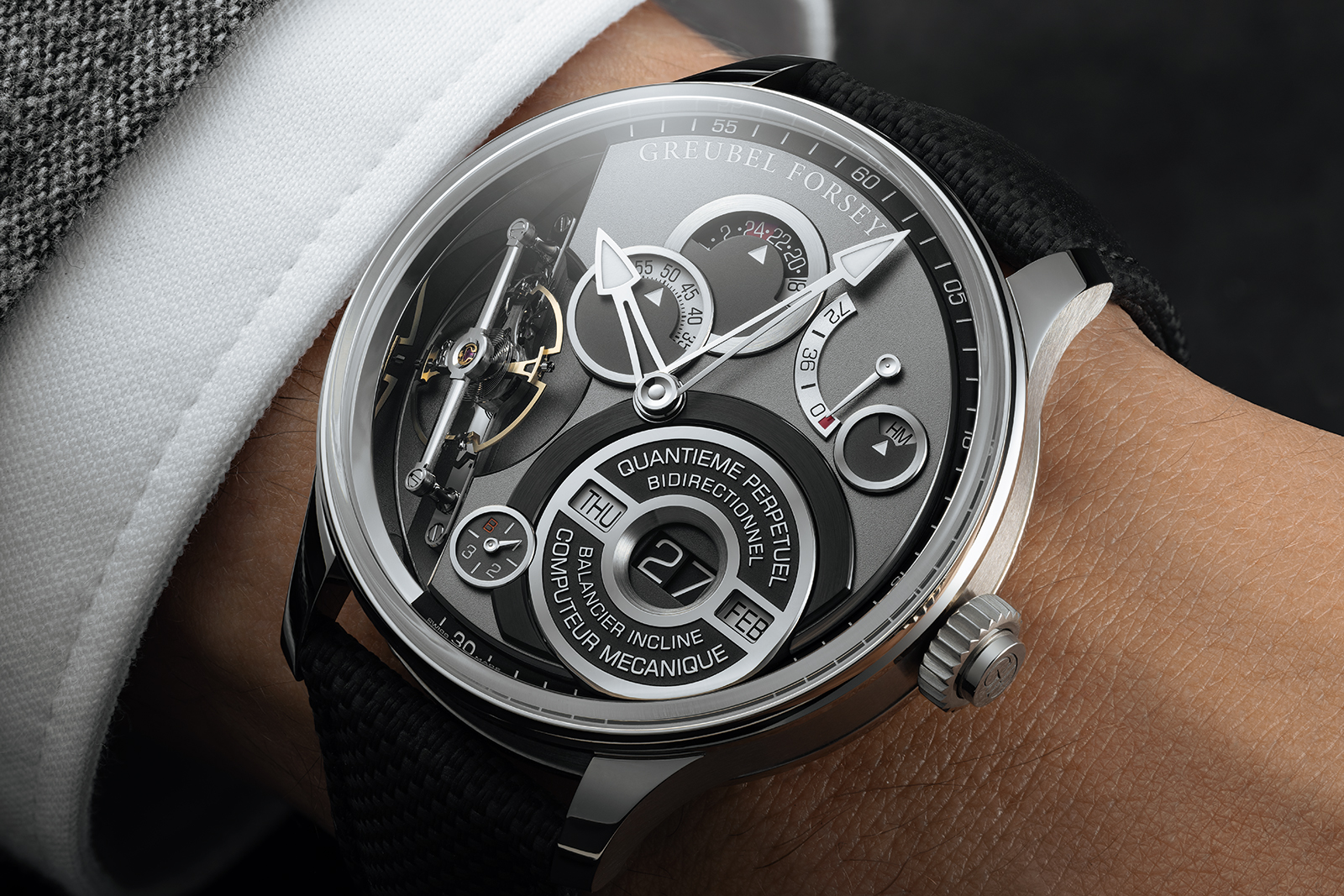
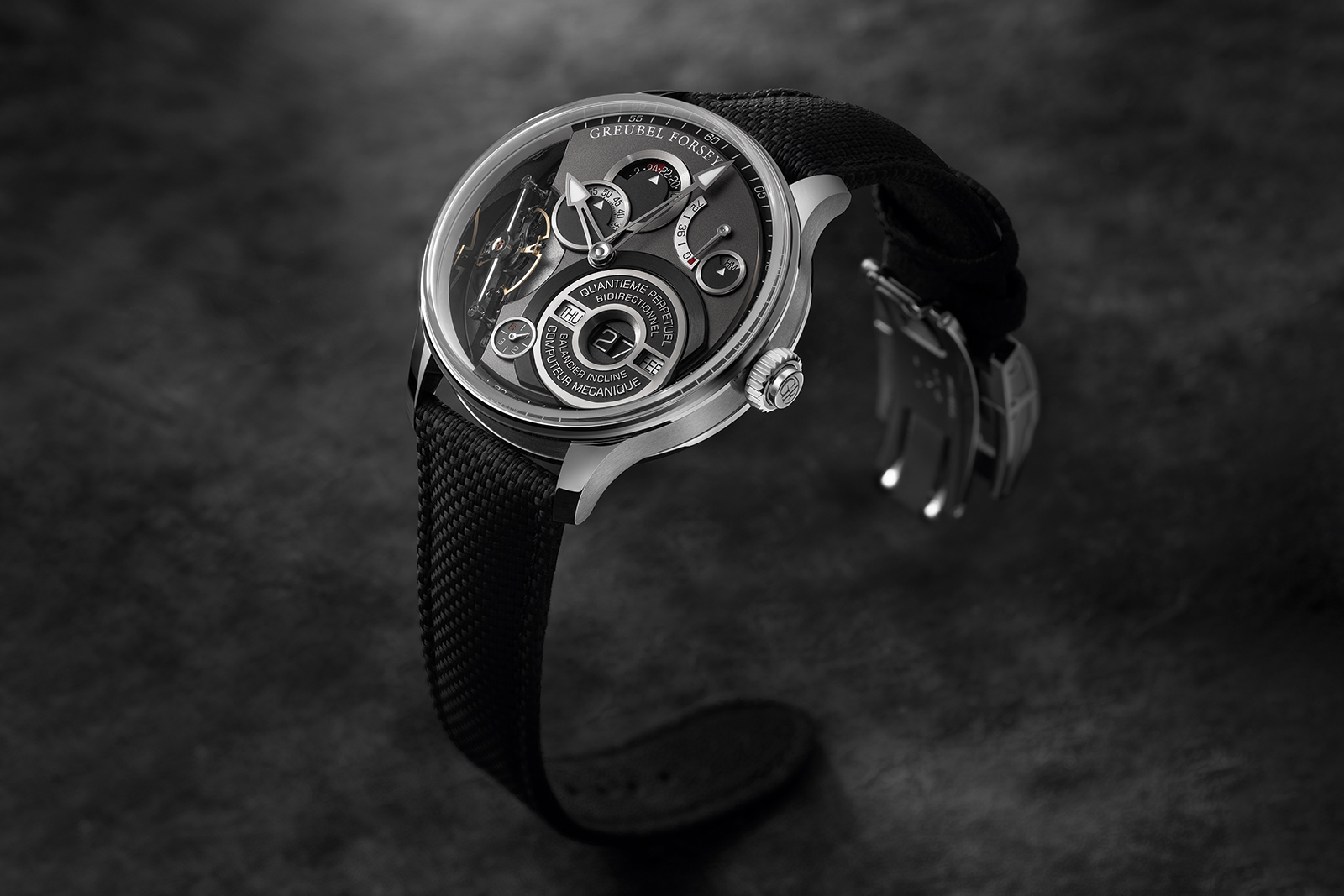
While Greubel Forsey’s bidirectional in-line perpetual calendar is a decade old, it remains one of the most impressive on the market — arguably the high water mark for the category in terms of both mechanical elegance and intuitive legibility. After ten years, Greubel Forsey decided it was time for a change, incorporating this mechanism into a simpler, non-tourbillon calibre for the first time.

More than just a simplified QP à Équation, the QP Balancier is a very different watch apart from the shared perpetual calendar. It advances Greubel Forsey’s new (more conventional) design language, without the concave lugs and bulging case band that defined the brand’s early work. Though some of that early character has been lost along the way, the updated aesthetic is arguably more suited to the prevailing tastes of today.

While the QP Balancier is expensive by any measure, in context it represents a comparatively sound value proposition for a high-end independent in 2025. Notably, the QP à Équation debuted with a list price some CHF 180,000 higher — a full decade ago. Though it dispenses with a tourbillon, the intellectual achievement is contained primarily in the ‘mechanical computer’ that powers the perpetual calendar display. Moreover, Greubel Forsey’s world-class finissage is still present and correct.

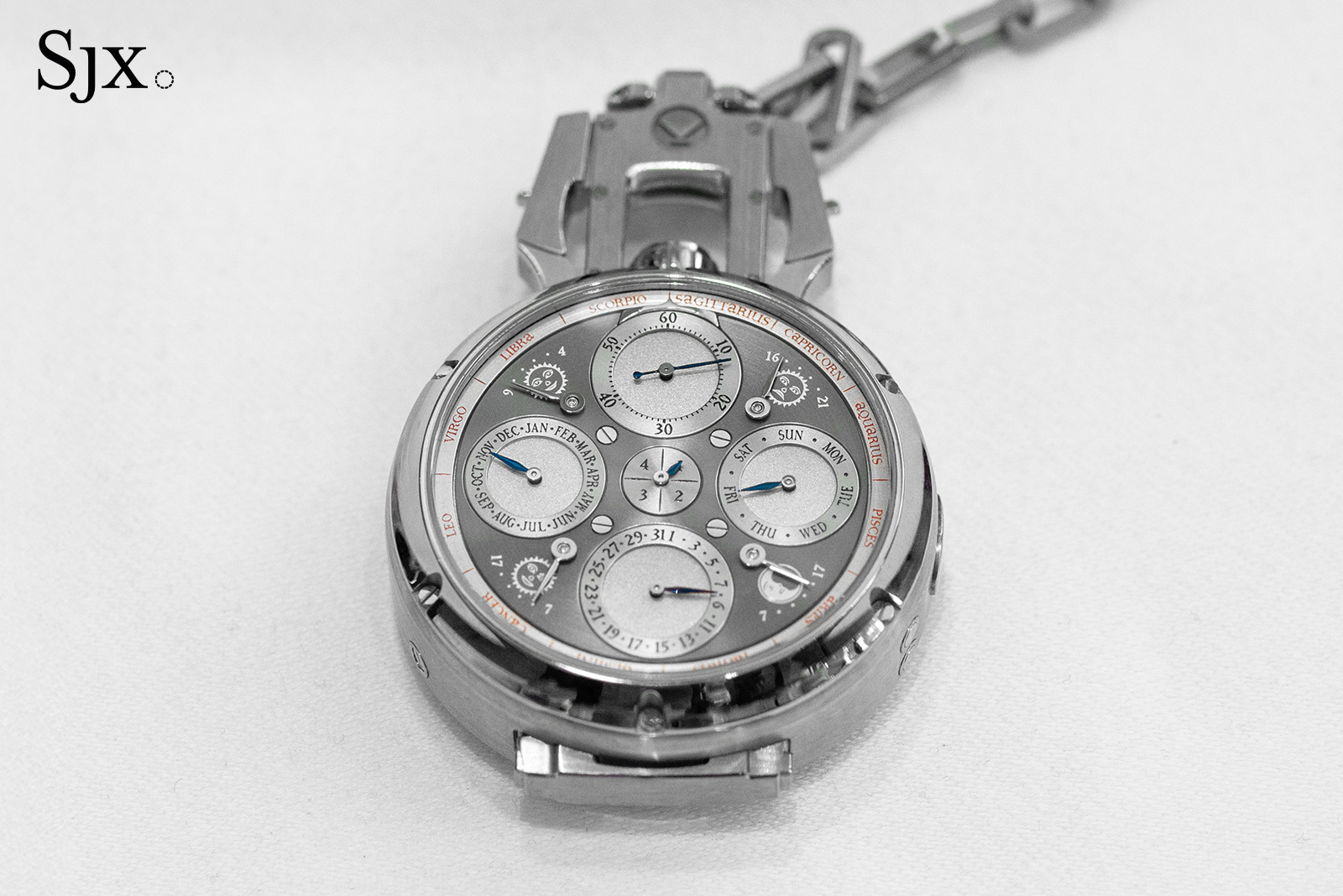
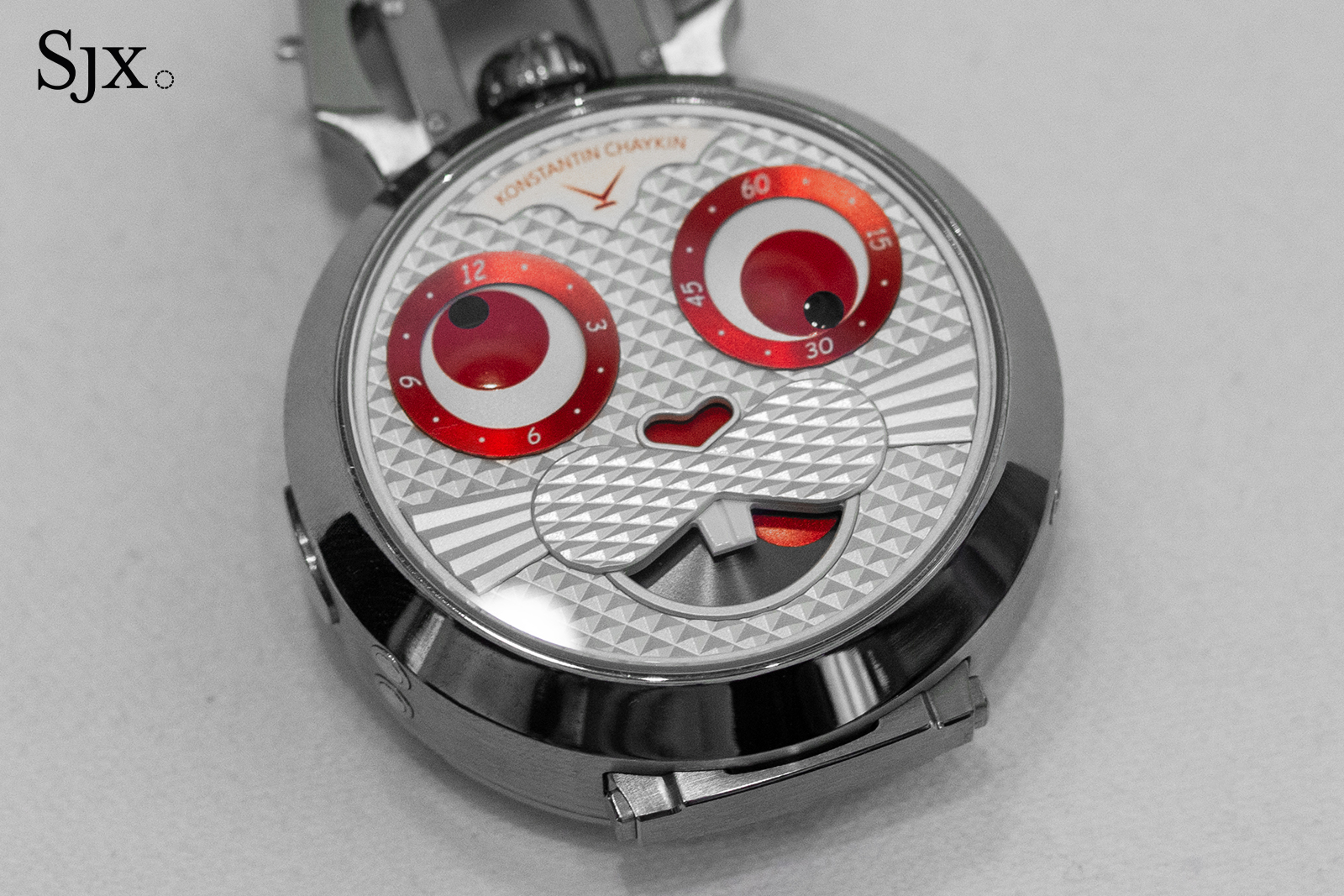
Russian independent Konstantin Chaykin also debuted a perpetual calendar wristwatch this year, a first for the brand and the country it calls home. Inspired by a curious watch described in Lewis Carroll’s Alice’s Adventures in Wonderland that displays the month but not the time, Mr Chaykin took this a step further, developing a full perpetual calendar with time of sunrise and set, length of day and night, sign of the zodiac, and jumping seconds. Though more traditional in its construction than the innovative QP Balancier, the White Rabbit is whimsical and creative in a style that only Mr Chaykin could pull off.

The reverse side does display the time alongside a moon-phase indicator, while offering a playful nod to the Mad Hatter, for whom it is perpetually six o’clock — tea time.

While Mr Chaykin has not (yet) found a way to stop time, he has incorporated a suspended-time complication: at the press of a button, the time-telling ‘eyes’ jump to 6:00, creating a deliberately cross-eyed display, before snapping back to the correct time once the button is released.

The watch can also be converted into a pocket watch, using the same quick-release system that allows the case to be reversed — a detail that remains faithful to the source material.


Back to top.

You may also enjoy these.

Welcome to the new Watches By SJX.

Subscribe to get the latest articles and reviews delivered to your inbox.