
Bonniksen Reborn with Handmade Le Carrousel
The fourth chapter of the Naissance d’une Montre project.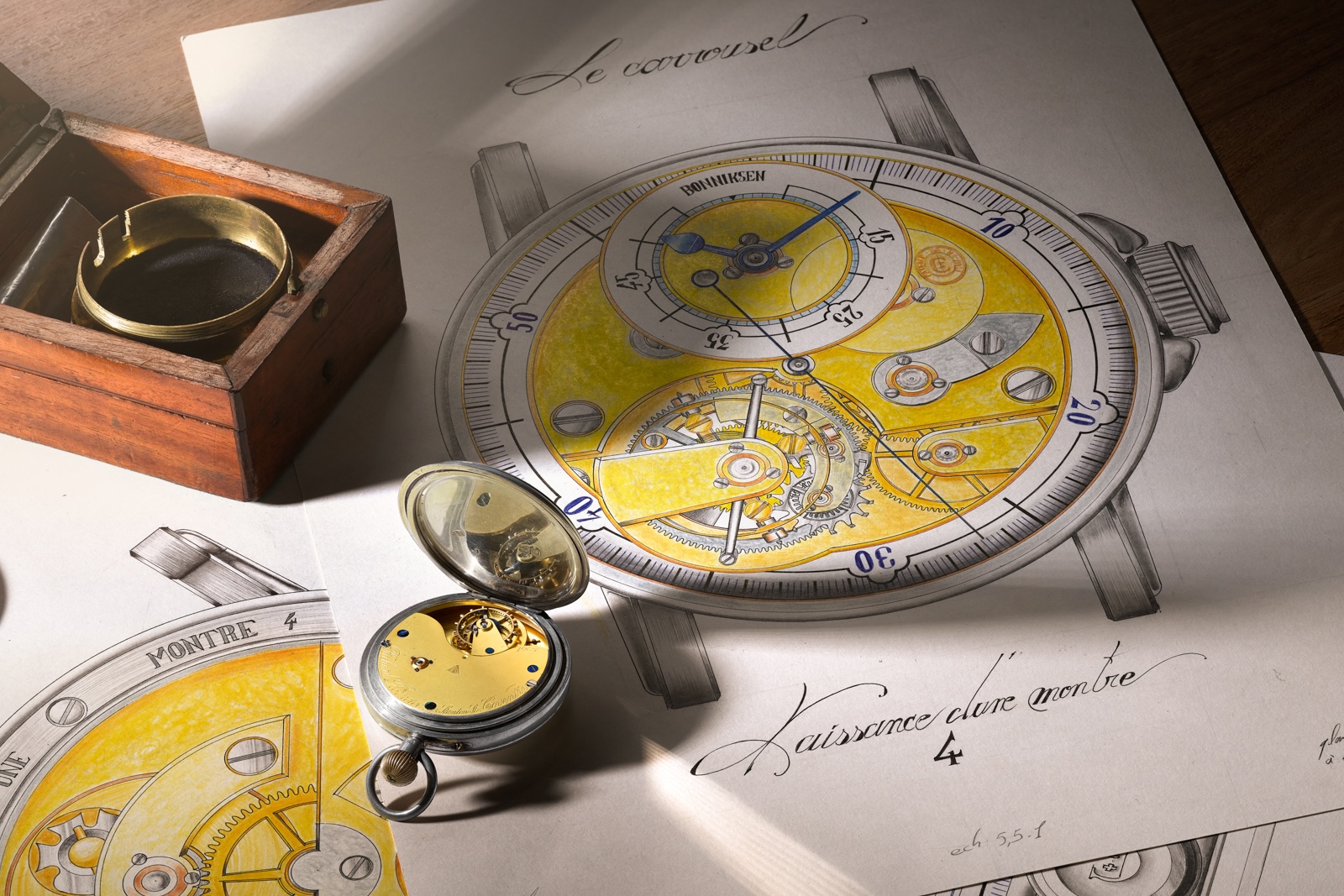
Bonniksen makes its debut with the aptly named Le Carrousel, a 30-second carrousel wristwatch that will launch under the secondary banner of Naissance d’une Montre 4, which means it will be fully handmade. Le Carrousel’s completion date has not been announced, but good things take time, especially when made without the assistance of automated machinery.
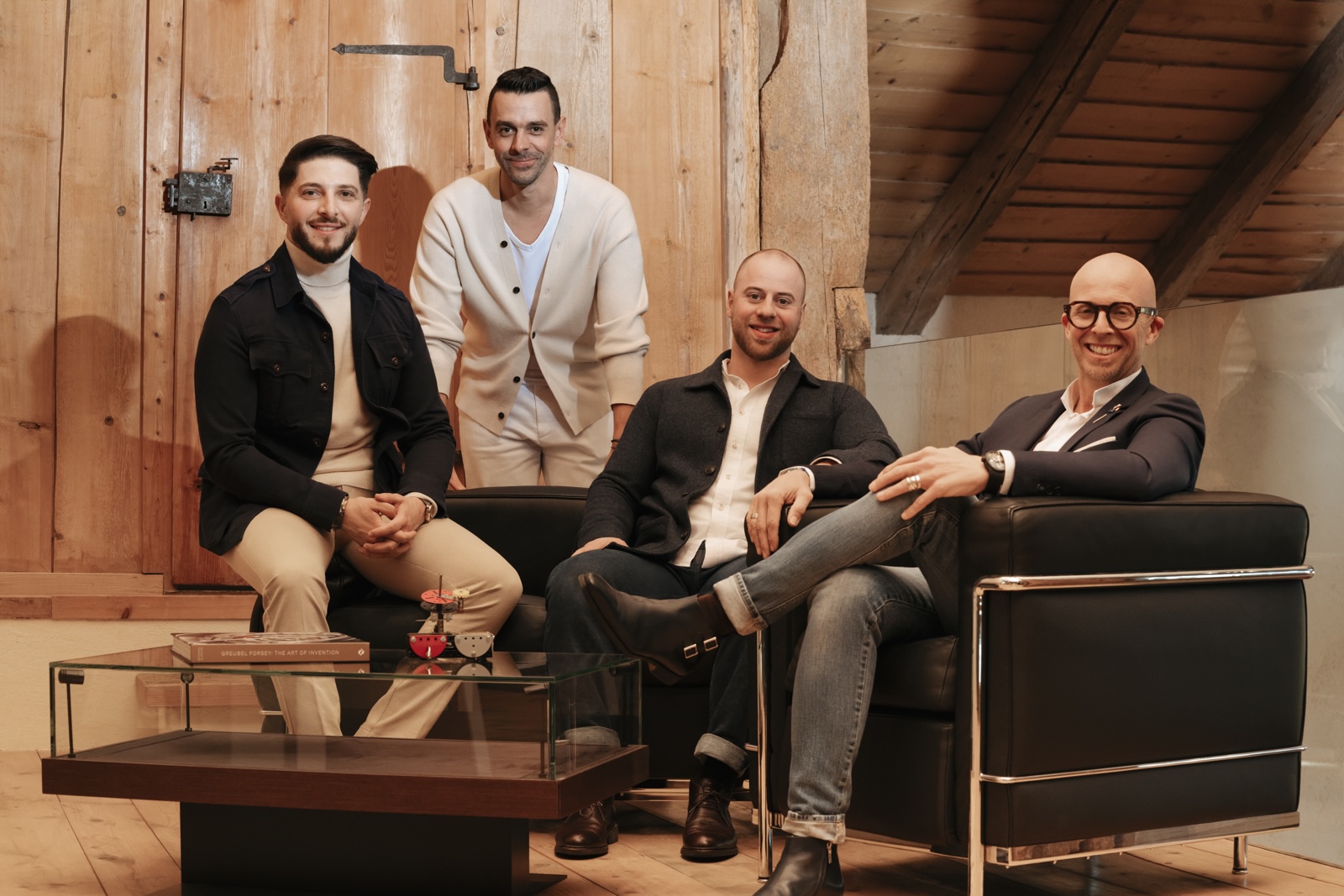
Left to right: Bonniksen co-founder and CEO Jason Chevrolat, Greubel Forsey CEO Michel Nydeggar, Bonniksen co-founder Maximin Chapuis, and David Bernard from the Time Æon Foundation.
Initial thoughts
It’s shaping up to be a big year for independent watchmaking, with a number of new and old names making their debuts. Bonniksen is among the latter, and looks to be a good-faith effort to do justice to the legacy of the inventor of the carrousel.
While the rebirth of an old name is a familiar (if not tiresome) formula, one can’t help but appreciate the care with which the name of Bonniken makes its return. For one thing, the movement, which still exists only in sketches and models, is a true carrousel, built to co-founder Maximin Chapuis’ design after 5,500 hours of technical research. In other words, it’s not just an old name attached to an off-the-shelf calibre.
The fact that it will debut as a Montre 4 in the Naissance d’une Montre project is another reason to take the effort seriously. If that weren’t enough, the brand has apparently been given the blessing of Bonniksen’s living descendants, which helps too.
Though it lacks the backing of a major brand like Chopard, the thoughtful rebirth of Bonniksen has echoes of the debut of Ferdinand Berthoud, which was re-established in Berthoud’s native Val-de-Travers in 2015. In contrast, Bonniksen is an independent brand, but will receive guidance and advice from Greubel Forsey throughout the production of Montre 4.
Bonniksen is dead — long live Bonniksen
The debut of Le Carrousel marks the rebirth of the Bonniksen brand, which has been dormant since its founder’s death in 1935. Bahne Bonniksen was a Danish watchmaker who moved to England in 1882, when he was 23 years old. After first settling in London, Bonniksen moved to Coventry where he would leave a lasting legacy.
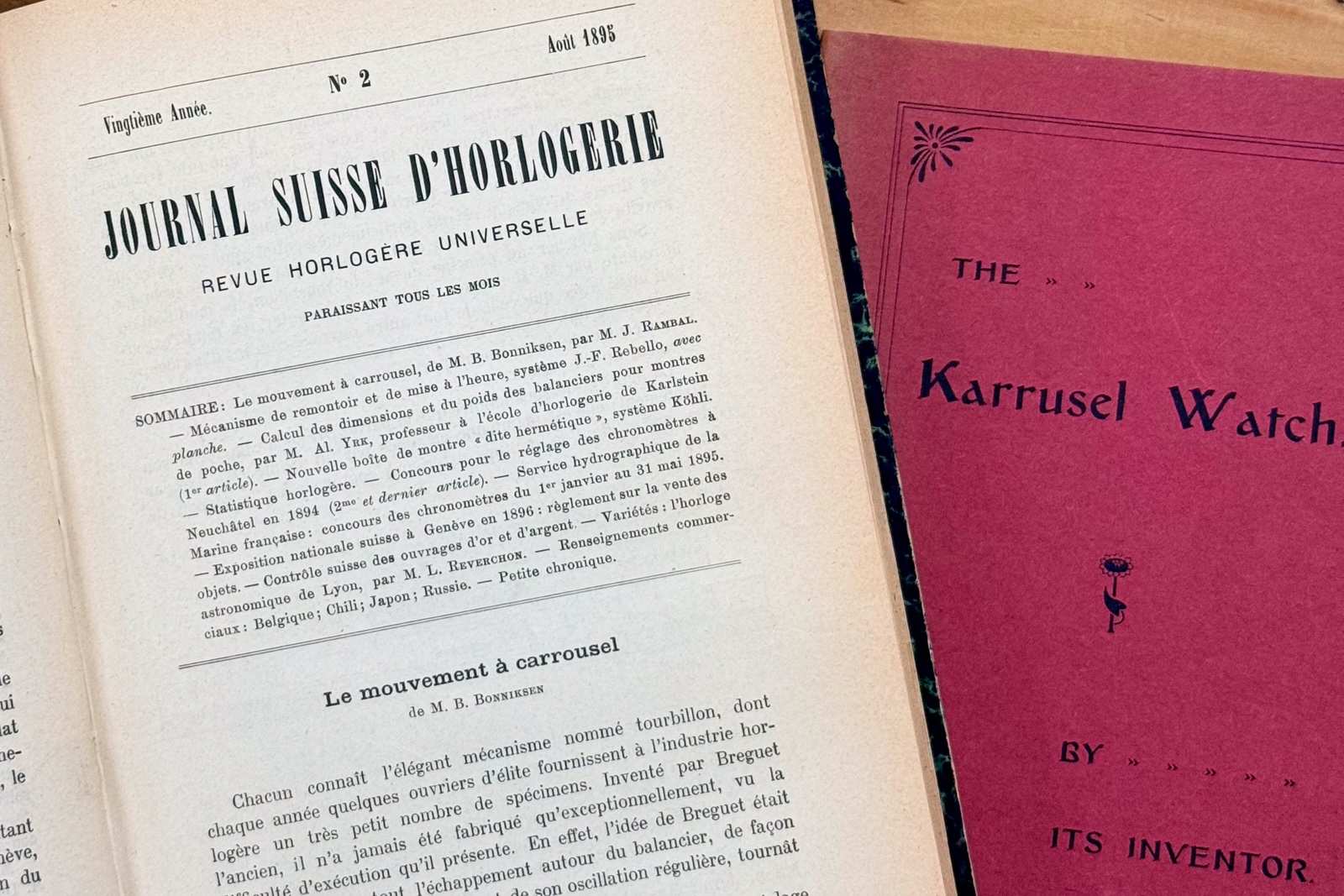
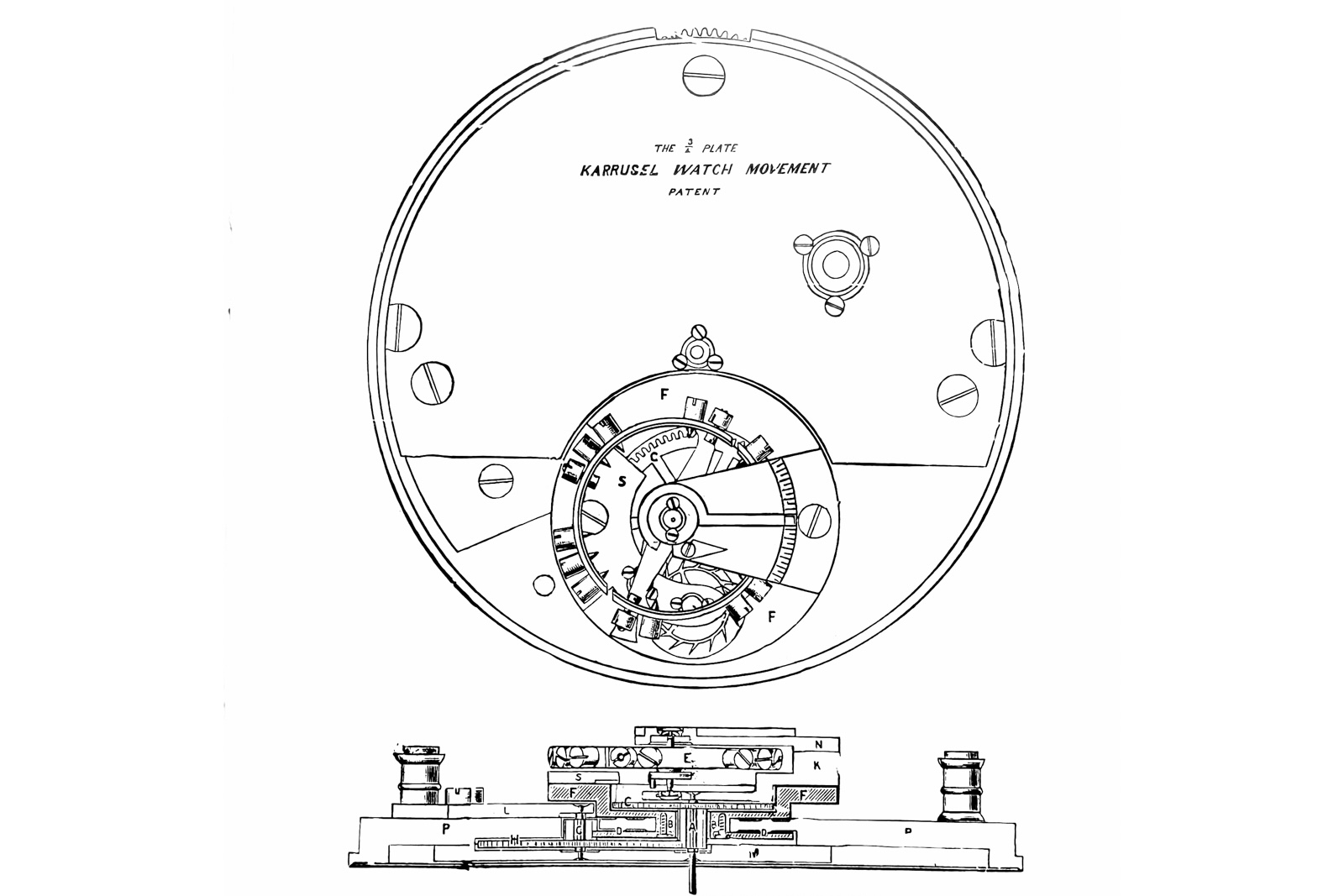
Around 1892 he invented the Karrusel — more commonly known by its continental spelling, carrousel — a movement with a rotating escapement intended to produce the same benefits as those of a tourbillon.
Like the tourbillon, the escapement was mounted within a rotating platform. Unlike the tourbillon, which is defined as a platform that rotates within a fixed gear, the carrousel features no fixed gears, and in its historical layout was powered independently by the third wheel pinion.
The escape wheel, which is fixed to the cage, rotates at a slower rate than the fourth wheel — this relative speed difference powers the escapement. This aspect of the operation is what inspired the “+/-” design of the Bonniksen logo.
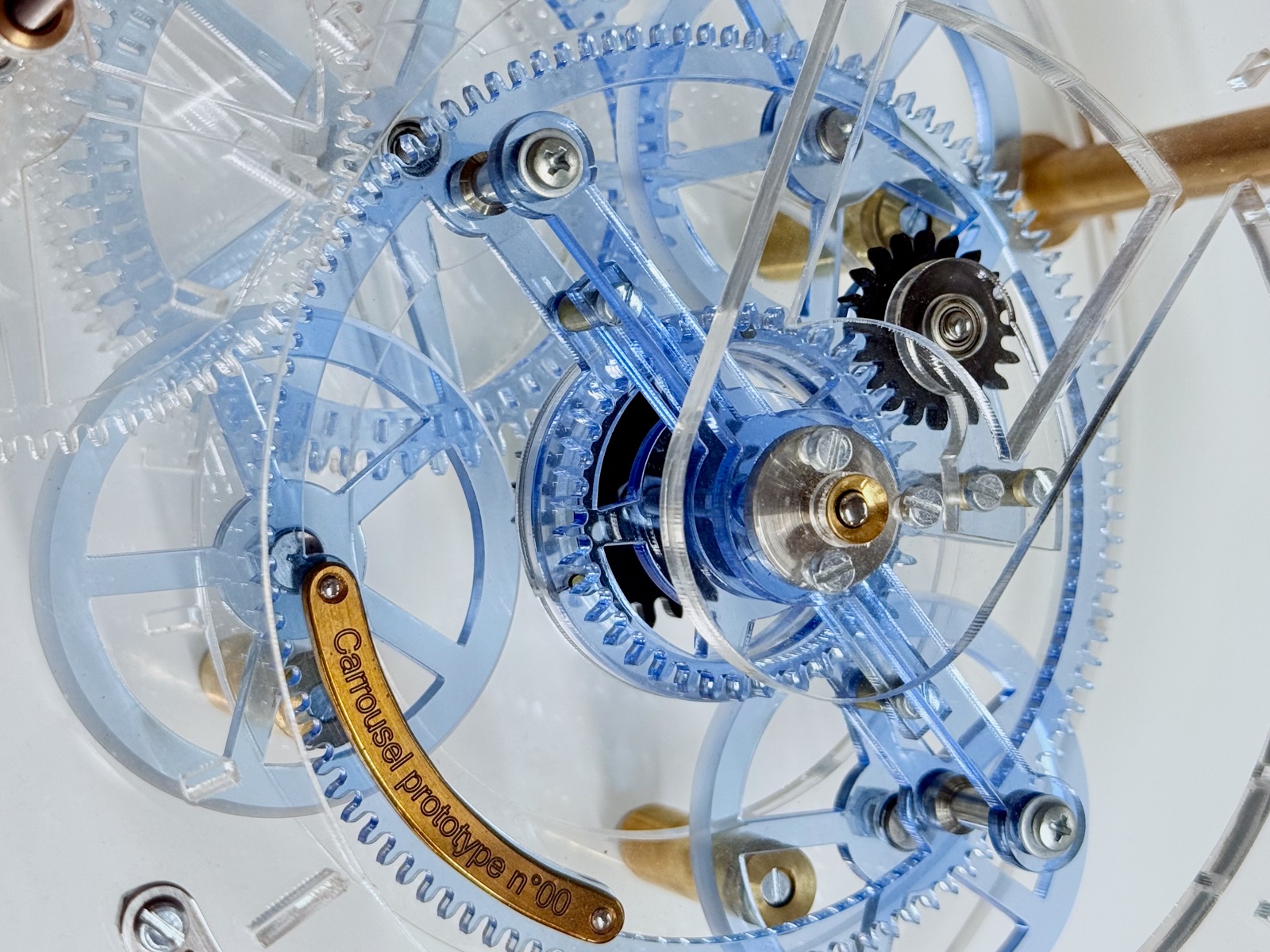
These differences resulted in a design that was more robust and easier to produce than a tourbillon. Though the carrousel was capable of excellent performance, and nearly 400 were tested at the Kew Observatory, the typical 52.5-minute rotation required careful adjustment to run slightly below 2.5 Hz to display correct civil time.
Bonniksen and his staff, which peaked around 25 watchmakers, produced several hundred carrousel movements, mainly for client brands.
The carrousel fell out of favour after Bonniksen’s death, which happened to coincide with the transition to wristwatches and the decline of the British watchmaking industry. In 2010, Blancpain was the first brand to miniaturise the carrousel to wristwatch scale, and in the process accelerated the rotational speed to the normal one-minute pace.
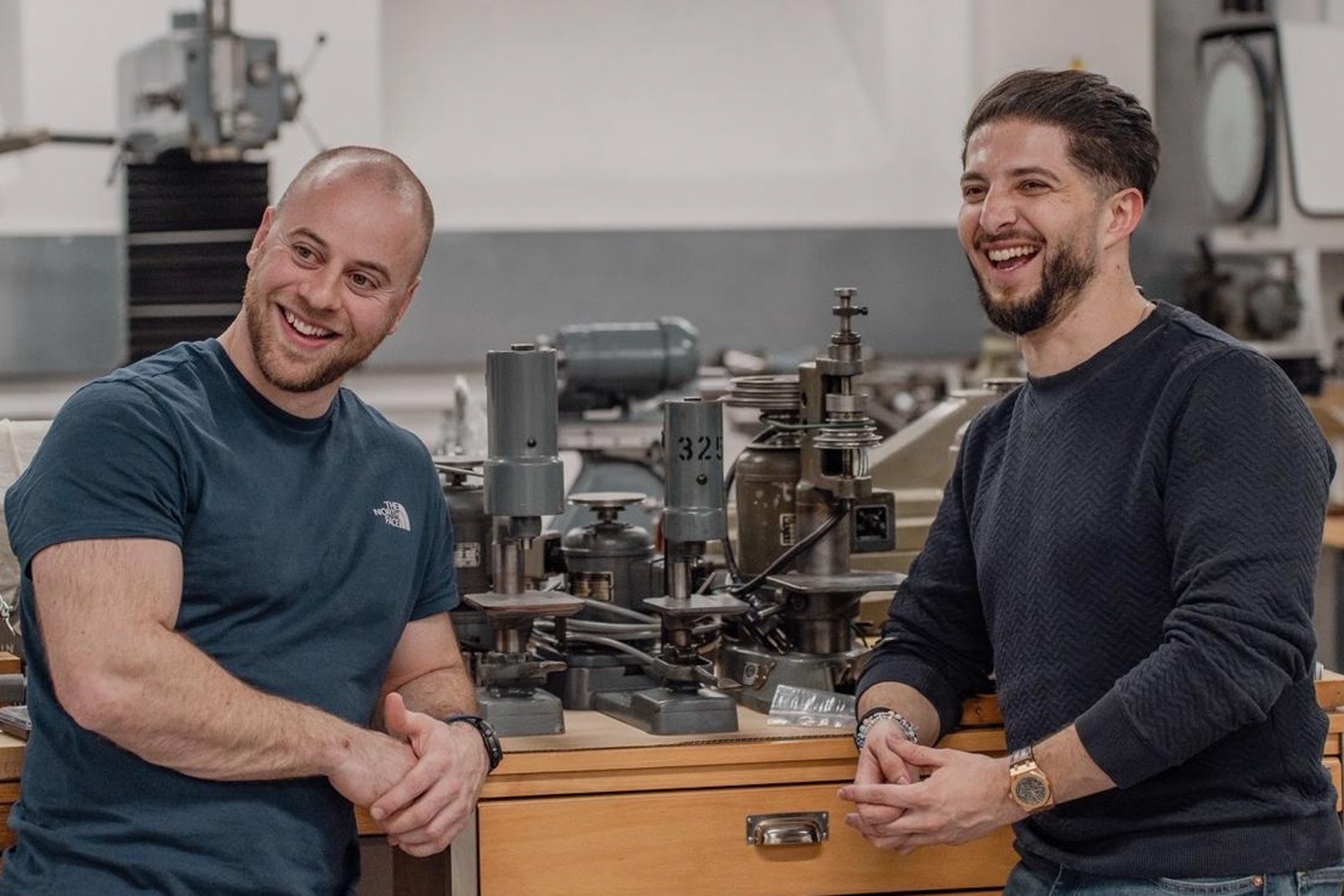
Bonniksen co-founders Maximin Chapuis (left) and Jason Chevrolat.
The new Bonniksen brand has been established in La Chaux-de-Fonds by co-founders Maximin Chapuis and Jason Chevrolat. Mr Chapuis is the technical mind behind the venture, a Freeman of The Worshipful Company of Clockmakers who trained under Michel Boulanger in Paris and has taught courses in several watchmaking fields at WOSTEP. Mr Chevrolat serves as CEO, having spent time in management functions at both Christophe Claret and Bovet.
Third-wave handcraft
There’s never been a better time for handmade watchmaking. Though truly handmade wristwatches remain vanishingly rare, more hands than ever are undertaking the seemingly Quixotic task of making every part of a watch without the aid of modern automated tools.
While a portion of credit goes to George Daniels for showing the way, what we might call third-wave hand craftsmanship traces its roots to the creation of the Time Æon Foundation in 2006.
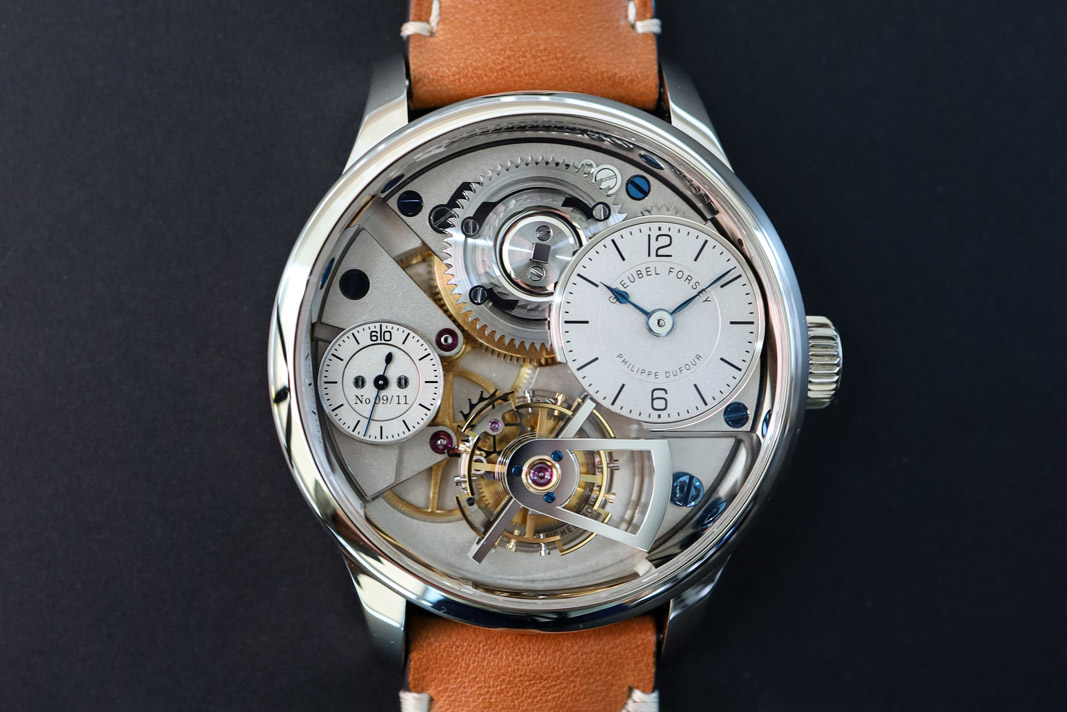
Naissance d’une Montre 1 by Michel Boulanger.
This organisation was created to safeguard and transmit fundamental handcraft techniques, a mission that resulted in the Naissance d’une Montre project. Translating as ‘birth of a watch’, each project seeks a new challenge, in order to broaden the skillset that is documented and preserved.
The first Naissance d’une Montre watch, Montre 1, was a fully handmade tourbillon wristwatch built by Michel Boulanger in 2012, with guidance from Philippe Dufour, Robert Greubel, and Stephen Forsey.
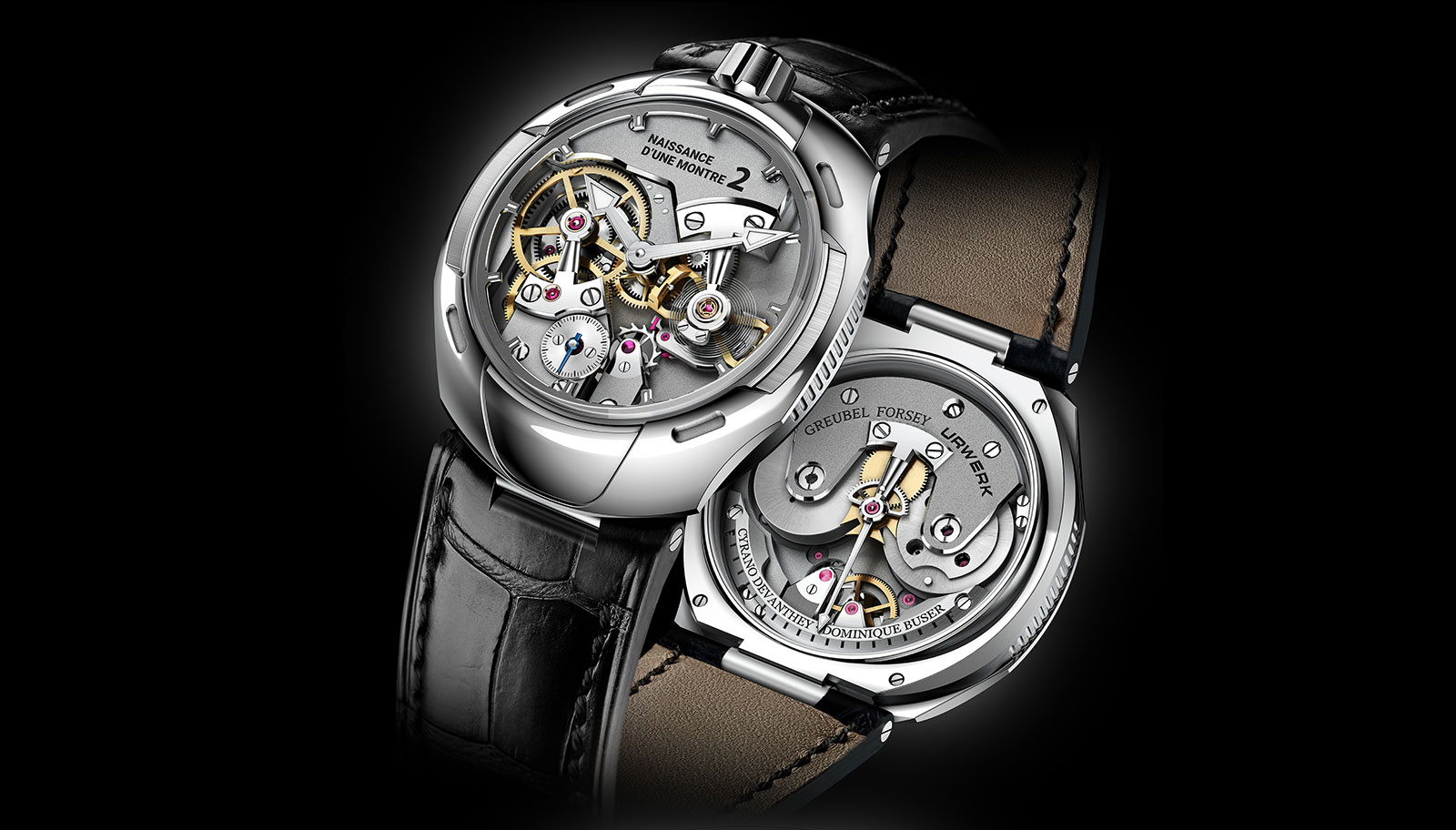
Naissance d’une Montre 2 by Dominique Buser and Cyrano Devanthey.
The second project, Montre 2, commenced in 2015. These watches were made by Dominique Buser and Cyrano Devanthey, who would later found Oscillon. Montre 2 featured a tensator spring designed to supply constant force to the escapement.
Most recently, Ferdinand Berthoud debuted the Montre 3, which was the first handmade wristwatch with a chain and fusee mechanism.
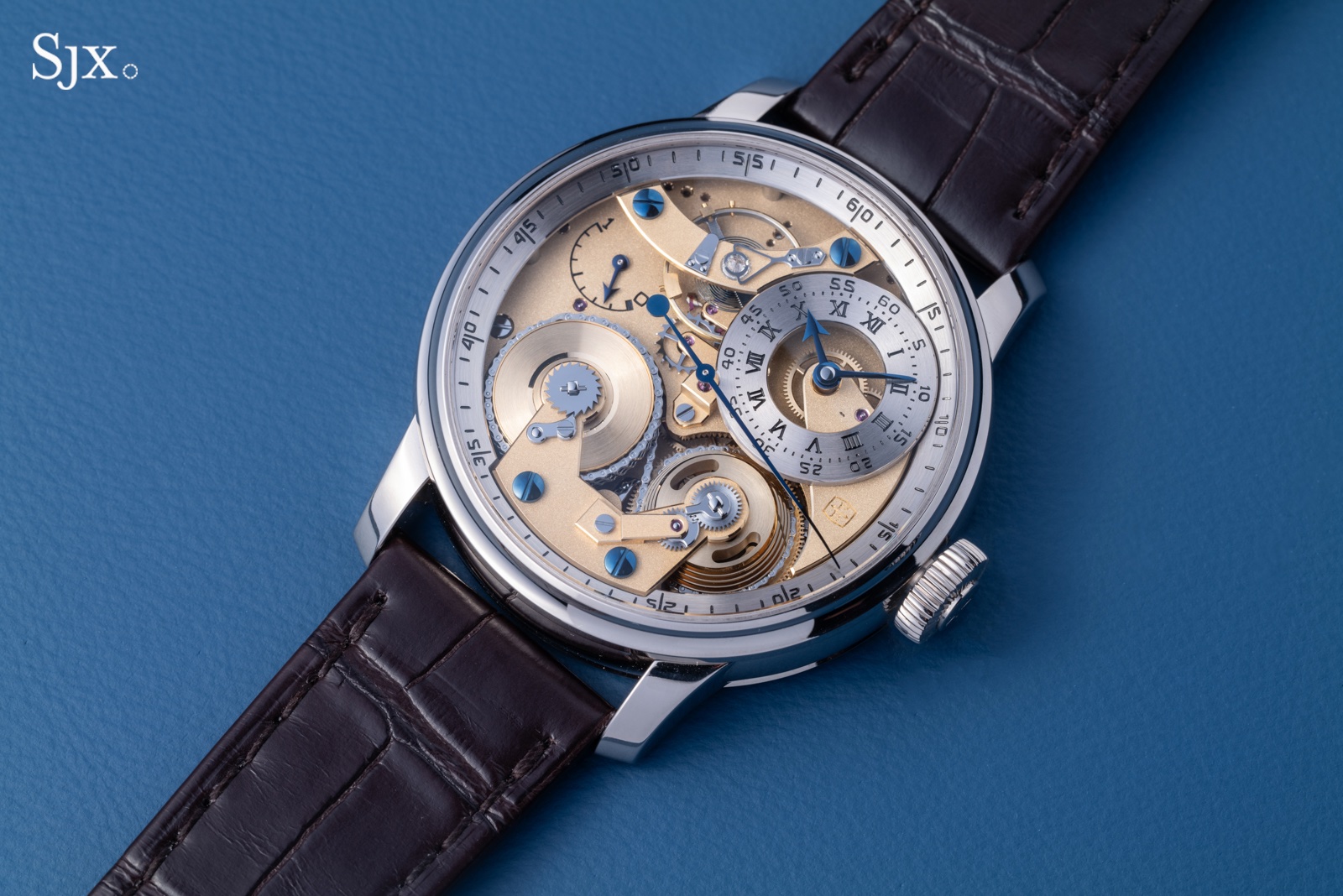
Naissance d’une Montre 3 by Ferdinand Berthoud.
In the meantime, Greubel Forsey, a brand that’s been closely involved with the Time Æon Foundation since its inception, has introduced two handmade watches of its own — the Hand Made 1 tourbillon, and the simpler Hand Made 2.
Montre 4
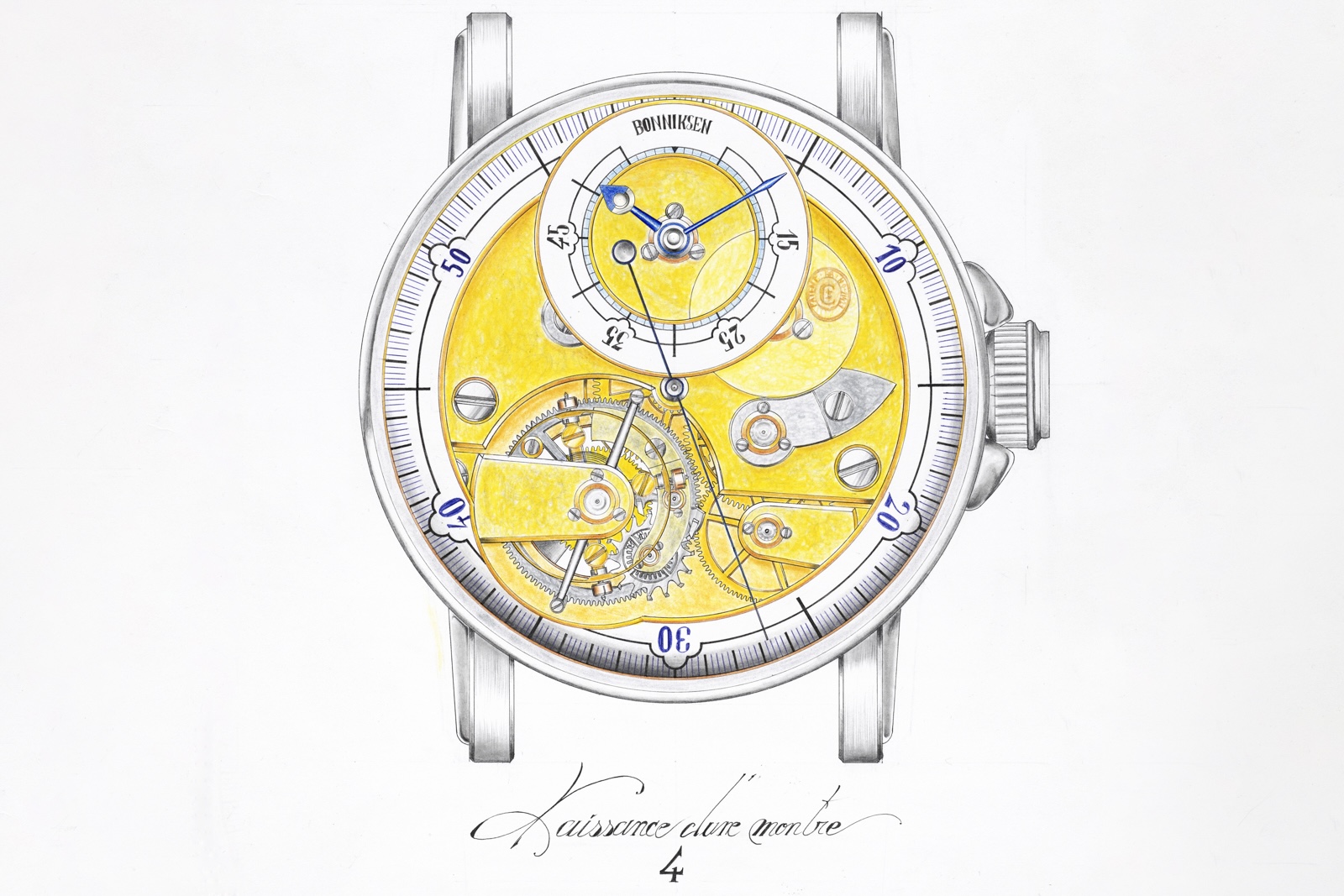
Montre 4 comes by way of a reborn Bonniken, and should prove to be a worthy challenge for the founding duo, but especially Mr Chapuis. Montre 4 currently exists only as a sketch, but several details are worth examining.
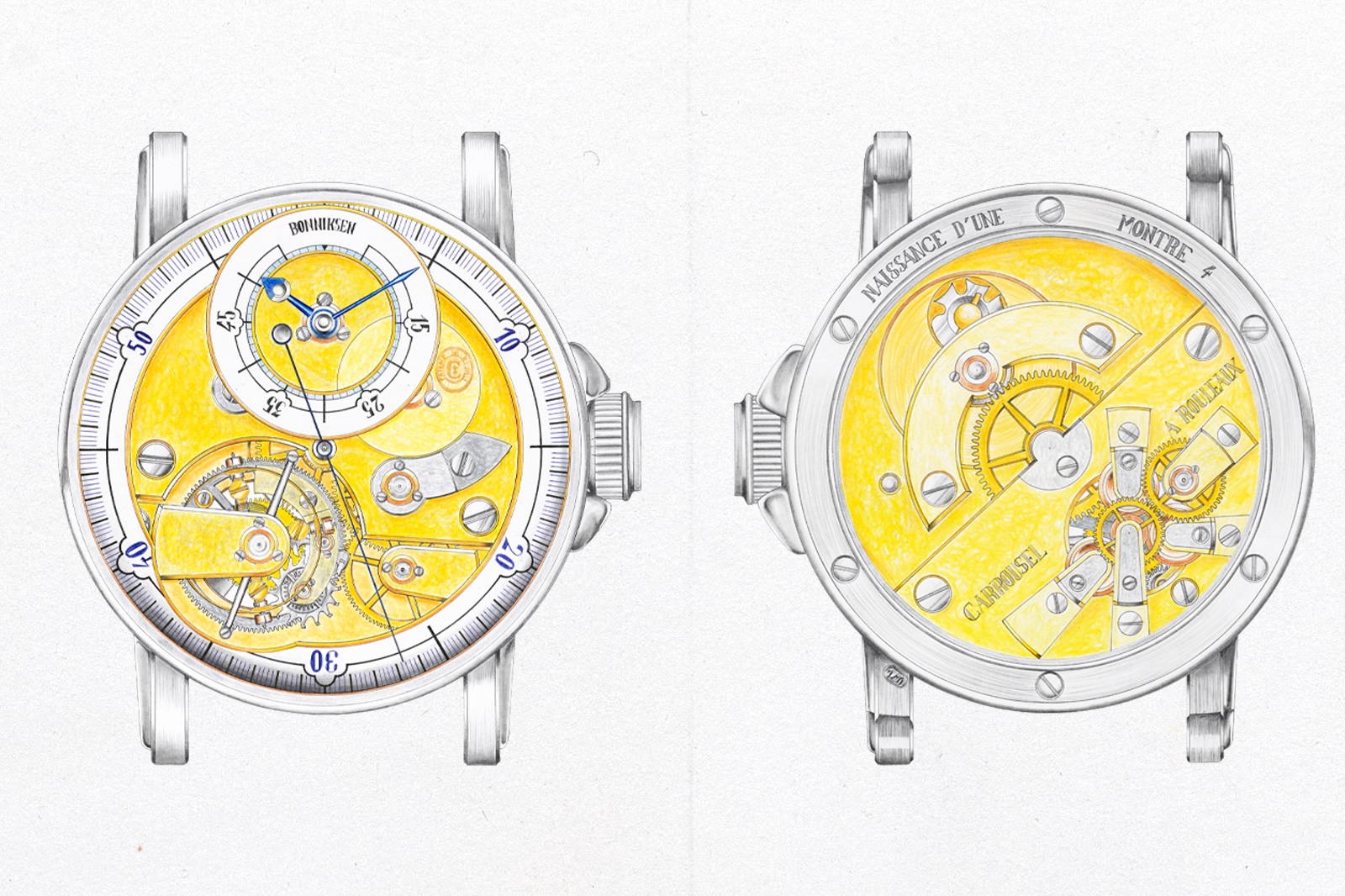
A sketch of Naissance d’une Montre 4 (Le Carrousel) by Bonniksen.
The first is the case, which is promised to be under 40 mm, and appears unusually elegant for a handmade product, which tend toward simple, blocky forms due to the limitations of manual tools. In this context, the case profile is quite slim and the lugs and crown guards are surprisingly nuanced.
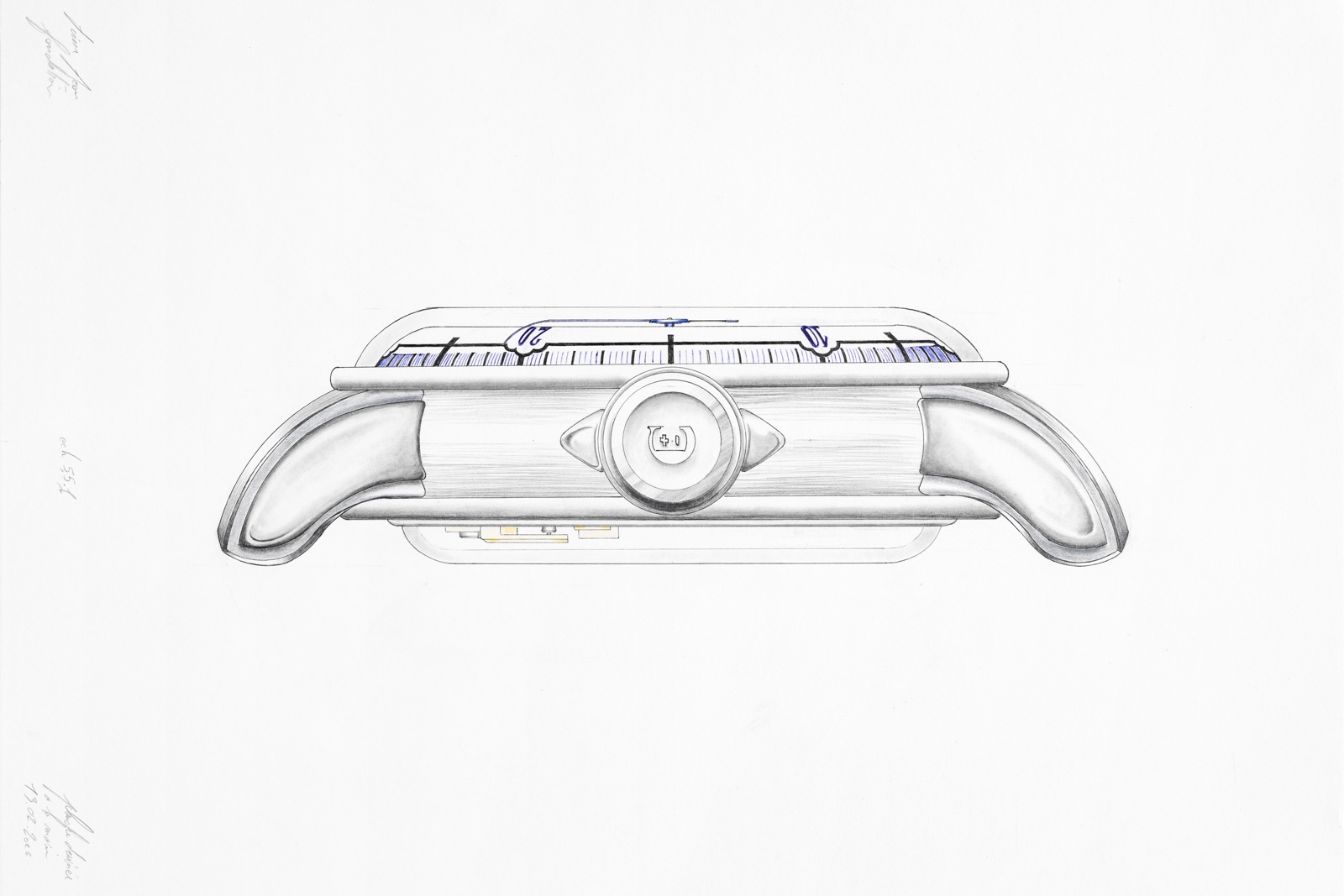
The details are traditional, but the design is contemporary. Instead of Bonniksen’s original three-quarter plate design with the carrousel on the back, Montre 4 is made in the style of today, with an exposed movement featuring the carrousel on the front of the watch, underneath an offset time display.
Inside, the movement looks to make prodigious use of black-polished steel, which should gleam against the gilded plates and bridges.
For more, visit timeaeon.org.
Back to top.