
Hands On: Nouvelle Chronometrie Montre Ordinaire
Certainly extra-ordinaire.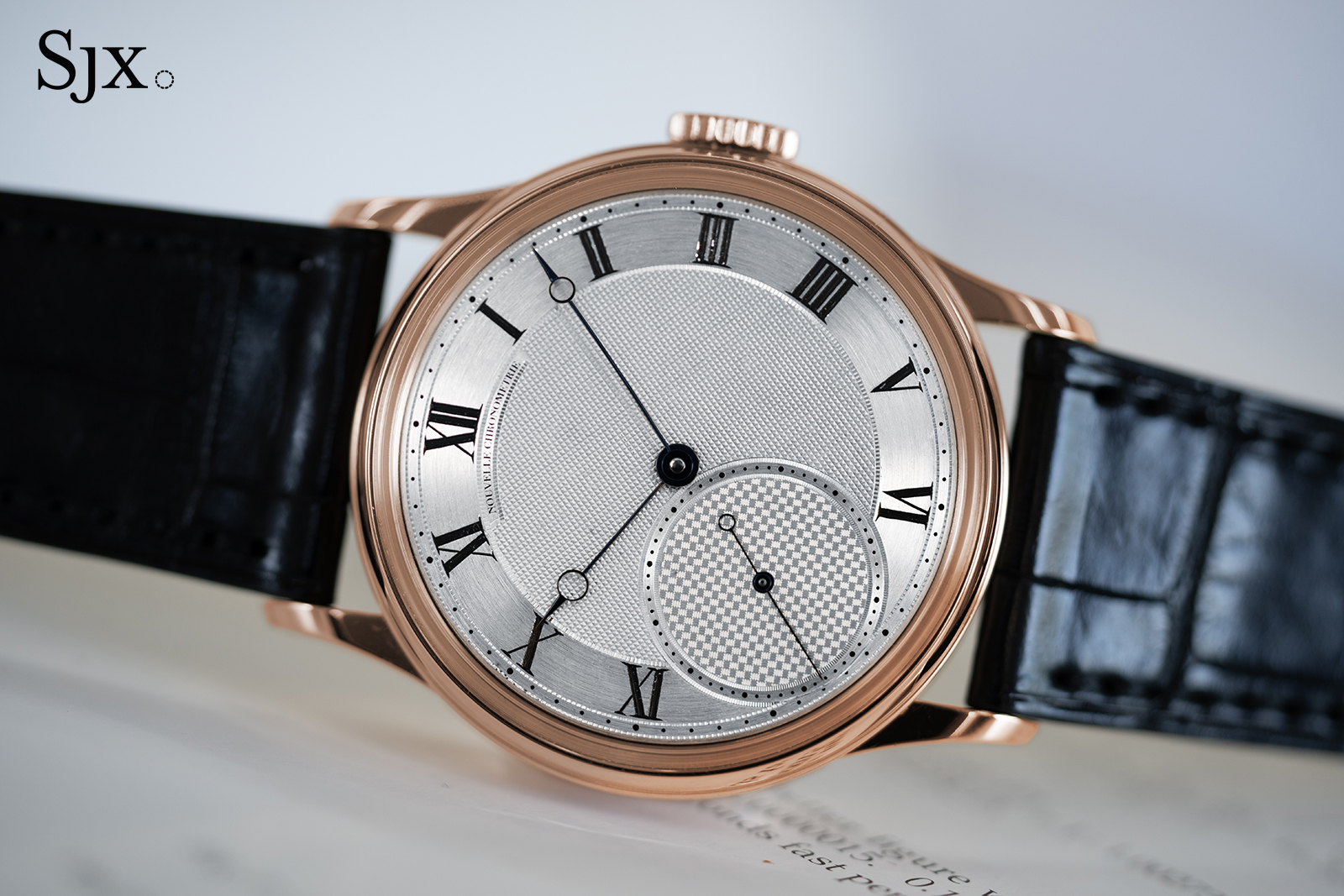
One of the most intriguing debuts in independent watchmaking this year is Nouvelle Chronometrie with its Montre Ordinaire. Despite the name, Nouvelle Chronometrie is actually Japanese, and the “ordinary” watch is a tourbillon chronometer inspired by 20th century observatory chronometer watches and dressed in formal Breguet attire.
With its rigorously classical design, evident on both the front and back, the Nouvelle Chronometrie is distinctly Japanese at heart in how it careful reproduces and enhances traditional watchmaking – executed with a great deal of attention to detail. Moreover, the manufacturing of the watch is a combination of both old school manual methods and modern technology, reflecting a typically Japanese embrace of technology, not for cost efficiency, but for the sake of quality.
Initial thoughts
I first came across Nouvelle Chronometrie on Instagram. It was just images of the watch, with no information on the brand’s origins. Then I learnt Nouvelle Chronometrie was founded and led by Noritaka Sakurai, a longtime collector who pivoted to join the industry – which ironically left me a little sceptical.
Though I have known Mr Sakurai for a long time and regard him highly as a collector, he was chief executive at Hajime Asaoka’s watchmaking outfit until 2020 – that employer was a red flag for me. Fortunately, Mr Sakurai has left that behind, and has now gone all in with Nouvelle Chronometrie, a project that deserves recognition and praise.
According to Mr Sakurai, the goal of the Montre Ordinaire was to channel the spirit of mid-20th century Swiss watchmaking, adding to it a strong dose of Breguet aesthetics, to create a classical chronometer wristwatch. Goal achieved.
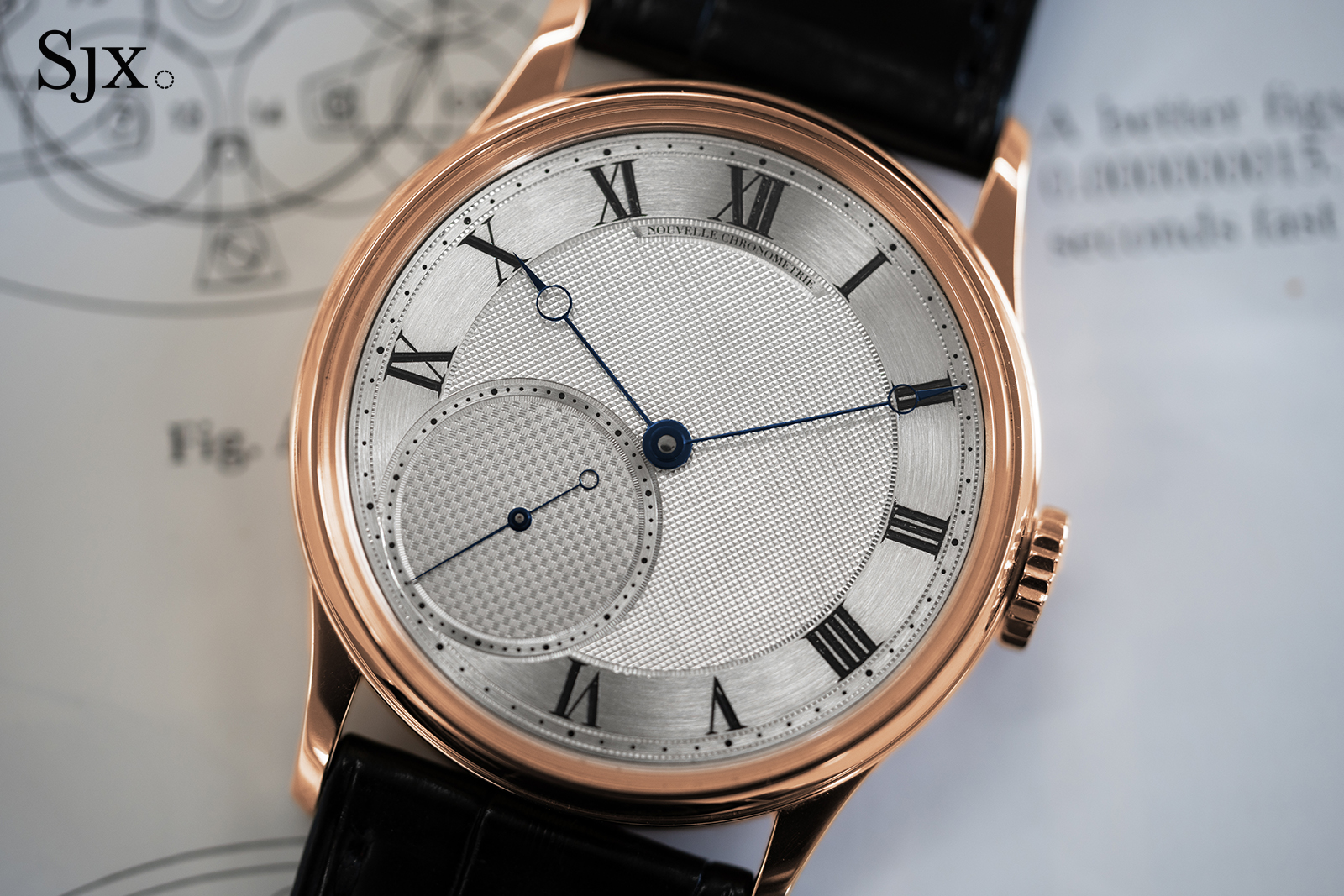
At a distance, the Montre Ordinaire might seem, well, a little ordinary. It’s a Breguet-esque watch with 1930s proportions, a well-worn concept found in watches expensive and cheap. But up close the watch instantly stands out for its quiet, high-quality details.
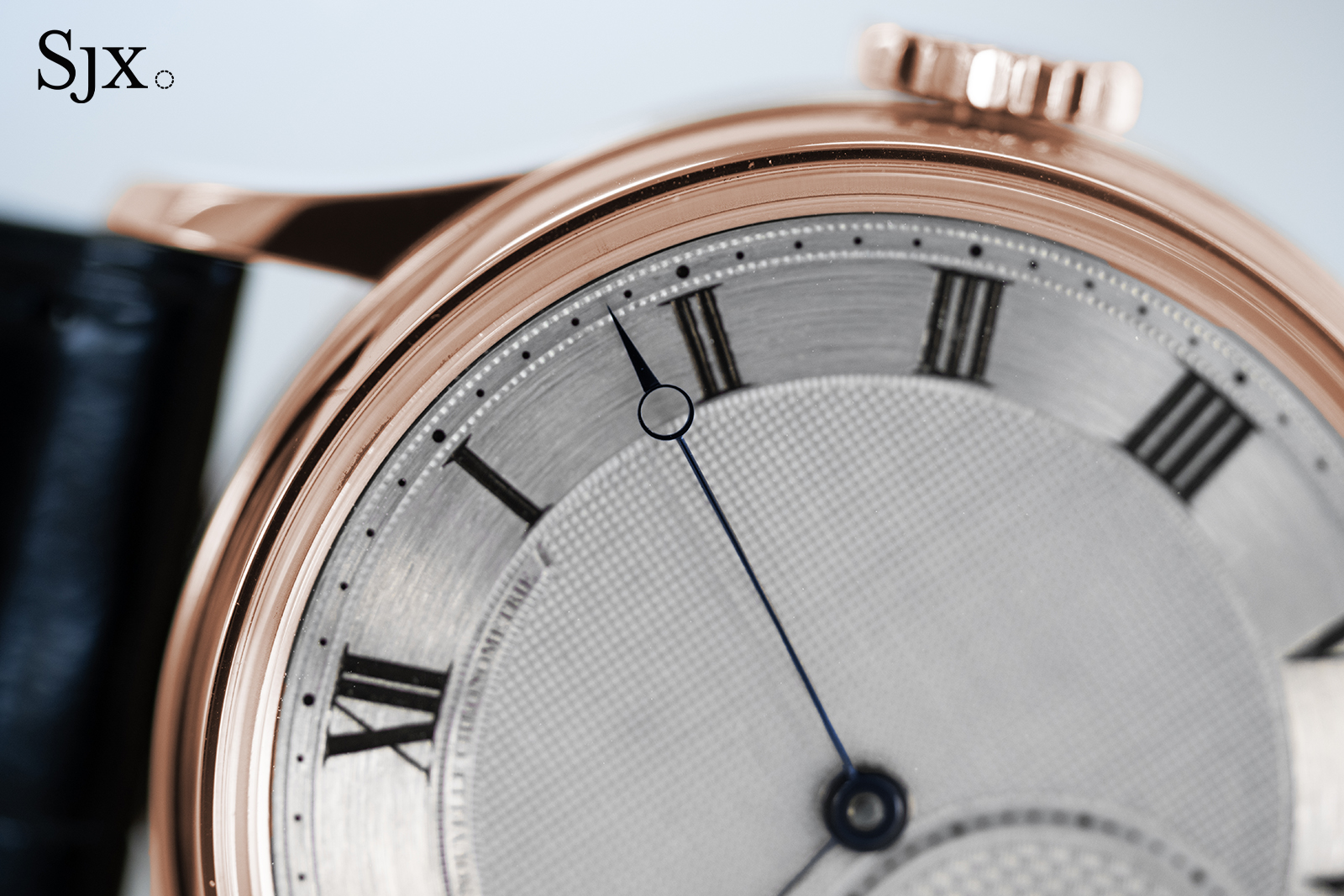
The hands are exceedingly fine, while the movement is an elegant tribute to 1930s observatory tourbillon movements. Every element of the watch is evidently high quality while also revealing a keen eye for detail, as it was conceived by a historically minded enthusiast (or perhaps a group of them).
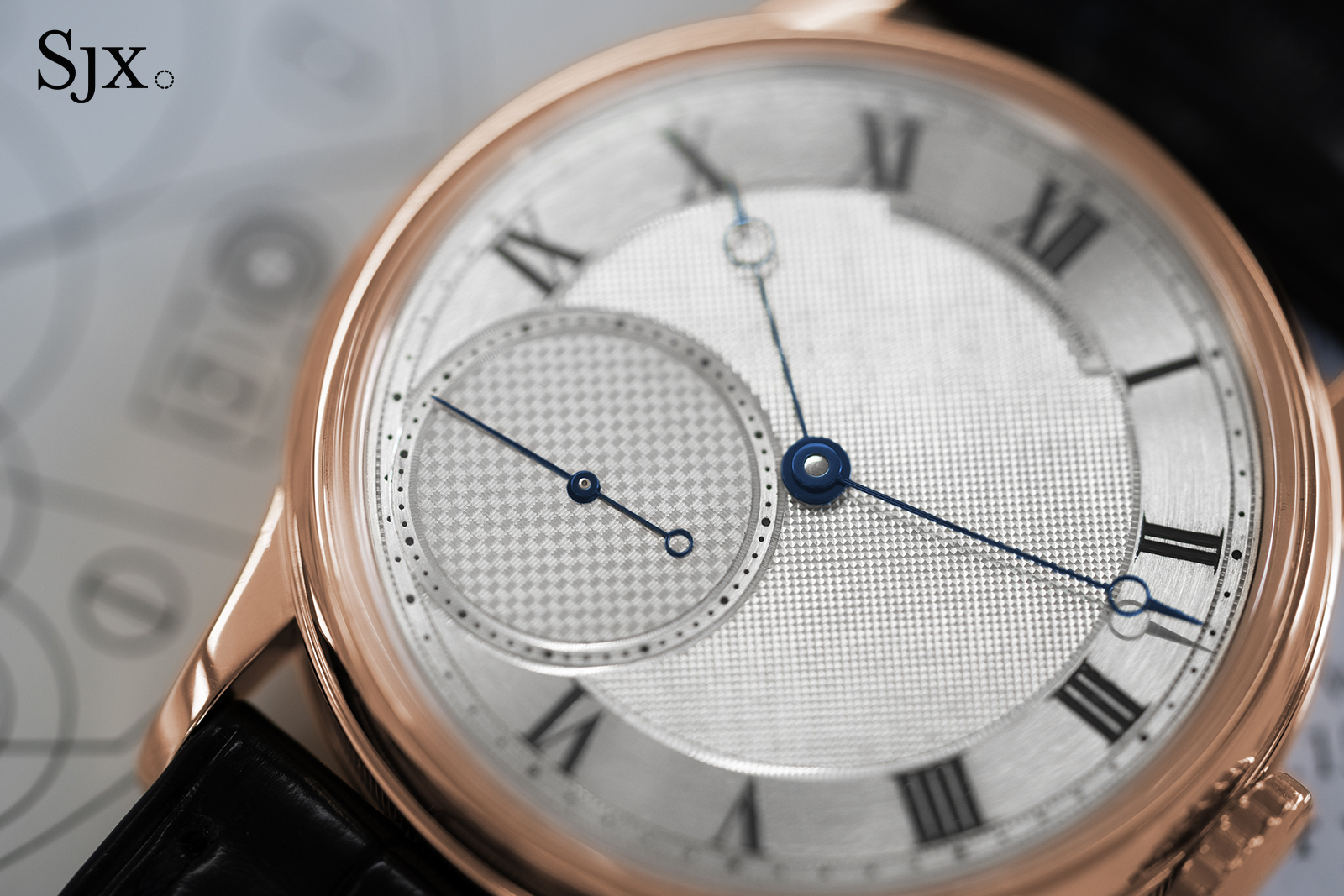
The dial, for example, brings to mind a Breguet pocket watch with its artfully off-centre seconds, while the hands manage to have the slender proportions that are rarely found on wristwatches. Other less obvious details like the wide, flat crown speak to the careful design.
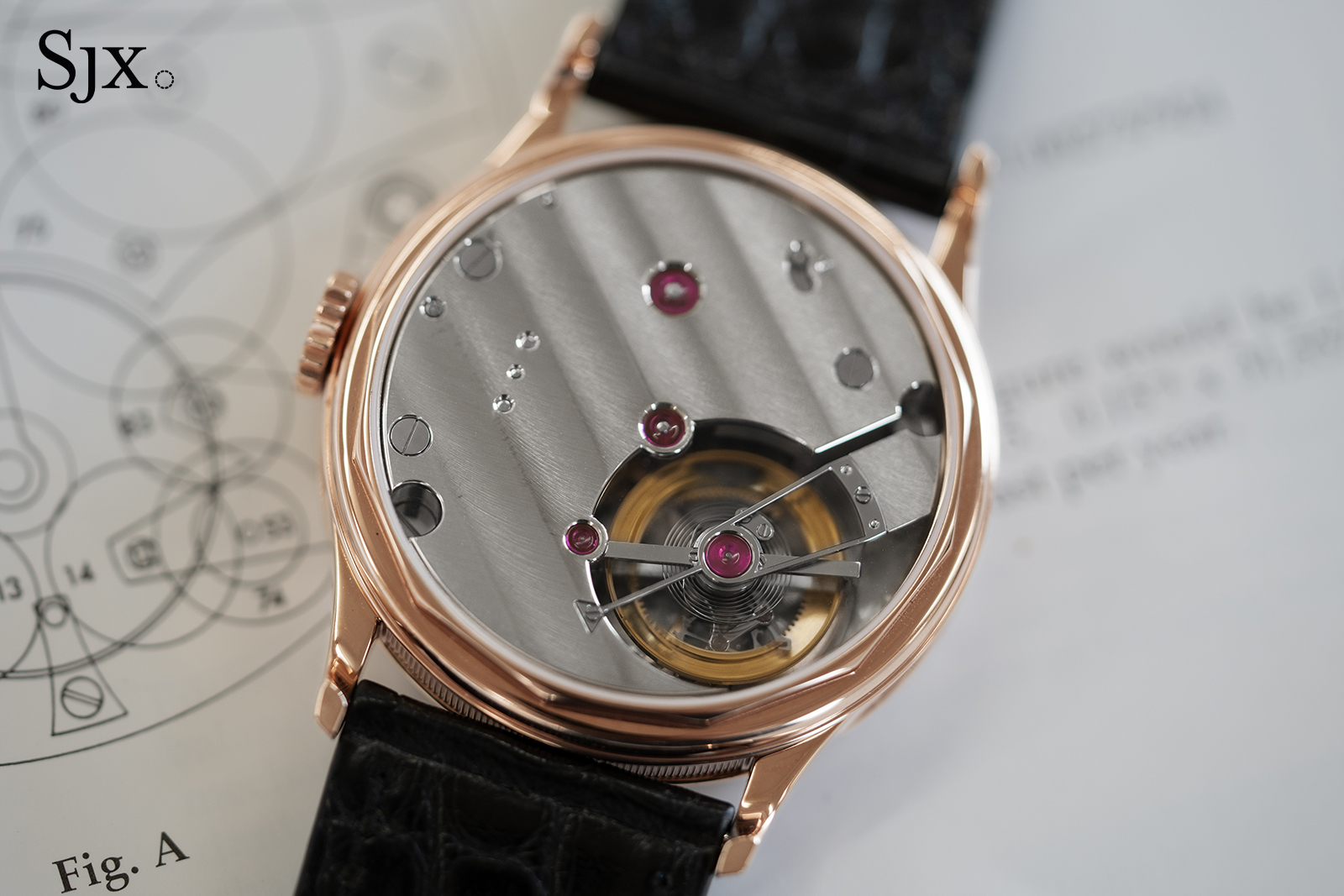
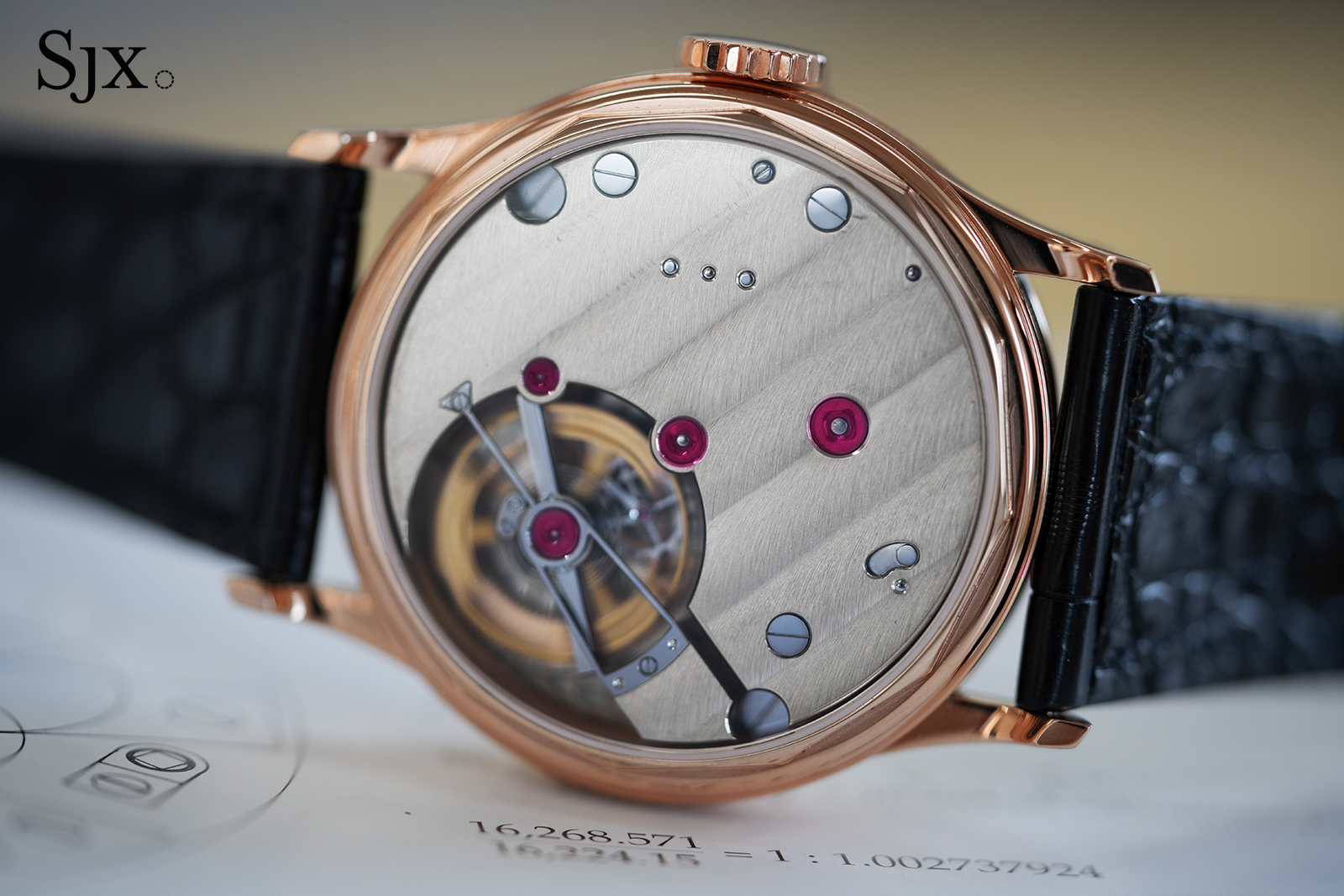
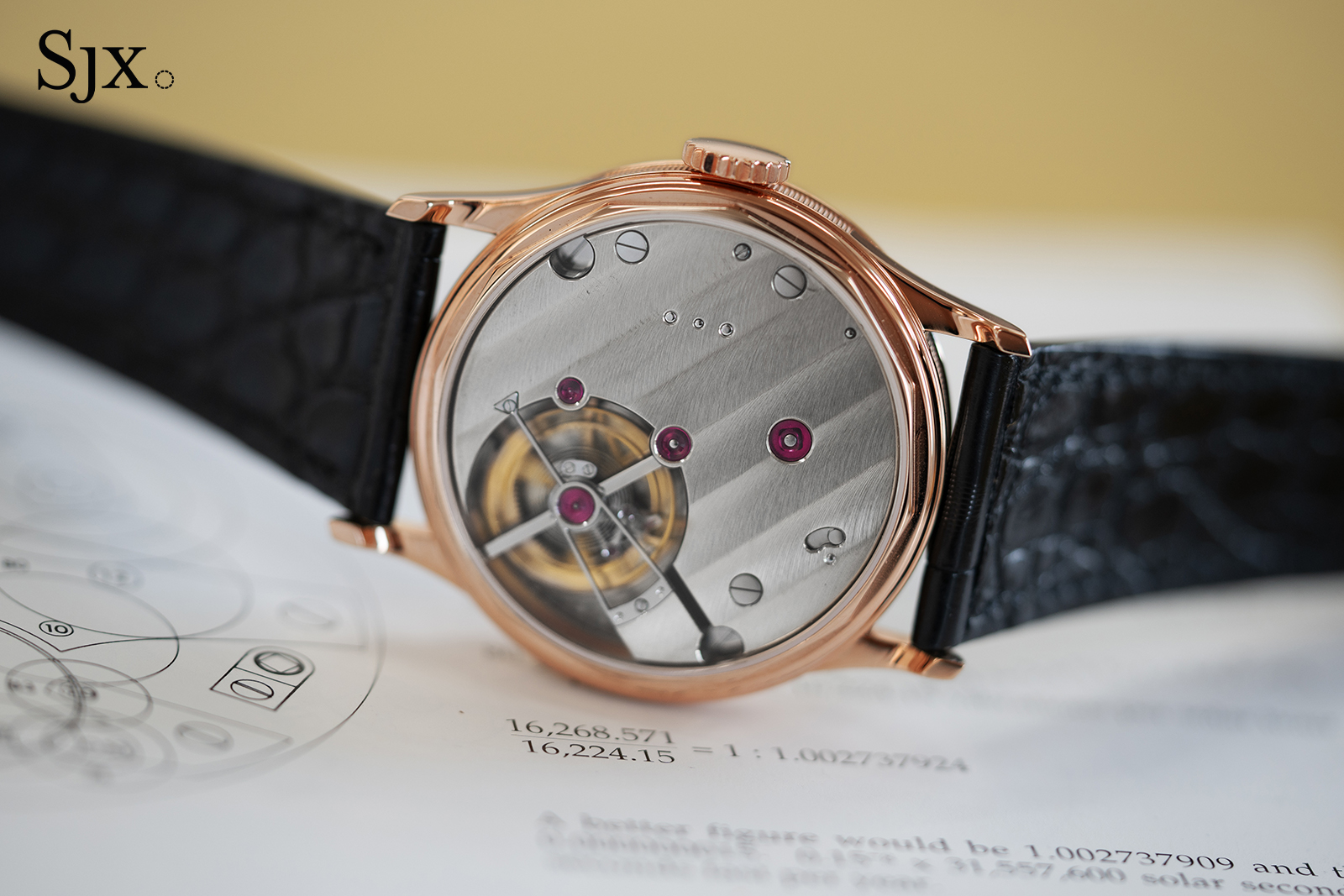
The movement surprisingly eye catching for its simplicity. Done intentionally to evoke experimental observatory chronometer movements, the calibre is essentially anonymous with no branding or markings. The plainness, however, belies a high level of decoration and construction.
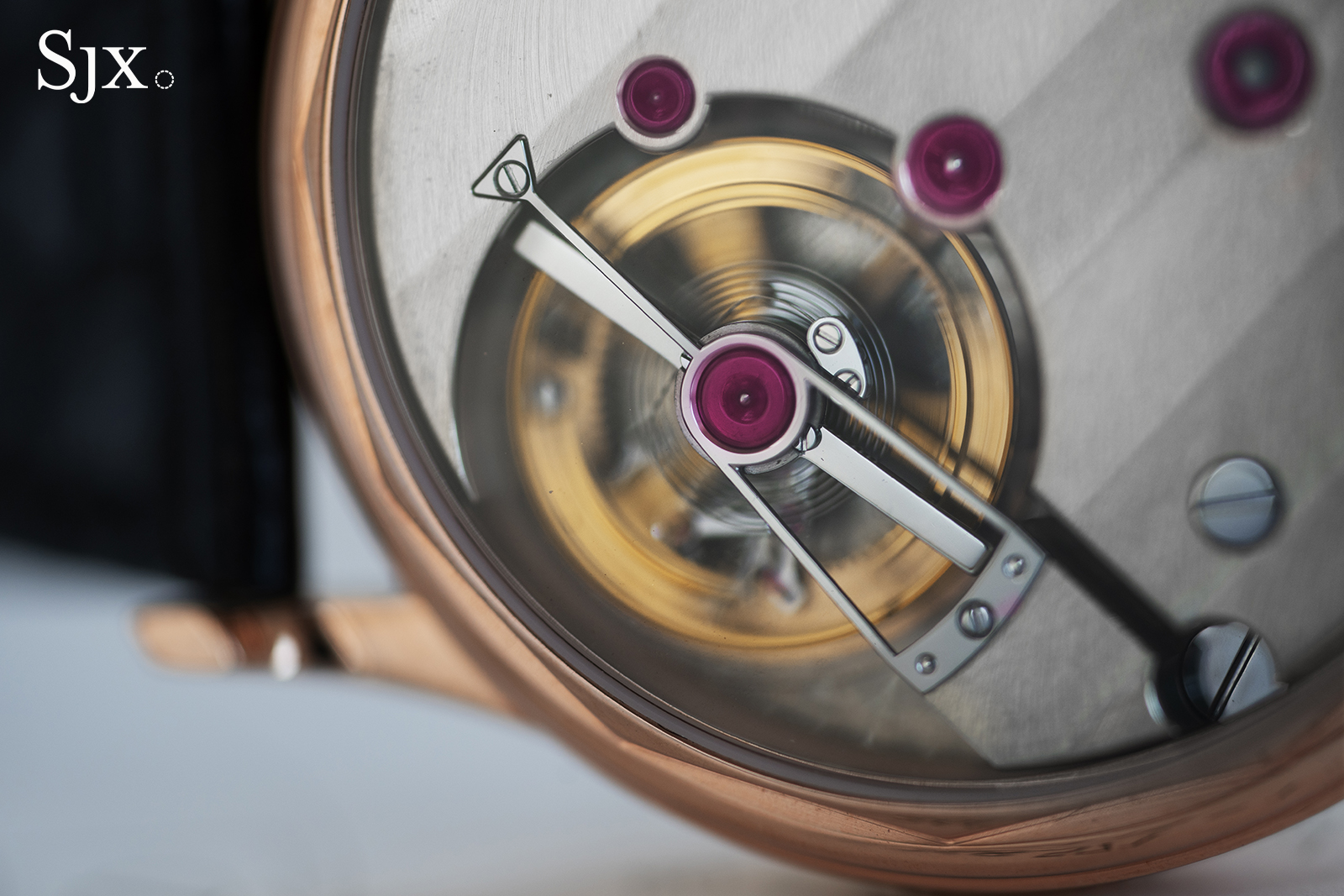
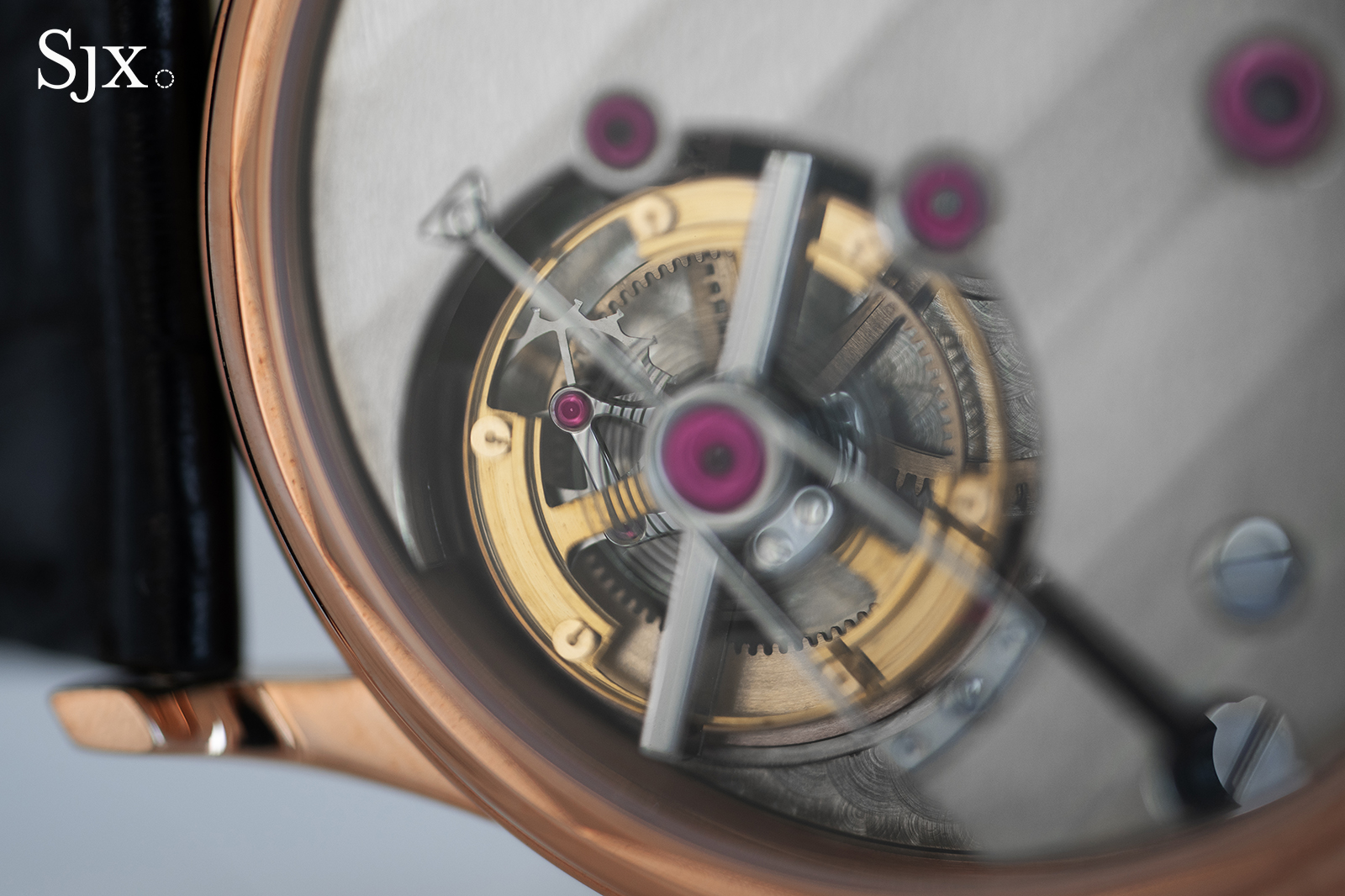
Small details like the linearly aligned pins underline the attention to detail. Likewise the rubies, which are intentionally extra large and extra red. And of course the finishing is artisanal and excellent. The polished steel elements are outstanding, especially the tourbillon bridge.
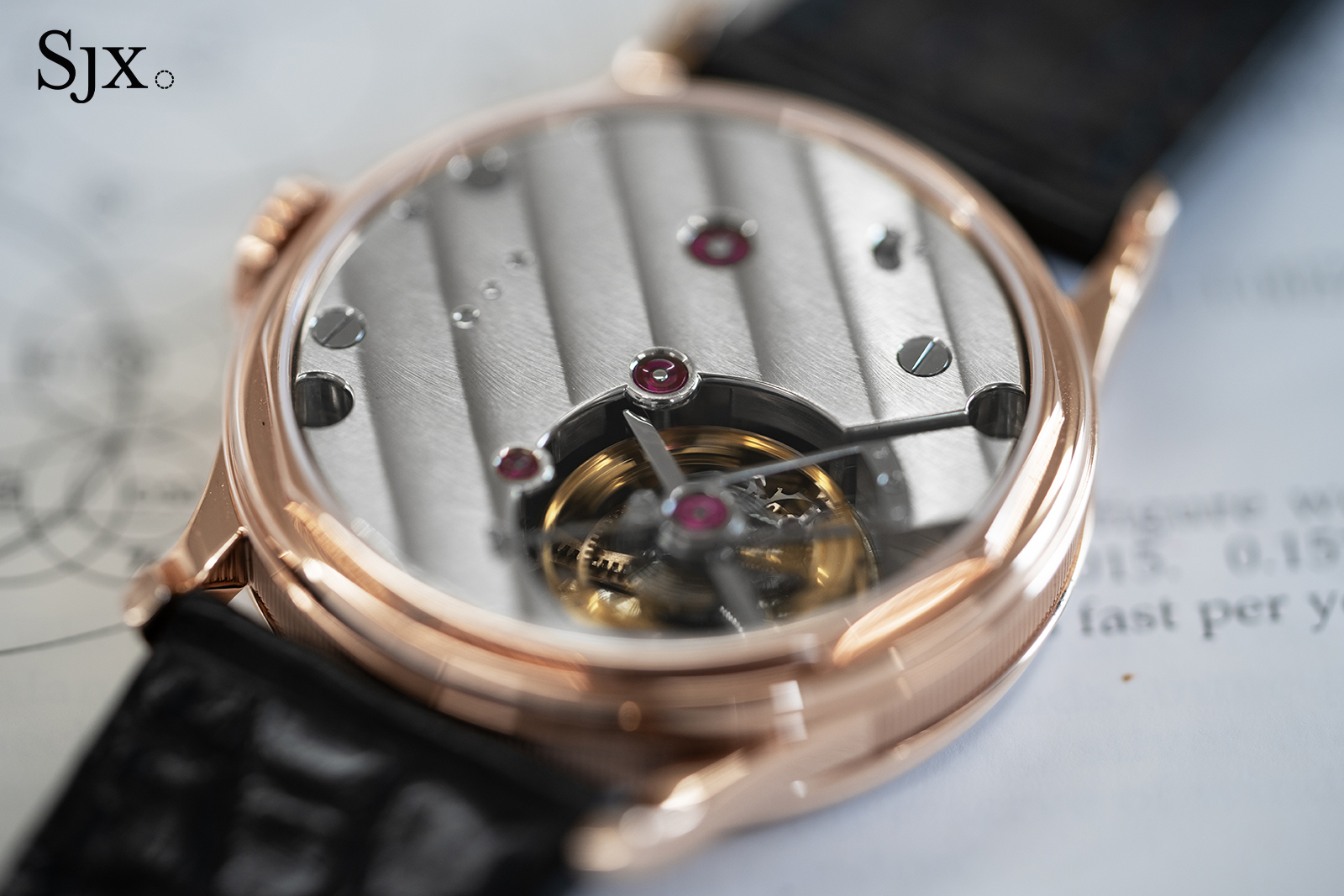
But features like proprietary balance wheel show that this is not just an aesthetic exercise. In fact, the movement size has been maximised for the case, while the volume within the movement is filled as much as possible by barrel, going train, and regulator.
This old fashioned approach to the construction is unsurprising since Nouvelle Chronometrie tapped on the expertise of a retired Seiko engineer who helped develop the brand’s prize-winning chronometer movements in the 1960s.
Nearly everything about the Nouvelle Chronometrie’s debut creation is spot-on, except for two things. I would reshape the tourbillon carriage, and maybe use a Japanese brand name instead of French to make clear its origins.
The specific category of watches that the Montre Ordinaire belongs to is now a crowded one; the proliferation of “indies” mean the choices are almost endless, with the sole constraint being availability due rabid demand for such watches. Still, the Montre Ordinaire stands out in its segment, and in fact, ranks highly relative to its peers.
Anything but ordinary
Translating as “modern chronometry”, Nouvelle Chronometry was founded by Mr Sakurai along with a handful of partners, including an engineer and watch designer. Mr Sakurai will not reveal the identity of his partners publicly, partly due to the fact that some of his partners work for other watch brands.
Mr Sakurai is the driving force behind the brand, which is the realisation of a long held ambition; I remember him talking about establishing his own brand many years ago. Unsurprisingly, amongst his inspirations for the Montre Ordinaire is a Breguet pocket watch from Abraham-Louis Breguet’s lifetime.
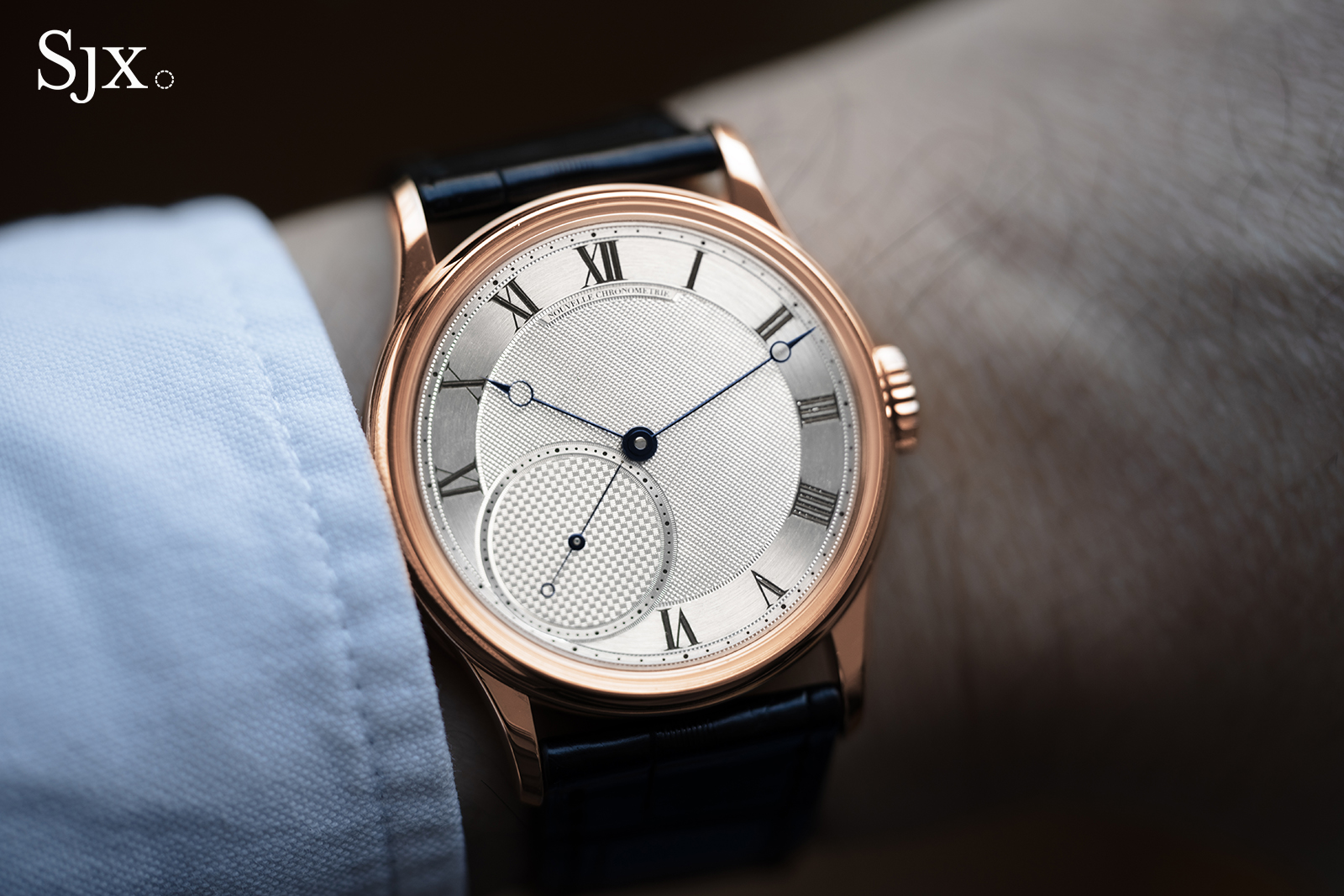
The watch is compact but feels substantial due to its proportions that instantly bring to mind 1930s dress watches like the Patek Philippe Calatrava ref. 96. It’s 38 mm wide and 11 mm high, and feels just right.
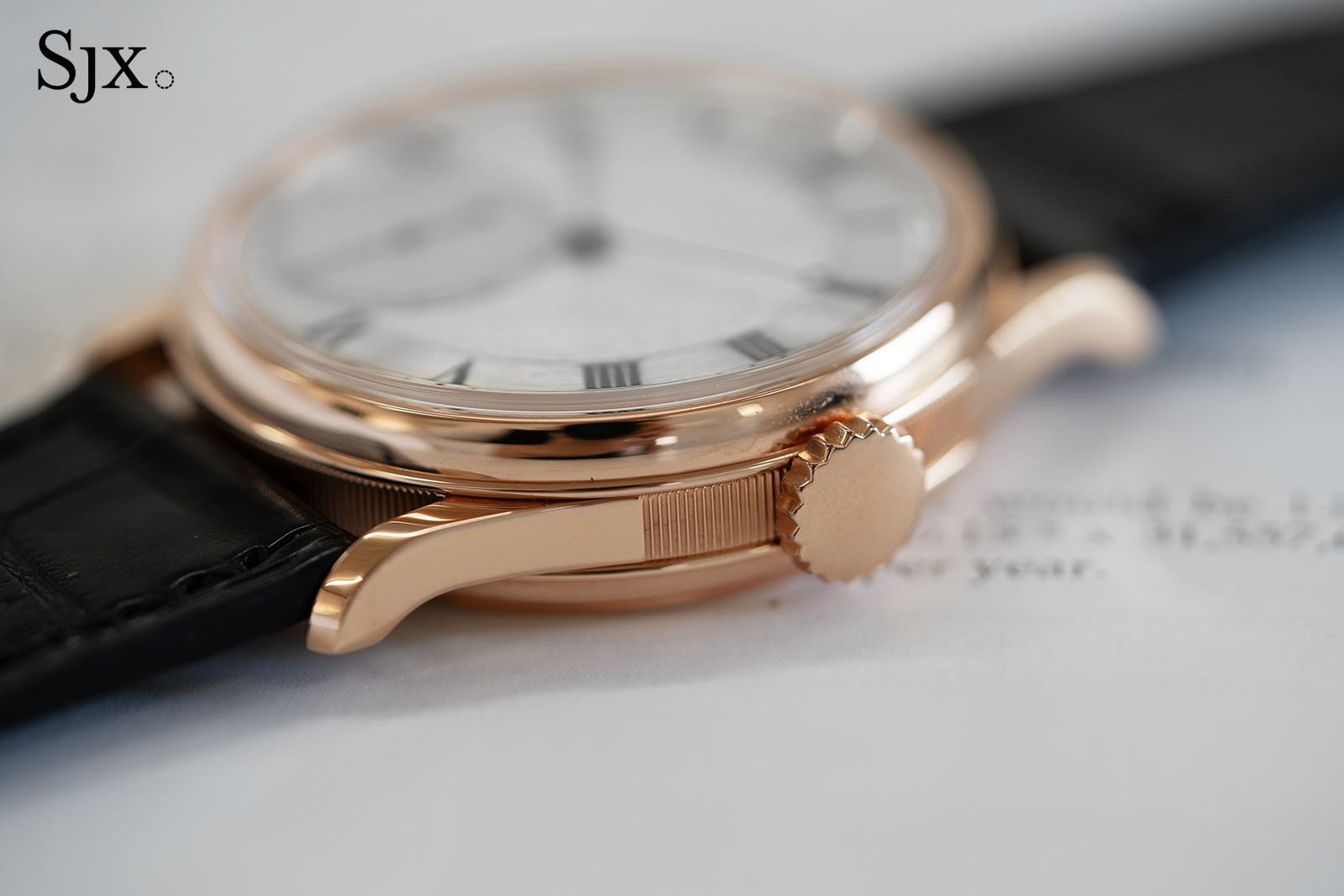
The details of the case are thoughtfully vintage, including the convex bezel and back. Though the case design is not Breguet-style per se, the reeded case band is a Breguet-esque detail. I wish the lugs would slope downwards a little more; perhaps this might be adjusted in the production model.
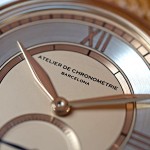
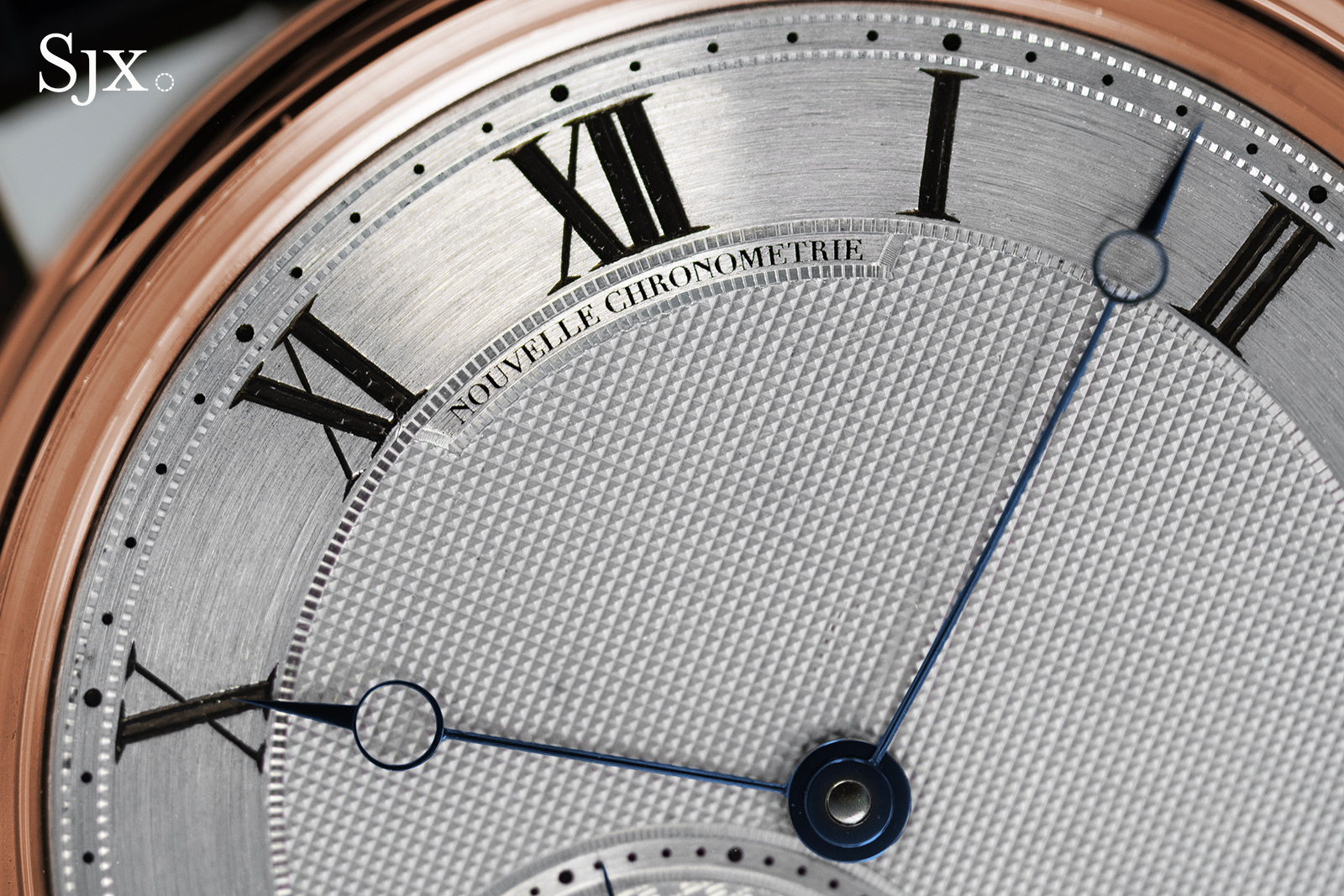
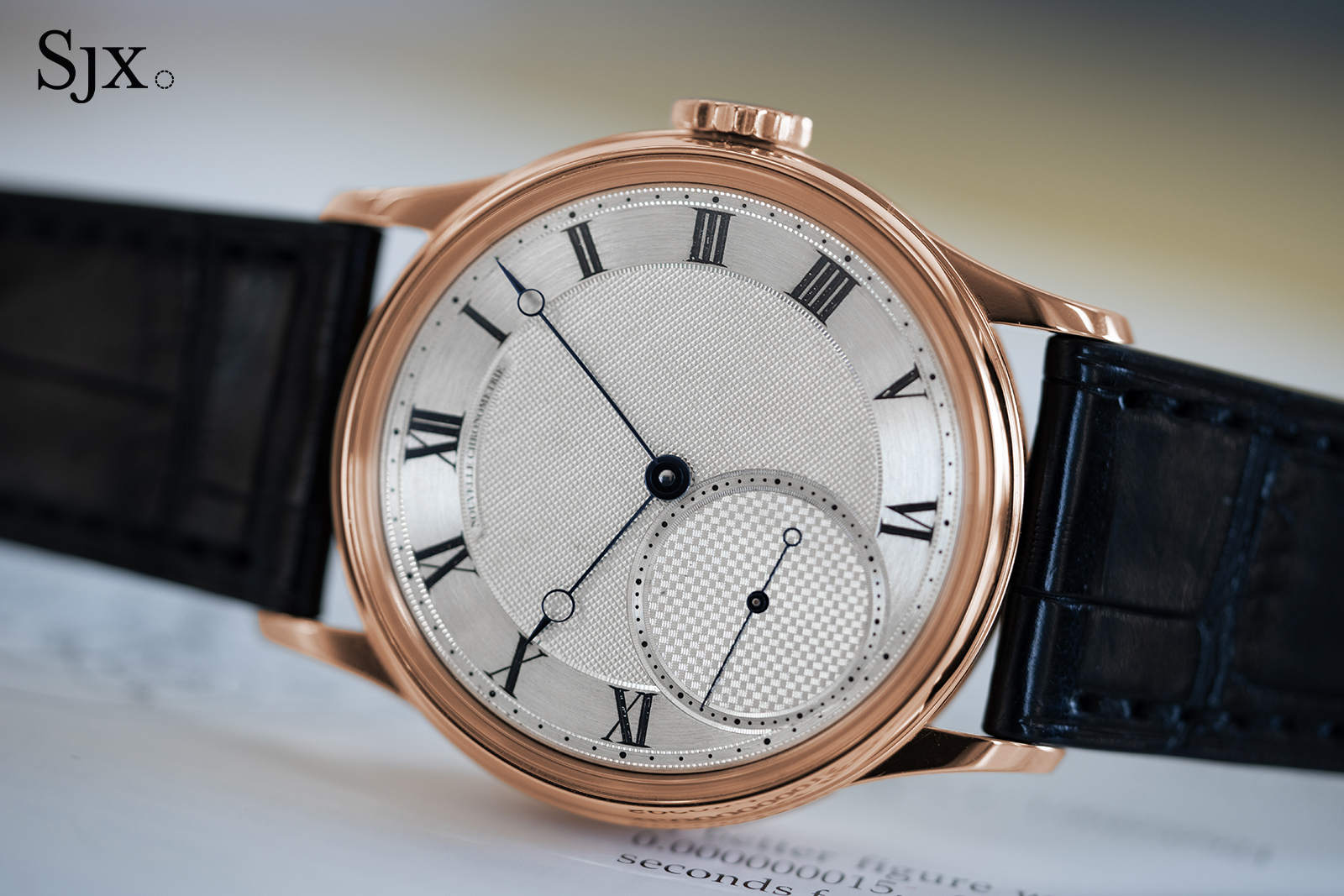
The dial, on the other hand, is resolutely Breguet style. It’s a multipart construction, entirely in silver, and made by J.N. Shapiro, the guillocheur based in Los Angeles who works in the 19th century manner with hand-operated engines. The “Infinity Weave” pattern on the seconds register would give away the maker, since the motif is Mr Shapiro’s trademark.
As is typical of Mr Shapiro’s work, the guilloche is finely done and as good as its get in modern watchmaking. However, this dial stands out for its design, which is almost perfect in terms of historical forms and proportions. The weight of the Roman numerals and size of the logo, for example, are ideal.
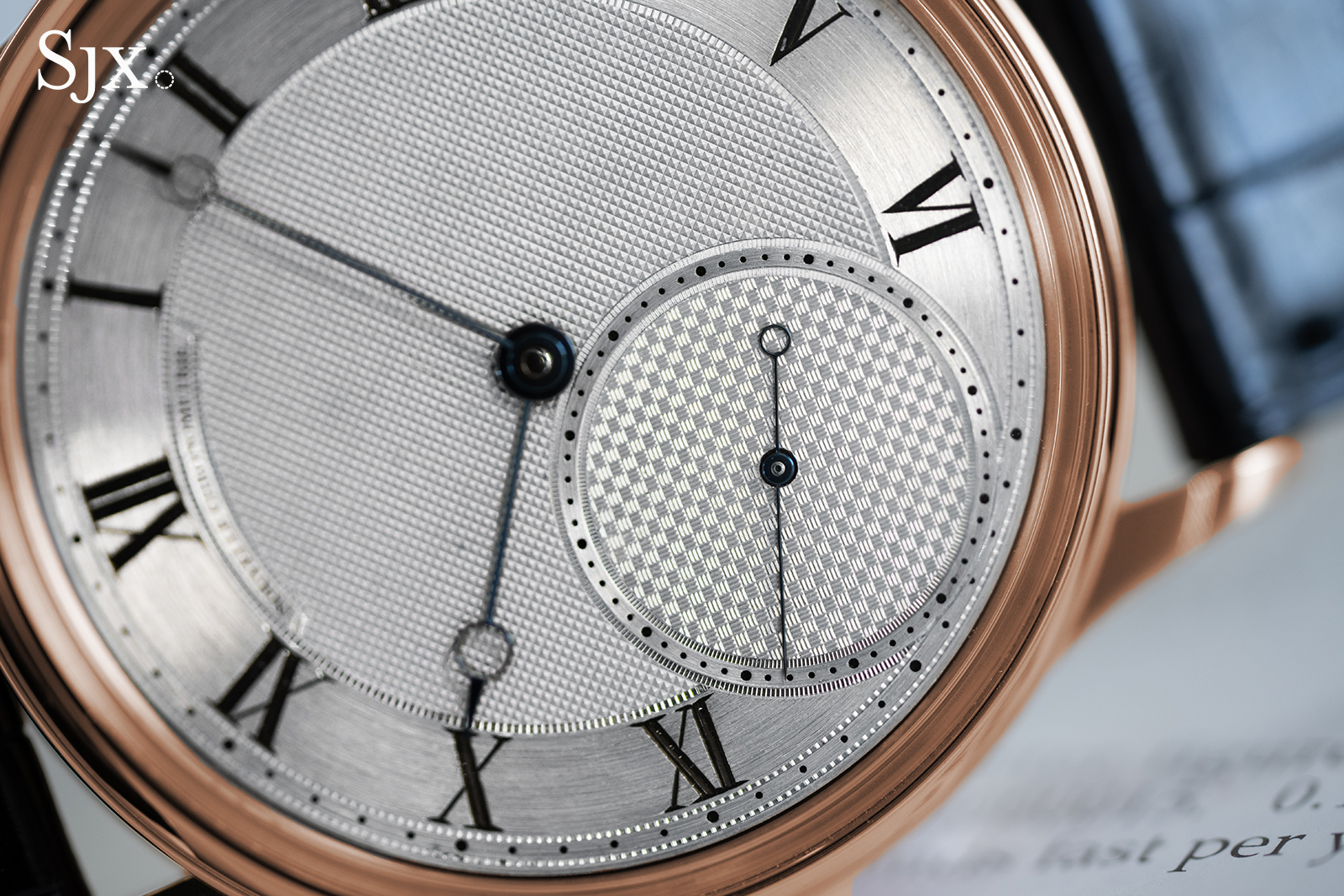
The Breguet hands are also noteworthy for being extremely slim – and being made by CNC milling. In a brilliant fusion of old and new techniques (applied to some movement parts as well), the hands are precisely milled, then polished and blued by hand.
While traditionalists might frown on this, the hands are truly beautiful. I would rather have these hands than ones that are entirely hand made but lacking this level of finesse.
Chronometre traditionnelle
Interestingly, Nouvelle Chronometrie turned to Shoichiro Komaki, the now-retired manager of Daini Seikosha’s research and development department, for the construction of the Montre Ordinaire movement.
Mr Komaki knows a thing or two about chronometer movements. His former employer, Daini Seikosha (which later evolved into Seiko Instruments), was the Seiko factory that made multiple observatory chronometer movements that won top prizes at Swiss observatory contests in the 1960s. Its repertoire included the high-beat cal. 4520s tested at the Neuchâtel Observatory for chronometer certification that were later cased into the Astronomical Observatory Chronometer wristwatches.
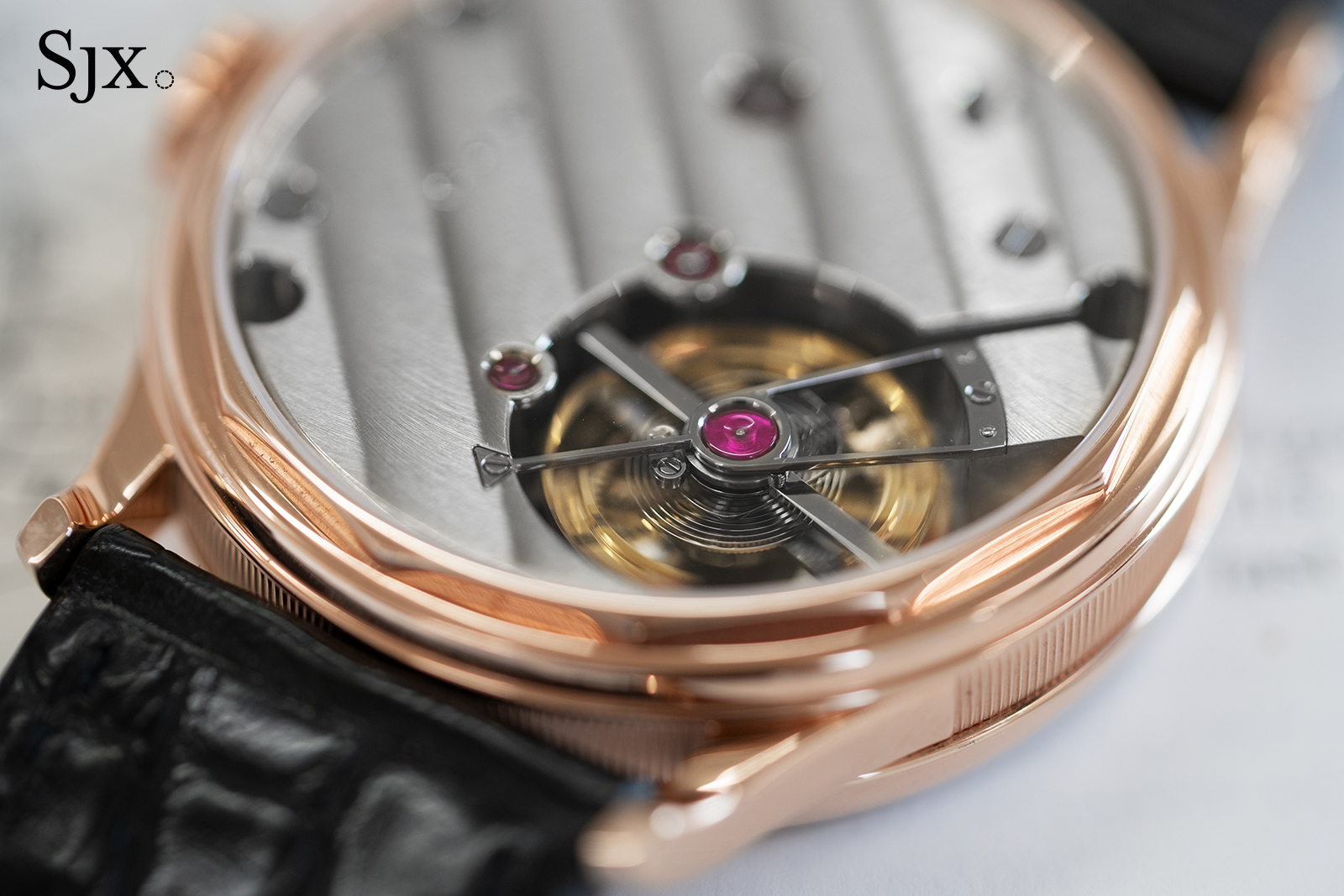
Even with the three-quarter plate in place, the historical approach to construction is evident. The barrel is clearly large, as is the balance wheel, revealing the familiar ratios employed in vintage chronometer movements. As a result, the mainspring and oscillator are maximised in diameter, which promises superior chronometry by maximising stable torque and inertia.
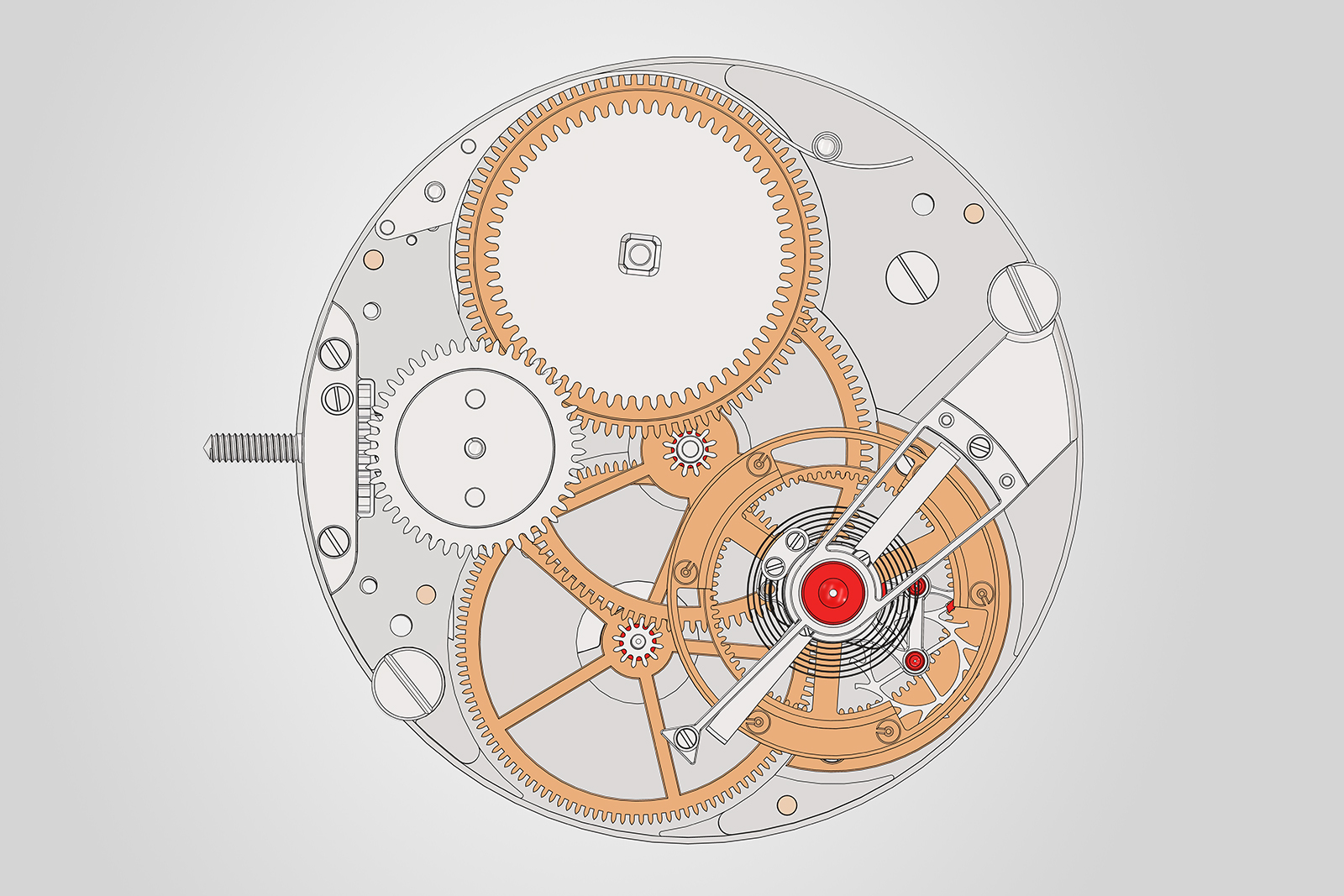
The layout of the cal. NC01 A04 inside the Montre Ordinaire. Image – Nouvelle Chronometrie
Naturally, the materials are equally traditional. The bridges are German silver, while the wheels of the going train at 18k rose gold. The same holds true for the finishing, which is done by hand in an artisanal manner.
But like the dial, the movement also relies on technology for manufacturing. The impressively refined steel tourbillon bridge is fabricated on a CNC mill, then refined and finished entirely by hand.
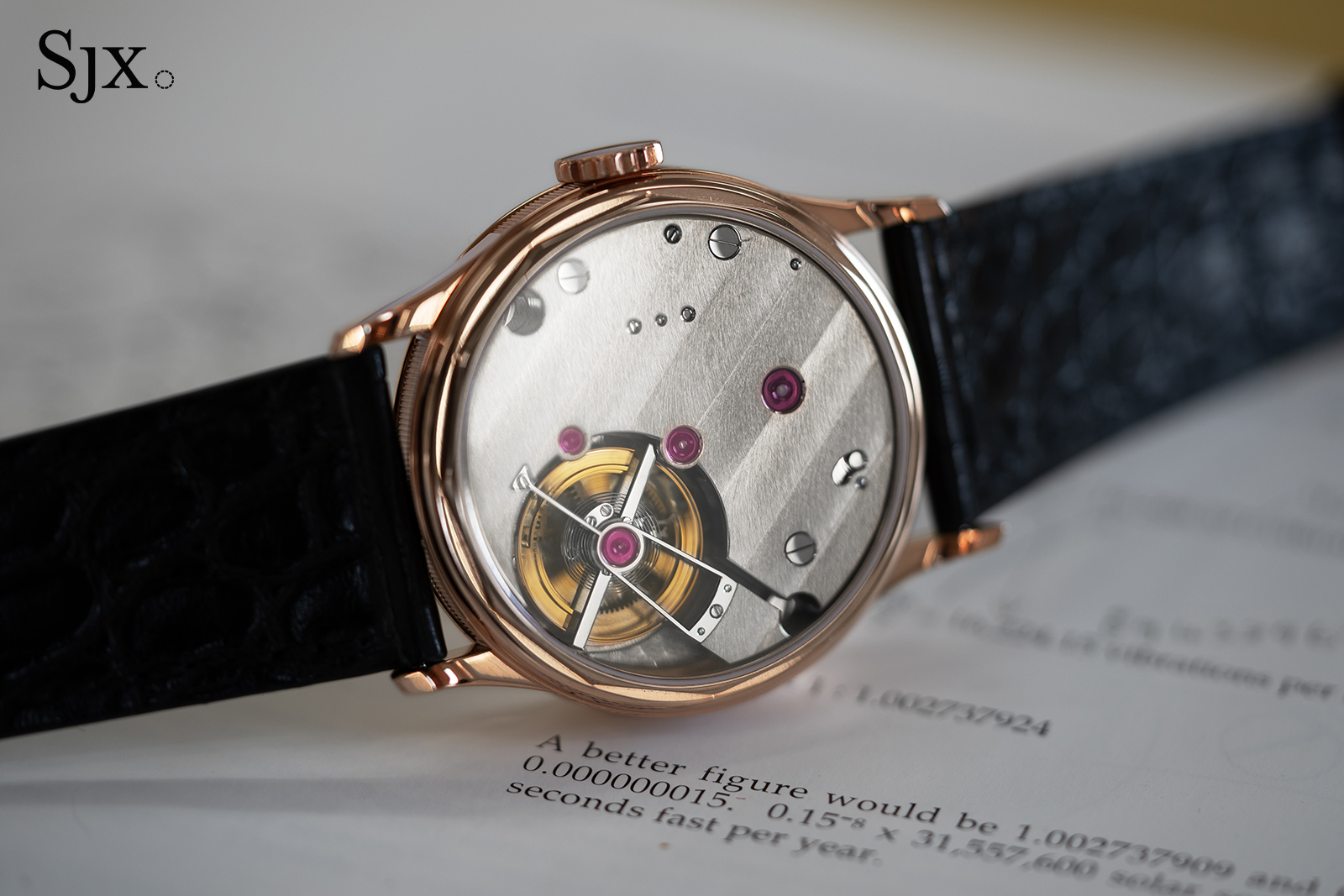
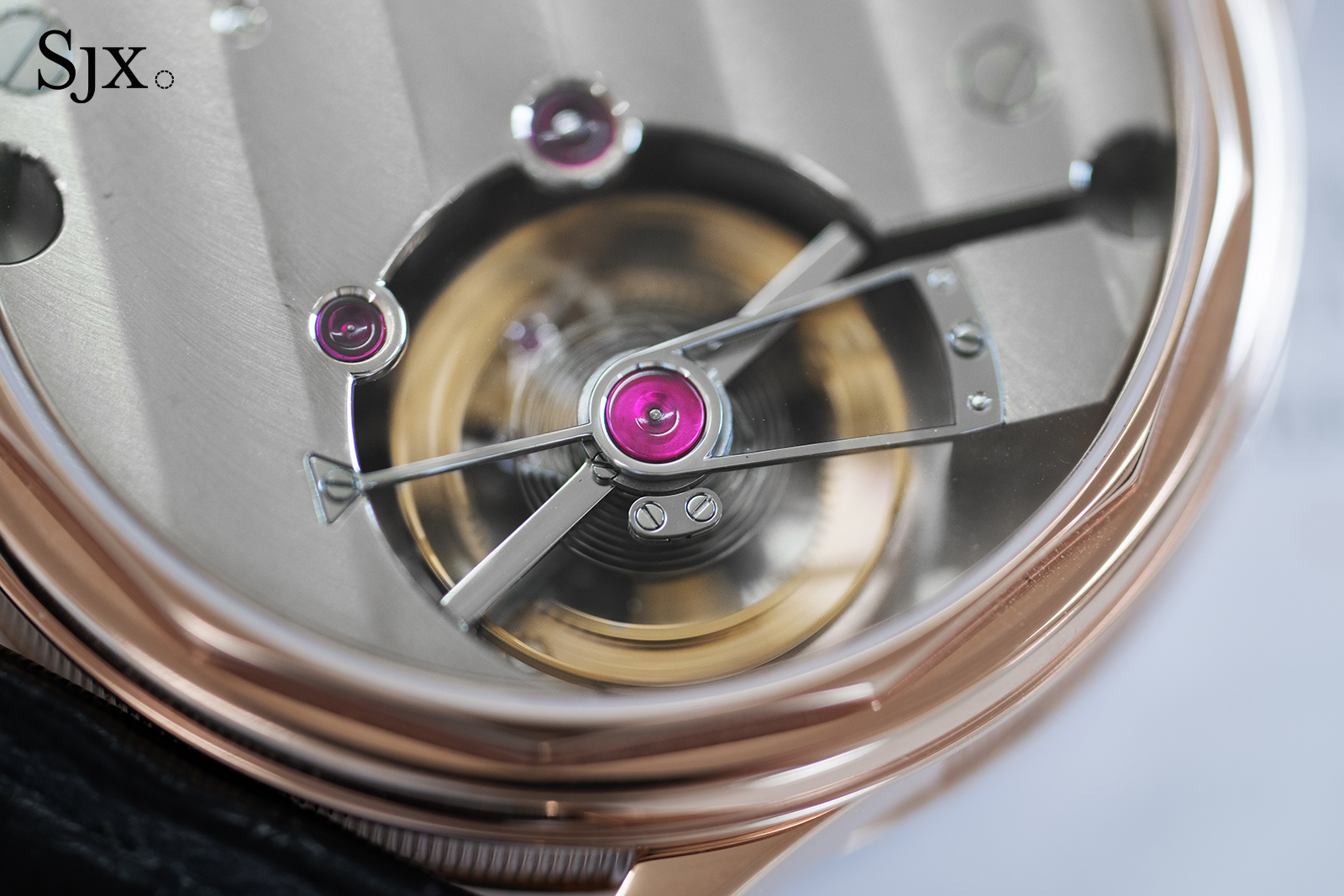
The movement is almost entirely in-house. Only the “escape wheel, mainspring, and hairspring” are off-the-rack components. But even then they are not basic; the hairspring, for instance, has a beautifully formed overcoil.
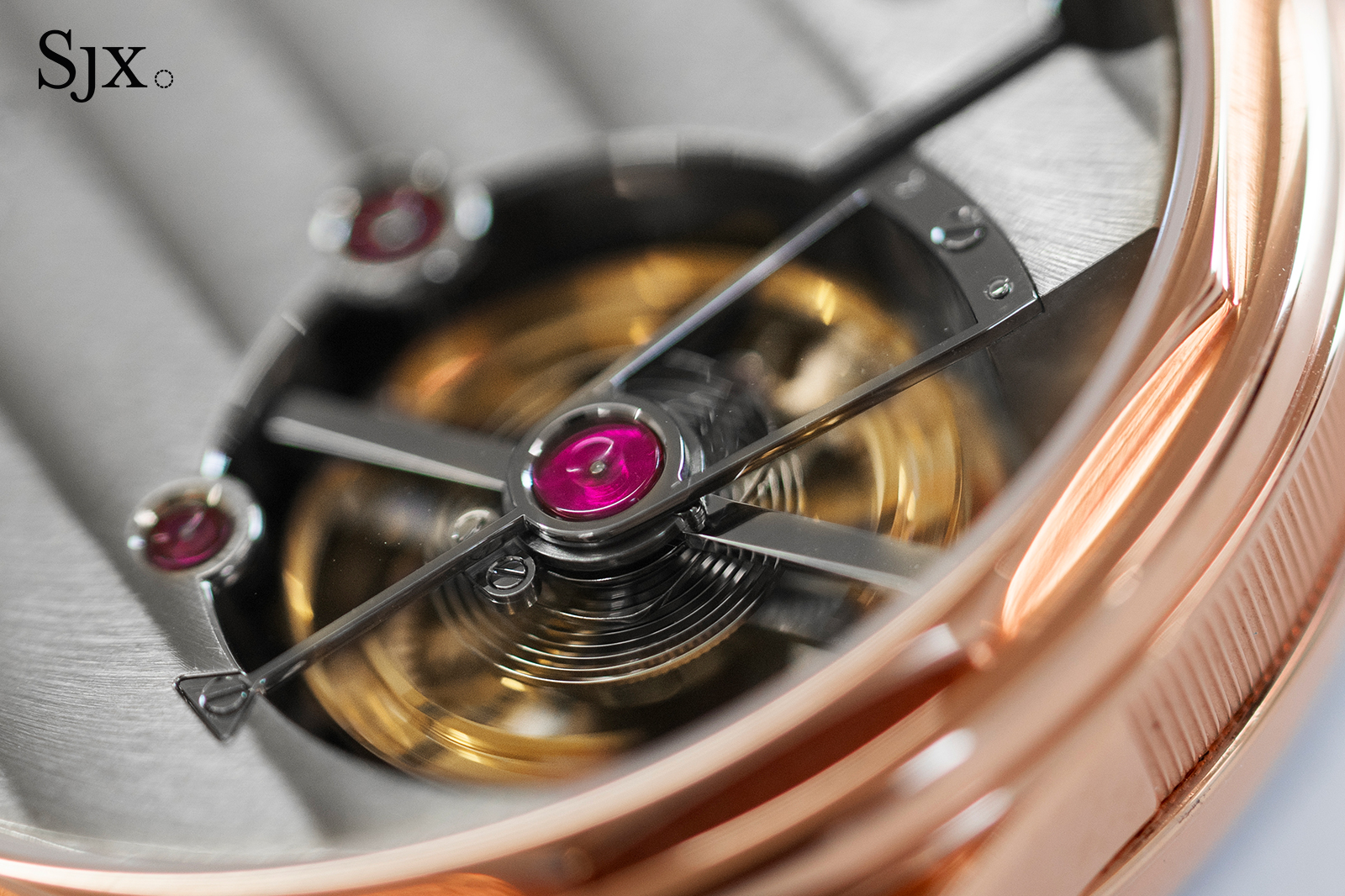
There is little to criticise about the movement, except for a handful of aesthetic choices. Most notably, the simple form of the tourbillon cage feels a little out of place relative to the styling of the calibre. A carriage evocative of tourbillons made in the first decades of the 20th century would have been more satisfying.
Key facts and price
Nouvelle Chronometrie Montre Ordinaire
Size: 38 mm
Height: 11 mm
Material: 18k gold
Crystal: Sapphire
Water resistance: 30 m
Movement:Montre Ordinaire
Functions: Hours, minutes, seconds, and tourbillon
Frequency: 18,000 beats per hour (3 Hz)
Winding: Hand-wind
Power reserve: 52 hours
Strap: Alligator with 18k gold pin buckle
Limited edition: 20 pieces for first edition
Availability: Director from Nouvelle Chronometrie
Price: JPY30 million excluding taxes
For more, visit Nouvelle-chronometrie.com.
Back to top.