

Hands On: Christopher Ward C63 Sealander True GMT
Dialled-in for frequent flyers.
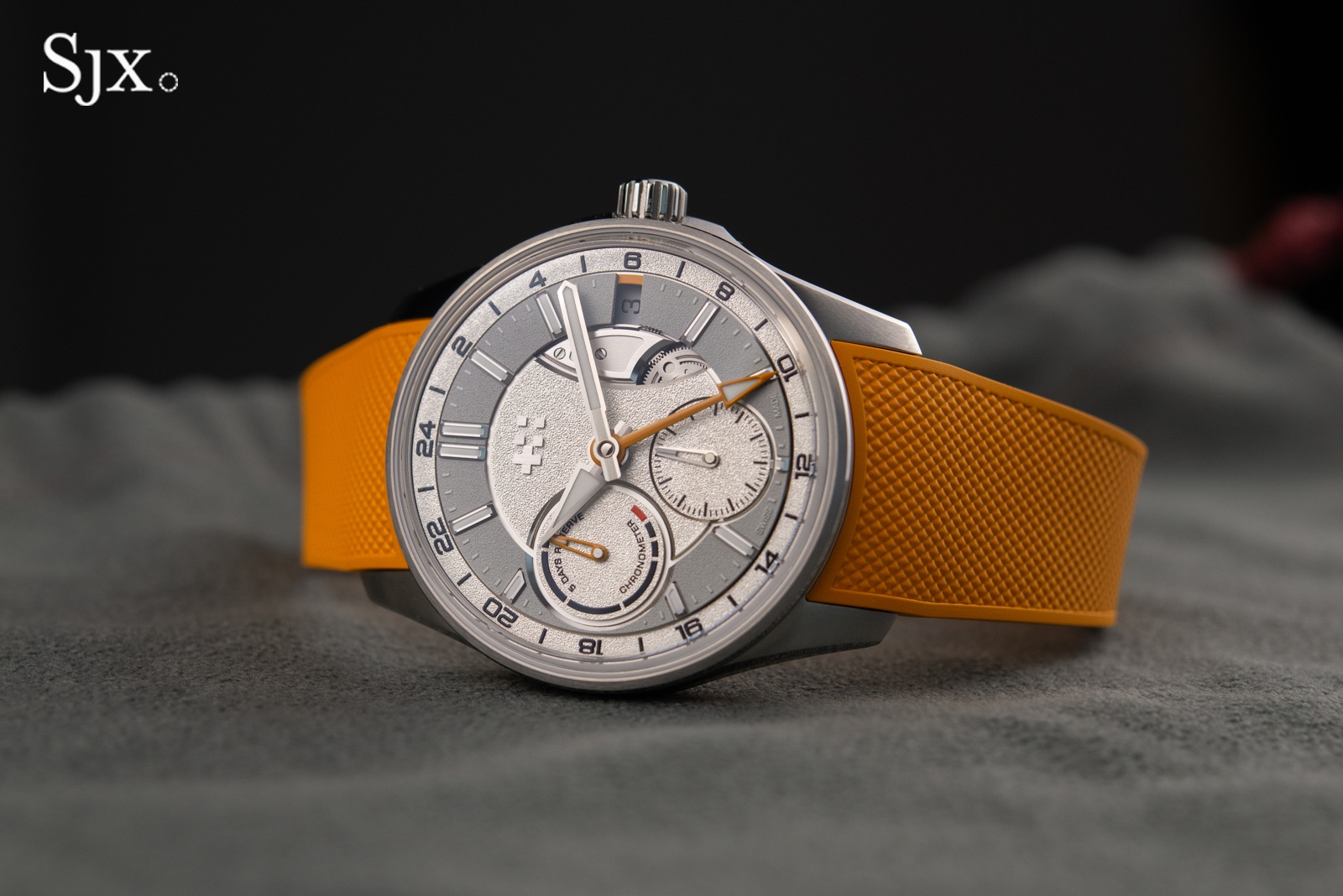
The Christopher Ward C63 Sealander True GMT fills a conspicuous gap in the brand’s catalogue with a proper ‘flyer’ GMT, complete with an independently adjustable local-time hour hand. A handsome, expensive-looking dial conceals the new CW-002 movement, which is COSC-certified and offers a five-day power reserve — a rare pairing. While collectors have noticed that Christopher Ward’s pricing has risen steadily in recent years, the True GMT makes a compelling case that the technical substance has kept pace.
The journeyman brand
Christopher Ward (CW) is a brand that is evolving unusually rapidly, and seems to have been in a state of almost constant transformation since it was founded in 2004. The brand has cycled through a number of different logos in a fairly short period of time, which has confused collectors. The product mix has also shifted, reflecting more upmarket ambitions that have priced out fans of the brand’s early budget products.
This instability has turned off some collectors, which is understandable — most luxury brands are fairly conservative, in part to emphasise the long-lasting social capital that comes with a purchase.
That said, CW seems to have finally found an identity worth sticking to. The new logo, which combines England’s St. George’s Cross and the white cross of the Swiss flag, is simple and appealing, and concisely communicates the English/Swiss origin. And while it’s true that prices have crept up, the brand has increased innovation in tandem, emerging as a value leader in simple complications and architectural time-only movements.
In other words, the brand that got its start making low-cost homage-style watches has shown that it can now compete on more than just price, offering watches that are, in many tangible respects, appealing alternatives to entry level watches from leading historical brands.
Understanding the True GMT
The Sealander collection encapsulates CW’s evolution as a brand, straddling its past and, with the addition of the True GMT, its future. In much the same way that the C12 Loco transcends the otherwise derivative Twelve collection, the True GMT exists outside what we’ve come to expect from a Sealander.
Though it features the characteristic Sealander hand set and case profile, the approach to the bezel and dial construction is entirely different, and it packs a lot more horsepower under the hood thanks to its double-barrel movement.
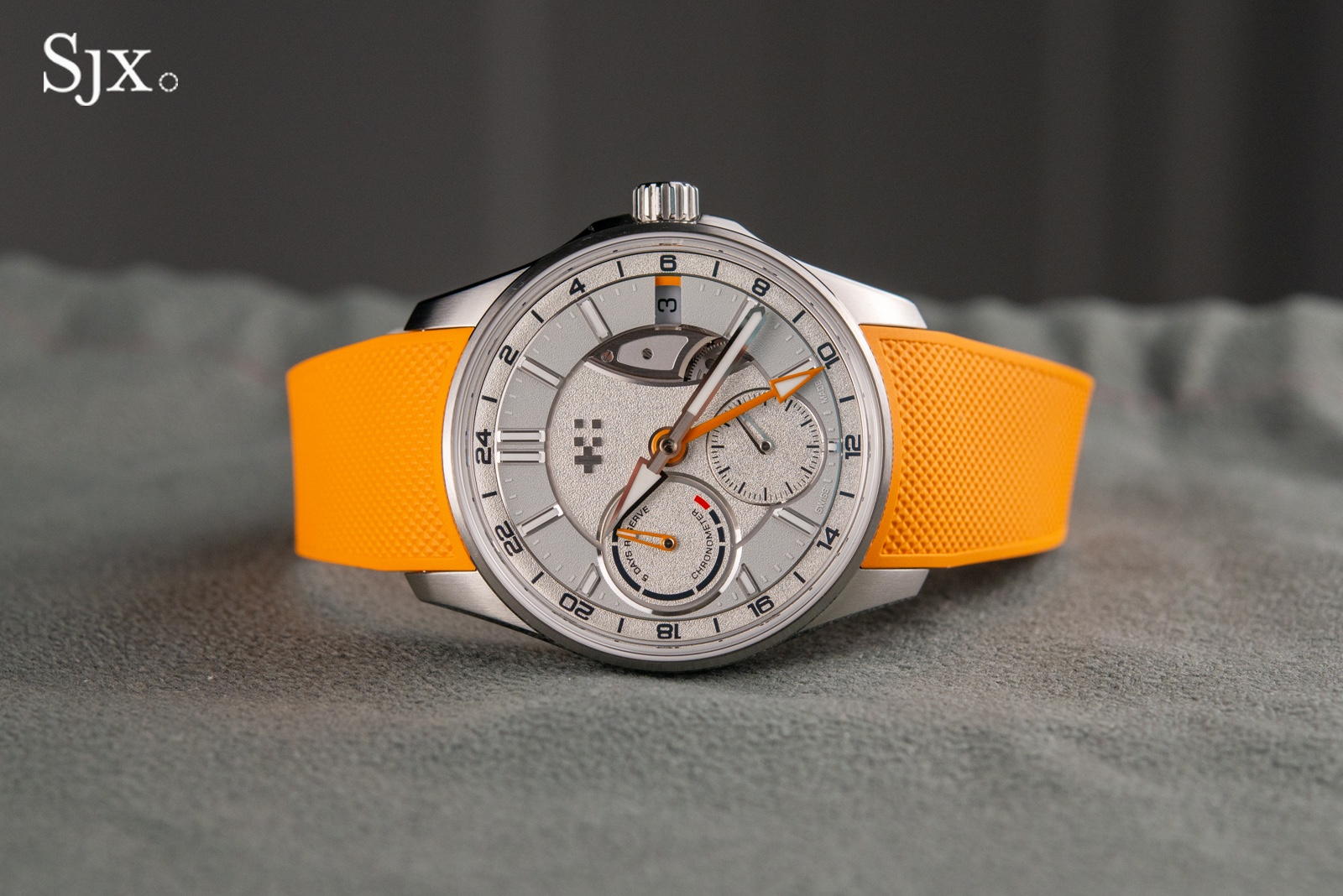
The True GMT name comes from its dual-time functionality, which remains one of the most sought-after simple complications in watchmaking. This can be chalked up to both its functional appeal and proximity to iconic models like the Rolex GMT-Master II and Explorer II. But until recently, the so-called ‘flyer’ GMT functionality, which enables the hour hand to be jumped forward or backward in one-hour increments while leaving the minutes hand unchanged, has largely been the domain of higher end brands.
In contrast, entry level GMT watches have long depended on off-the-shelf movements like the Sellita SW-330, which is what’s known as a ‘caller’ GMT. It picked up this moniker because the functionality, which enables the user to jump the second time zone hand in one-hour increments, is most useful when tracking the time in a distant time zone. In contrast, the flyer GMT functionality simplifies the process of adjusting to local time.
Collector enthusiasm for this category has encouraged brands like Tudor to develop their own flyer GMT calibres, while Japanese supplier Mioyota introduced the low-cost cal. 9075 in 2024, which is now available to third-party brands.
On the topic of the competitive landscape, it’s worth noting that the True GMT’s US$4,200 price point encroaches on more technically advanced GMT watches like the Tudor Black Bay 58 GMT, which features an antimagnetic silicon hairspring and a free-sprung balance. In fairness, this is a problem for every brand that goes head-to-head with Tudor, given its sophisticated industrial base.
An elaborate dial
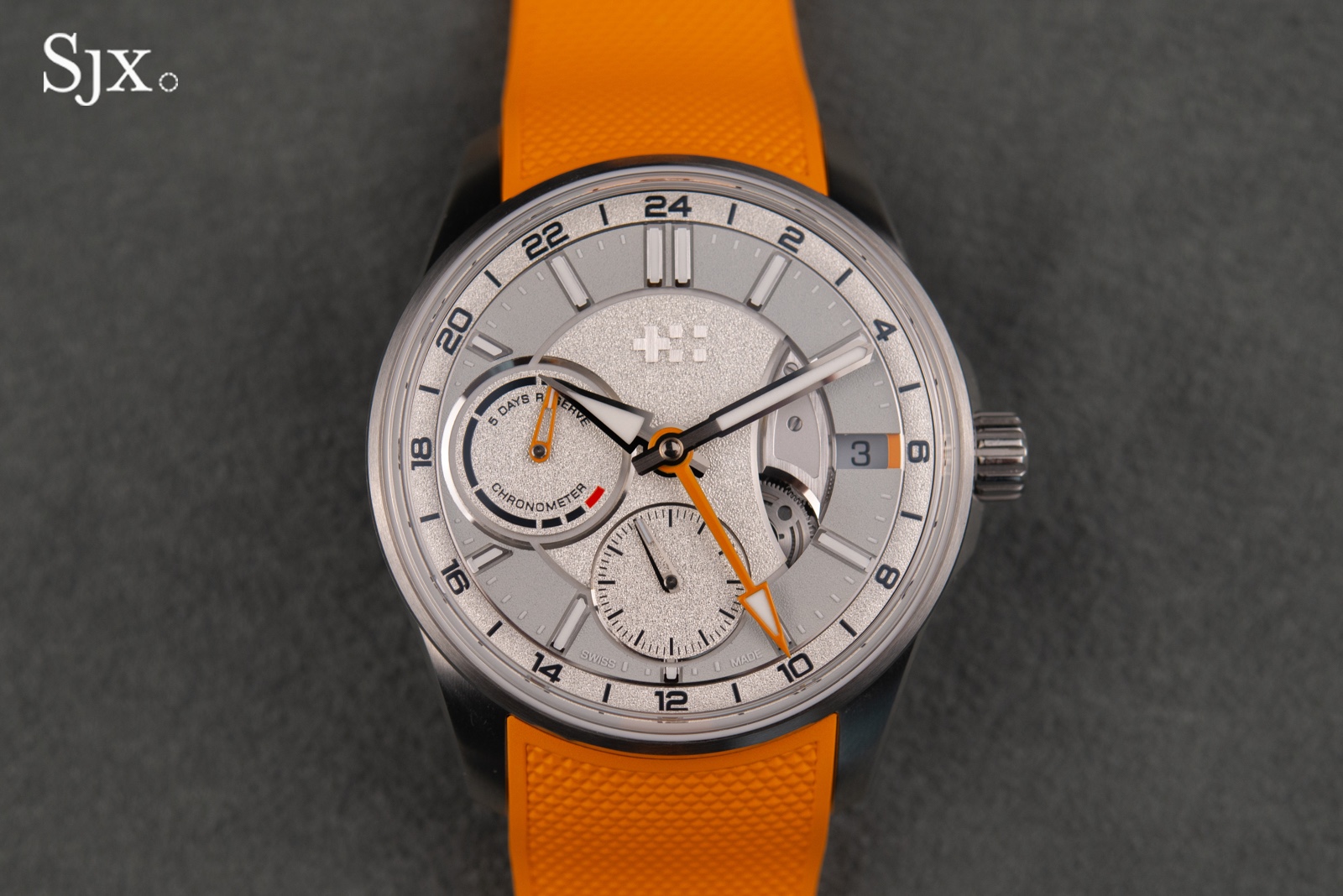
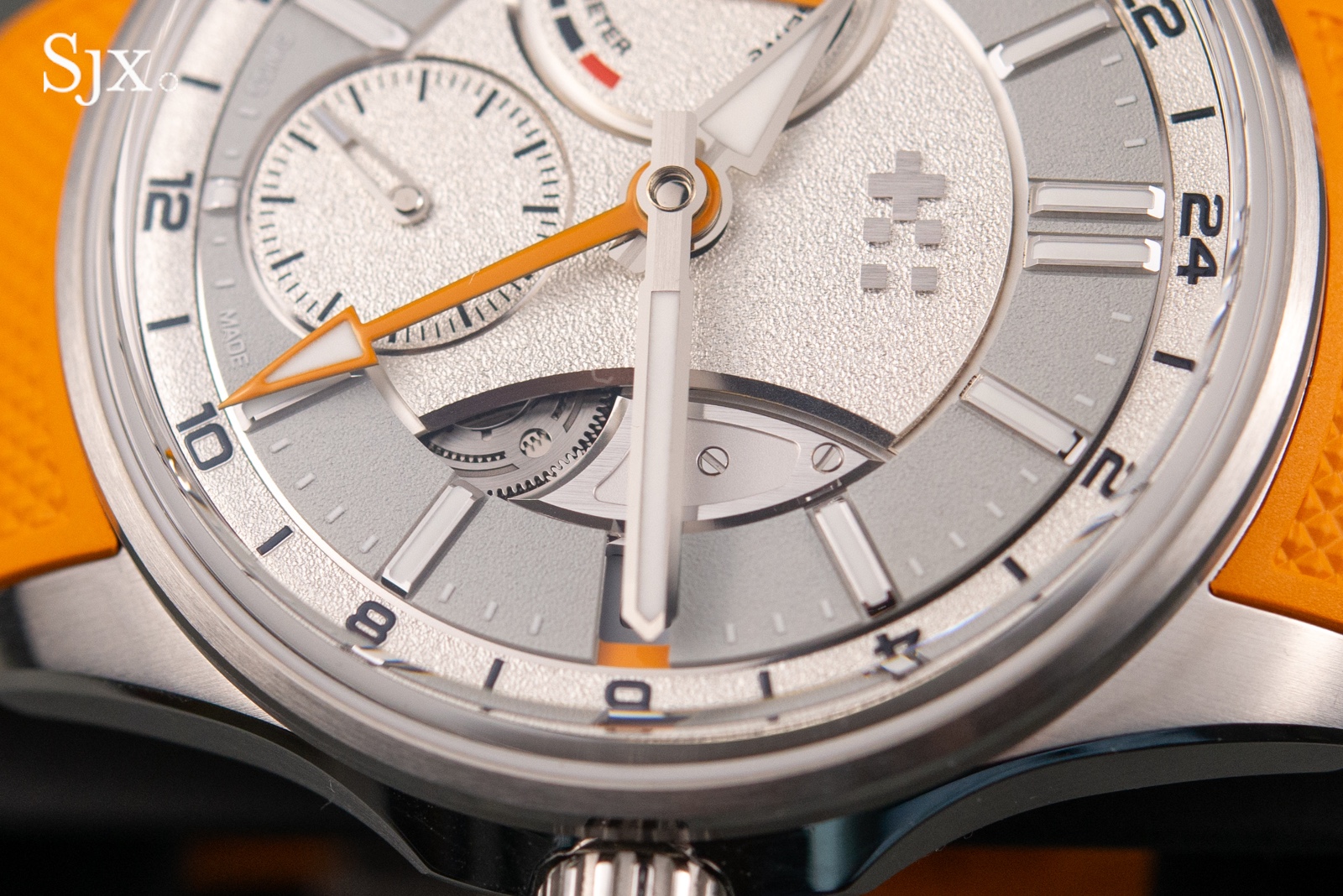
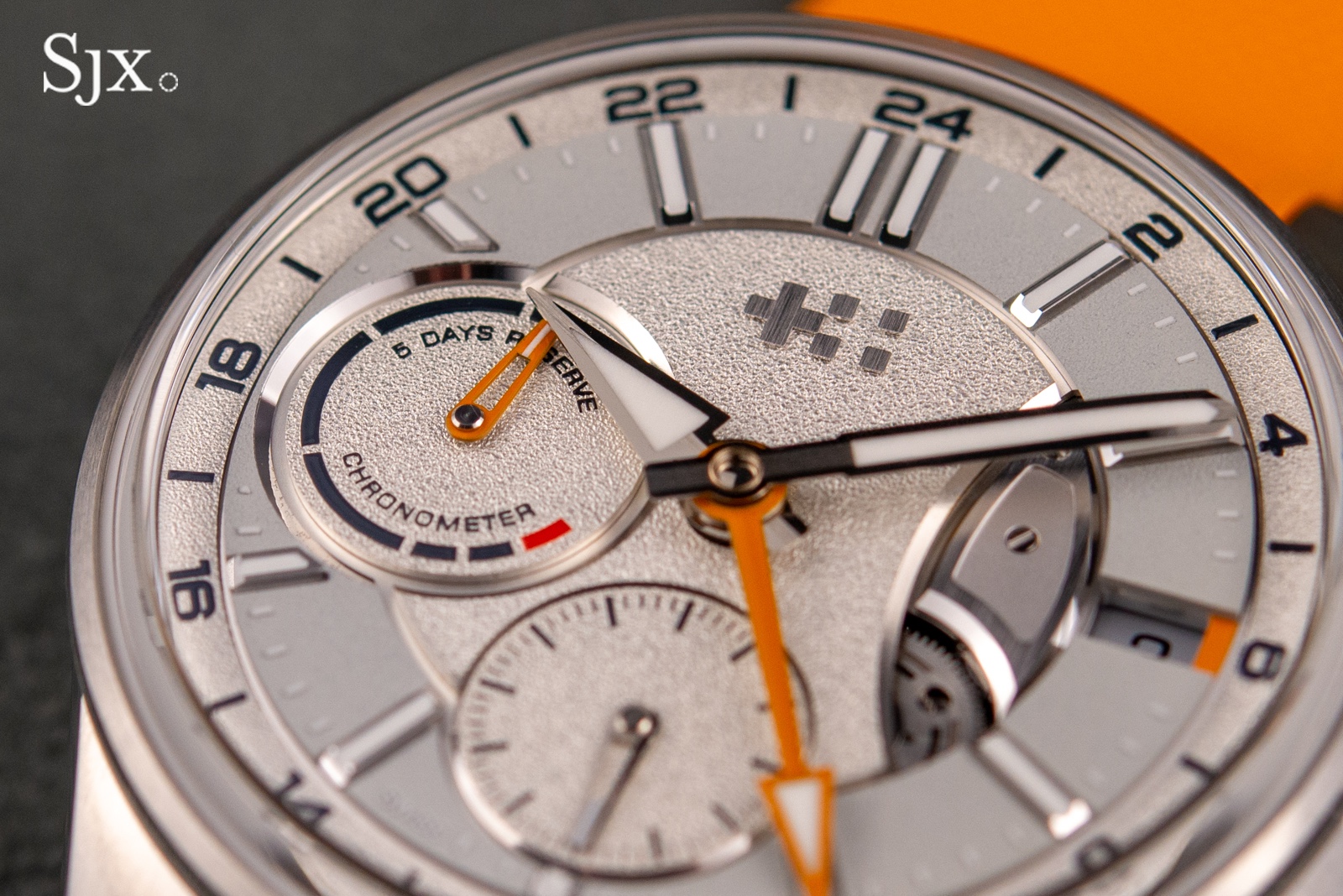
Beyond its appealing functionality, the main attraction of the True GMT is its dial, which is built up of numerous components and layers and dressed up with surprisingly good finishing. The larger surfaces of the dial have been given a textured finish that could almost pass for frosted German silver in some light, and the applied elements are decorated with diamond-cut bevels that gleam brilliantly.
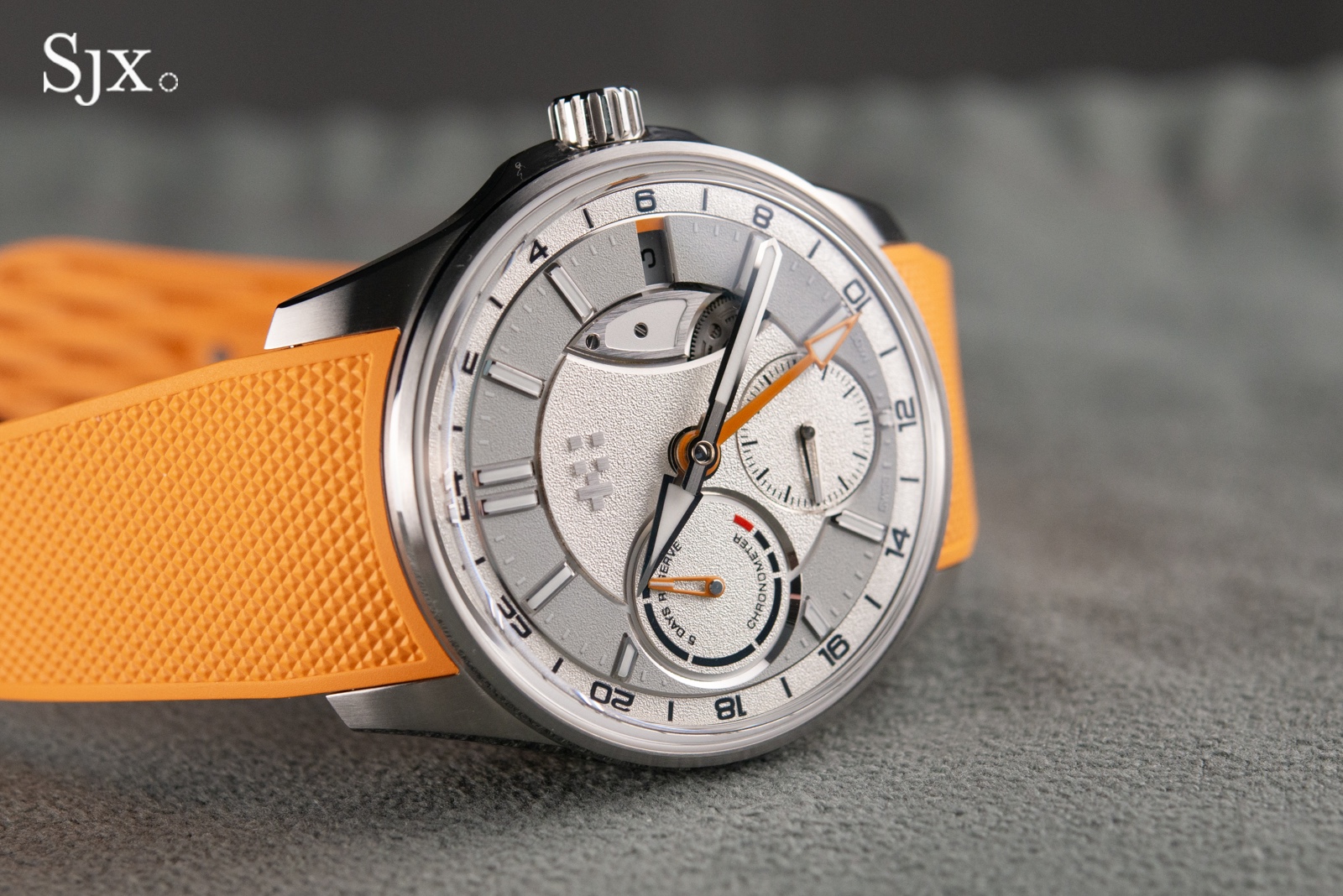
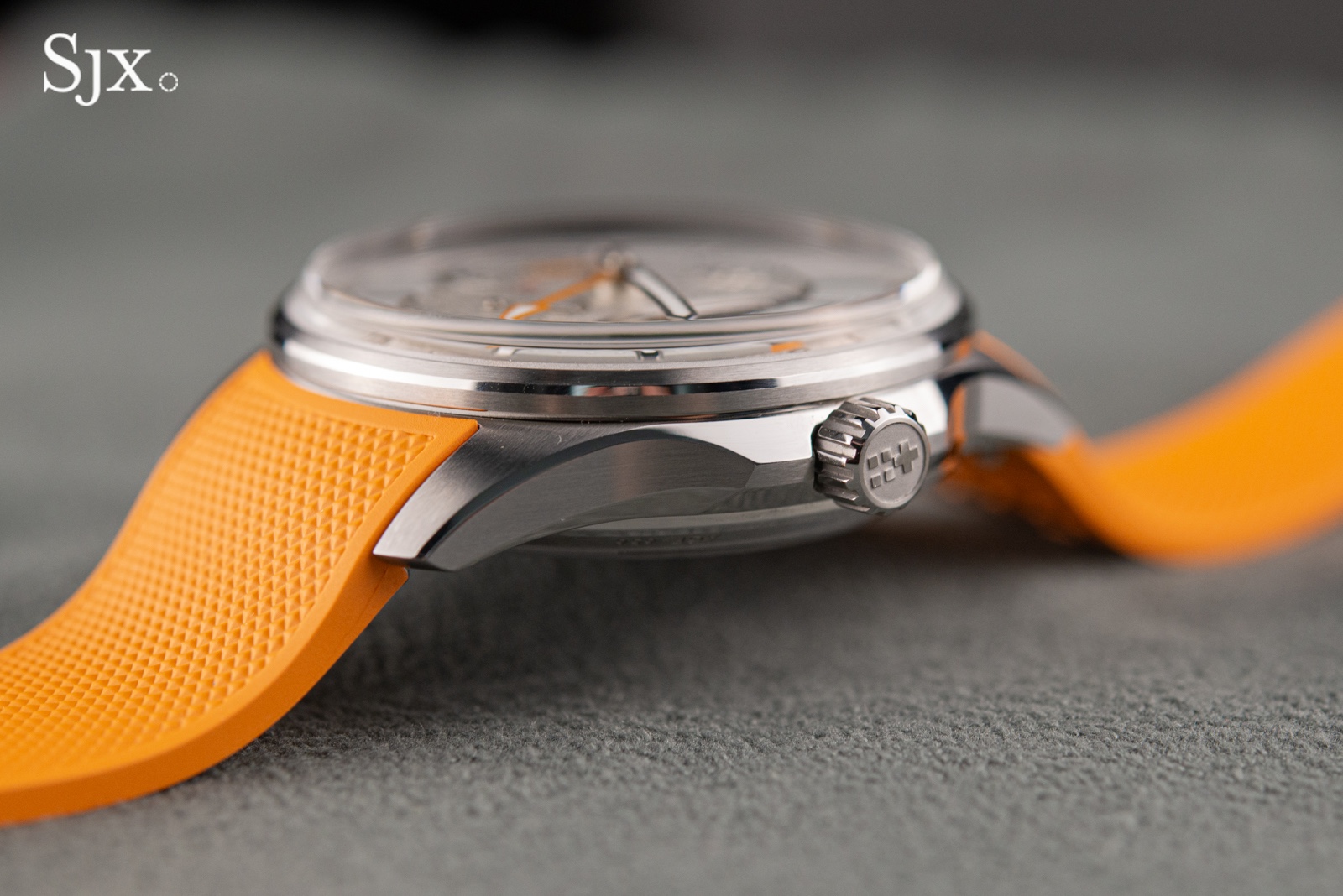
Viewed from the side, an angle made possible by the box-form sapphire crystal, the applied chapter ring for the hours and minutes actually sits up above the plane of the bezel. This construction allows light to flood the dial. This is especially noticeable in situations when an ordinary raised bezel would cast a shadow across the dial. The main chapter ring itself is also lacquered, which creates the sense of even more depth — the ‘Swiss Made’ text and hash marks float just above the textured grey surface beneath.
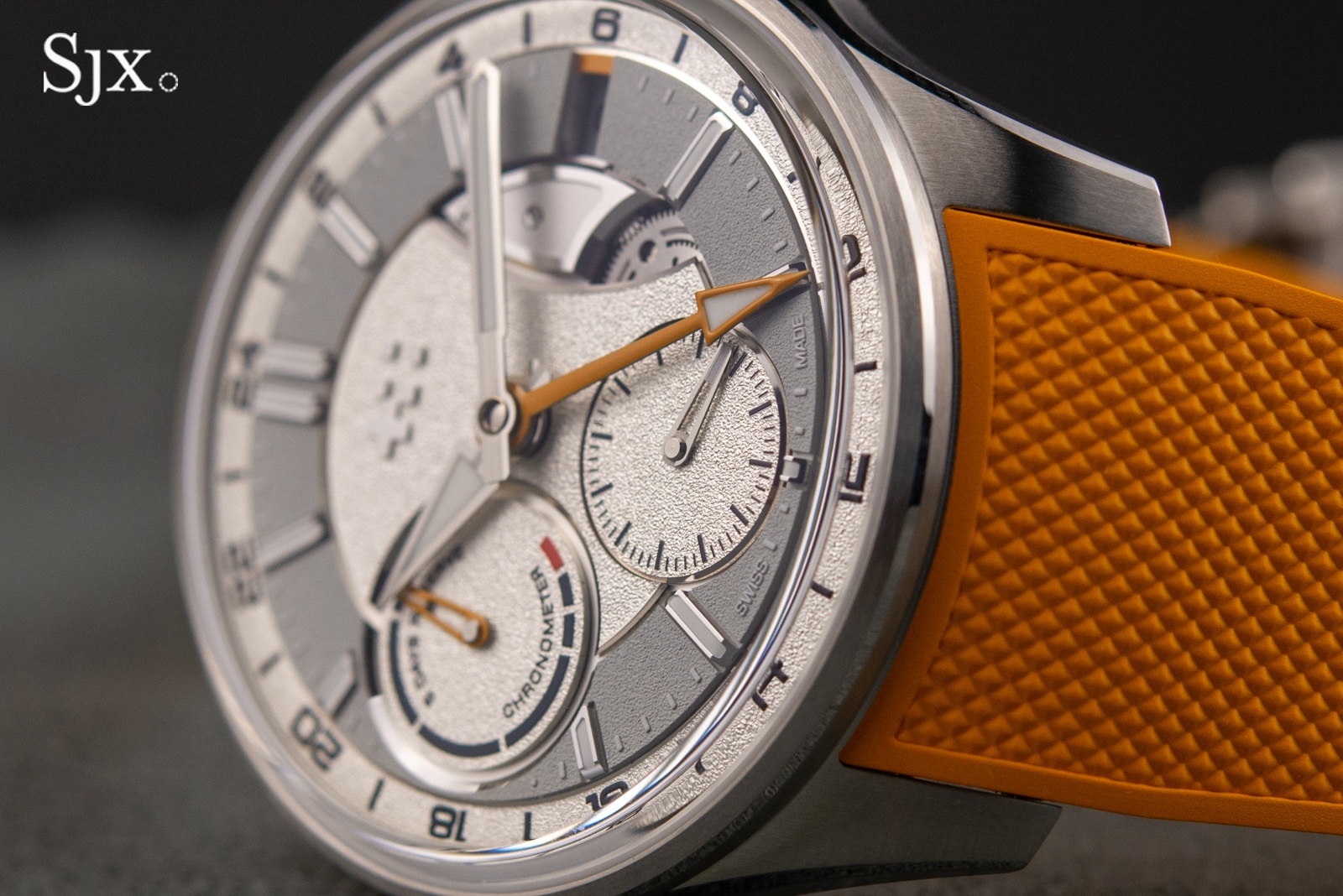
Christopher Ward revealed that the dial components are brass, but acknowledged it’s the most expensive brass dial the brand has ever produced, due to the numerous components and finishing applied to each piece before assembly. The dial is sourced directly from a supplier in Bangkok, which helps keeps costs down. This is not that unusual at this end of the market — many entry level Swiss-made watches from big name brands use Thai suppliers for dials, but Christopher Ward is admirably transparent about it.
A good deal of effort has been put into the hands as well. The hour and minute hands, and to some extent the painted GMT hand, feel familiar from other Sealander models. The arrow-like triangular hour hand is paired with a fairly plain minutes hand that is nonetheless deeply straight-grained in its centre and polished at its edges.
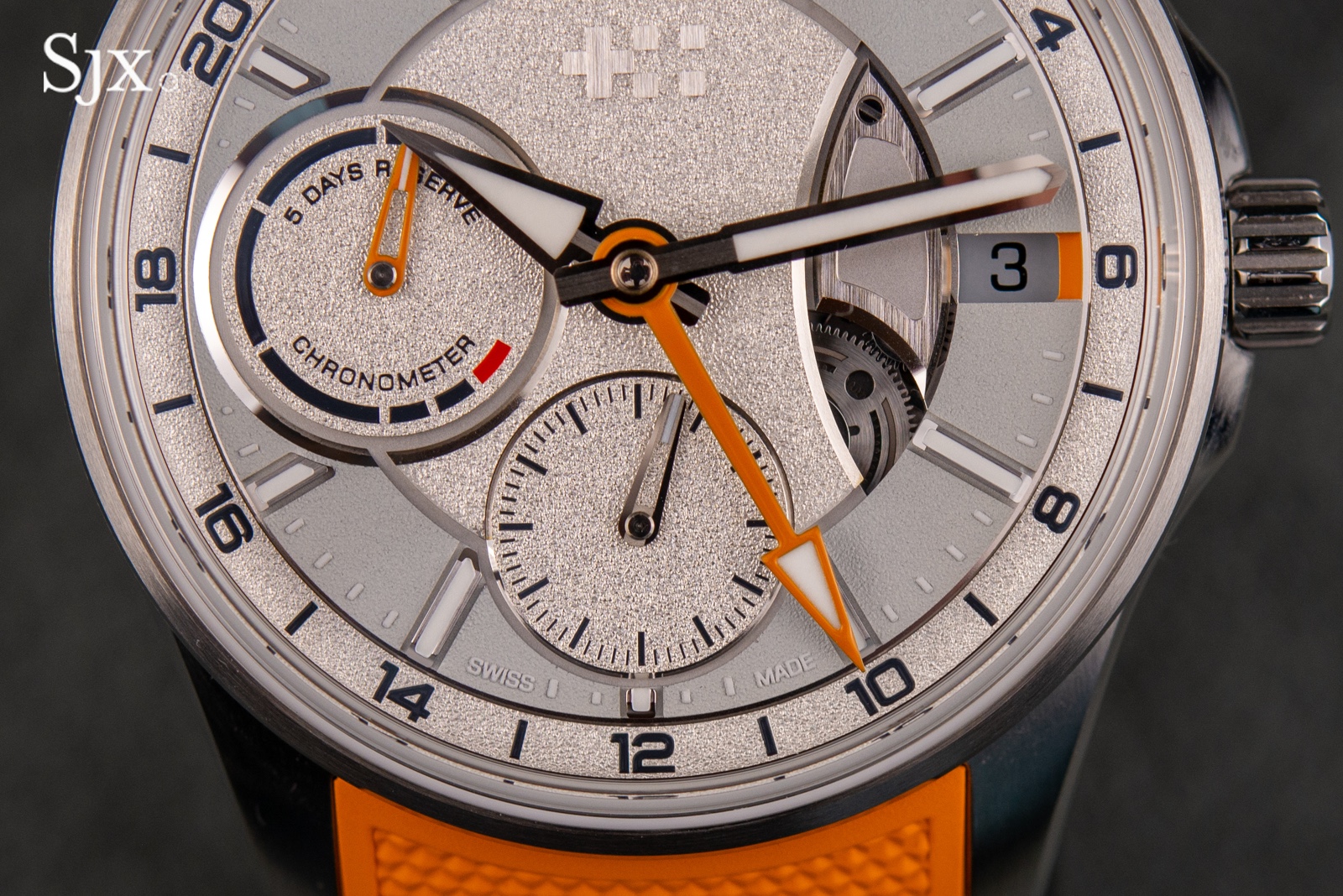
In contrast, the sub-dials offer a new hand design that reminds me of a safety pin. The running seconds hand at six o’clock is plated, while the power reserve indicator at nine o’clock is painted orange. The pipes of both hands feature polished and beveled caps, contributing the expensive look of the dial. There’s another pop of orange on the opposite side next to the date window, which is non-functional but serves to create a balance of three orange elements balanced across the centre of the dial.
The positioning of the sub-dials creates an intentional asymmetry that won’t be to everyone’s taste, but the size and spacing of the sub-dials reveals a movement appropriately sized for the case.
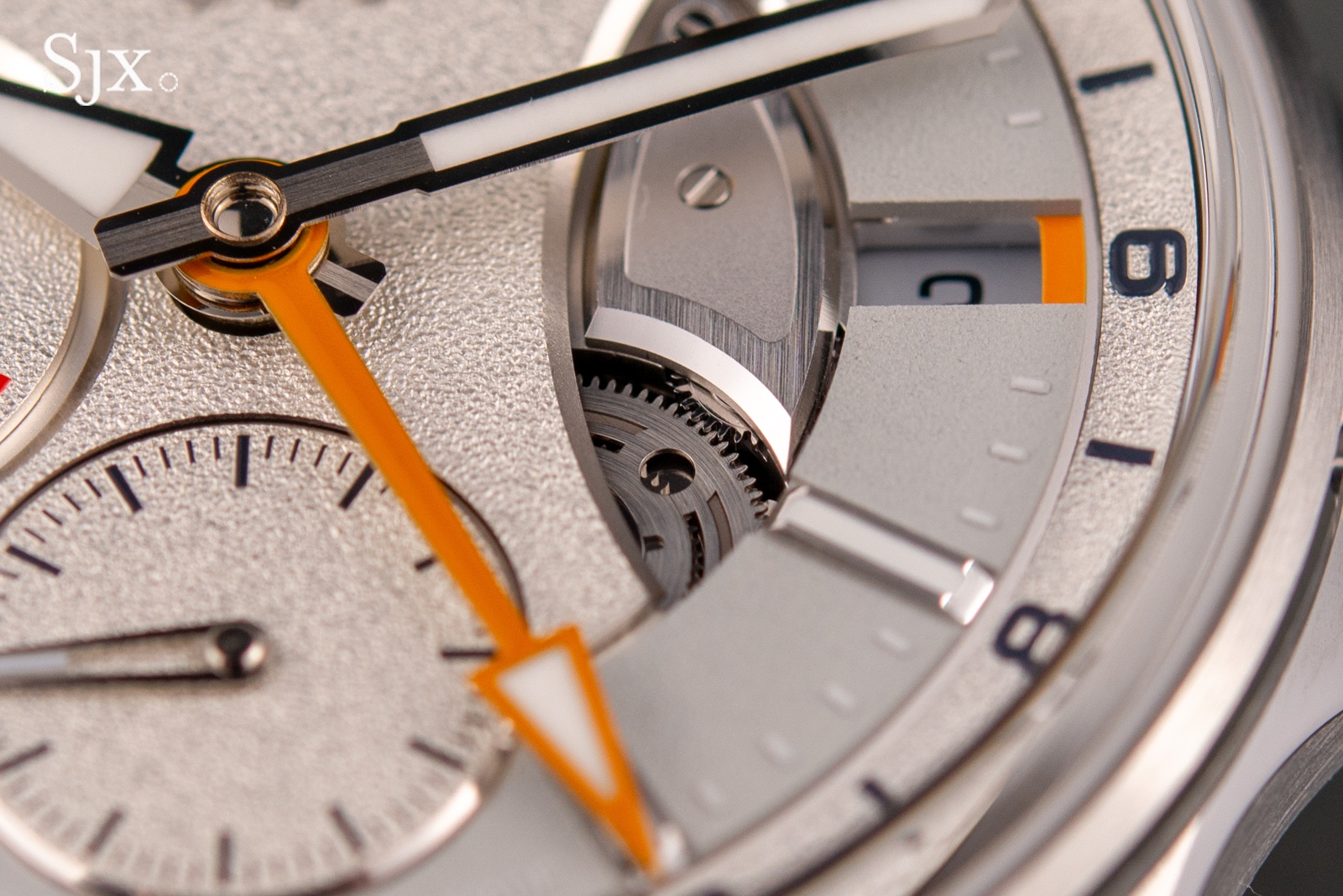
At the three o’clock position, just inboard of the date display, is a cut-out that reveals part of the motion works — the component group responsible for adjusting the hands. In this case, the exposed wheel is part of the local time hour-jumper, which rotates when the user adjusts the local time zone. Drawing attention to this cut out is a delta-shaped bridge with generous diamond-cut beveling.
Case and bracelet
Compared to the dial, the 40.5 case is simple and unassuming. The entire construction is quite thick at 14.15 mm, but visually, and in terms of weight balance, it feels thinner due to the tapered bezel and case back. The case finishing, almost certainly the work of an Asian supplier, is well done with clean, sharp transitions between brushed flanks and polished edges.
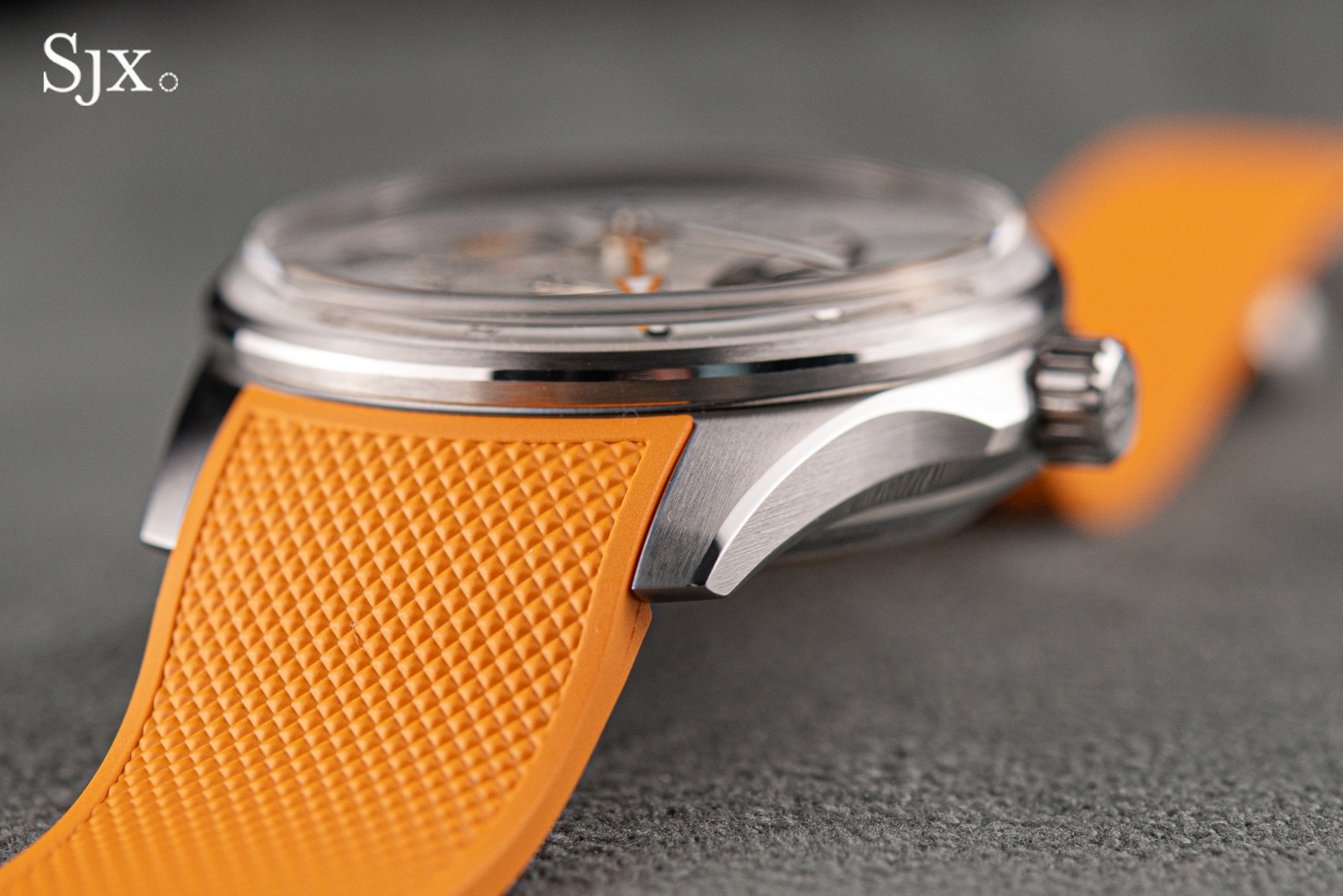
The True GMT can be had on a supple rubber strap with an elegant folding clasp that keeps the excess strap on the inside, or on the brand’s three-link Bader stainless steel bracelet, complete with screwed links and a ratcheting micro-adjustment system built into the clasp. At launch, the True GMT is available in two colourways. Orange and silver, as pictured, or teal and black.

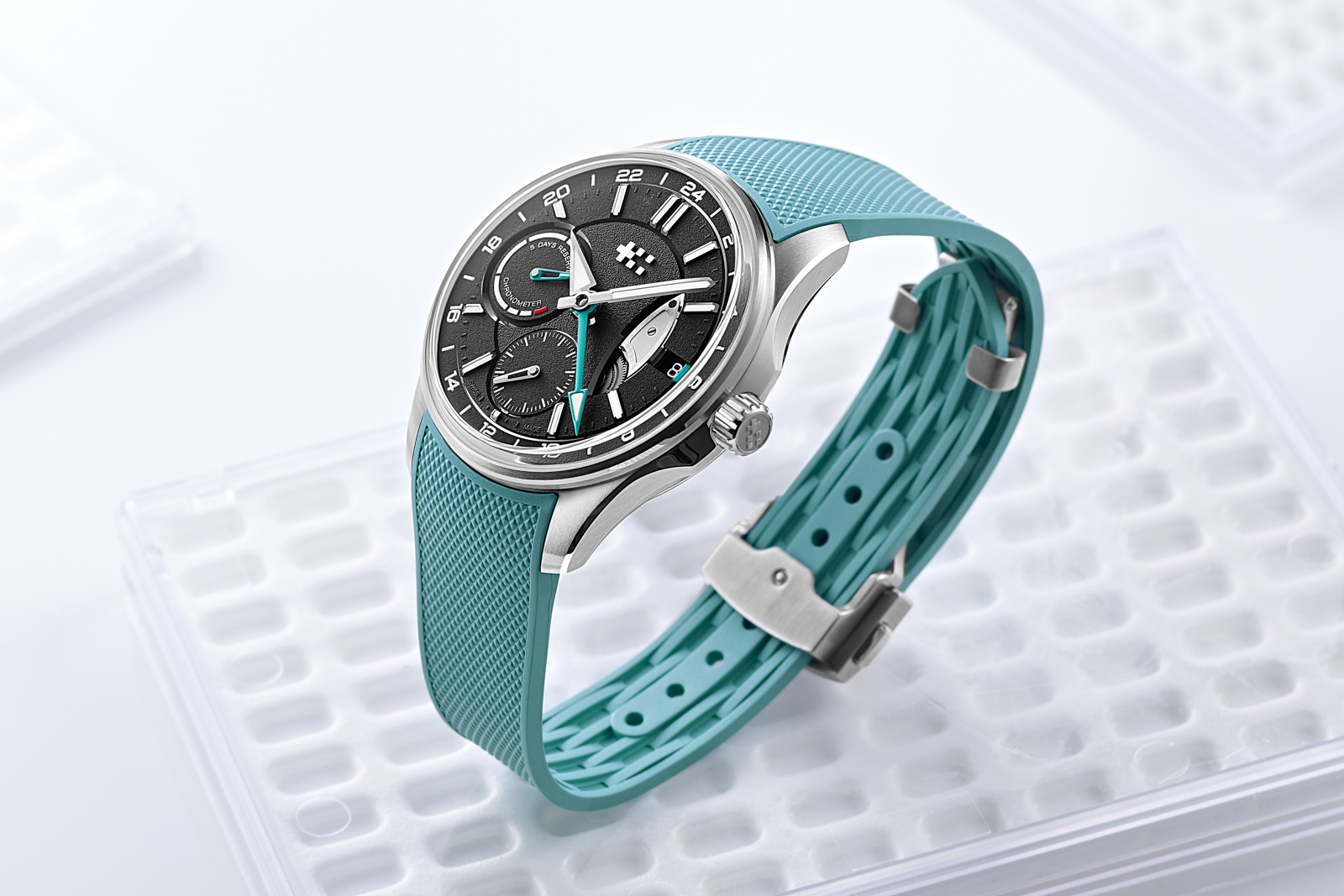
The teal and black colourway. Image – Christopher Ward
A GMT movement for frequent flyers
Key to CW’s newfound positioning is its manufacture status, acquired through a merger with its Biel-based movement supplier Synergies Horlogères in 2014. The brand’s first ‘in-house’ calibre was the SH-21, a double-barrel time-only movement based on the Valjoux 7750 architecture. This platform remains the brand’s only fully in-house movement, but it has proven versatile, with automatic and manually wound versions, and an architectural variant with a free-sprung balance powering the C12 Loco.
The latest iteration is the CW-002, which features both automatic winding, a power reserve indicator, and the model’s namesake GMT functionality. CW has previously commercialised so-called ‘caller GMT’ watches, which allow the user to jump the second time zone hand in one-hour increments. The True GMT departs from this norm, and is a proper ‘flyer GMT’ in the modern parlance.
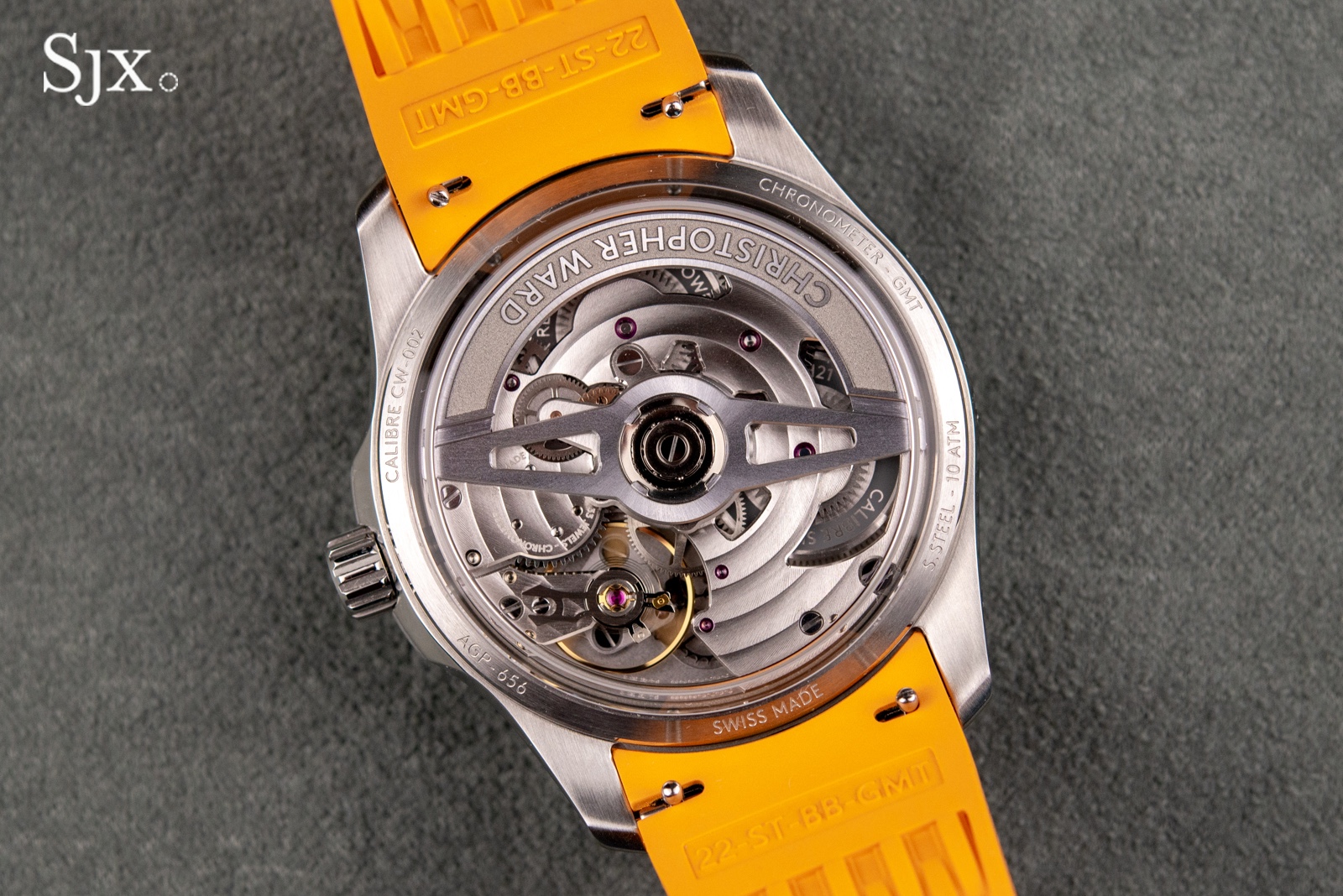
In other words, it operates like the category leader, the Rolex GMT-Master II. After unscrewing the crown and pulling it out to the second position, the local time hour hand can be jumped forward or backward. The date is synchronised to local time, and can be adjusted in either direction by jumping the local time hour hand. The minutes and the GMT hand are adjusted from the third position. On the test sample I received, it required a bit of force to find the third crown position, but CW claims to have refined this operation ahead of the regular production run.
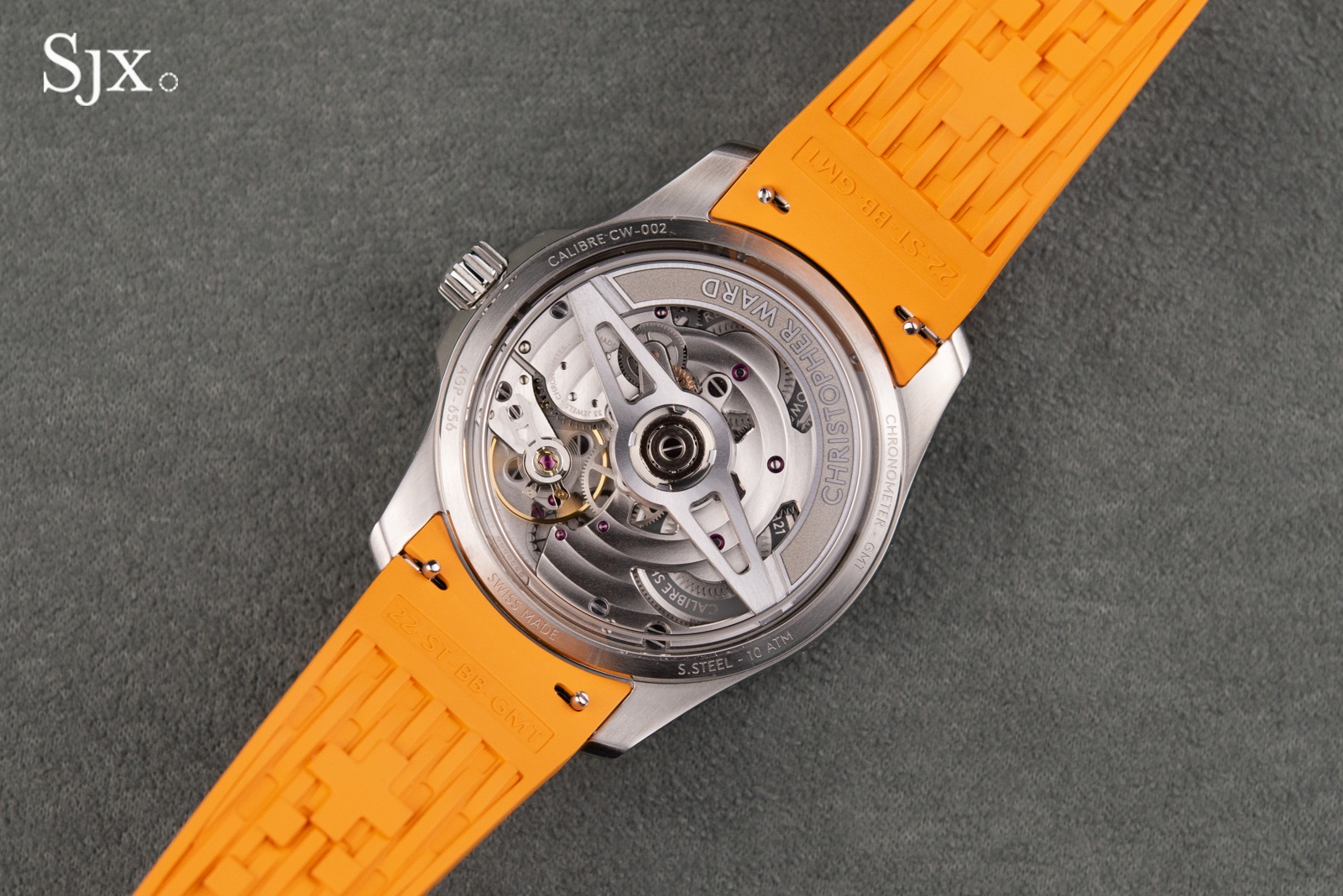
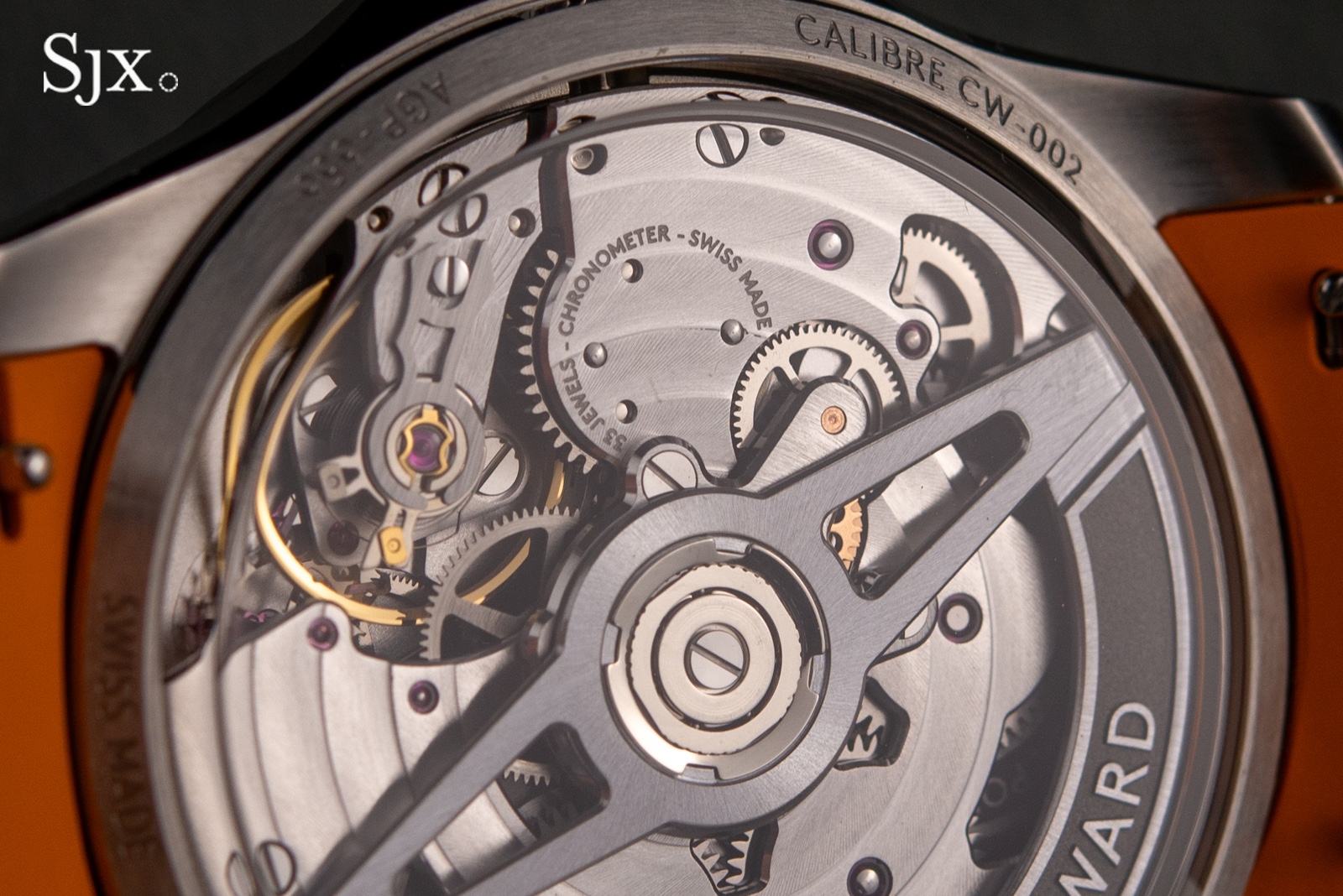
Notably, the CW-002 is a COSC-certified chronometer, which is unusual to find in a movement with a 120-hour power reserve. It’s worth noting that COSC only tests watches during the first 24 hours of the power reserve, but the combination of a COSC-certification and a long power reserve is an appealing differentiator nonetheless, promising point-in-time accuracy and set-it-and-forget-it autonomy.
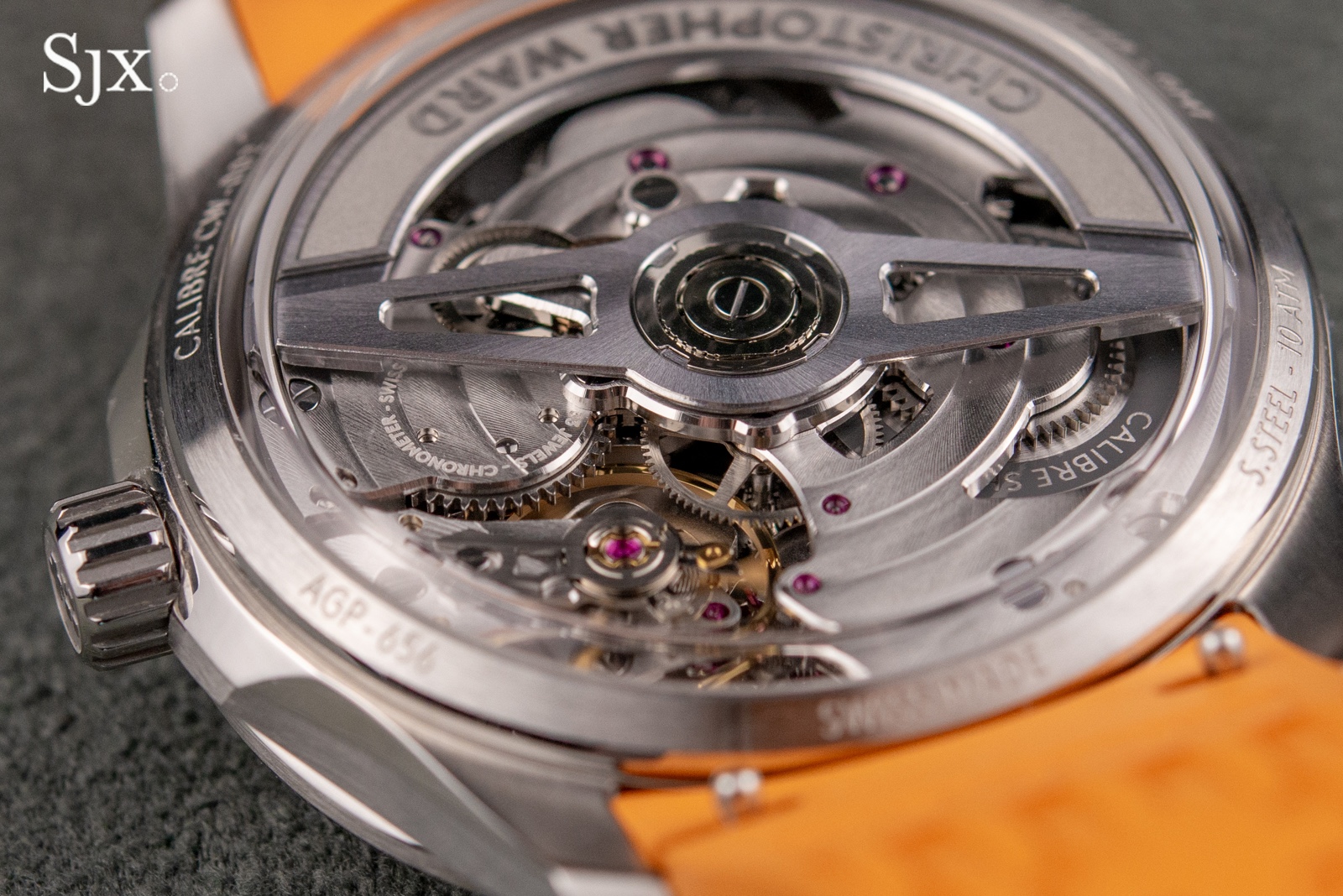
Unlike the CW-003 used in the C12 Loco, the CW-002 features a more common Etachron regulator for rate adjustment, which is a reasonable concession in this kind of value-oriented product. While I would have preferred a free-sprung balance, the tried-and-true formula helps keeps costs under control.
In the sub-US$5,000 price segment, there’s usually little in the way of finishing. This is only natural, since finishing is one of the major factors that high-end brands use to justify high prices. That said, CW has clearly put in some effort to obtain an attractive look on a budget, with circular striping and diamond-cut bevels that catch the light easily. There is an acceptable degree of coarseness at high magnification, but the overall approach to design is reminiscent of IWC movements like the cal. 52011 — an admirable benchmark worth striving for.
Key facts and price
Christopher Ward C63 Sealander True GMT
Diameter: 40.5 mm
Height: 14.15 mm
Material: Stainless steel
Crystal: Sapphire
Water resistance: 100 m
Movement: CW-002
Functions: Hours, minutes, seconds, date, second time zone, and power reserve
Frequency: 28,800 beats per hour (4 Hz)
Winding: Automatic
Power reserve: 120 hours
Strap: Rubber strap or stainless steel bracelet
Limited edition: No
Availability: Now at Christopher Ward online store or retailers
Price: US$4,200 on rubber strap or $4,350 on three-link bracelet excluding taxes
For more, visit christopherward.com.
Back to top.