
Hands On: Jaeger-LeCoultre Gyrotourbillon à Stratosphère
Pushing the limits of the multi-axis tourbillon.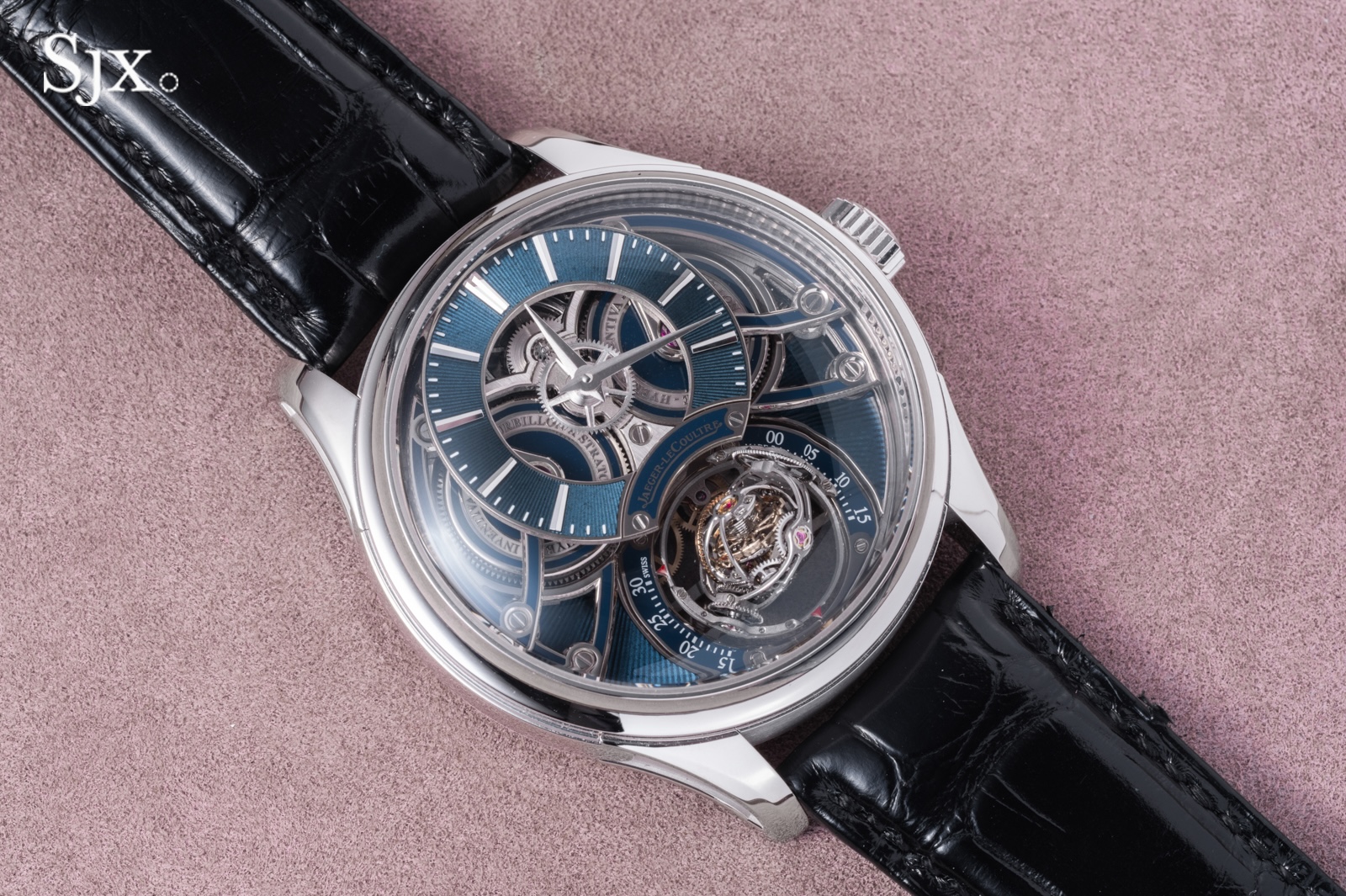
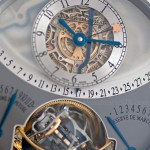
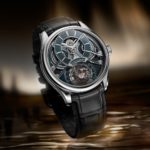
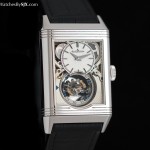
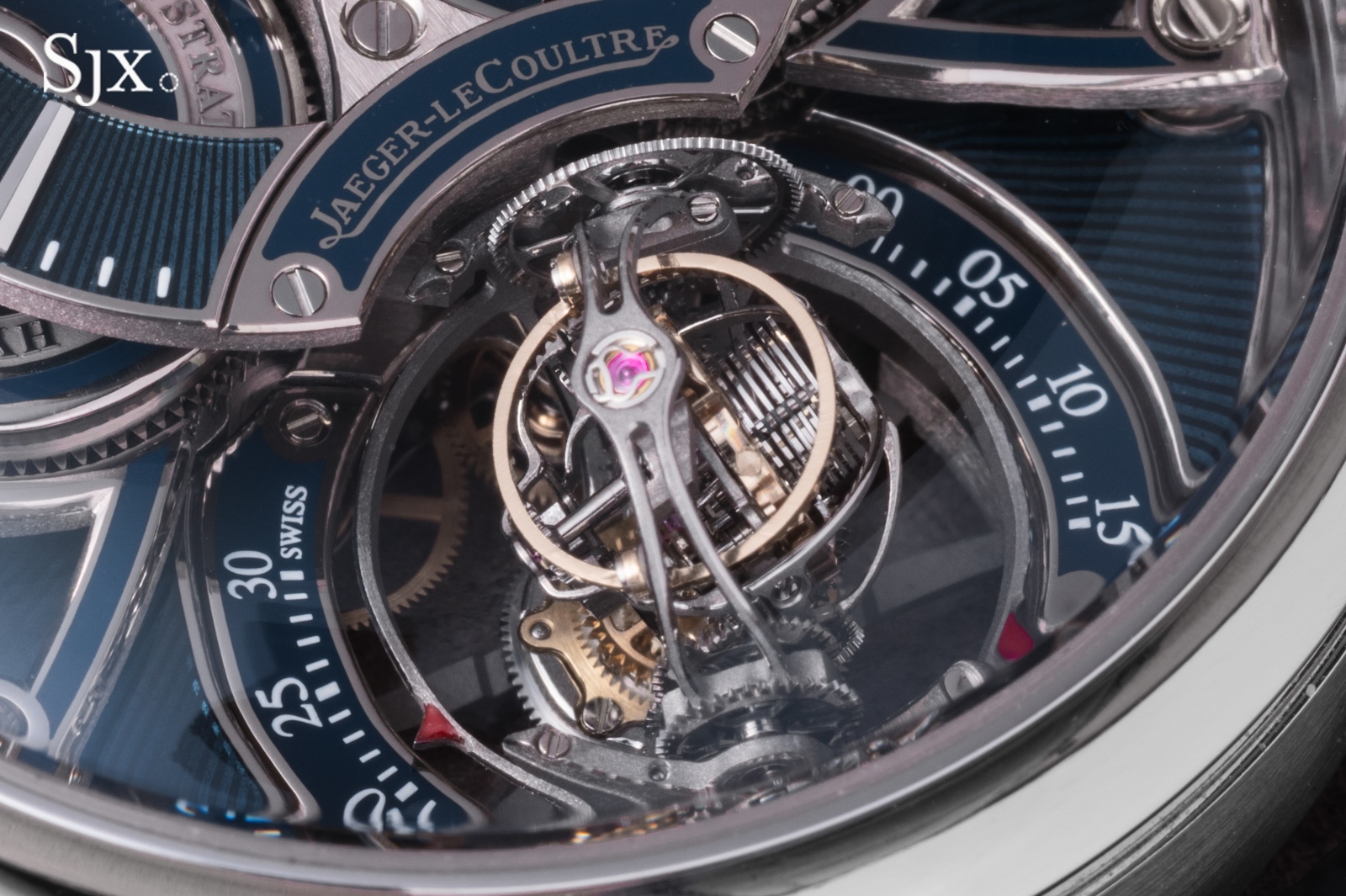
A tourbillon within a tourbillon, itself within yet another tourbillon. The Master Hybris Inventiva Gyrotourbillon à Stratosphère is Jaeger-LeCoultre’s sixth-generation multi-axis tourbillon, 22 years after the first Gyrotourbillon launched in 2004. The revised tourbillon architecture now covers close to 100% of possible positions in space to dilute the effects of gravity across nearly all possible orientations. But is it a genuine precision instrument, or an exploration of the limits of contemporary mechanics?
Evolution or revolution?
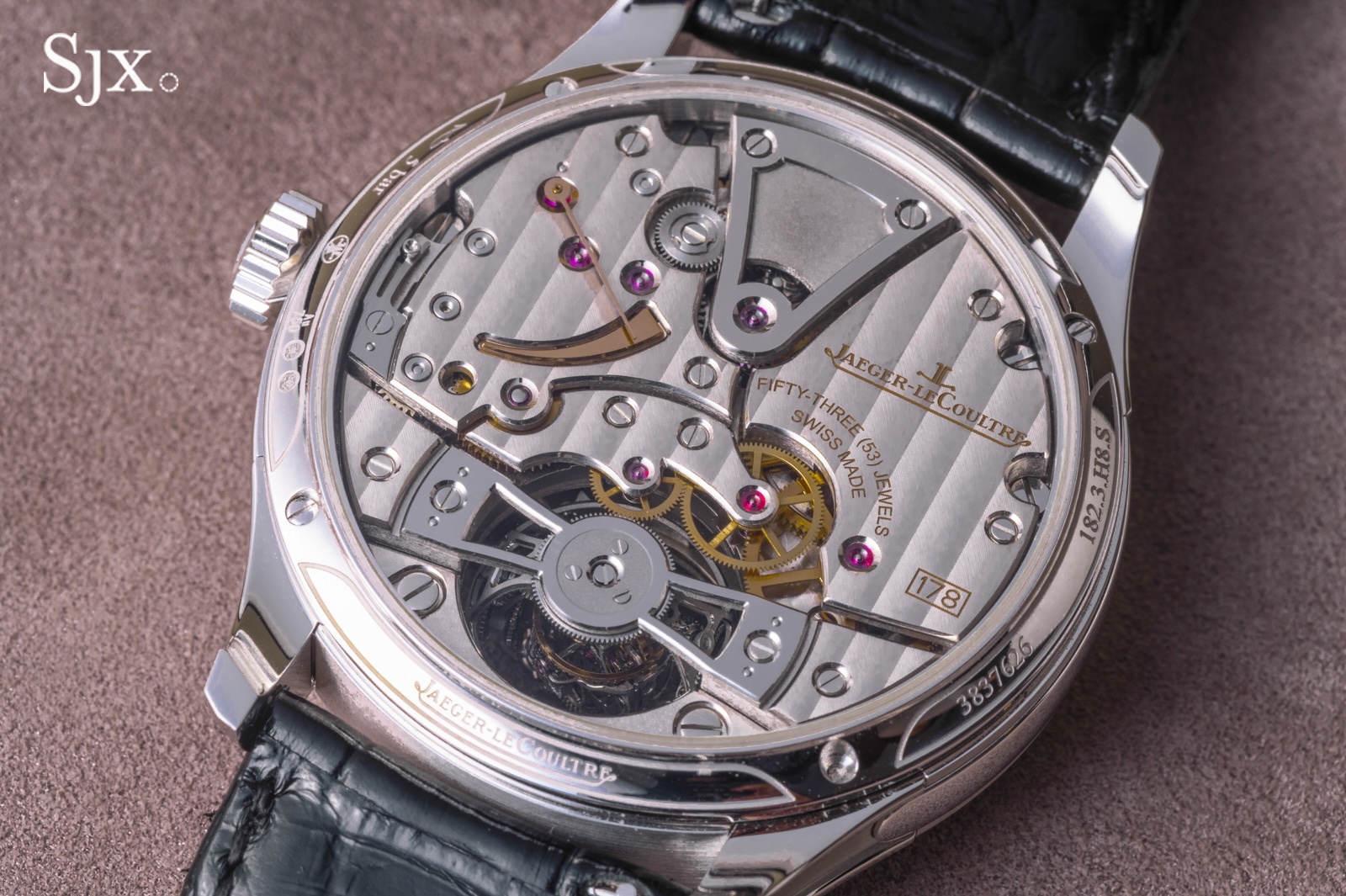
The calibre 178 that powers the Stratosphère builds on more than two decades of research into multi-axis tourbillons, during which Jaeger-LeCoultre (JLC) has explored variables such as axis multiplication, different hairspring geometries, miniaturisation, and new forms of energy management.
This logical evolution of the Gyrotourbillon concept remained theoretical until recently. “Its realisation has only been possible thanks to the current maturity of the Manufacture’s expertise and technologies – it would have been difficult to envisage just a few years ago,” notes Takahiro Hamaguchi, Product & Innovation Director at JLC.
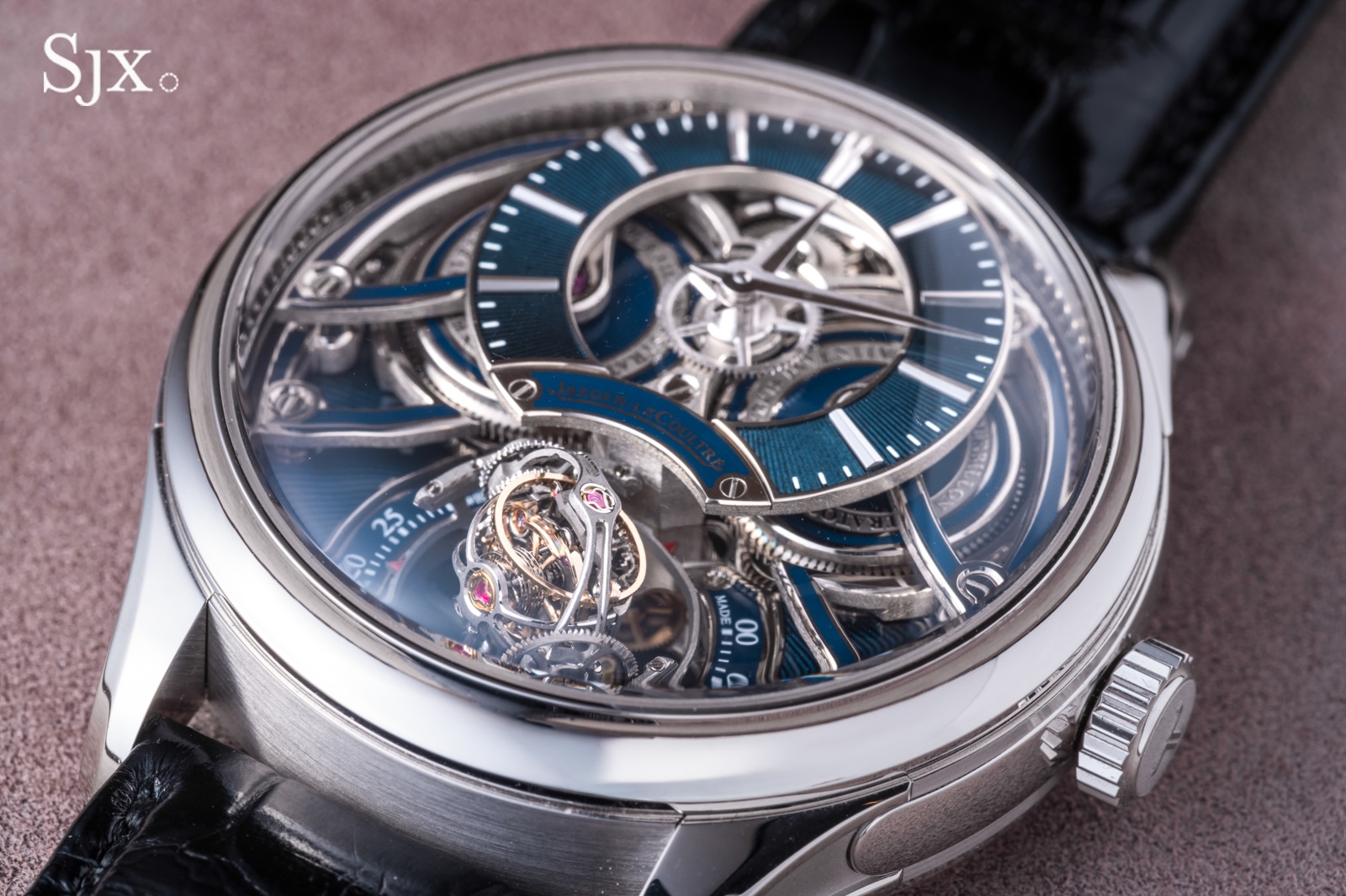
This capability also stems from the brand’s internal structure, which enables the conception and production of a movement from scratch, and is reflected in the new Hybris Inventiva line, which will grow into a showcase of watches that isolate a single innovative complication developed through multi-year internal research.
Decoding the 98% coverage
The notion of positional coverage refers to a geometric reality: “We consider the trajectory of a multi-axis tourbillon as the evolution of a fixed point on the inner cage – for example, the tip of the balance staff,” Mr Hamaguchi explains. The percentage corresponds to the portion of a sphere’s surface effectively swept by that point. With three axes, this coverage reaches 98% — up from 70% in 2004 — approaching near-perfect positional immunity.
What about the remaining 2%? “The final percentages would require disproportionate effort for marginal benefit. Our objective is not to reach 100%, but to pursue optimal and relevant precision,” Mr Hamaguchi clarifies.
Kinematics and constraints
The three cages rotate at three distinct speeds: 20, 60 and 90 seconds. Their selection results from “a compromise between precision and autonomy,” says Mr Hamaguchi. “Theory suggests that the faster the rotation of the cages, the better the chronometric performance – much like increasing the frequency of the balance to 4 Hz, here used for the first time in a Gyrotourbillon.” The inner cage, which rotates fastest, plays a decisive role in overall performance.
In earlier Gyrotourbillons, JLC employed inclined axes, without formally disclosing their exact angles. While the balance axis itself was inclined at 90°, the outer cage was also tilted relative to the mainplate. This inclination was driven as much by chronometric considerations as by spatial constraints. “It allowed the cage to ‘graze’ both the dial-side and case back crystals,” thereby reducing thickness, explains Mr Hamaguchi.
The Gyrotourbillon à Stratosphère now shifts away from that to an orthogonal X/Y/Z architecture. This transition is fundamentally kinematic: the former inclined configuration becomes incompatible with the addition of a third axis. A new patent specifically concerns this novel combination – a balance inclined at 90° paired with a third rotational axis.
More complexity, less volume
This shift is accompanied by a sustained effort in miniaturisation. While the diameter of the cage has been progressively reduced – from approximately 12-13 mm in the original Gyrotourbillon I to around 10 mm for this latest generation. Meanwhile, the complexity contained within that volume has increased, with 189 components inside the outermost cage.
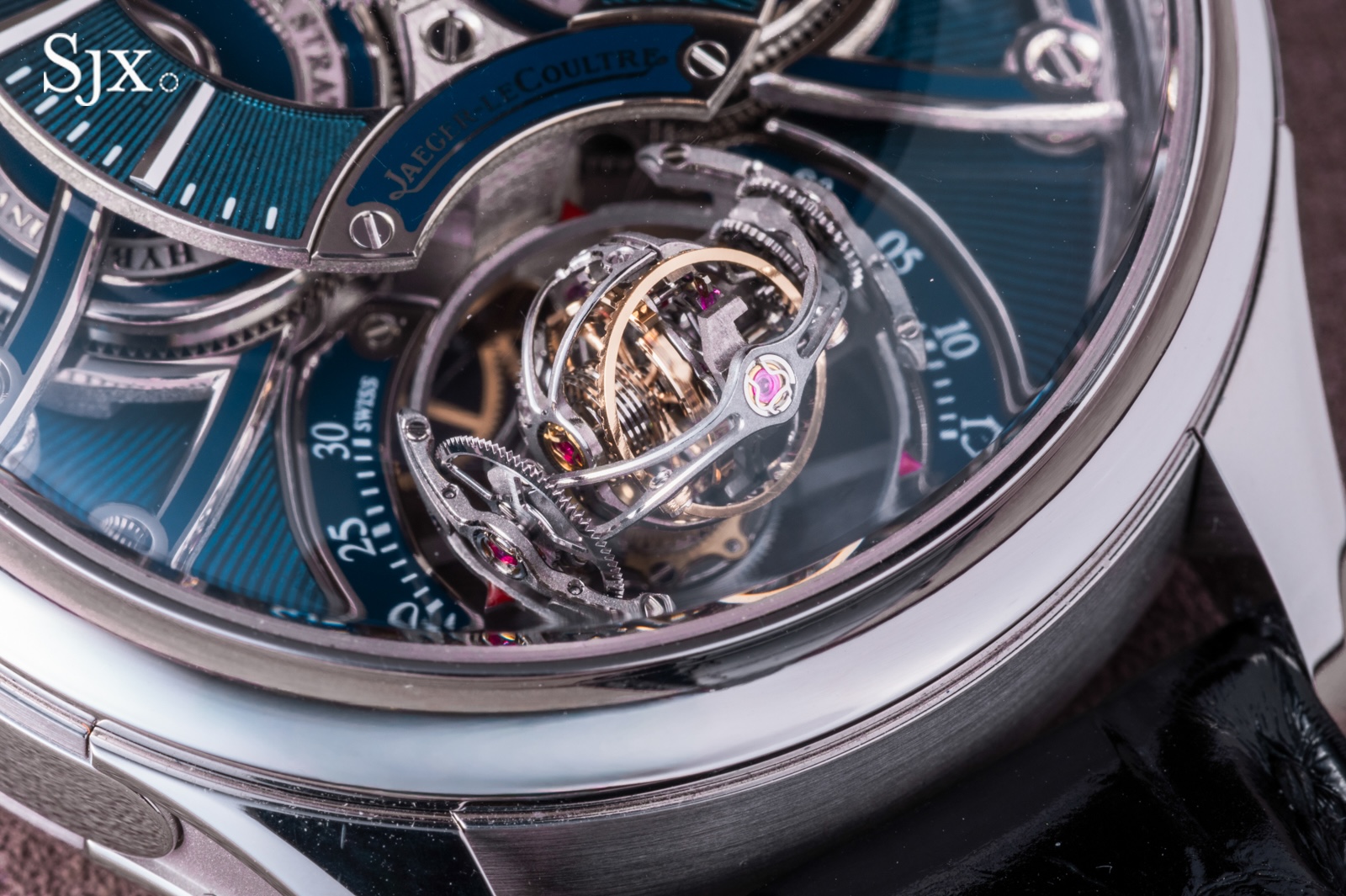
More than the absolute number of components, it is the density that has evolved: at a near-constant diameter, mechanical complexity has almost doubled since the first Gyrotourbillon.
Regarding case dimensions, early Gyrotourbillons were already substantial, often between 16 mm and 18 mm thick. Subsequent generations saw modest optimisation, generally remaining within a range of about 14-17 mm. The Stratosphère, despite its added complexity, measures 16.15 mm thick, underscoring a stable volumetric envelope. Rather than reduce thickness, JLC prioritised integrating greater mechanical complexity within comparable dimensions.
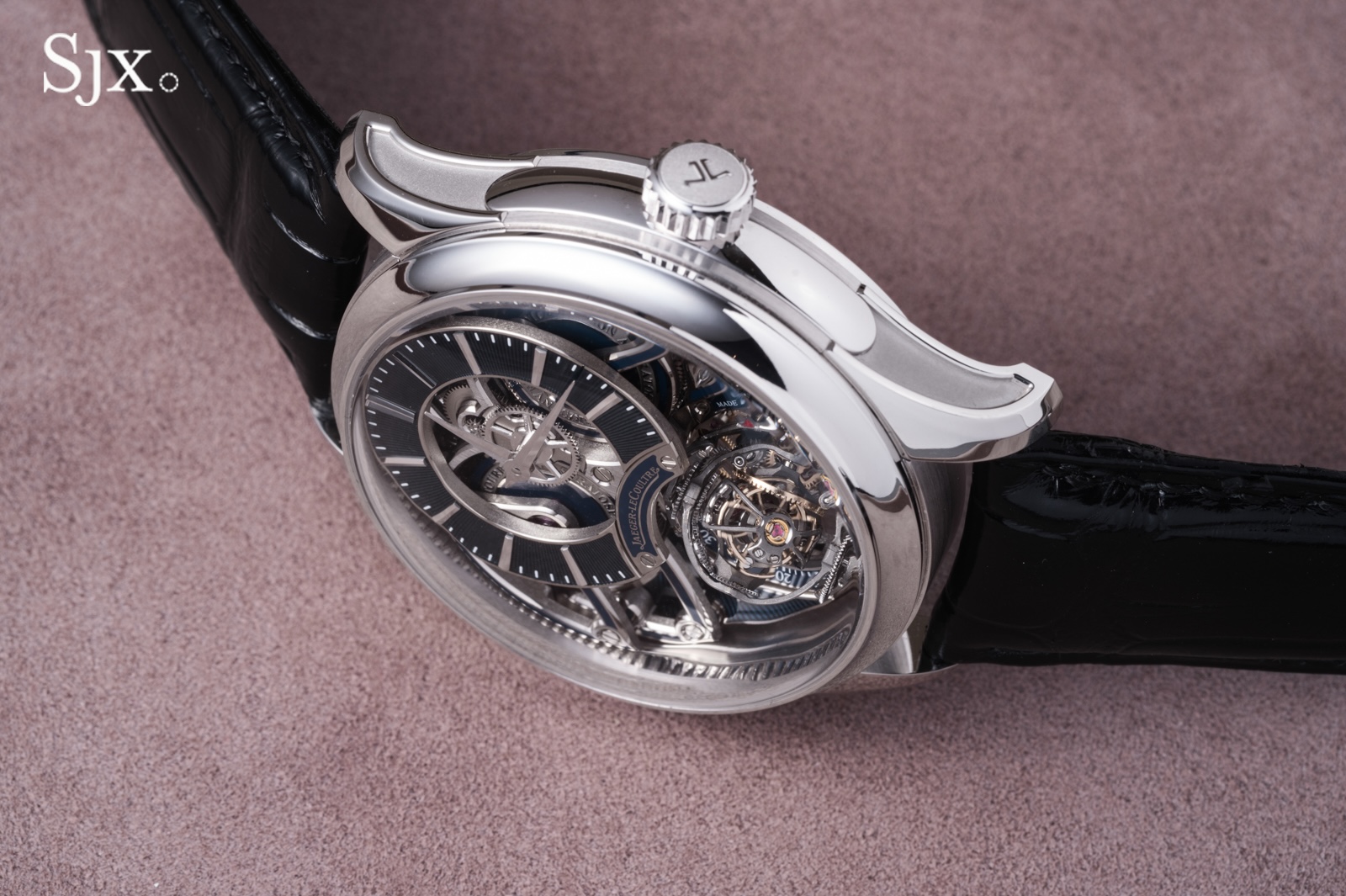
Energy optimisation
The Stratosphère places a fundamental watchmaking requirement at the forefront: energy. The system consumes approximately five times more energy than an equivalent calibre with a traditional escapement. “The goal is to achieve a balance between chronometric performance, power reserve, and dimensional constraints” says Mr Hamaguchi.
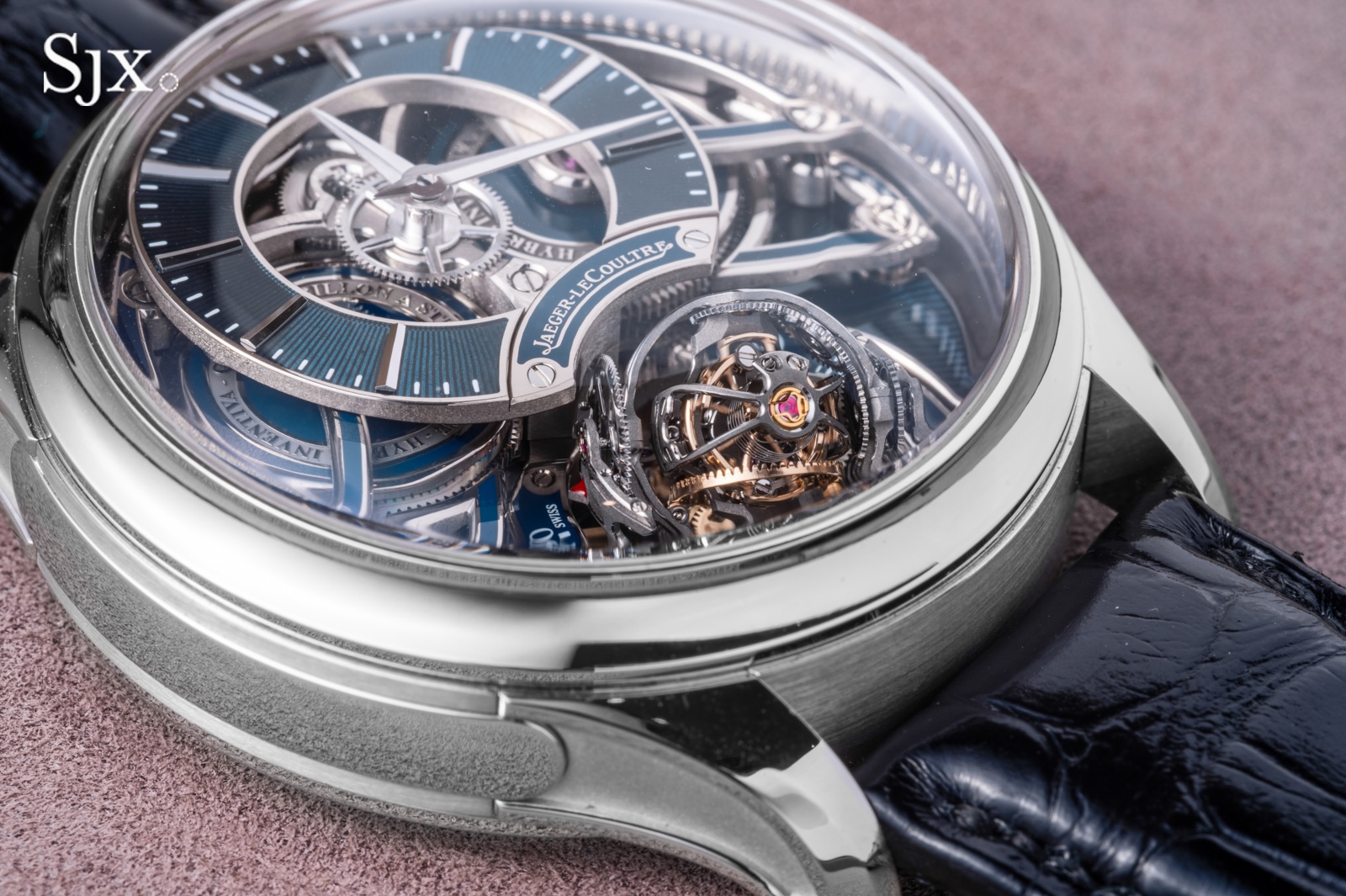
Reconciling a triple cage, a 4 Hz frequency, and a 72-hour power reserve relies on “overall optimisation, working on architecture, materials, and transmission.” The use of lightweight materials – particularly titanium for the tourbillon cages – also plays a key role, reducing inertia despite the increased number of components and helping to minimise energy consumption. The choice of ceramic ball bearings – which operate without lubrication – offers a significant long-term advantage.
Architecture and decoration
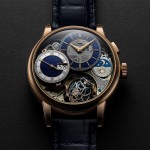
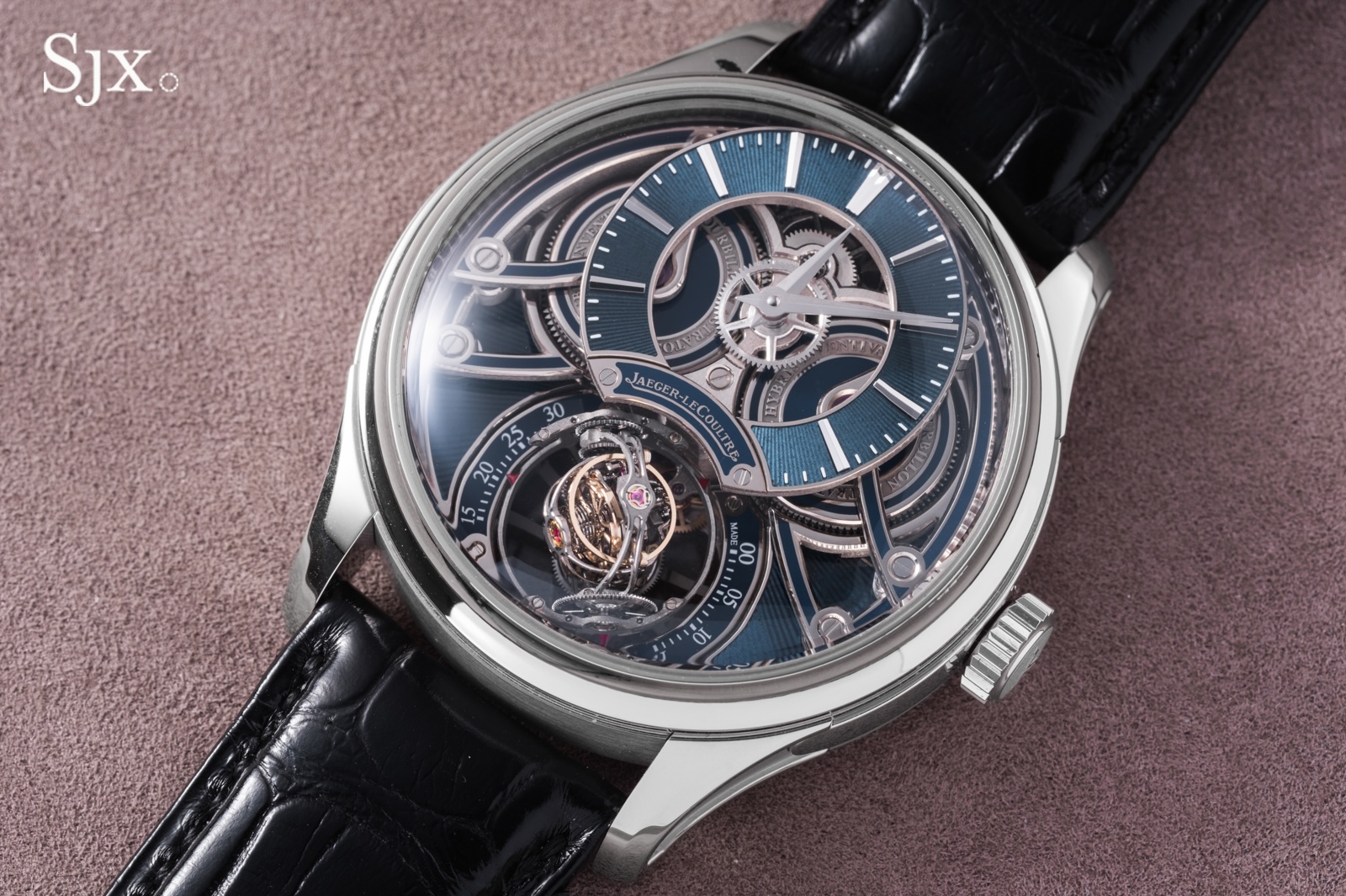
The Gyrotourbillon à Stratosphère’s three-dimensional architecture is enhanced by decorative crafts. “The openworked movement reveals its structural aesthetic, aiming to create a piece that is both legible and expressive,” Mr Hamaguchi explains.
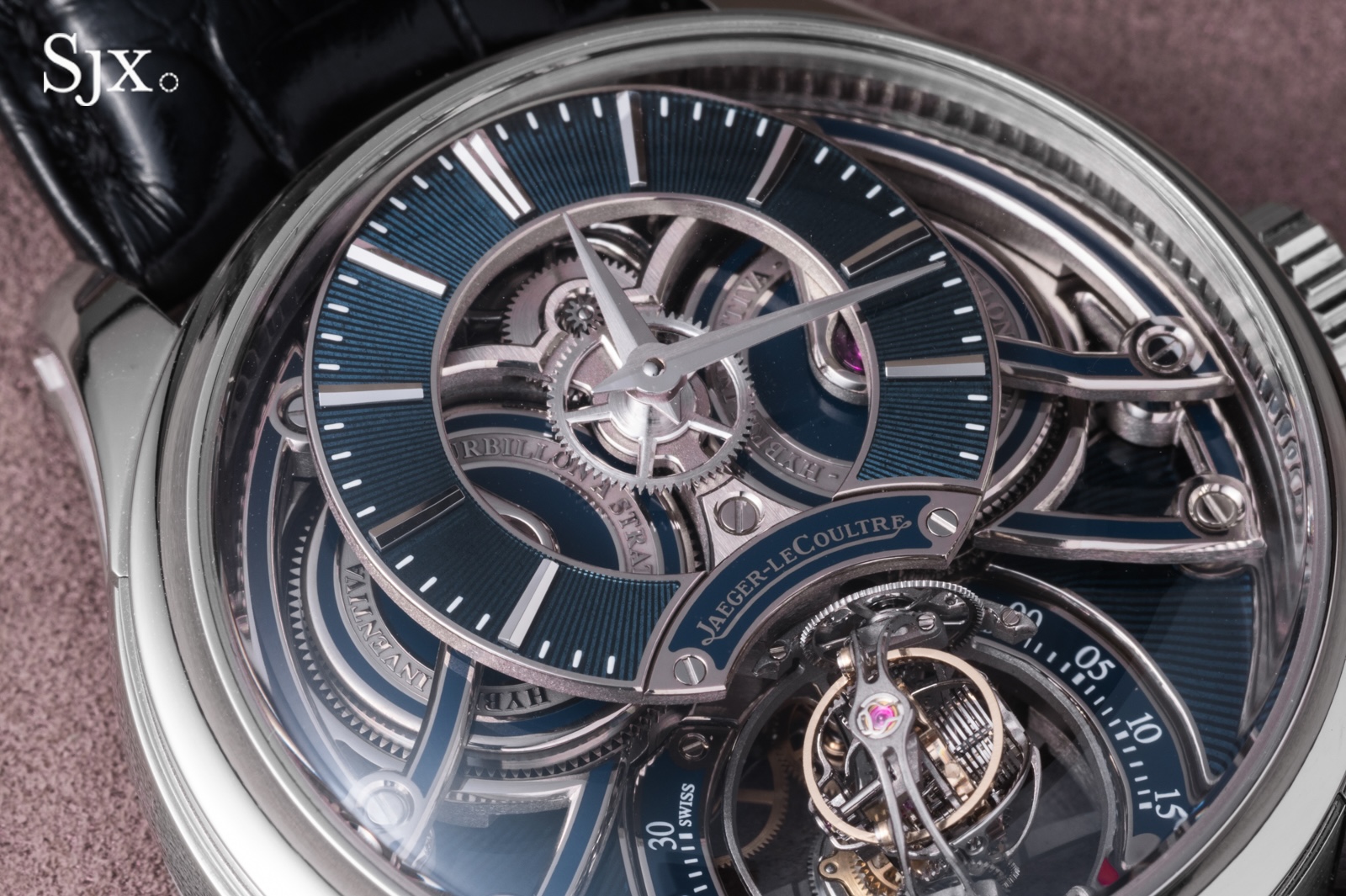
Yet each decorative technique – guilloché, enamel, and lacquer among others – affects structural components in terms of tolerances, vibrations, and thickness. Decoration here is thus integrated from the design stage. “Managing space and all these elements represented a real project challenge, which we addressed by integrating technique and aesthetics from the outset,” explained Lionel Favre, JLC’s Product Design Director.
So, where does it lead?
The answer to the initial question – precision instrument or exploration of mechanical limits – becomes clearer. The Gyrotourbillon à Stratosphère operates at the intersection of both. It extends Breguet’s original intent by seeking to average out the effects of gravity, yet reframes the problem entirely: precision is no longer optimised around a dominant position, but distributed across a near-complete range of spatial orientations.
At the same time, this pursuit is constrained by physical realities – energy consumption, kinematics, and volume – turning the watch into a study in balance as much as performance. “The project has a strong experimental dimension,” Mr Hamaguchi explains, suggesting that the combination of 98% positional coverage and a 4 Hz frequency should translate into tangible gains under real wearing conditions.
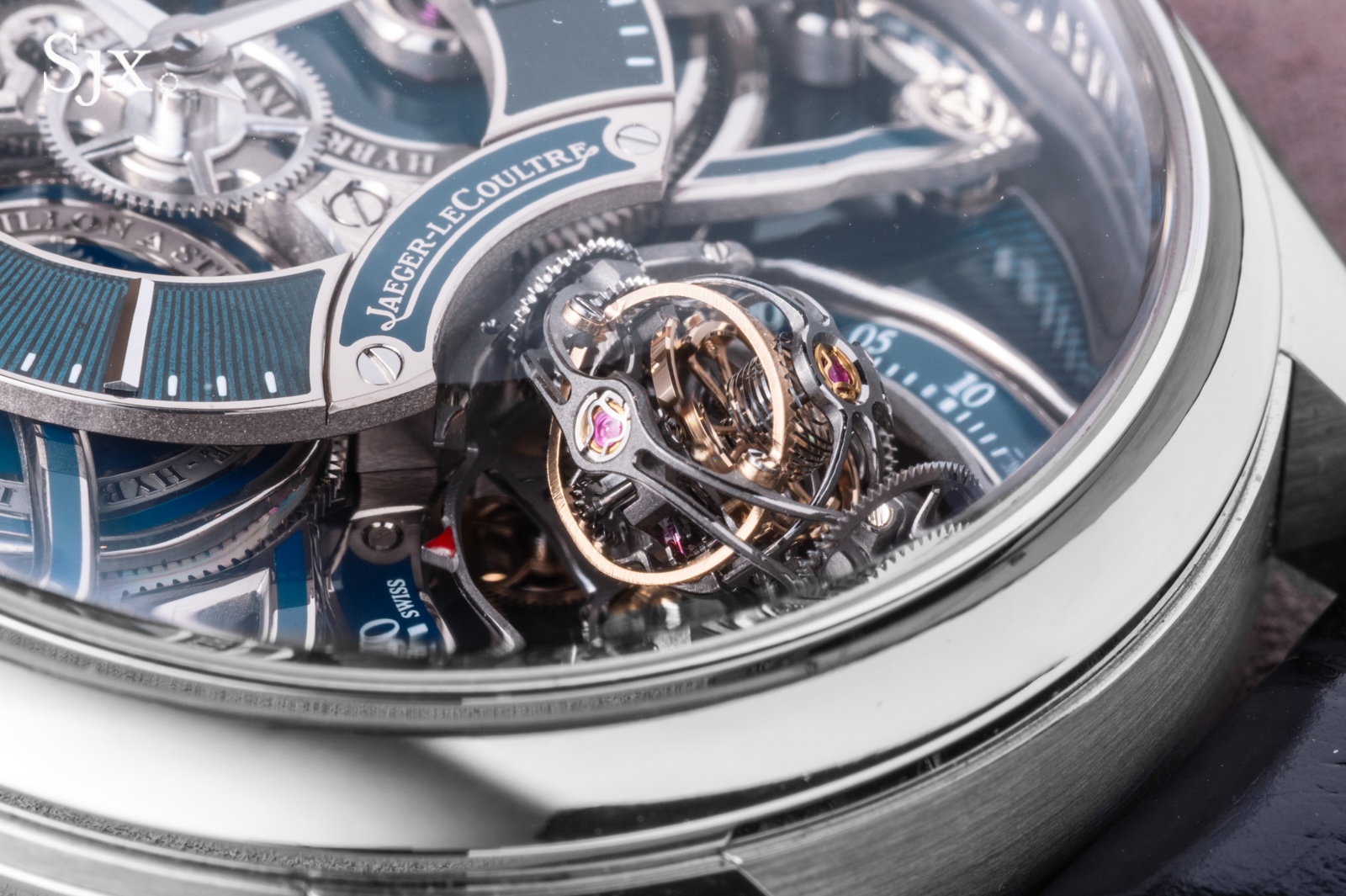
The three-dimensional architecture of the timepiece, conceived alongside its decoration, further reinforces this dual nature: a mechanical system designed not only to function, but to be understood and seen.
Ultimately, the Gyrotourbillon à Stratosphère does not eliminate gravity; it redistributes its effects across space. Precision becomes a question of probability, and the tourbillon a mechanism for exploring it. Whether this translates into measurable gains remains to be demonstrated – through real-world use or formal testing.
Key facts and price
Jaeger-LeCoultre Master Hybris Inventiva Gyrotourbillon À Stratosphère
Ref. Q5306480
Diameter: 42 mm
Height: 16.15 mm
Material: Platinum
Crystal: Sapphire
Water resistance: 50 m
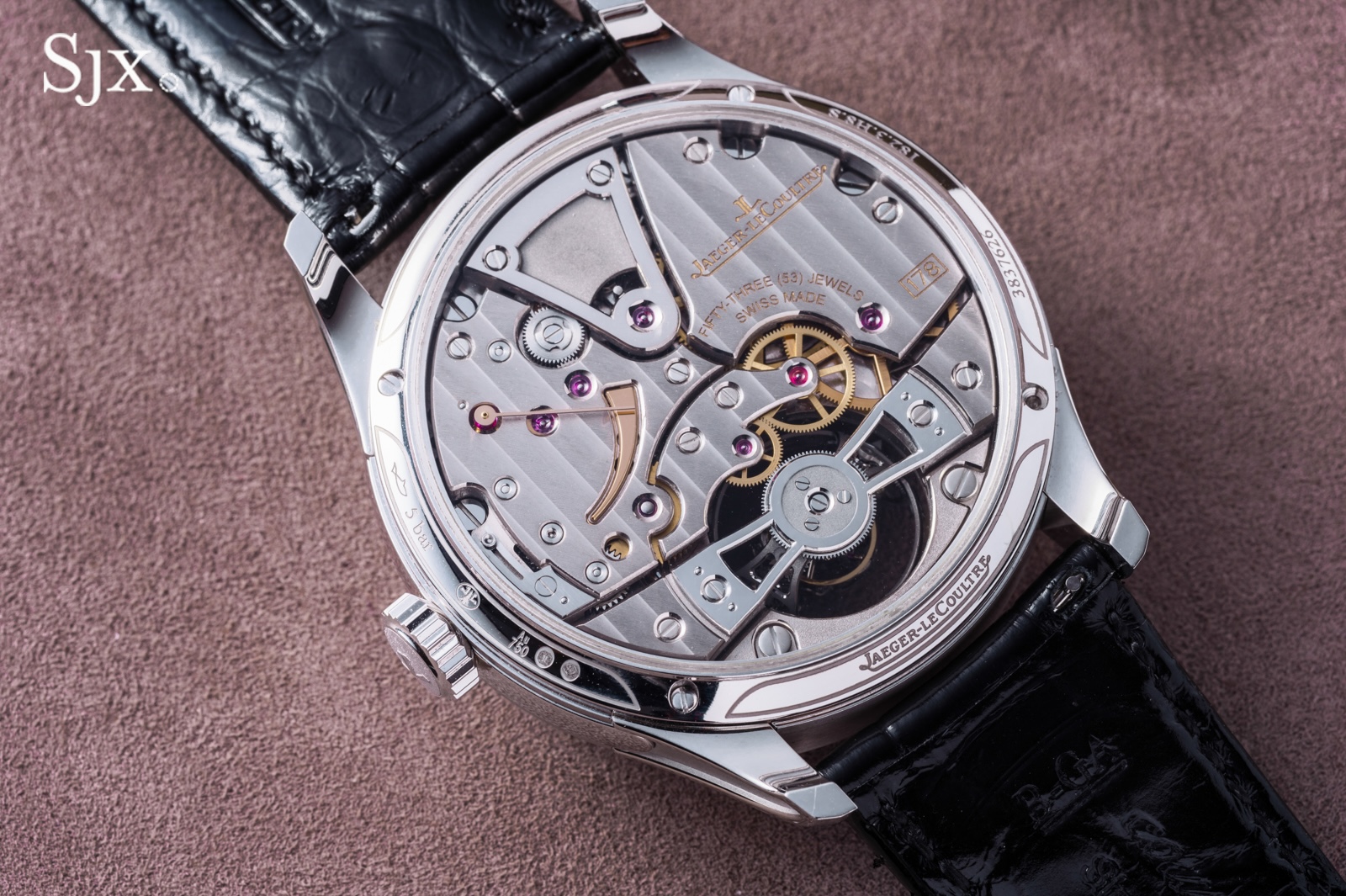
Movement: Cal. 178
Functions: Hours, minutes, seconds, gyrotourbillon, power reserve
Winding: Manual wind
Frequency: 28,800 beats per hour (4 Hz)
Power reserve: 72 hours
Strap: Alligator with folding buckle
Limited edition: 20 pieces
Availability: Now at Jaeger-LeCoultre boutiques and retailers
Price: Upon request
For more, visit Jaeger-lecoultre.com.
Back to top.