
Hands On: Bulgari Octo Finissimo Automatic 37 MM
Big presence in a small package.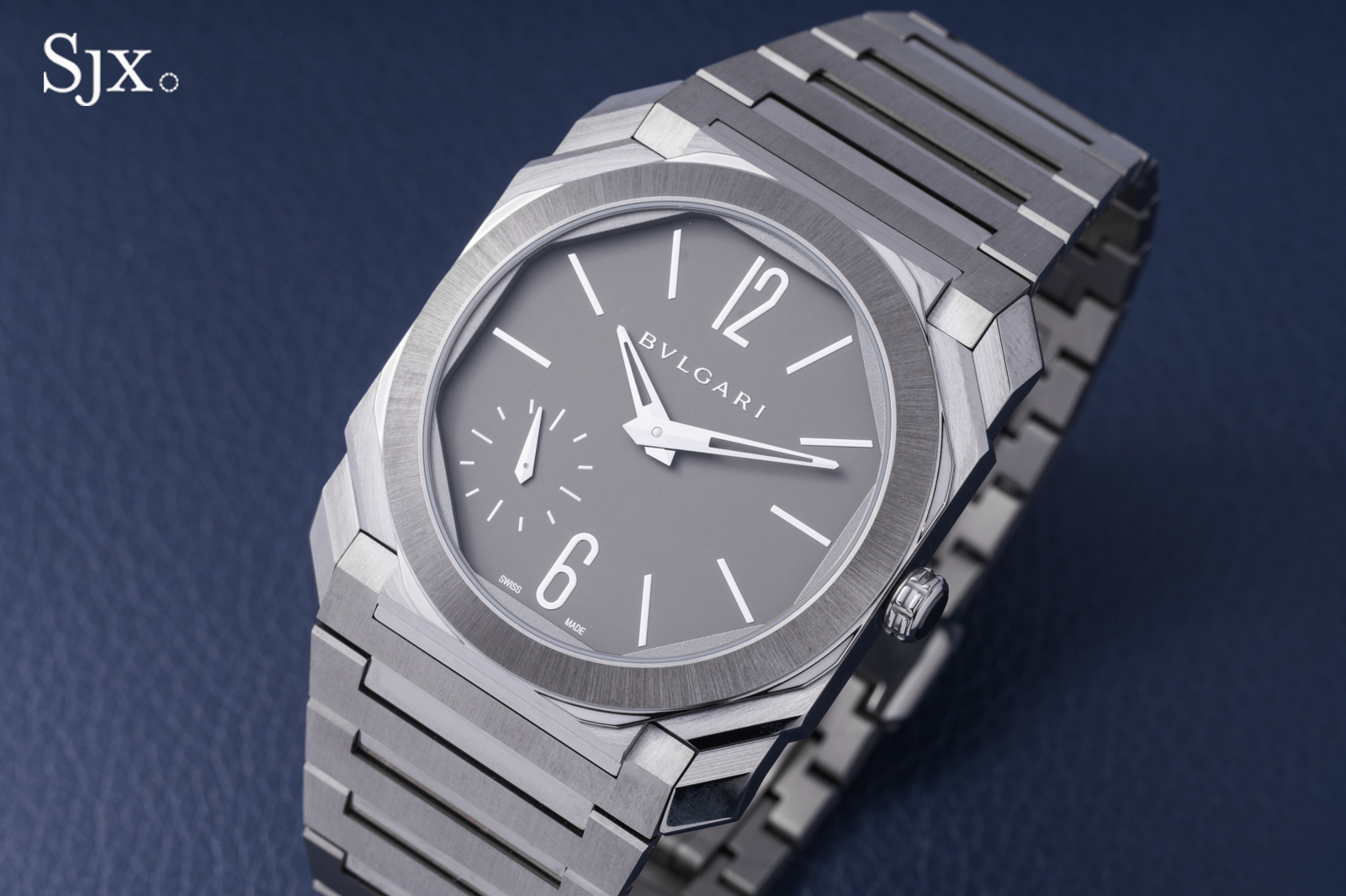
One of the quieter hits from Watches & Wonders was Bulgari’s Octo Finissimo Automatic 37 mm, a watch that would probably have grabbed more headlines were it not for its visual similarity to the well-known 40 mm model. In pictures, it’s difficult to tell the sizes apart, but on the wrist the difference could not be more stark.
Available in three versions in two different case materials — all regular production models — the 37 mm Octo Finissimo is powered by a new micro-rotor calibre that, while smaller than its sibling, manages to stretch the power reserve to 72 hours.
Initial thoughts
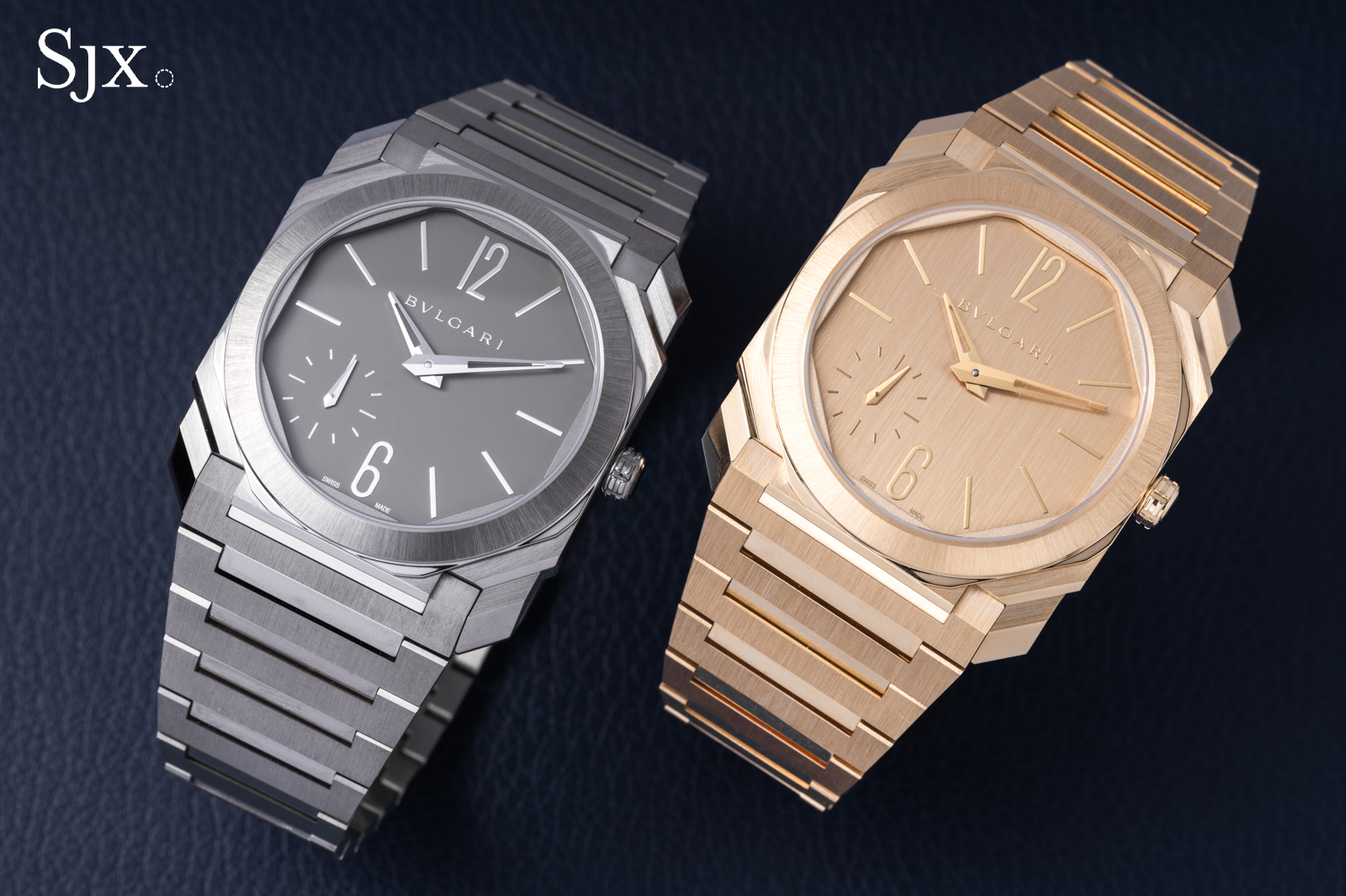
I’ve always appreciated the unique aesthetic of the Octo Finissimo, especially the matte titanium look that debuted in 2017. In some ways, it feels like the Royal Oak or Nautilus of my generation — an elegant sports watch with a distinctive voice. It’s a contemporary design that feels like it has staying power.
This aspect of the Octo Finissimo should not be understated. The deluge of generic-looking integrated bracelet sports watches we’ve witnessed over the past five years proves that it’s very difficult to create a differentiated design within this format. For Bulgari, the development of the Octo Finissimo — with its wide bracelet and short-pitched links — was like capturing magic in a bottle.
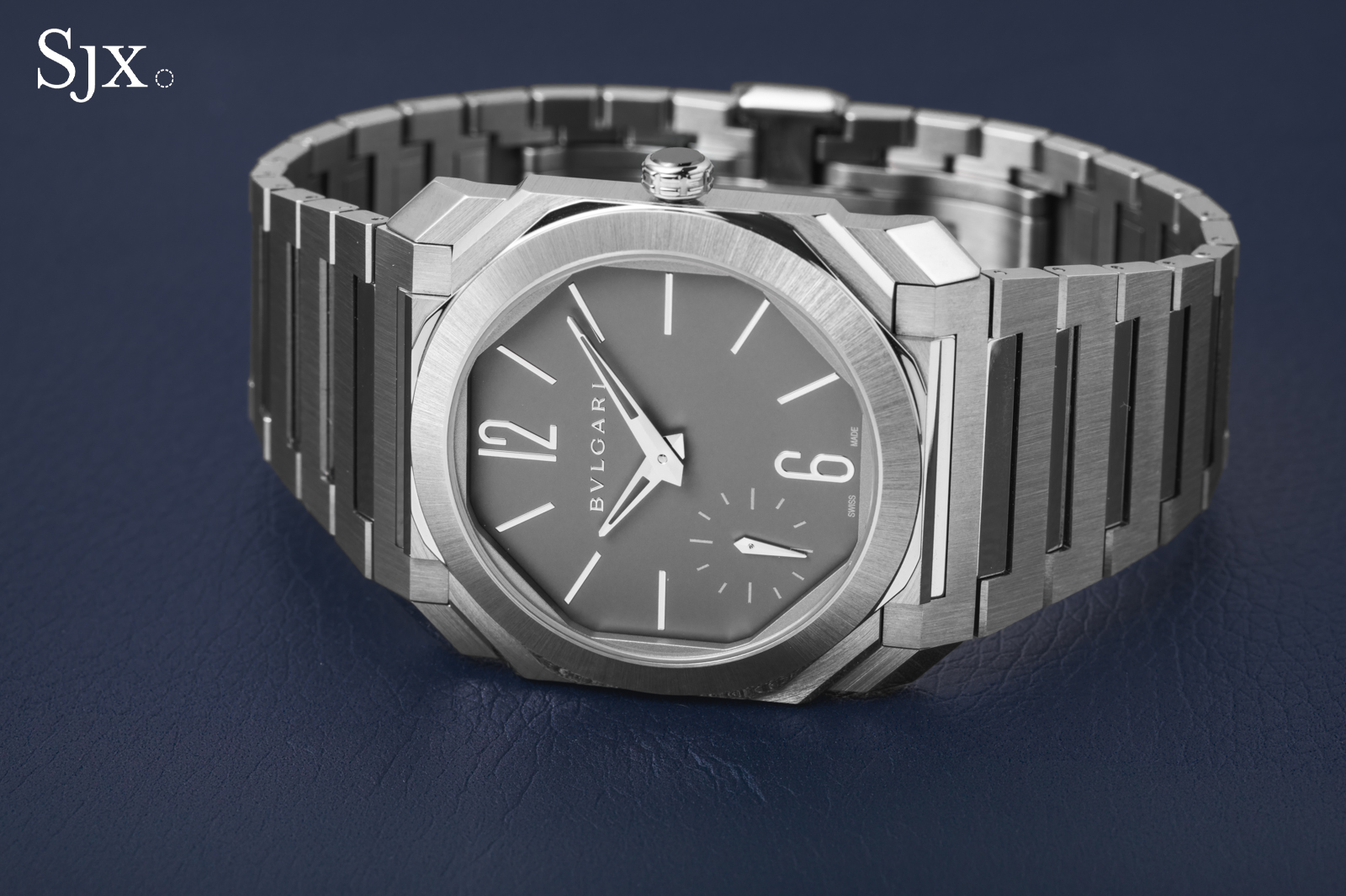
Unfortunately, the square shoulders of the 40 mm case ride up over my ulnar styloid (wrist bone) causing the case to sit at an odd angle — never flat and straight as intended by the design. I’m probably not the only collector with a boney wrist, so I’m pleased to report the smaller case size solves this problem — the lug at 1:30 now clears my wrist bone so the case sits flat.
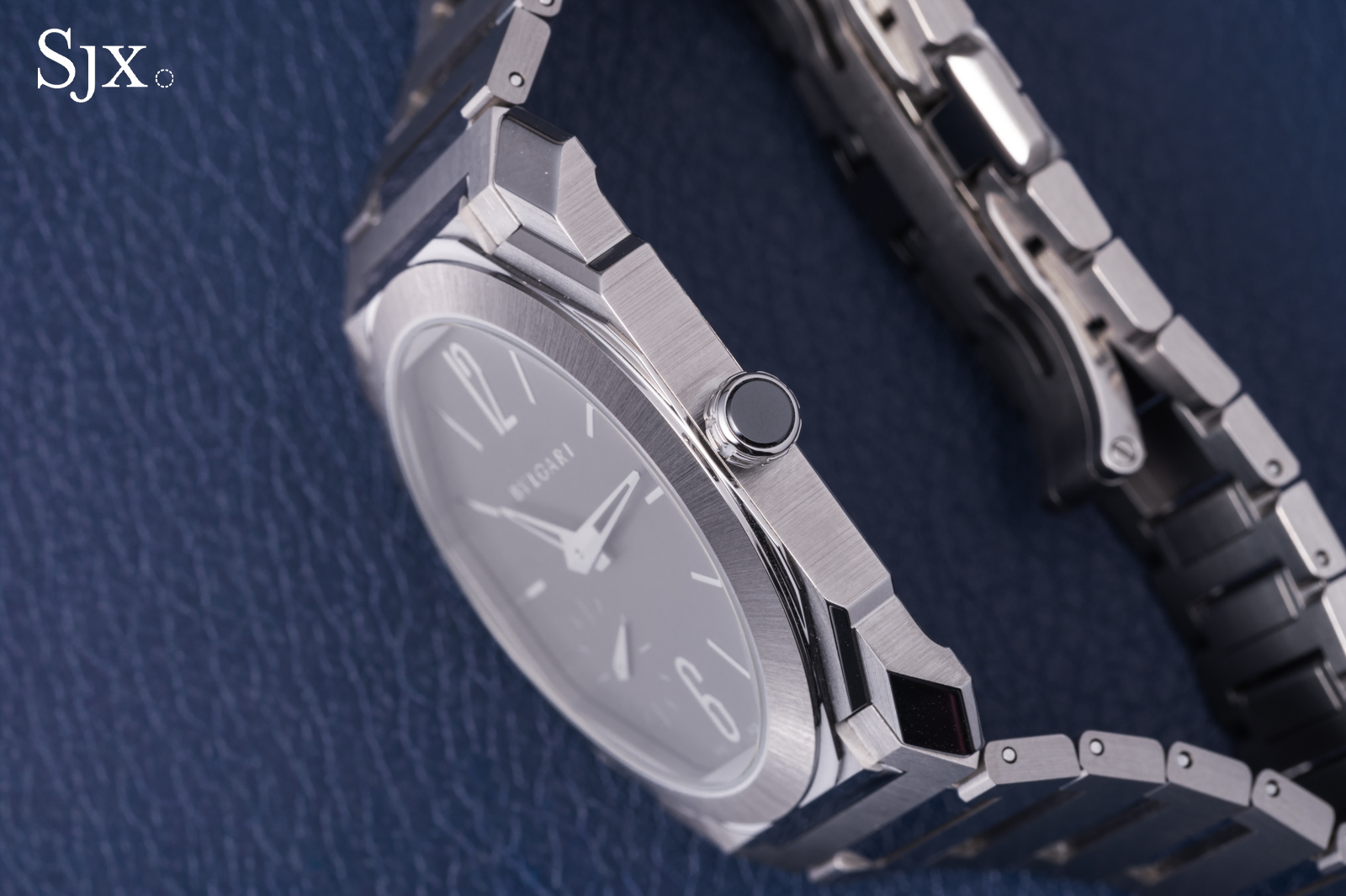
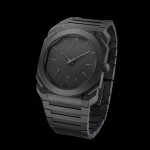
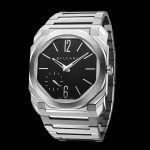
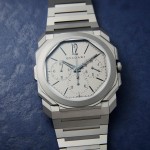
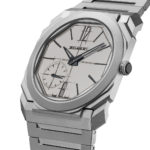
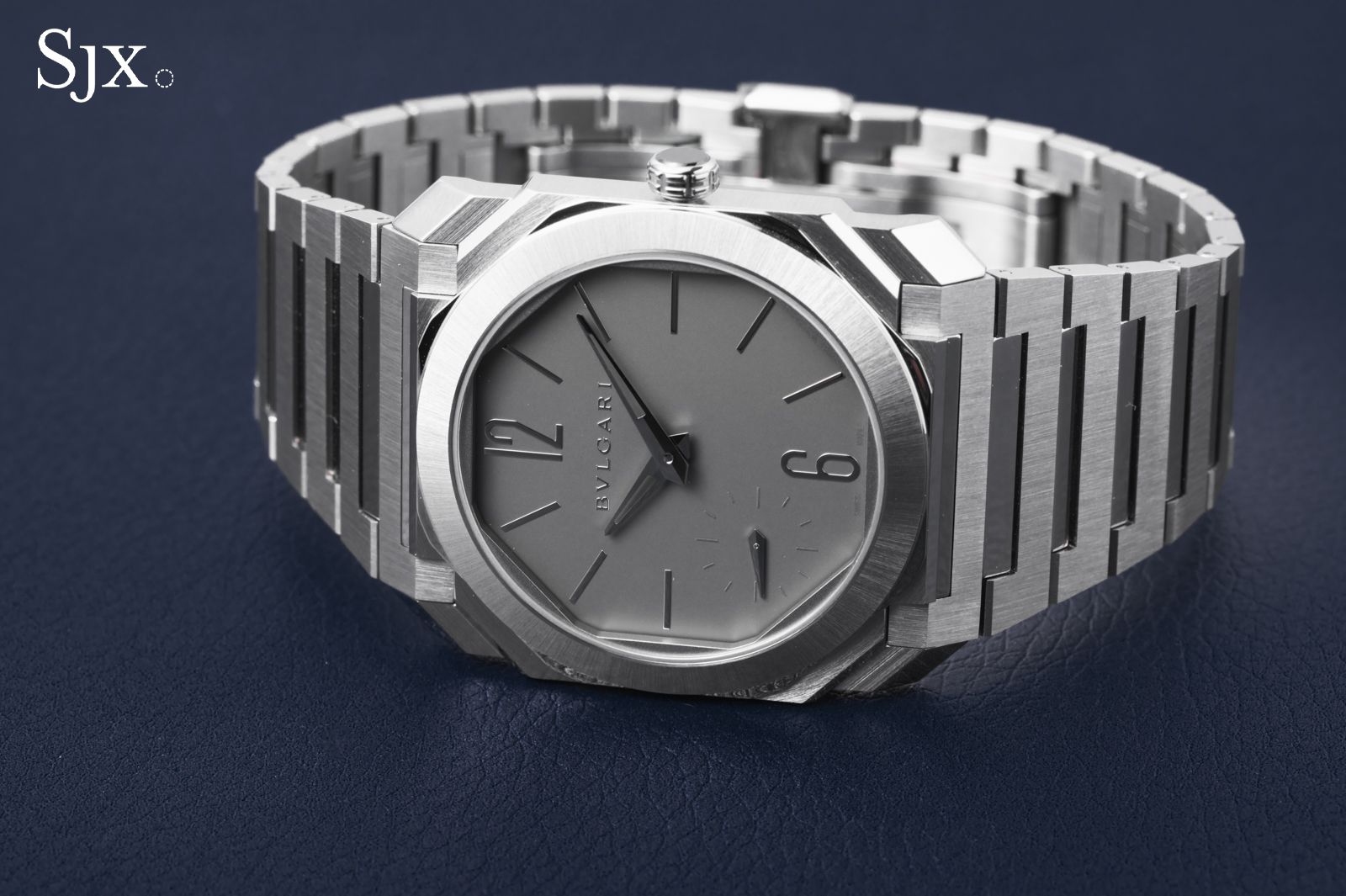
The 37 mm size debuts in three variants: brushed and polished titanium (pictured), sandblasted titanium, and 18k yellow gold. While I slightly prefer the titanium variants for their effortless weight and minimalist look, the yellow gold model is appealing in its own right.
It’s a rare precious metal bracelet watch that doesn’t feel too heavy — the slender links of the bracelet drape over the wrist and the entire watch feels like a piece of jewellery.
The accessible pricing matches the appealing proportions, starting at US$16,600 for the sandblasted titanium version, rising to just under $50,000 for the solid gold model. While the use of a third-party movement constructor likely helped keep costs in check, the Octo Finissimo offers good value despite costing more than rivals like the Cartier Santos de Cartier LM.
Understanding the Octo Finissimo
The Octo Finissimo arguably established Bulgari’s place on the fine watchmaking map, but the design evolved from a Gerald Genta collection inherited by Bulgari after its acquisition of the struggling independent marquee in 2000.
While Gerald Genta produced thousands of designs throughout his storied career, he’s arguably most associated with octagonal forms. The bezel of the Audemars Piguet Royal Oak might be his greatest calling card, but he produced octagonal watches under his own name in the 1980s and 1990s, and even christened the “L’Octo” model name.
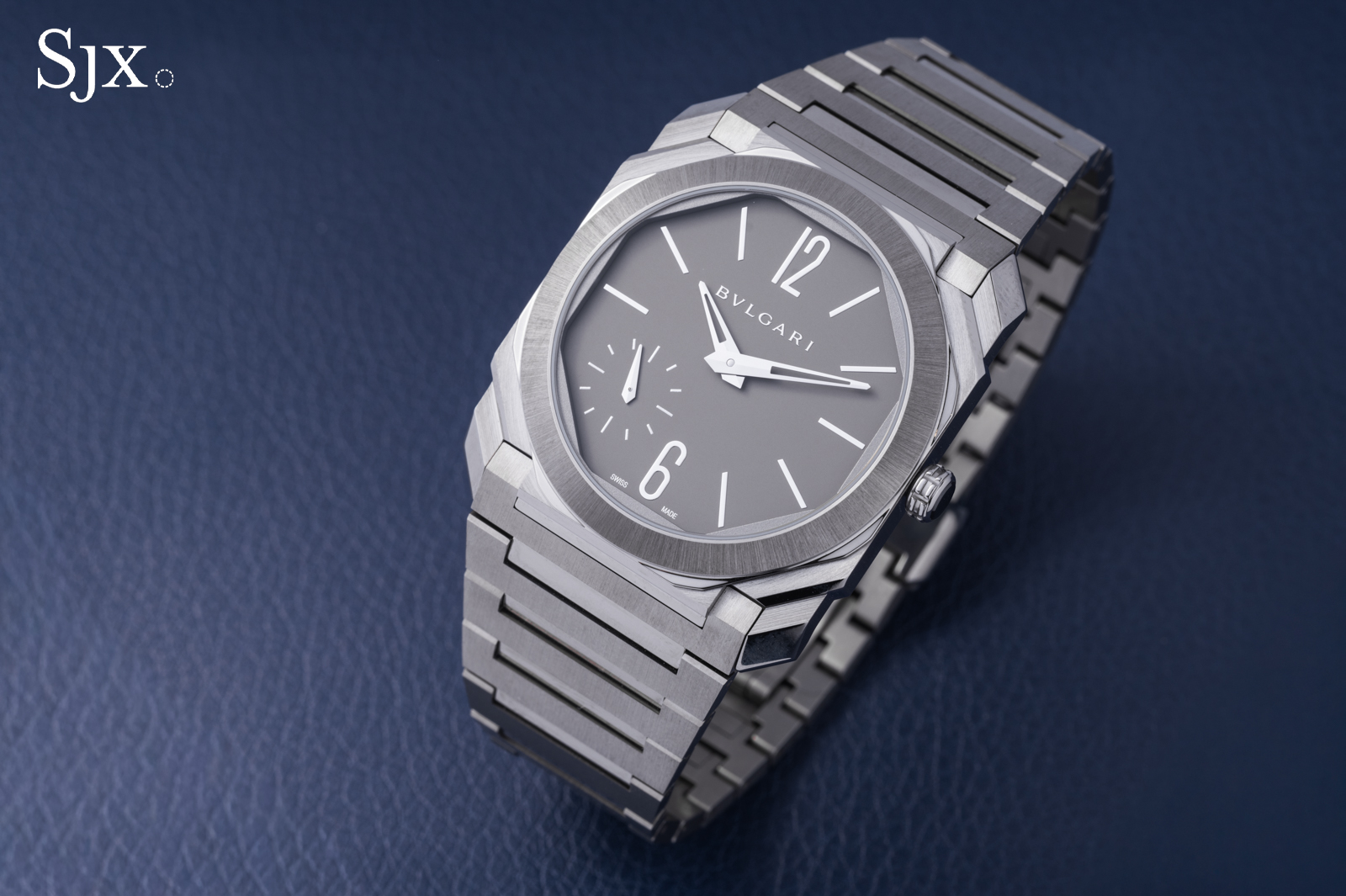
But the Octo as we know it today — with its widely spaced angular stepped lugs — dates to the 2004 redesign led by Jean-Marc Salemi and Jeremie Senggen. Mr Salemi later created his own brand, while Mr Senggen co-founded Studio7h38 along with Luca Soprana in 2012.
The early Octo of the mid-2000s was a strong effort, but it failed to generate substantial cultural impact. Bulgari had just begun to build its reputation as a watchmaker, and the confusing use of the Gerald Genta name — first on its own, later as a footnote, then not at all — probably hampered market acceptance.
The 2014 introduction of the Octo Finissimo changed everything, and established Bulgari’s intention to become a leader in ultra-thin watchmaking — the brand went on to break several world records for thinness over the next decade.
In short, the development of the Octo Finissimo collection — led by Fabrizio Buonamassa Stigliani, Bulgari’s Product Creation Executive Director — created a new design icon for the brand, and served as a showcase for what would become the brand’s competitive moat.
The Octo Finissimo reached maturity in 2017 when the watch debuted in 40 mm on a bracelet in full sandblasted titanium. The industrial-looking finish — reminiscent of the platinum case used for the record-breaking Octo Finissimo tourbillon in 2014 — created a pleasing tension with the delicate ultra-thin design, differentiating it from other integrated bracelet sport watches on the market.
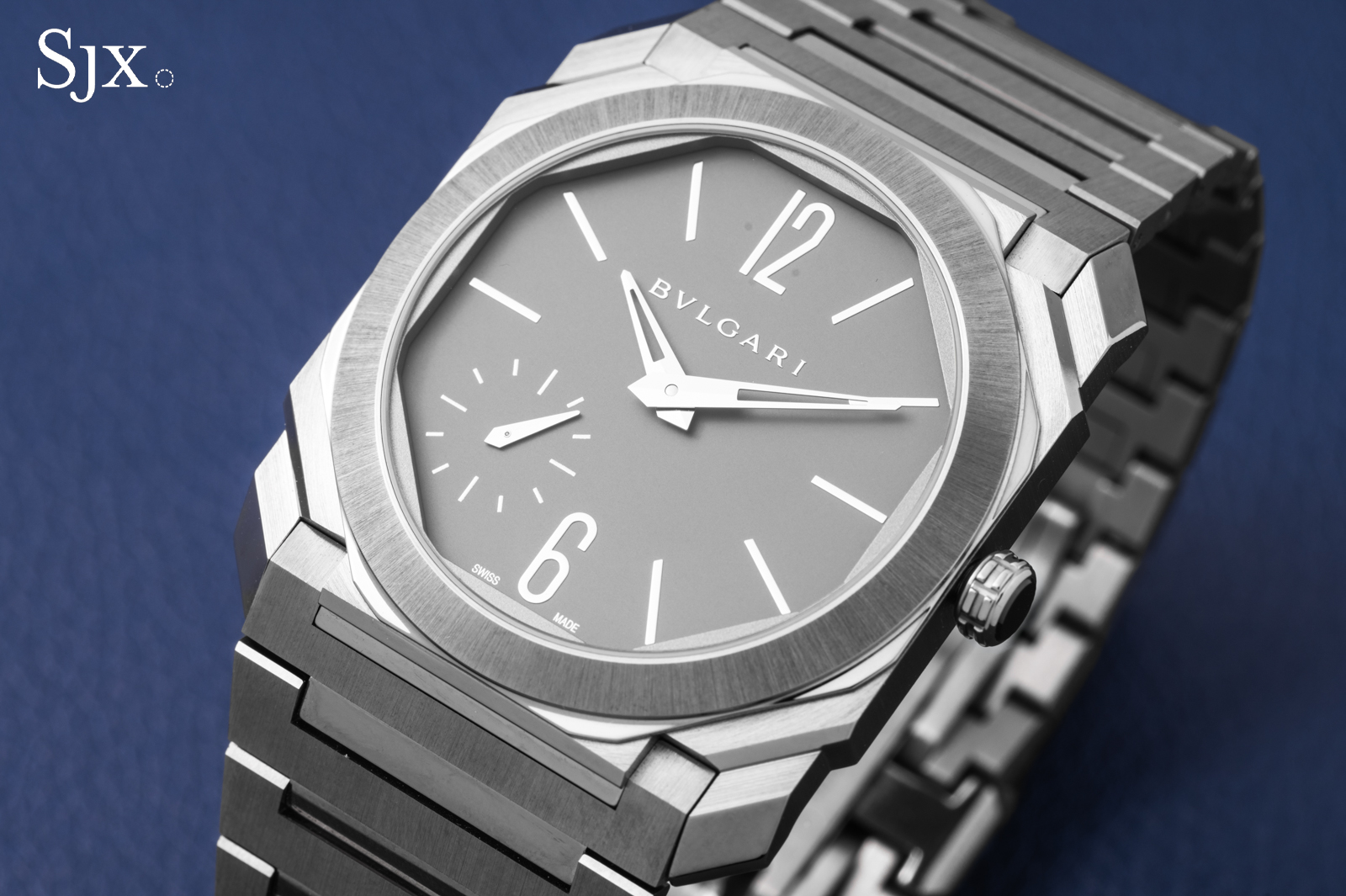
The original reference was so successful it remains in the catalogue, while a number of appealing limited editions — created in collaboration with noted architects and artists like Tadao Ando, Hiroshi Senju, and Lee Ufan — have come and gone.
But the Octo Finissimo case design is distinct enough to maintain its identity across different dials, complications, and materials. It’s instantly recognisable, even in limited edition configurations with sterile dials.
Just as good, but smaller
The new 37 mm format brings the sizing down to accommodate a wider segment of collectors. There’s a sense that brands are finally catering to collector demand for smaller watches, and the debut of the Octo Finissimo 37 supports this theory.
The overall execution of the design is nearly identical to that of its larger sibling, including the unusual seven o’clock position of the running seconds sub-dial.
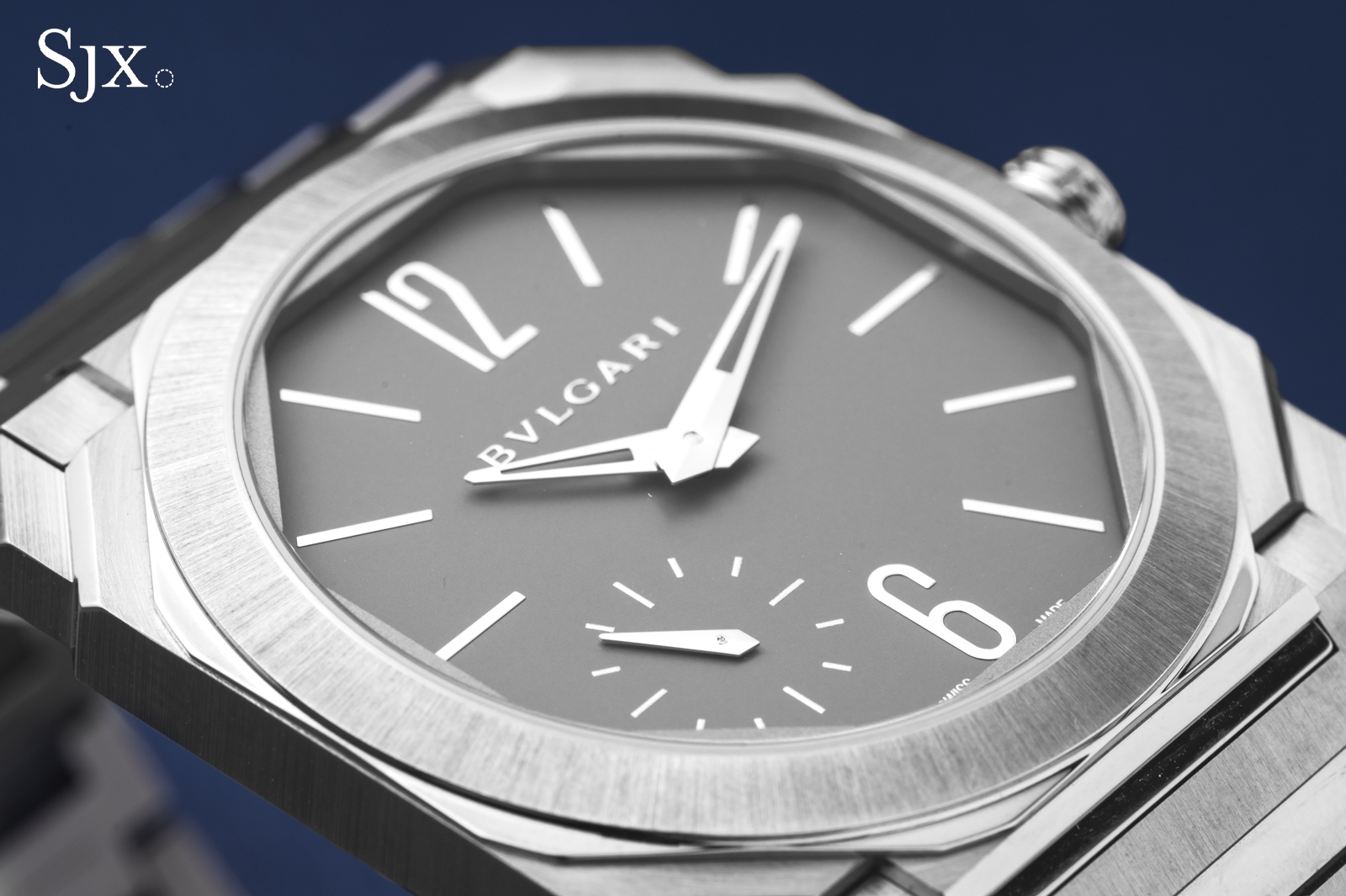
Interestingly, the watch is about 1 mm thicker than its 40 mm stablemates, but the difference is small enough to pass unnoticed — in fact, I’d argue the extra thickness gives a watch that might otherwise feel too delicate a welcome sense of presence.
If there’s one thing I’d change about the watch, it’s probably the dial furniture. Like several other Octo Finissimo models, the hour markers and the brand wordmark are thin metallic appliques affixed with adhesive. This approach is adequate — Cartier uses a similar technique for certain models — but nonetheless feels out of place in a high-grade watch.
Another new micro-rotor calibre
It’s already been a busy year for the micro-rotor format. Vacheron Constantin launched its first in-house micro-rotor calibre, and a rejuvenated Universal Geneve released a slate of calibres in this configuration.
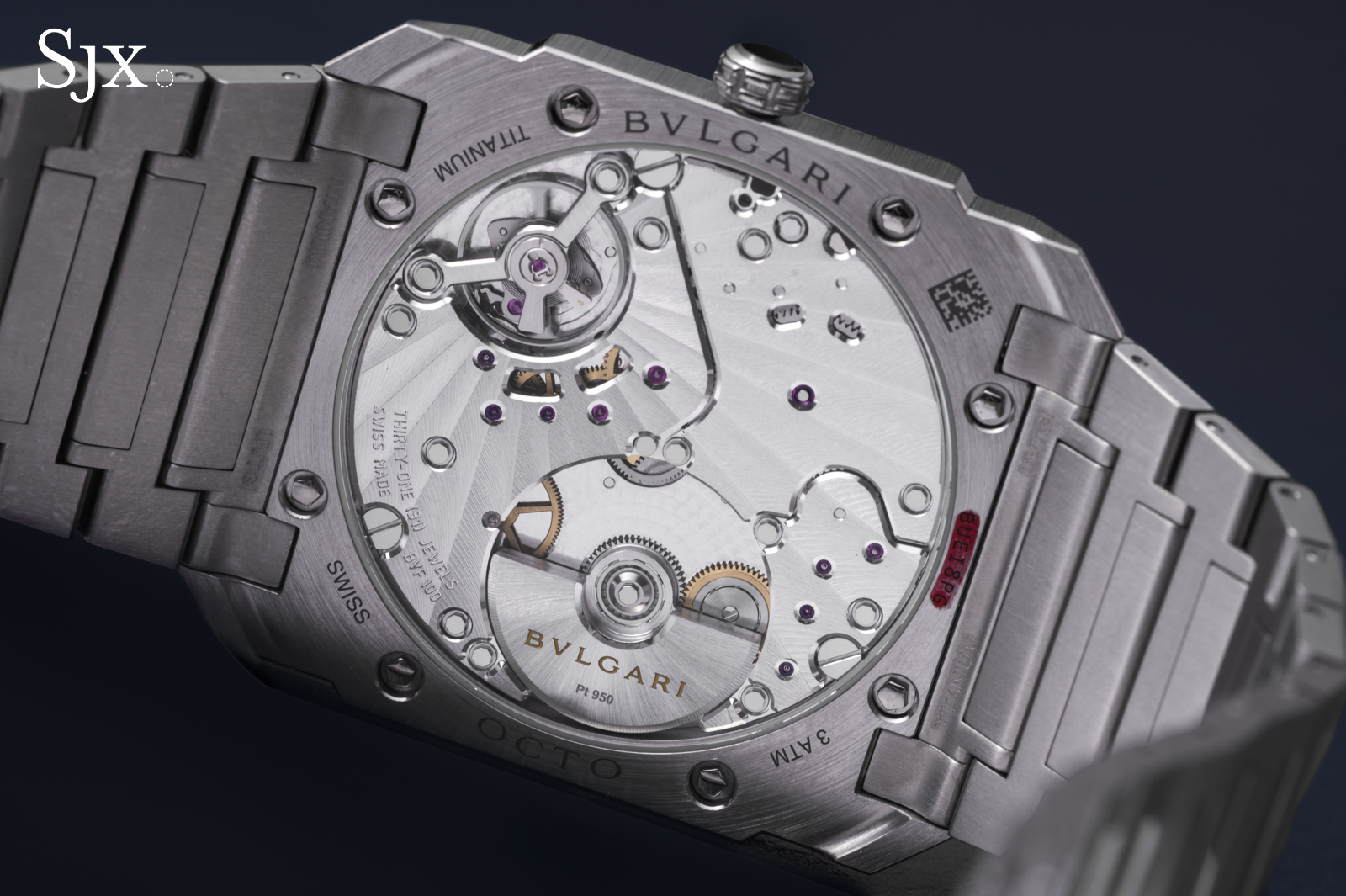
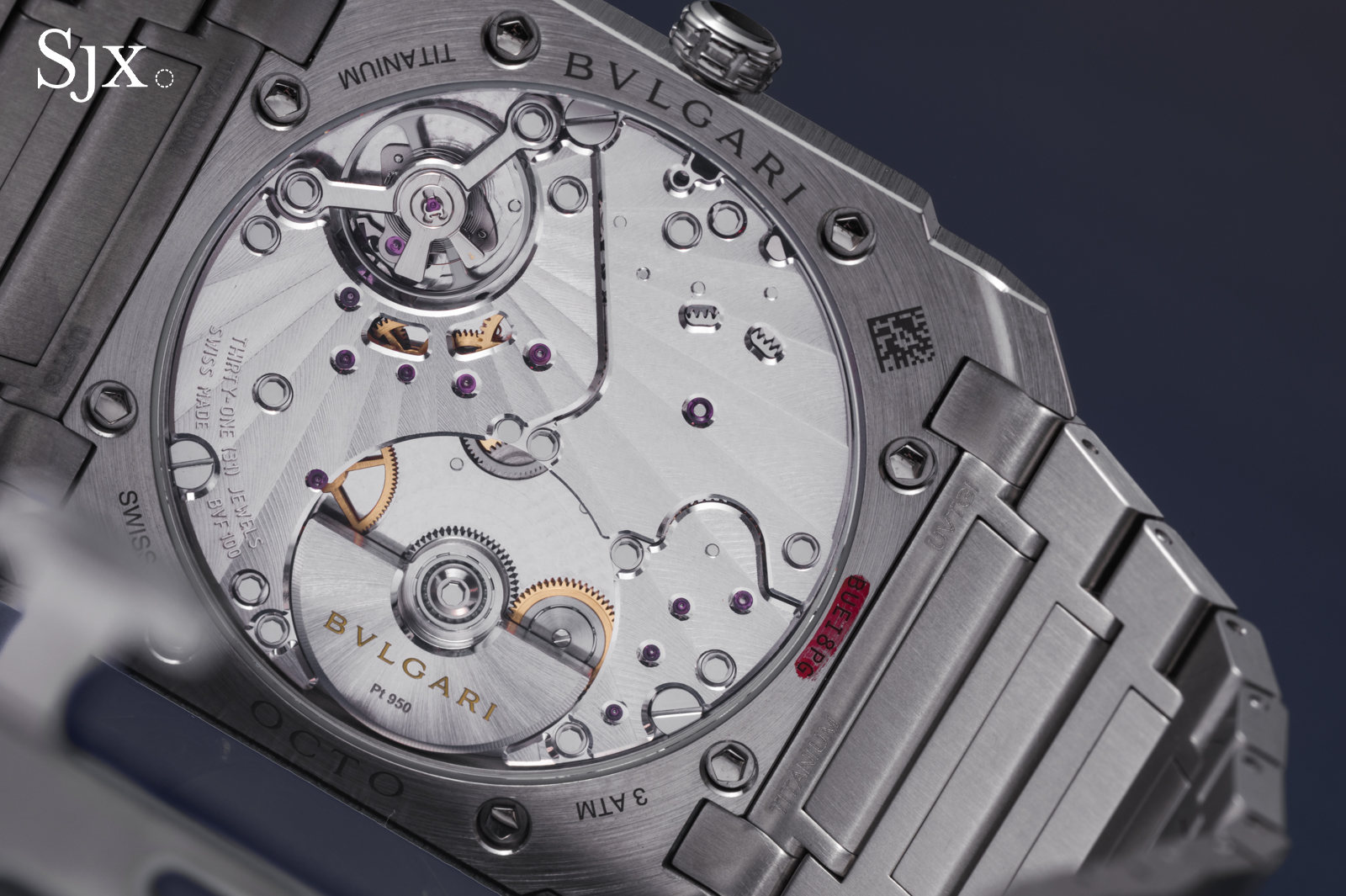
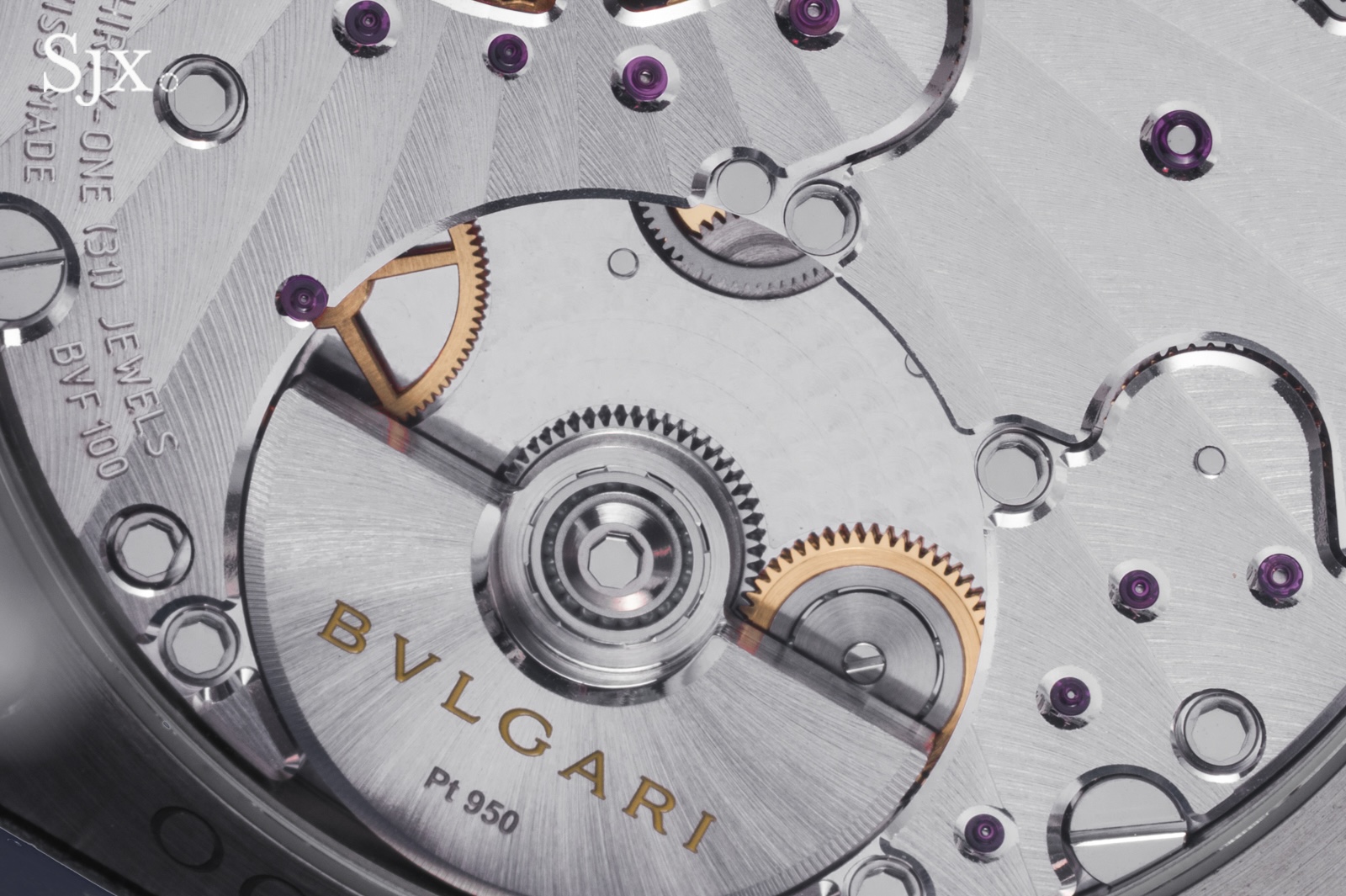
In this context, cal. BVF 100 didn’t get much attention at launch, probably due to its visual similarity to the the existing BVL 138 that powers the larger 40 mm variant. But it is, in fact, a new design scaled down to fit the smaller 37 mm case.
The transformation is more than skin-deep — the 20% longer power reserve indicates that Bulgari did more than trim the edges of the BVL 138. The ‘BVF’ movement prefix is another clue, suggesting the movement was developed by a third-party specialist.
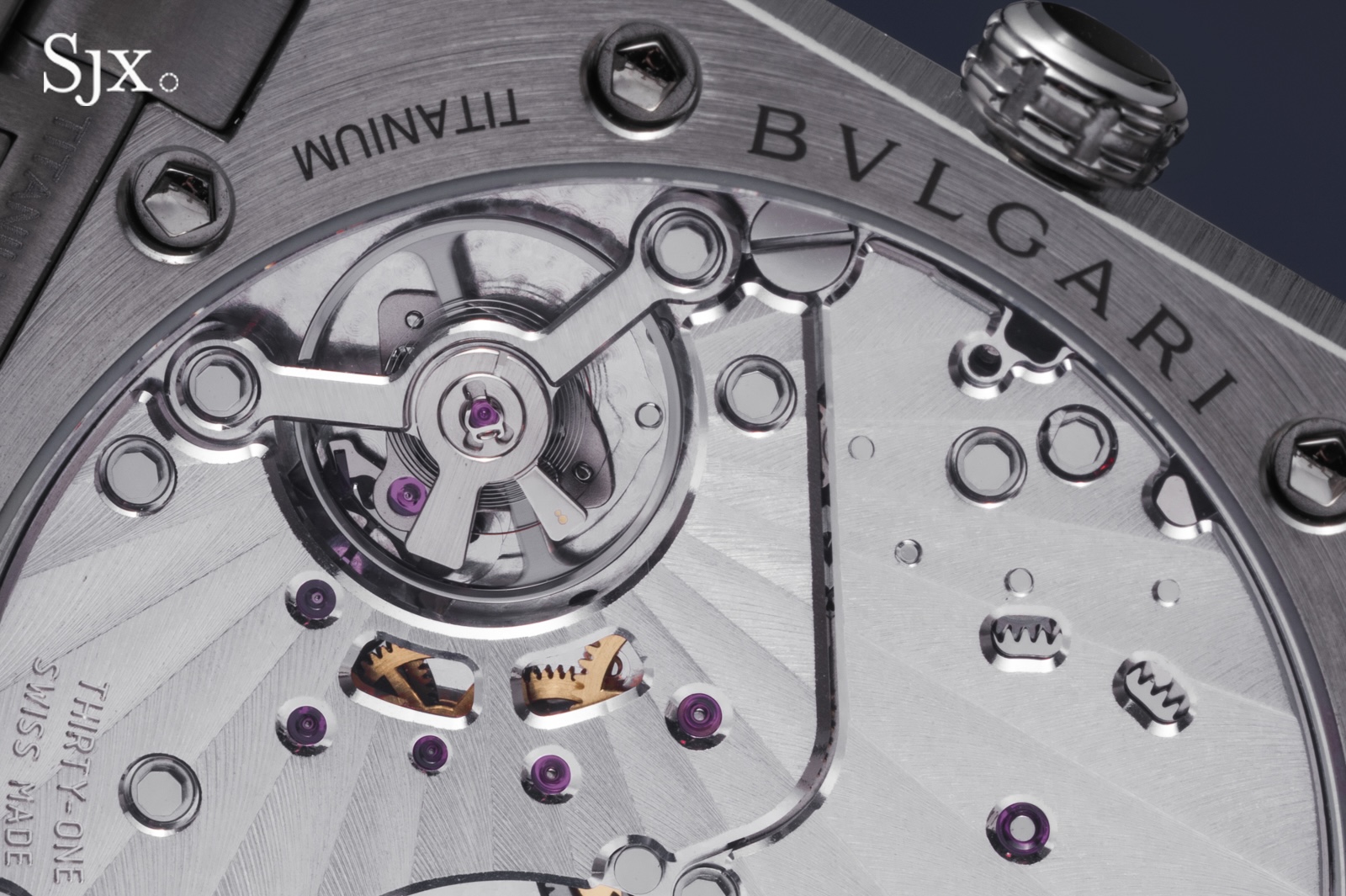
But the design of the movement closely mirrors that of the in-house BVL 138, including the shape of the balance bridge, the type of curb-pin regulator, and the monochromatic palette highlighted by a solid platinum winding mass. Both movements clearly share the same construction philosophy, seeking to make the most of the flat-but-wide container.
The balance wheel is still necessarily small and beats at a leisurely 3 Hz pace, but these are acceptable trade-offs considering the healthy 72-hour power reserve and the strikingly thin form factor of the watch.
The finishing is industrial, with machine-applied striping that radiates outward from the balance axis. It’s an attractively finished movement, and while it’s not labouriously hand-finished, it’s arguably decorated better than it needs to be considering the Octo Finissimo’s aesthetic attributes and accessible pricing.
Key facts and price
Bulgari Octo Finissimo Automatic 37 mm
Ref. 104351 (brushed and polished titanium, pictured)
Ref. 104089 (sandblasted titanium)
Ref. 104120 (18k yellow gold)
Diameter: 37 mm
Height: 6.45 mm
Material: Titanium
Crystal: Sapphire
Water resistance: 30 m
Movement: BVF 100
Functions: Hours, minutes, and seconds
Frequency: 21,600 beats per hour (3 Hz)
Winding: Automatic
Power reserve: 72 hours
Strap: Titanium bracelet
Limited edition: No
Availability: From Bulgari online shops, boutiques, and retailers
Price: US$16,600 (sandblasted titanium), $17,400 (brushed and polished titanium), $48,300 (18k yellow gold) excluding taxes
For more, visit bulgari.com.
Back to top.