
Hands On: Niton Prima
Original and refined.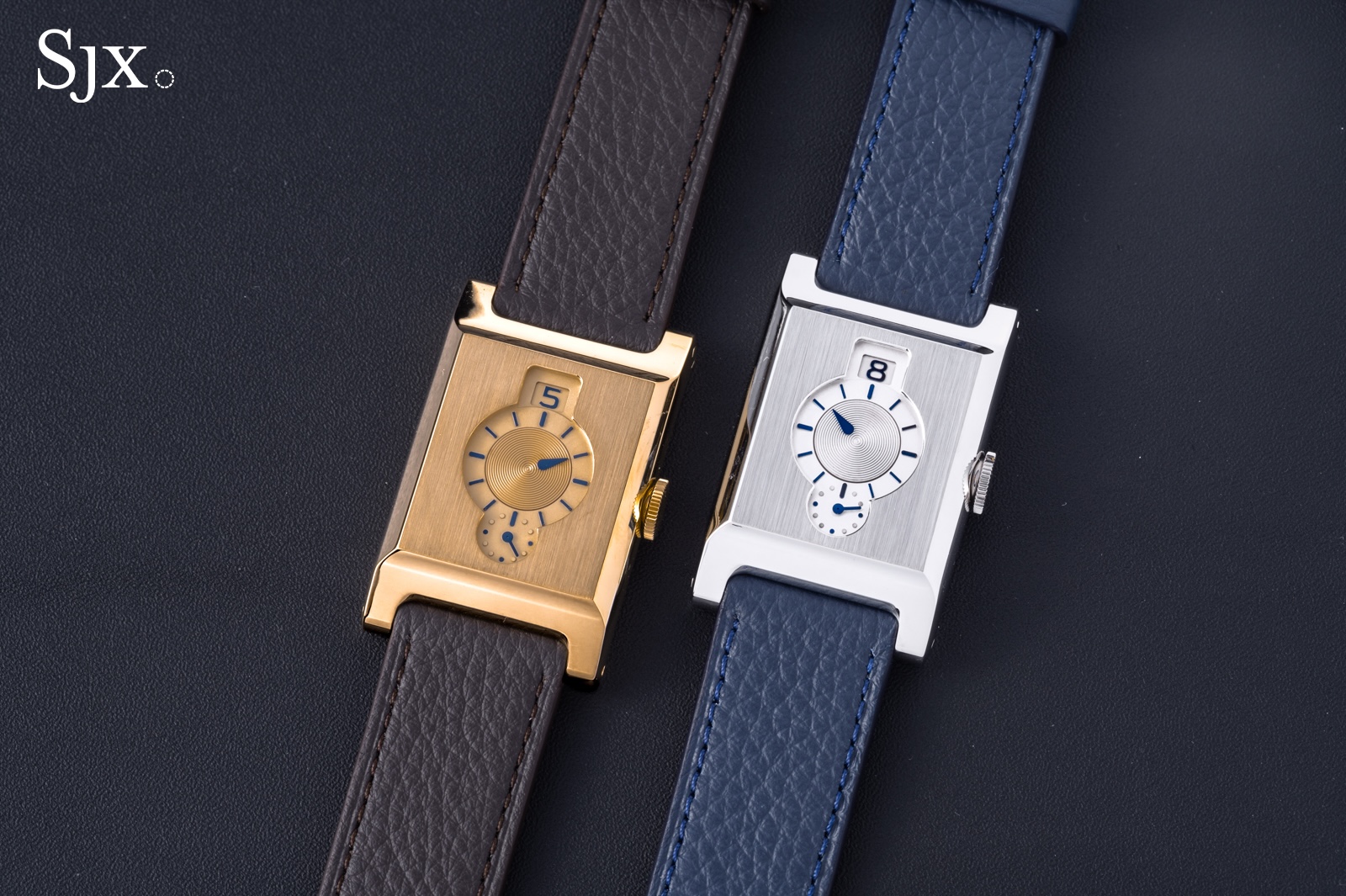
Recently revived Genevan haute horlogerie brand Niton jumps into the jumping hours market with the Prima — one of the more refined high-end examples of the industry’s latest favourite complication. It features a bespoke, shaped calibre that proudly carries the Poinçon de Genève — true to its inspiration — and is packed with creative choices and features.
Initial thoughts
Not long ago it seemed like 2025 would go down as the year of the jump hour, but the trend was evidently just getting started. The Niton Prima exemplifies this ongoing trend with surprising elegance and historical fidelity.
As a rule of thumb, I view revival brands with a degree of scepticism; I would prefer people make a name for themselves rather than buying one. However, the Niton Prima shows a clear understanding of — and passion for — the source material, so I am satisfied this is not a mere cash-grab. It doesn’t hurt that the watch is excellent inside and out, and while expensive in absolute terms, it is fairly priced for what you get.
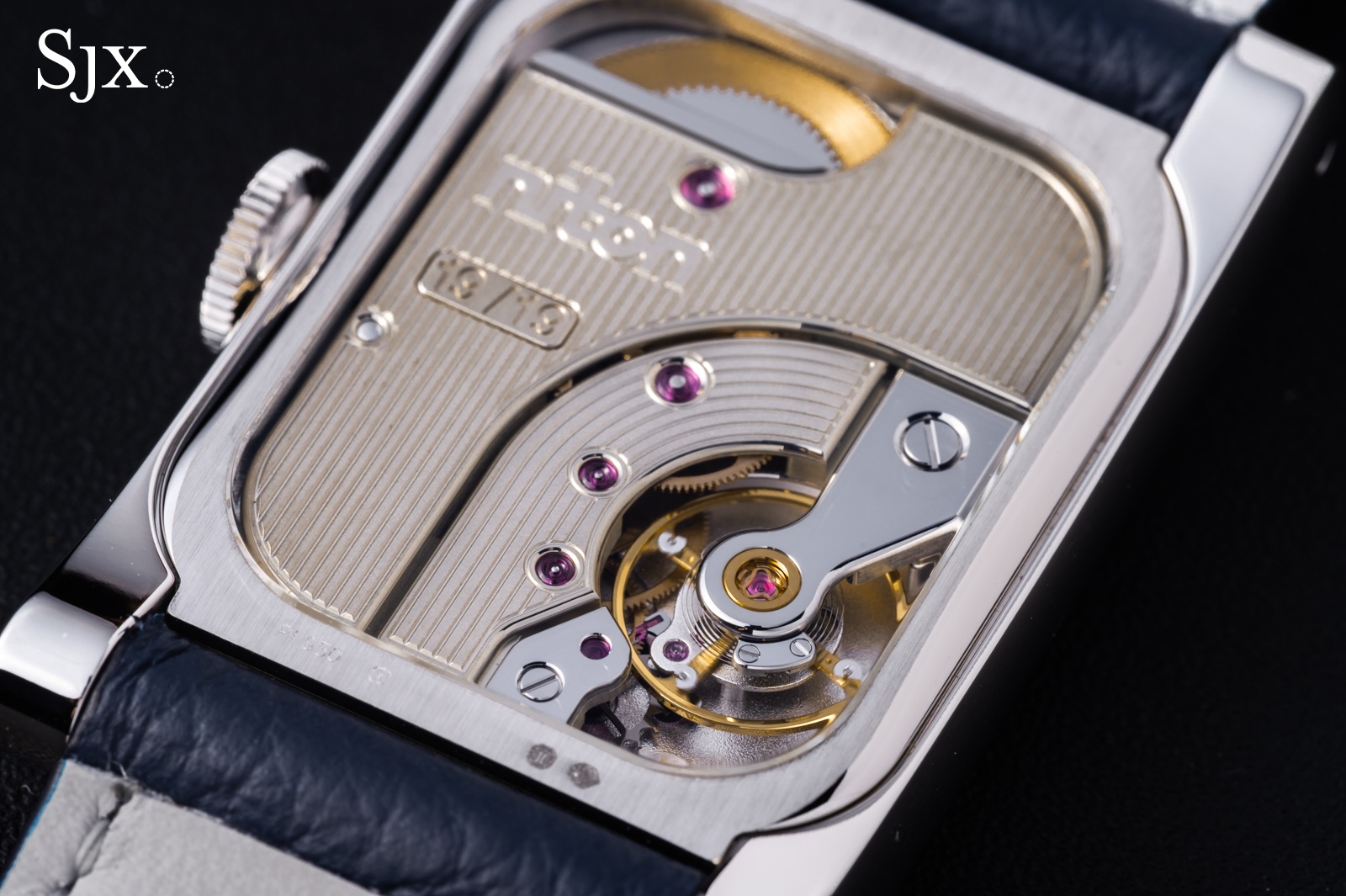
The movement deserves special mention as the source of much of the appeal, being a true shaped movement — a very handsome one at that — and a competent timekeeper. It is finely finished with a plethora of interesting and clever features, including hidden screws for joining the bridges and mainplate, a small seconds hand that stops itself at 60 after the crown is pulled, and a sonnerie au passage to enhance the sound of the jump hour.
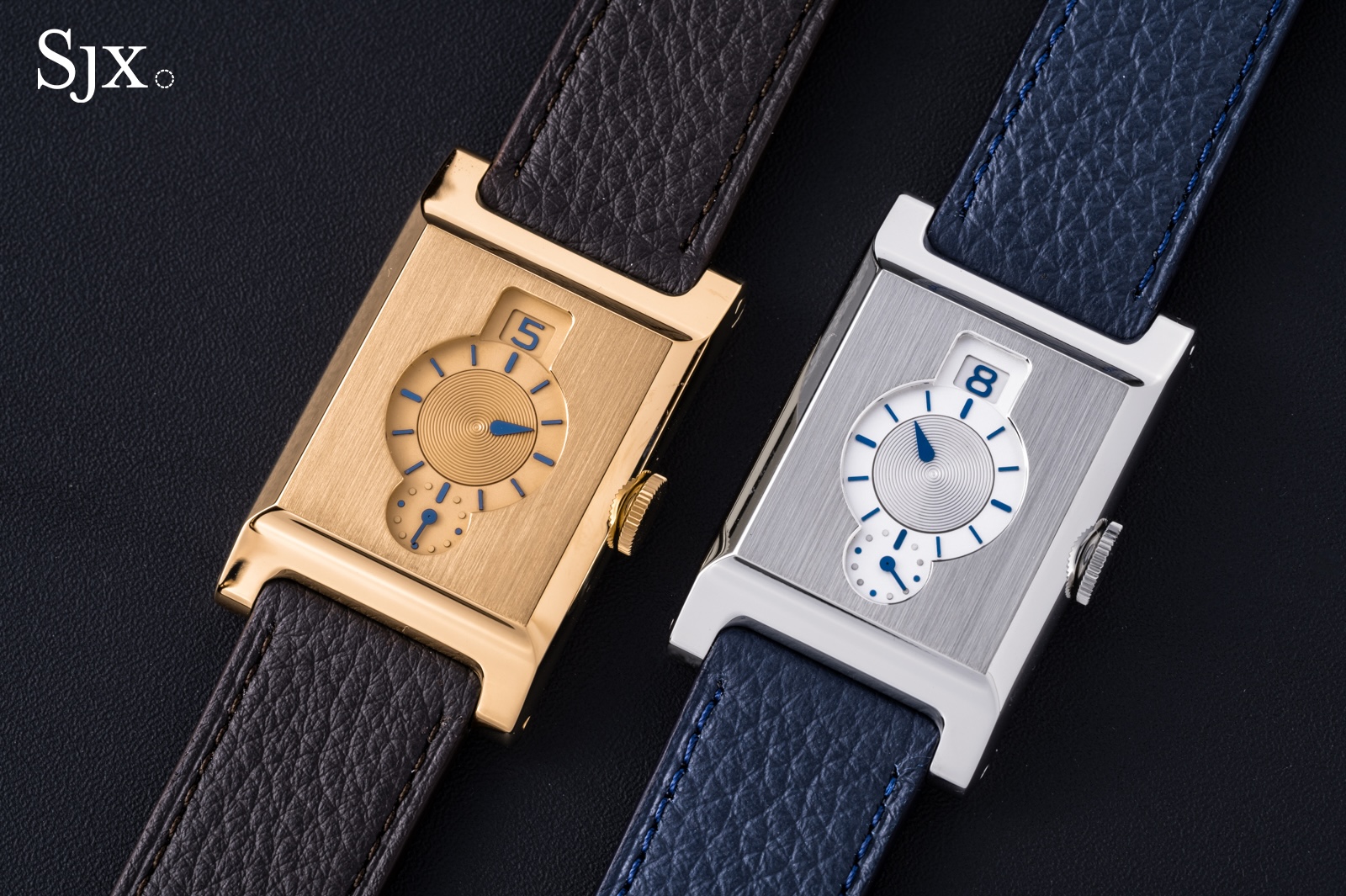
Another point in the Prima’s favour is the design. The layout is clearly modelled on that of historic Niton watches, but the design is otherwise novel. Though for all its merits, few will actually be able to purchase a Prima as all 38 pieces — 19 in each metal as a reference to the brand’s founding in 1919 — have been sold.
Prima Niton (1919) to Niton Prima (2026)
While other Genevois firms such as Patek Philippe, Vacheron Constantin and Haas Neveux entered the wristwatch era as incumbent makers of fine [pocket] watches, Niton was a start-up, founded in 1919 by a trio of local watchmakers, two of whom were Vacheron Constantin alums.
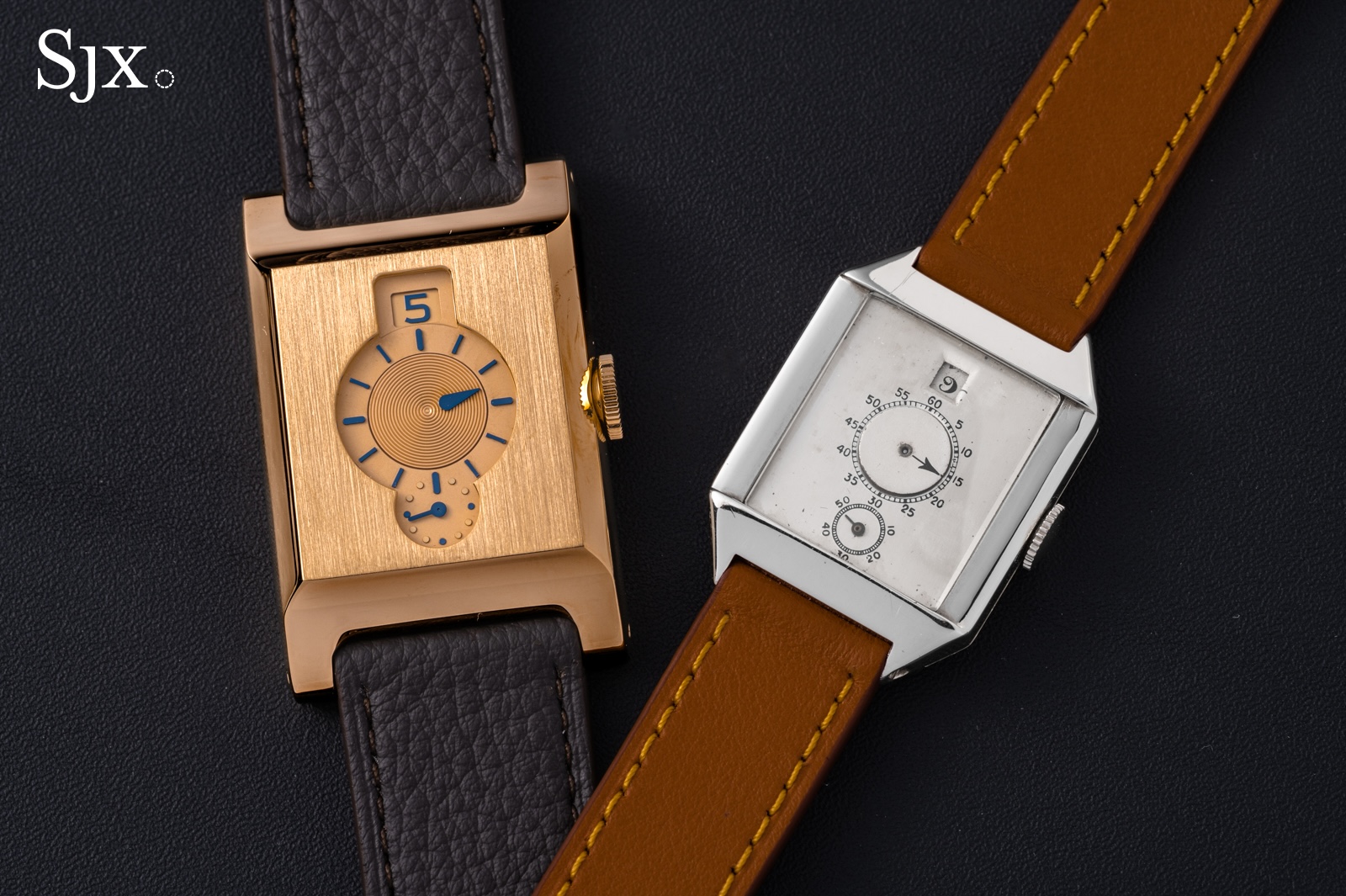
The Prima (left) with a vintage Niton jump hour wristwatch.
Niton supplied high-grade movements and even complete watches to the likes of Patek Philippe, Breguet, and, strangely, A. Lange & Söhne, while also selling watches under its own name to retailers in Europe and North America.
The transition to wristwatches nearly killed artisanal fine watchmaking in Switzerland. But Niton attempted to continued the tradition on the wrist, producing wristwatch movements bearing the prestigious Poinçon de Genève, which could be found on its famous jumping hours watches launched in 1928.
But ultimately Niton would succumb to market forces that increasingly favoured industrial mass production, and by the time the name fell out of use in the 1970s the brand was a shadow of its former self.
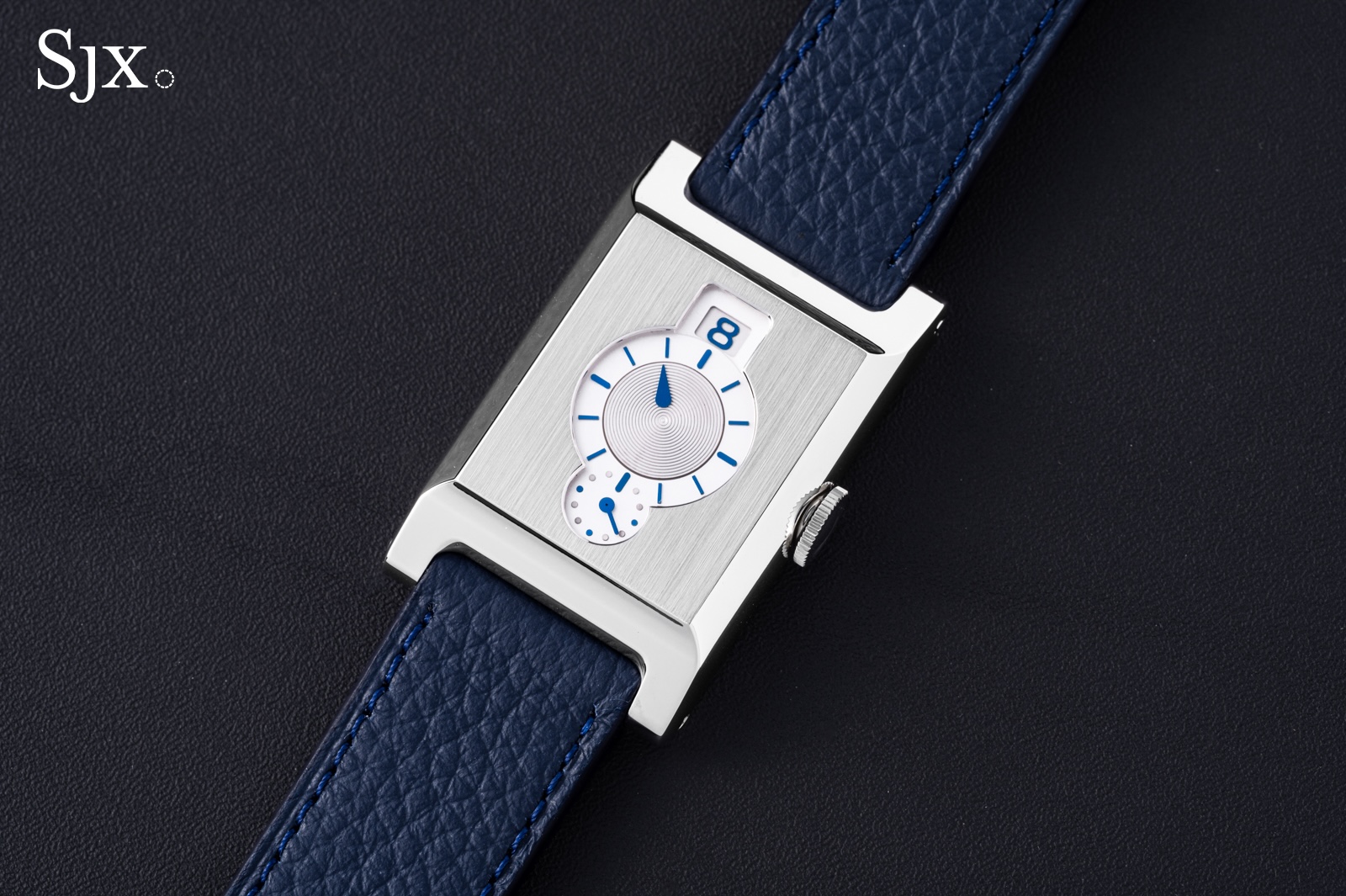
That is until now, as the marquee has been revived by private label watch specialist Yvan Ketterer and Leopoldo Celi, both industry veterans, who have sought to reestablish Niton at a level befitting the brand’s historical heights.
Any movement that aspires to the Poinçon de Genève must be assembled in the canton of Geneva. But the components can be, and often are, manufactured elsewhere. Chopard’s Geneva seal-certified movements, for example, are fabricated in Fleurier, which is also where Niton’s partner is located.
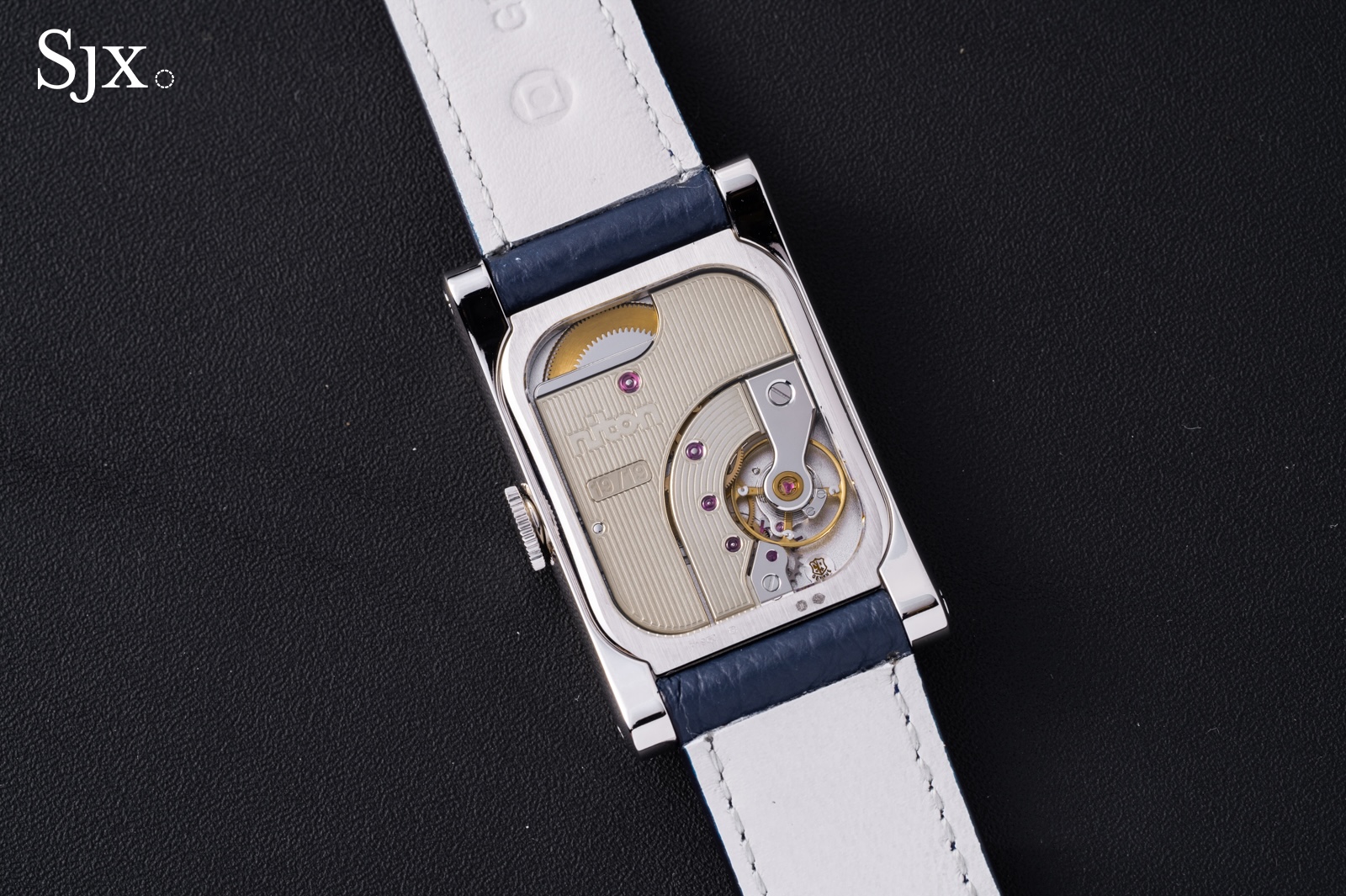
Movement kits are then forwarded to a contractor in Plan Les Ouates that specialises in assembling Geneva Seal-ed movements. Some of the Geneva seal’s requirements are common sense — things manufacturers of high-end movements ought to do in general, such as the removal of machine marks wherever possible, while others are stylistic, like the prohibition on adjustable bankings.
Case and face
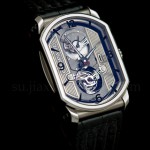
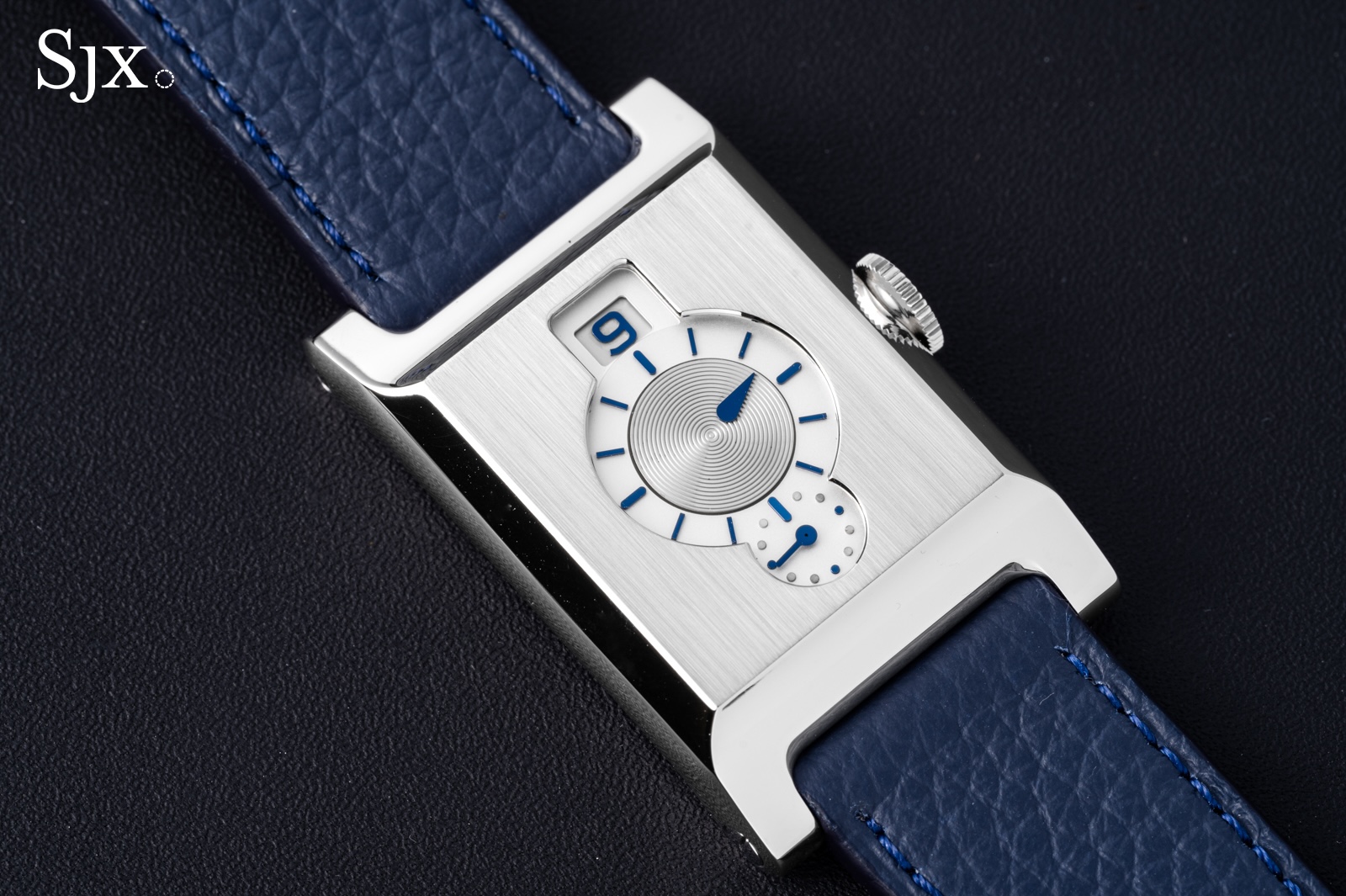
The Prima’s look is classic Niton, though scaled up considerately to suit modern tastes. It may be only 27 mm wide and 35.5 mm tall, but like all rectangular watches it wears much larger than a round watch with those same dimensions.
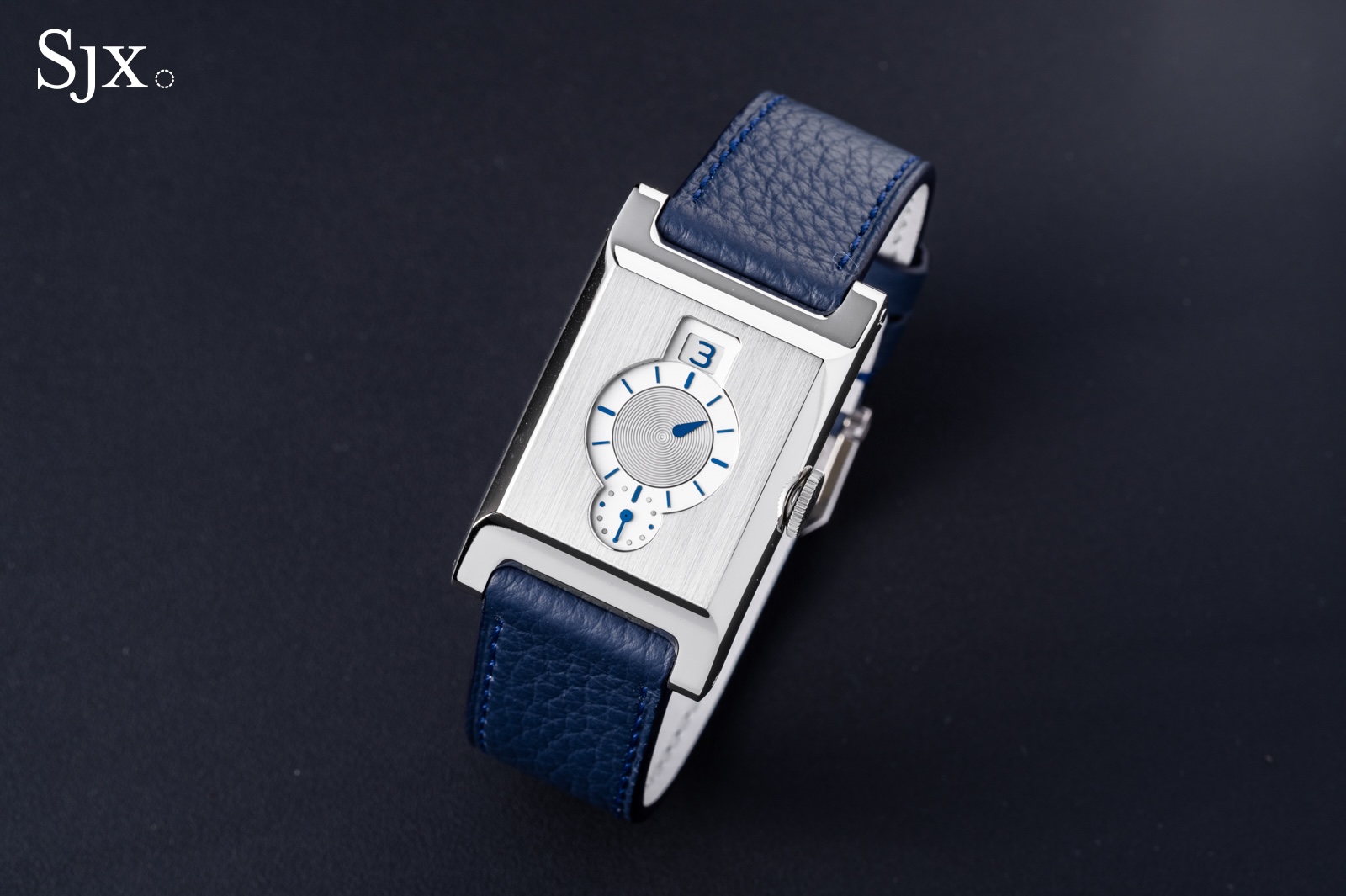
That isn’t to say it is a large watch — for reference, it sits about halfway between a Cartier Tank Must Large and Extra Large. And the upsizing makes the Prima much easier to read than the vintage original, as the dial layout results in a proportionally small minutes display.
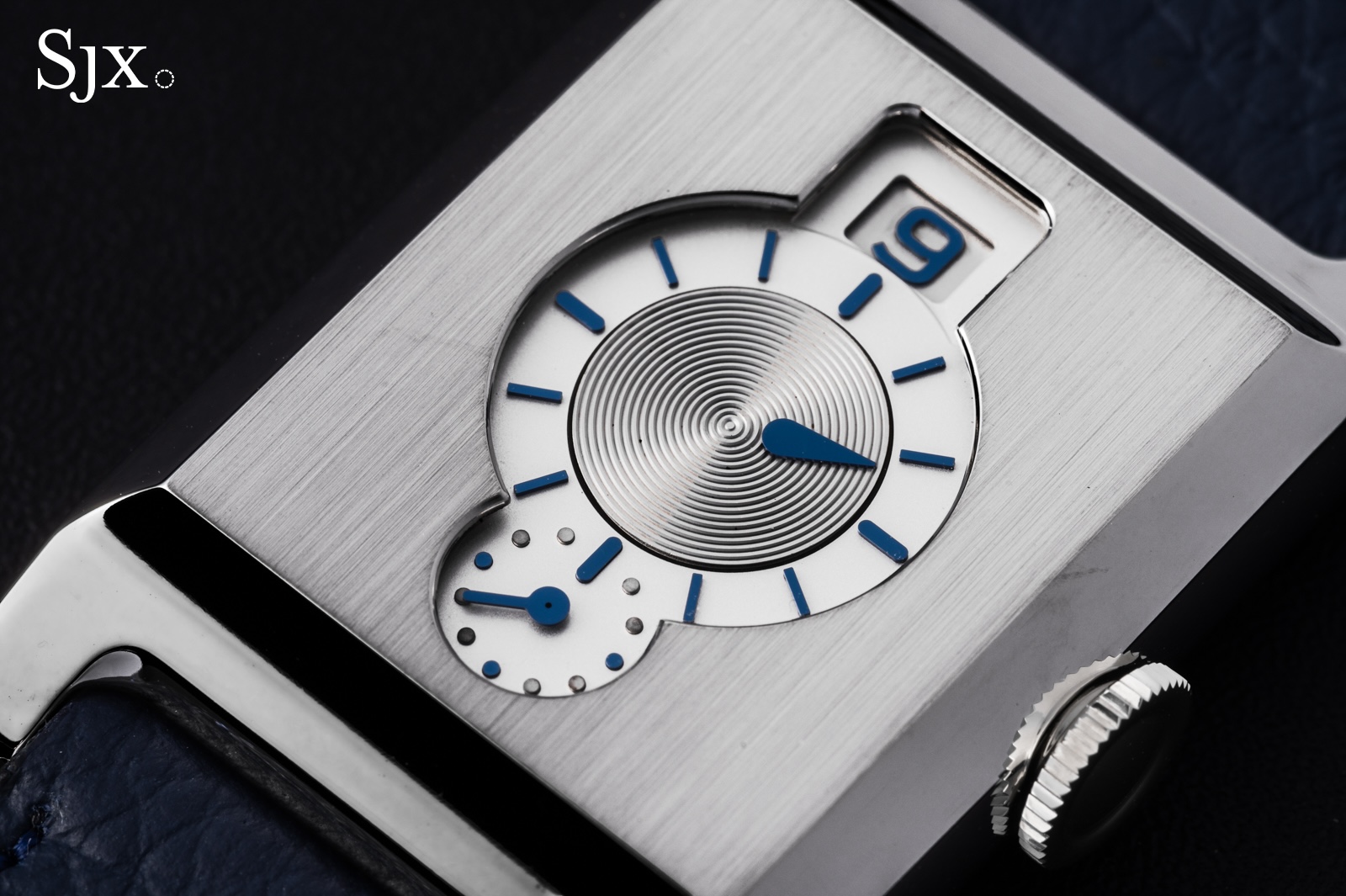
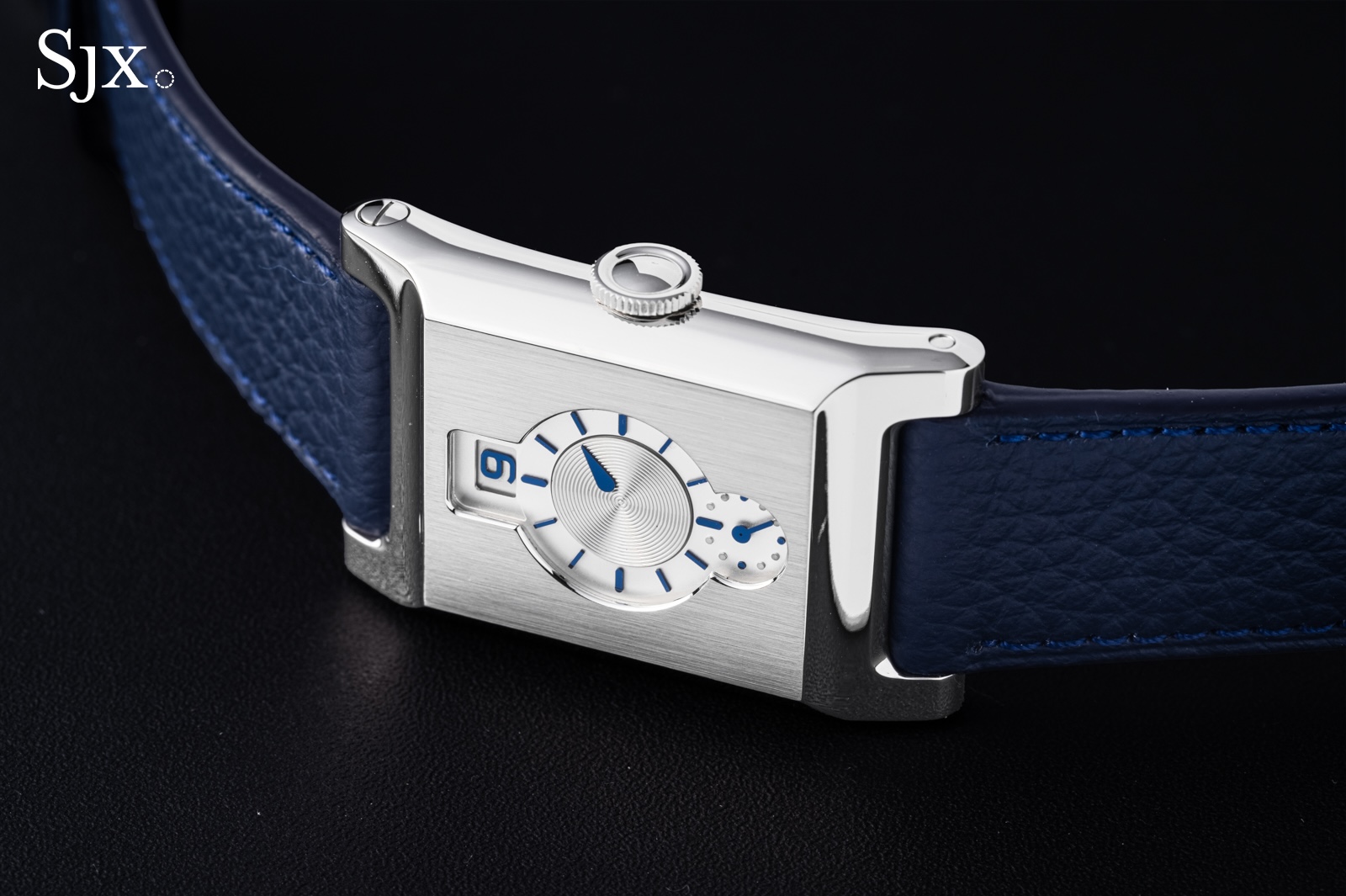
This layout is the same used by the original Niton nearly a century ago, organizing the time from general at the top to specific at the bottom – hours, minutes, seconds. There is very little dial per se, as most of the watch’s face is the case— not unlike a Tank à Guichets, but with much larger openings and a single crystal.
The explosion in precious metal prices since the Prima was first ideated has no doubt made this choice a very expensive one, but as some brands try to shave off as much gold from their cases as possible, the Prima’s heavy case suits Niton’s no-expense-spared approach well, as does the use of screwed bars to secure the strap, rather than the more common — and economical — sprung variety.
A ‘moderne’ movement
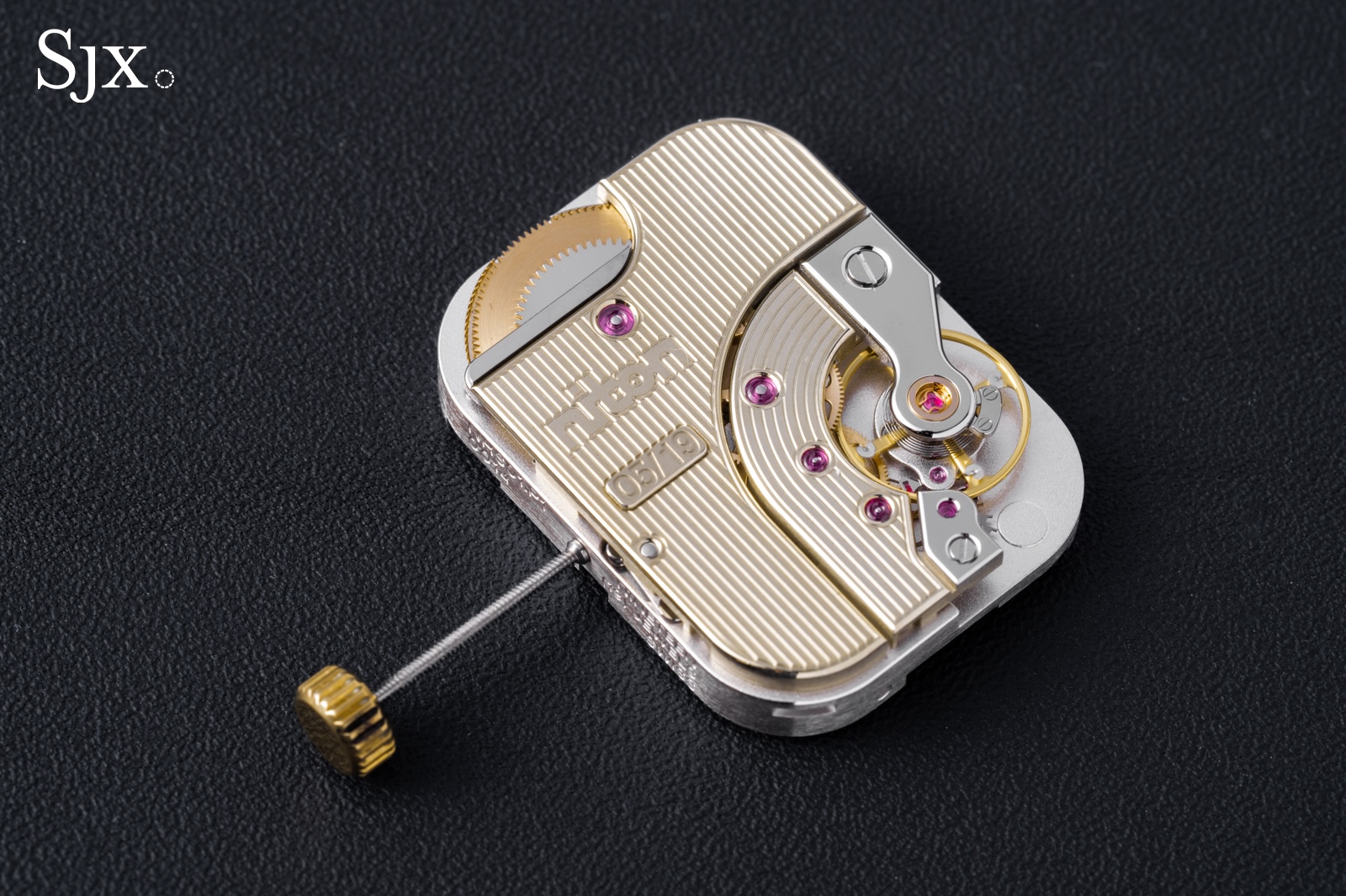
The movement’s plates and primary bridges are bare maillechort, better known in the Anglosphere as German silver. The movement’s distinctive styling is evocative of Streamline Moderne — an Art Deco derivative popular toward the end of Niton’s first life.
Some aspects of the movement are familiar, like the bar click and Geneva-style stud carrier, which can be locked in place from underneath the black-polished steel balance cock.
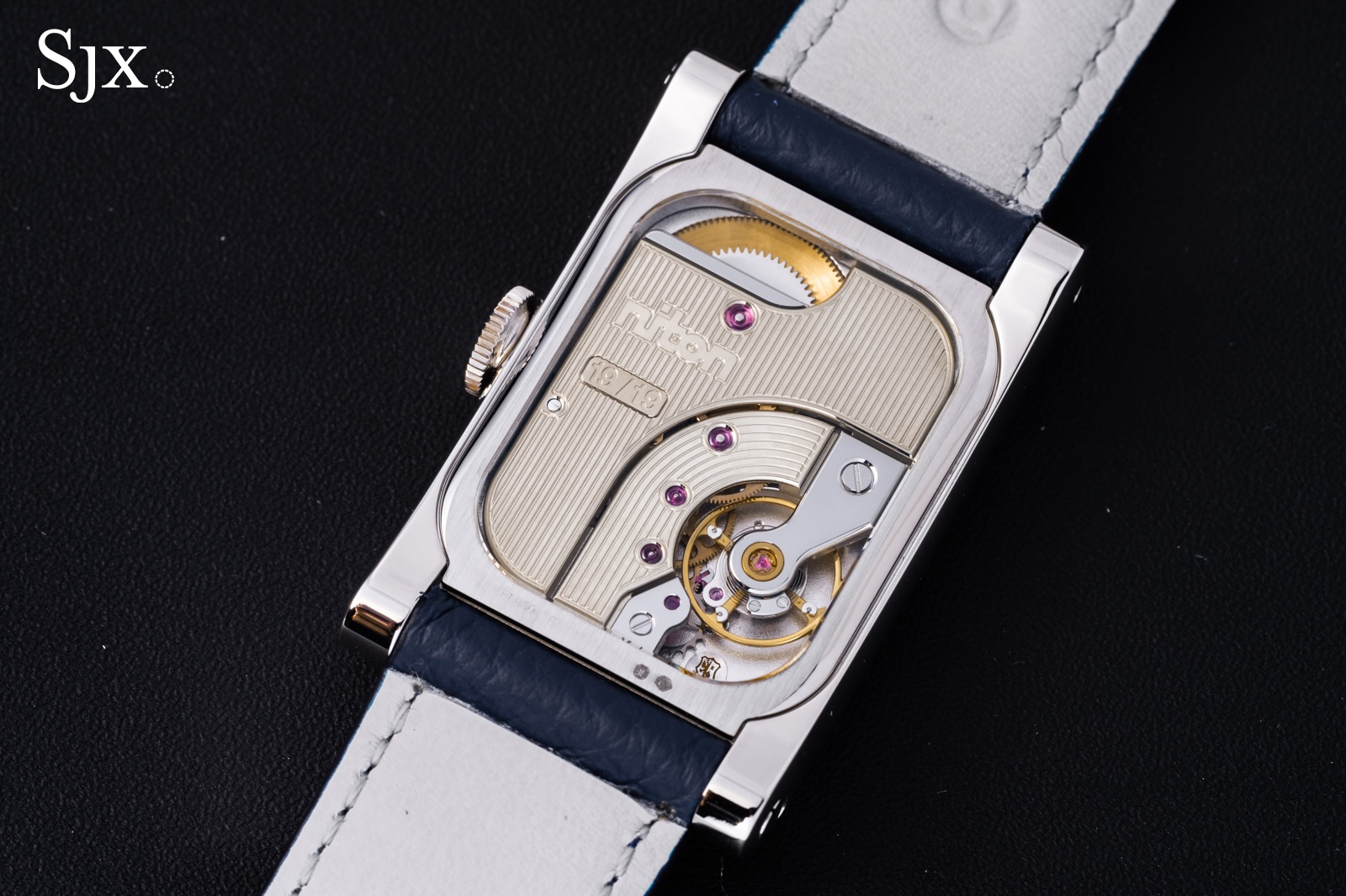
Other details are less familiar. One detail that isn’t immediately apparent is the almost complete lack of visible screws — the barrel and train bridges appear to be secured by nothing at all. Of course, those bridges are still secured by screws, but they have been relocated to the sides of the movement to keep the upper bridge surfaces unblemished.
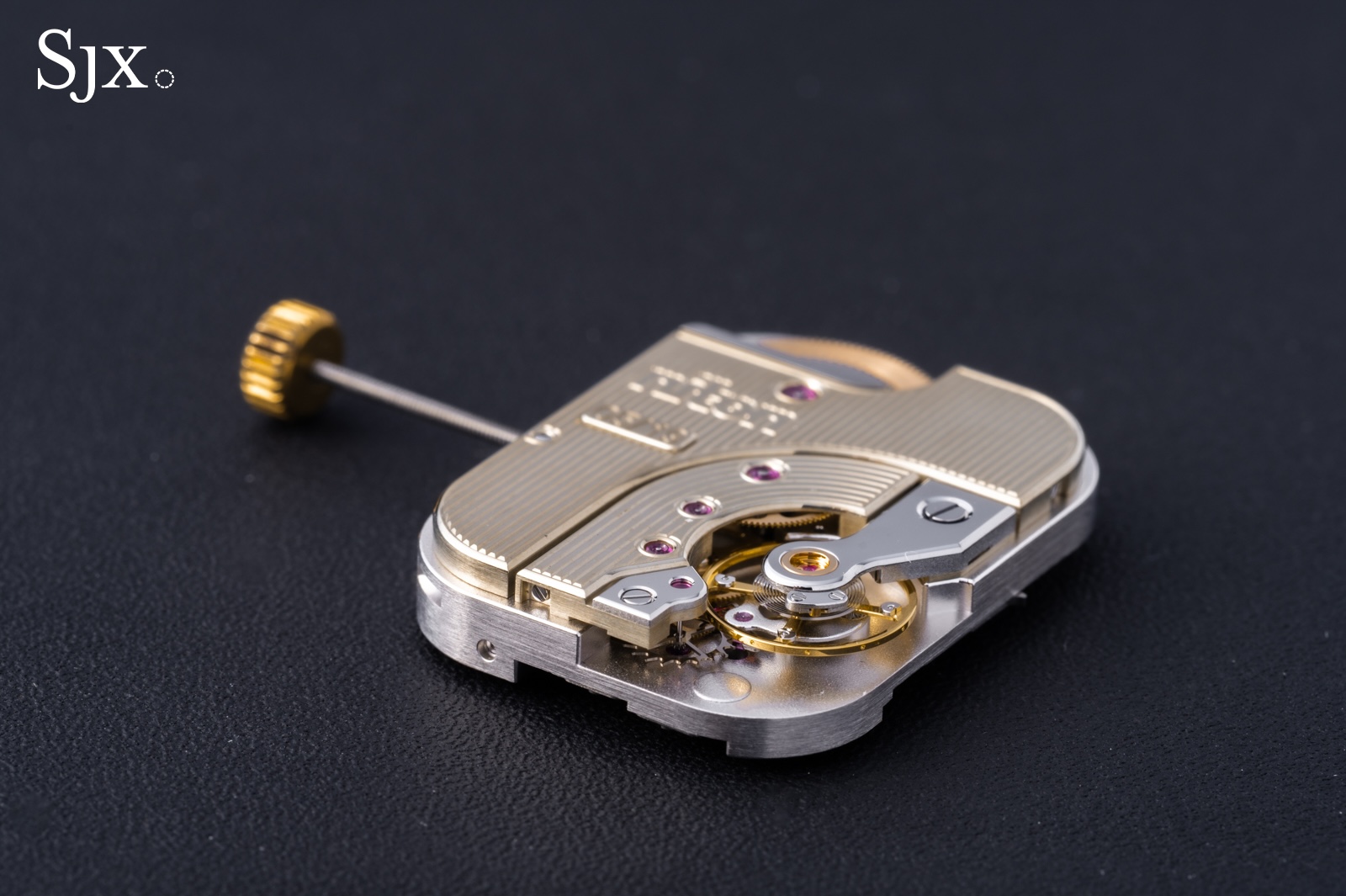
The movement is full of interesting features. Obviously, there is the jump hour, but there is also a black-polised hammer hidden under the dial as a supporting act. The movement could be described as sonnerie au passage — a simple chiming complication that makes a single strike on the inside of the case on the new hour.
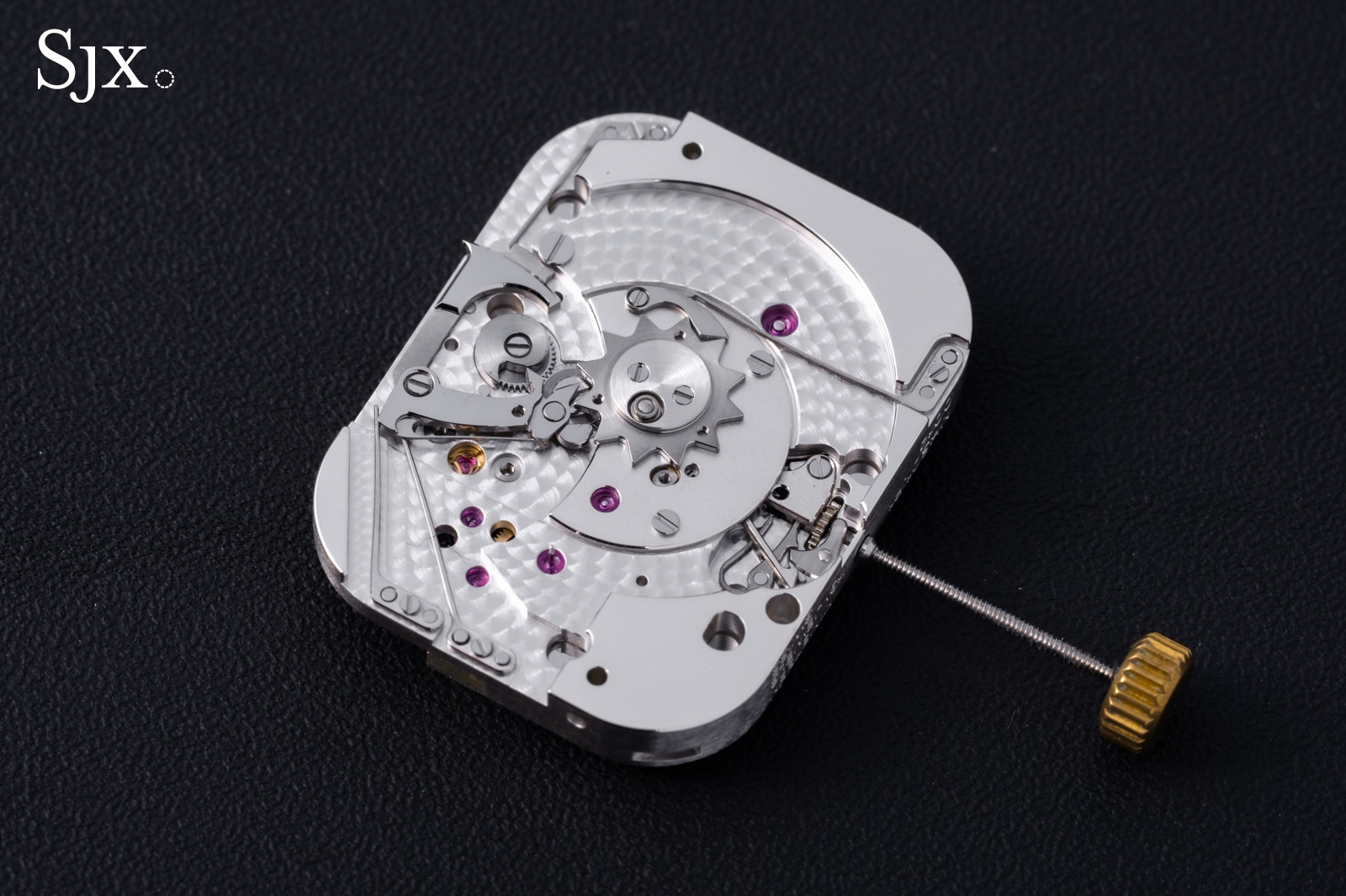
This complication has strong synergy with the jump hour — in fact, the two are nearly the same complication. But when the Prima’s hammer falls on the new hour it doesn’t chime. Rather, it produces a click, which sounds as you’d imagine a jump hour to sound, but wouldn’t really expect it to.
It took some trial and error, but Niton has landed on a sound that’s refined yet discreet enough for a plane or a meeting room.
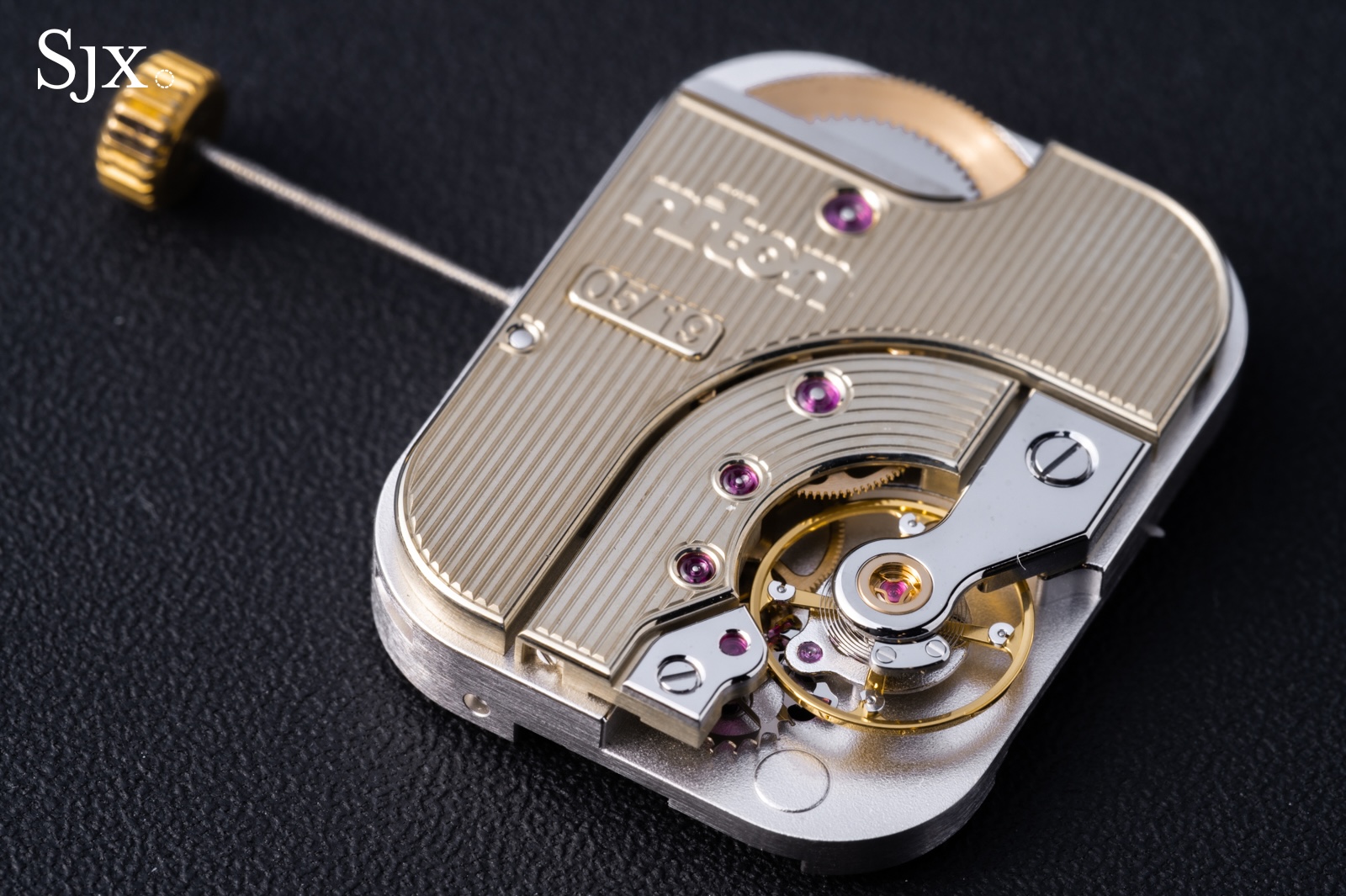
Setting the time also has some quirks. The movement is seemingly unfazed when pulling out the crown, until the seconds hand reaches the 60-second mark, where it stops. This saves some effort setting the time, which is welcome since the Prima is also a certified chronometer.
The certification is performed by Timelab — which also grants the Poinçon de Genève certification — at the historical Geneva Chronometry Observatory. This ISO 3159-compliant chronometer certification goes beyond the Geneva seal’s rather lax requirement that the watch keep time to one minute per week in general conditions.
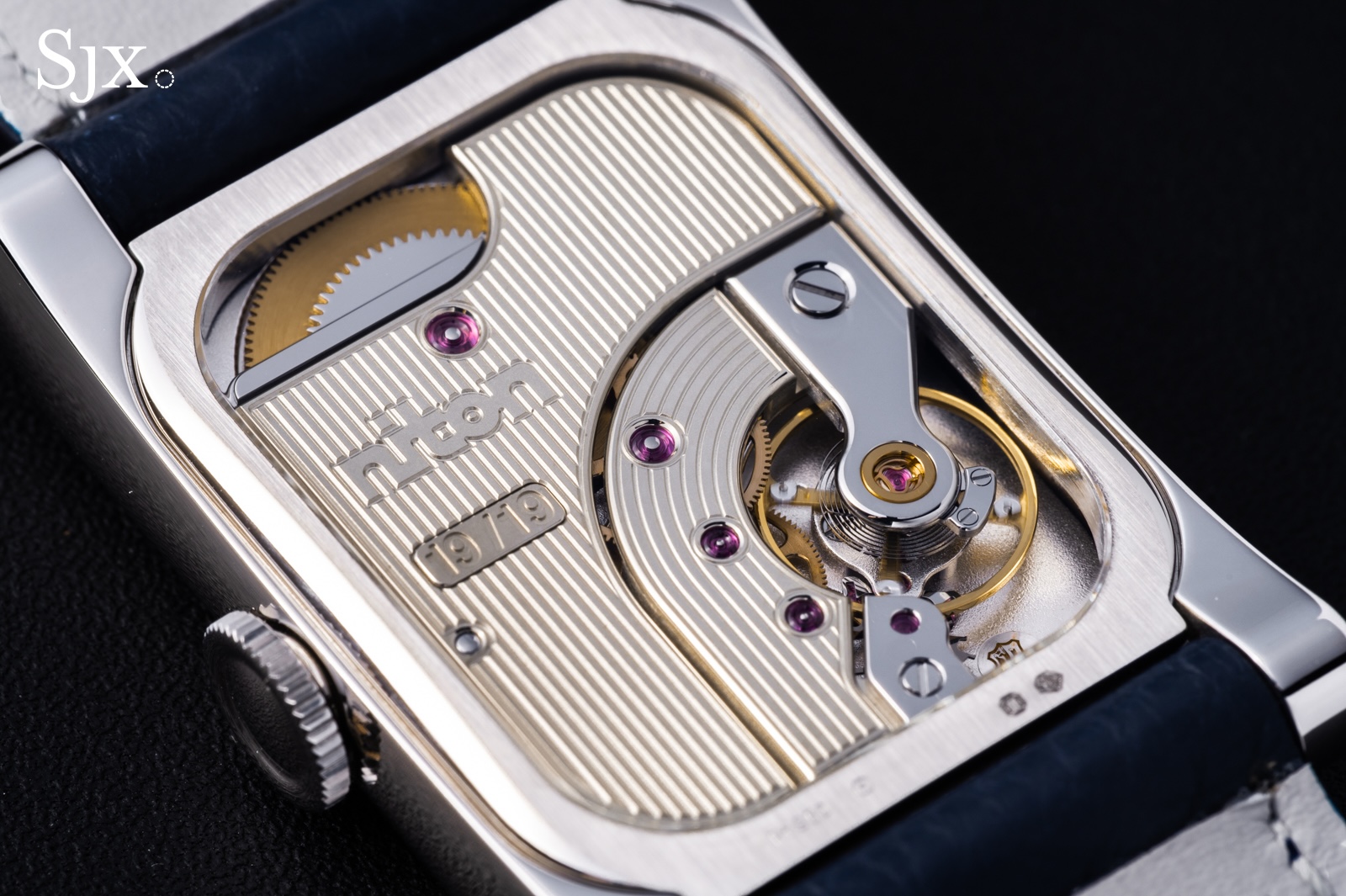
To that end, the watch is equipped with a free-sprung balance, which is more isochronous and ideal for a manually wound watch with a three day power reserve, beating at a modern 28,800 bph on an overcoil hairspring. Oddly, the time can only be set forwards — a safety feature that might be seen as the only apparent shortcoming of this otherwise excellent movement.
Key specs and price
Niton Prima
Size: 27 mm by 35.5 mm (42 mm lug-to-lug)
Height: 7.9 mm
Material: Pink gold or platinum
Crystal: Sapphire
Water resistance: 30 m
Movement: NHS01
Features: Striking jump hours, minutes, seconds
Frequency: 28,800 beats per hour (4 Hz)
Winding: Manual
Power reserve: 72 hours
Strap: Leather with matching precious metal buckle
Limited edition: Yes, 19 pieces in pink gold and 19 in platinum (sold out)
Availability: Directly from Niton
Price: CHF44,750 in pink gold, CHF47,750 in platinum (excluding VAT)
For more details visit niton.swiss.
Back to top.