

Hands On: IWC Pilot’s Venturer Vertical Drive
The Vast Pilot.
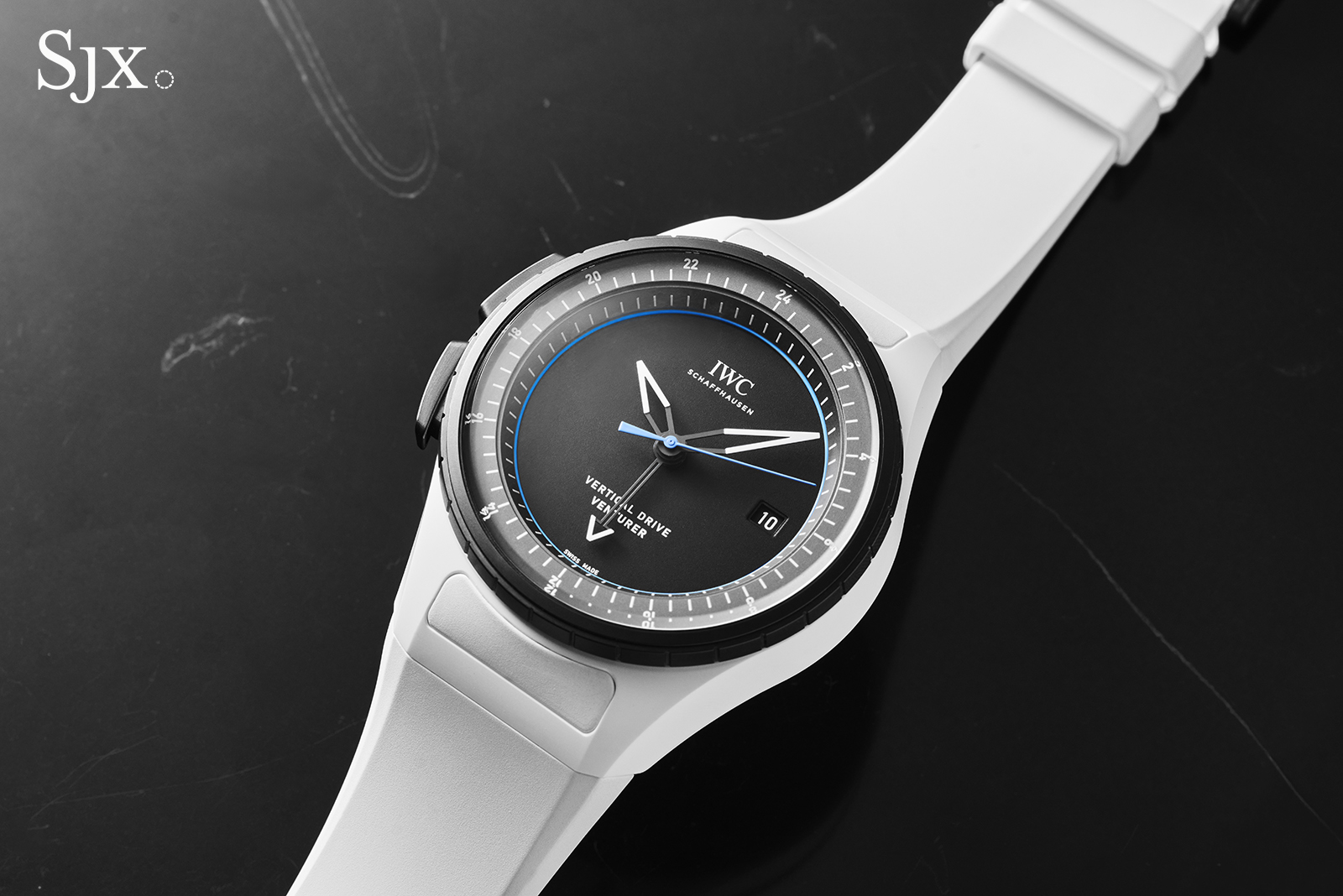
IWC teams up with Vast, prospective constructors of the International Space Station’s private successor, with the IWC Pilot’s Venturer Vertical Drive, a uniquely astronaut-friendly take on a spacefaring watch that breaks new ground for IWC’s signature pilots watches.
If all goes well, these watches pass the Kármán line next year when Vast plans to launch the Haven-1 commercial space station.
Initial thoughts
Vast is an American aerospace company hoping to develop modular commercial space stations (Haven-2), and, at a glance seems more promising than the average ambitious space startup. If all goes to plan, the Vast Pilot will launch with the Vast’s Haven-1 prototype space station in 2027.
The Pilot’s Venturer Vertical Drive — which could easily have been called the “Vast Pilot” as a play on its popular Big Pilot — is among the most visually appealing watches from IWC in recent memory.
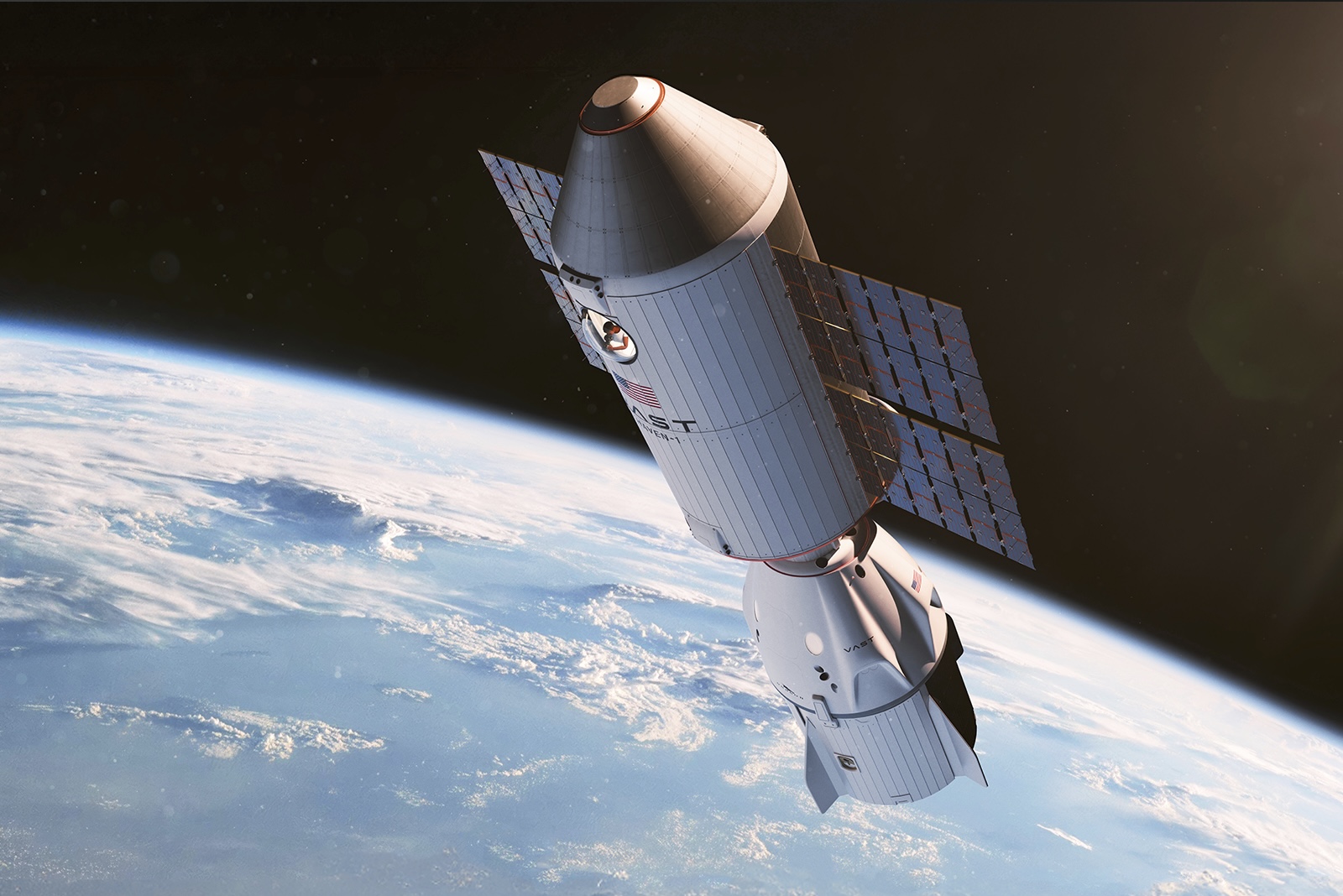
Computer rendering of the Vast Haven-1. Image – Vast Pressroom
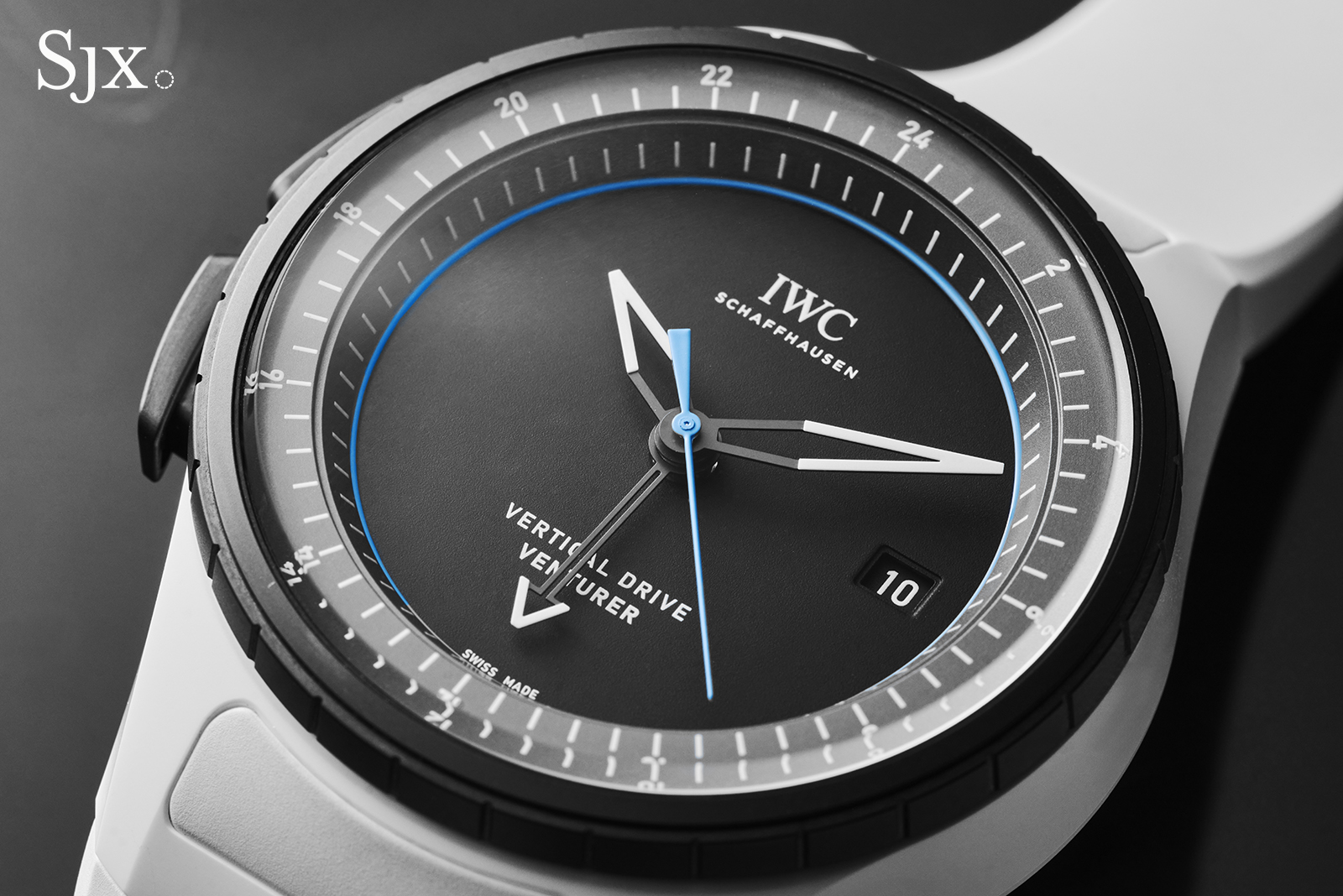
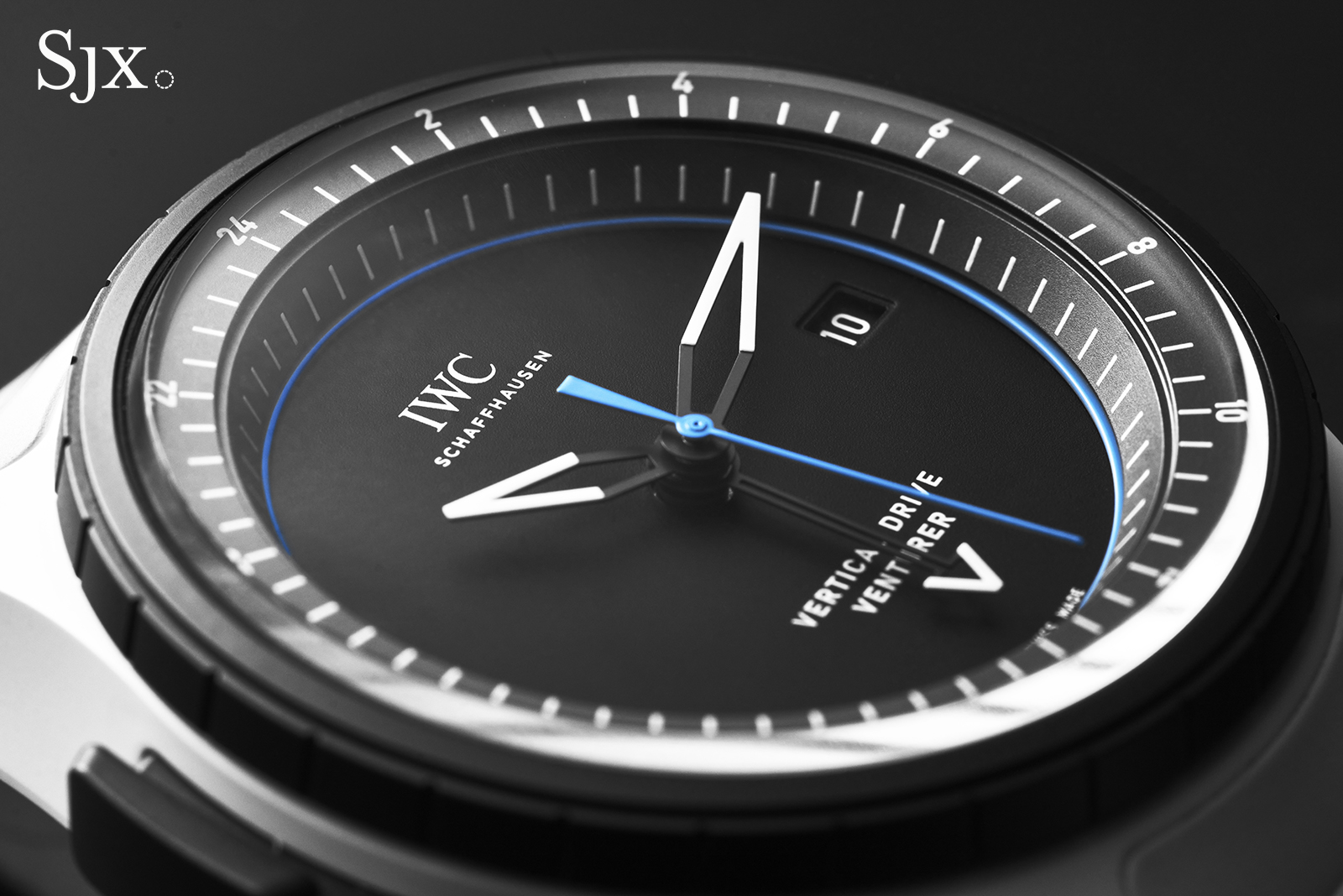
The combination of white and dark gray, and a clean but technical look leans into the “NASA Punk” aesthetic. The minimalist industrial look calls to mind watches like the IWC Ocean 2000, designed by Ferdinand Alexander Porsche.
The gradated blue horizon around the dial is an inspired thematic choice, and is paired with a matching seconds hand. The lack of a chronograph is surprising, given IWC’s general affinity for them, as well as their domination of the space watch genre.
I find that refreshing, since the functionality could not hope to replicate that of digital watches designed specifically for modern space flight.
IWC aimed to make the watch easy to manipulate while wearing a space suit, though I am not sure why this is desirable. In fact, being able to disturb the time during extravehicular activity (EVA) seems undesirable. Regardless, luxury mechanical watches are not mission-critical equipment for modern astronauts, so the practical implications are less important than the coolness they add.

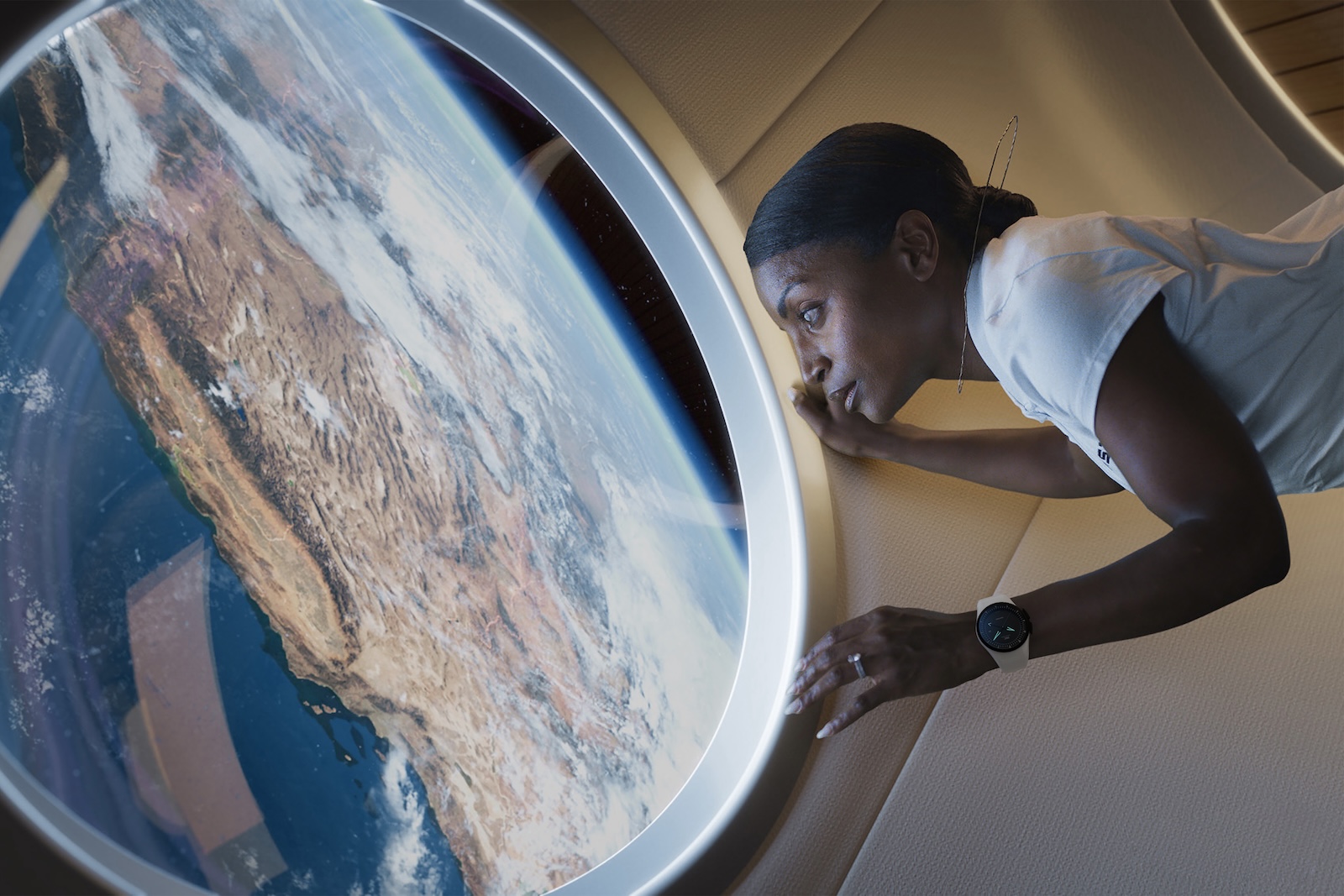
Image – IWC
The CHF24,000 price tag is a more serious issue. I expect a specialty product like this to come at a premium, but I’d also expect it to use one of IWC’s higher end seven-day movements, which is also more befitting the 44.3 mm diameter.
Vertical Drive
The Vertical Drive system dispenses with the usual means of interacting with the movement — the crown. Instead, this function is delegated to the rotating bezel. The eponymous “Vertical Drive” system is a clutch that connects the bezel to the movement.
The rocker switch opposite where the crown would normally be switches between modes for time setting, manual winding, and independent hour hand adjustment. In winding mode, turning the bezel counterclockwise winds the watch.
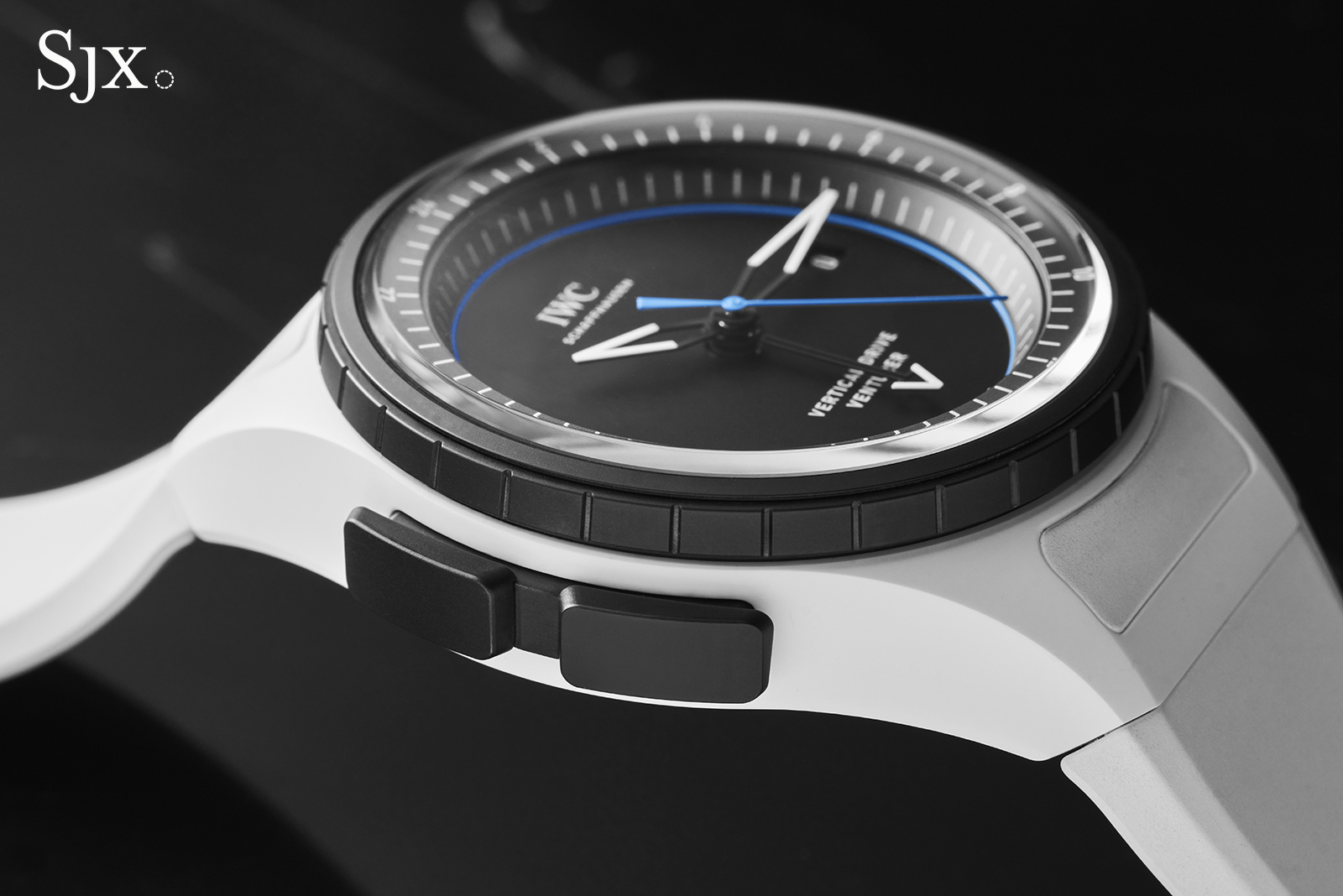
The mode selection rocker.
Time setting mode stops the movement, which is useful for synchronising multiple timekeepers, but makes it easier to disturb timekeeping during an EVA.
Space case
Space lift doesn’t come cheap; it costs several dollars to get a single gram of material into orbit, so the use of a lightweight ceramic and Ceratanium case makes practical sense. The second material, Ceratanium, is IWC’s trade name for titanium blackened by a protective oxide layer.
During takeoff, commercial airliners rarely accelerate quicker than three m/s2, less than a third the 9.8 m/s2 of acceleration due to gravity that we feel at all times. You can expect three to four times that onboard a manned rocket during takeoff.
As dramatic as that sounds, it isn’t actually an issue for watches. But, just to be safe, IWC subject the watch to rapid, repeated directional changes at 10g. While a watch technically experiences 5,000g during a 1-metre drop onto a wood floor (see ISO 1413) that is only for an instant, while IWC’s testing seems to be sustained.
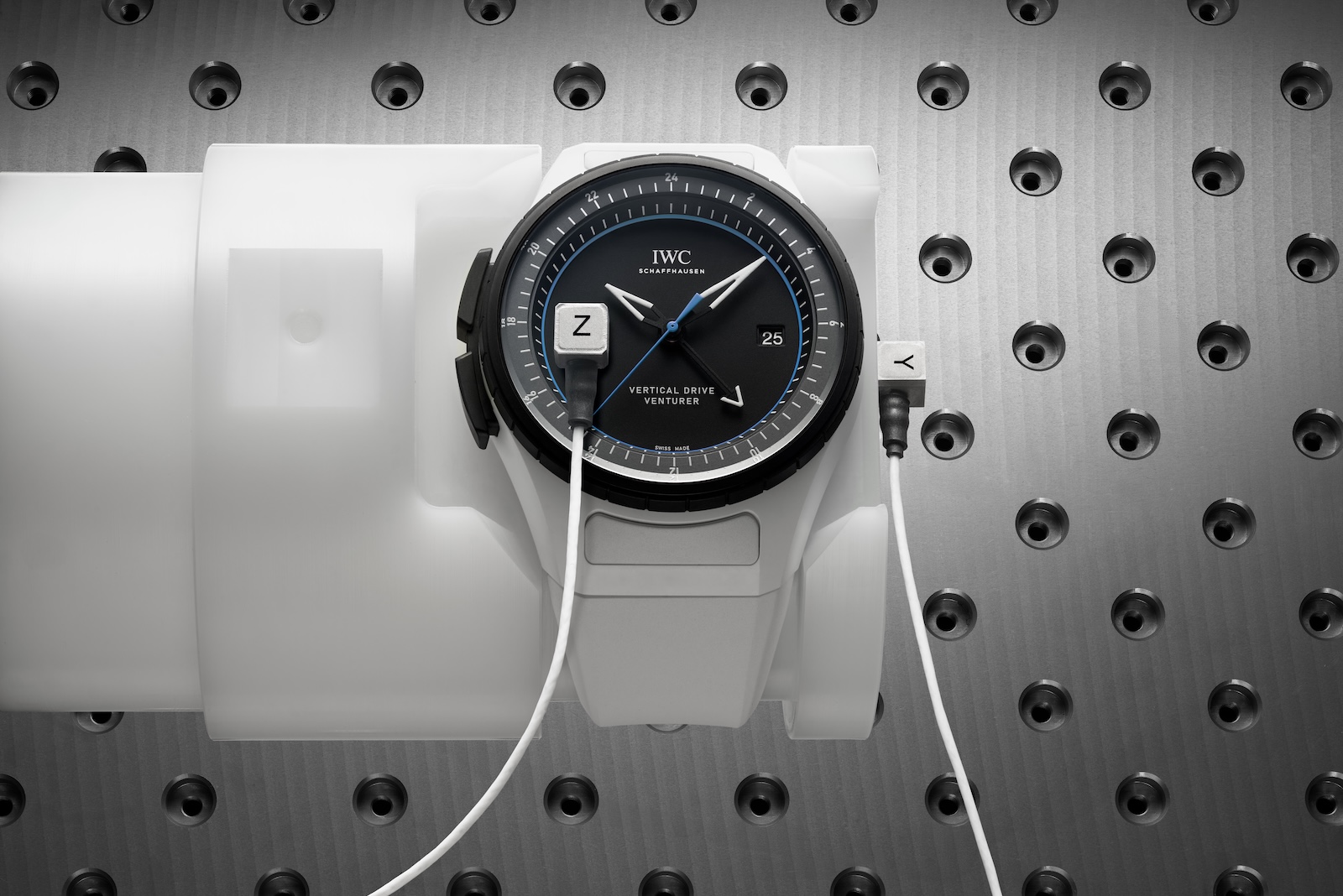
Image – IWC
The vibrations, however, can be more of a challenge, though the human wearing the watch acts as a vibration dampener of sorts. IWC used a vibration table to validate this capability. The watches were also tested against over and underpressure, as many lubricants would quickly boil off in the near-vacuum environment of low earth orbit.
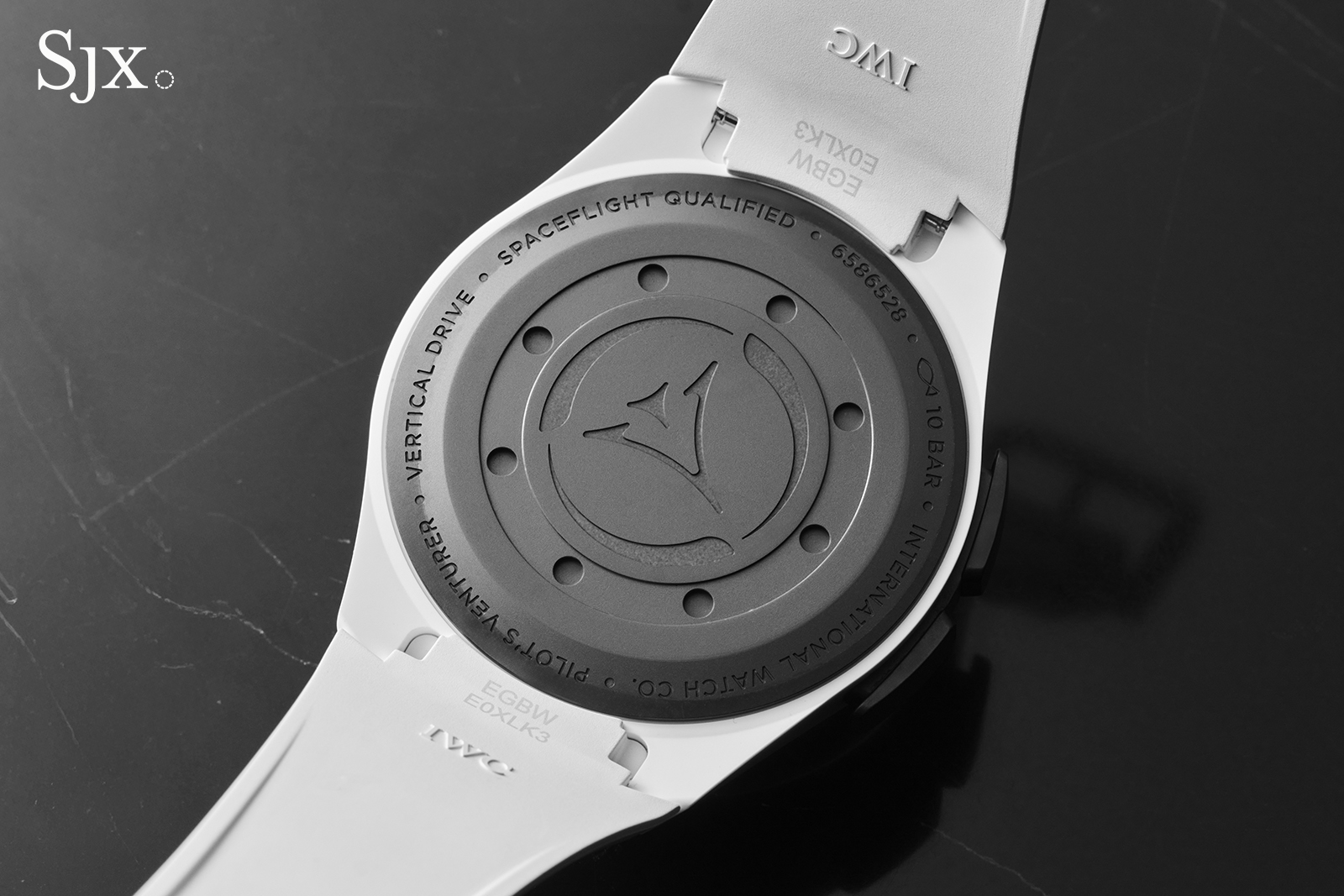
Vast’s final requirement was minimal off-gassing, which, depending on the gasses in question, can be harmful to astronauts in such confined quarters. The rubber strap is a fluoroelastomer, which, in addition to excellent UV resistance, is generally very stable at high temperatures or low pressures — factors that tend to increase off-gassing.
Vertical driver
IWC hasn’t releases images of the movement, cal. 32722, but based on its designation and five-day power reserve it is presumably a sibling of the cal. 32111 in the latest Ingenieur — essentially an enlarged version of Cartier’s workhorse cal. MC 1847 with a longer power reserve, thanks to a larger barrel and lightened silicon escapement.


The Baume et Mercier is closely related to IWC’s mid-sized automatics Baumatic. This example boats a free sprung balance, which is hopefully true of the IWC as well.
It is also self-winding, though automatic winding is less efficient during EVA as astronauts (and their watches) are in free-fall. It uses the Magic Lever winding system, originally developed by Suwa Seikosha, which winds in both directions with a small, but variable, dead angle, which on the Seiko Spacewalk proved able to keep the watch wound.
Key facts and price
IWC Pilot’s Venturer Vertical Drive
Ref. IW328601
Diameter: 44.3 mm
Height: 16.7 mm
Material: Ceramic and blackened titanium
Crystal: Sapphire
Water resistance: 100 m
Movement: Cal. 32722
Functions: Hours, minutes, seconds, second time zone.
Frequency: 28,800 beats per hour (4 Hz)
Winding: Automatic
Power reserve: 120 hours
Strap: Matching integrated rubber strap
Limited edition: No, but likely limited production.
Availability: At IWC boutiques
Price: CHF24,000 excluding taxes
For more, visit iwc.com.
Back to top.