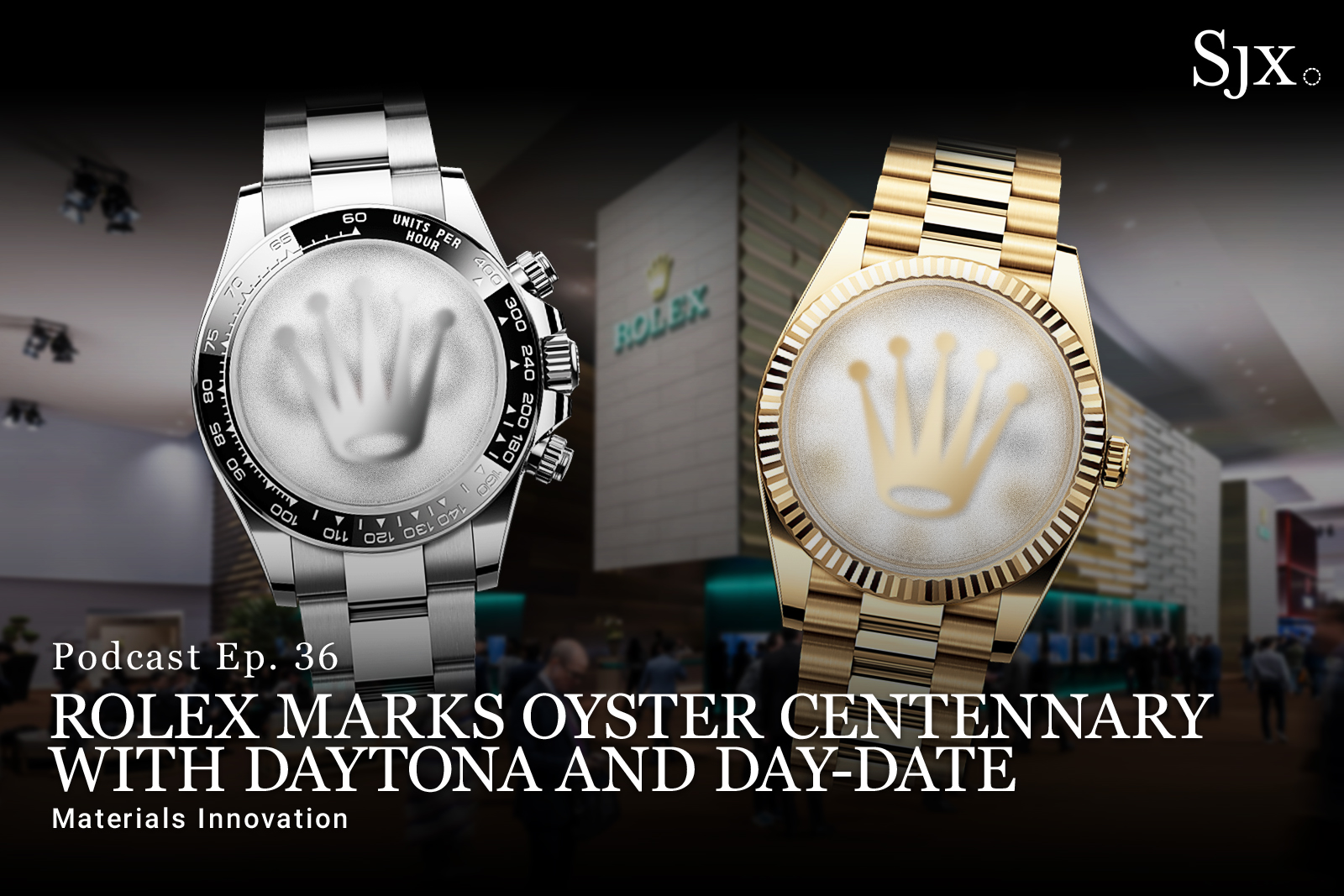
Episode 36 of the SJX Podcast comes straight from Watches & Wonders 2026. As ever, all eyes are focused on Rolex during the first hour of the event. SJX and Brandon unpack the brand’s new models, which feature new materials and a novel industrial approach to enamel dial production.
We’ll be back soon with more live coverage of the industry’s biggest event.
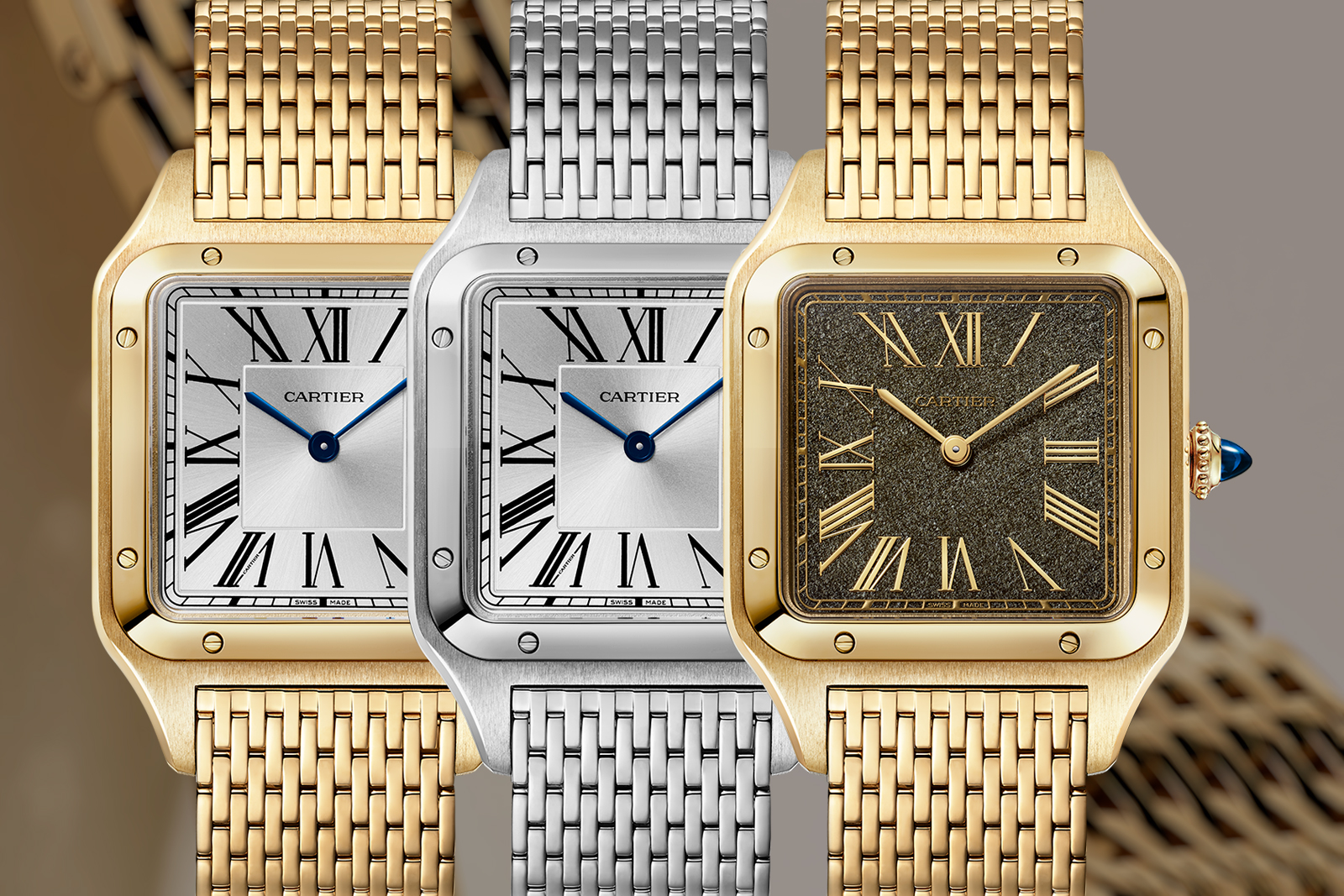
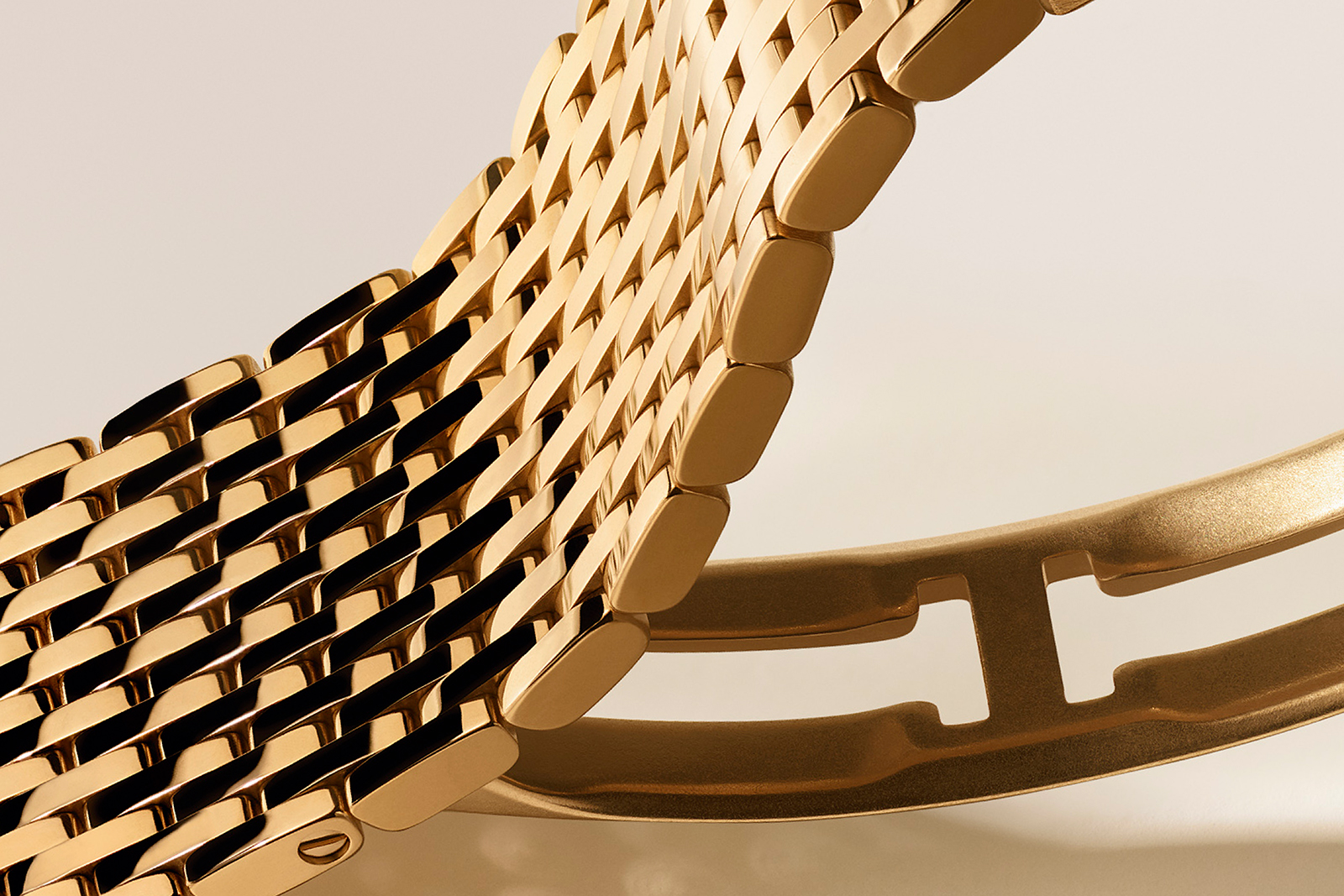
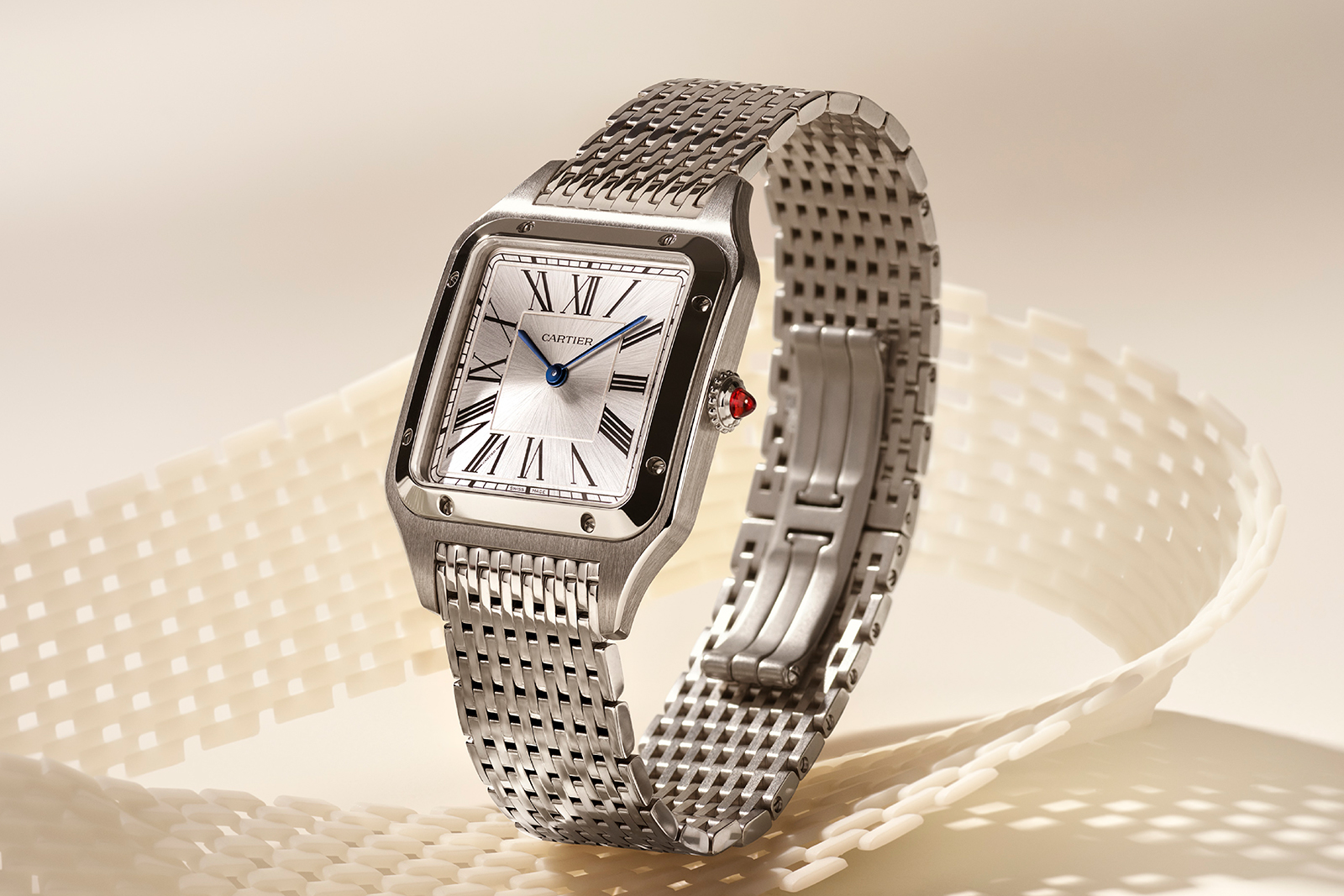
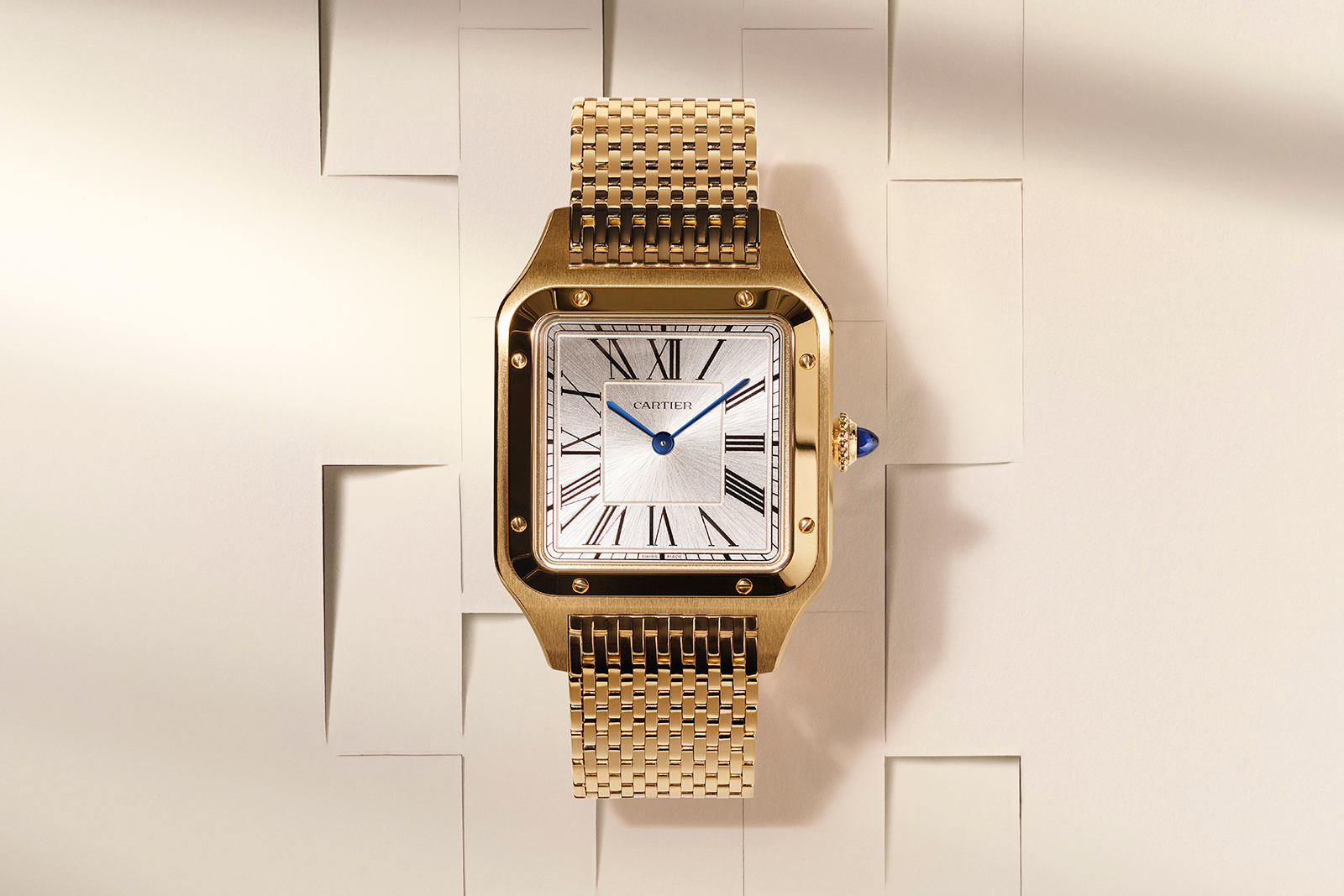
Cartier’s debuts at Watches & Wonders 2026 include notable crowd pleasers, with a standout being the Santos-Dumont LM with a mesh-link bracelet in matching precious metal. Inspired by watch bracelets of the 1920s, the new bracelet is 15 links across with each link just 1.15 mm high, making it supple and ergonomic. Very much catering to fad for such bracelets, it is also removable and sports a double-folding clasp.
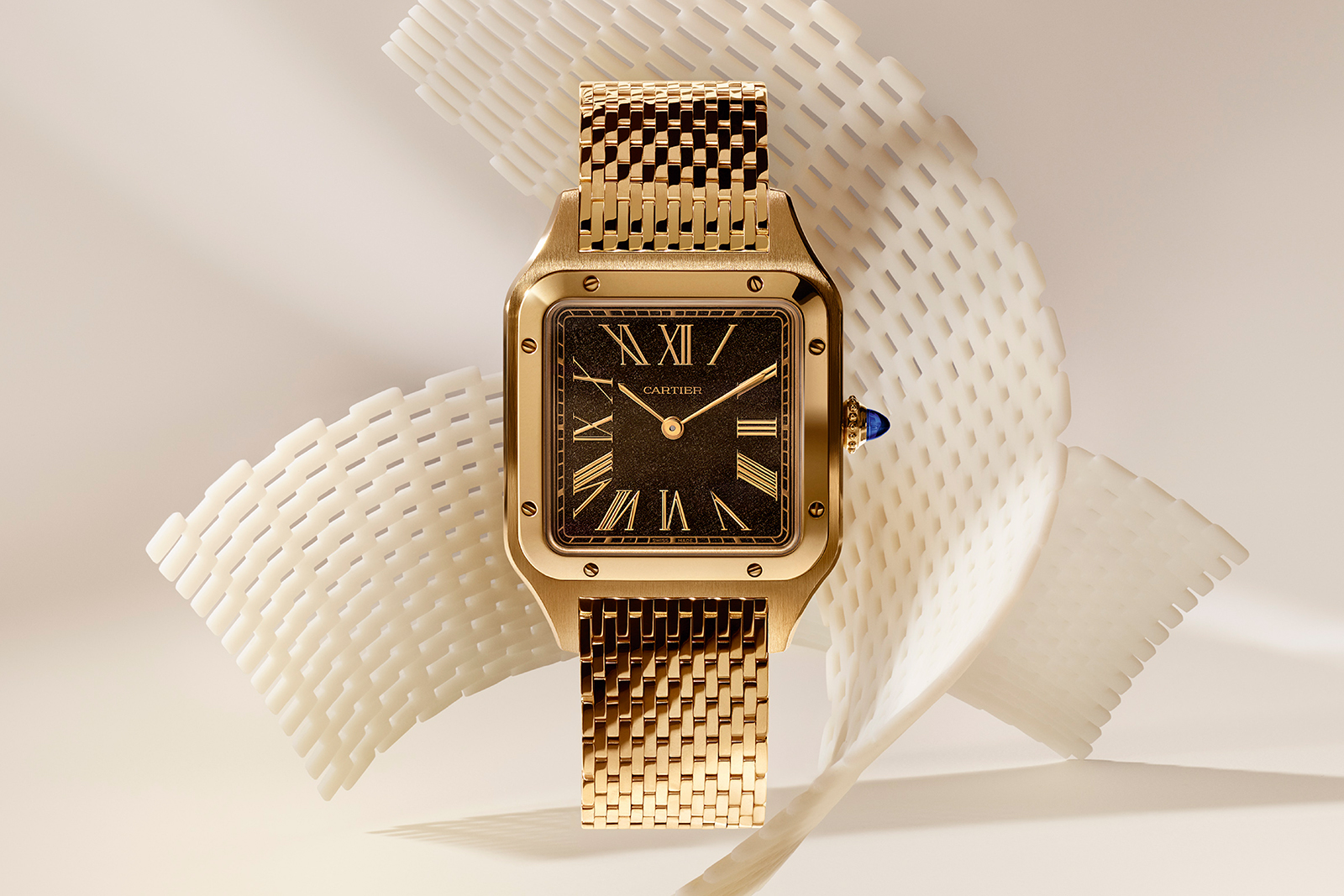
The new Santos-Dumont models themselves are cosmetic variations of the existing model, with the most unusual being the yellow gold version with a dial of obsidian, which is volanic glass.
Initial thoughts
The new Santos-Dumont pairs the familiar square watch with an appropriately retro mesh-link bracelet that fits the design perfectly. Like the Les Opus trio, this Santos-Dumont trio isn’t imaginative or novel, but it is executed well and has tactile appeal.
Both the clasp and flush-fit end links that continue the link pattern are a pleasing touch. In some ways the bracelet is perhaps more fitting for the model given its history as an aviator’s watch, although the Santos-Dumont now is very much a dress watch in the modern sense of the term.
The commercial success of 2023’s Tank Normale with a bracelet probably helped convince Cartier that such bracelets are a winner, despite the substantial cost of a precious metal bracelet today. That said, the new Santos-Dumont on a bracelet is pricey but not outrageously so. It starts at €44,400 in yellow gold and rises to €59,000 in platinum, which is reasonable in the context of today’s market for both luxury watches and precious metals.
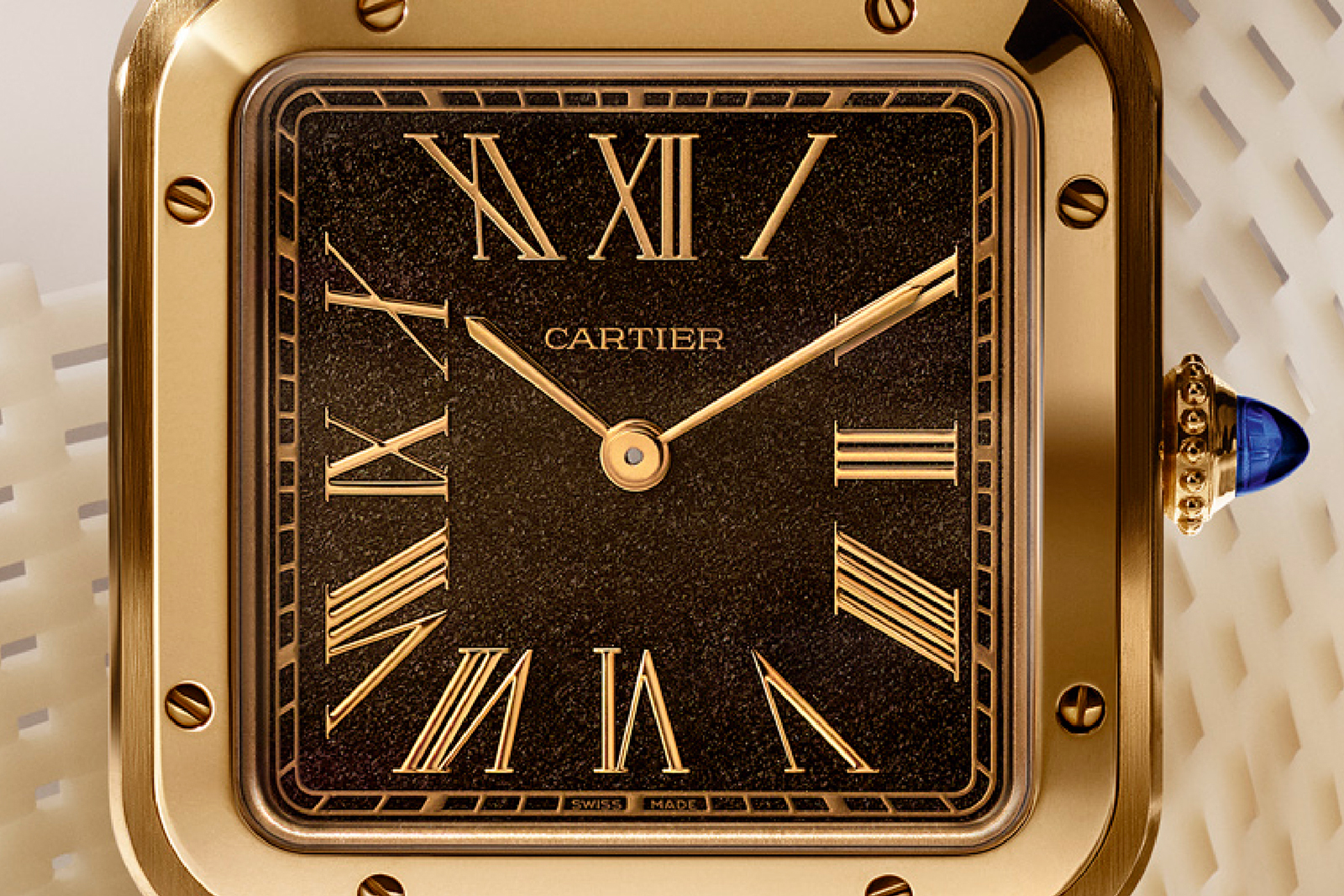
The textured obsidian dial
A historical sports watch
The origins of the Santos are now well known: pioneering aviator Alberto Santos-Dumont asked Louis Cartier for a timekeeper that he could wear while piloting a plane, and so the eponymous wristwatch was born. Over its century of existence the Santos has evolved into a multitude of variations, but the Santos-Dumont is arguably the version closest to the original.
While larger and sportier versions of the Santos have long had matching bracelets, the Santos-Dumont last included a bracelet decades ago. The new trio all share the same bracelet and case in “LM” size, short for “large model”.
Both the base model in yellow gold and platinum version have the same silvered dial with radial brushing that is identical to that on the earlier versions of the model, which were available only on a strap.
The upgraded yellow gold model, however, has a dial in obsidian, glass that forms when a volcanic lava cools. According to Cartier, the dark brown obsidian employed here is from Mexico, and it is polished to a disc that is just 0.3 mm high, then affixed to the brass dial base.
All three versions share the same movement, the cal. 430 MC. It’s a rebadged Piaget cal. 430P, a slim, manual-wind movement that is the ultra-thin workhorse used extensively by both Piaget and Cartier. Now almost 30 years old, the cal. 430P is a little dated – the power reserve is under 40 hours – but still a compact and reliable movement.
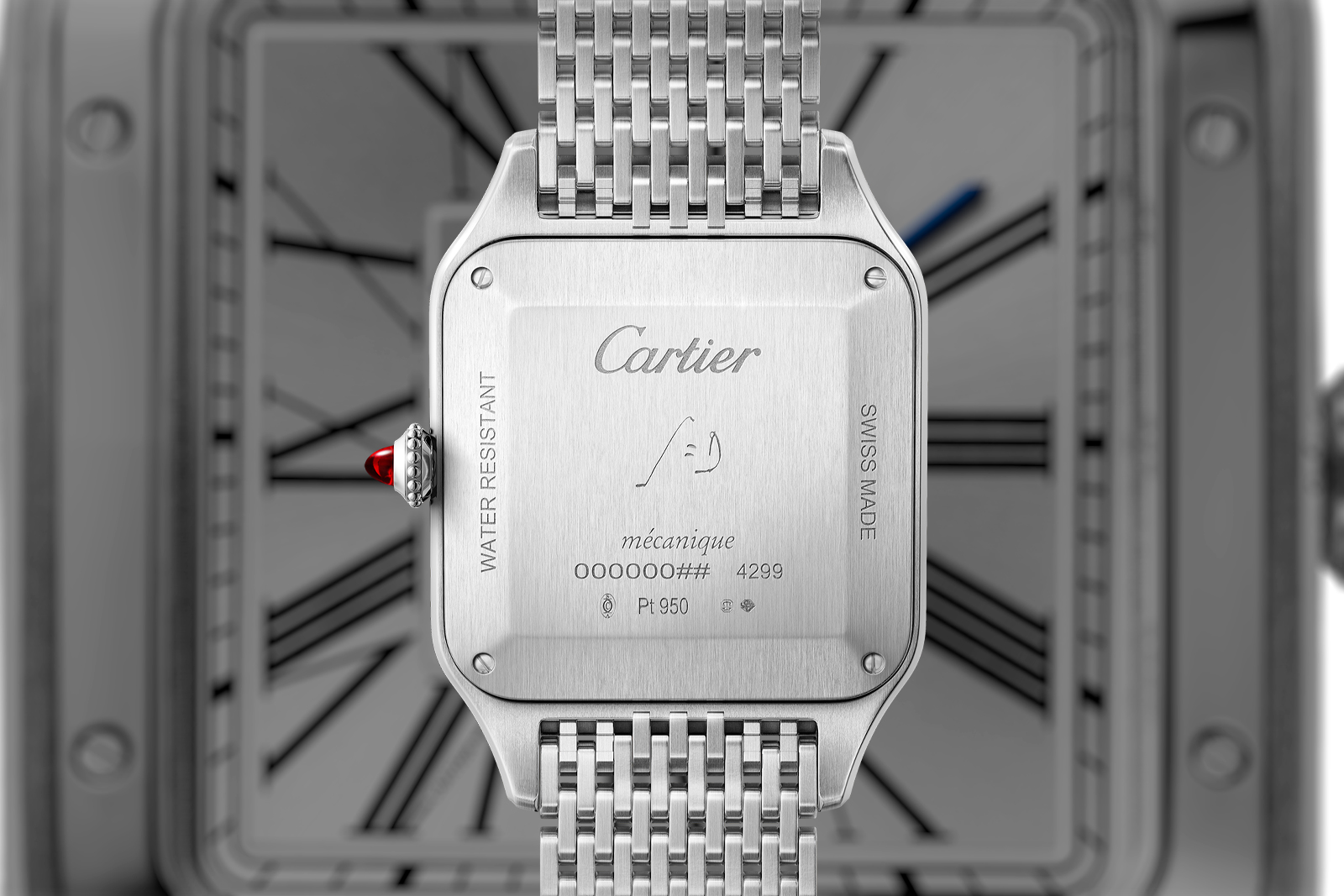
The solid case back bears Alberto Santos-Dumont’s initials “S=D”
Key facts and price
Cartier Santos-Dumont LM with bracelet
Ref. CRWGSA0122 (yellow gold)
Ref. CRWGSA0123 (yellow gold with obsidian dial)
Ref. CRWGSA0124 (platinum)
Diameter: 43.5 mm by 31.4 mm Height: 7.3 mm Material: 18k yellow gold or platinum Crystal: Sapphire Water resistance: 30 m
Movement: Cal. 430 MC Features: Hours and minutes Frequency: 21,600 beats per hour (3 Hz) Winding: Manual wind Power reserve: 38 hours
Strap: Matching bracelet in gold or platinum
Limited edition: No
Availability: Price: Yellow gold and obsidian €46,700; yellow gold €44,400; and platinum €59,000
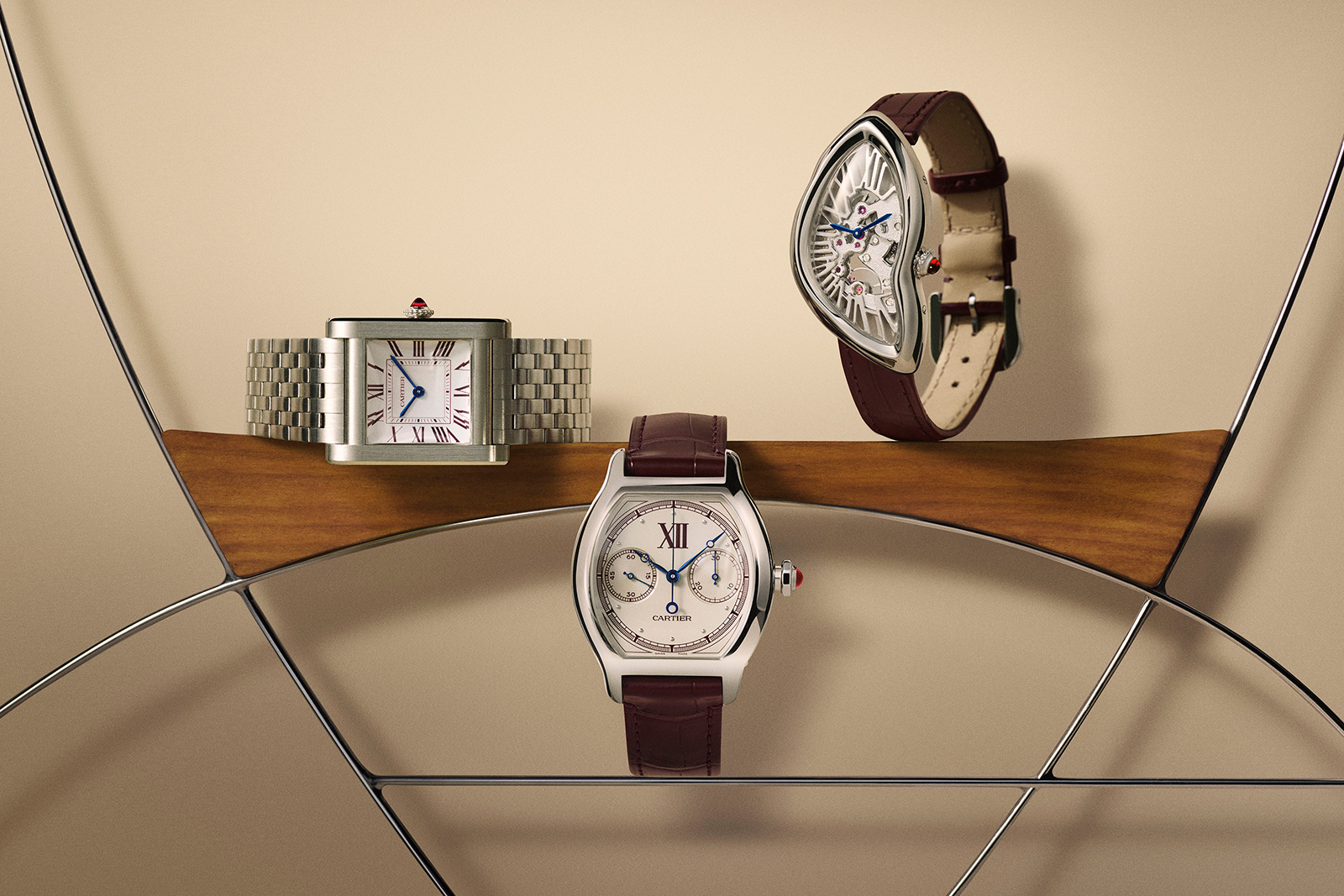
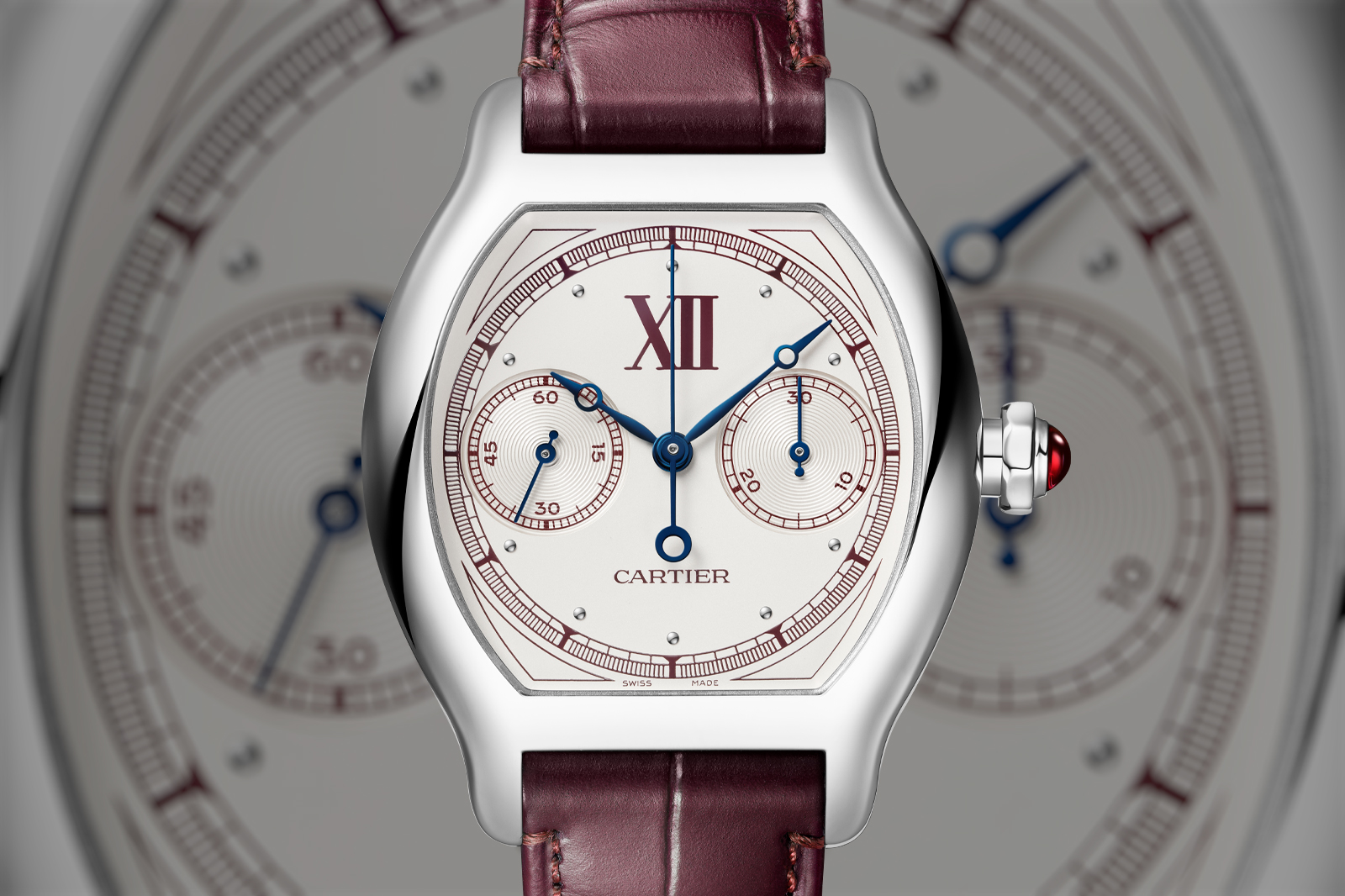
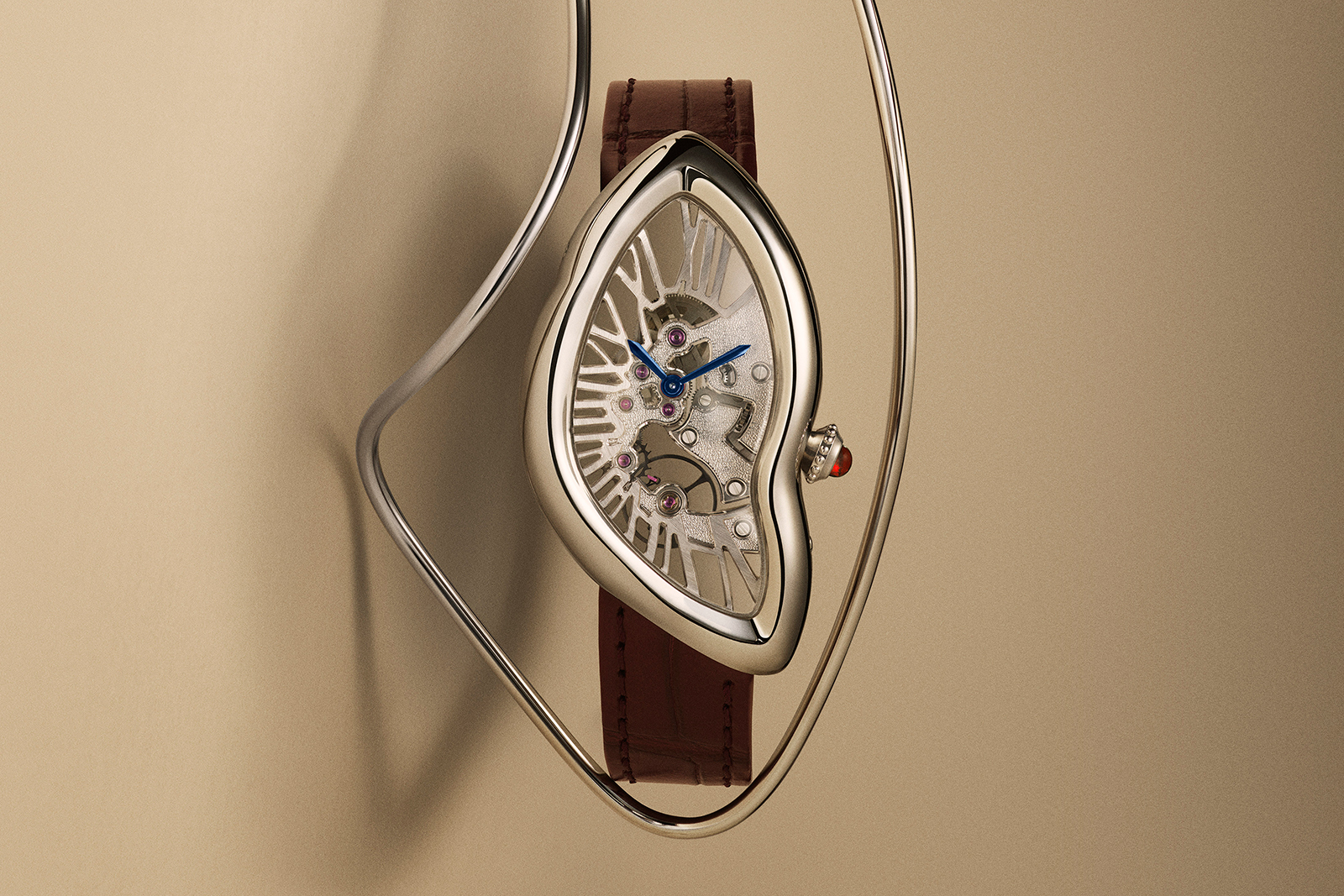
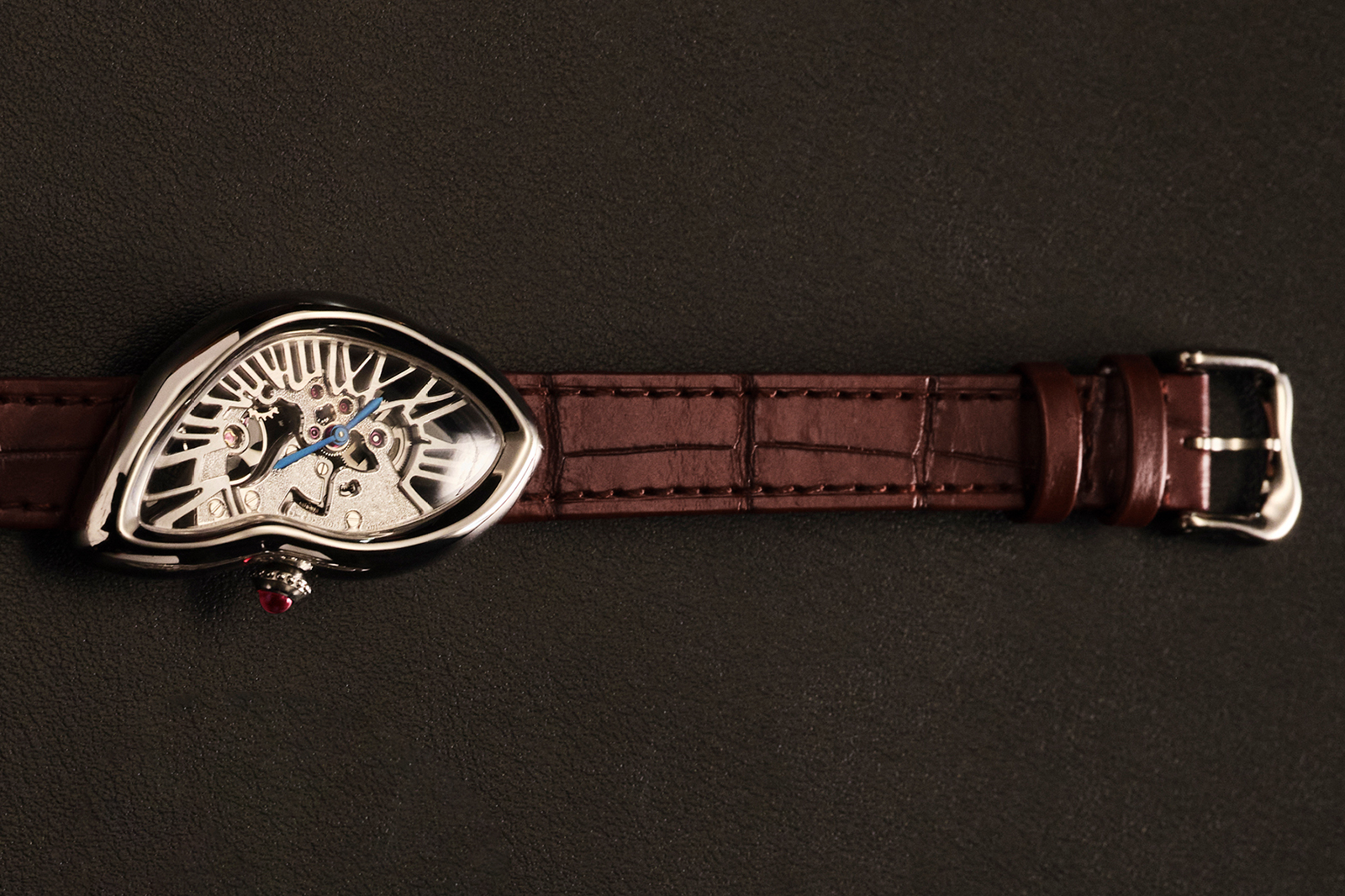
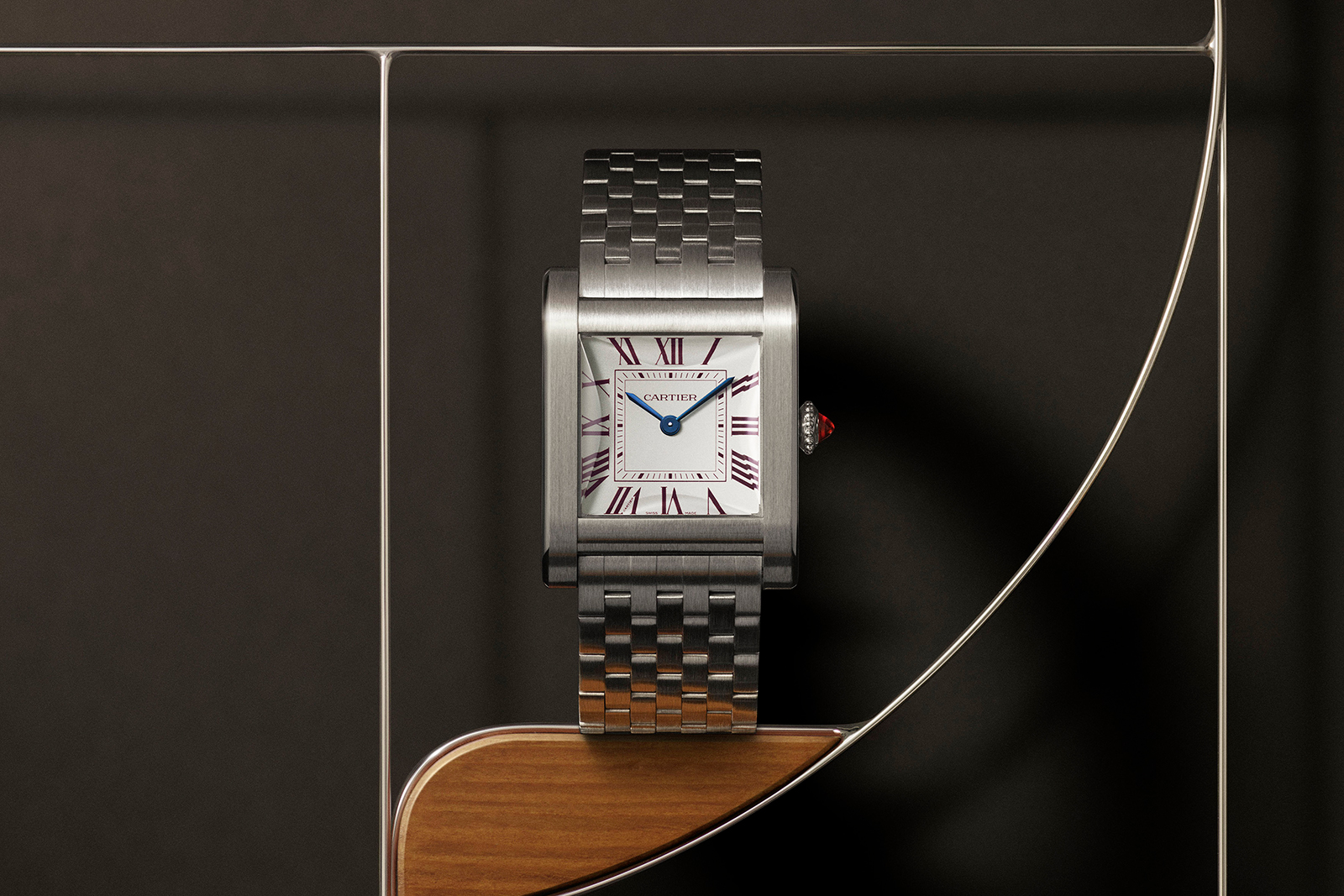
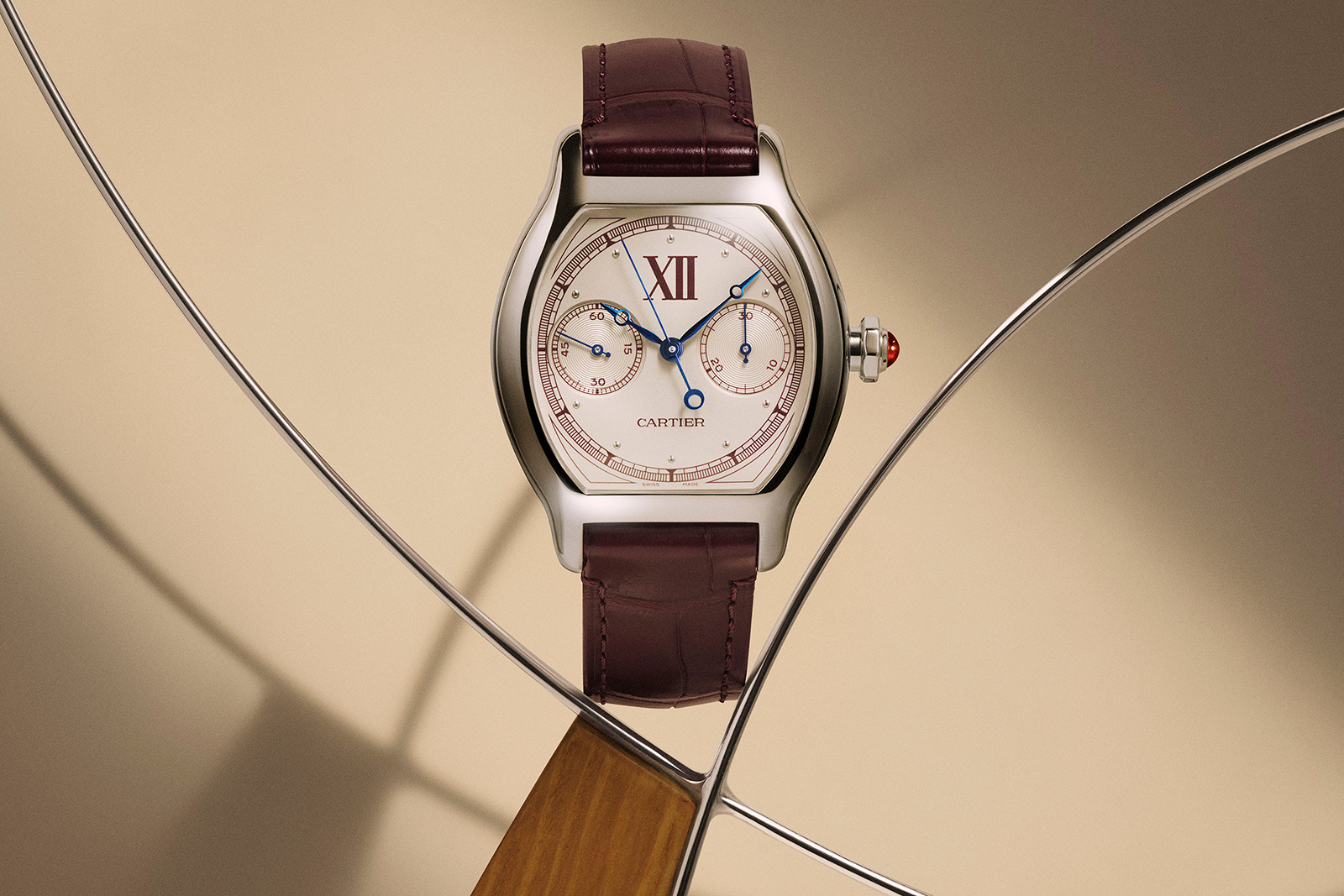
Cartier’s crowd favourite Privé line is now 10 years old and the jeweller is returning to its greatest hits for the occasion with two offerings, the first being the flagship Cartier Privé Les Opus. “Opus” is a trio of watches, all in platinum, each being of the most desirable models in the Privé collection – Tank Normale, Tortue Chronographe Monopoussoir, and Crash Squelette.
Both the Tank Normale and Tortue Monopoussoir are variants of earlier models, retaining the same case and movement as before, but now with silvered dials featuring red markings. The Crash skeleton, on the other hand, is a new model powered by a new calibre, the 1967 MC, a hand-wind movement with hand hammered bridges.
The Crash skeleton is limited to 150 pieces, while the other two models are regular production
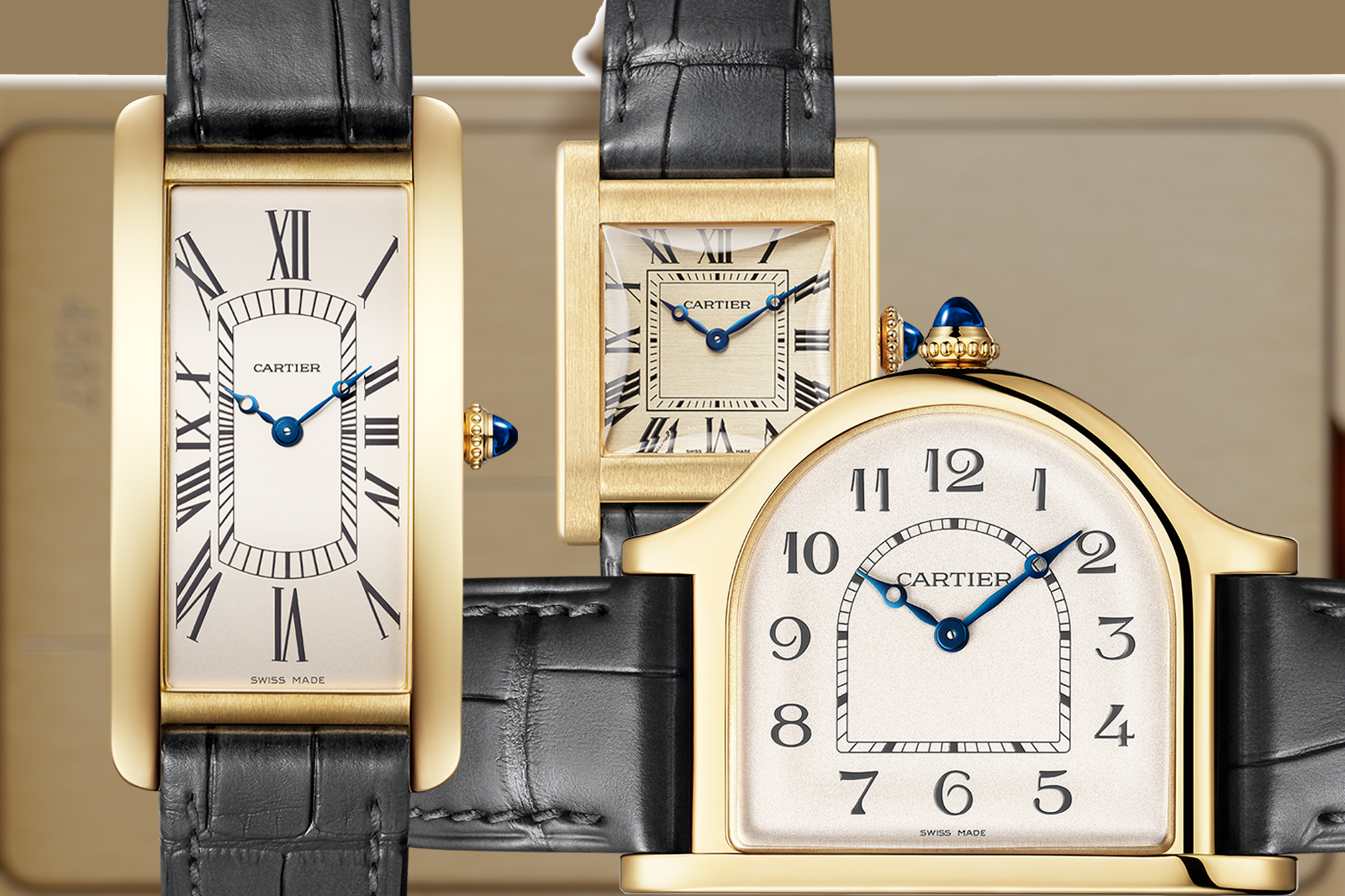
The second anniversary trio is Cartier Privé La Collection, yet another trio of greatest hits, but in yellow gold and not limited edition, which we’ll detail in another story.
Cartier Privé La Collection made up of the Tank Cintree, Tank Normale, and Cloche
Initial thoughts
It is now a given that Cartier will mine its rich archive for new launches and Les Opus is exactly that. Given the strength of Cartier’s iconic designs, all three watches in the collection are appealing, with the Crash being a little more novel than its siblings in the line-up thanks to its skeleton movement. None of the three watches win any awards for imagination or innovation, but that is arguably besides the point for Cartier watches today.
The Tortue Monopoussoir adopts the design found on the prior generation model, but now in silver and red. The Tank Normale has the same palette, which was historically employed by Cartier on platinum watches in the late 20th century. It is a good look and one that Cartier hasn’t used too often recently, making these two stand out.
While both the Tortue and Tank are cosmetic variants of earlier models, the Crash is entirely new, with the cal. 1967 MC inside being a fresh development created for this watch. No doubt it borrows from other Cartier in-house movements, but the curved, hammered bridges are an interesting departure from the usual style. In the usual style, however, the cal. 1967 MC uses an Etachron-type regulator index that doesn’t feel right for a watch of this price.
Platinum and red
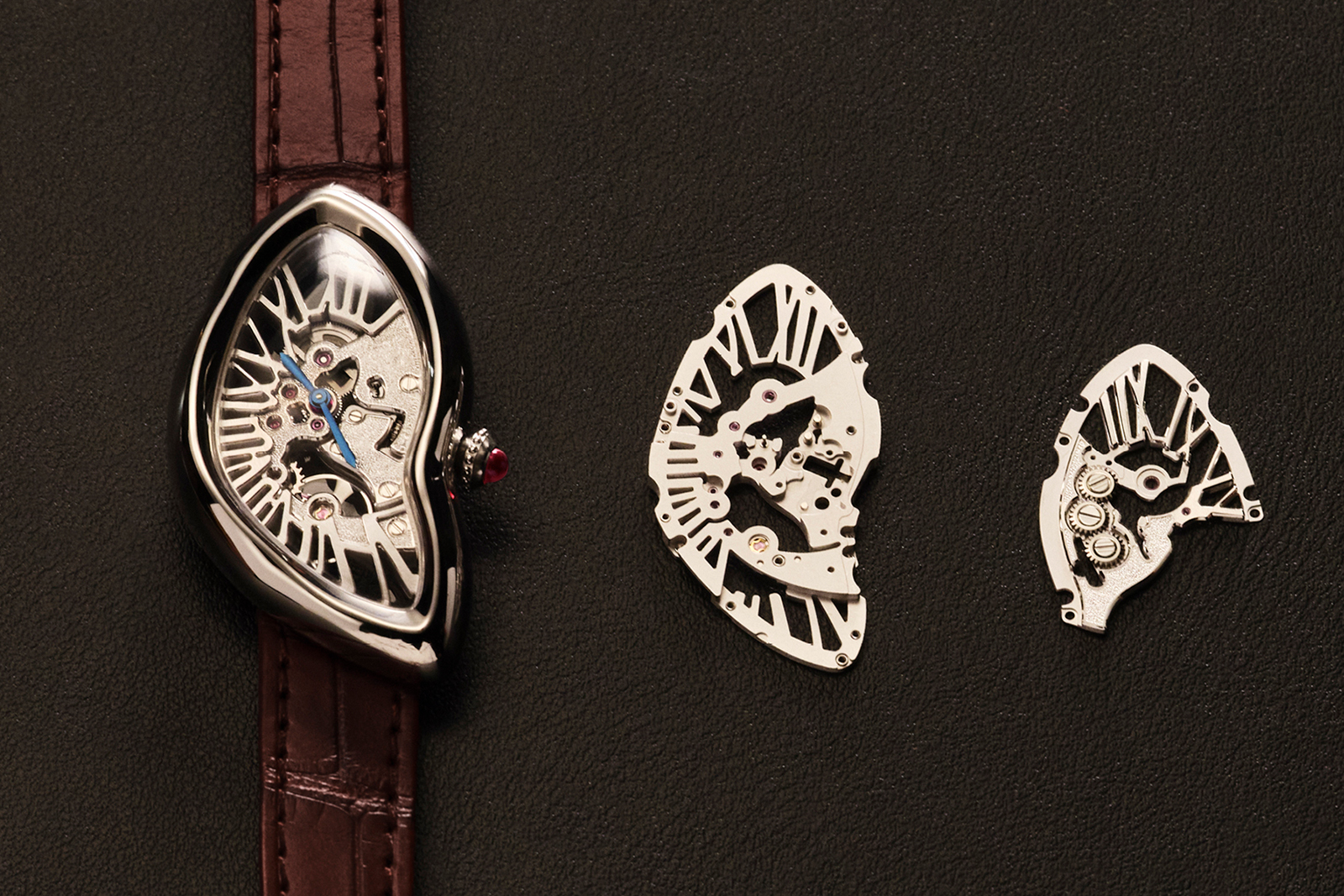
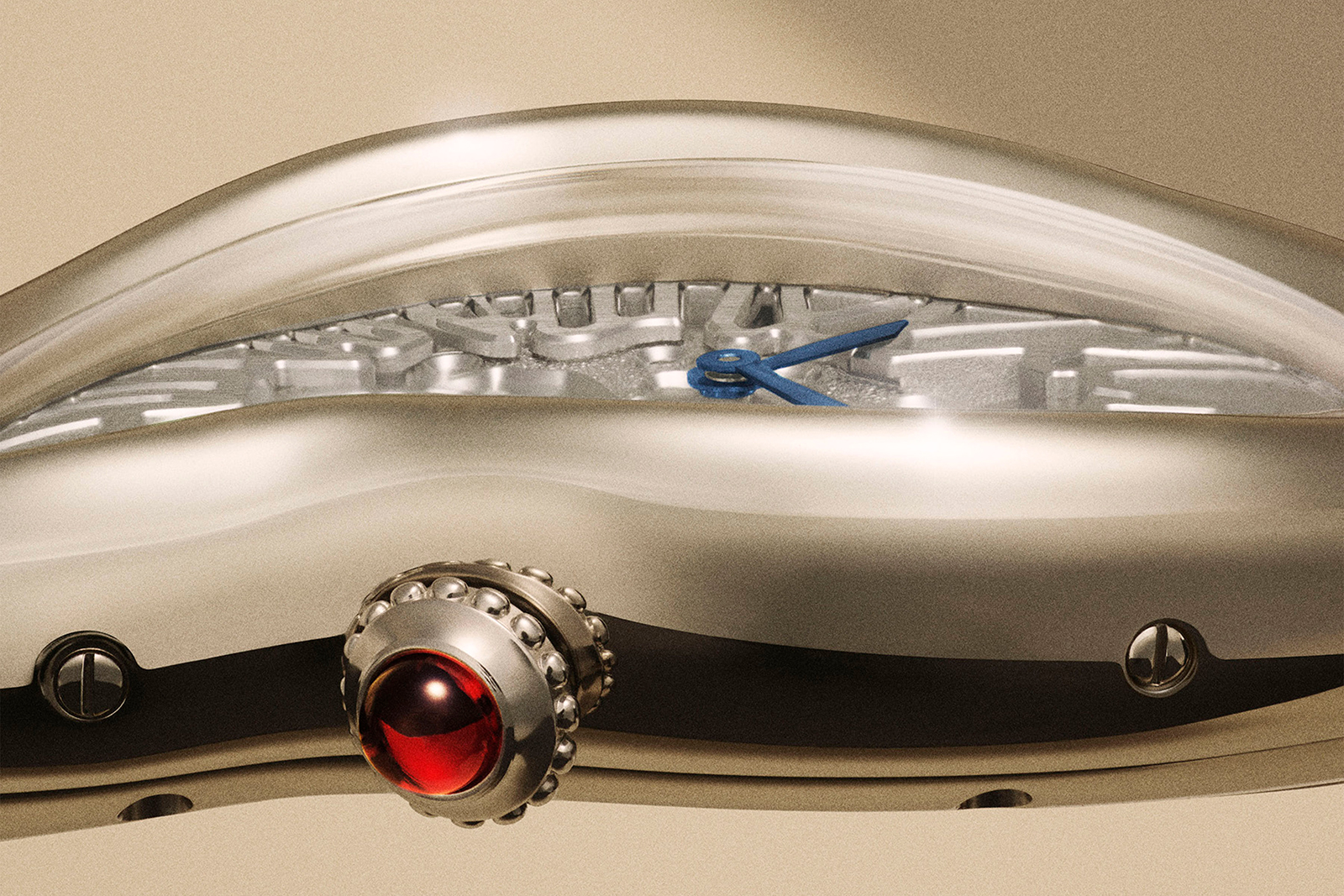
The only limited edition in the trio is the Crash Squelette. A little larger than the current Crash, this is distinct from the first Crash skeleton launched over a decade ago. It’s powered by the cal. 1967 MC, a newly developed calibre named after the year the Crash was created by Cartier’s London outpost. Cartier likely took the moving parts of another of its in-house calibres and then rearranged them to fit inside the asymmetric Cartier, which explains the unusual angle of the crown.
The movement has slightly curved bridges to accommodate the form of the watch case. As is tradition with Cartier’s skeleton movements, the curved base plate has been open worked to form numerals, which are spread out from five to 12 o’clock. The rest of the bridges are hammered by hand to create a dimpled motif, a technique that requires two hours of work per movement.
Notably, this accompanied by an asymmetric pin buckle, instead of the “crashed” folding buckle that was historically paired with the Crash. While a pin buckle usually fits better in terms of wearability – the traditional Cartier clasp requires a tailored strap for a perfect fit – the folding clasp is elegant and appropriate given the near-€100,000 price.
The remaining pair in Les Opus are regular production, albeit in small(ish) quantities – this might disappoint those who bought the earlier iterations of the same models that were limited editions.
The first is a Tank Normale in platinum with a matching bracelet. It’s essentially identical to the limited edition from 2023, except here the dial is a silvered “opaline” finish with red markings and blued steel sword hands for a look that is classic Cartier.
Similarly dressed is the Tortue Chronographe Monopoussoir, which is also cased in platinum. This harks back to the first-generation Tortue Monopoussoir chronograph of 1998 with its oversized Roman “XII”. While that model had the dial markings in blue, this has a silvered dial with red markings. As with the 1998 model, the hour markers are tiny spheres, save for the “XII”.
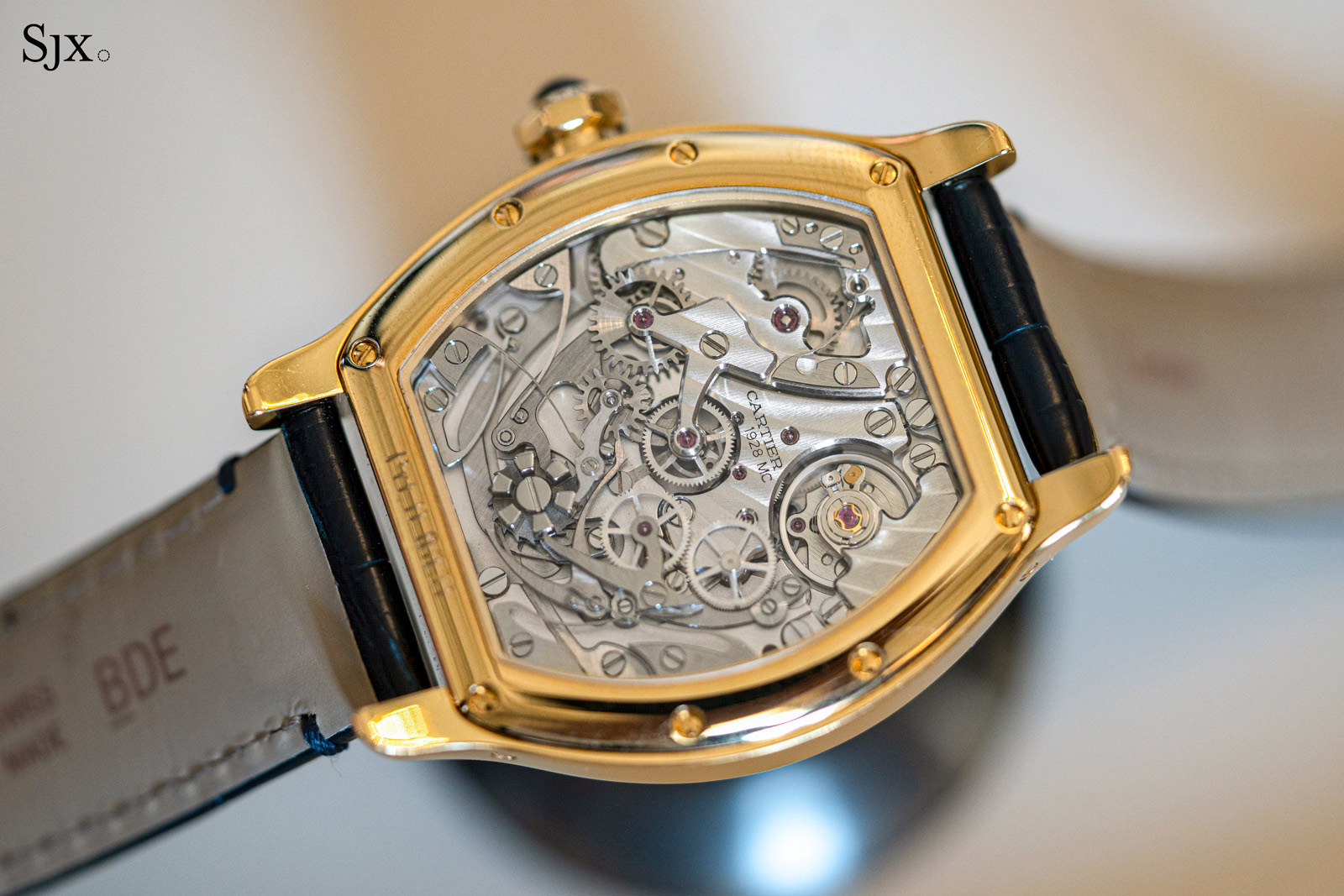
This is otherwise identical to the 2024 model, and contains the cal. 1928 MC, a proprietary hand-winding movement developed by Cartier with the help of specialist Le Cercle des Horlogers.
The cal. 1928 MC in the yellow gold version of the watch
Key facts and price
Cartier Privé Les Opus Crash Squelette
Ref. CRWHCH0012
Diameter: 45.34 mm by 25.18 mm Height: 12.97 mm Material: Platinum Crystal: Sapphire Water resistance: 30 m
Movement: Cal. 1967 MC Features: Hours, minutes Frequency: 28,800 beats per hour (4 Hz) Winding: Manual wind Power reserve:
Strap: Alligator strap with platinum pin buckle
Limited edition: 150 pieces
Availability: Price: €97,000 before taxes
Cartier Privé Les Opus Tortue Chronographe Monopoussoir
Ref. CRWHTO0012
Diameter: 43.7 mm by 34.8 mm Height: 10.2 mm Material: Platinum Crystal: Sapphire Water resistance: 30 m
Movement: Cal. 1928 MC Features: Hours, minutes, seconds, and chronograph Frequency: 25,200 beats per hour (3.5 Hz) Winding: Manual Power reserve: 44 hours
Strap: Alligator strap with platinum pin buckle
Limited edition: No
Availability: Price: €53,000 before taxes
Cartier Privé Les Opus Tank Normale
Ref. CRWHTA0031
Diameter: 32.6 mm by 25.7 mm Height: 6.85 mm Material: Platinum Crystal: Sapphire Water resistance: Not applicable
Movement: Cal. 070 Features: Hours and minutes Frequency: 25,200 beats per hour (3.5 Hz) Winding: Manual Power reserve: 38 hours
Strap: Matching platinum bracelet with white gold clasp
Limited edition: No
Availability: Price: €58,000 before taxes
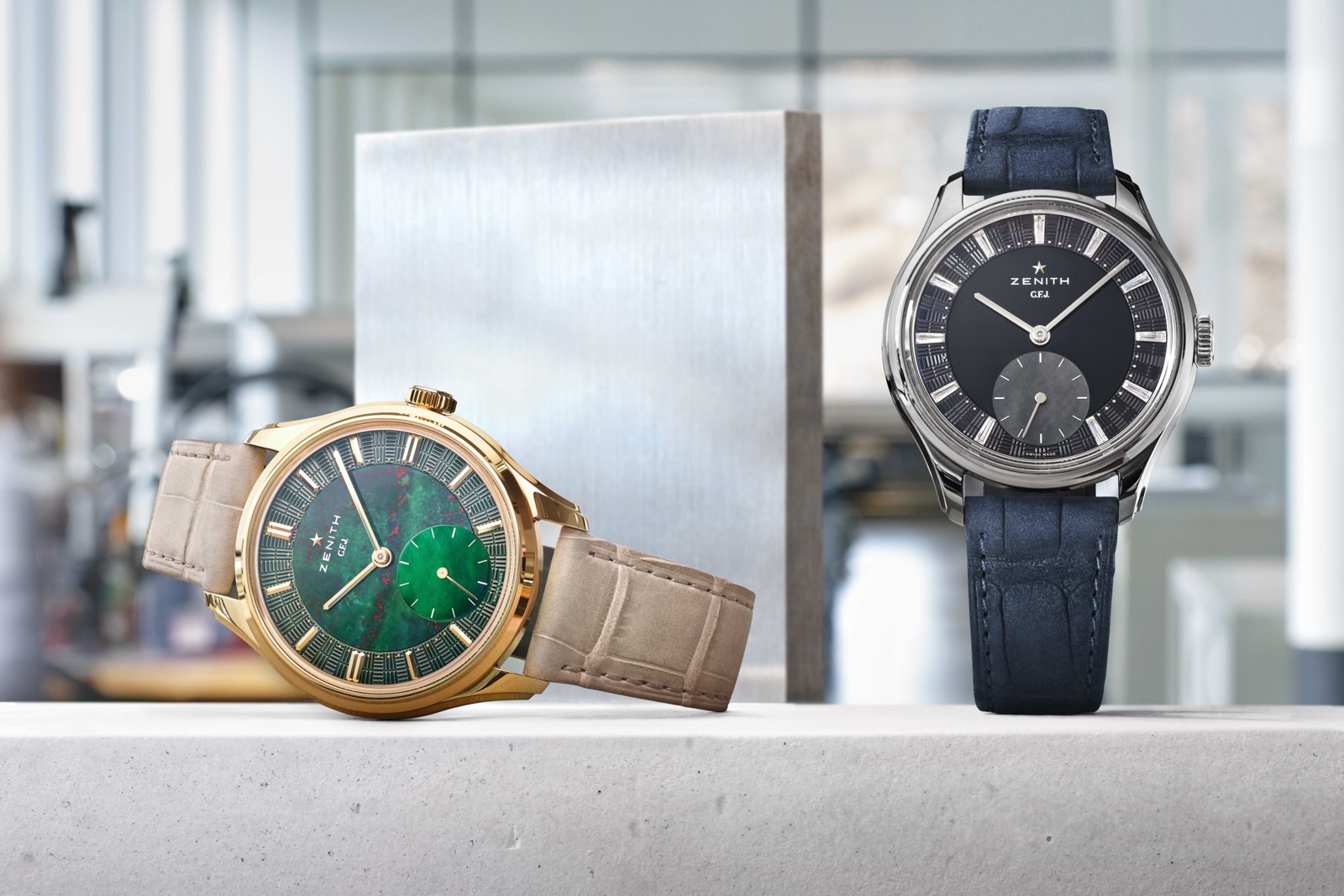
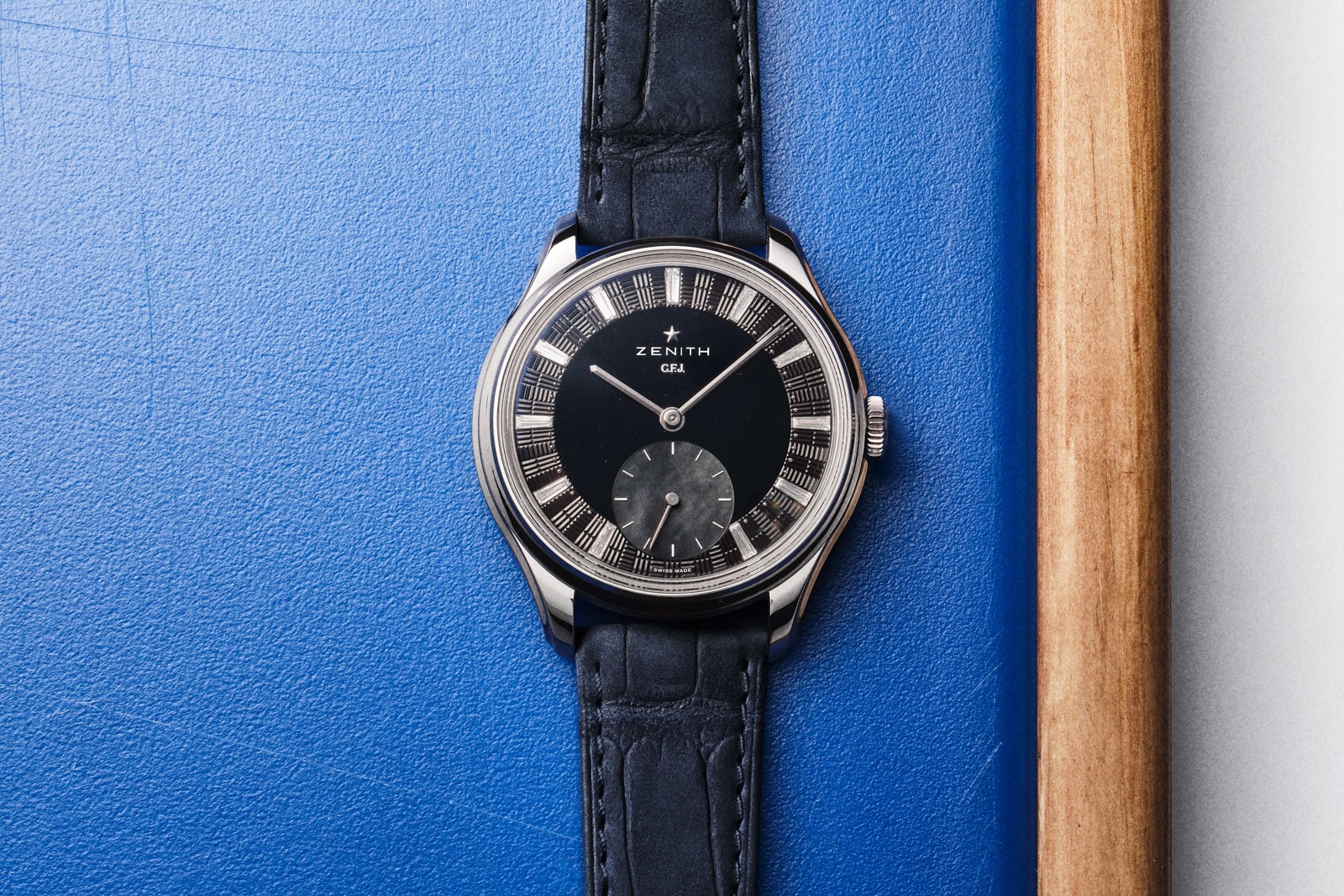
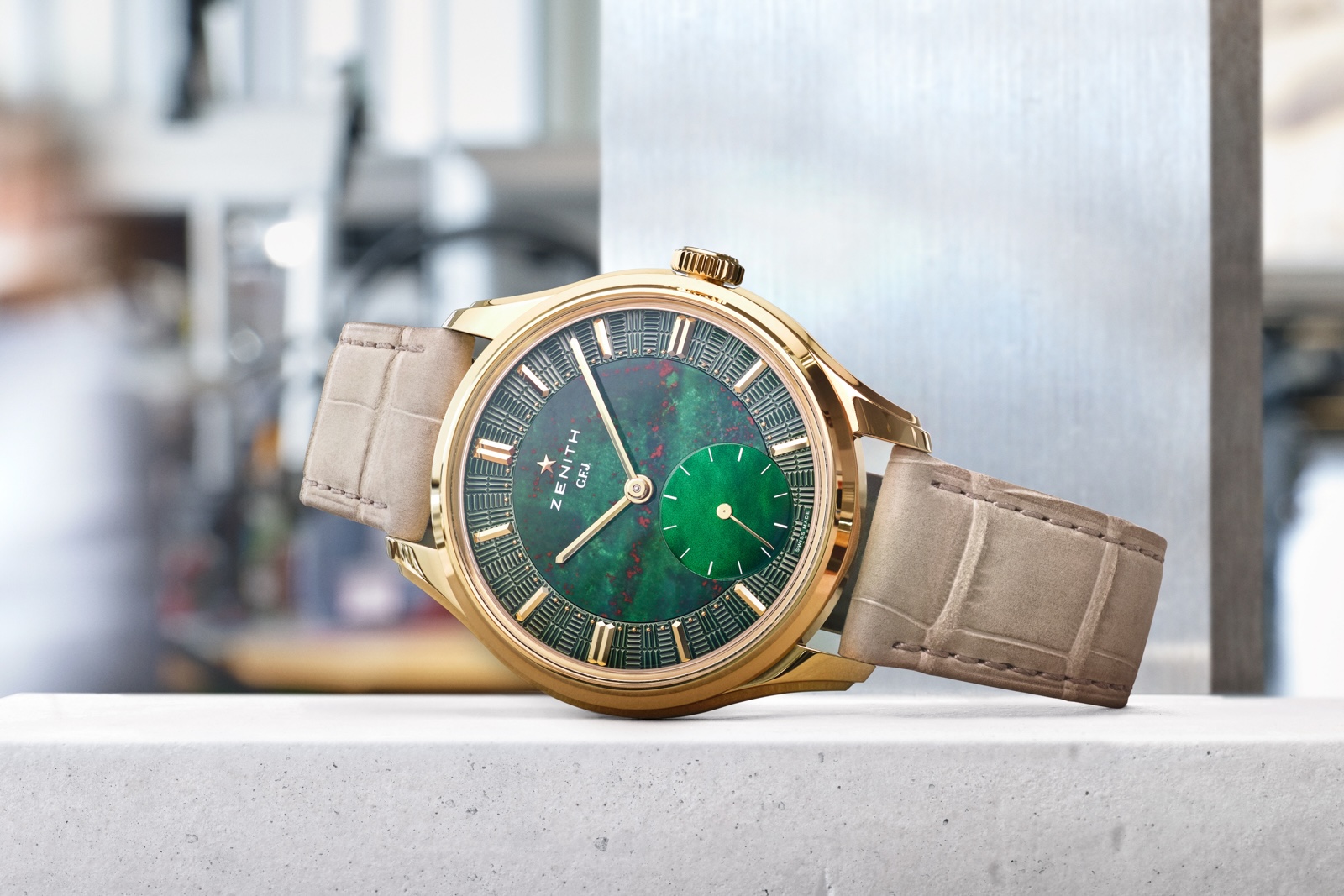
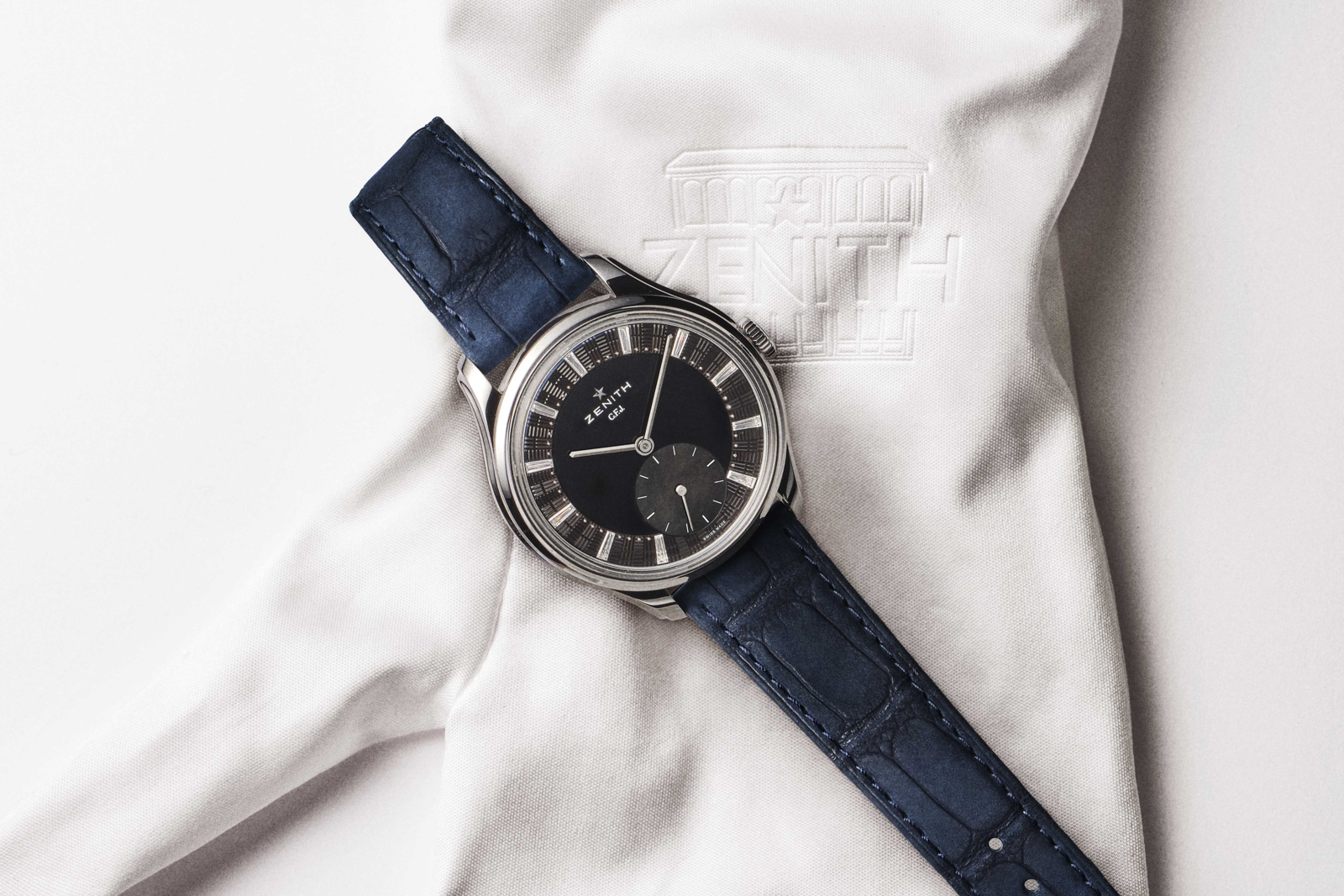
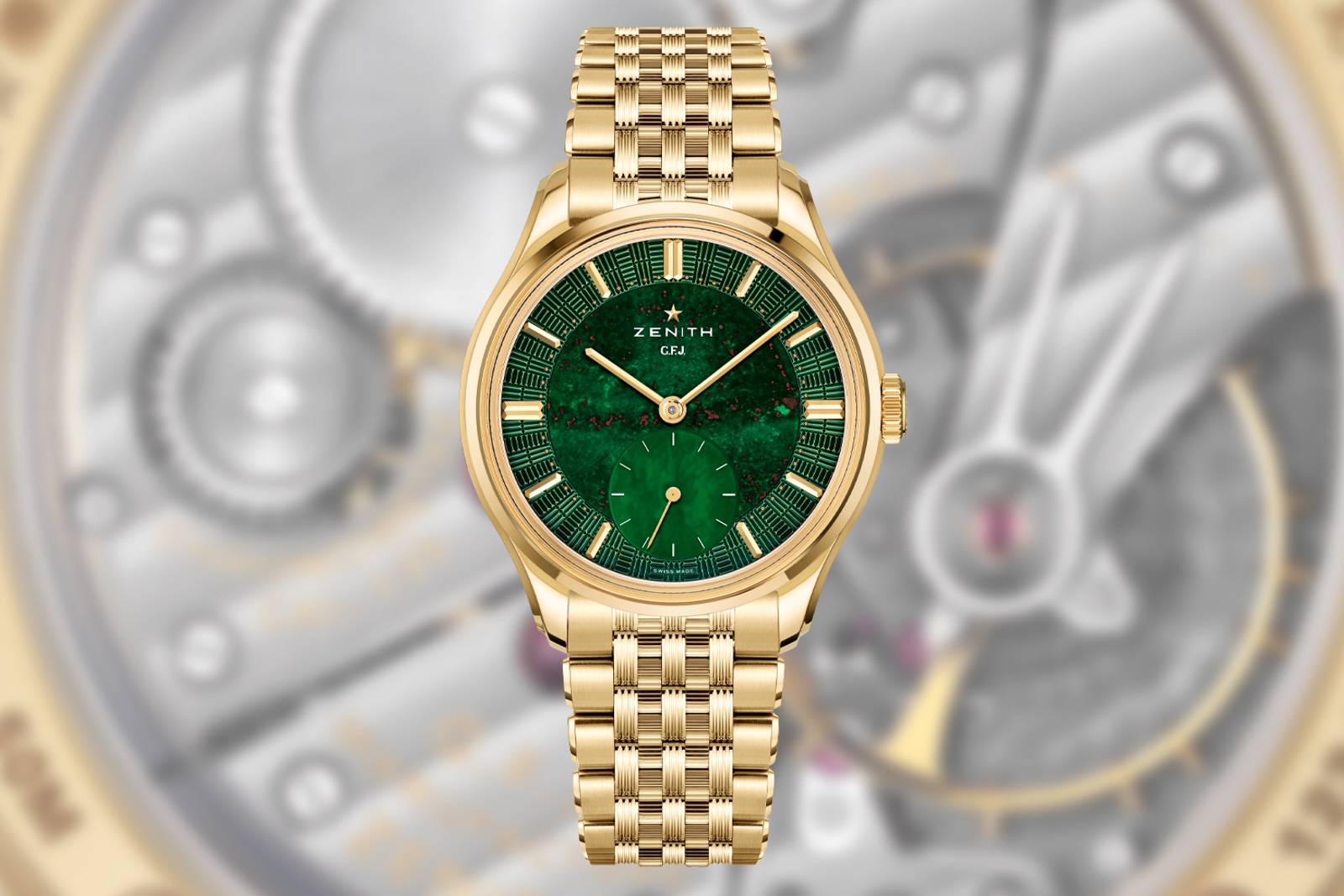
After introducing the G.F.J. Caliber 135 last year, Zenith has expanded the line with two new models and created a new collection in the process. Following closely in the footsteps of the platinum debut model, the new additions are dressed in 18k yellow gold and tantalum, with richly furnished natural stone dials.
The cal. 135 returns — now finished in a more traditional manner — boasting impressive performance that does justice to the movement’s enviable competition record.
Initial thoughts
The return of the legendary cal. 135 was something I always hoped I’d see, but never thought I would. But in a moment akin to Omega’s recreation of the famed cal. 321 chronograph, Zenith brought back one of the most successful observatory calibres in history.
The movement made its return last year in grand style to mark the brand’s 160th anniversary, well built but priced well above Zenith’s typical domain.
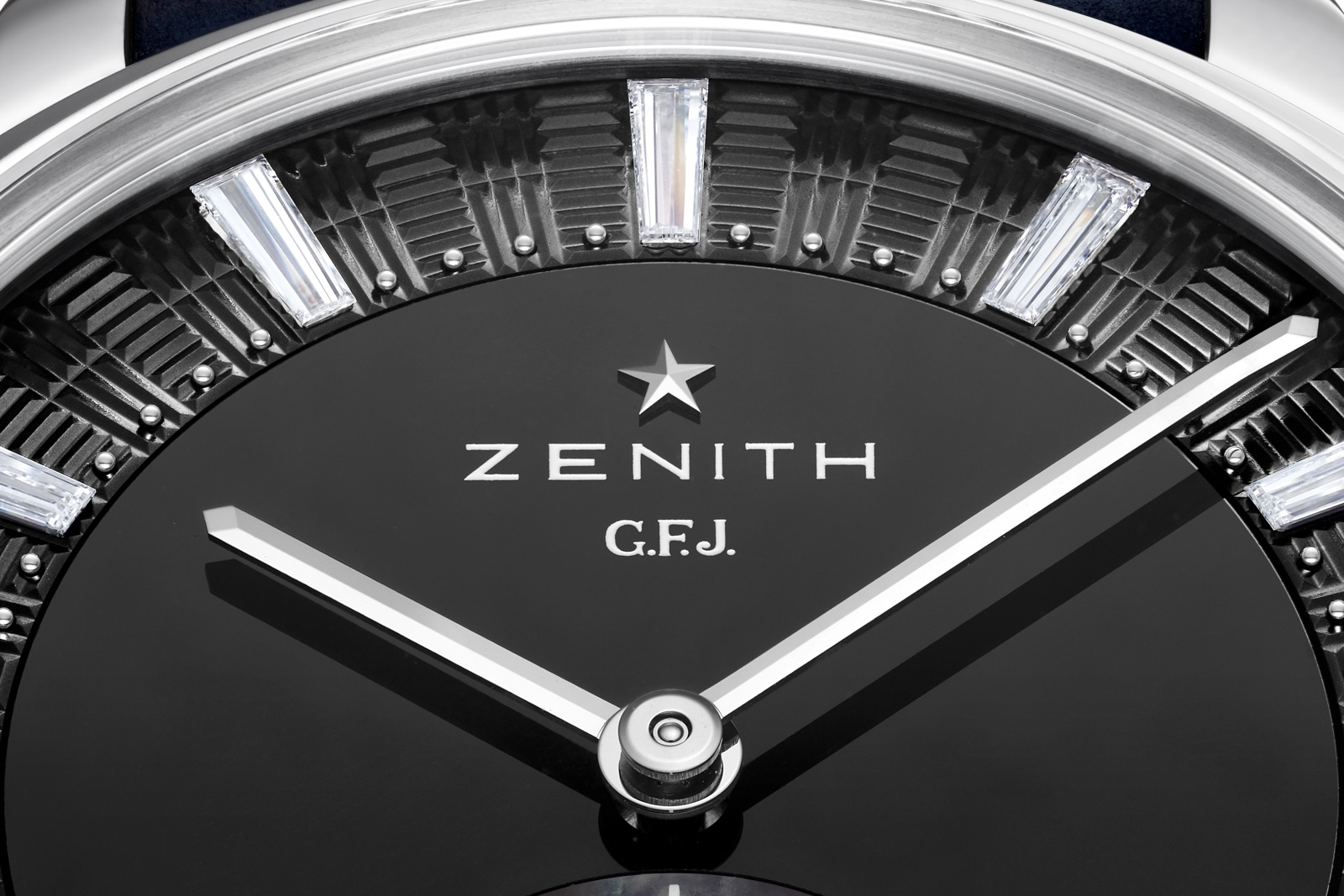
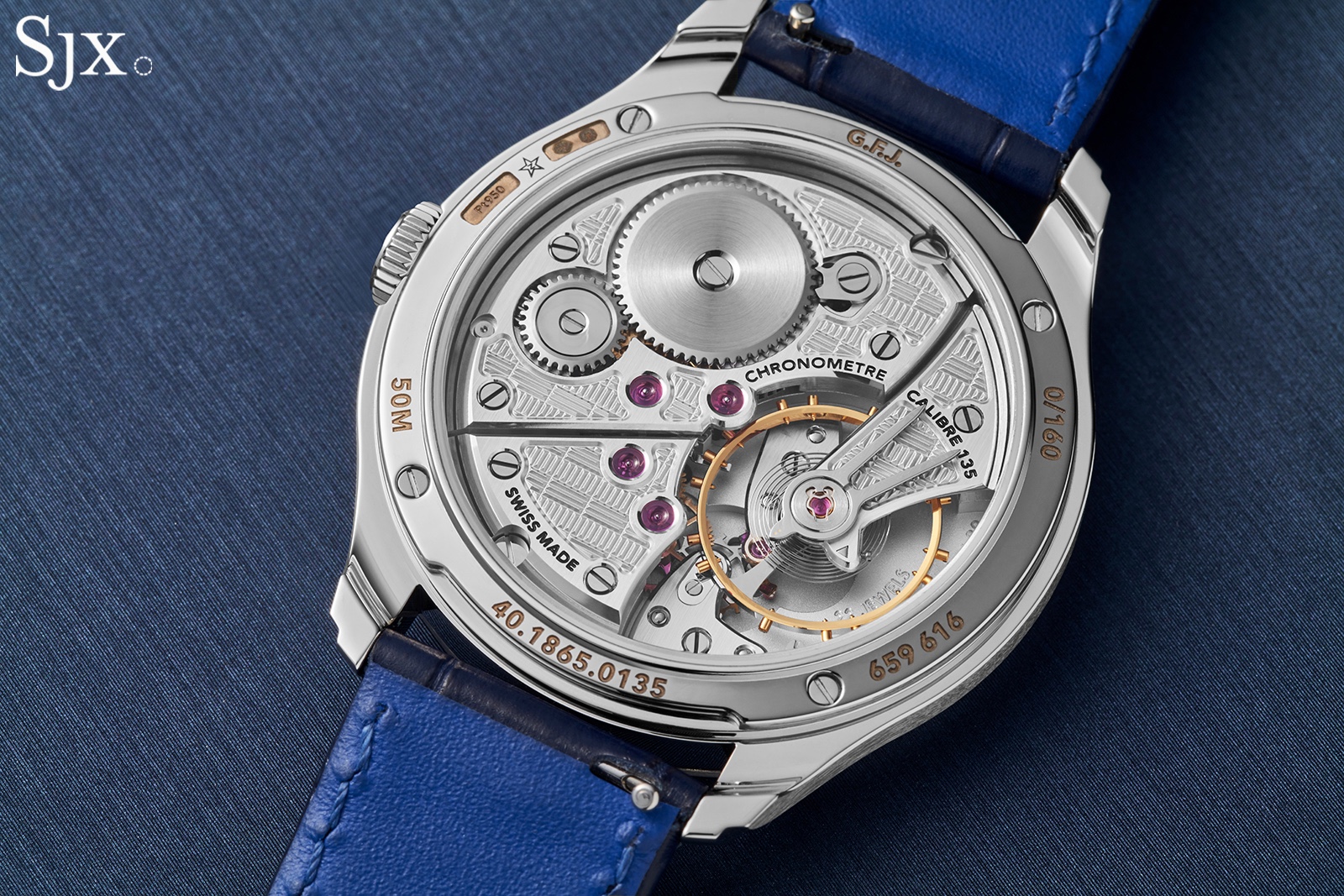
The style was also an acquired taste, with a hand-guilloche chapter ring, with a matching pattern machined into the movement bridges. The dial treatment was one thing, but the finishing of the movement arguably dulled what could have been an ascendant moment.
For 2026, two new dial configurations — bloodstone and onyx — join what can now be called an official collection, both equally as luxe as the model’s blue debut.
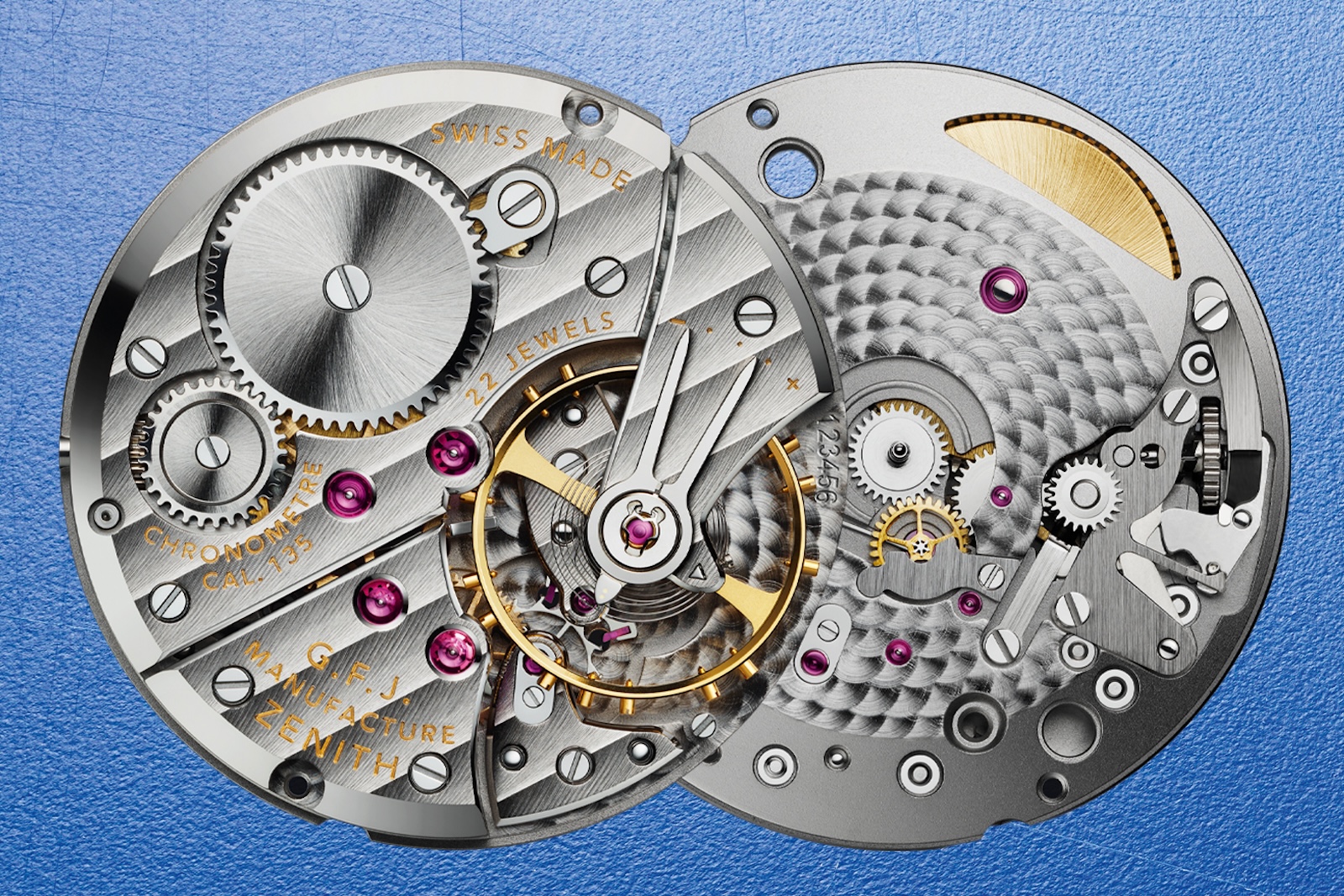
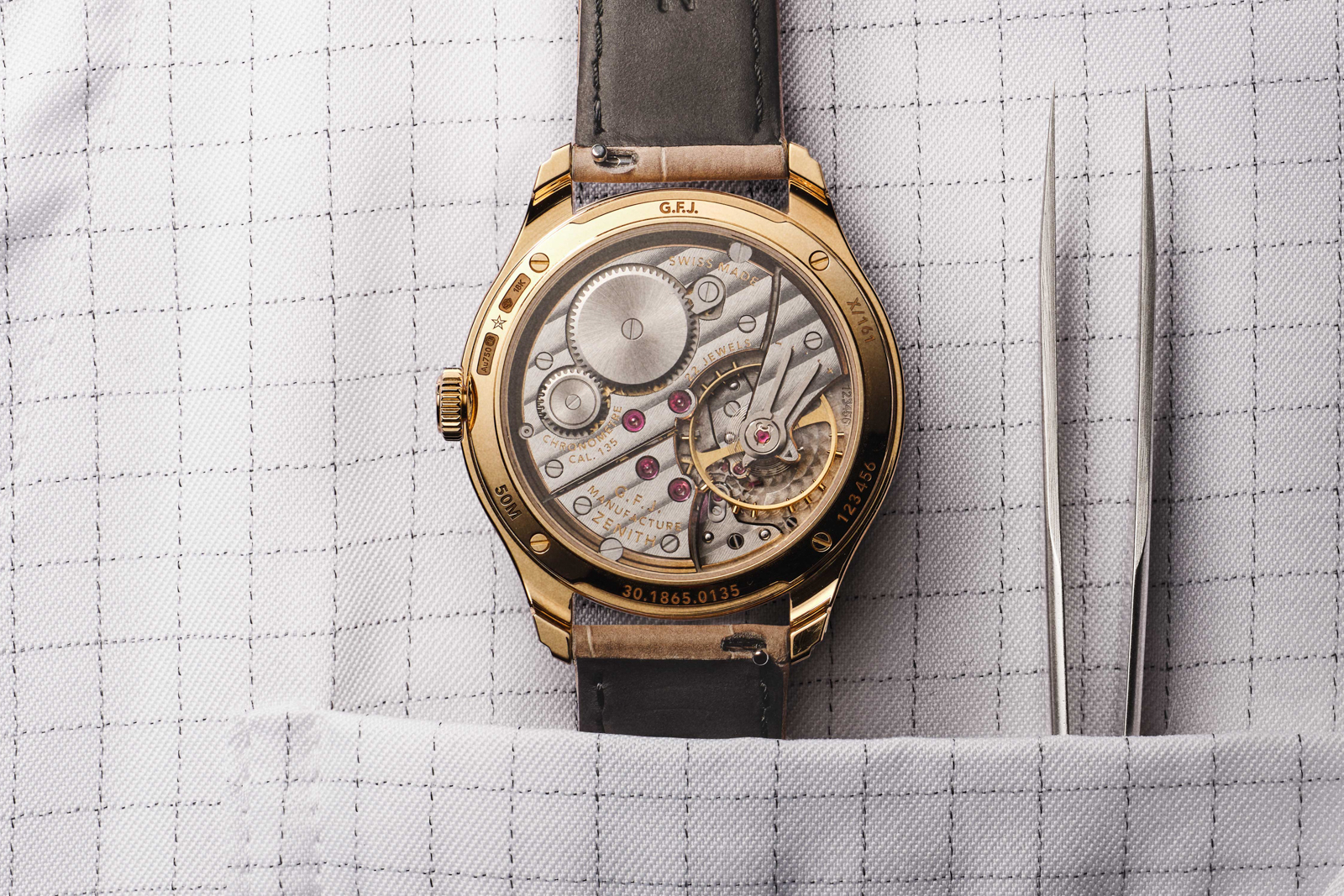
Fortunately, when it comes to the cal. 135, Zenith left the brick-style bridge finishing behind, opting for more ordinary — but more attractive — Geneva stripes in their stead.
Bloodstone and onyx
The new G.F.J. models continue the anniversary edition’s theme of combining a mother-of-pearl small seconds sub-dial with a natural stone dial centre. Zenith’s brand colour is blue, which explains the choice to launch in lapis lazuli last year.
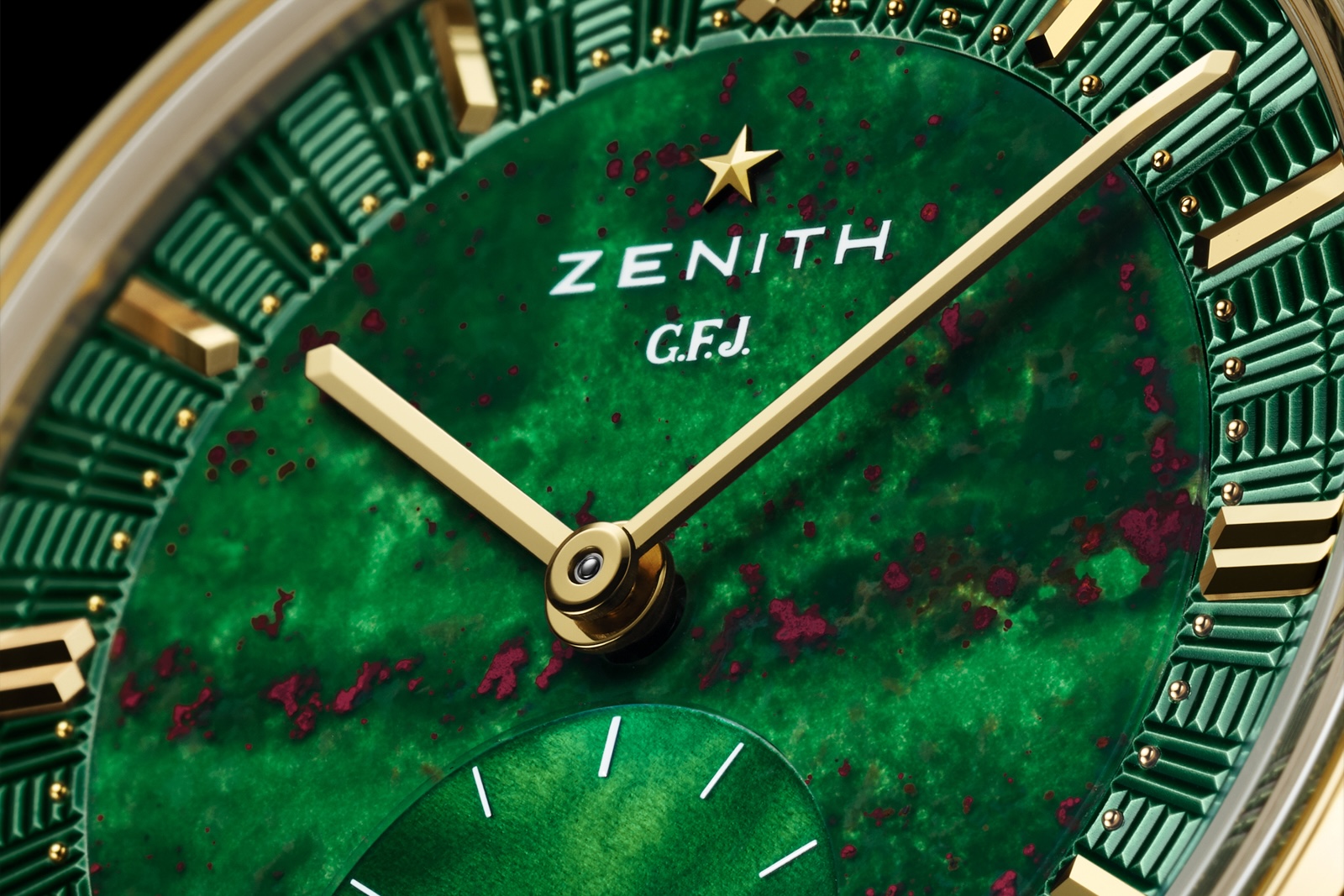
The new configurations in 18k yellow gold and tantalum feature dials made from speckled green bloodstone and glossy black onyx, respectively. The former option is available on a solid 18k yellow gold bracelet, while the latter features baguette diamond hour marks.
In either case, the colour-matched brick-style guilloche chapter ring returns. It all adds up to an expensive bill of materials. While it’s true that stone dials can now be had quite cheaply, that can’t be said for multi-piece dials like this that feature numerous decorative techniques and noble materials.
Regardless of case material and dial colour, the 39.15 mm case seems like the sweet spot, creating space for a large and legible sub-seconds scale that doesn’t encroach too much on the chapter ring.
As before the case is water resistant to 50 m, and feels reassuringly robust.
Traditional finishing
Arguably the biggest news is the return to traditional Cote de Geneve for the movement bridges. The cal. 135 already has a lot going for it, and benefits from the simpler treatment.
Zenith set a high bar for itself in terms of execution, and aimed for an equally ambitious price. Perhaps for this reason, the movement is finished to a much higher standard than mainline Zenith calibres.
The movement is indeed finished to haute horlogerie standards in most areas, complete with hand-polished anglage and a few inner angles on the bridges. The selective perlage on the dial side of the mainplate is curious, since the entire plate is concealed by the dial.
The choice to decorate only the centre portion might hint at future open-dial configurations, though there may well be a functional reason for this decision.
Regardless of finishing, the cal. 135 is not a typical time-only movement, and punches above its weight in terms of architecture and performance.
One of the last great round observatory movements, the cal. 135 dominated the Neuchâtel Observatory in the early 1950s. The secret to the movement’s success lies in its massive balance wheel, made possible thanks to an unusual gear train layout.
The recreation of the cal. 135 capture the important details while upgrading a few things to suit contemporary expectations. The two key changes relate to the power reserve, which is now much longer, and the balance staff, which is now shock protected.
The cal. 135, seen here in last year’s 160th anniversary edition.
Zenith rightly chose to emphasise the high-performance nature of the cal. 135 by carefully adjusting each to movement to run within +/- 2 seconds per day. This is the kind of performance typically associated with high-tech silicon hairspring-equipped movements from rivals like Omega and Rolex.
But the cal. 135 is an antique platform made using traditional materials, meaning it requires a more experienced hand to bring out its best.
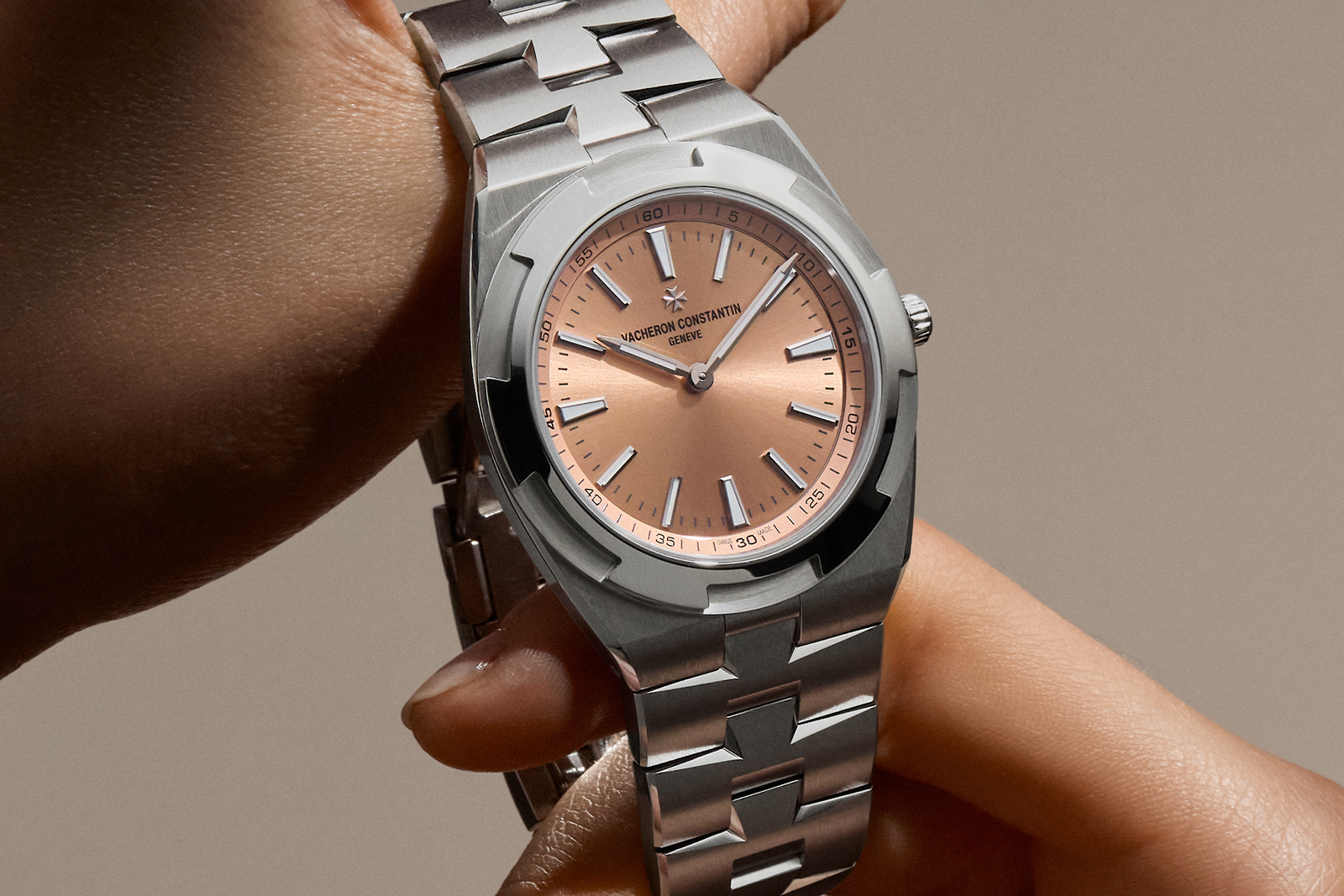
Following a belter of an anniversary year during which the brand launched, among other things, the world’s most complicated wristwatch and a quarter-ton astronomical clock, Vacheron Constantin (VC) kicks off Watches & Wonders with something more low-profile, both literally and figuratively — the Overseas Self-Winding Ultra-Thin.
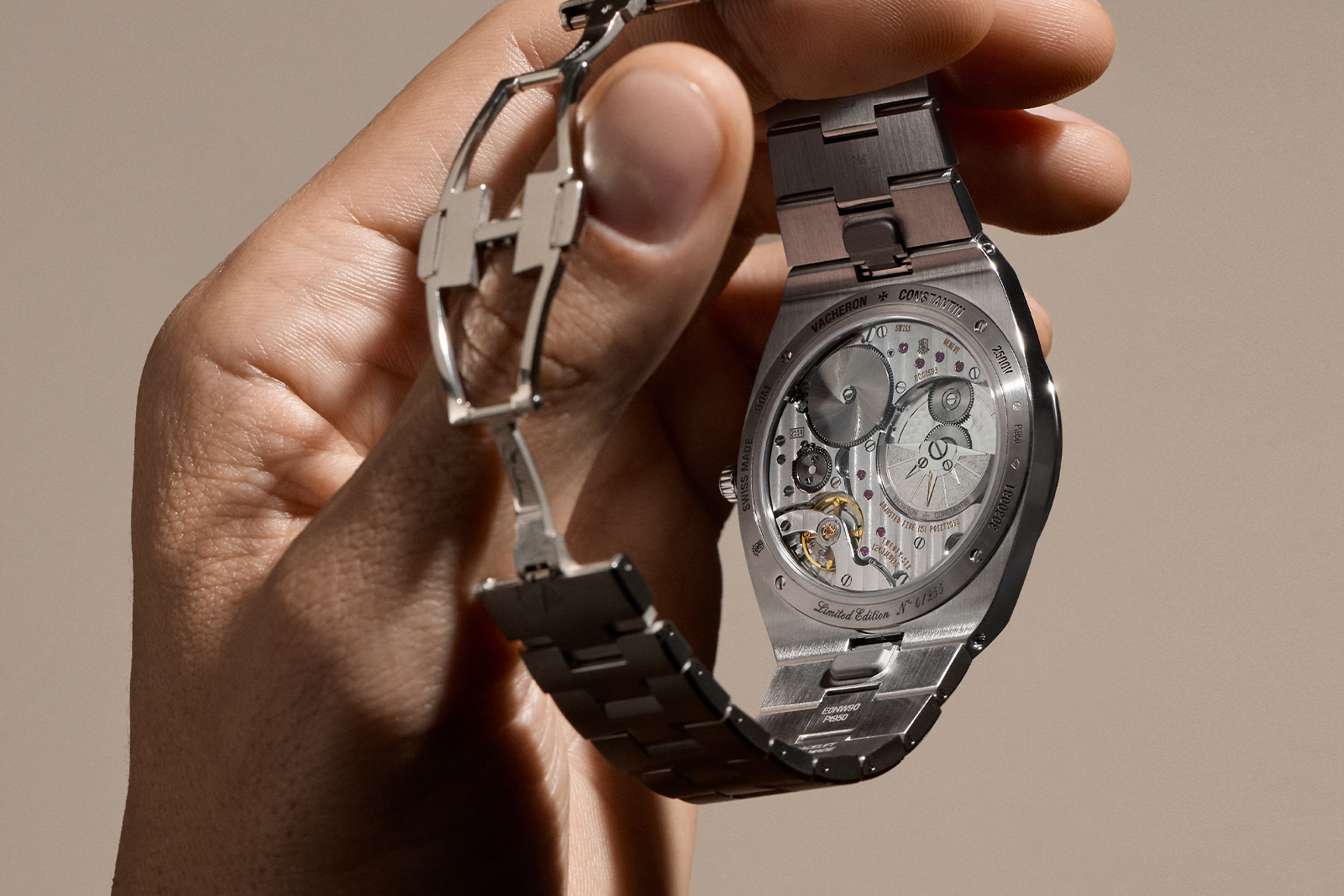
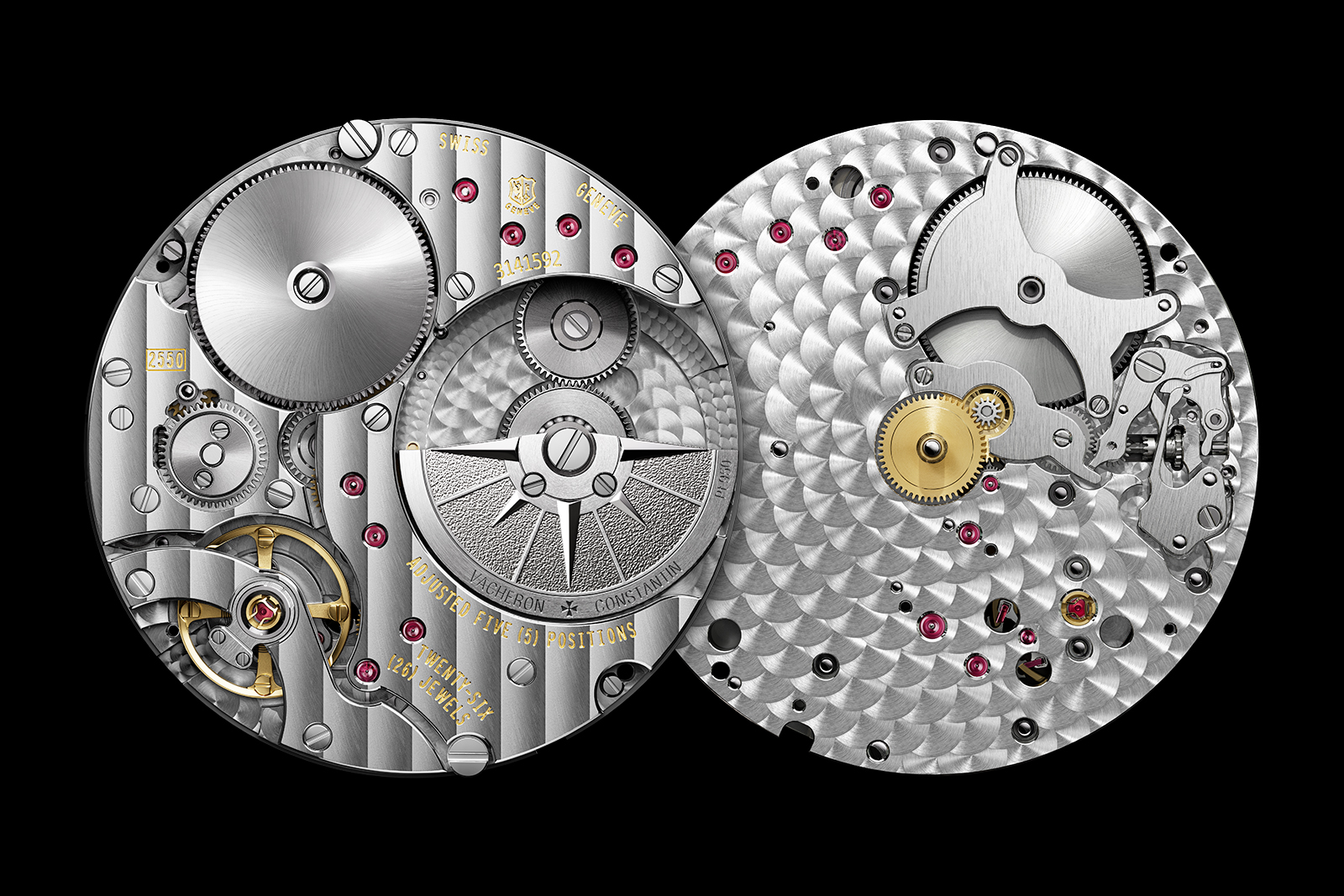
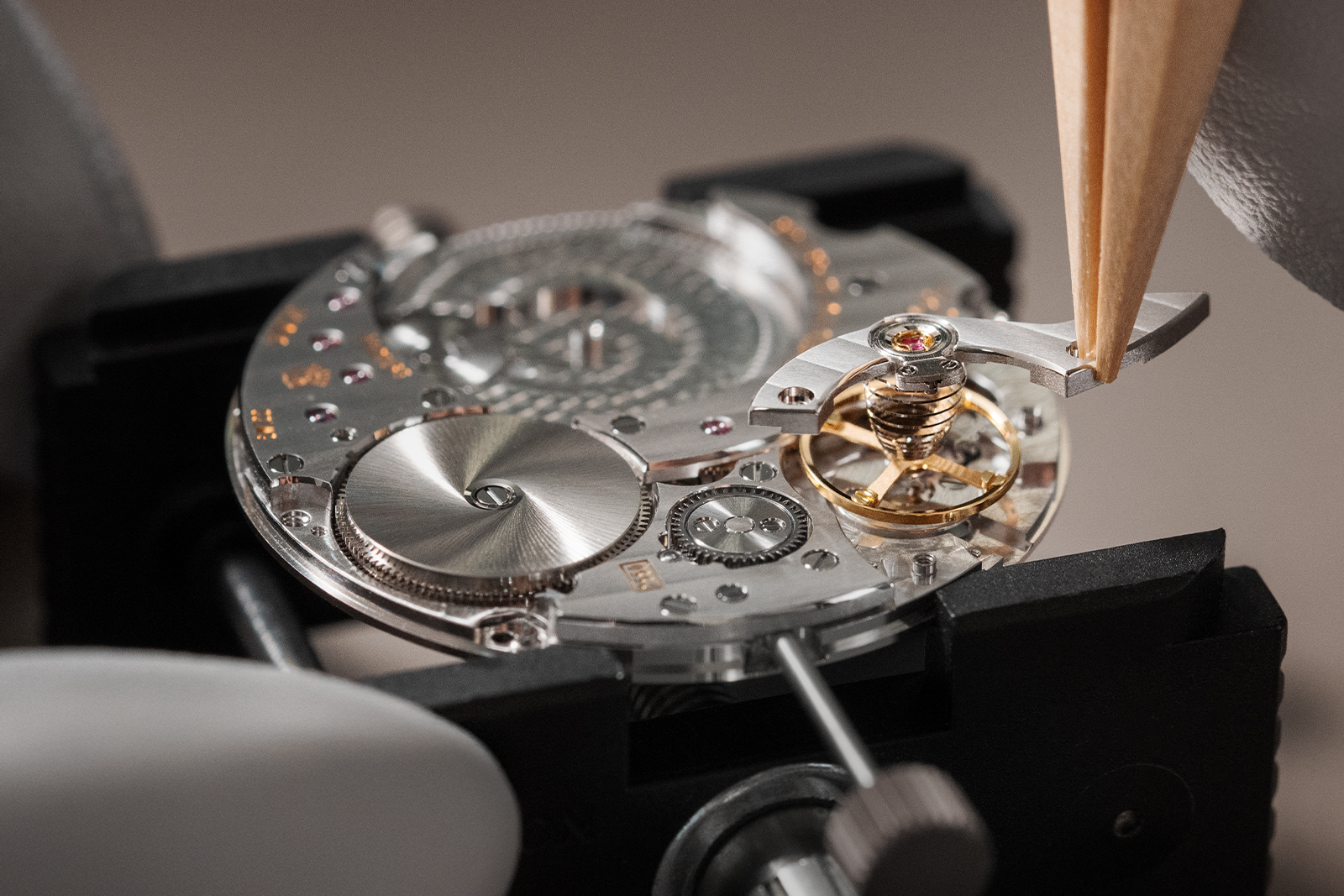
While small in stature at just 7.35 mm thick, it’s what’s inside the counts — namely, an all-new micro-rotor calibre with 80 hours of power reserve and seemingly limitless potential.
Initial thoughts
The new Overseas Ultra-Thin is little different from the model that preceded it, though the ref. 2000V remained rare enough throughout its production run that the format still feels fresh. It also helps that despite the visual similarity, the ref. 2500V is a completely new watch inside and out, catapulting a model that arguably lagged behind its one obvious competitor into instant parity.
The ref. 2500V is best understood from the inside out. Audemars Piguet replaced the well-loved historical cal. 2121 with its more modern cal. 7121 in 2022, and now it’s VC’s turn, being the last of the big three purveyors of mass-market fine watchmaking to replace its aging Jaeger-LeCoultre cal. 920-based movements with an in-house alternative.
The reluctance to replace this venerable platform is understandable. What VC calls the cal. 1120 is one of the last movements of its generation still in use, and carries a historical weight missing from many modern movements. But the ultra-thin calibre’s tedious construction, slow beat rate, short power reserve, and lack of a quick-set date have finally caught up with it.
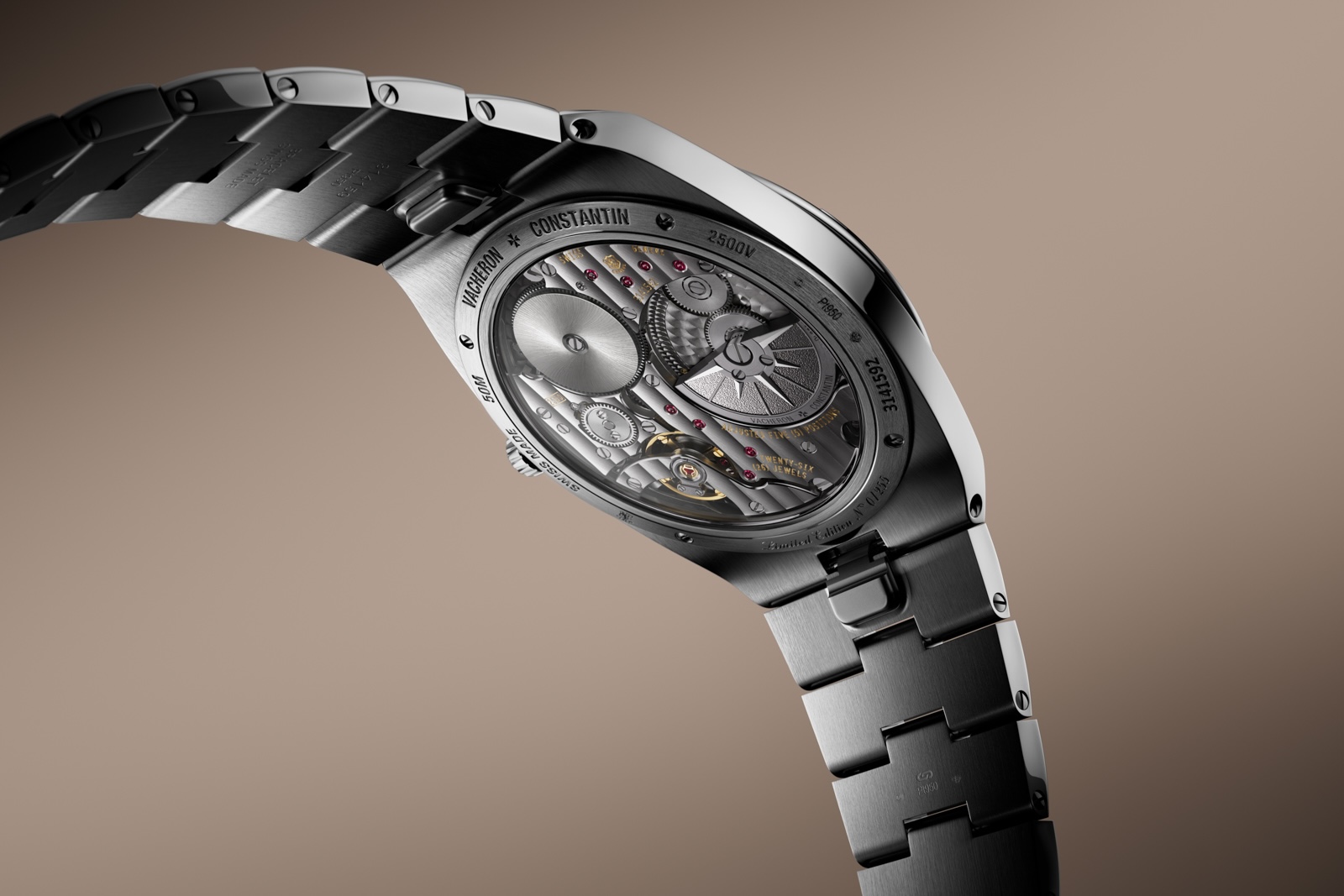
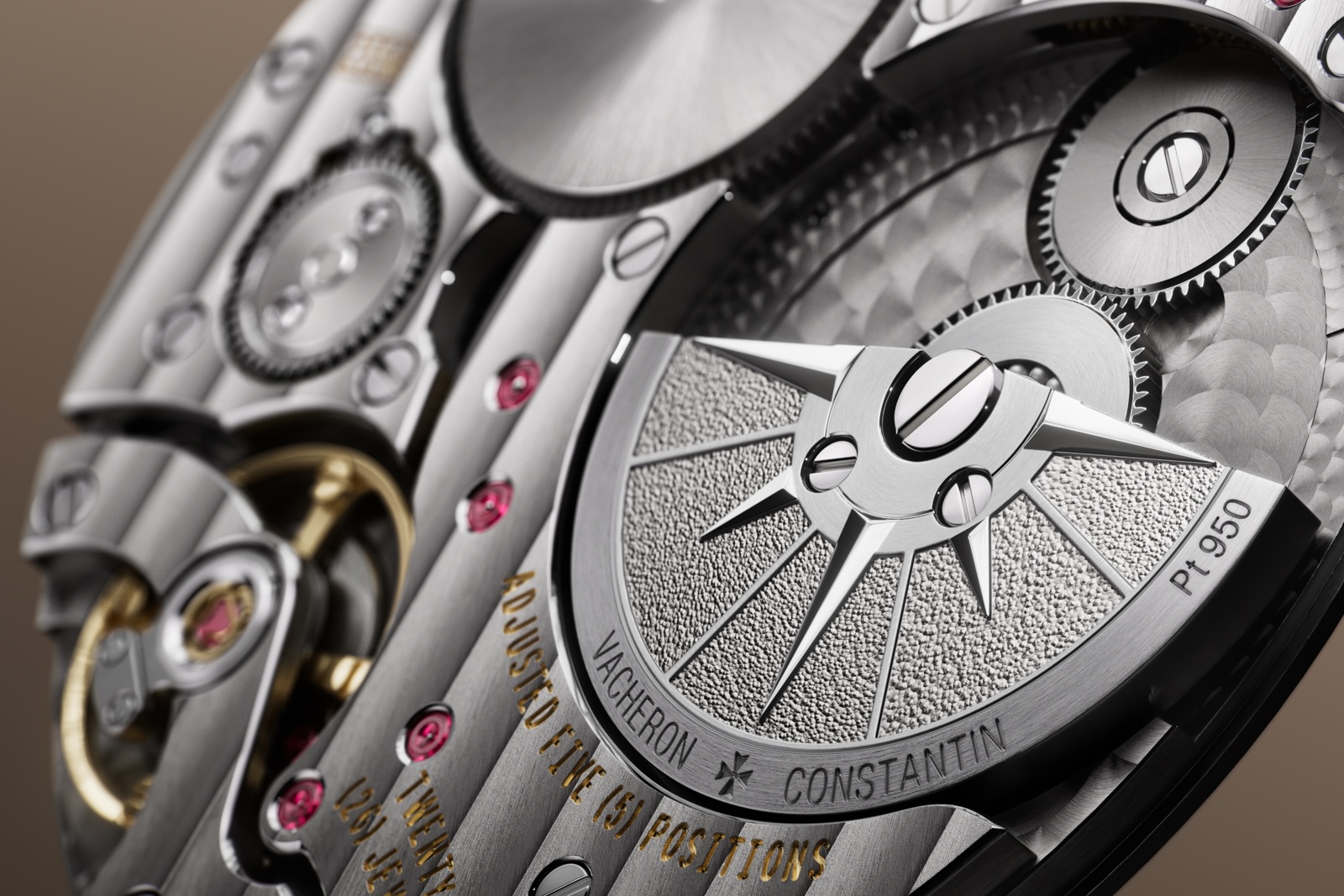
While not the most classically beautiful movement, lacking the elegant bridges of the Genevan tradition, VC’s new cal. 2550 boasts an impressive spec sheet, is well decorated, and should prove to be a promising platform for a future 222 or Overseas perpetual calendar.
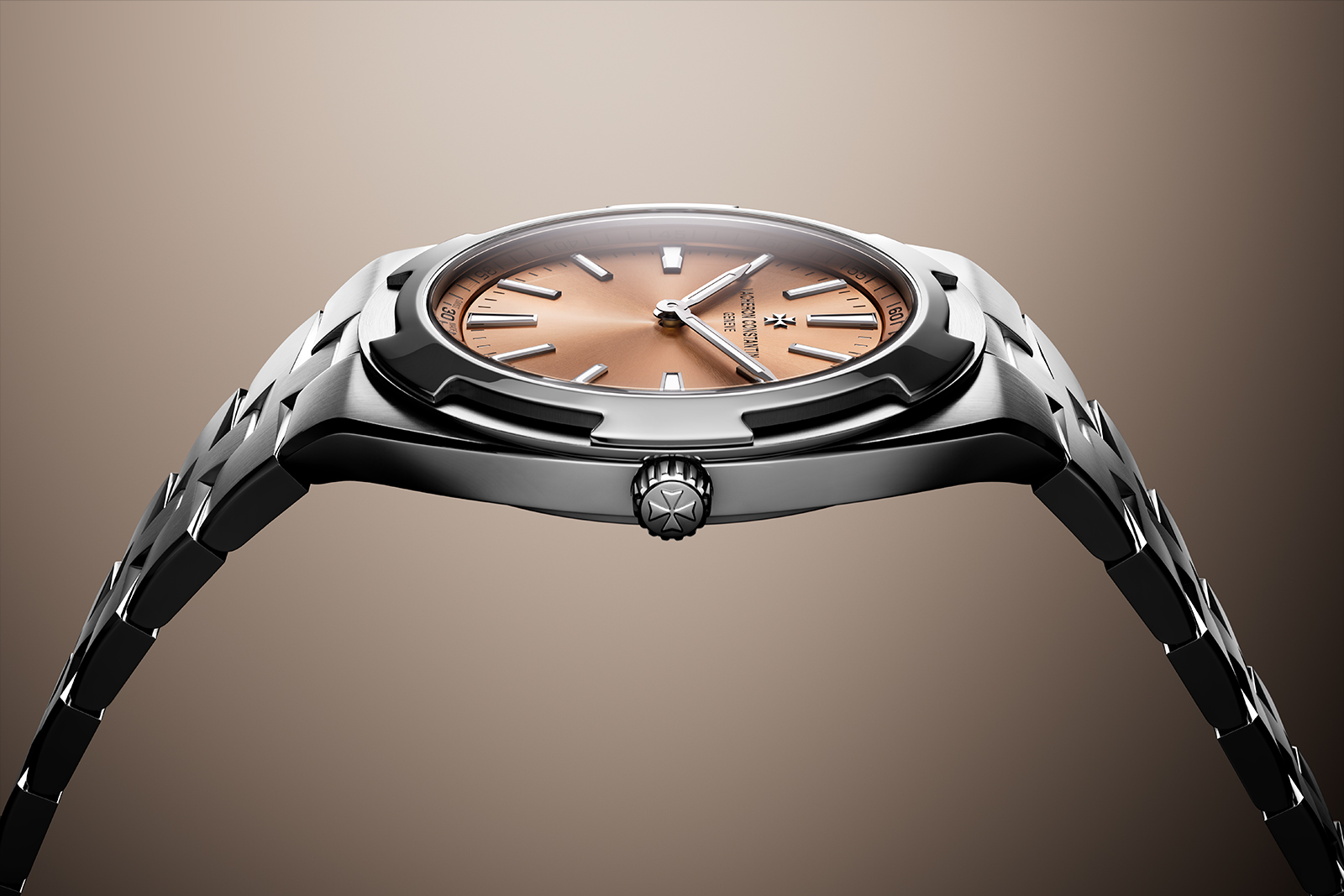
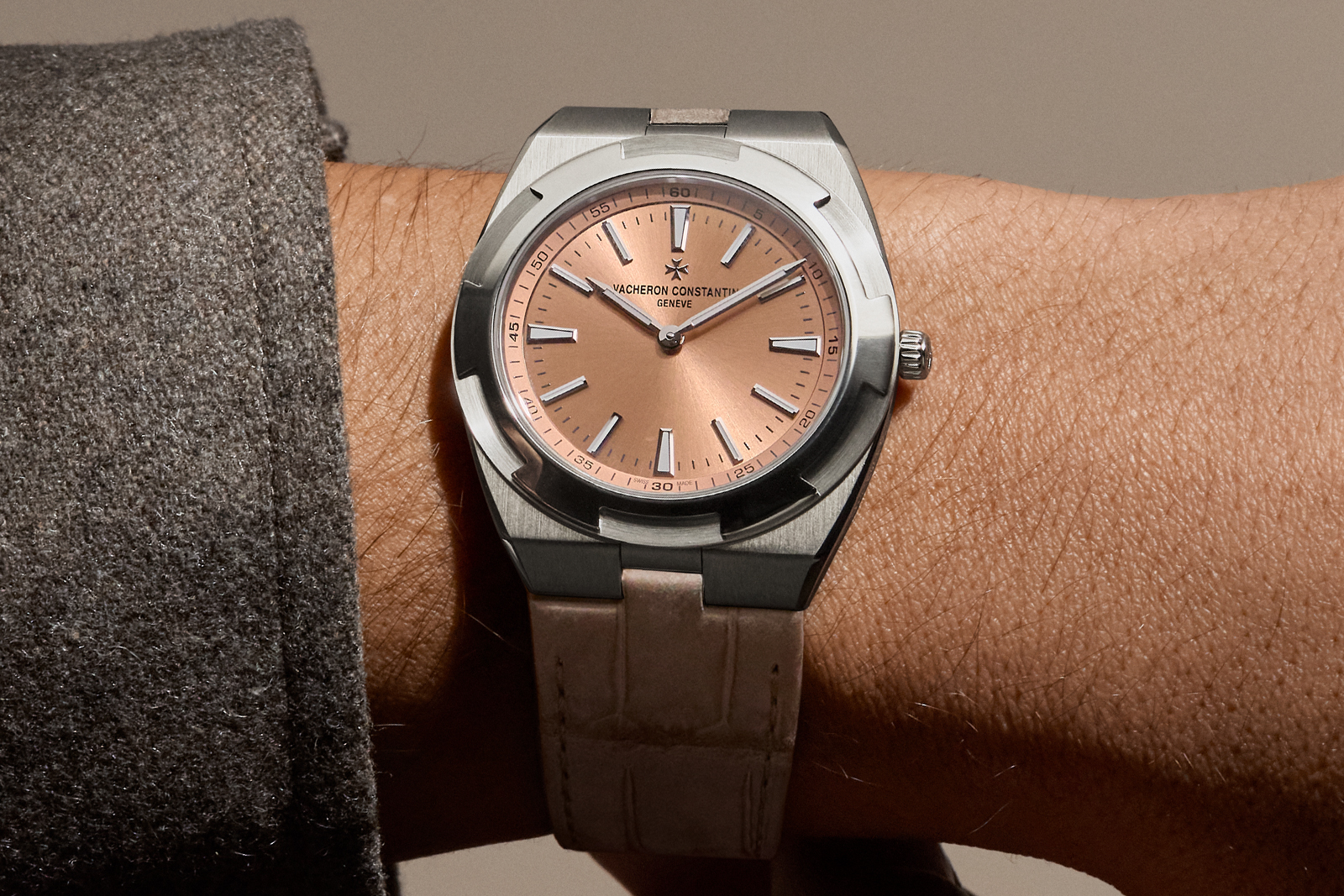
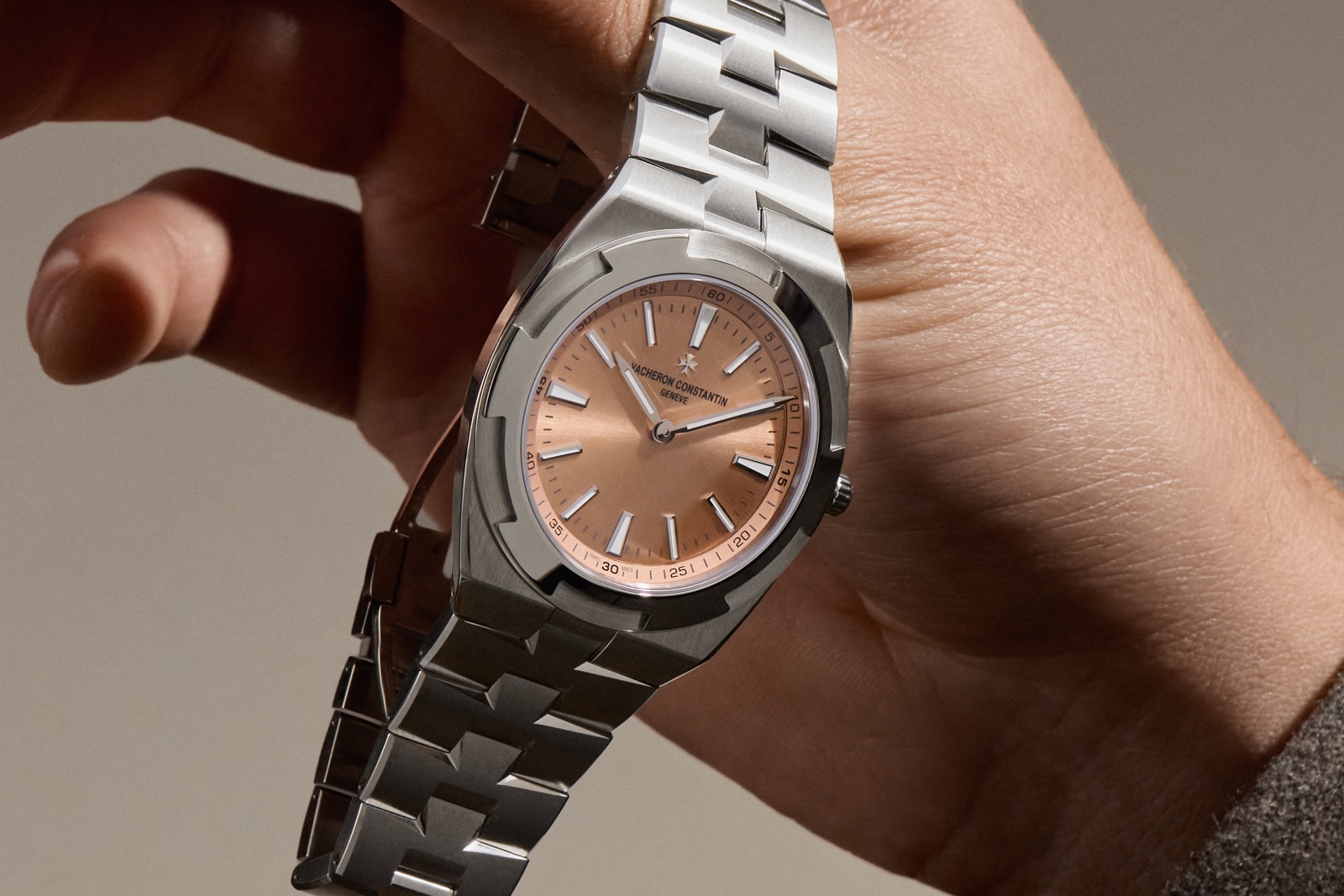
Visually, the watch breaks little new ground, featuring the once-rare but ever-popular salmon and platinum colourway. This configuration is far from novel, even for VC, but is appealing and versatile.
That versatility should make it appealing to both enthusiasts and casual collectors alike — it’s a luxe but low-key watch that someone could wear five days a week, year after year. And now, thanks to the extended power reserve of the new calibre, the watch will still be running on Monday morning.
A watch only Vacheron Constantin could make
The Overseas case is built and finished to the standards of its price, but isn’t as complex as its counterparts from Audemars Piguet (AP) and Patek Philippe. While the Royal Oak and Nautilus designs are now inseparable from the identities of their respective makers, this has more to do with familiarity than anything else.
In contrast, the Overseas is a watch that only VC could make, featuring the brand’s Maltese cross motif repeated cleverly throughout its case and bracelet. The bezel shape, for example, is a stylised Maltese cross of sorts, and the design is actually functional — used to screw the bezel down — rather than being pressed into place as on most watches.
The solidly built bracelet perhaps deserves more praise than the case. While it is common knowledge that sharp inner corners are challenging to machine and finish when found on movement bridges, makers rarely extend such exacting standards to external components subject to greater wear — yet the high-polished interior creases of the Overseas bracelet do exactly that, continuing the Maltese cross pattern from the bezel to the clasp.
Richemont is among the industry leaders in bracelet technology, as demonstrated by the Overseas which offers a toolless comfort extension built into the clasp and individually removable, screw-fixed links. A defining feature of the current generation of Overseas models is the quick-release mechanism, allowing for quick strap changes without the risk of marring the case with spring bar tools.
Naturally, besides the platinum bracelet, the watch comes with salmon-coloured rubber and leather straps which share an interchangeable deployant clasp.
The case is platinum, a tedious material to work with, but one that has become significantly more viable because of rising gold prices. Indeed, the ref. 2000V was released in 18k white gold, so the choice to launch in platinum may be a sign of the times.
Historically, platinum 950 was alloyed with iridium, though today most brands use ruthenium, which is much less expensive, and yields superior properties. But according to VC, this is no ordinary platinum watch. In fact, it is 2.7 times harder than common platinum 950 alloys thanks to its revised composition that replaces ruthenium with copper and gallium. I also suspect there’s a heat-treatment process involved, though the brand hasn’t yet provided technical details or a specific Vickers hardness.
This hard-wearing case contributes to the overall versatility of the ref. 2500V. And despite the sleek dimensions of the 7.35 mm case it still manages a 50 m water resistance rating, and features an antimagnetic ring around the movement.
The year of the micro-rotor?
Vacheron Constantin, Patek Philippe and Audemars Piguet were the last bulwarks of fine watchmaking at scale before the industry’s post-quartz pivot to luxury in the 1980s. As an aside, it’s for this reason that they are often called the ‘holy trinity’ and it’s also why that club is not accepting new members.
Vacheron Constantin’s cal. 1120 is derived from the Jaeger-LeCoultre cal. 920 platform, which was the thinnest automatic movement of its era.
In the late 1960s, this triumvirate collaborated on the development of an ultra-flat self-winding movement to power their watches. Jeager-LeCoultre did a lot of the work and supplied its illustrious customers with an ebauche it called the cal. 920. Patek Philippe was least reliant on this platform and the first to give it up, but the movement stayed in the AP and VC catalogues for decades, and still powers select VC perpetual calendars.
The new cal. 2550 that supplants it is extremely slim at just 2.4 mm thick, undercutting Patek Philippe’s cal. 240, which is nominally 2.4 mm thick – hence the ‘240’ designation — but is actually 2.53 mm with the rotor installed, which stands proud of the plates.
The cal. 2550 also features a free-sprung balance — a more refined and isochronous solution compared to the curb-pin regulators seen in the brand’s other contemporary mainline calibres.
Despite its low profile, the new movement manages to pack bi-directional automatic winding, support for a natural six o’clock seconds hand, and an 80-hour power reserve. It does all of this while meeting the Geneva Seal’s accuracy requirements.
There’s been a lot of attention on chronometry standards of late, so it’s worth acknowledging that the performance standards specified by the Poinçon de Genève are rather lax compared to the internal protocols of brands like Rolex and Omega. Of course, comparing the cal. 2550 to an industrial chronometer movement like the cal. 7135 found in the Rolex Land-Dweller is like comparing a grand tourer to a Formula 1 car.
But unlike the more chronometrically demanding Master Chronometer and Superlative Chronometer standards, the Geneva Seal ensures the movement is built to the exacting aesthetic and technical benchmarks of traditional Genevan fine watchmaking — guaranteeing thorough finishing and honest construction in even the smallest details.
Key Facts and Price
Vacheron Constantin Overseas Self-Winding Ultra-Thin
Ref. 2500V / 210P–H028
Diameter: 39.5 mm Height: 7.35 mm Material: Platinum 950 Crystal: Sapphire
Water resistance: 50 m
Movement: Cal. 2550 Functions: Hours and minutes Winding: Automatic
Frequency: 21,600 beats per hour (3 Hz)
Power reserve: 80 hours
Strap: Matching bracelet and additional strap in rubber and leather with folding clasp
Limited edition: Yes, 255 pieces
Availability: Exclusive to Vacheron Constantin boutiques Price: On request.
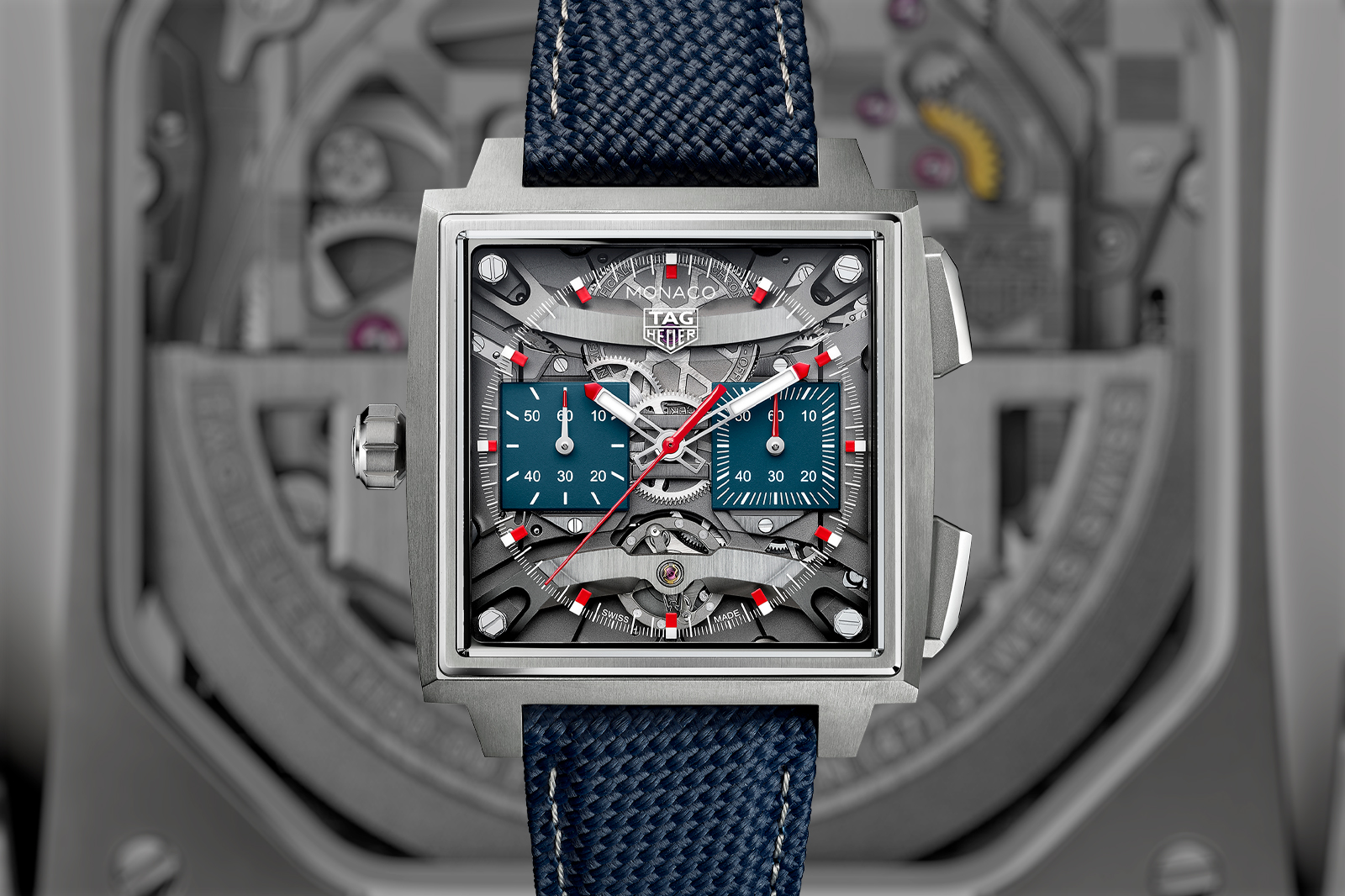
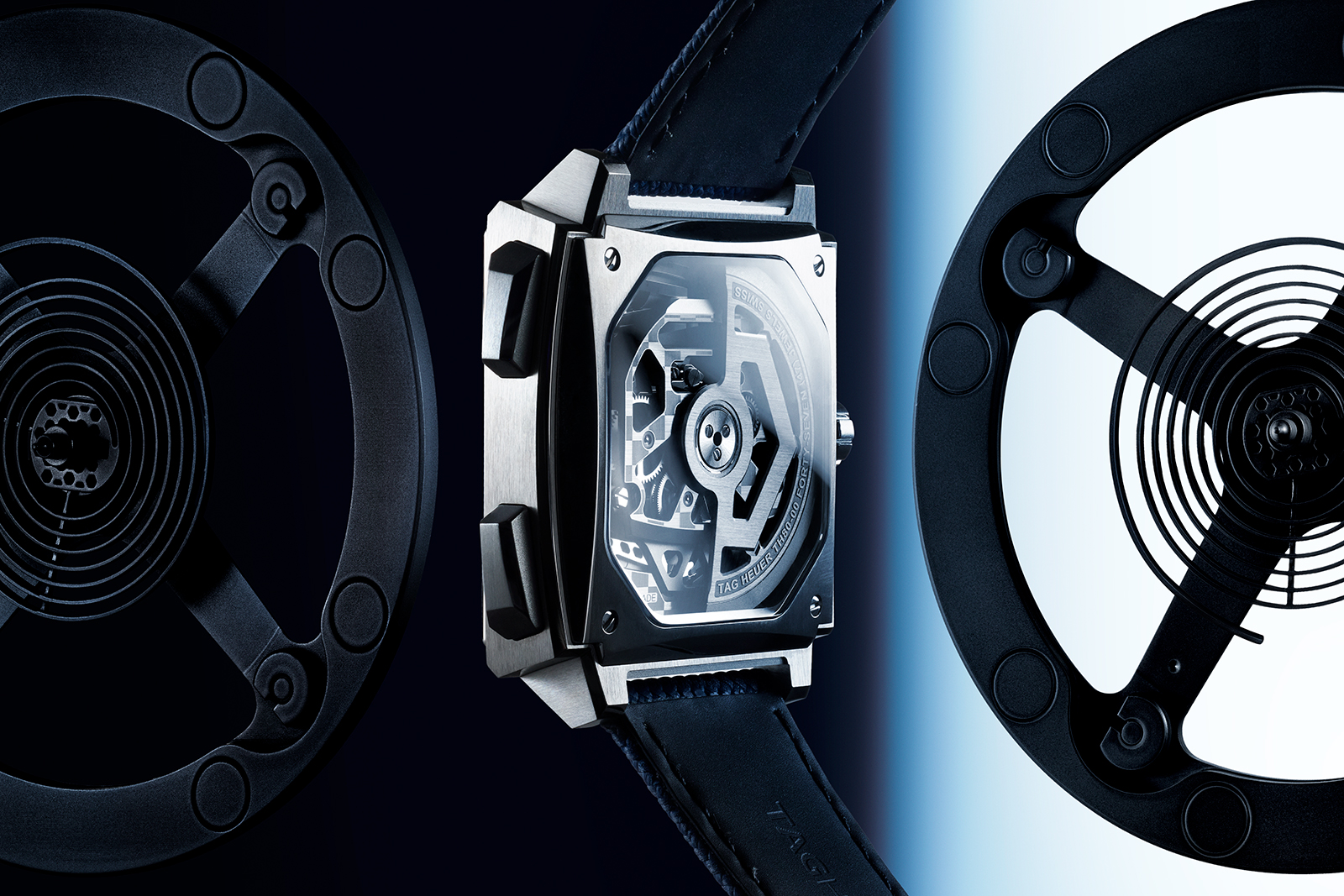
Sure to be among the most talked-about releases of Watches & Wonders, TAG Heuer has just unveiled the MonacoEvergraph. The openworked Monaco marks the debut of the calibre TH-80, one of the most advanced chronograph movements on the market.
The Evergraph’s movement is notable for several reasons, but the most surprising is the use of an innovative compliant structure to simplify the chronograph mechanisms.
Initial thoughts
Beginning with the relaunch of the TH-Carbonspring last year, TAG Heuer has been on something of a road to redemption. Not long ago it seemed like the brand’s brightest days might be behind it, but the Evergraph provides further evidence that TAG Heuer has been retooling to become a new leader in technical innovation.
The famous Breitling-Heuer-Buren Calibre 11 — one of the first automatic chronograph movements to hit the market back in 1969 — debuted in a Monaco, and so it’s fitting that the new TH-80 movement is first glimpsed through the transparent dial of the Monaco Evergraph.
In more ways than one, the Evergraph pays proper hommage to original Heuer Monaco while remaining decidedly future-oriented.
It is also great to see the TH-Carbonspring literally front and centre on the dial side, proof that TAG Heuer is finally delivering on the promise of carbon hairspring industrialisation.
Even before digressing into the distinctive mechanics of the new cal. TH80-00, any chronograph aficionado will greatly appreciate the particular crown and pusher placement of the Evergraph.
In order to emphasise its then-novel automatic function, the Calibre 11’s crown was placed at the nine o’clock position on the left-hand side of the case, while the pushers remained on the righthand side.
The idea was that the wearer didn’t need to wind the watch manually anymore, so the crown was symbolically relocated. The original Calibre 11 was modular, which made this particular arrangement quite easy to achieve.
The brand returns to this iconic layout for the TH80-00 movement, which is fully integrated and presumably designed to feature a left-hand crown from the very beginning. Though not a like-for-like remake of any historical model, it succeeds as an hommage because it echoes the innovative spirit that guided the novel construction of the Calibre 11.
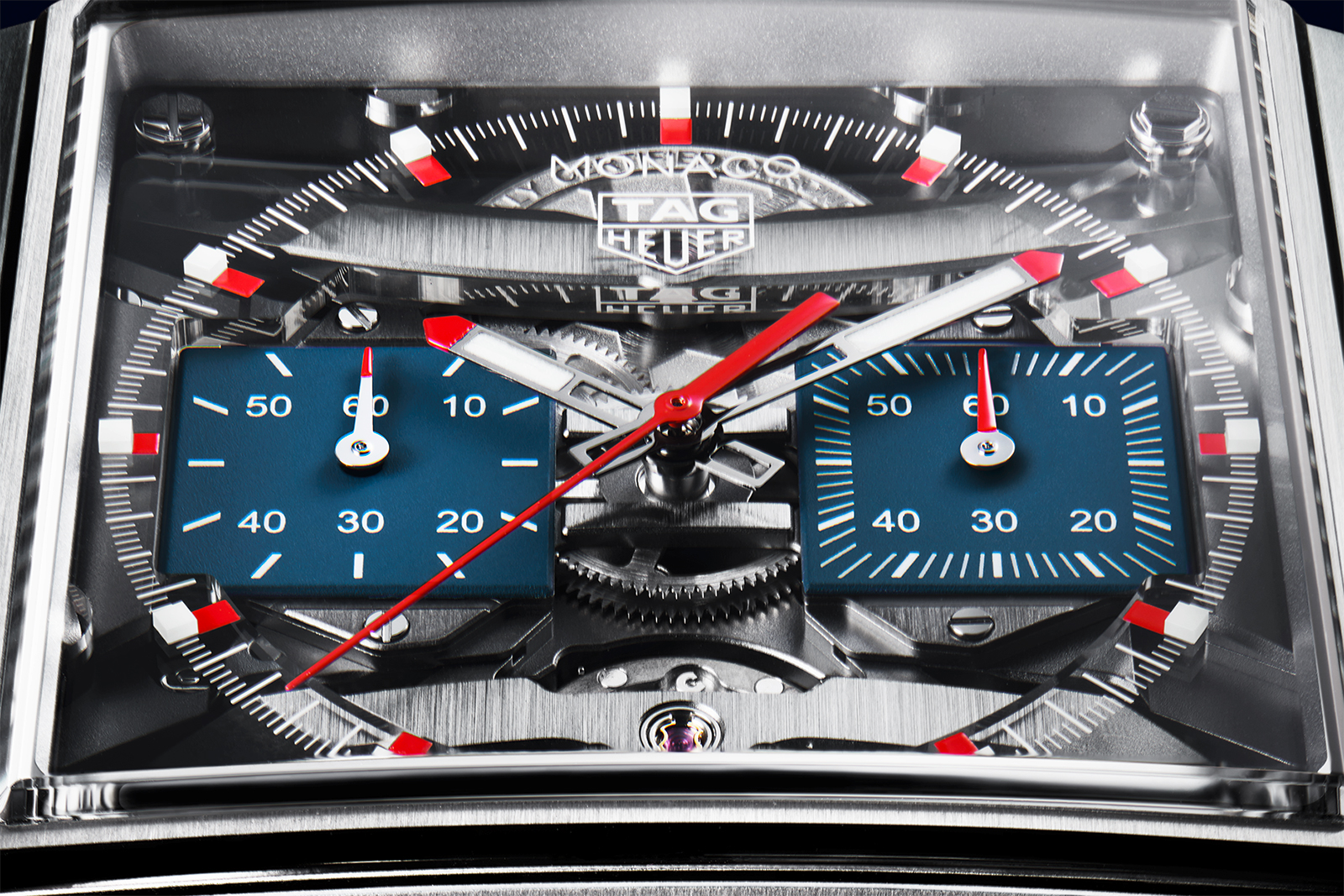
While the Evergraph is fashioned after the standard Monaco, it features a decidedly more modern look, with a heavily openworked dial and industrial-looking architecture. The regulating organ was purposely brought to the dial side, in order to showcase what looks like TAG Heuer’s modern oscillator standard: a free-sprung variable-inertia balance paired with its proprietary TH-Carbonspring hairspring.
While I’m personally not a fan of dial-side balances, the choice is sensible for the technically oriented Evergraph. The lively oscillator will also help differentiate it in the display case, which should help its commercial prospects.
The Monaco Evergraph isn’t a limited edition, which is a good sign vis-à-vis the industrialisation of TAG Heuer’s newer technologies. The CHF23,000 price tag is high compared to most of the brand’s offerings, but it’s reasonable considering the novel technology contained within.
That said, the two key product innovations powering the Evergraph are well-suited to mass production, so I’d expect to see some features trickle down to less-expensive models in the future.
Monaco, reimagined
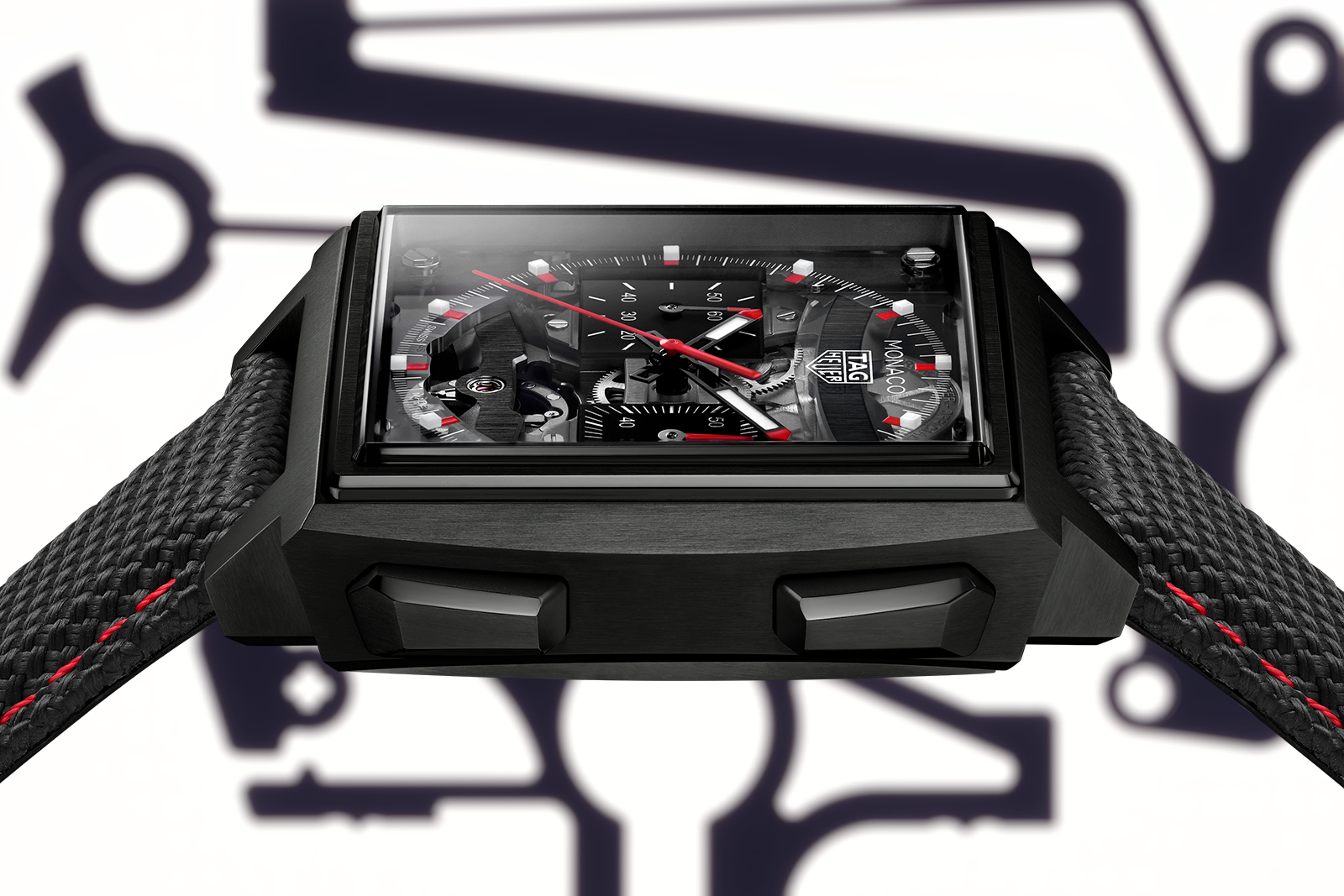
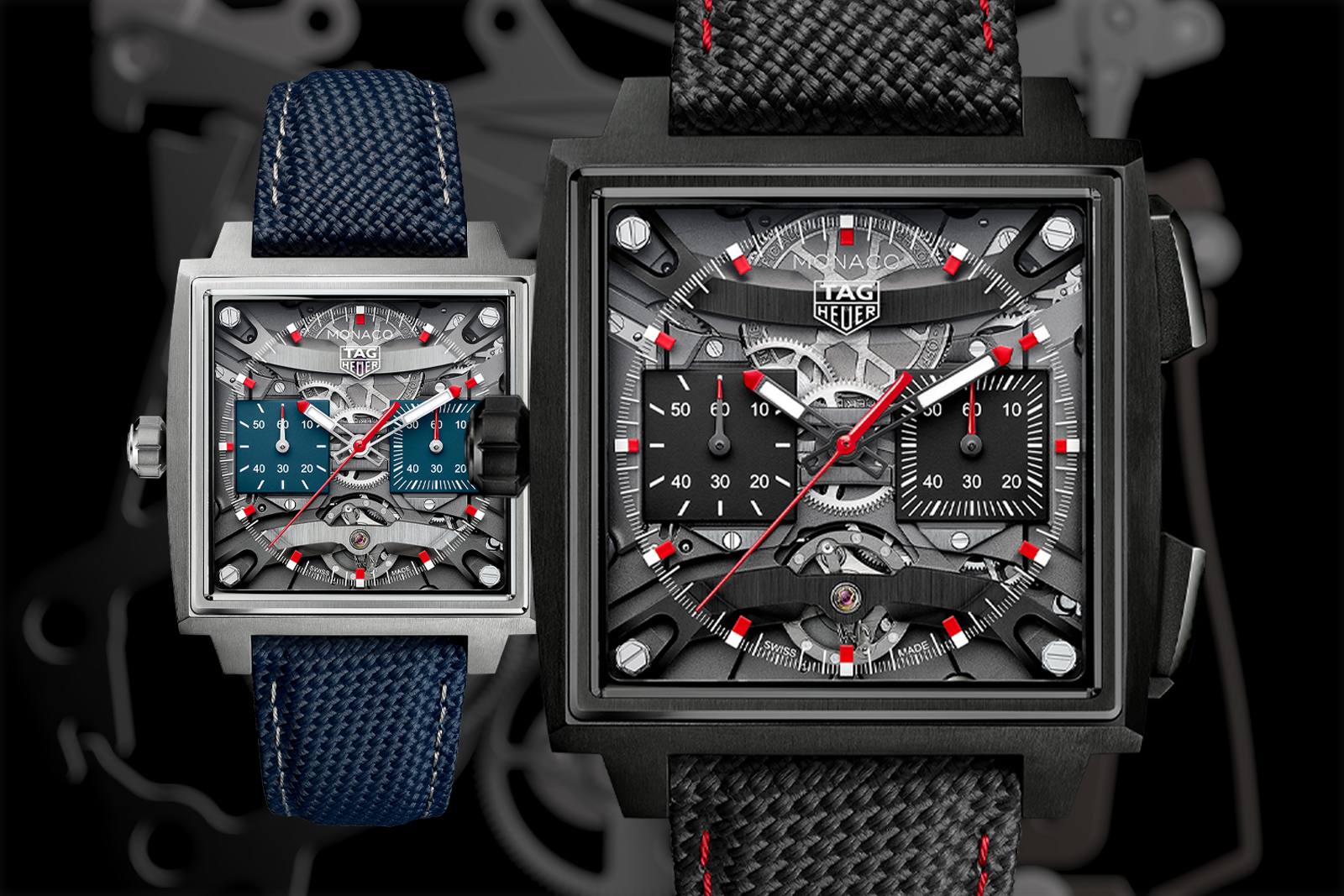
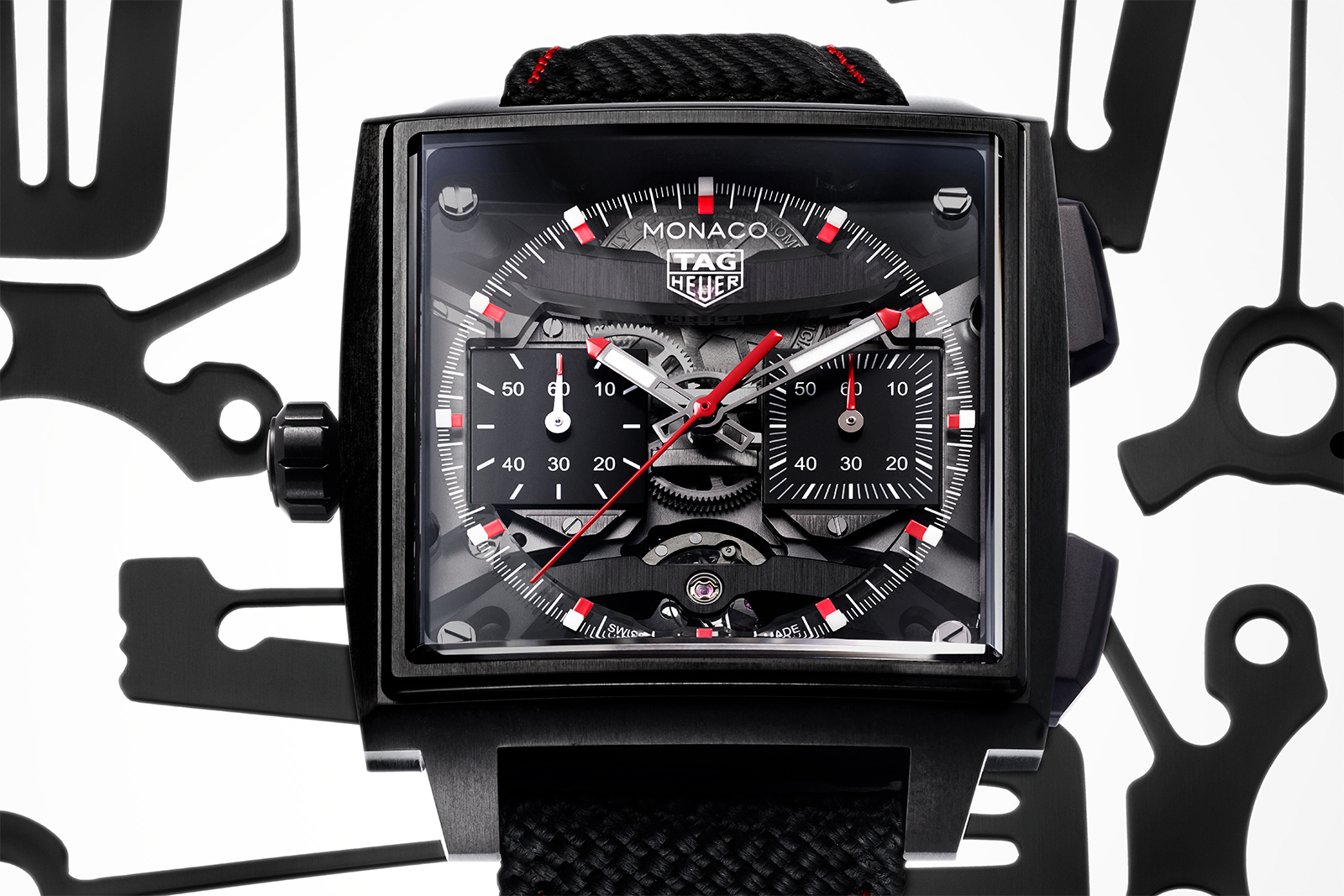
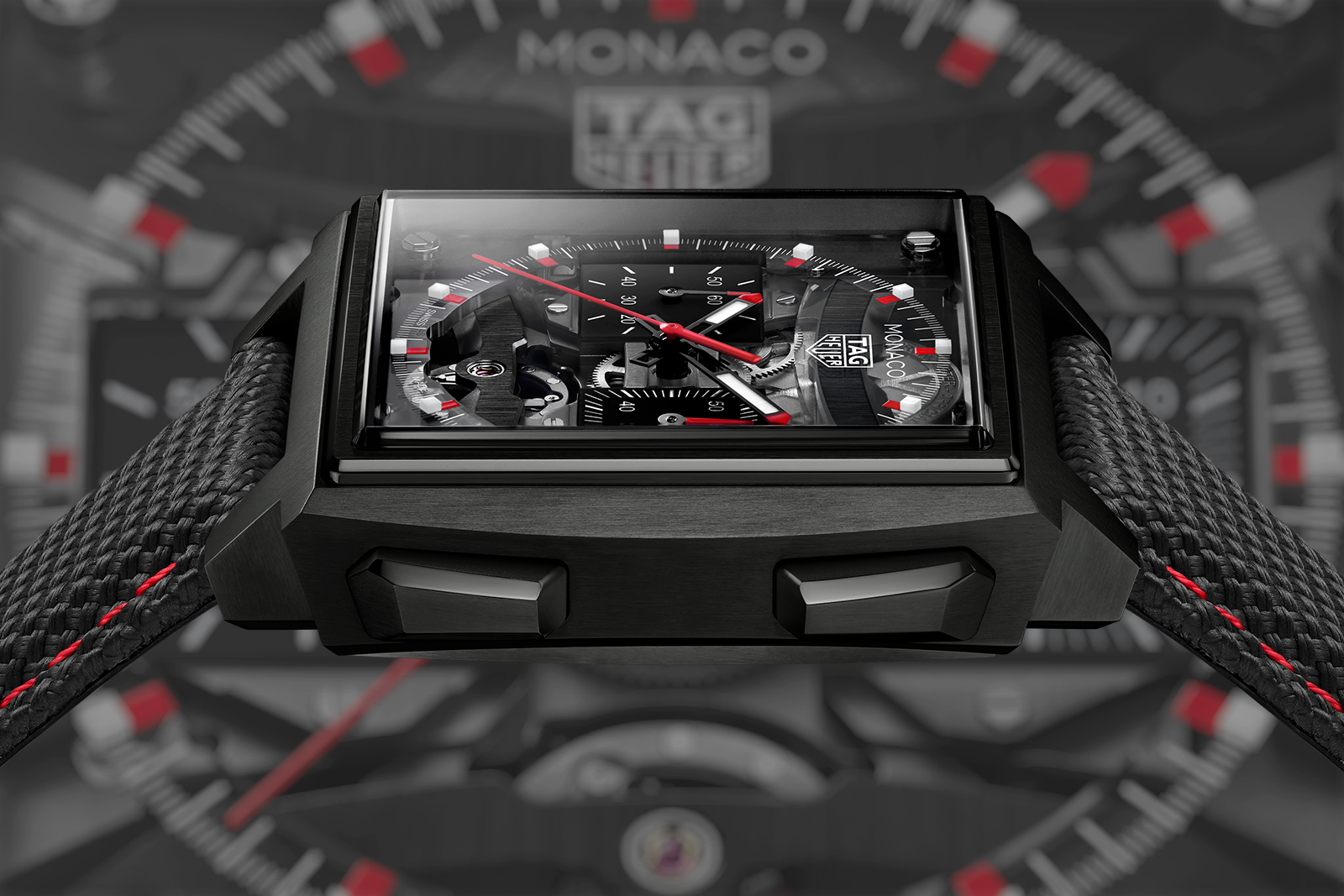
The Evergraph is part of the Monaco collection, so all the familiar lines are here. There are two versions of the Evergraph, one featuring a twist on the iconic blue and red livery and a second blacked-out configuration. While technically the same, the two versions differ greatly in terms of look and feel, especially since the black edition has some dark-hued movement components and a DLC-coated titanium case.
The Evergraph measures 40 mm in diameter (or more precisely corner to corner) and comes dressed in a Grade 5 titanium case. The construction and finishing of the case are rather familiar, with an assortment of brushed and polished surfaces.
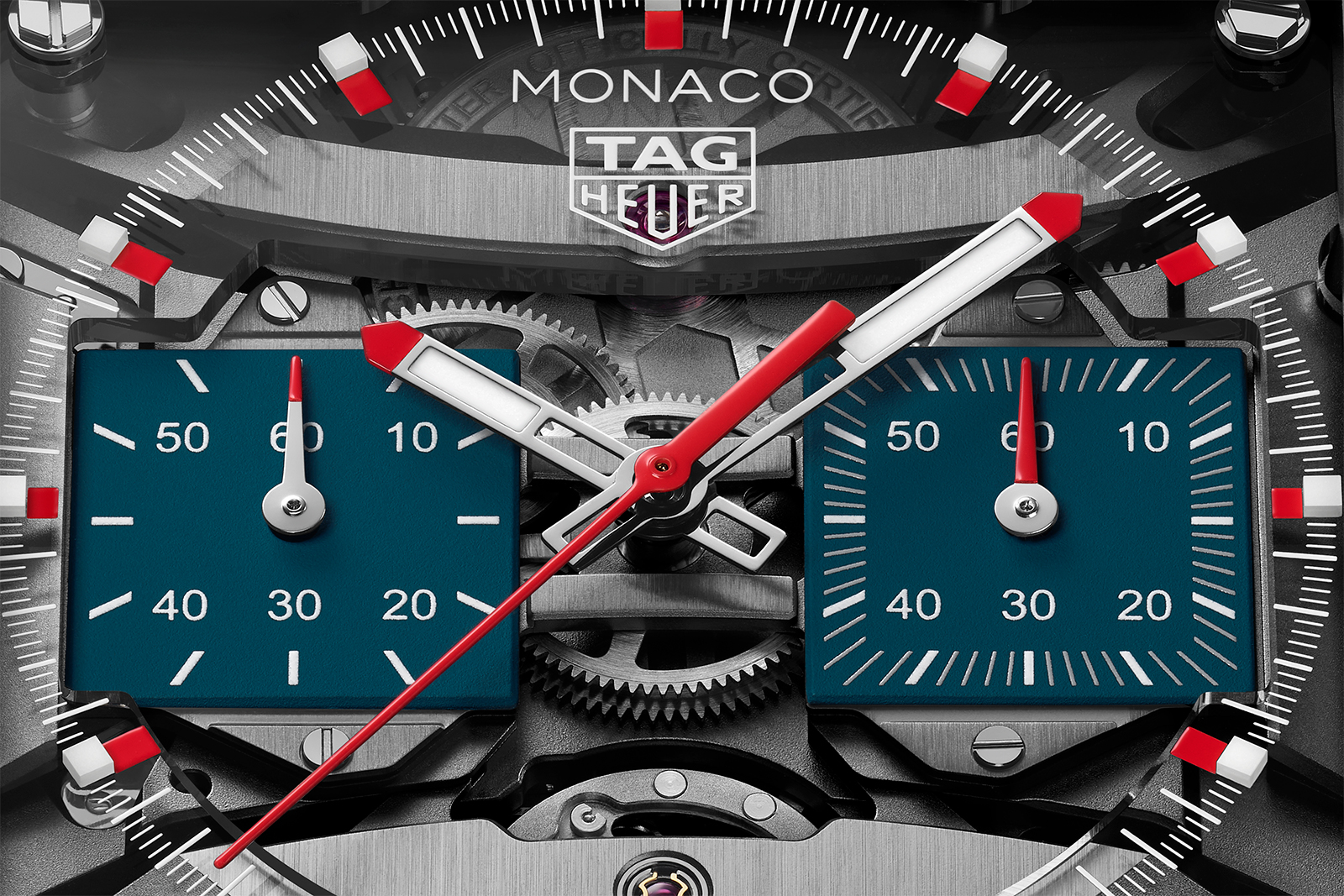
Compared to standard Monacos, the dial of the Evergraph is minimal, featuring an openworked glass disc set atop an exposed movement. Only the solid square sub-dials for the running seconds and elapsed minutes are traditional dials. The look is technical and dynamic, especially since the transparent dial full reveals the fast-beating balance at the six o’clock position.
The performant TH80-00
TAG Heuer has seriously upped its game when it comes to in-house movement engineering. The brand’s more esoteric research endeavours are now led by veteran movement constructor Carole Forestier-Kasapi. Under this current direction, TAG Heuer has the potential to reach — and likely exceed — its historical high water mark.
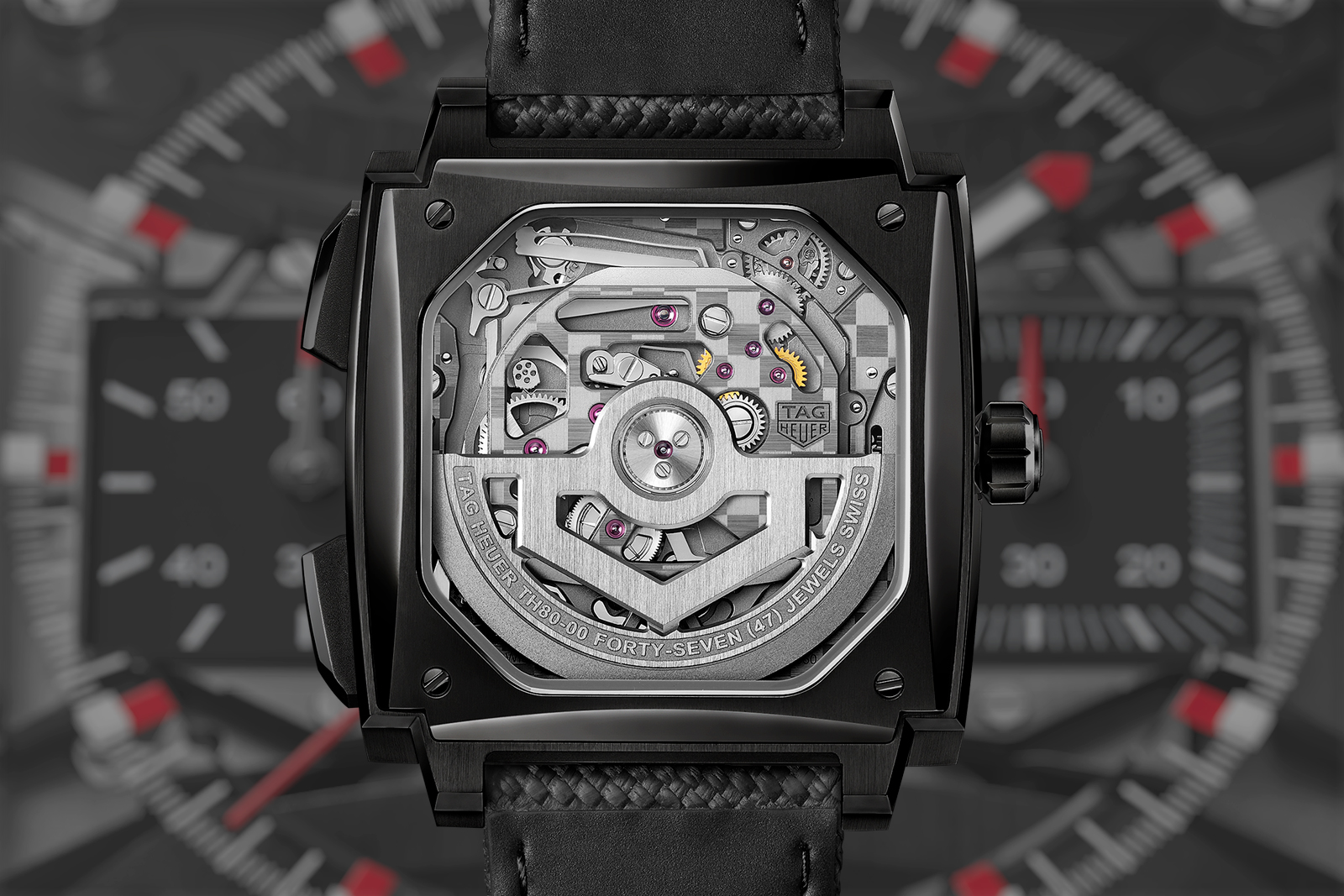
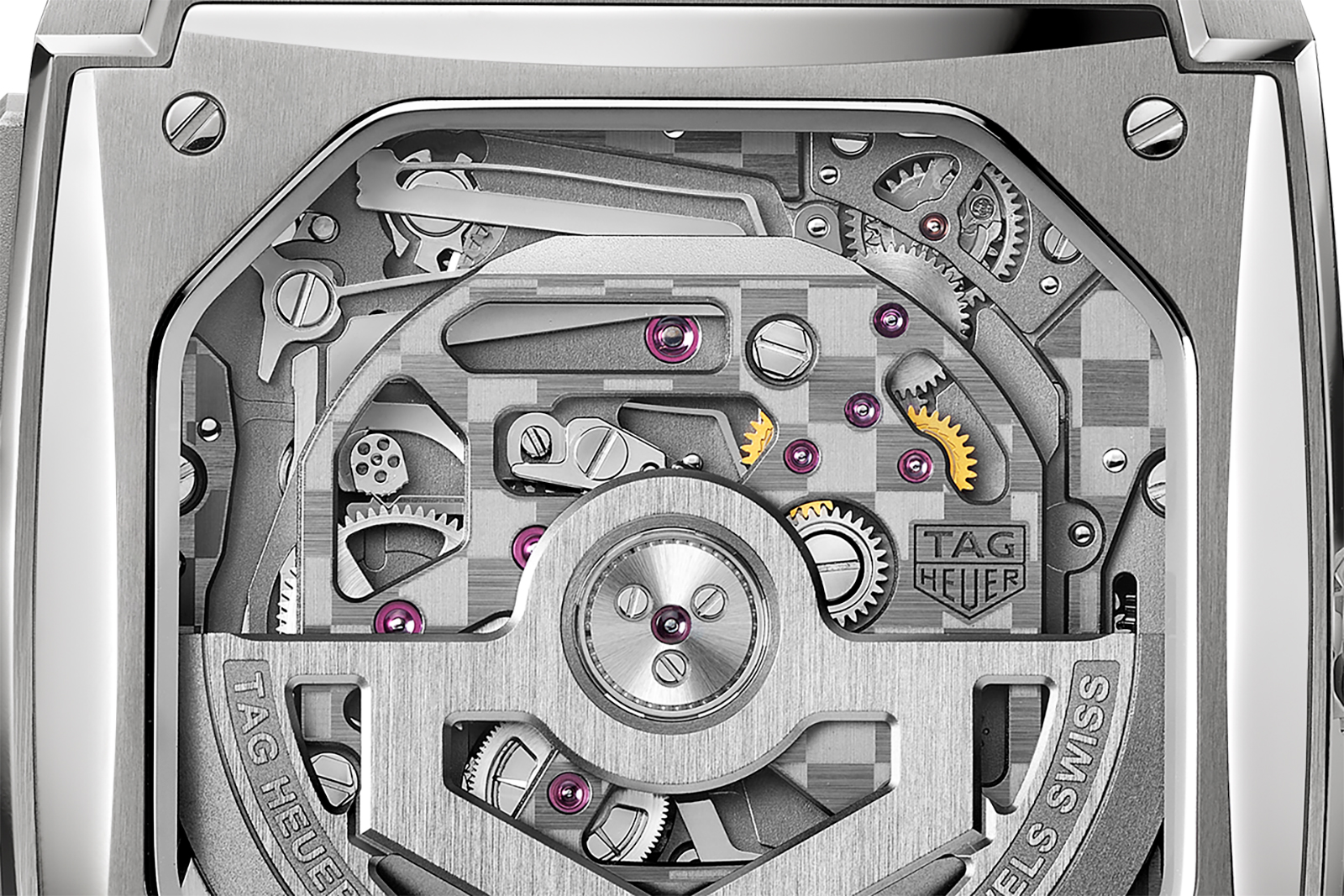
The cal. TH80-00 inside the Monaco Evergraph is the fruit of the close collaboration between TAG Heuer and movement specialist Vaucher Fleurier. TAG Heuer has used split-seconds chronograph movements from Vaucher in the past, but this collaboration goes much deeper.
Although the Fleurier-based specialist has extensive experience with modern chronograph movements, the TH80-00 looks more TAG Heuer than Vaucher. Notably, the movement uses TAG Heuer’s TH-Carbonspringoscillator, paired with a free-sprung weighted balance.
The oscillator beats at 5 Hz, which is considered a high beat rate — especially for an alternative material hairspring. It’s noteworthy that TAG Heuer seems confident enough in its proprietary carbon nanotube hairsprings to install them in high-beat calibres.
The TH80-00 is also COSC-certified, which further indicates that TAG Heuer is eager to raise its stature as a maker of highly technical watches and compete in terms of accuracy with the likes of Tudor, Breitling and Omega.
The TH80-00 runs for 70 hours on a single barrel, which is visible at the 12 o’clock position through the translucent dial. Pairing such a generous power reserve with a fast-beating balance is no small feat. Taking the chronometer certification into consideration as well, the cal. TH80-00 ticks a lot of boxes.
With such an emphasis on technical innovation and material science, the finishing is kept industrial, with sandblasted surfaces dominating the bridges and mainplate. On the case back side there is a chequered flag motif engraved on the chronograph bridge, which adds some texture but doesn’t save the movement from monochromatic monotony.
Amusingly, the cal. TH-80 combines the best features of all three original automatic chronographs from 1969. It features the 5 Hz frequency of the Zenith El Primero, the left-hand crown of the Calibre 11, and the integrated, vertical clutch architecture of the Seiko cal. 6139. Of course, it also has some other tricks up its sleeve that could not have been imagined in 1969.
The compliant chronograph
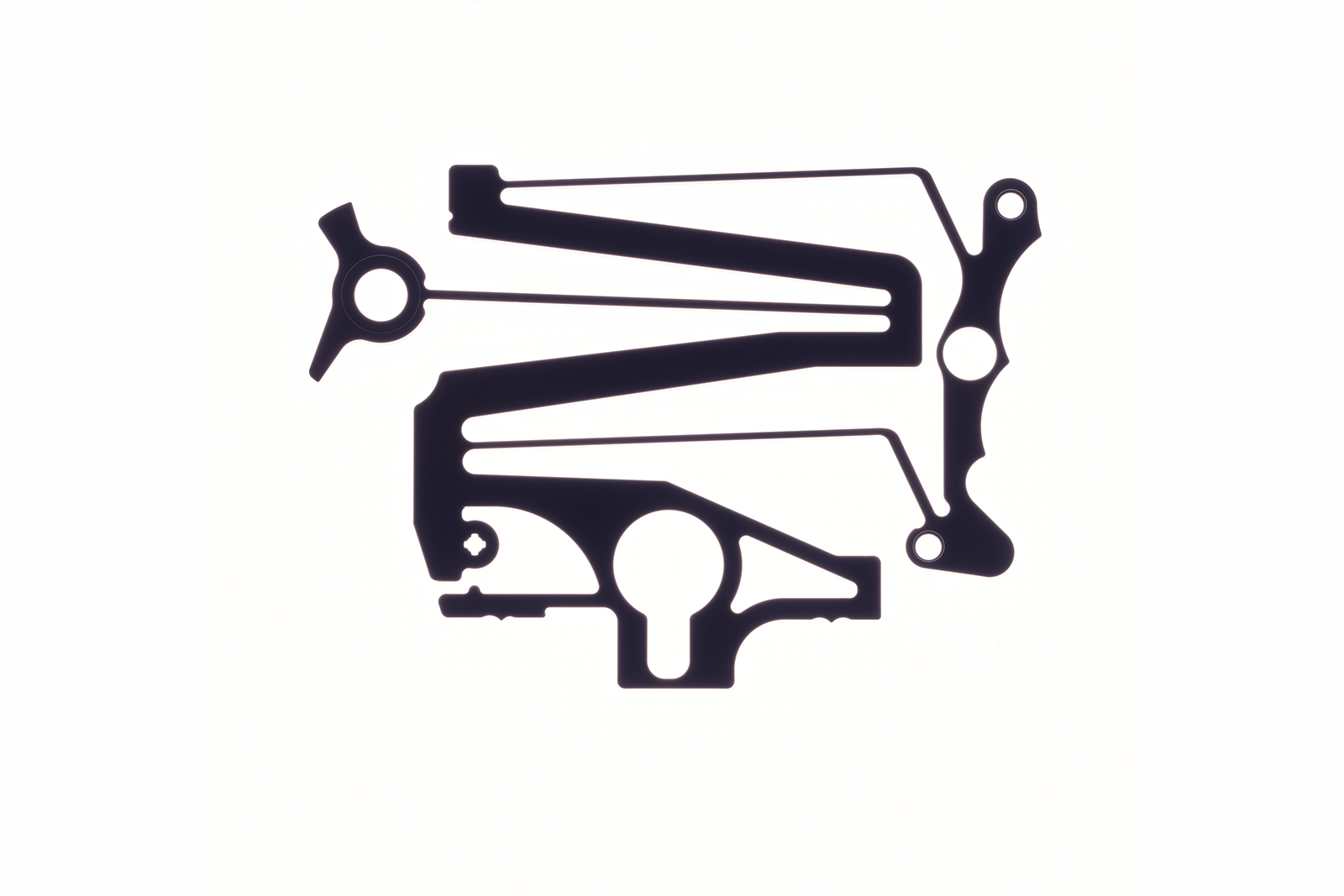
The proverbial heart of the Evergraph’s cal. TH80-00 may not be the regulating organ, but rather the very forward-thinking compliant-based chronograph works. Without digressing too much in the field of flexural pivots, compliant mechanisms and bi-stability, we can roughly outline how TAG Heuer engineers managed to replace the complex traditional chronograph works with just a few clever LIGA-manufactured components.
The cal. TH80-00 works through a profound, yet not entirely fundamental, rethinking of the chronograph mechanism. There still is a control component that governs the clutch action, along with a dedicated piece for the reset hammers.
Bi-stable compliant reset hammer piece, manufactured through LIGA process.
The key concept here is bi-stability; a continently buckled beam — a blade spring in this case — can have two (or more) stable positions, where the strain potential energy reaches a sink. As such, the spring can comfortably sit in two compressed positions, snapping from one to another under external actuation.
Inside the Evergraph, one such spring controls the start-stop function. When the pusher is engaged, the spring snaps from one state to the other, engaging or disengaging the vertical clutch almost instantly. This allows not only for precise timing, since the chronograph start is quasi-instantaneous, but also acts as an inherent all-or-nothing mechanism. The clutch is not engaged until the start/stop pusher reaches a threshold and the spring snaps with a controlled kinematic behaviour.
Similarly, a large once-piece reset hammer is placed in a “standby” bi-stable position when the chronograph is started, with the geometry of the components preventing it from snapping back. When the chronograph is stopped, the hammer piece is unlocked but not directly actuated. If the user chooses to reset the chronograph, a lever will snap the hammer piece to a second “active” stable position, effectively resetting the chronograph hands.
The entire mechanism relies only on two bi-stable structures and a couple of levers, which work directly with the pushers. There is no question of a column wheel or cam and there is no sea of slender springs and multi-purpose levers or brakes. In fact, the only traditional chronograph elements are the vertical clutch and the heart-shaped reset cams for the indications. Everything else was rethought from the ground up by TAG Heuer engineers.
The strong selling points of compliant mechanisms lie in their lack of lubrication, repeatable precision and predictable behaviour over long working cycles. This is to say that the cal. TH80-00’s chronograph mechanism won’t require much (if any) adjustment once assembled and will perform the same over long periods of time — making the “Evergraph” moniker more suggestive.
The full mechanism warrants a future in-depth story, as the execution is inventive and well-designed, featuring great examples of mechanical programming applied to compliant structures.
Key facts and price
TAG Heuer Monaco Evergraph Ref. CEW5180.FT8122 (Black)
Ref. CEW5181.FT8123 (Blue)
Diameter: 40 mm Height: — Material: Grade 5 titanium (DLC coated for the black version) Crystal: Sapphire Water resistance: 100 m
Movement: TH80-00 Functions: Hours, minutes, small seconds, chronograph Winding: Automatic Power reserve: 70 hours
Strap: Embossed rubber strap with titanium folding clasp
Limited edition: No Availability: Starting April 2026 at TAG Heuer boutiques and retailers Price: CHF23,000 excluding taxes
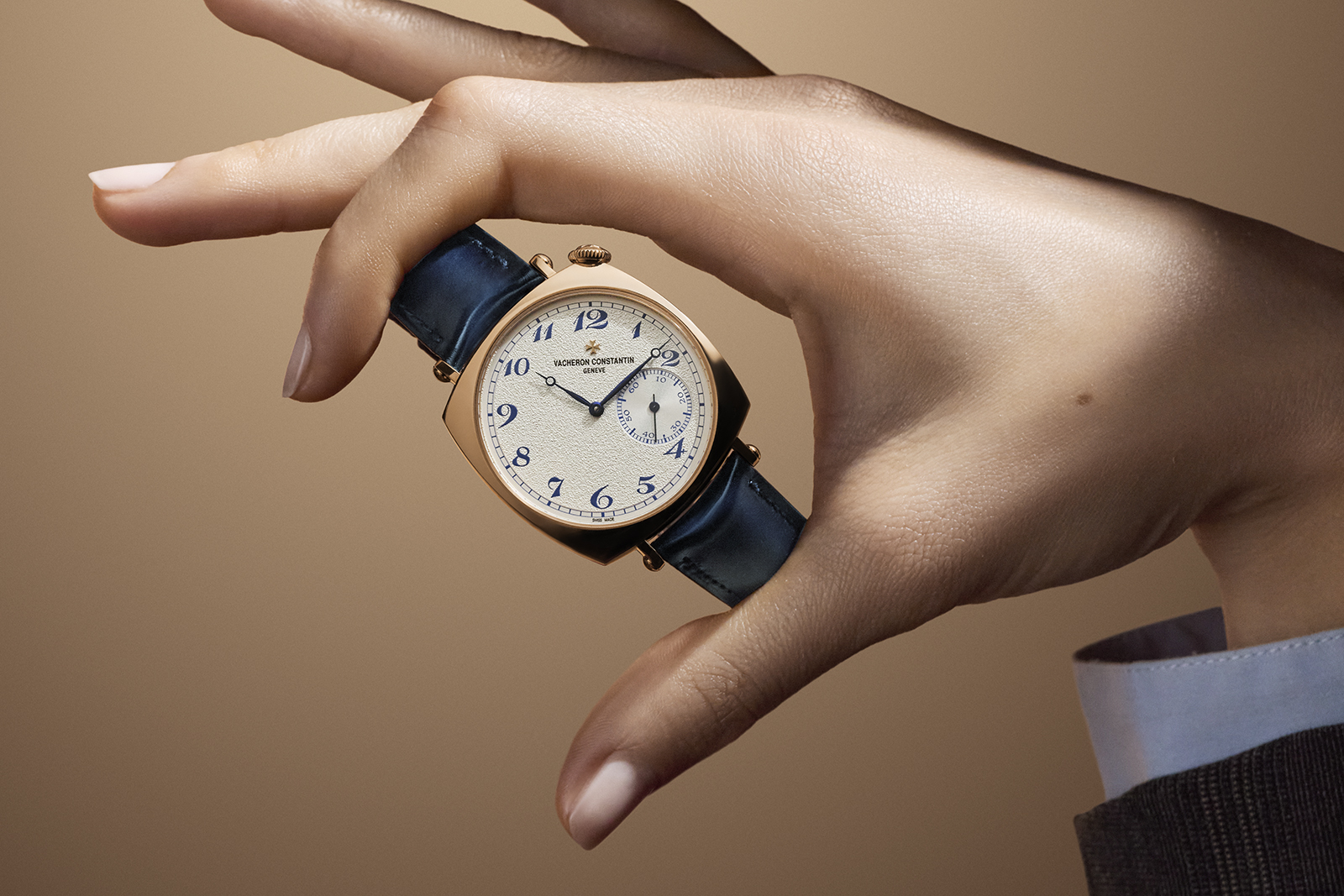
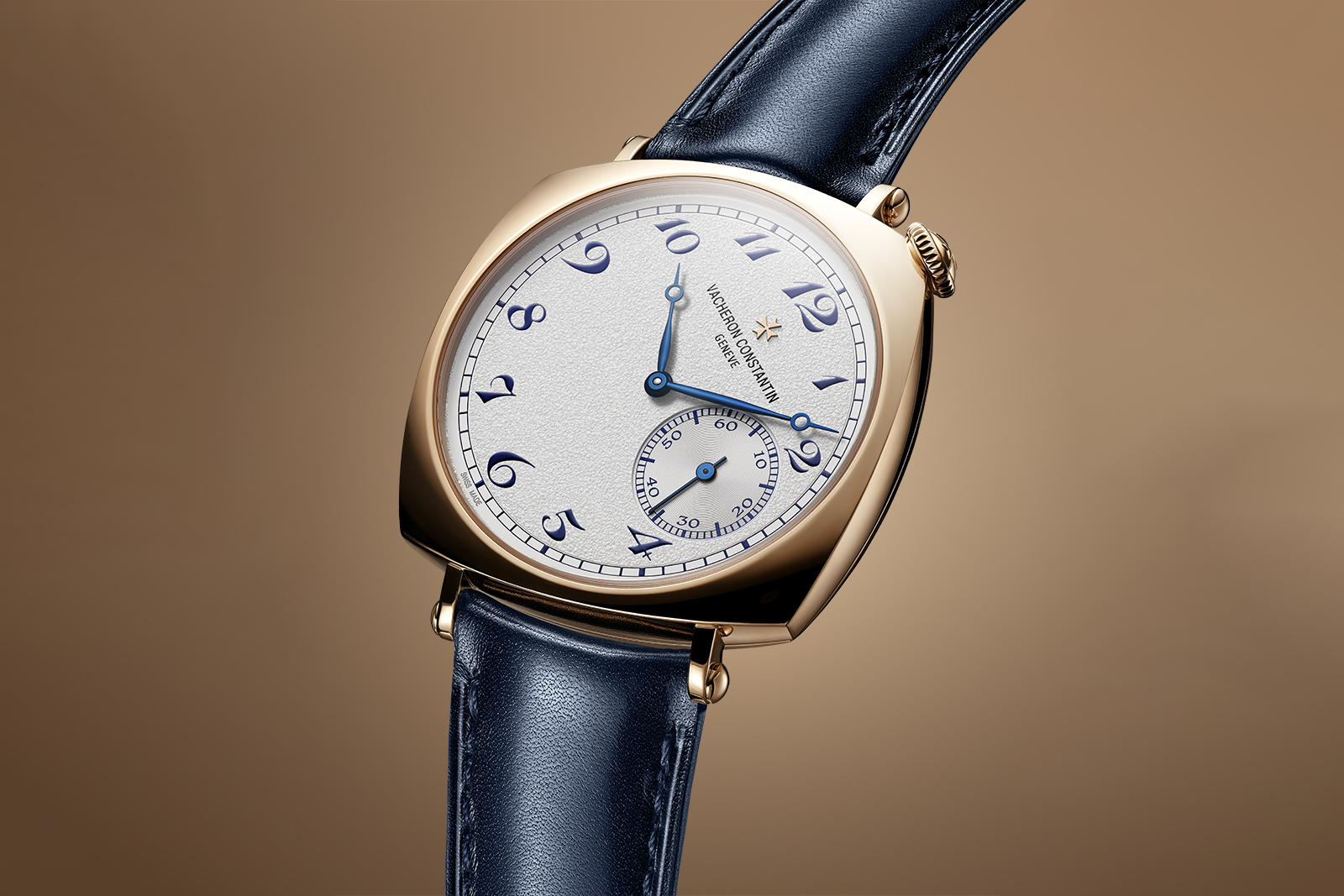
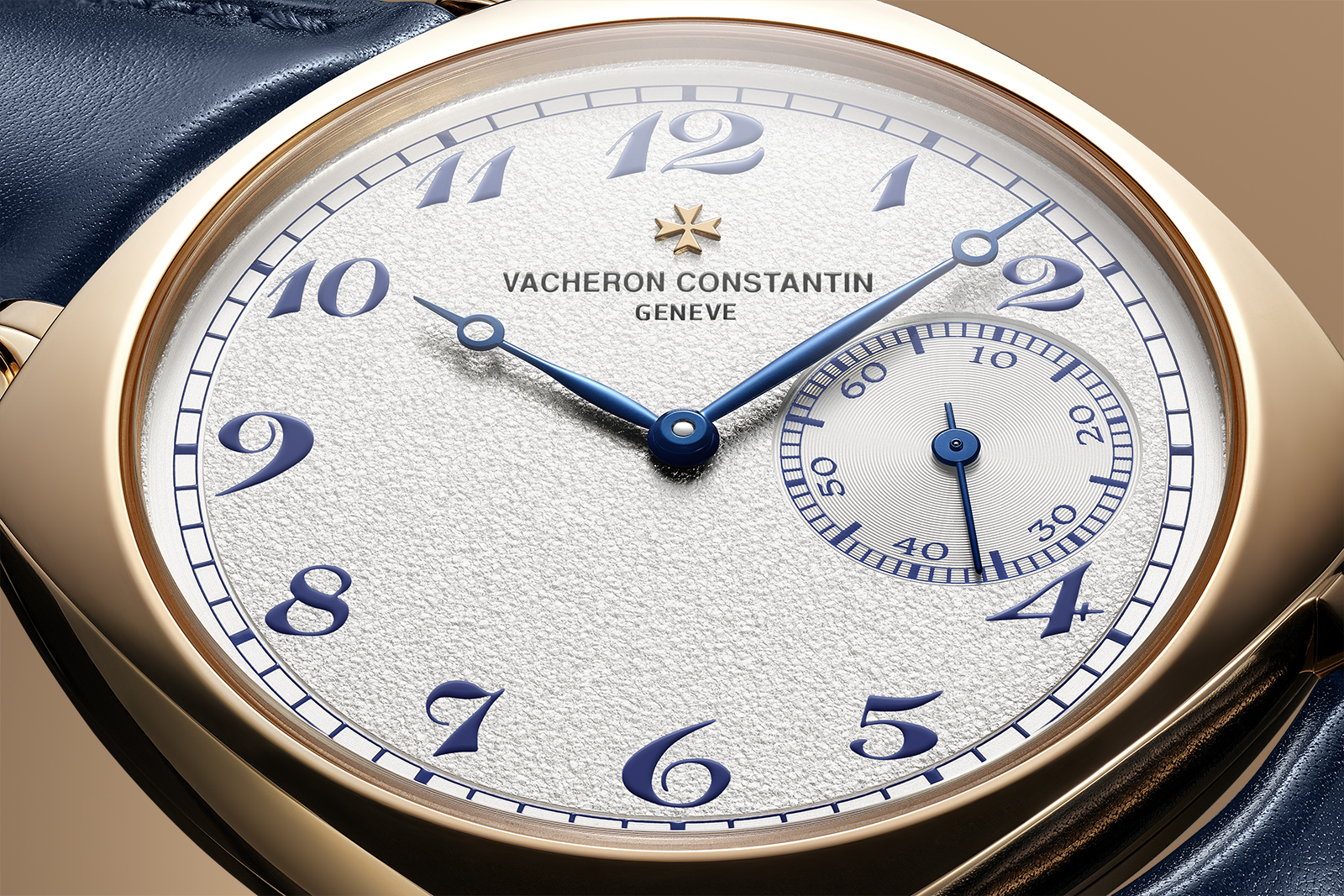
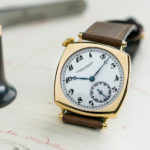
Vacheron Constantin has gently updated one of its most distinctive time-only watches, the Historiques American 1921. Now kitted out with a silver grained dial, the 1921 retains its characteristic dial layout, along with blue Breguet numerals and hands.
Like its predecessor, the new 1921 is also available in two sizes, 36.5 mm and 40 mm, but only in pink gold for now.
Initial thoughts
Ordinarily, cosmetic variations would not be that interesting, but the 1921 has not been iterated upon too often, despite being almost 20 years old. In fact, the 1921 is a fixture in the VC catalogue, yet has varied little given its tenure. As a result, the facelifted model is appealing and also arrives in a timely manner.
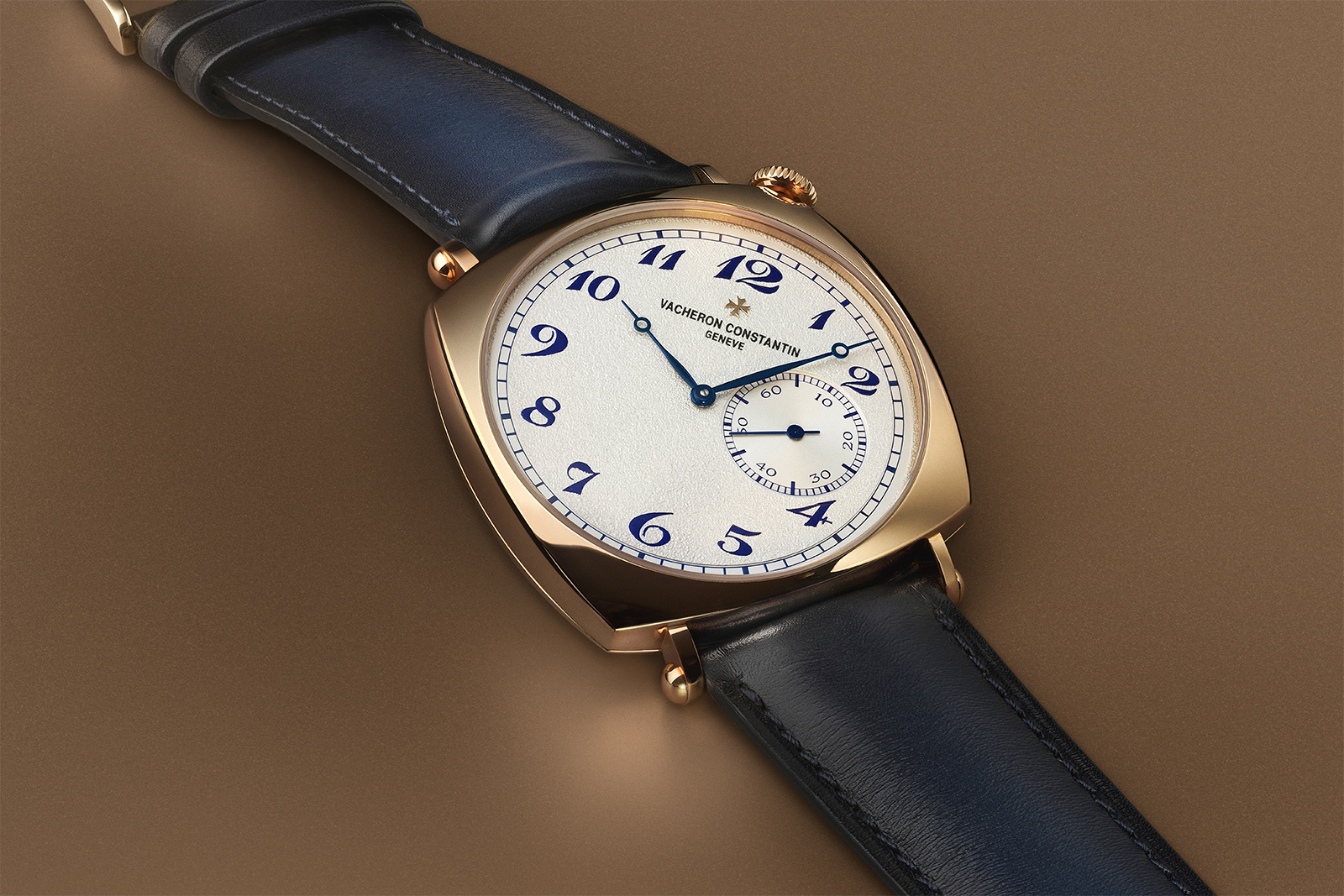
Though the changes are subtle, namely to the dial texture plus hand and numeral colour, they give the dial a little more life. The updates also make the watch feel a little more modern, but the result still sits comfortably with the historical design.
A driver’s watch
Sometimes known as a “driver’s watch” for its off-the-vertical dial layout, the 1921 was modelled a small number of watches made by VC in 1919 and subsequent years. The unusual dial alignment was reputedly to improve legibility while driving, or while preaching at the pulpit for one of the owners of the 1920s originals was an American clergyman.
The latest version retains the same design and layout as past iterations, with the dial 45 degrees off the vertical and the crown at two o’clock.
Instead of a matte satin dial with black markings as before, the new 1921 has a finely grained silver dial, matched with blue markings. Completing the look are blue hands, which are actually blue-treated 18k gold rather than blued steel. The applied Maltese cross logo at 12 o’clock is also solid gold, but left in its natural colour to match the case.
The cushion-shaped case is 18k pink gold, and offered in 40 mm as the ref. 82035/000R–H114 or 36.5 mm as the ref. 1100S/000R–H115.
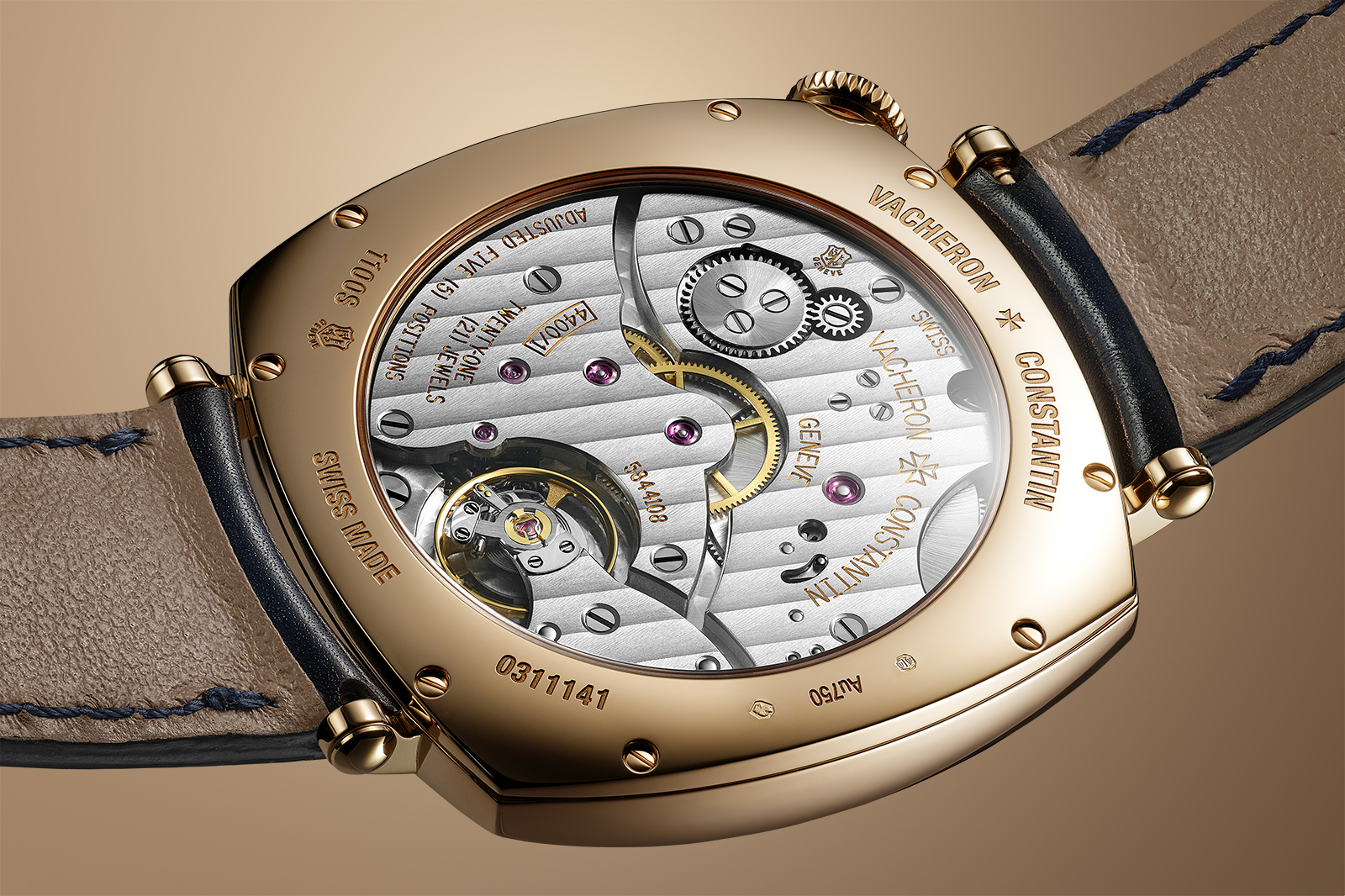
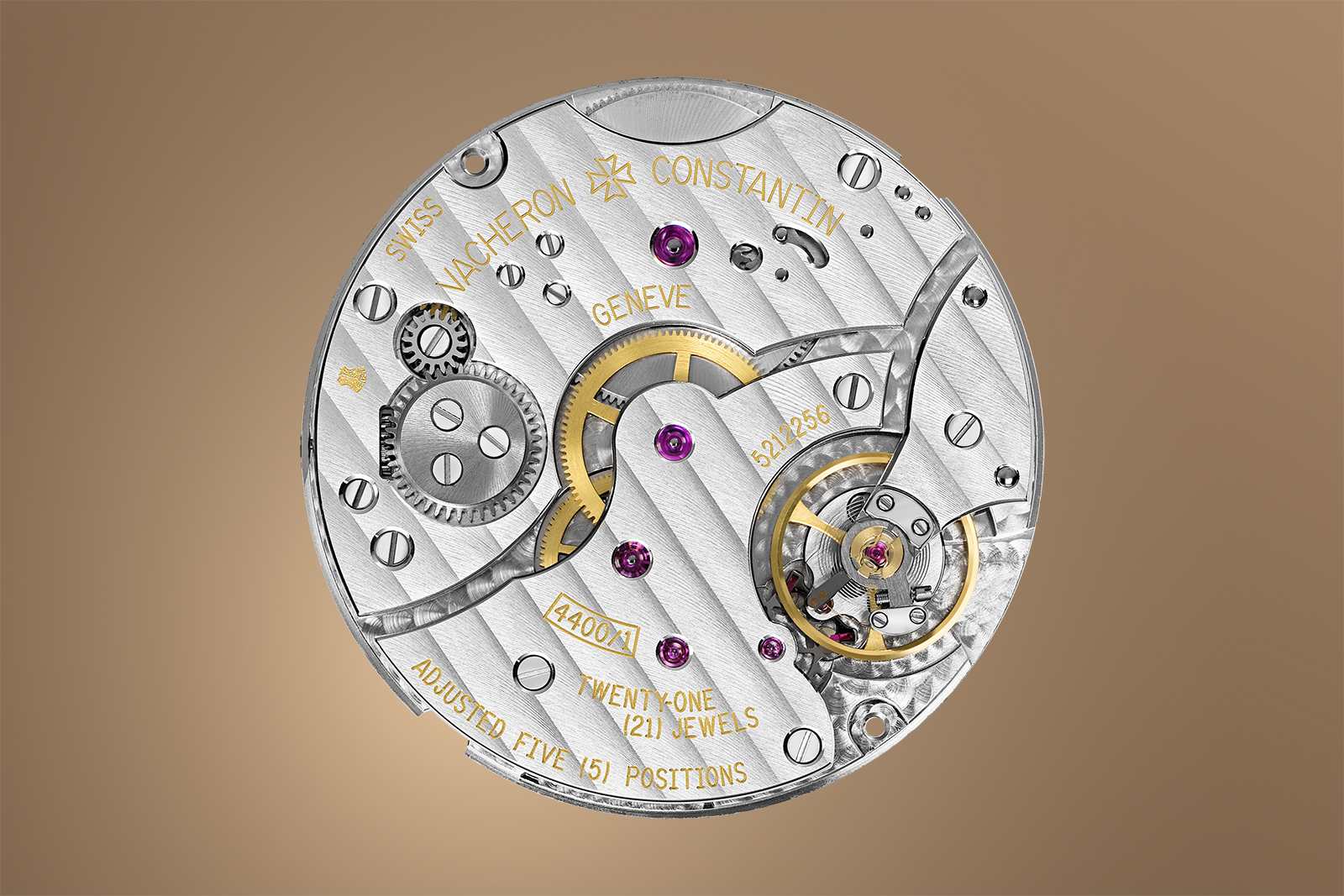
Both share the same movement, the cal. 4400 AS, a large-diameter hand-wind movement that is simple but finely constructed and finished. And like most mechanical VC movements, the cal. 4400 AS bears the Poinçon de Genevè hallmark of decorative and functional quality.
Key Facts and Price
Vacheron Constantin Historiques American 1921
Ref. 82035/000R–H114 (40 mm)
Ref. 1100S/000R–H115 (36.5 mm)
Diameter: 40 mm/36.5 mm Height: 8.06 mm/7.41 mm Material: 18k pink gold Crystal: Sapphire
Water resistance: 30 m
Movement: Cal. 4400 AS Functions: Hours, minutes, and seconds Winding: Hand wind
Frequency: 28,800 beats per hour (4 hz)
Power reserve: 65 hours
Strap: Calfskin with pin buckle
Limited edition: No
Availability: At boutiques and retailers Price: