
Complicated Collectors: Dr Eugen Gschwind
The dentist who discovered François-Paul Journe.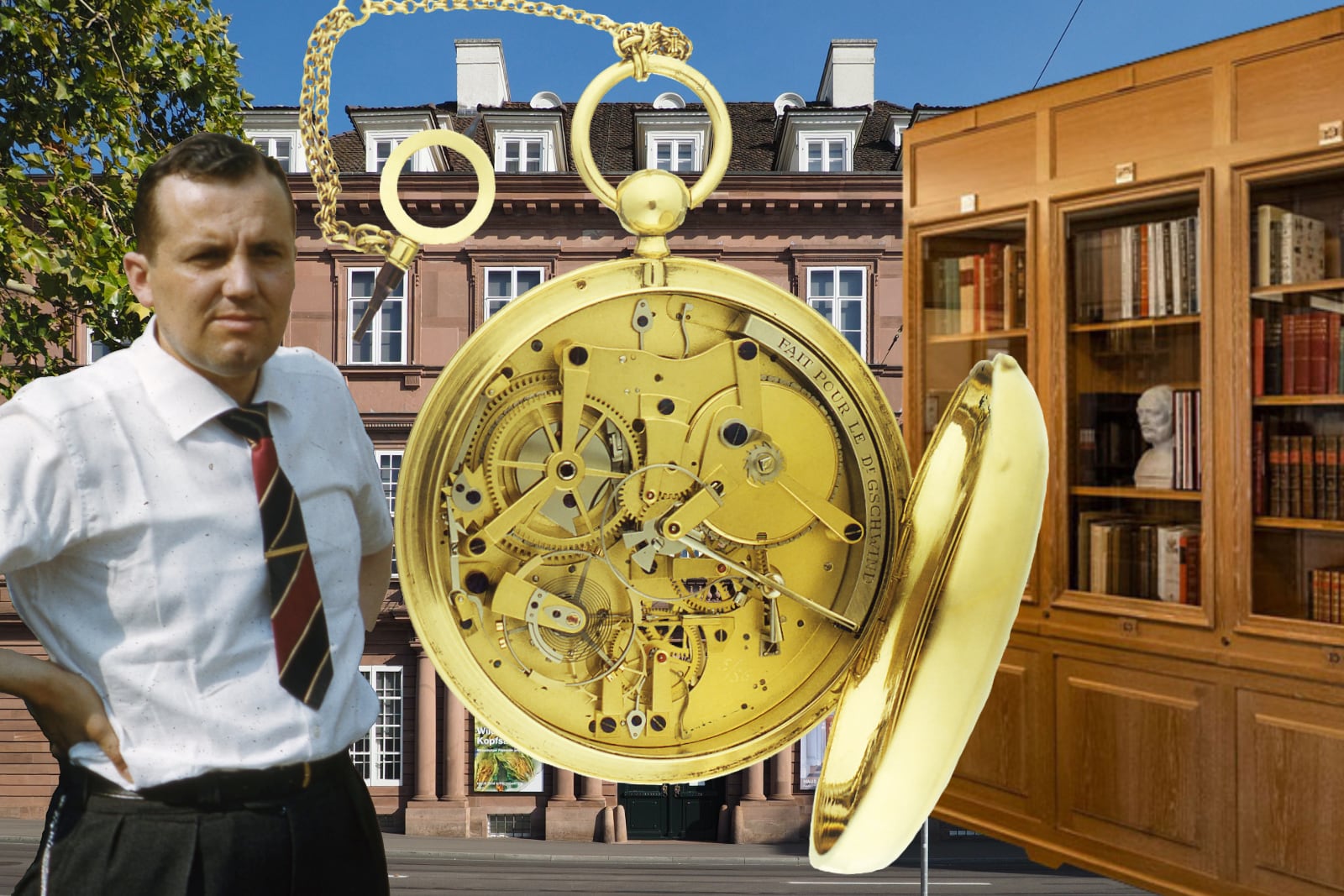
The dinner in Basel had reached the stage where the porcelain was being cleared, but the tension at the table remained heavier than the silverware. Dr Eugen Gschwind, a man who wore his erudition as comfortably as his tailored suits, watched his guest with the predator’s patience that had defined his four decades of collecting.
Across from him sat George Daniels, the English horologist and watchmaker who had single-handedly dragged the concept of the handmade watch out of the grave of history. Daniels was brilliant, notoriously opinionated, and, according to some, firmly convinced that he was the spiritual reincarnation of Abraham-Louis Breguet.
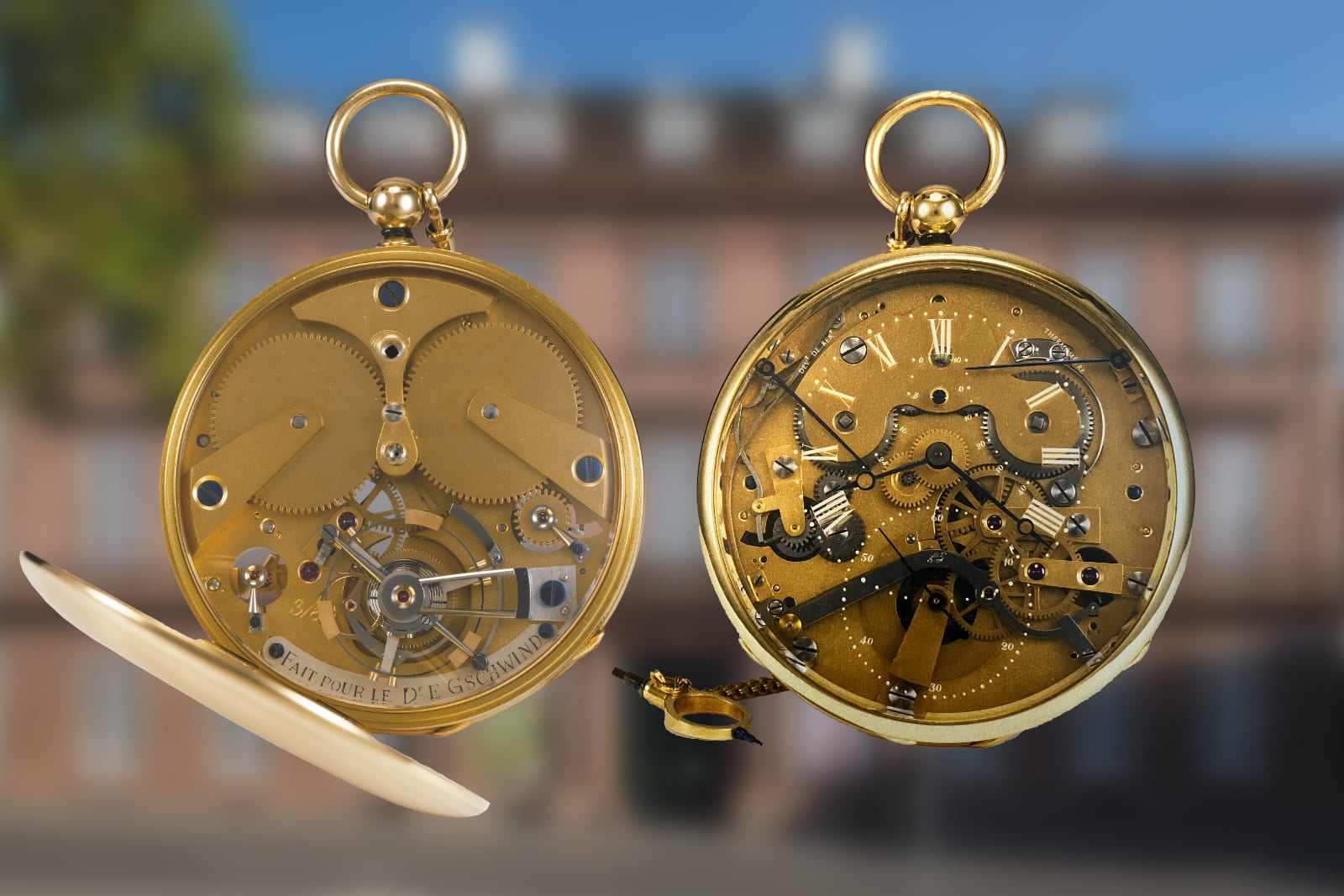
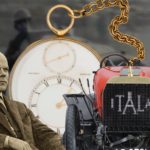
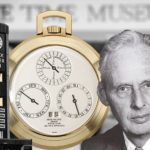
François-Paul Journe´s 3/84 pocketwatch, Dr Gscwind´s first commission. Image SJX composite – F.P. Journe
Gschwind liked Daniels. He championed the Englishman’s genius, yet remained too dogmatic to ever buy his work. He had famously toasted Daniels at a society dinner as the ‘greatest living watchmaker,’ only to follow it with the dry, smiling addendum: ‘But only the second-best watchmaker who ever lived.’
Tonight, however, was not about jests. It was the culmination of a long-simmering technical argument. For years, Gschwind had chided Daniels about his reliance on the 15-second remontoir d’égalité. To Daniels, this mechanism, which rewound a secondary spring every quarter-minute to smooth out the torque of the mainspring, was the ultimate solution to the problem of isochronism. Gschwind viewed it was a compromise. To his inner circle, he would whisper the heresy that George used 15 seconds because it was easy, and that a real watchmaker would make it one second.
The challenge had been issued, not as a bet, but as a commission. Gschwind had demanded a tourbillon pocket watch with a one-second remontoir, a mechanism that would have to lock and unlock 86,400 times a day without failure. It was a tribological nightmare that Daniels had deemed unnecessary, perhaps even quixotic.
Gschwind reached into his pocket and produced a heavy gold watch. He slid it across the tablecloth.
The piece was a prototype, numbered by its maker simply as No. 3/84. It had no classic dial and was devoid of the decorative fluff that usually successfully distracted collectors from mediocre mechanics. The maker’s signature was nowhere to be seen.
Daniels picked it up. He produced his loupe, the single eye of judgment he turned upon the world. For a man like Daniels, a watch was not an object; it was a series of decisions made by another mind. He scrutinized the detent, the blade spring of the remontoir, the sheer audacity of the one-second release. He watched the deadbeat second hand jump with a precision that mocked the fluidity of his own preferred designs.
The silence stretched and, finally, Daniels lowered the watch. The combativeness had drained from his face. We do not know the exact words he spoke, but we know the reaction was one of immediate recognition and validation.
It was the admission Gschwind had orchestrated the entire evening to hear. He took the watch back and revealed the name. It was not Derek Pratt, the only contemporary Daniels considered an equal. It was a young French restorer from Paris that Gschwind had adopted as a horological nephew. His name was François-Paul Journe.
In that moment, Gschwind had done what he did best. He had forced the future of horology to manifest itself.
The dentist of Rosentalstrasse
To understand how a dentist from Basel came to orchestrate the validation of the modern independent watchmaking movement, one must look beyond the vitrines of the Patek Philippe Museum and the halls of the Haus zum Kirschgarten, where his physical collections now rest. Dr. Eugen Gschwind operated as the dark matter of the collecting universe, massive in influence, gravitational in his pull, yet often invisible to the naked eye.
He lived and worked at Rosentalstrasse 27 in Basel, a city that sits at the tripoint of Switzerland, France, and Germany. This geography was not incidental; it allowed him to act as a cultural membrane, absorbing the technical rigour of the German schools and the aesthetic finesse of the French-Swiss tradition.
A lifelong bachelor, he channelled the emotional and financial resources of a family man into his collection. “They are a difficult enough family to support,” he would joke when asked why he never married, gesturing to the shelves of Renaissance automata and enamel masterpieces that lined his home.
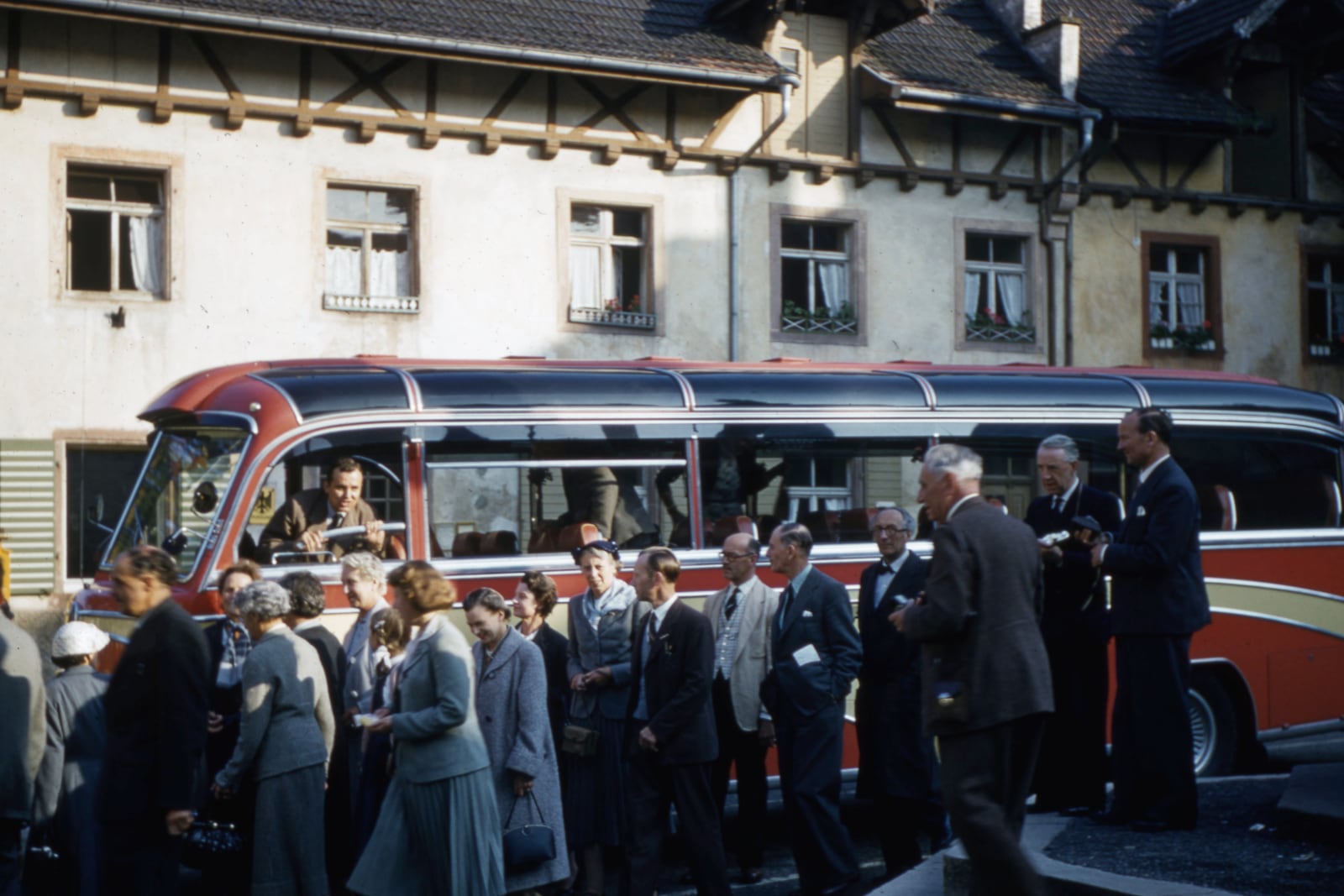
Dr Gschwind (in the coach) with the first ever international study tour of the AHS he helped organize in 1957. Photo R.H. Miles © AHS
Gschwind was a “Grand Seigneur” of the old school, polyglot, impeccably dressed, and armed with a dry wit that could dismantle a dealer’s sales pitch from twenty paces. But beneath the polished exterior lay a forensic intellect. He was a medical professional, accustomed to the microscopic tolerances of dentistry, and he applied this diagnostic gaze to horology.
His dominance began long before the Quartz Crisis sent other collectors scrambling for safety. By the mid-1950s, when most of the current collecting elite were in grade school, Gschwind was already a veteran of the auction room. Records show he was a major buyer at the legendary King Farouk sale in Cairo in 1954, and again at the Percy Webster sale in London.
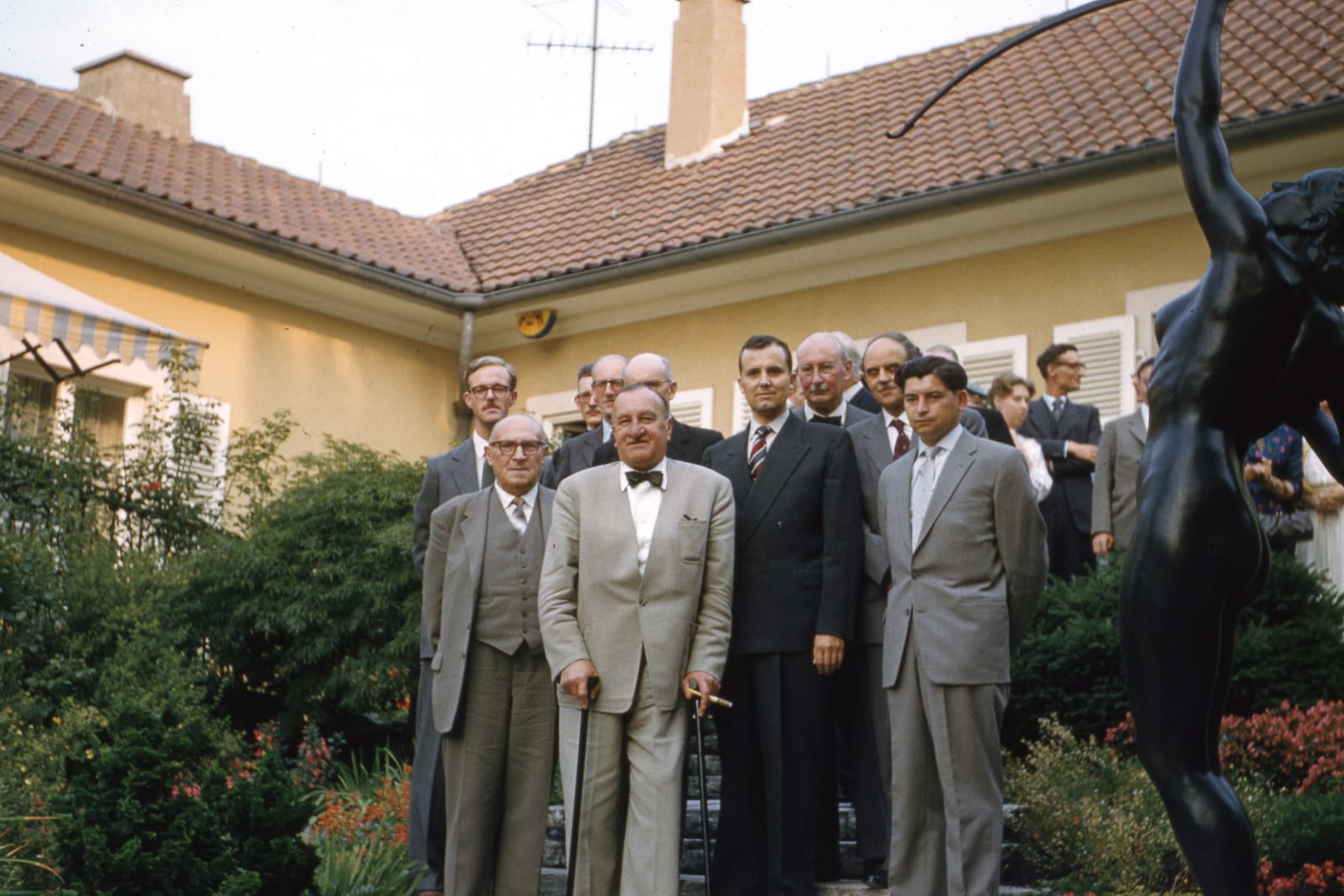
The first international study group of the AHS in 1957. Dr Gschwind, in a dark suit, 2nd from the right in the front row. Photo R.H. Miles © AHS
In June 1957, when the Antiquarian Horological Society organised its first-ever foreign tour, it was Gschwind who received the British delegation in Basel, hosting a sherry party that bridged the gap between the insular world of English collecting and the treasures of the Continent.
The report from that tour notes his collection was already “outstanding,” particularly in early German clocks. But it was a specific incident the following year that cemented his reputation as a scholar.
The Ilbert Collection, arguably the greatest assembly of horology in the world at the time, contained a rare gilt-metal tambour watch from 1560. The curators had cataloged it as a standard, if high-quality, example. Gschwind, who owned a nearly identical piece, publicly corrected them in the pages of Antiquarian Horology.
He pointed out that the movement in the Ilbert watch had been rotated ninety degrees in a later modification, a subtle alteration involving the position of the escapement relative to the dial. It was a detail that had escaped the world’s leading experts, but not the dentist. It was this microscopic eye that caught Seth G. Atwood’s attention.
The architect of the Time Museum
If Gschwind was the connoisseur, Atwood was the encyclopedist. The American industrialist was in the process of building the Time Museum in Rockford, Illinois, an institution with the staggering mandate to document the entire history of time measurement. Atwood had the capital, but he needed the knowledge. He needed a filter.
For years, the extent of their relationship was a matter of speculation. Dealers were aware they knew each other, but the depth of their collaboration was obscured by the era’s discretion. However, forensic analysis of provenance chains and obituaries has recently clarified the dynamic. Gschwind was not merely a source for Atwood; he was, in fact, a co-architect.
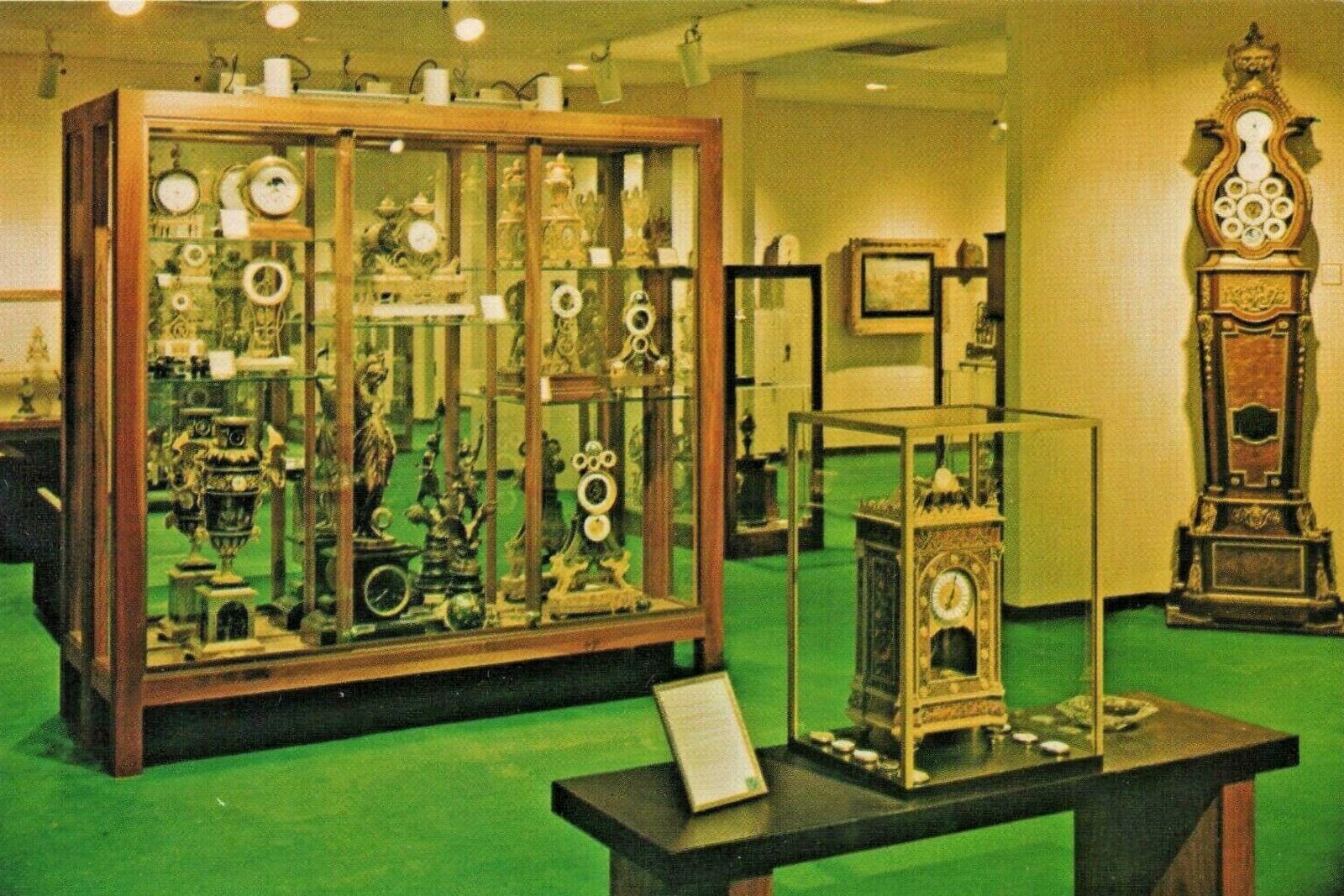
The Time Museum in Rockford, Illinois. Image – The Time Museum postcard: private collection
“During the 1970s,” Atwood’s own obituary confirmed, Gschwind “worked closely with Seth Atwood… to put together what is now the most comprehensive collection in the world.”
The dynamic was often conducted over long-distance telephone lines. Atwood, considering a purchase from a London dealer like Bobinet or Ronald Lee, would often pause the negotiations with a simple, terrifying phrase: “I need to check with Eugen.” Gschwind acted as the gatekeeper, vetting mechanisms, and validating provenance. If the Doctor in Basel disapproved, the checkbook in Illinois remained closed.
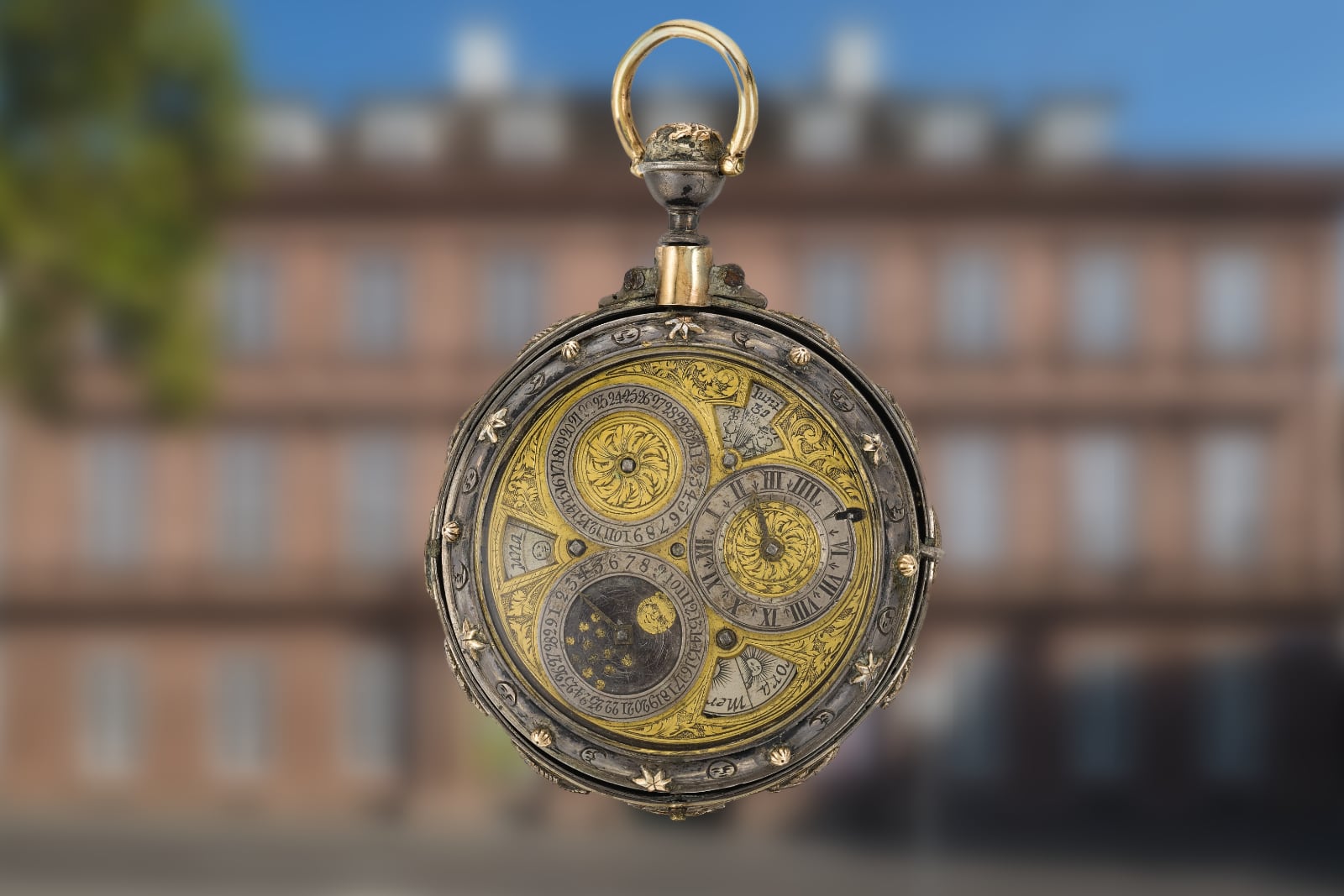
Astronomical verge watch by Joseph Bockh, Linz, ca. 1720. Formerly in the Time Museum. Image SJX composite – Sotheby’s
But Gschwind also supplied the hardware. The Christie’s Geneva auction of April 26, 1976, serves as a recorded handover of custody. Lot 171, a celestial sphere watch by Joseph Bockh of Linz, dated circa 1700, was consigned by Gschwind.
It was a masterpiece of the Austrian Baroque, encased in a silver sphere attributed to Daniel Cochin. It went straight from Gschwind’s cabinet into the Time Museum, where it became Inventory No. 1250.
This transfer was emblematic of their relationship. Gschwind had done the hard work of finding the piece, identifying the rare escapement, and preserving it. Atwood then gave it the institutional platform it deserved.
This pattern repeated with the stackfreed watches, the clumsy, fascinating German mechanisms from the 16th century that Gschwind loved with a particular ferocity. He owned 25 of them, the largest private holding in the world, and through his guidance, the Time Museum acquired the examples that anchored its Renaissance wing.
The ‘Triad of Time’
While helping build the Time Museum in the United States, Gschwind was simultaneously fortifying the ramparts of Swiss horology. He operated within what the AHS termed the “Triad of Time”, an informal group that sustained the industry during the dark years of the 1970s and 1980s. The other two points of this triangle were Philippe Stern, the owner of Patek Philippe, and Theodor Beyer, the scion of Zürich’s oldest watch retailer.
It was an alliance of believers, built on shared conviction. When quartz technology threatened to render their shared passion obsolete, these three men doubled down on the mechanical soul.
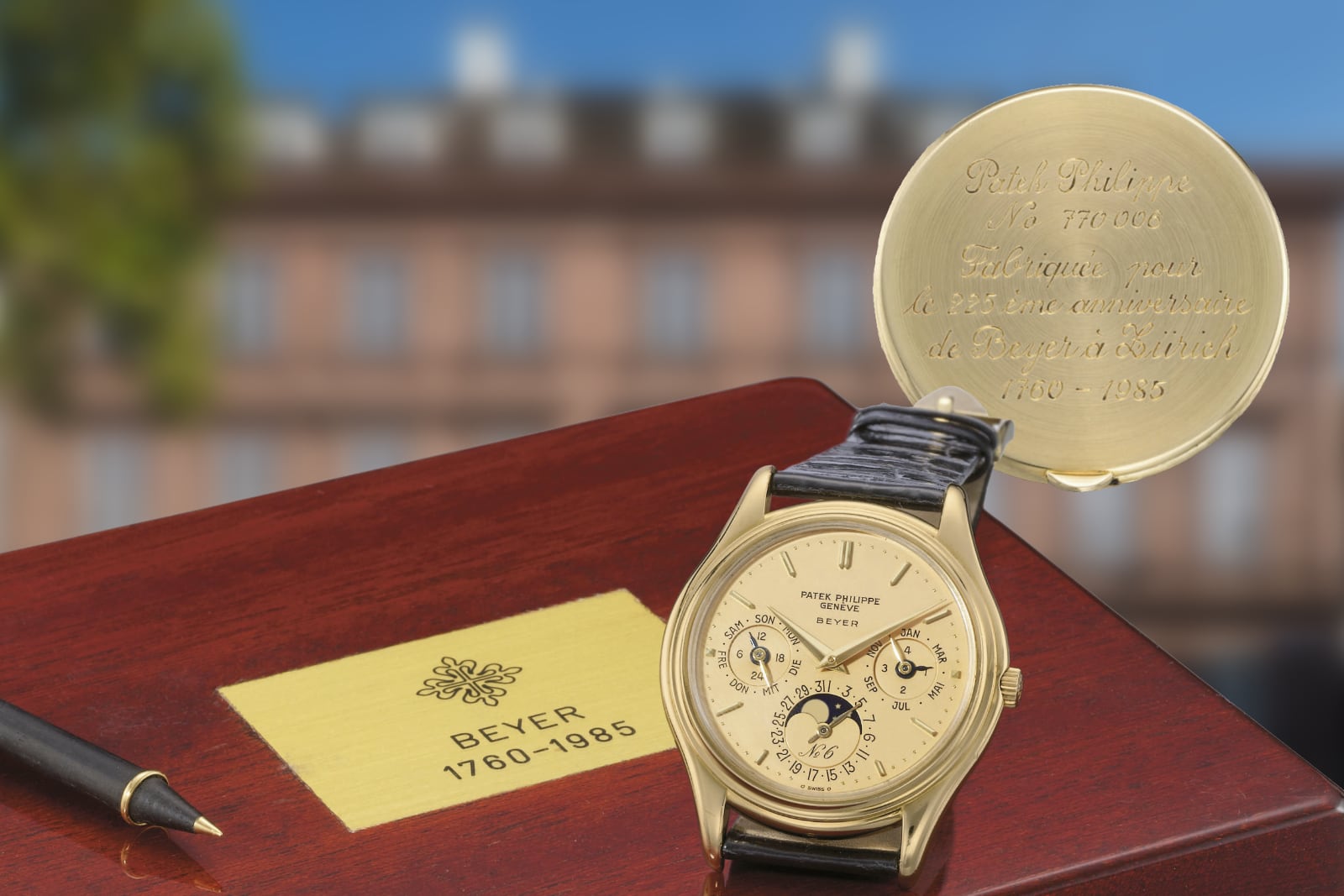
Patek Philippe Ref. 3940, made for the 225th anniversary of Beyer Zürich in 1985. No 6 was Theodor Beyer’s personal watch. Dr Gchwind owned No 2 and No 1 is in the Beyer Museum. Image SJX composite -Christies
The depth of Gschwind’s standing within this circle is physically tangible in the Patek Philippe reference 3940. In 1985, to celebrate the 225th anniversary of Chronometrie Beyer, Theodor Beyer commissioned a limited series of 25 perpetual calendars.
In the rigid hierarchy of Swiss luxury, the allocation of serial numbers is a language of its own. Watch No. 1 went directly into the Beyer Museum. Watch No. 2 was allocated to Dr. Eugen Gschwind, while Theodor Beyer himself retained No. 6 for his personal use. Gschwind was, effectively, the first client of this emblematic model.
But Gschwind’s contribution to the Stern legacy went deeper than buying watches. He possessed a library of some 3,500 volumes, dating back to 1531, covering every aspect of gnomonics and mechanics. When Philippe Stern conceived the Patek Philippe Museum in Geneva, he knew that a museum was only as good as its archives.
In a final act of stewardship, Stern acquired Gschwind’s library. Today, the dentist’s bookshelf forms the intellectual backbone of the world’s most important watch museum.
The hardware of obsession
Gschwind’s collecting philosophy was encapsulated in a maxim he often repeated to younger collectors: “One must know how to purchase exceptional objects today, at tomorrow’s prices, because they will always be exceptional.”
He was investing in history when the market was pricing it as scrap. Each piece in his collection was chosen with surgical precision. He focused on the period “beginning before 1500 and ending circa 1700”, with a specific obsession with the evolution of constant force mechanisms.
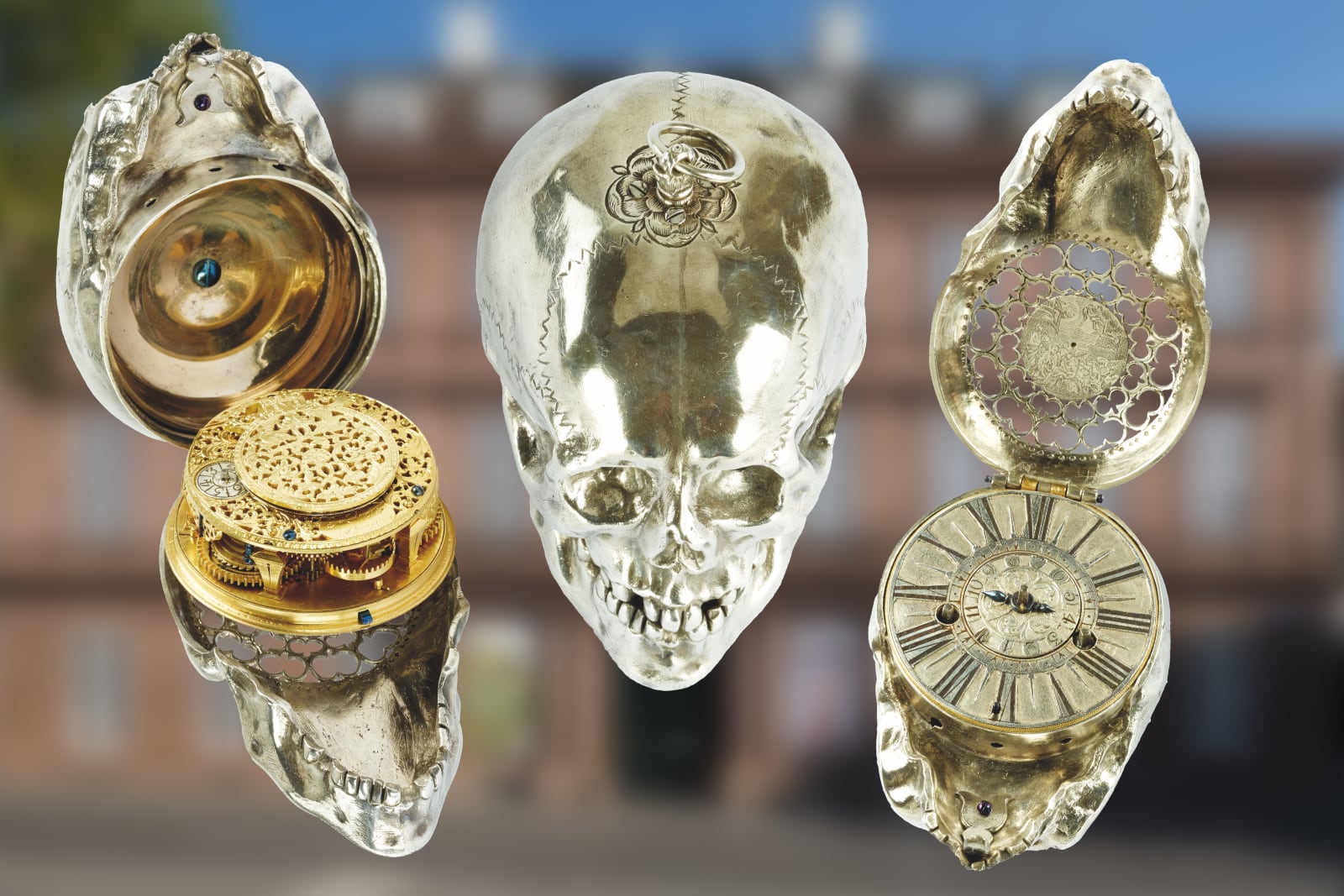
Three inch skull-watch with alarm by J. Chais, Geneva, ca. 1710 – Image SJX composite © Historisches Museum Basel, Natascha Jansen
His study of the stackfreed, a primitive spring-braking device used before the fusee, resulted in the 1979 publication of Stackfreed 1540-1640. In it, Gschwind not only catalogued the watches, but he also linked the cam-and-roller principle of the stackfreed to sketches in Leonardo da Vinci’s Codex Madrid. He took a mechanism dismissed by many as crude blacksmithing and recontextualized it as a derivative of High Renaissance engineering.
He had a weakness for the beautiful as well as the clever. His inventory listed forty enamels from the centers of Blois and Geneva, including signed works by the Huaud family. He owned a rock-crystal tulip watch by J.B. Duboule and a massive, three-inch silver skull watch by J. Chais, the lower jaw of which articulated to reveal the dial, a Memento Mori that he no doubt appreciated with his medical background.
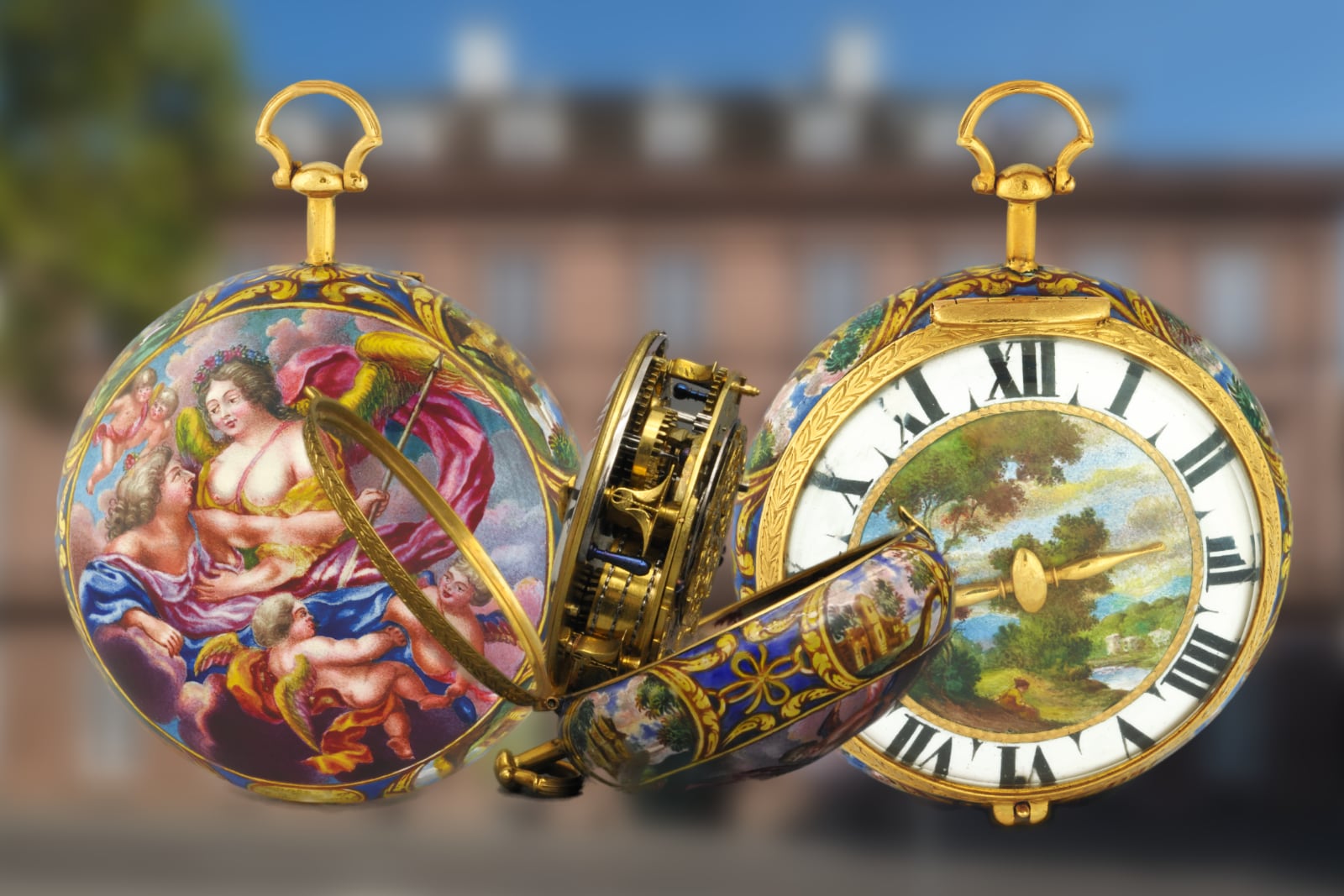
Andreas Fichtner (Master 1681) (movement) Jean-Pierre Huaud (1655–1723) and Amy Huaud (1657–1724) (case) Dresden and Berlin, ca. 1695 – Image SJX composite © Historisches Museum Basel, Natascha Jansen
Yet his “eagle eye” was most famous for what others missed. At a Christie’s preview, he once spotted a battered, unassuming watch signed Breguet, but described simply as a “hybrid.” While other collectors passed it by, Gschwind peered through the movement’s apertures.
He recognised the geometry of a ruby cylinder escapement, an experimental, friction-reducing device developed by Breguet, notoriously difficult to manufacture and exceptionally rare. He bought the lot for a pittance. It was the horological equivalent of finding a Vermeer at a garage sale.
The provocateur
If Gschwind had only collected antiques, his legacy would be secure. But his restless intellect demanded that the principles of the past be kept alive in the present. This drive made him one of the godfathers of the independent watchmaking movement.
His relationship with François-Paul Journe was the catalyst. In the early 1980s, Mr Journe was a talented but unknown restorer in Paris. Gschwind practically adopted him, acting, in the words of Mr Journe’s biographer Jean-Pierre Grosz, as a “second uncle.” Mr Journe would travel to Basel, and Gschwind would open the safe to quiz his protege: “How was this made? Why did the maker choose this lever?” He used his collection to enrich the young Frenchman’s vocabulary of mechanics.
The commission for the one-second remontoir (Watch 3/84) was the first salvo in Gschwind’s campaign to help push Mr Journe beyond restoration. By forcing him to condense the remontoir into a one-second interval, Gschwind pushed the young watchmaker to breakthroughs that would later help cement his reputation.
But the obsession did not end there. Gschwind knew that the history of horology was a ladder of complexity, and he wanted to Mr Journe to climb the next rung.
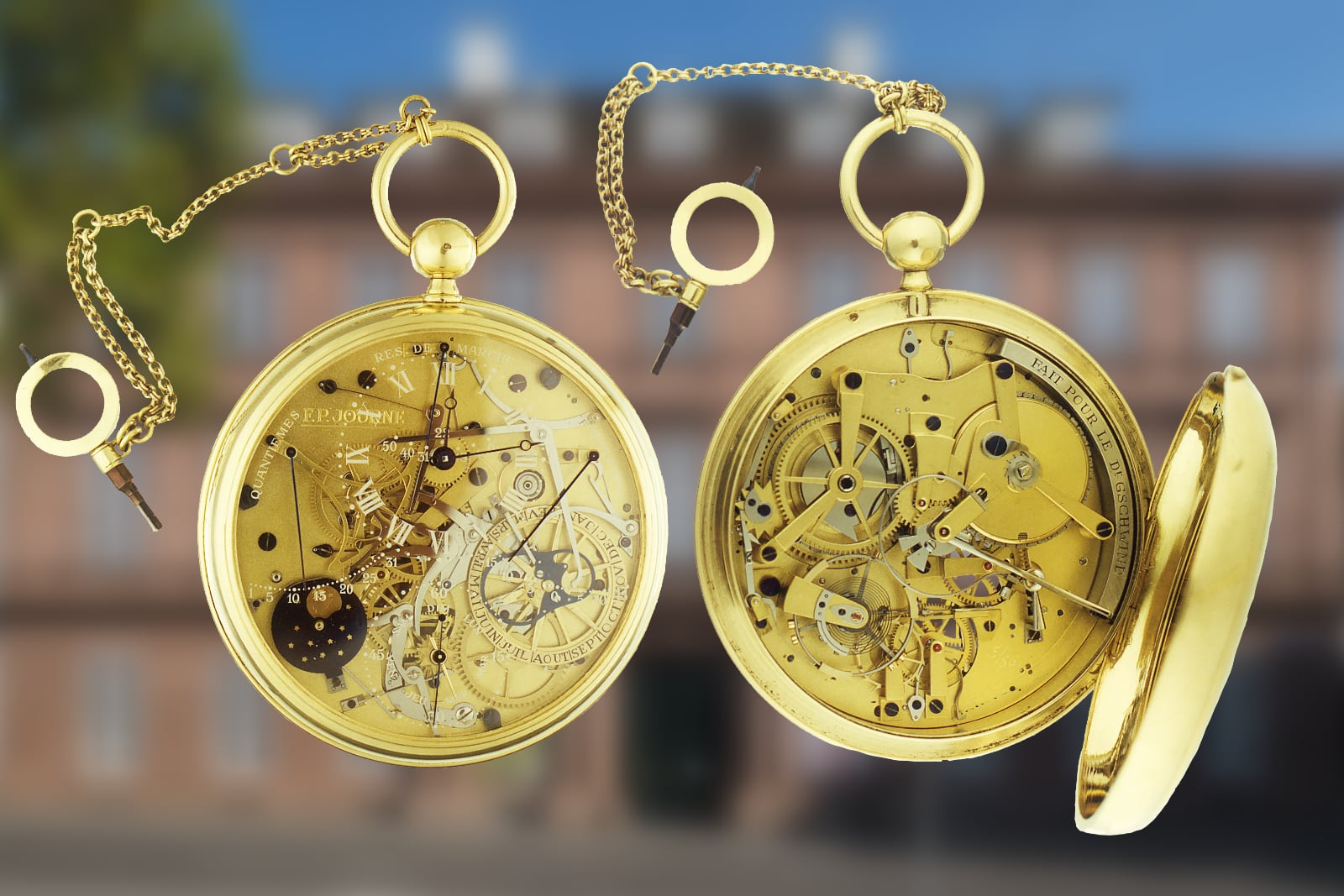
François-Paul Journe’s 5/86 pocket watch, Dr Gschwind’s second commission. Image SJX composite – F.P. Journe
In 1986, François-Paul Journe completed another commission for Gschwind, known as Watch No. 5/86. If the tourbillon with 15-second remontoir had been a challenge to Daniels, this watch was a challenge to history itself.
Gschwind demanded a mechanism of absurd complexity for the time, directly inspired by Salomon’s stolen Breguet No. 160, the so-called “Marie Antoinette”. Among other complications, the watch had to include a chain and fusée to equalize the mainspring torque, a five-second remontoir to further refine the power delivery to the detent escapement, equation of time, and a retrograde perpetual calendar.
The watch was a manifesto. It was Gschwind proving that the most difficult challenges in horology could still be solved by a single pair of hands.
The result of this patronage was profound. The prototype 3/84 became the seed of the Tourbillon Souverain. When F.P. Journe launched his own brand in 1999, the first model, the watch that the manufacture was built on, was the direct descendant of Gschwind’s dinner-table challenge.
The final arrangement
In 1981, Gschwind retired from dentistry. He spent the last decade of his life ensuring that his “family” of objects would not be scattered to the winds. He had seen too many great collections, like those of Farouk and Webster, dissolved by the gavel, the history diluted by dispersal.
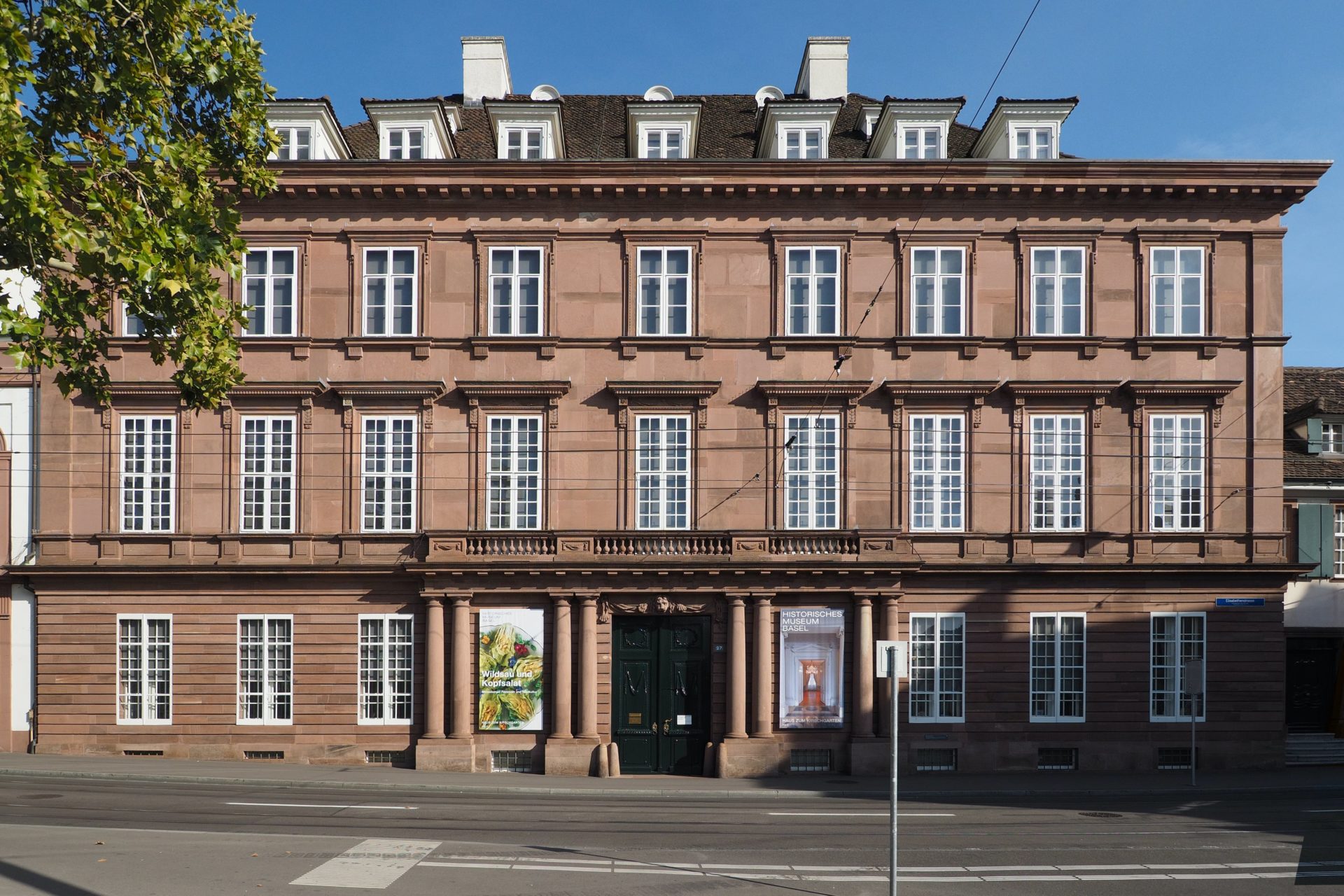
The Historisches Museum Basel at the Haus zum Kirschgarten. Image – Wikipedia
On September 29, 1981, he signed a pact with the Canton of Basel-Stadt. The agreement was specific and protective. He dedicated his collection to a foundation, the Dr. Eugen Gschwind-Stiftung.
The City agreed to house it in the Haus zum Kirschgarten, a patrician palace that provided the correct 18th-century context for his clocks and watches. In return for donating his life’s work, the city guaranteed its maintenance and, crucially, agreed that upon his death, the collection would become Universitätsgut — university property. It was to be a tool for learning, not a portfolio of assets.
Dr. Eugen Gschwind died in November 1991. Today, his legacy is tri-located, spread across the geography of the watch world he helped build.
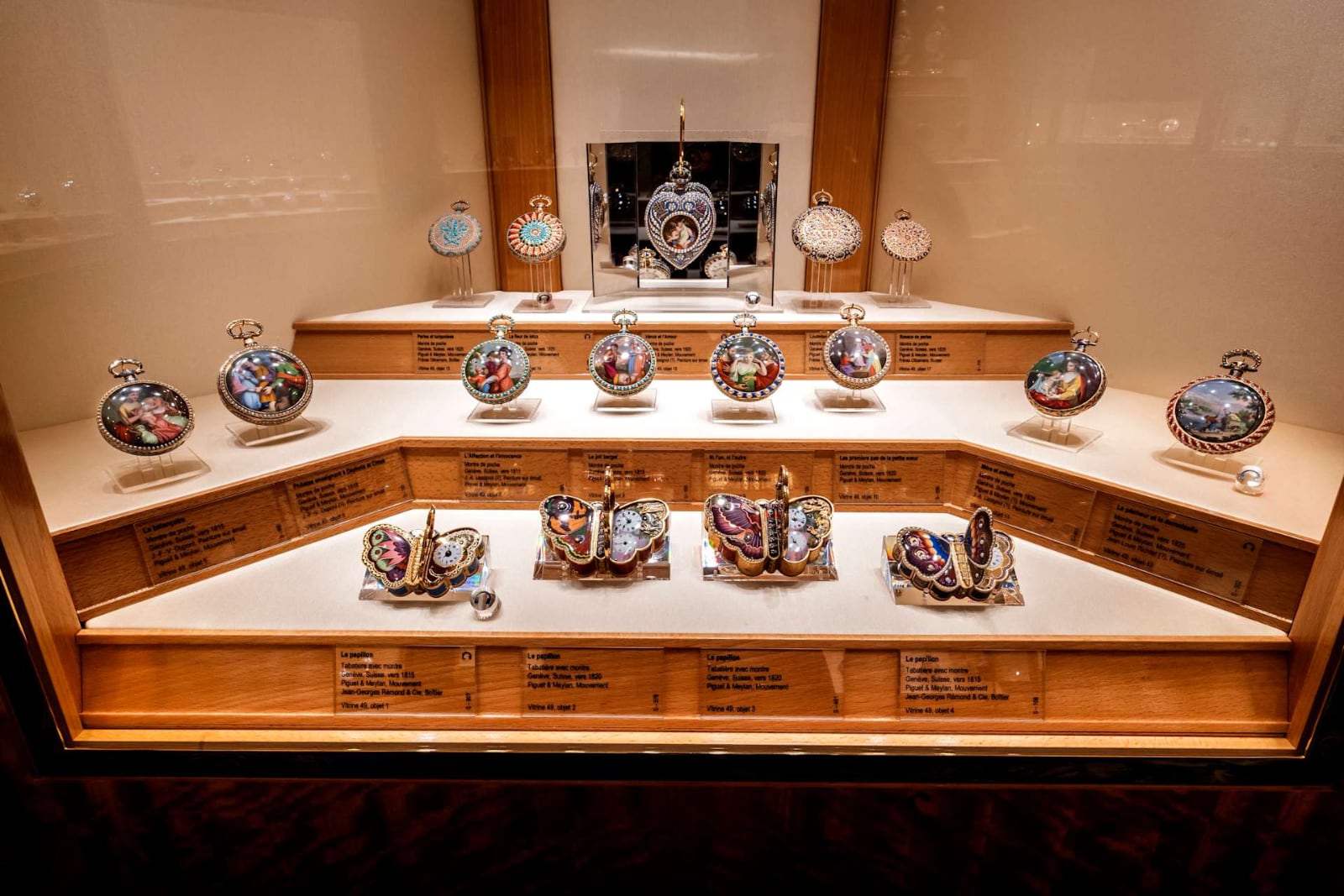
Patek Philippe Museum. Image – Patek Philippe
His antiques reside in the rooms of the Haus zum Kirschgarten in Basel, ticking in the same rhythm as they did in his home on Rosentalstrasse. His library and his personal Patek Philippe reside in Geneva, in the Patek Philippe Museum, reunited with the Madelainy globe watch he once helped Seth Atwood acquire.
Finally, his spirit resides on the wrist of every collector wearing an F.P. Journe Tourbillon Souverain, inside the constant heartbeat of the one-second remontoir he demanded when everyone else said it impractical, if not impossible.
He bought exceptional objects at tomorrow’s prices, and by doing so he helped ensure that, for the art of fine watchmaking, there would actually be a tomorrow.
Acknowledgments
I am grateful to Dr. Gudrun Piller, Curator of the Historical Department, and Daniel Suter, Image Coordinator, both of the Historisches Museum Basel, for their generous assistance and for providing images from the Dr. Eugen Gschwind collection. My thanks also to the Dr. Eugen Gschwind-Stiftung for permission to reproduce archival material.
My thanks to Dr. James Nye, chairman of the Antiquarian Horological Society for providing access to historical photographs from the Society’s archives, including scans of 35mm slides from the 1957 study group taken by R.H. Miles.
Back to top.