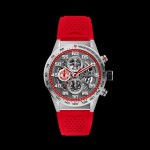
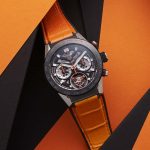
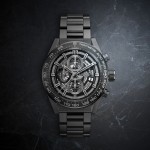
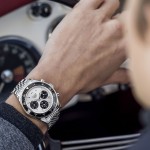
After the unexpected departure of its last leader at the start of the year, TAG Heuer has announced Béatrice Goasglas will take over as chief executive officer starting May 1, 2026. Currently president of the brand’s Americas division, Ms Goasglas’ background lies in digital marketing and client experience.
She joined TAG Heuer in 2018 as vice-president of Digital & Client Experience, before rising to head the Asia-Pacific market. Notably, she worked with Frederic Arnault on Connected smartwatch during her stint at TAG Heuer headquarters, at the time one of the brand’s most important projects. Mr Arnault rose to chief executive of TAG Heuer, then moved on to head the LVMH Watch Division. He is now leading “quiet luxury” label Loro Piana, although Mr Arnault is known to retain an eye on the watch brand he once led.
Prior to that, she held digital marketing and client-relations roles in fashion and cosmetics. While this background e-commerce and client relationships is an unusual background for the chief of a mainstream watch brand, it is perhaps useful and fitting for the luxury watch industry in the 21st century, and also revealing as to where TAG Heuer wants to go.
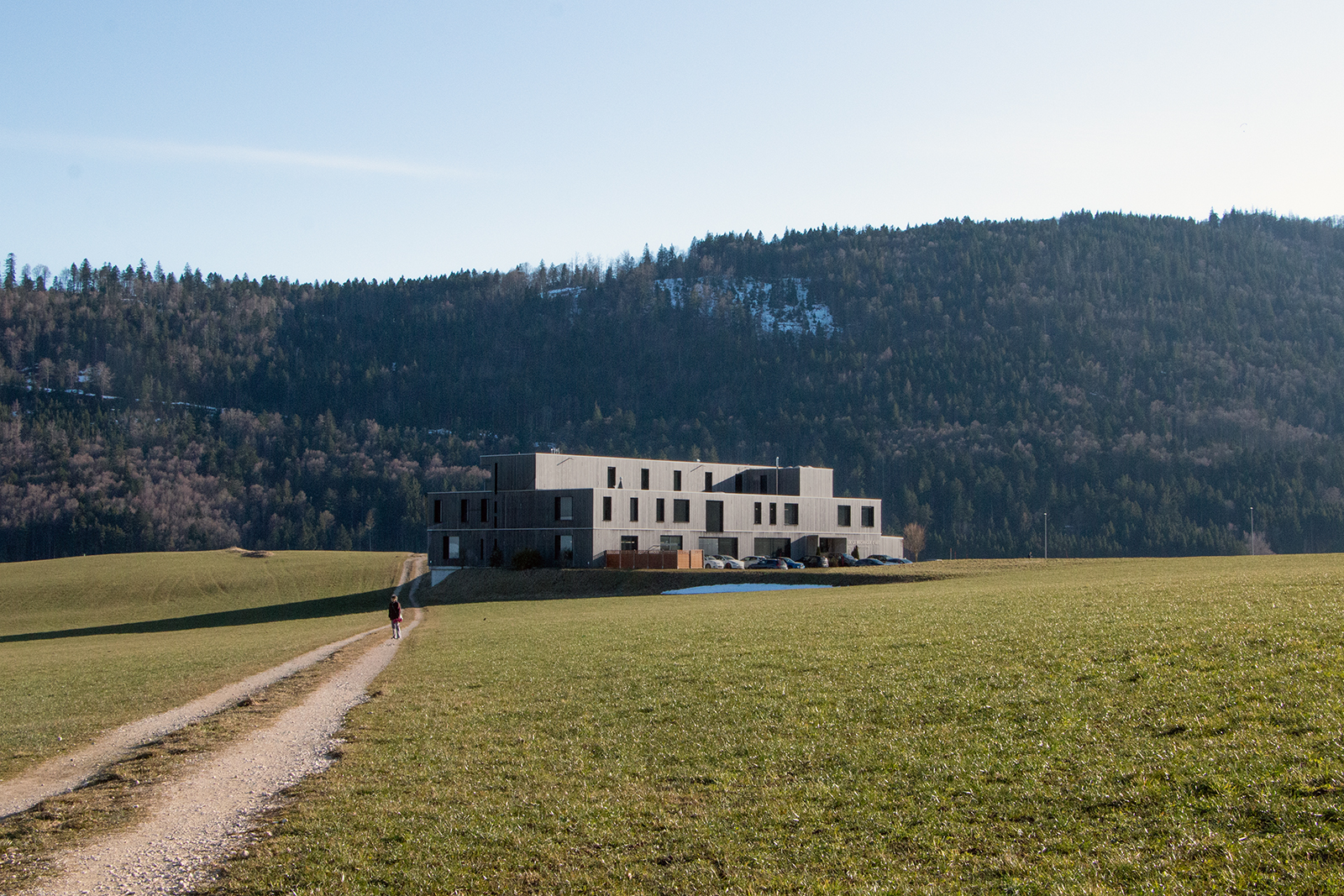
The Jura balcony awakens under the March sun. Between sky and mountains, the village of Sainte-Croix and the l’Institut de la Mécanique d’Art (IMA), seem suspended in silence. Yet behind this tranquillity lies one of the most remarkable centres of mechanical art, also known as the automata, for the institute is home to the Association Mec-Art pour la Mécanique d’Art.
“Watchmaking mechanics is industry – serial production. Mechanical art is about unique pieces, for which we use entirely different methods. Some brands focus exclusively on one or the other, while others operate at the crossroads of both – like De Bethune,” explains Denis Flageollet, the cofounder of De Bethune who founded the Association Mec-Art in 2016 together with François Junod and Nicolas Court, both automaton makers.
IMA occupies the building originally constructed by Reuge in 2016, which was acquired by De Bethune in 2023. The building now hosts mechanical art activities for Reuge, Van Cleef & Arpels and De Bethune, as well as the Association Mec-Art.
“Mechanical art depends on an ecosystem of artisans,” he adds, pointing to the uniquely concentrated geography of Sainte-Croix, “the only town where all these skills coexist.”
François Junod agrees, “We live in a natural incubator. Here, everyone talks about mechanical art.” It is precisely for this reason that when Junod was invited to set up shop in Silicon Valley after delivering an automaton capable of writing 1,458 different poems in homage to the Russian poet Alexander Pushkin, he simply declined.
Forged by metal, mechanics and craftsmanship
The relationship between the region and mechanics runs deep. As early as the 15th century, a bloomery furnace for metalworking operated here. The tradition of forging continues today through Denis Flageollet, who experiments with historical techniques and casts his own alloys. De Bethune’s workshops are just a 10-minute drive from IMA.
The region initially supplied components to Geneva watchmakers. In the 19th century, watchmaking thrived in Sainte-Croix. By 1878, 23 manufacturers were producing nearly 23,000 watches a year in the town, employing more than 1,000 workers. But it was the music box, from around 1810 onwards, that would become the signature of this remote town. Around it grew a surprising industry of mechanical items: Bolex cameras, Hermès typewriters, gramophones, and Kandahar ski bindings.
The arrival of electronics and quartz technology weakened this ecosystem and its heritage. The renowned collection of music boxes assembled by Guido and Jacqueline Reuge even left its birthplace for Kyoto, where they are now on display at the Kyoto Arashiyama Orgel Museum.
Denis Flageollet has dedicated one of the spaces at the IMA to acoustic research, bringing in specialist luthier Tiphaine Gallucci – work that will benefit Reuge, as well as other creators of the institute.
The architects of a revival
Yet in the 1980s and 1990s, watchmakers, mechanics and artisans began settling once again in Sainte-Croix. The catalyst was the creation, in 1983, of the Centre International de la Mécanique d’Art (CIMA). Founded in 1986, it formalised the very term mechanical art, giving a name – and a framework – to these practices.
Automaton makers, restorers of music boxes and antique clocks, micro-mechanics workshops, watchmakers, harp makers, marquetry specialists, cabinetmakers and even a stained-glass artisan all became part of the ecosystem. The centre successfully preserved and attracted new skills.
Denis Flageollet was among the pioneers behind the village’s renaissance. “After working with Michel Parmigiani in Fleurier, I joined Dominique Mouret, a restorer, here in Sainte-Croix. I stayed to co-found THA [Techniques Horlogères Appliquées] with François-Paul Journe, soon joined by Vianney Halter,” he recalls, “We found space here – but above all an extraordinary technical memory, carried by exceptionally skilled mechanics.”
THA itself later attracted further talents, including Sylvain Pinaud, who would also remain in Sainte-Croix.
Denis Flageollet in the ground-floor workshop of the Institute of Mechanical Art, equipped with machining tools used to produce components for automata, clocks and music boxes.
Passing on the craft
Today, the challenge is once again to safeguard these skills – now mastered by only a handful of artisans – and ensure their transmission to the next generation.
The Association Mec-Art continues the mission once carried by CIMA – now the Musée de la mécanique d’art et du patrimoine de Sainte-Croix (MuMAPS), following its merger with the Arts and Sciences Museum and the Baud Museum. Mec-Art pursues this legacy through creative projects and educational initiatives, also benefiting from the recognition of watchmaking and mechanical-art know-how on UNESCO’s list of Intangible Cultural Heritage.
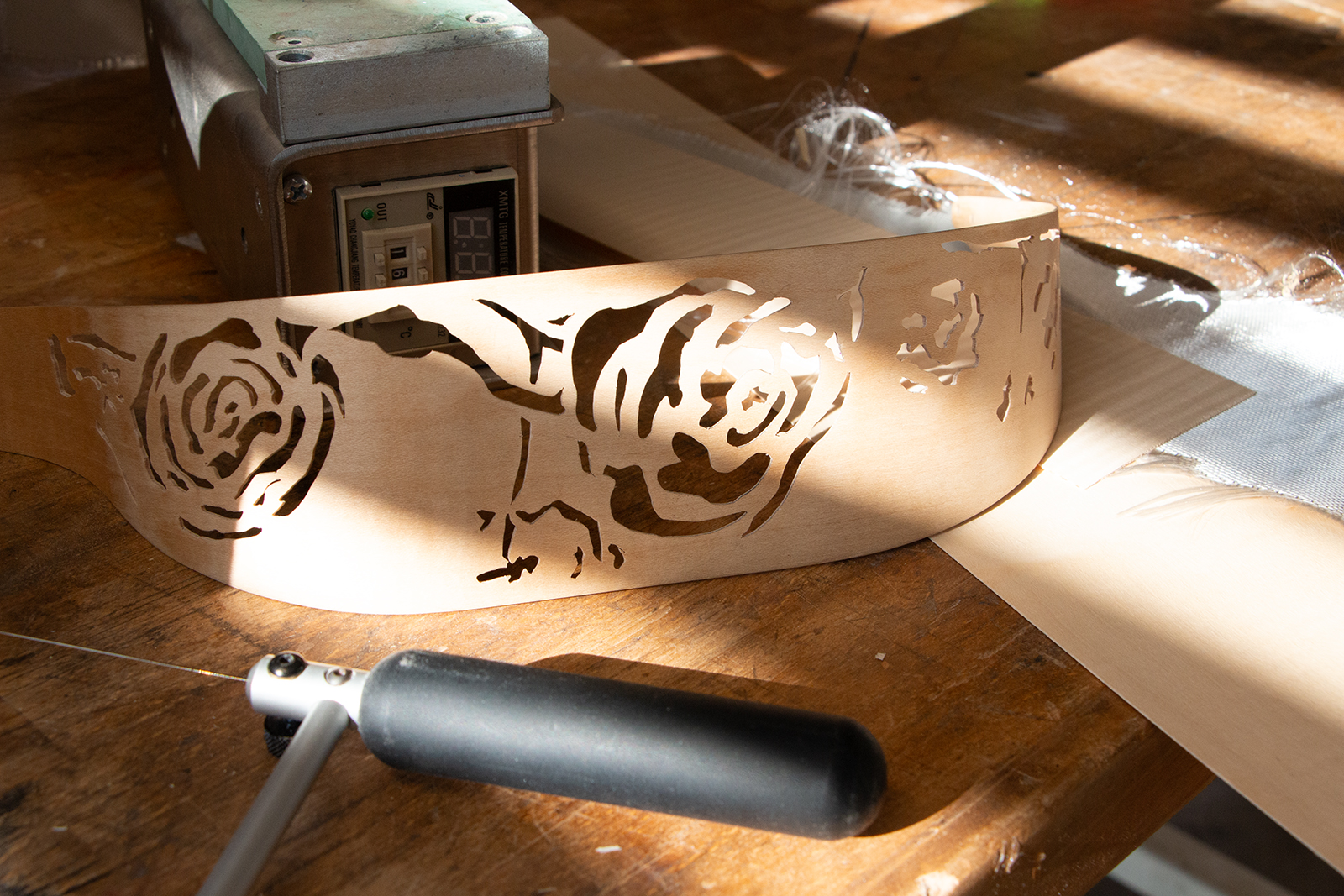
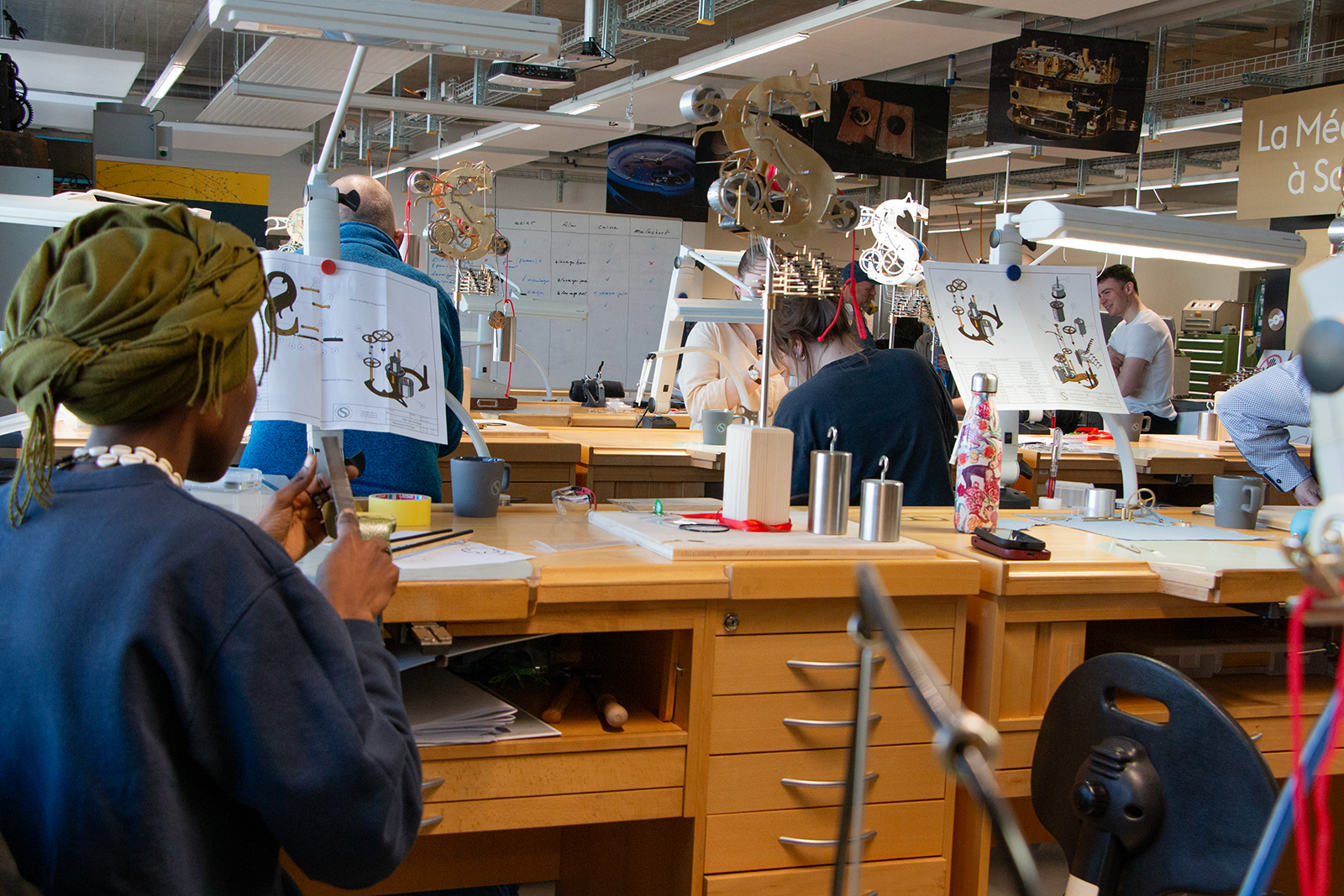
At the IMA, an introductory training course is currently underway. About ten participants of all ages and backgrounds – no prior experience required, only motivation –assemble and decorate their own musical automata, gaining hands-on insight into the foundations of mechanical art: automata making, singing birds, music boxes and artisanal horology.
The aim? “To perform at least once every gesture involved in mechanical art,” explains Pierre Fellay, director of Mec-Art. “This exercise immerses students in the entire local ecosystem that keeps this universe alive.” Over 160 hours, participants alternate time at the workbench with visits to artisans’ workshops and museums.
Each student assembles, personalises – including the choice of music – and decorates their own automaton.
The future of mechanical art
Amid the automata and the students, François Junod marvels at the art he has practiced for more than forty years. In his hands is a sphere composed of interlocking conical helical gears, articulated around a central cube.
“This could never have been assembled by hand. It can only exist thanks to modern software and the additive growth of material through 3D printing.” Or perhaps, he adds with a smile, with the patience of an ant – a task that would have taken months.
Modern tools leave far more time for the creative side of building automata. “In the past, we spent countless hours shaping cams with a jeweller’s saw and a file,” says the Sainte-Croix native with a smile, “If Michel Bertrand, who trained me and only knew that era, could see this!”
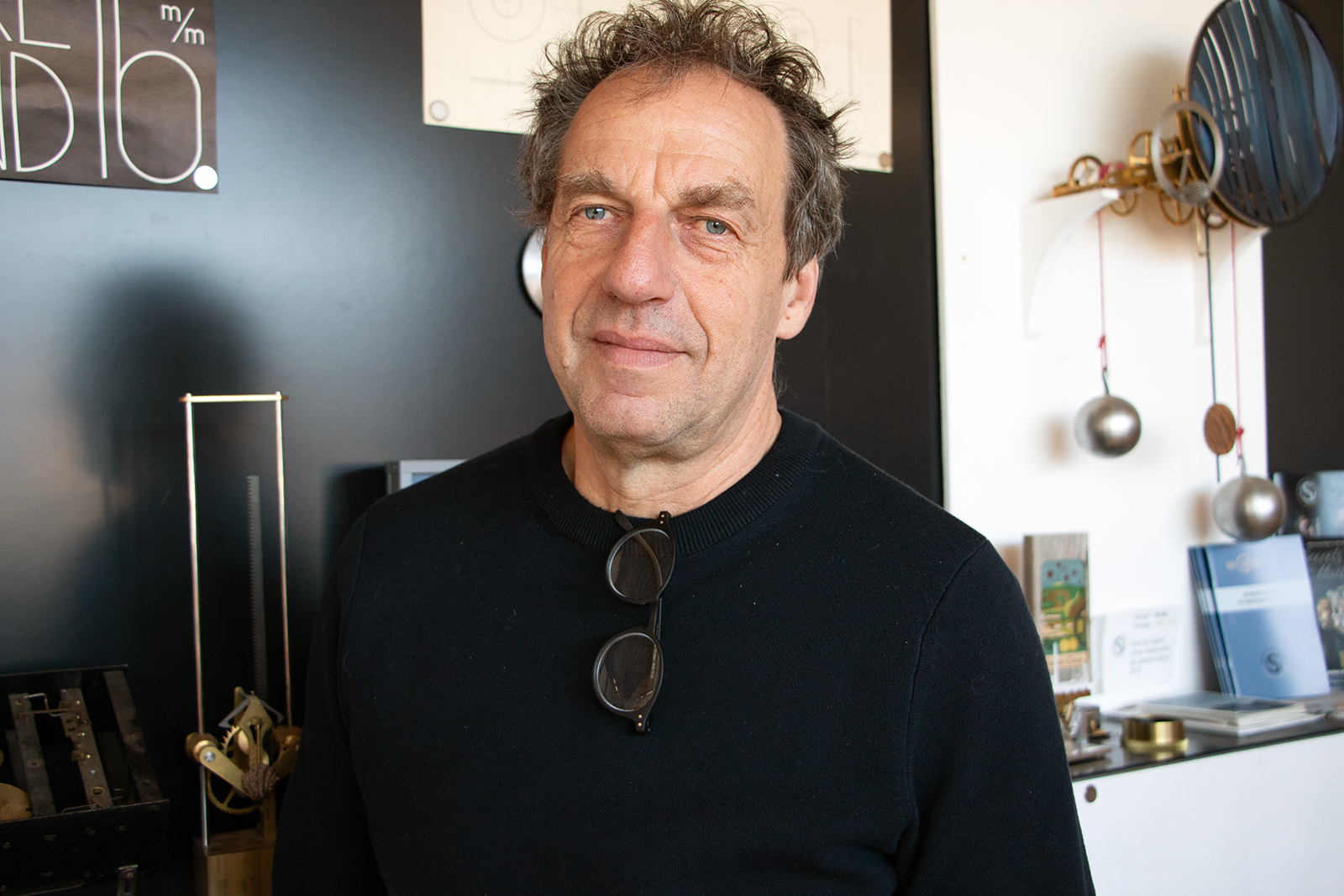
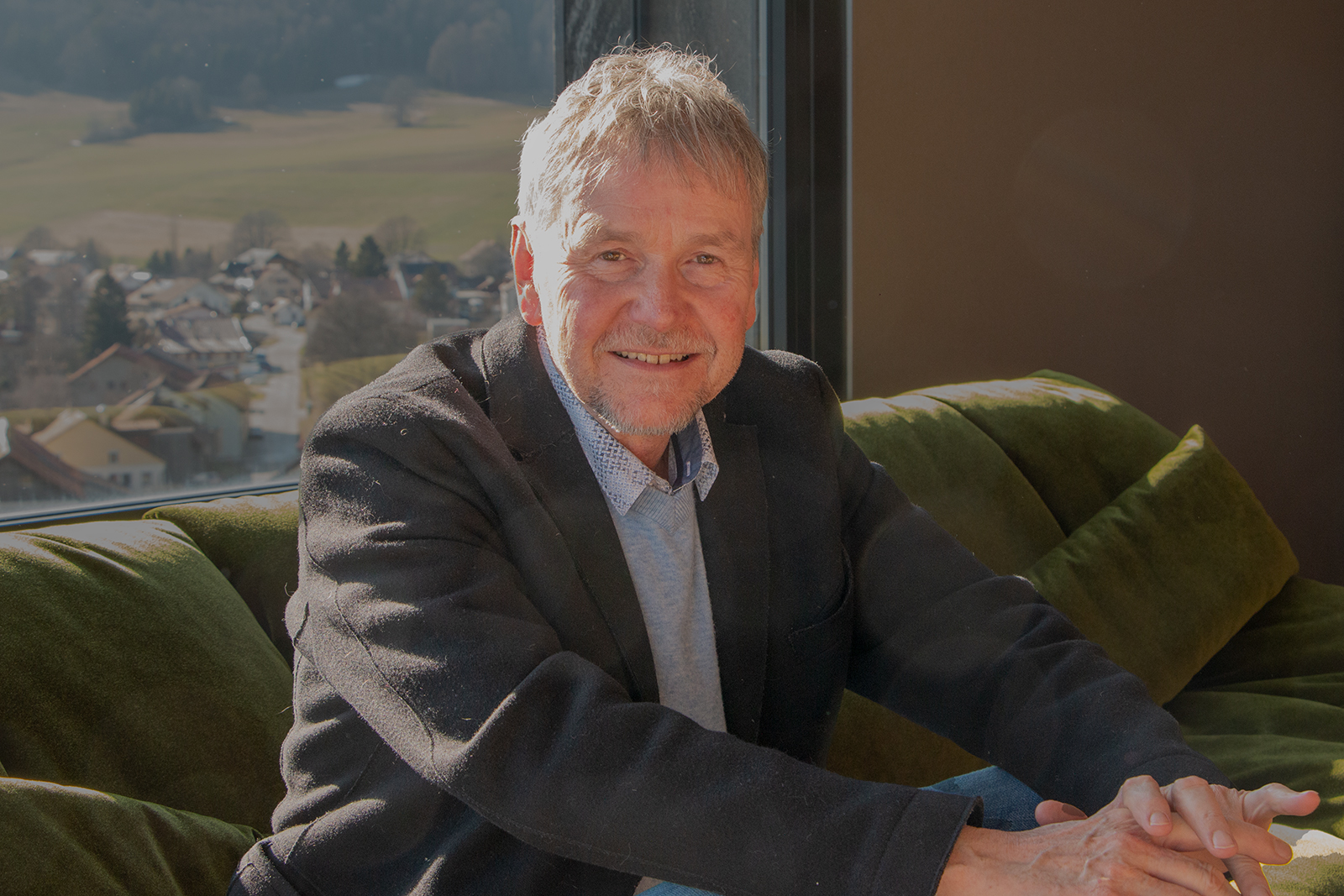
François Junod at the Institute of Mechanical Art, overlooking the village of Sainte-Croix, in a showroom displaying music boxes, mechanical art and related books.
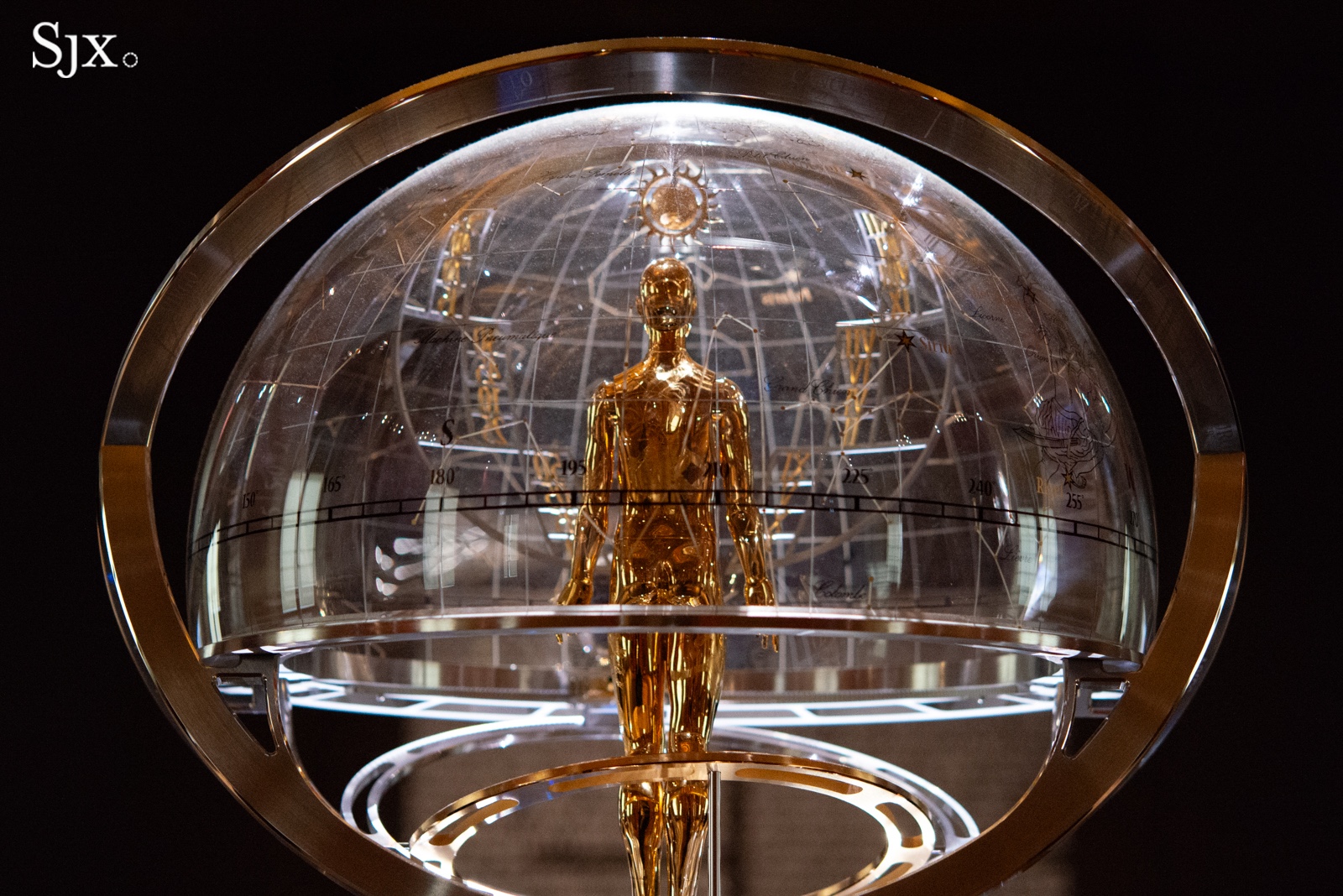
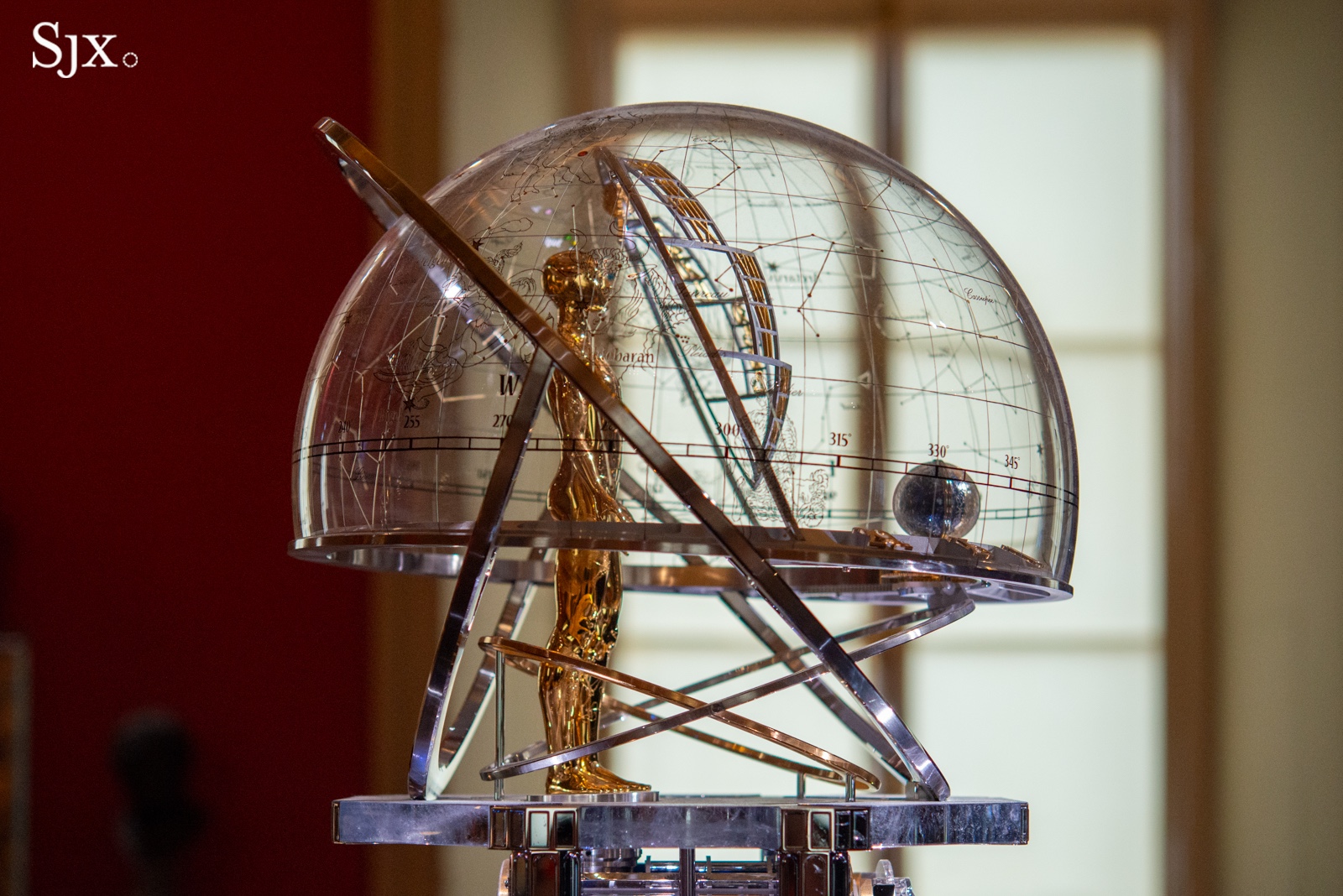
The automaton of the astronomical clock La Quête du Temps, created for Vacheron Constantin, illustrates these new possibilities. Ultra-resistant tungsten cables – a material also used in aeronautics and space engineering – connect the automaton to the mechanism.
Another major evolution lies in the design of the cams that animate the Astronomer, the automaton within the monumental clock. “We first defined the movements using a life-size person. Then, through digital simulation, we designed the cams capable of reproducing those exact movements on the automaton,” explains Mr Junod.
La Quête du Temps automaton clock by Vacheron Constantin.
Powerful supporters
Does technology diminish the magic of mechanical art? For Mr Junod, the fascination of automata remains intact. “Younger generations are increasingly interested in them,” he says.
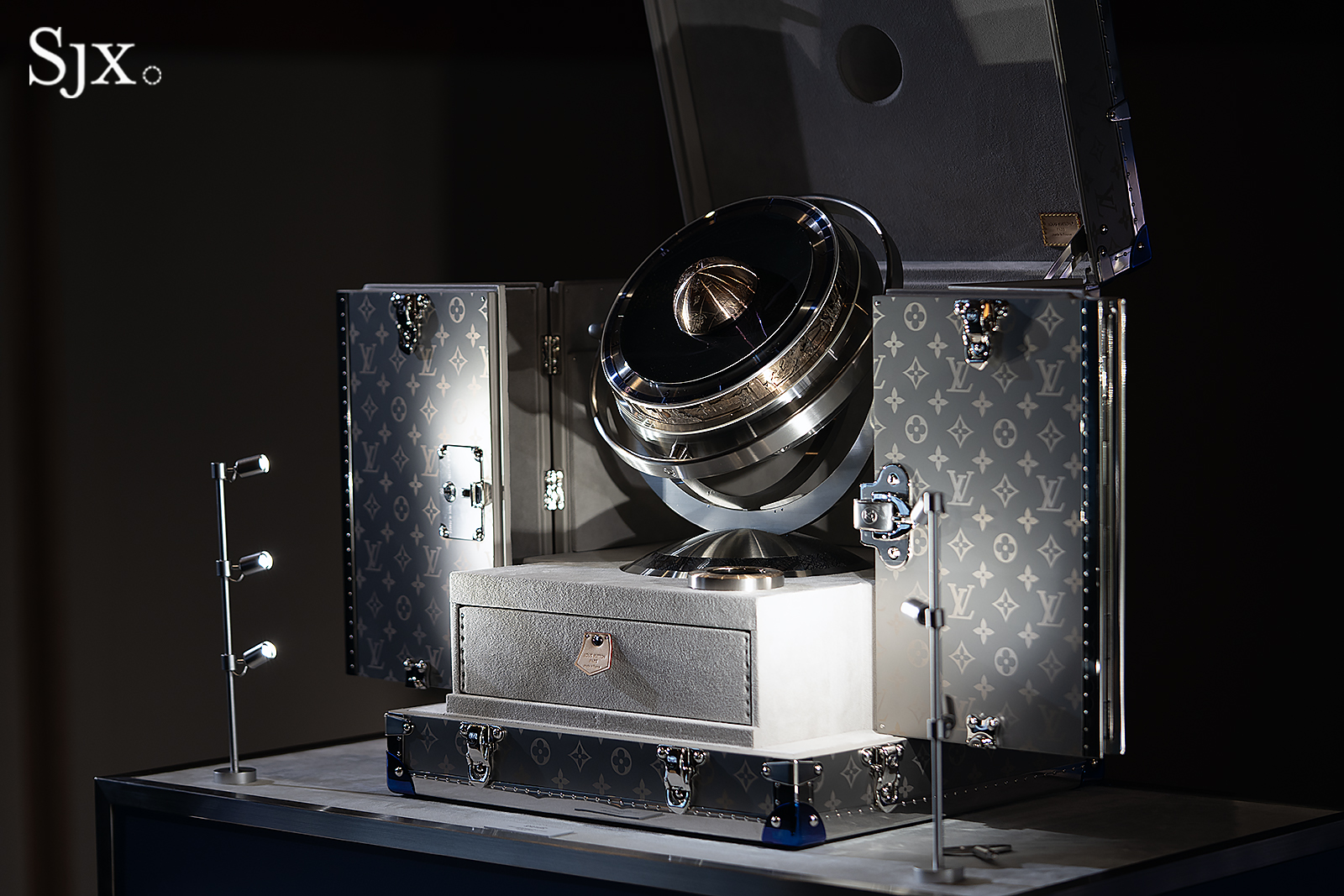
A sign of this renewed attention came in 2017, when Van Cleef & Arpels began collaborating with him on the Fée Ondine automaton. Other brands have since followed the path of mechanical art, including Vacheron Constantin – which had already worked with him in 2005 for an earlier clock – and Louis Vuitton, notably with its recent LVDB-03 Louis Varius Project. In 2024, LVMH acquired L’Epée 1839, the historic Swiss manufacturer specialising in high-end mechanical clocks. Such commissions help sustain the many crafts involved in the making of mechanical art.
The Louis Vuitton x De Bethune LVDB-03 Louis Varius Project clock
During a round-table discussion on the subject, Jean Arnault, director of Louis Vuitton Watches, noted “automata bring a unique emotional and cultural dimension” to contemporary objects.
A conviction that resonates here. As the sun sets and the air cools along the Jura ridges, the dedication of mechanical-art enthusiasts – from the artisans of Sainte-Croix to the big brands – continues to allow human hands to breathe life into matter.