

Moser’s Streamliner Goes All-Ceramic for the First Time
Case and integrated bracelet in ceramic.
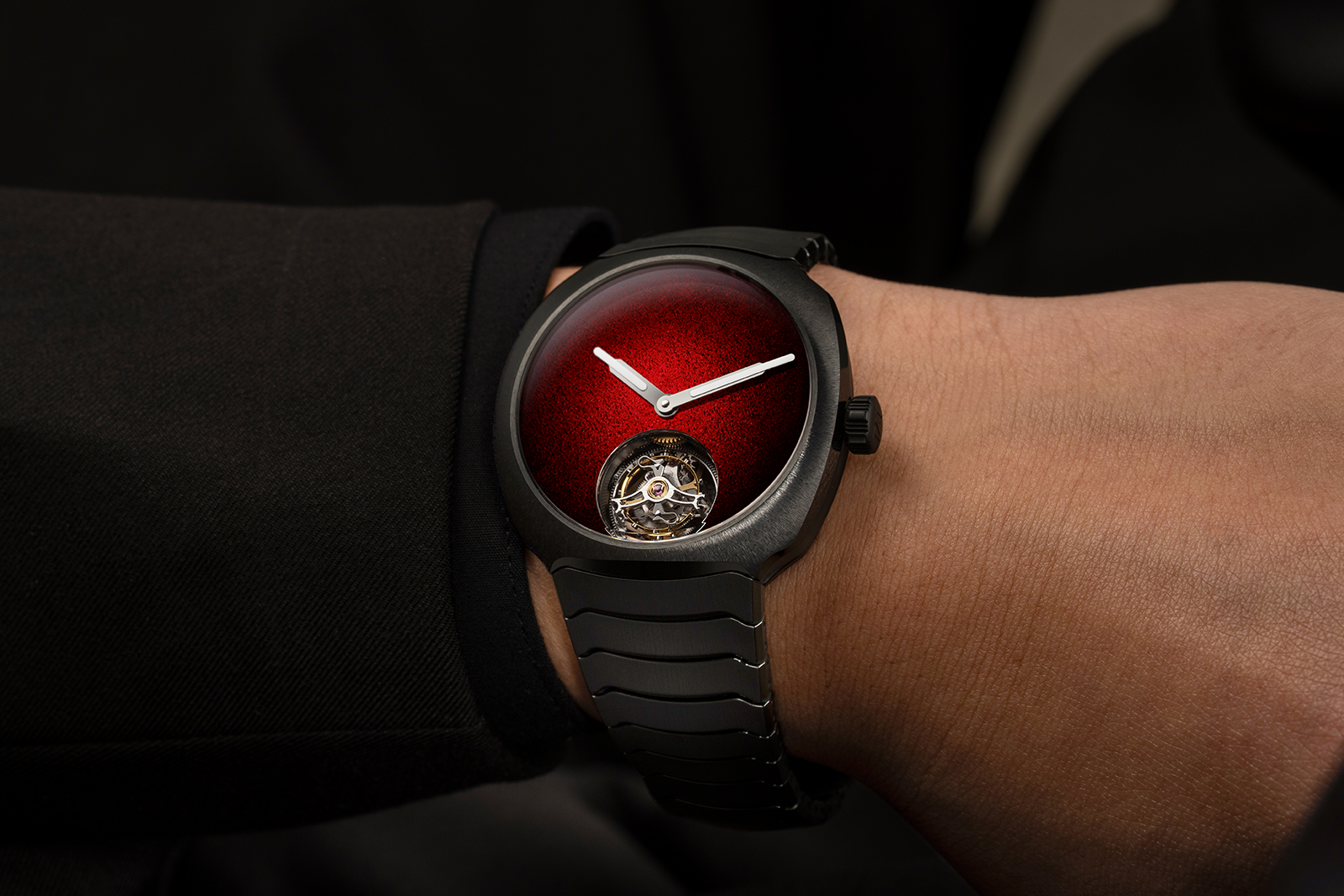
H. Moser & Cie. dips its toes into ceramic for the first time with the Streamliner Tourbillon Concept Ceramic, a bold watch that blends an original design with the high-tech proprieties of ceramic. Despite being a variation of a well-known model at its core, the new Streamliner is unexpectedly different and appealing, especially with a hand-finished ceramic bracelet, an unusual feature even in its segment.
Initial thoughts
The use of ceramic materials in watches is no longer a novelty. The inert and hard material is appealing for its near-invulnerability to scratches and high tech feel. Ceramics are typically employed for either for aesthetic or technical purposes, but usually for watch cases, while ceramic bracelets are almost exclusively the preserve of large brands that can afford working with the hard-to-machine material.
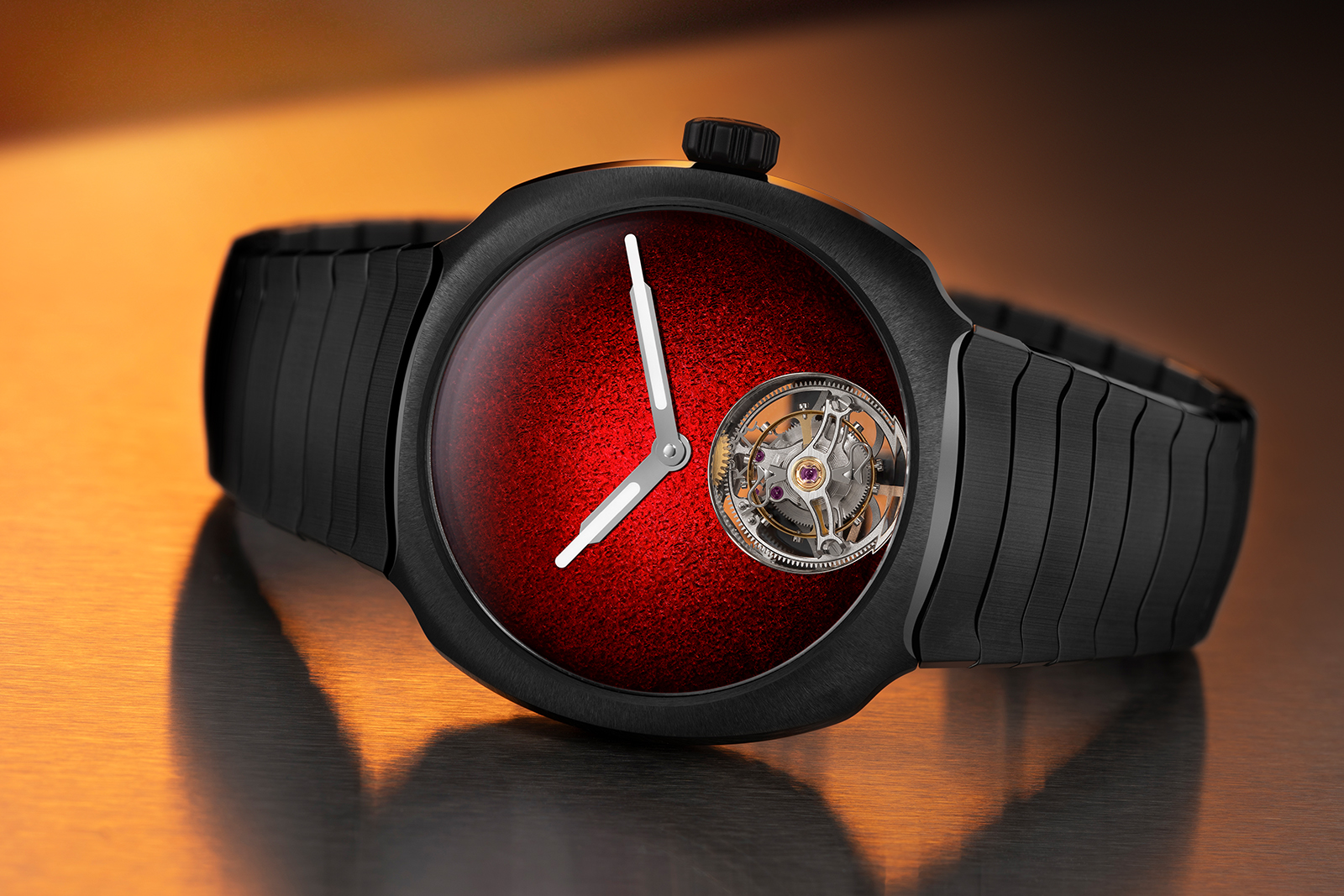
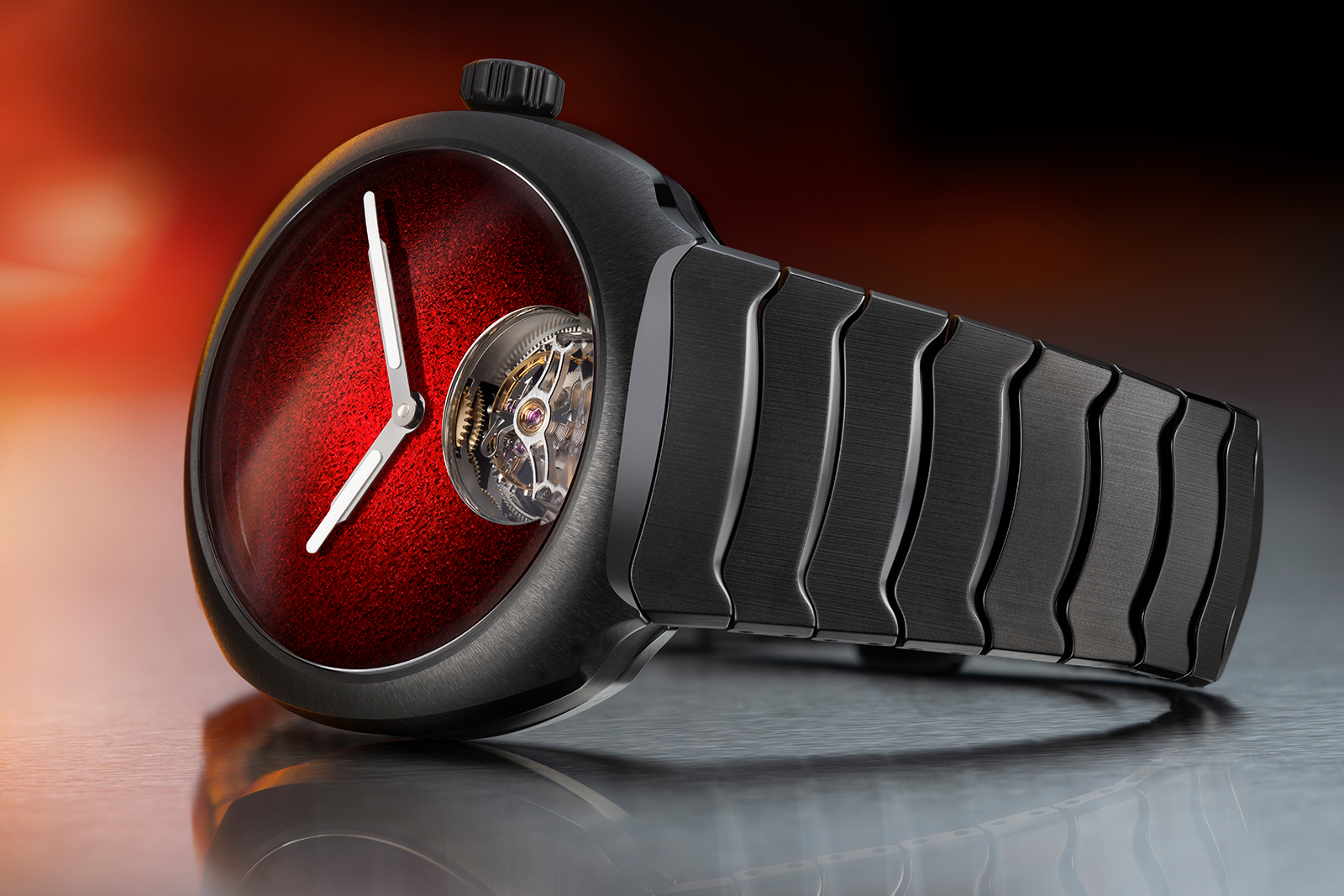
Though still a niche brand, H. Moser & Cie.’s bestselling Streamliner is dressed entirely in ceramic, with a ceramic case paired with a ceramic bracelet. An all-ceramic bracelet is a rare sight from a brand of Moser’s scale.
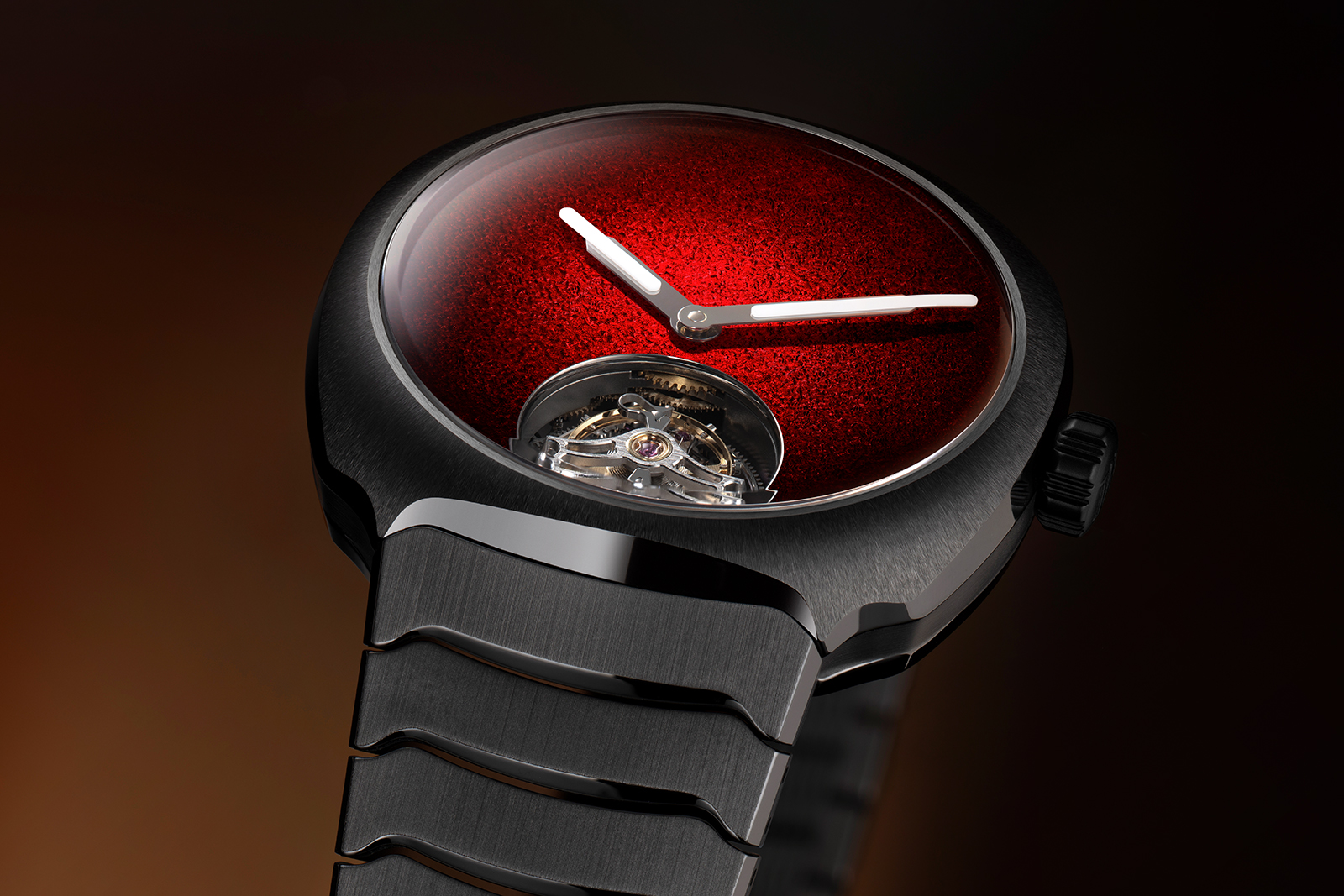
The matte, brushed finish of the ceramic exterior is at the opposite end of the colour spectrum compared with the bright red yet minimalist dial, giving this the signature Moser look. The granular, glossy finish of the fired enamel dial contrast and complements the matte, stealthy sheen of ceramic.


The watch is paradoxical in some ways. Pairing Moser’s first ceramic case and bracelet with a tourbillon is somewhat incongruous, since the high-tech, performance-oriented nature of the material would arguably suit the Streamliner Chronograph better; I hope to see an all-ceramic chronograph.
In terms of mechanics, the Streamliner Concept Ceramic uses Moser’s tried-and-tested tourbillon calibre that’s competent but not revolutionary. Moser should have arguably extended the “Concept Ceramic” into the movement with functional ceramic parts; though in Moser’s defence, there may be existing patents related to ceramic movement parts that prevent this. Precision Engineering, Moser’s sister company that specialises in components, already manufactures hairsprings at scale, so hopefully we’ll see Moser build advanced “concept” movements too.
Smoked white gold
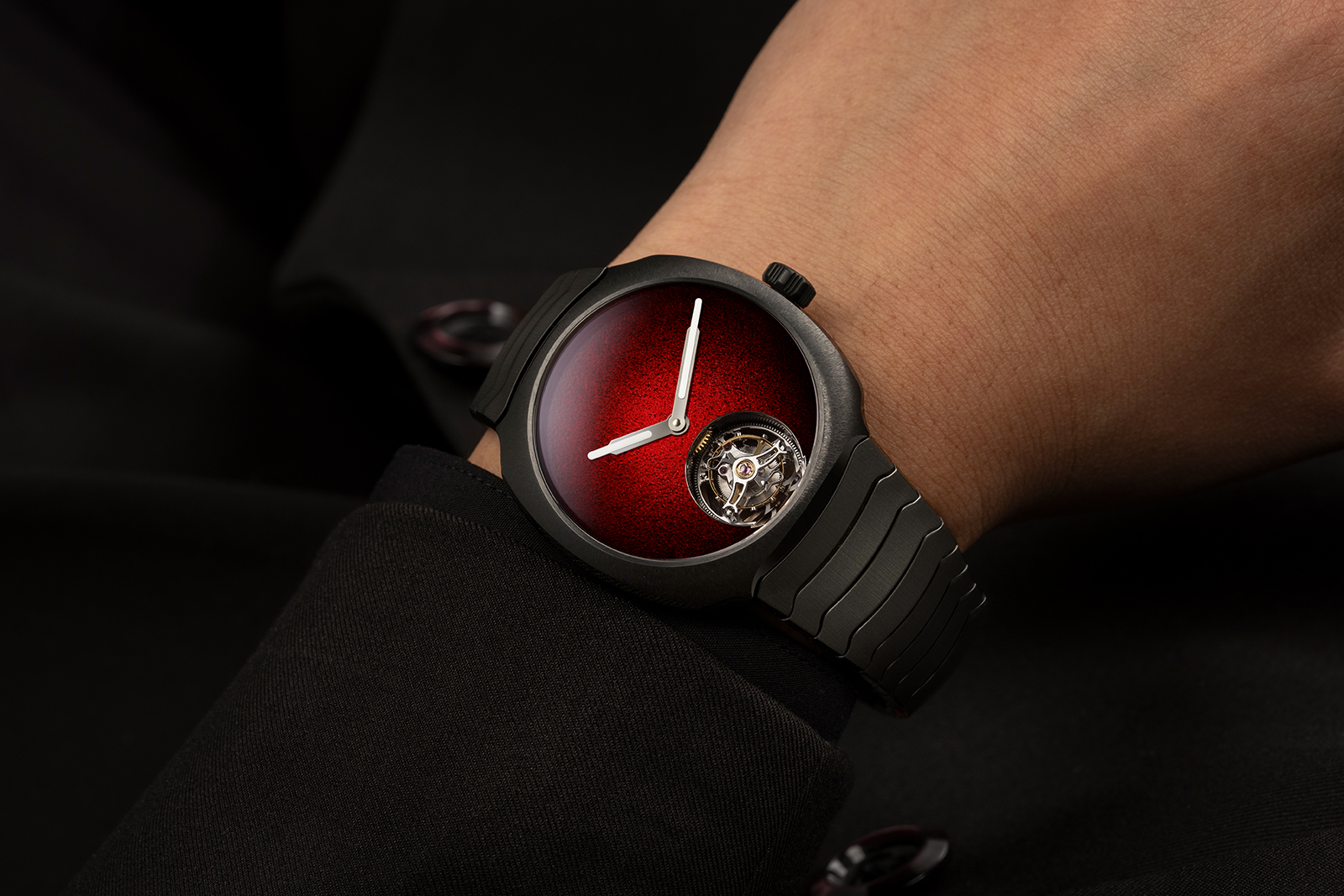
Moser’s calling card has been minimalistic, fumé dials that were originally lacquered brass. Seeing Moser reinterpret its trademark fumé dial with grand feu enamelling is most welcome, although the combination of this traditional method with high-tech ceramic is surely interesting.
The new Streamliner doesn’t disappoint with its dial made up of a hammered white gold base covered in translucent grand feu enamel with a crimson gradient finish created by a blend of two pigments applied in multiple layers and set by successive firings.
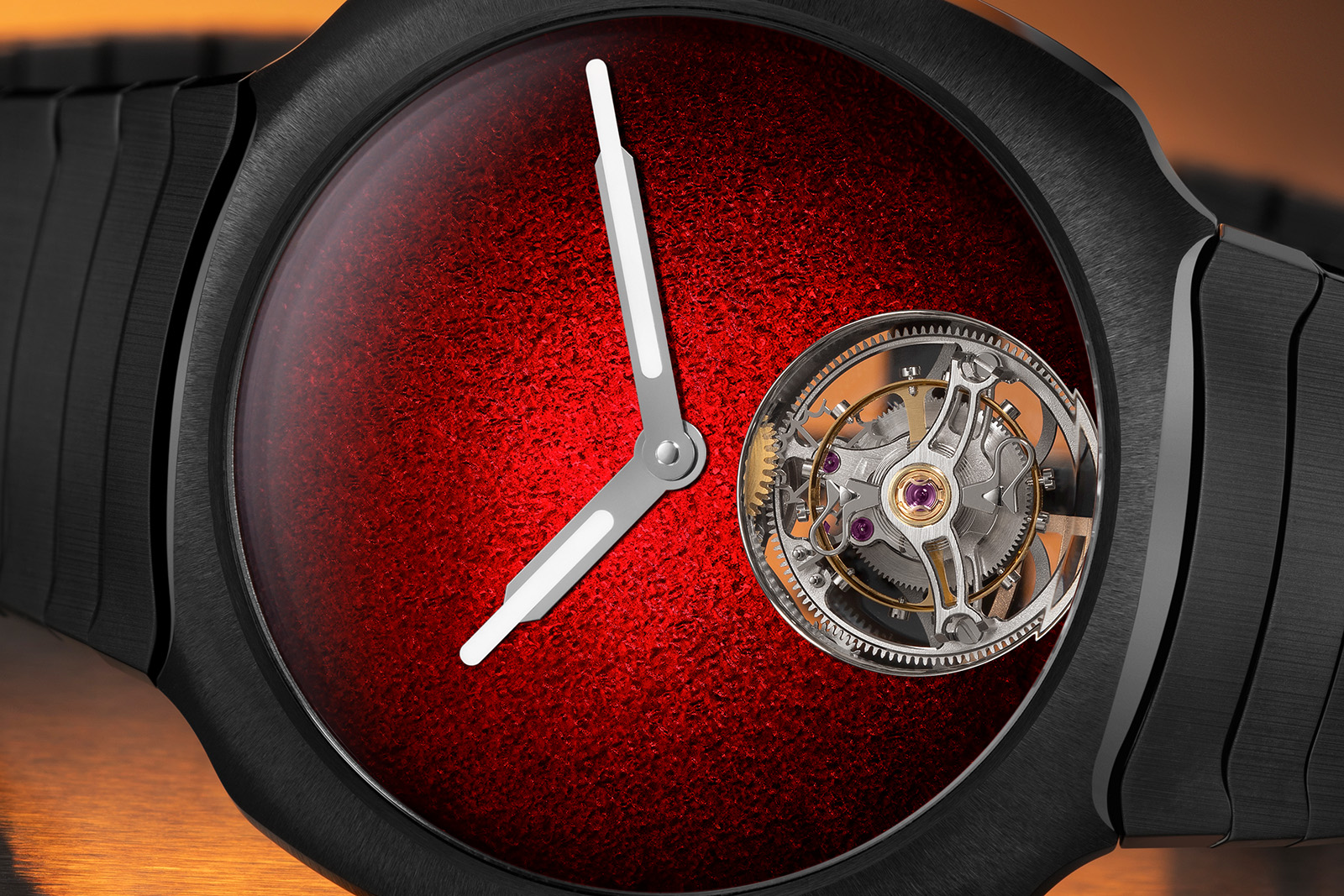
The texture under the enamel layer resembles crumpled paper. The hammered finish is entirely different from the usual velvety smooth surface of lacquered fumé dials, where the bright colour at the centre gradually fades to black toward the edges. Here the transition is slightly gritty, resembling the static background noise of a video signal.
Anthracite ceramic
The black ceramic works well with the sleek, organic lines of the Streamliner case. Due to the ceramic’s base black colour, the texturing creates a dark grey complexion when the light hits it— hence the official description of “anthracite”. Compared to metals, the surface sheen is duller and less pronounced, making for a softer look.
While Moser doesn’t disclose which sort of ceramic the watch is made of, we can guess it’s one of the prevalent industrial ceramics used by the watchmaking industry — so alumina or zirconia are the most probable. Working with industrial ceramics currently falls out of Moser’s in-house production capabilities, so it’s safe to say the raw case and bracelet parts were produced by a specialised supplier.
Due to the ceramic’s hardness, the tooling used machine ceramic case and bracelet parts is limited in some regards. This is evident in the corners that form from different planes, which are not very sharply defined as they would be in metal alloy. While that might bother some, it can be considered a quirk of ceramic.
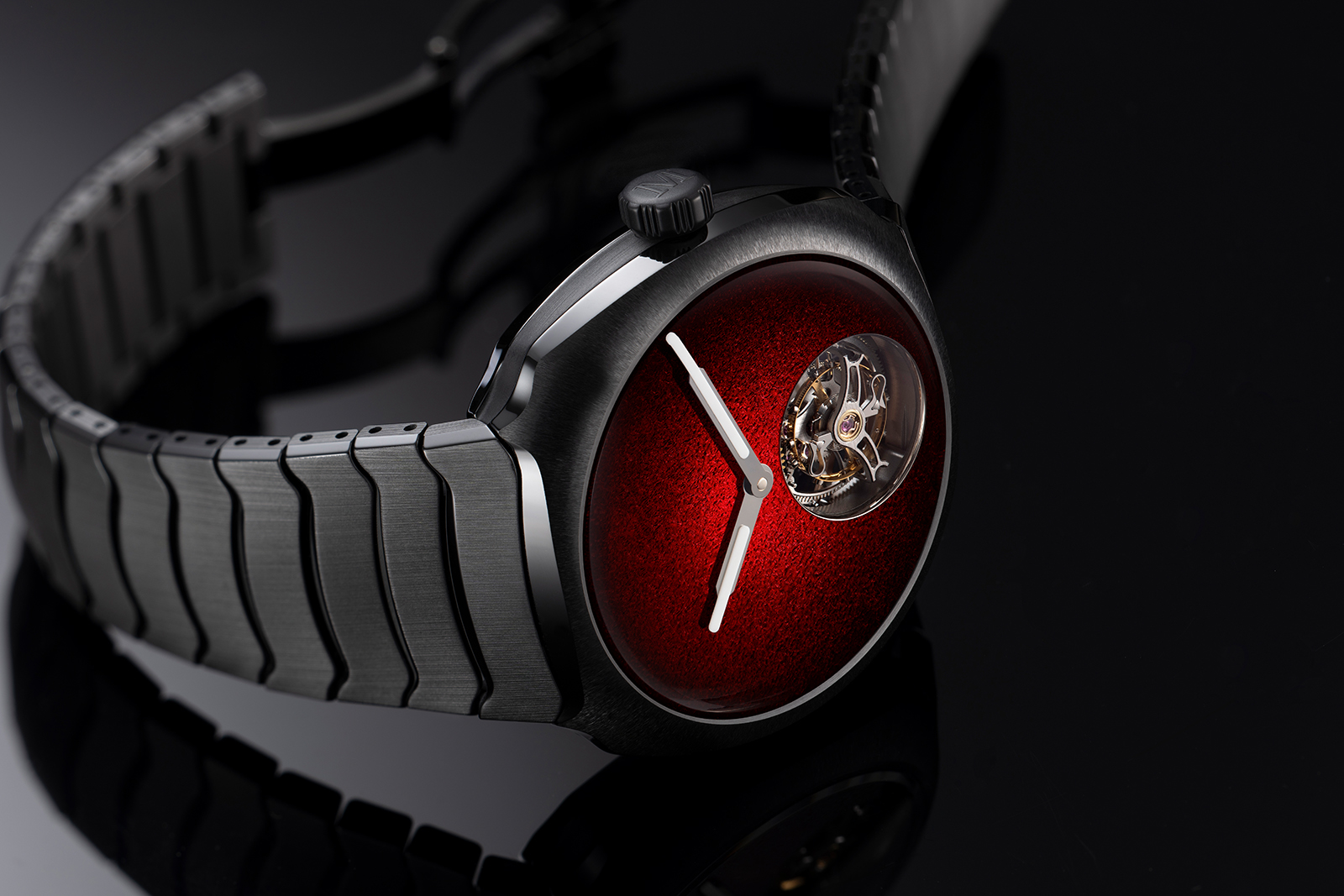
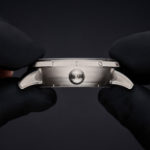
Moser says the ceramic finishes were applied by hand, which is done only by a handful of brands due to the hardness of the material. Audemars Piguet is one other brand that finishes ceramic by hand. The cushion-shaped case measures a comfortable 40 mm across and features the same surface finishing that is particular to all traditional Streamliner cases.
The slightly domed bezel features a solarised brushed pattern, with fine lines radiating from the dial centre. There are also mirror polished bands that run along the edges of case, creating a contrast between the shiny polish surfaces and matte brushing. The same combination of finishing continues in the bracelet links, which blend in with each other and the case almost organically.

A big advantage of ceramic is its overall toughness, which makes it almost impervious to scratches due to daily wear and guarantees the factory finish is preserved. Ceramics, however, are very brittle in nature, so a well-placed impact might crack the case.
This inherent brittleness of ceramic is why the inner case and case back of this Streamliner (and virtually all ceramic watches) are made from metal. Here the 120 m water resistance is guaranteed by a steel case back secured by four screws to the core ceramic case block. In order to ensure a snug fit, the case back is under constant deforming stress, kept tightly against an inner steel case by the four screws.
Ticking inside the Streamliner Concept Ceramic we find the familiar caliber HMC 805. This is Moser’s workhorse tourbillon movement that’s well suited to the sporty Streamliner.
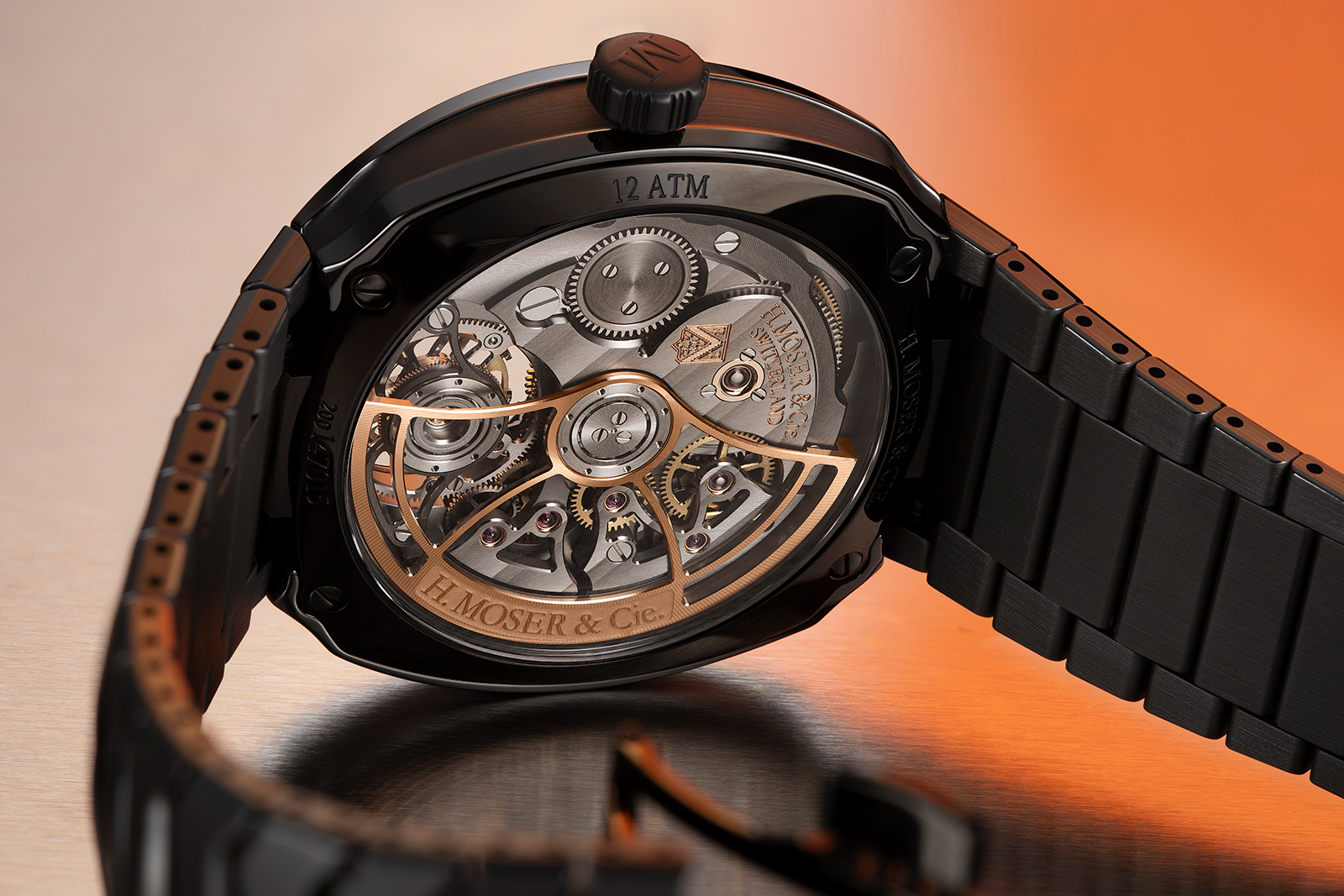
The HMC 805 is proprietary to H. Moser & Cie., but manufactured by an external specialist. Although the tourbillon at six o’clock is of the flying kind, its construction feels sturdy and the inclusion of an automatic winding rotor hints at the practical nature of this timepiece.
The most interesting aspect of this movement is the inclusion of double hairsprings that are offset by 180° and mated to a single balance. Because of their mirrored orientation, the hairsprings’ individual “breathing” defects should cancel each other out, making for a better timekeeping. The free-sprung balance beats at 3Hz.
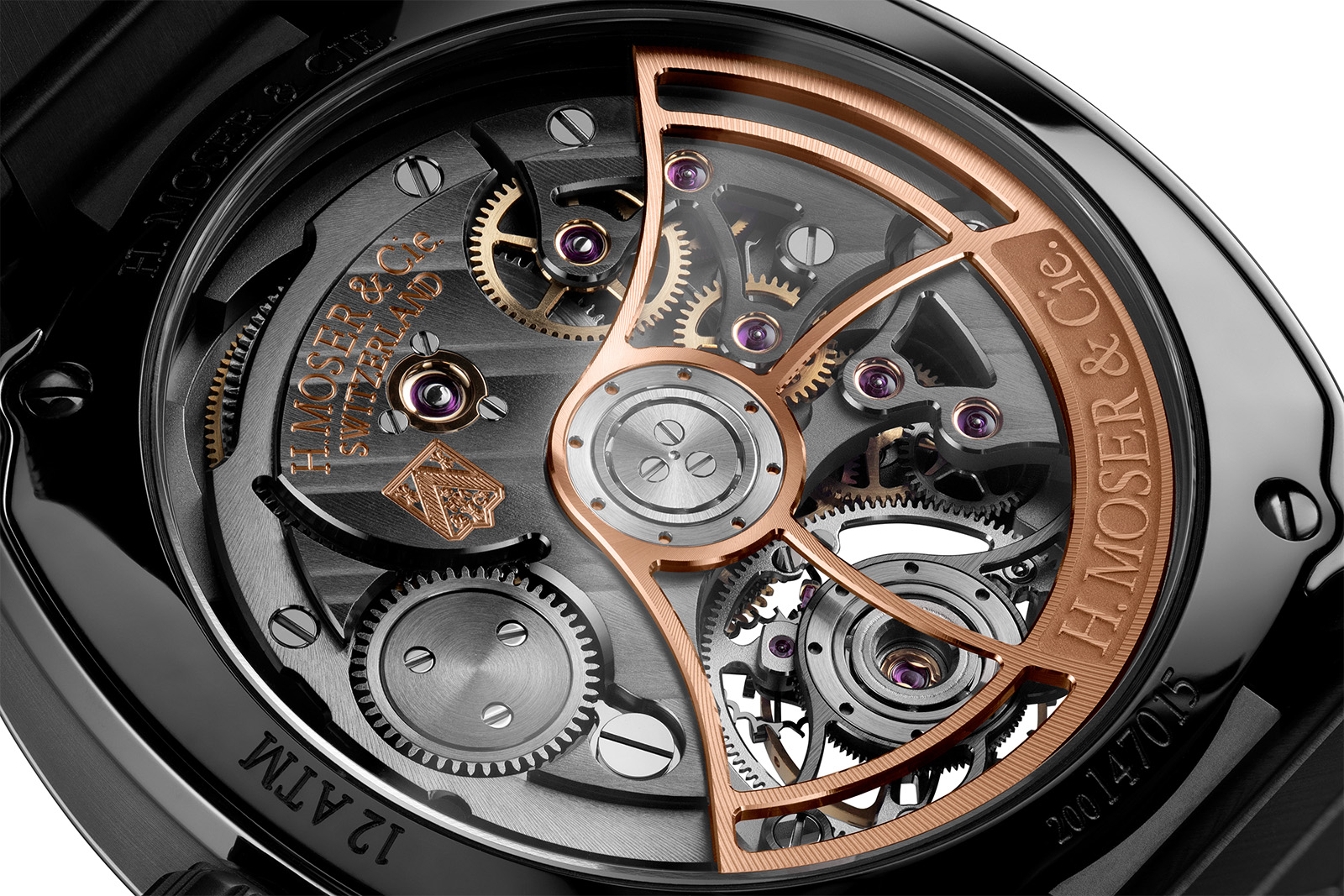
The movement has a power reserve of three days from a single barrel which is quite impressive since the HMC 805 includes both a heavy tourbillon and two parallel hairsprings (which is equivalent to a single hairspring with double the usual thickness), all which require great torque.
The caliber is finished to a high degree, combining machine finishing with hand applied touches and accents. While the movement is executed well, particularly with the double hairsprings, the HMC 805 lacks the technical complexity and refinement of other Moser calibers, which is not inherently a shortcoming considering the sporty nature of the watch and its price.
Key facts and price
H. Moser & Cie. Streamliner Tourbillon Concept Ceramic
Ref. 6805-2100
Diameter: 40 mm
Height: 12.1 mm
Material: Black ceramic
Crystal: Sapphire
Water resistance: 120 m
Movement: HMC 805
Functions: Hours, minutes, and flying tourbillon
Frequency: 21,600 beats per hour (3 Hz)
Winding: Automatic
Power reserve: 72 hours
Strap: Integrated bracelet in matching black ceramic
Limited edition: No
Availability: At H. Moser & Cie. boutiques and retailers
Price: CHF89,000 before taxes
For more information, visit h-moser.com.
Back to top.