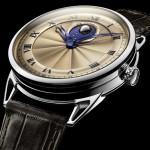

Down to the Wire: De Bethune’s In-House Hairsprings
A bespoke hairspring for every balance?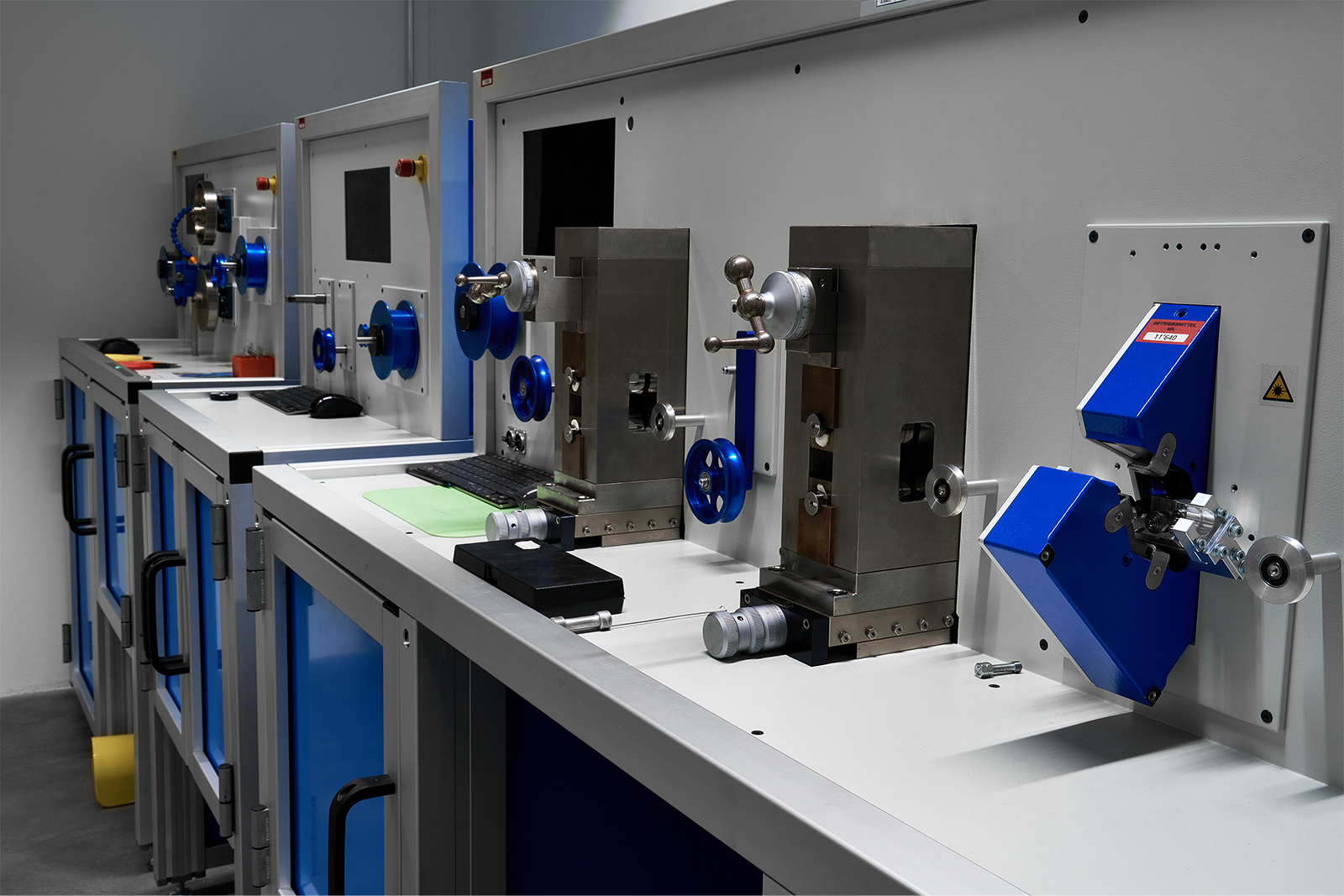
De Bethune plans to bring hairspring production in house, aiming to become one of the very few firms able to process alloy wire into a finished balance hairspring. This requires De Bethune’s new hairspring workshop to master wire drawing, rolling, cutting, heat treatment, and assembly.
The rationale? “Externally produced hairsprings meet standards based on averages that do not enable fine adjustment of the dimensions to suit a particular balance wheel or its specific positioning in a calibre,” according to De Bethune.
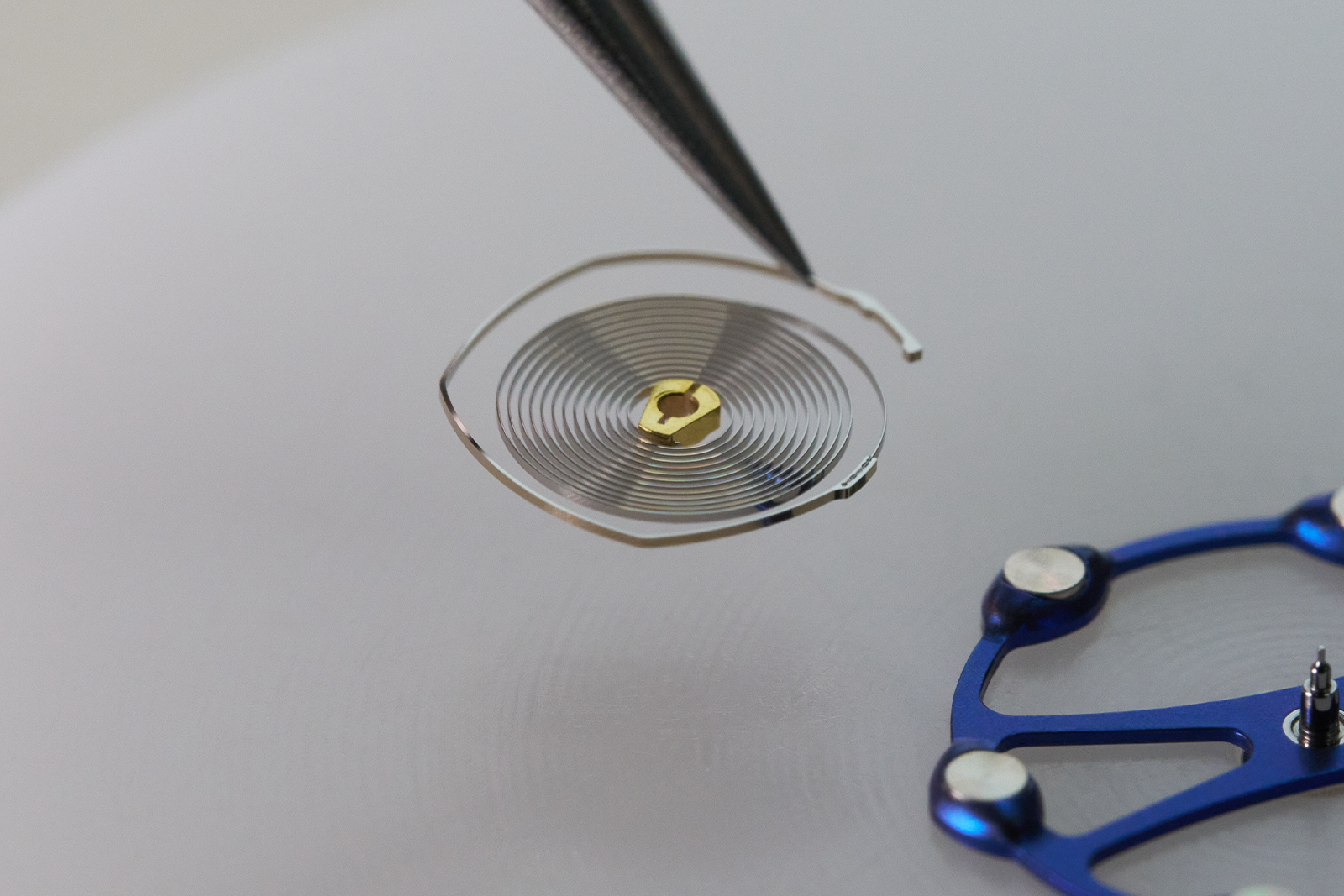
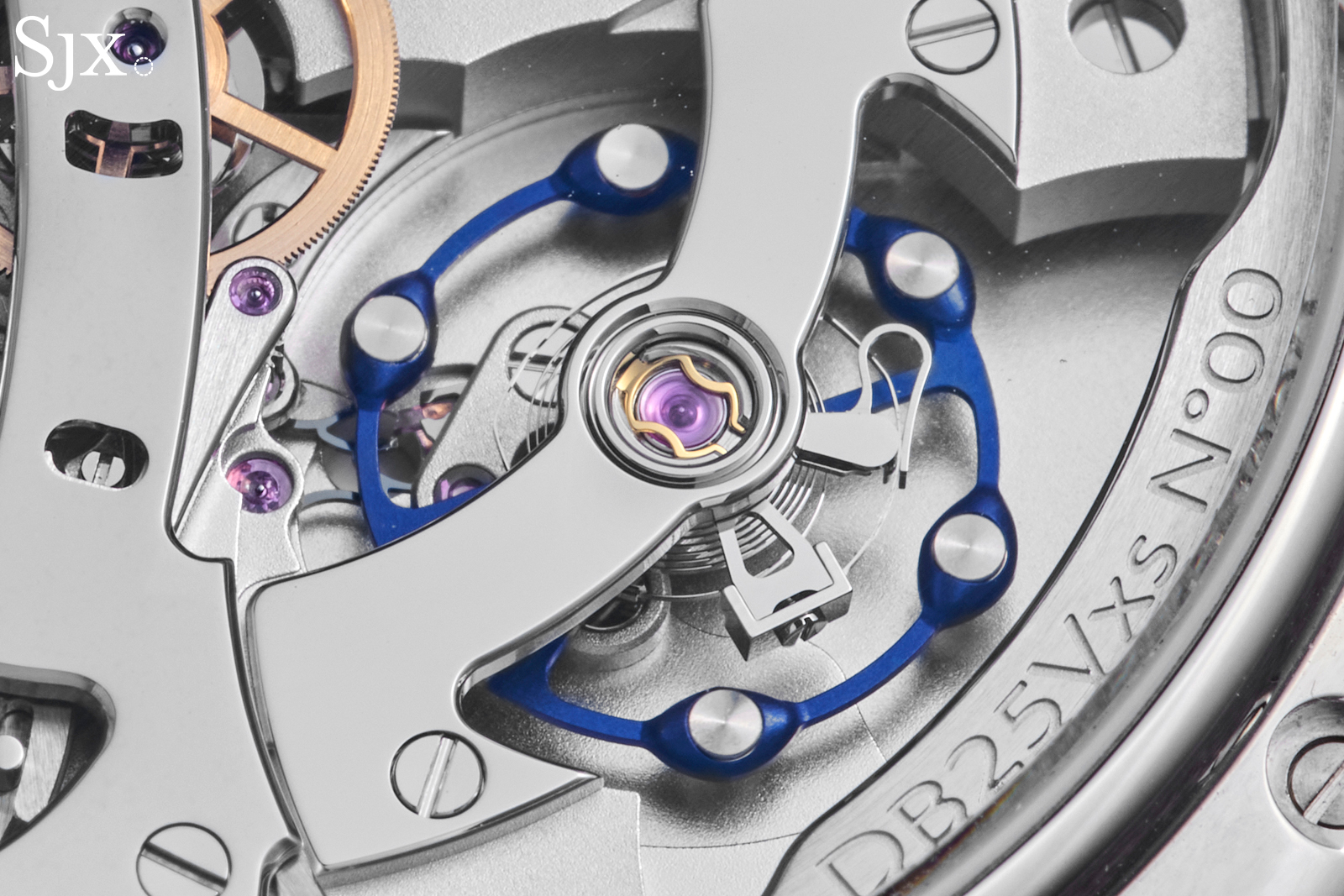
De Bethune’s “flat end curve” mated to a hairspring sourced from a supplier.
Initial thoughts
As De Bethune explains it, making its own hairsprings will allow the brand to tailor its hairspring to a specific balance or movement.
Since its founding in 2002, De Bethune has presented itself as being on the cutting edge of chronometry, debuting a new balance design every year from 2004 to 2010. The brand was also quick to embrace silicon, and even briefly attempted a kilohertz magnetic oscillator system, Résonique.
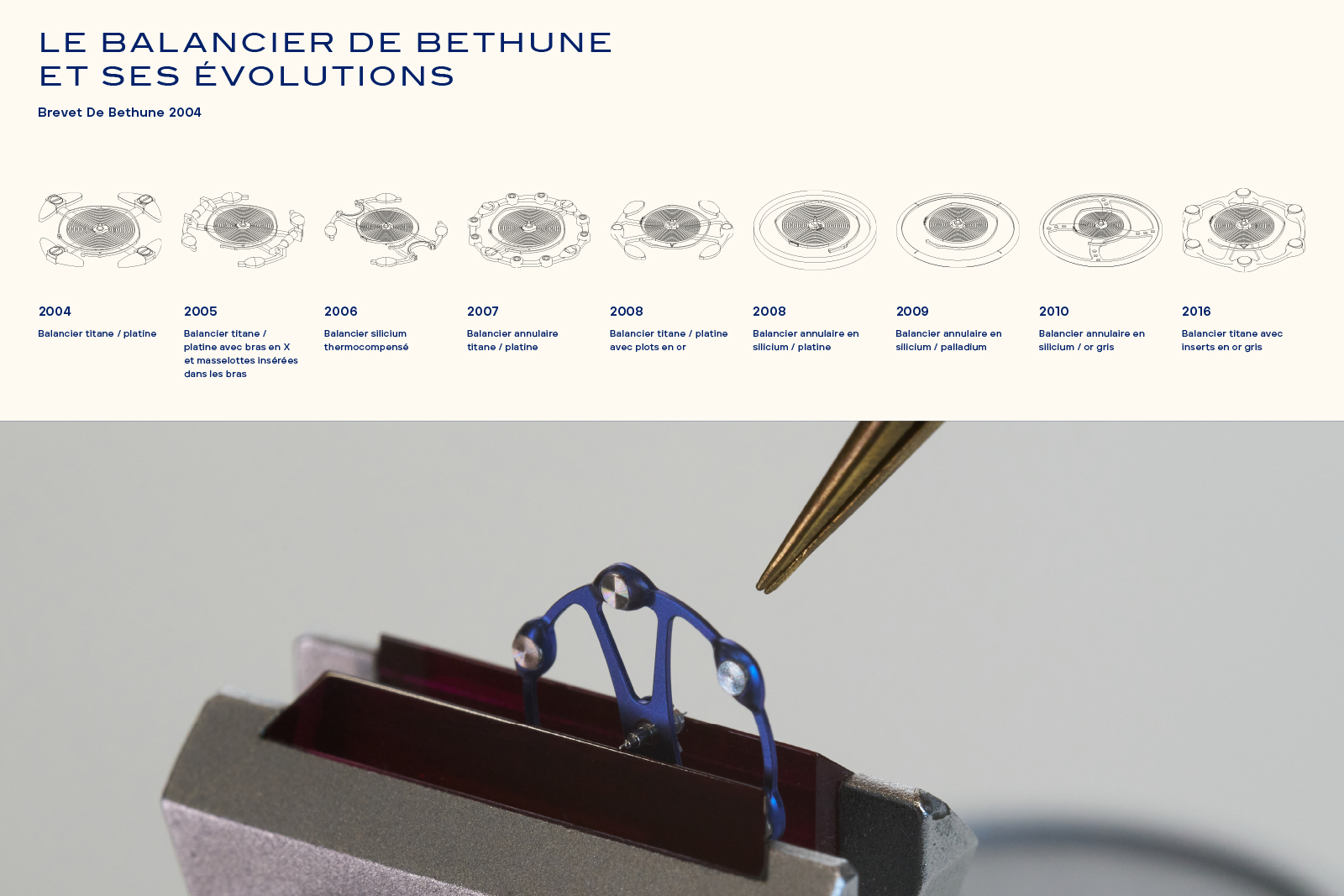
A new year, a new balance. Sometimes two new balances.
Given De Bethune’s focus on chronometry, making its own hairsprings seems like a natural next step. However, there is a reason so few brands make their own hairsprings: the process is a difficult and demanding one that benefits greatly from economies of scale.
For example, H. Moser & Cie. makes less than 4,000 watches per year, however, its sister company Precision Engineering claims to make over 50,000 hairsprings per year. The same goes for Schwarz Etienne’s sister company, E2O innovations.
Assuming De Bethune finds it worthwhile to produce more springs than it needs for its own watches, this capability could make the brand an attractive acquisition target for luxury groups that lack such capabilities. For example, it’s no secret that one suitor that might be interested is The Honourable Merchants Group, the fledgling luxury group headed by ex-Audemars Piguet chief François-Henri Bennahmias.
False starts
It remains to be seen what products De Bethune will bring to market once the hairspring workshop is operational. Some of the brand’s prior initiatives, such as Resonique oscillator and the Sensorial Chronometry Project, did not pan out.
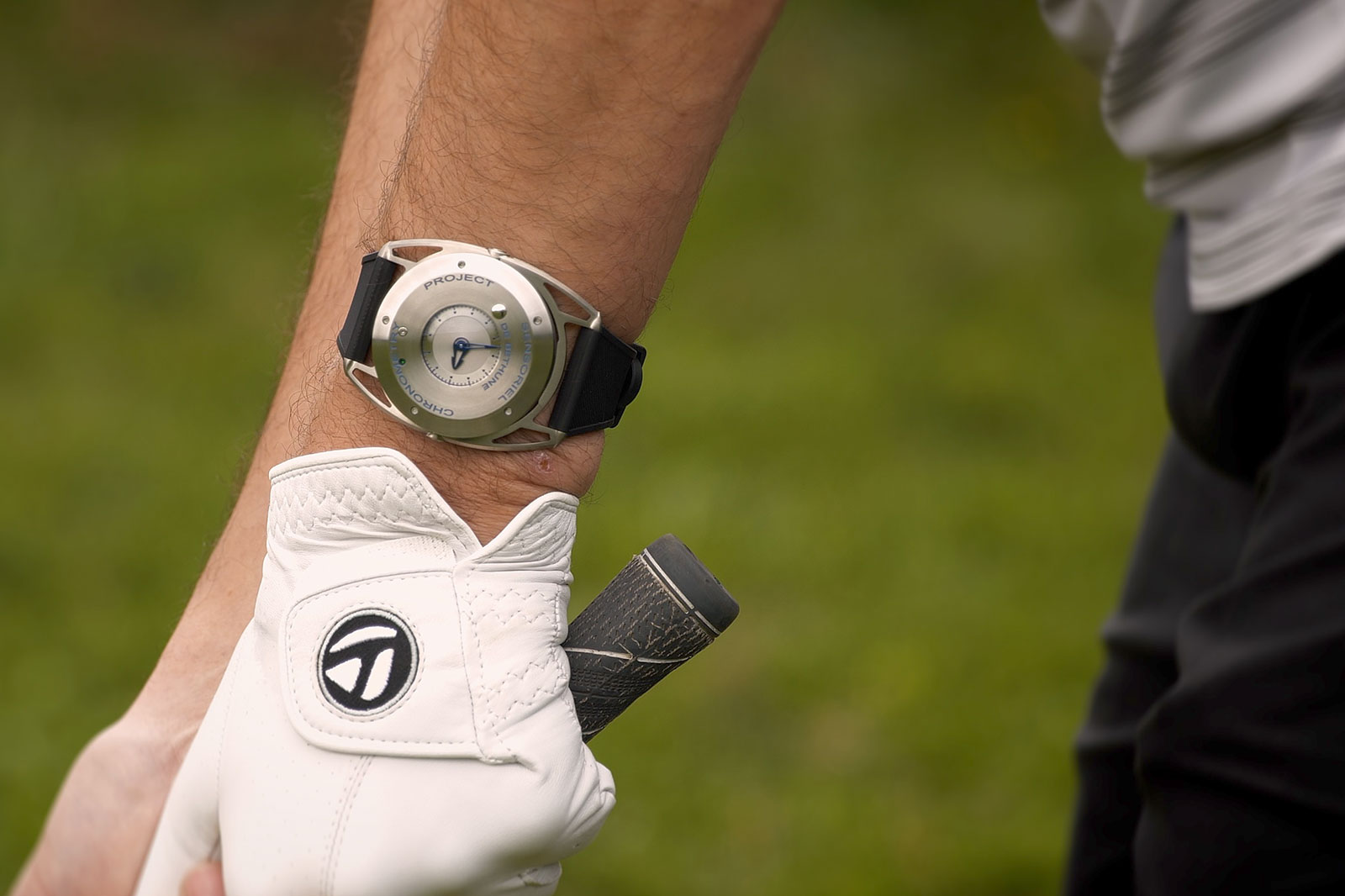
Sensorial, launched in 2022, encouraged DB28GS Grand Bleu owners to wear a test watch (shown above) to track their activity and environment for two weeks, gathering data later used to adjust the owner’s watch.
In this context, the in-house production of hairsprings seems like a more commercially viable and technically meaningful endeavour.
Back to top.