

Best of 2025: Complications
A banner year.
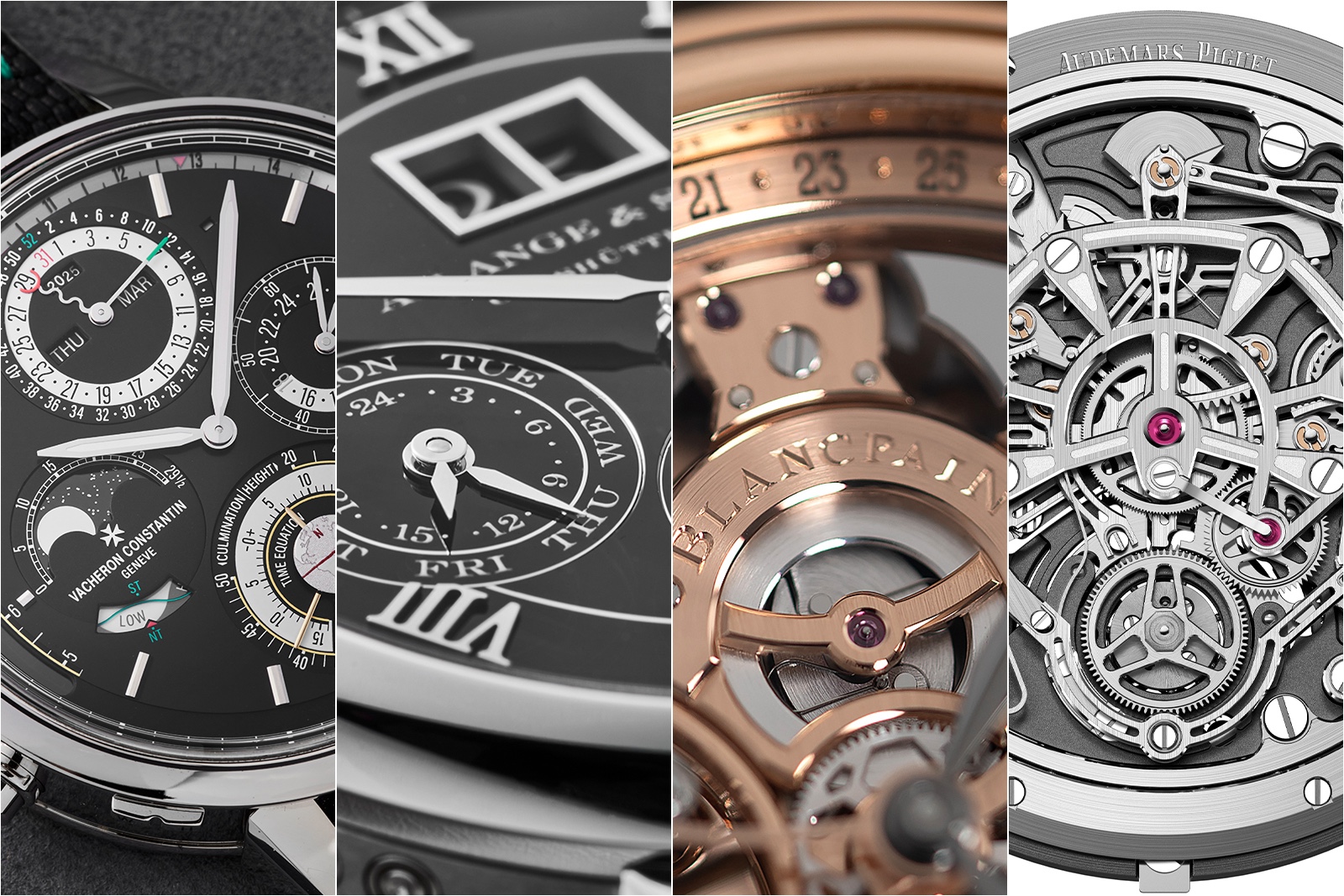
After a slow year for complications last year, big brands showed up in force in 2025. Spurred by a number of major anniversaries celebrated by the likes of Vacheron Constantin and Audemars Piguet, the year witnessed a range of record-setting and never-before-seen complications. The breadth and ambition of new complicated watches, some from unexpected corners, proved to be one of the defining themes of the year.
Within this crowded field, a few stood out.
Vacheron Constantin Solaria Ultra Grand Complication – Brandon Moore
For collectors who keep a close eye on the record books, the year ended almost as soon as it began. At Watches & Wonders 2025, Vacheron Constantin unveiled the Les Cabinotiers Solaria Ultra Grand Complication – La Première, a unique wristwatch that immediately became one of the most talked-about watches of the fair. The buzz was justified: the Solaria is the most complicated wristwatch ever made.
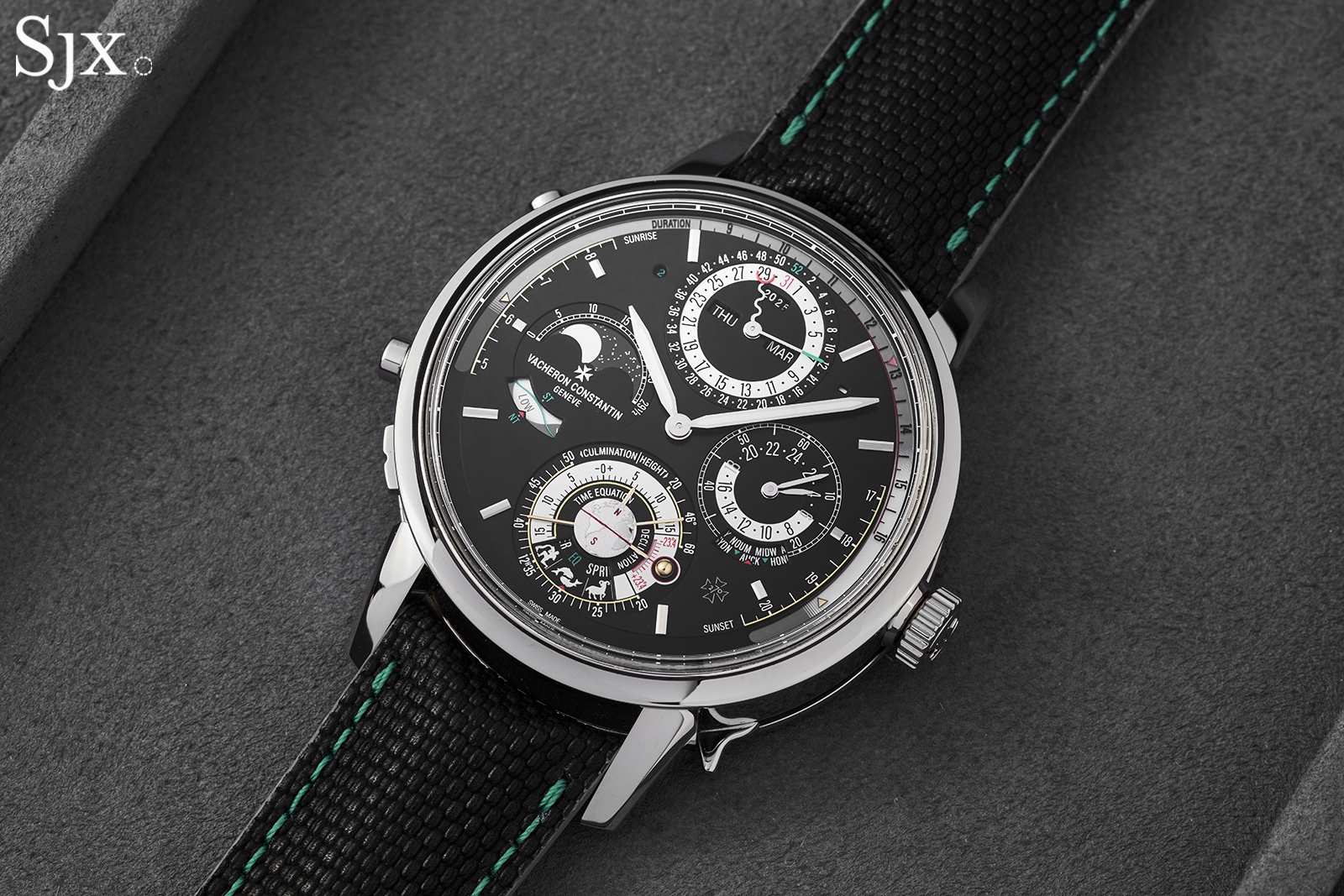
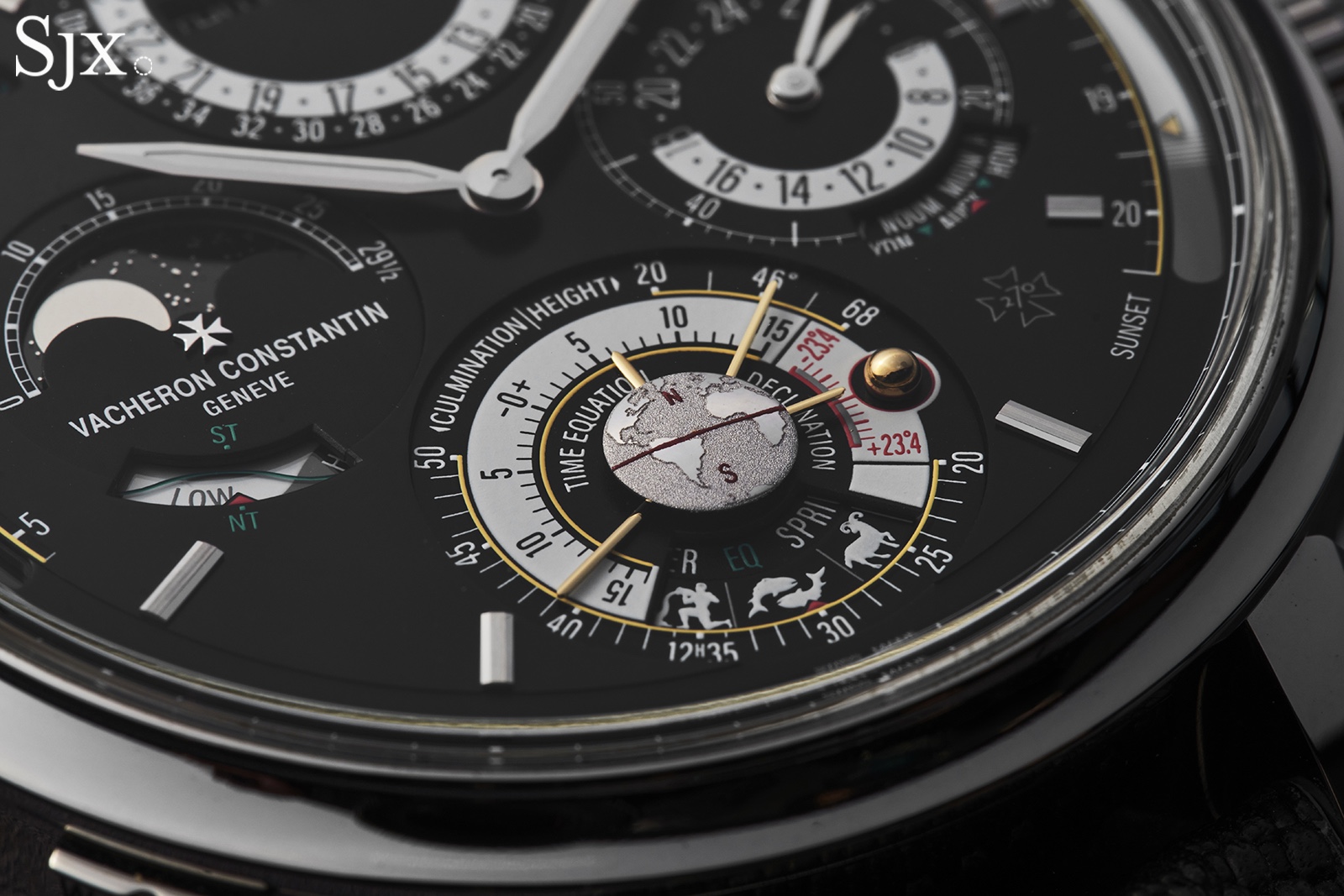
Developed over eight years, the Solaria leverages 13 patents to bring together 41 complications across two dials. While the headline figure is the sheer number of functions, the Solaria’s true distinction lies in its astronomical indications. Four of its rare complications track the apparent path of the Sun, displaying its position, height, culmination, and declination – as observed from a specific location on Earth.
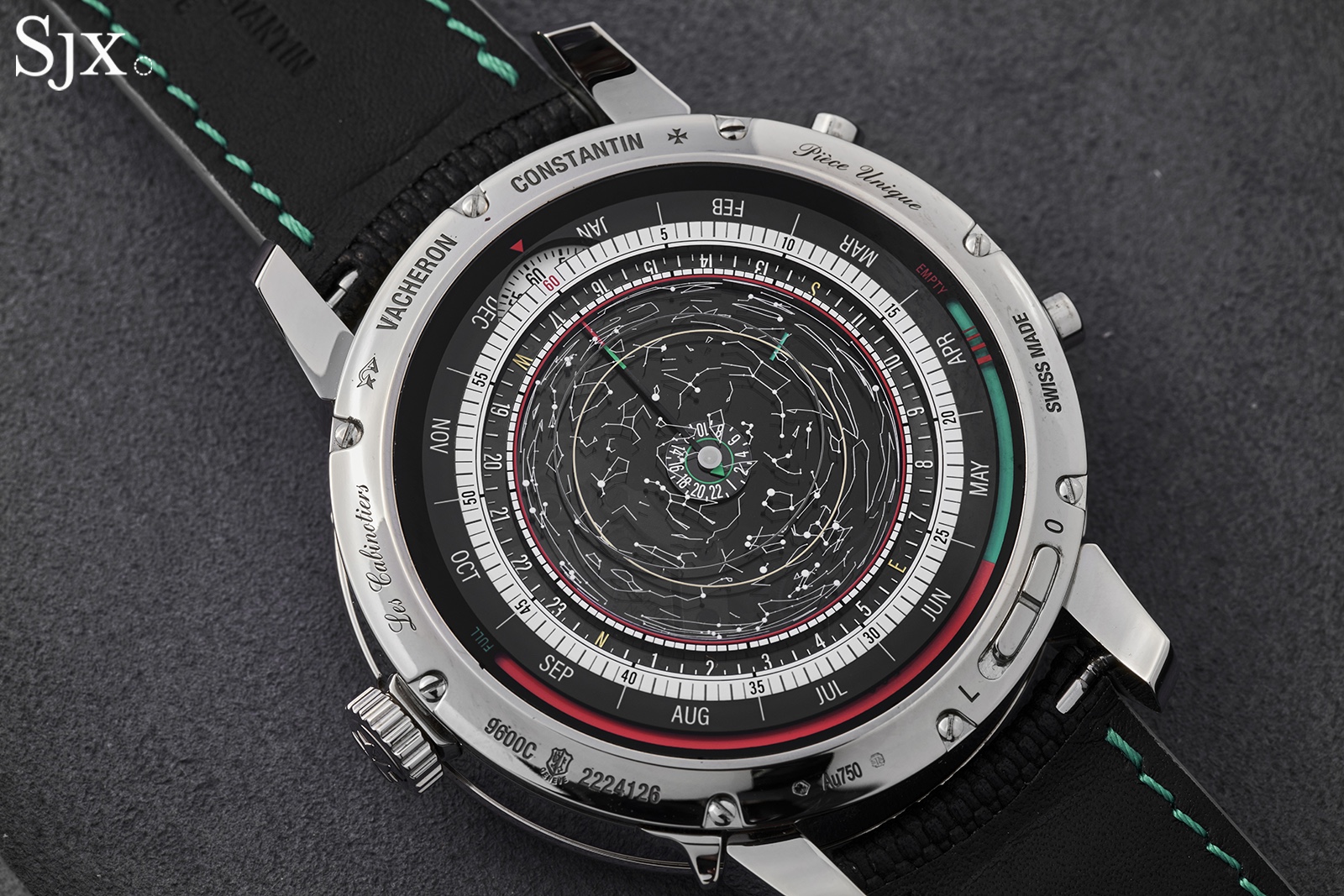
Turning the watch over reveals another first: a celestial object tracker linked to a split-seconds chronograph. Twin rotating sapphire discs form a real-time star chart, allowing the user to calculate the time remaining before a chosen constellation will appear.
Despite its extreme complexity, the Solaria is also notable for its wearable proportions (just under 15 mm thick) and watchmaker-friendly modular construction that should simplify servicing. Debuting on the heels of “The Berkley” Grand Complication pocket watch from last year, the Solaria further enhanced Vacheron Constantin’s reputation for high complications and set the tone for what ended up being a remarkable 270th anniversary year for the Genevan brand.

A. Lange & Söhne Minute Repeater Perpetual – SJX
Lange does certain things very well and the Minute Repeater Perpetual is a good example of that. It’s a very complicated watch executed to a very, very high standard that is impressively large on the wrist.
The Minute Repeater Perpetual is a combination of complications not before offered by Lange (though common in the wider industry), so it fills in a gap in the Lange catalogue.

But it is also novel in other respects, most notably with the black champleve enamel dial and the frosted finish on the movement. These are subtle details but more than just stylistic tweaks; detail-oriented Lange enthusiasts will certainly appreciate the difference. Such deviations from standard finishing are usually only applied to special series like the Handwerkskunst, but the Minute Repeater Perpetual is not one such watch.
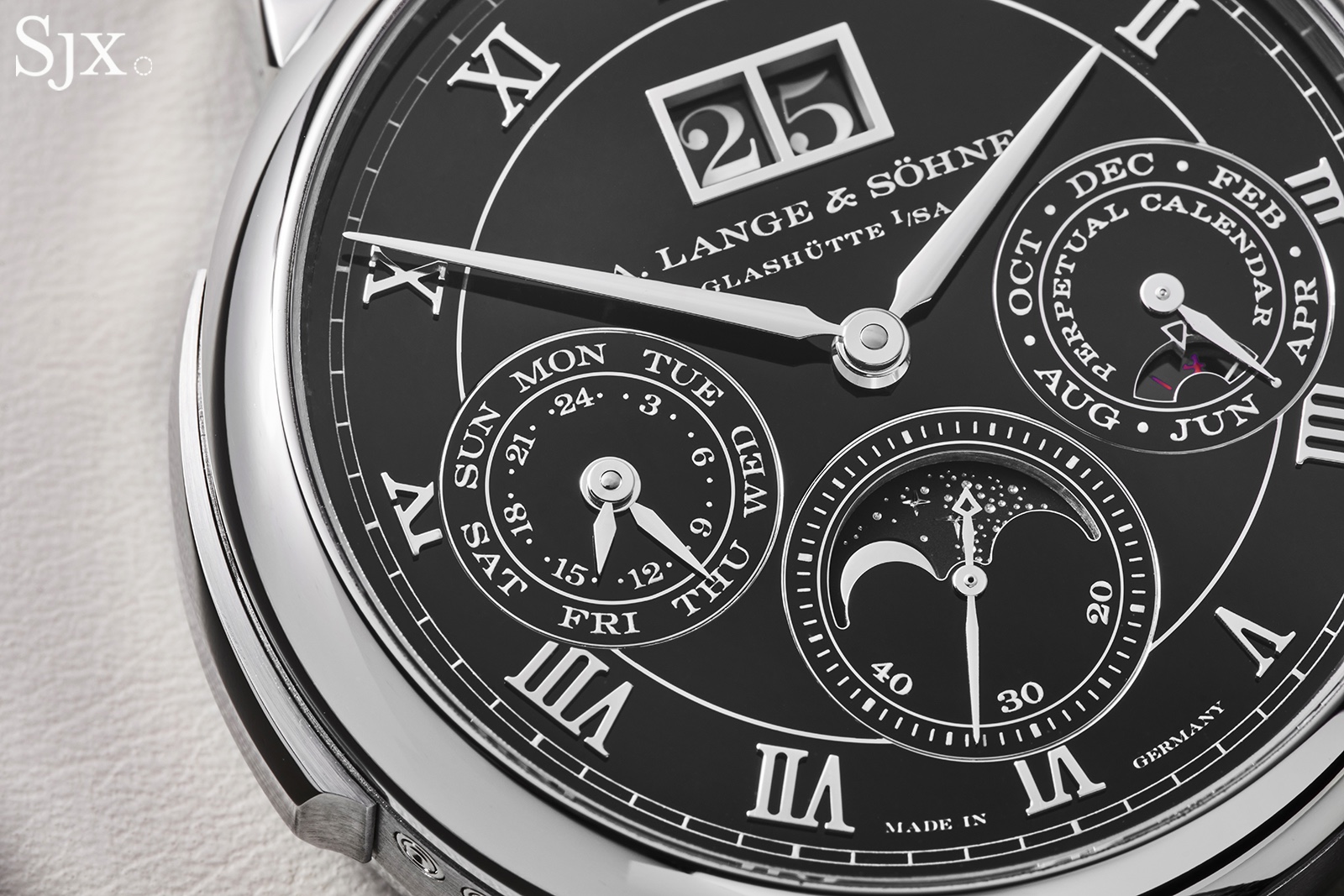
Strictly speaking, the Minute Repeater Perpetual is not entirely new. The base calibre is recognisable as being derived from the movement inside the Richard Lange Repeater, while the perpetual calendar is the familiar mechanism that’s now almost 25 years old.
That, however, takes nothing away from the quality of the watch, which is outstanding in the typical Lange fashion. Moreover, the combination of a tried-and-tested base movement along with an existing perpetual module is the same formula employed by Patek Philippe and Vacheron Constantin, so it can’t be all that bad.

Like many recent Lange complications, the Minute Repeater Perpetual is pricey. Is it too much? In comparison to historical Lange benchmarks yes, but not relative to its peers today. So the best way to describe it is expensive but fair – and probably worth it.
Blancpain Grande Double Sonnerie – David Ichim
One of the most ambitious and surprising new complications of 2025 was the CHF1.7 million Blancpain Grande Double Sonnerie. For the first time in watchmaking, the time can be sounded in either of two different melodies: the classic Westminster chime and a bespoke tune composed by Kiss drummer Eric Singer. The watch is programmed with both tunes, so the owner can chose between them on demand, just as easily as selecting between grande and petite sonnerie modes.
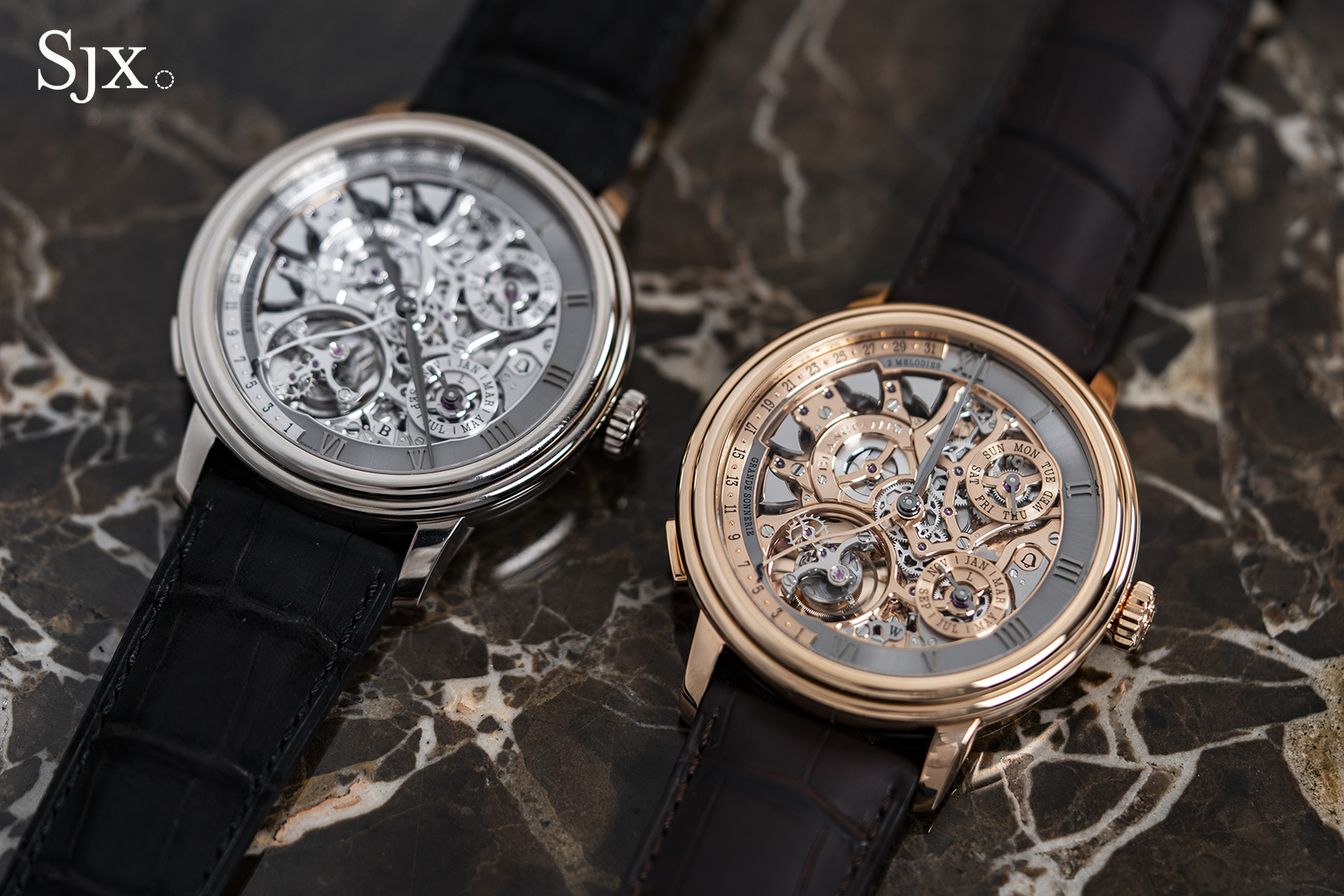
The novel complication aside, Blancpain managed to balance the aesthetics of the Grande Double Sonnerie, showcasing both its extreme technicality while also preserving the certain elegant attire expected of a range-topping clock watch like this. The heavily open-worked dial reveals the two pairs of striking hammers, the governor and a large aperture for the flying tourbillon.
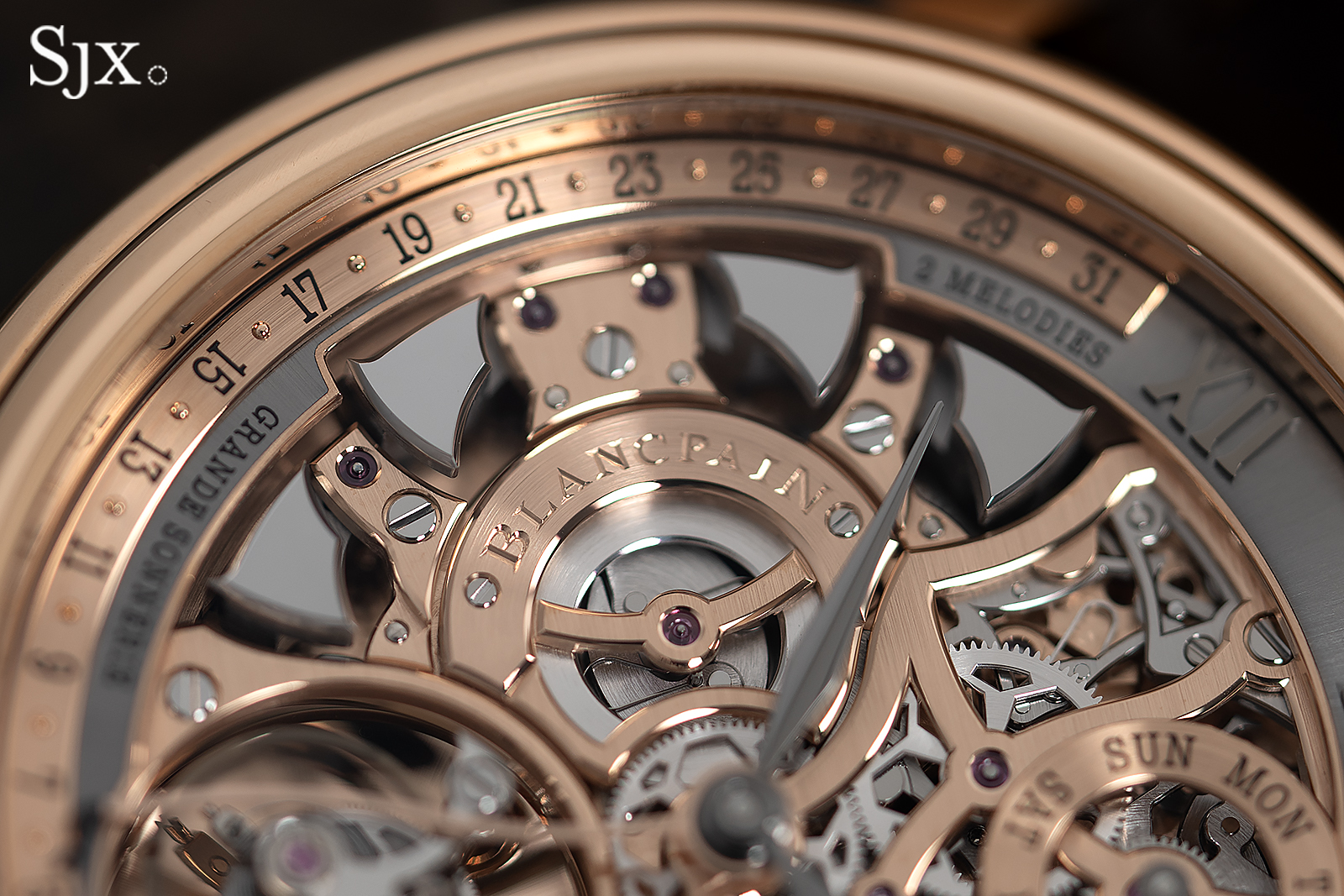
An awe-inspiring watch, the Grande Double Sonnerie is the result of over eight years of development. Although the watch is decidedly traditional — in both look and function — the caliber 15GSQ is an entirely modern construction that benefits from the Swatch Group’s latest technology. That includes the (silent) magnetic governor for pacing the strikeworks, a special acoustic membrane integrated into the bezel, and a silicon hairspring for the brand’s signature flying tourbillon.
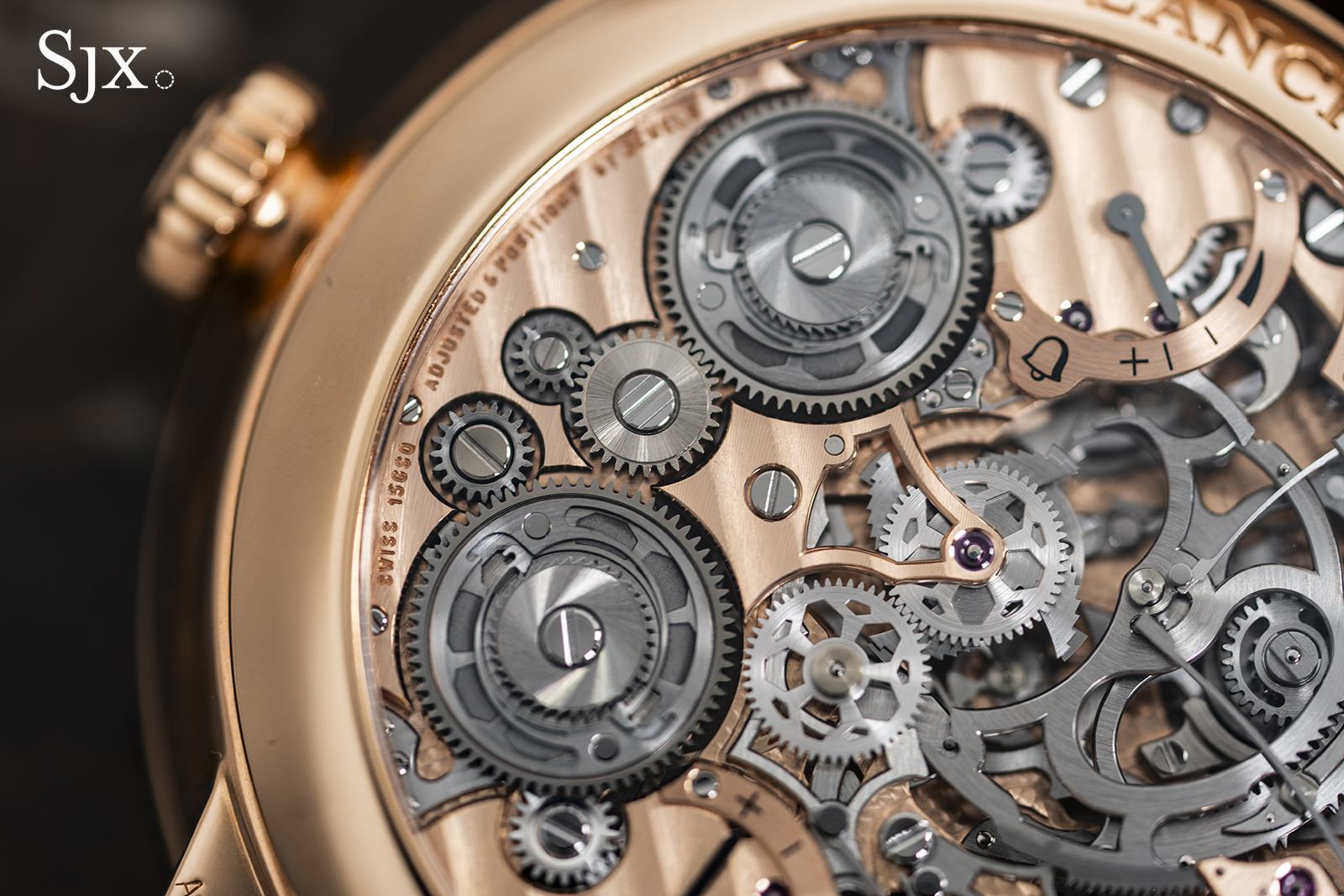
Against this backdrop, it’s worth noting that Blancpain didn’t neglect the perpetual calendar, which is one of the more advanced designs on the market, with a design that ensures crisp indexing of the retrograde hand as well as an improved perpetual mechanism. The original construction was designed with security and convenience in mind, and features the brand’s discreet under-lug correctors and an intuitive layout.
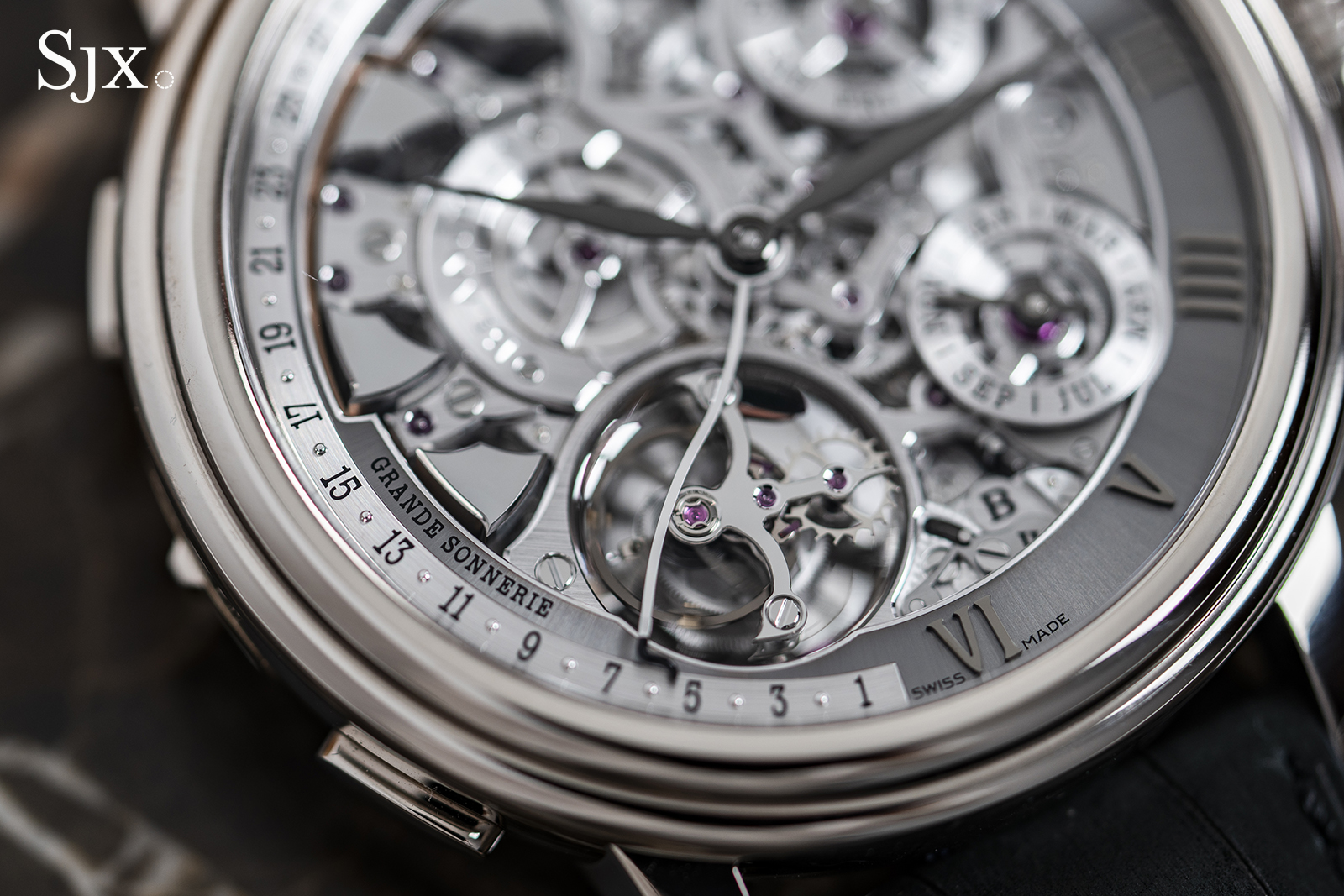
The finishing is executed to Blancpain’s highest standard, comfortably rivaling that of many finishing-oriented independents. Mirror-polished steel components are used judiciously, complemented by precise anglage and softly brushed surfaces on the solid 18K gold bridges. After a few quiet years, the Grande Double Sonnerie serves as a reminder of just how deep Blancpain’s technical depth and craft capabilities truly run.
Audemars Piguet Royal Oak “Jumbo” Extra-Thin Selfwinding Flying Tourbillon Chronograph (RD#5) 150th Anniversary – Andrew Cavanaugh
The fifth and final instalment of Audemars Piguet’s “RD” series, the verbosely named Royal Oak “Jumbo” Extra-Thin Selfwinding Flying Tourbillon Chronograph (RD#5) arguably represents the most innovative new chronograph design since the AgenGraphe. Its clever consolidation of functions also makes it the second-thinnest automatic chronograph ever made, despite its flying tourbillon.

One of the defining characteristics of the RD#5 is its revolutionary approach to energy management. Normally, the energy needed to reset the chronograph enters the movement via the force exerted on its pushers, either directly from pressing the reset button, as in the Rolex cal. 4130, or indirectly from energy accumulated from pressing the start button, as in the Patek Philippe cal. CH 29-535.
Rather than relying on energy from outside the watch, the RD#5 uses spring-loaded racks to store energy from the mainspring as the chronograph runs. As the elapsed seconds hand crosses zero that energy is released, driving the chronograph minutes counter forward instantaneously, and nudging the hour counter forward slightly.
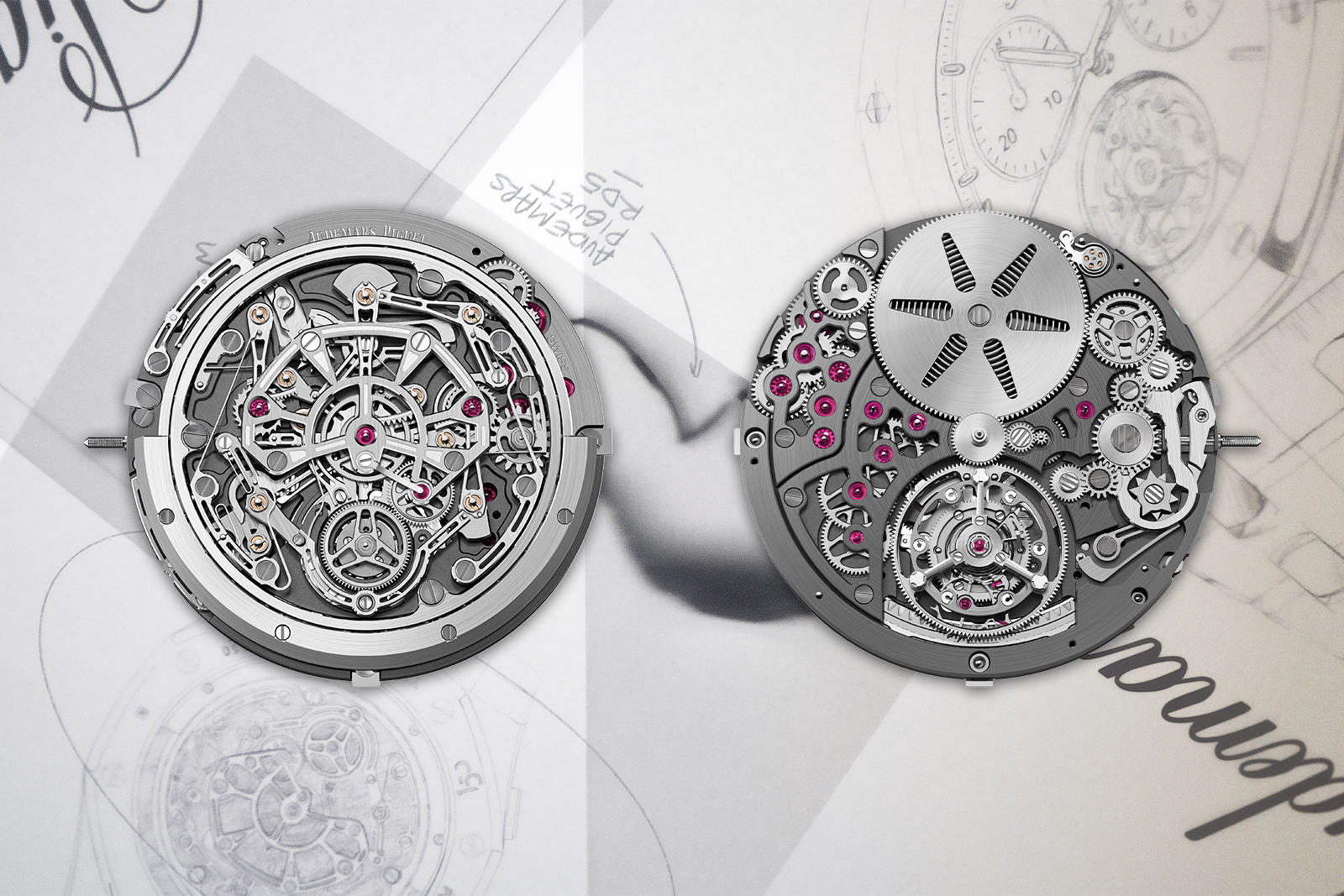
Stored energy from the mainspring is also used to reset the chronograph back to zero, at any time, almost effortlessly and with minimal pusher travel. Conveniently, this rack system also replaces the friction spring (or LIGA etched no-play wheels), normally necessary to prevent the elapsed seconds hand from jittering.
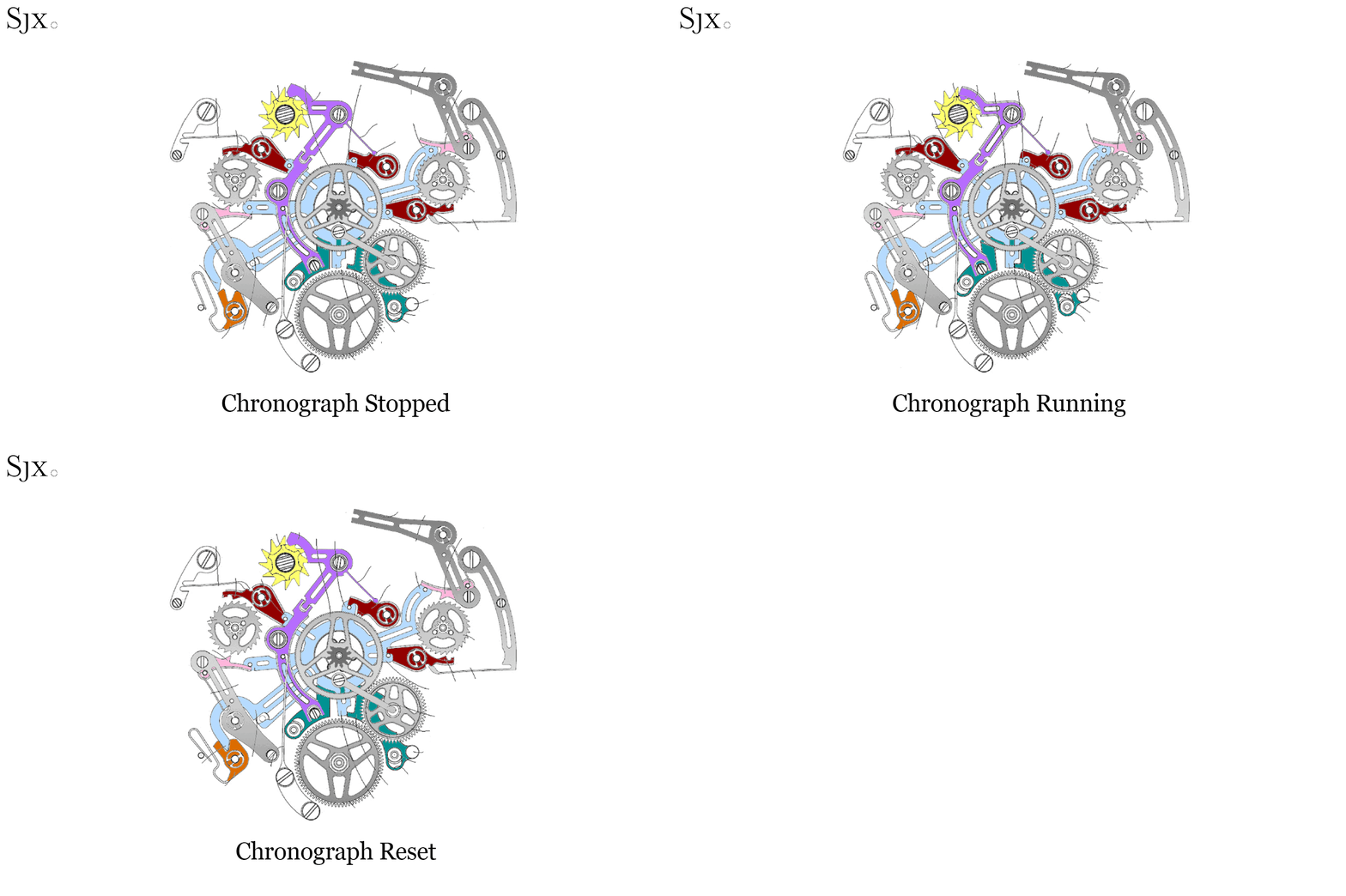
The result is a clever and elegant chronograph unabashedly designed for modern manufacturing; its design is a testament to wire erosion machining in particular.
Audemars Piguet’s patents note the deterministic nature of the RD#5, which doesn’t require tedious adjustment of spring tension and cam alignment. In fact, despite the tourbillon, the cal. 8100 in the RD#5 has two fewer parts than the brand’s rank-and-file automatic chronograph, the cal. 4401. Time will tell whether this approach has a future beyond the now-concluded “RD” series, but it’s a promising development that remains one of the year’s stand-out complications.
Back to top.