

Year in Review: Our Best Stories of 2025
A year of ateliers, auctions, and analysis.
Our 2025 coverage included original research and in-depth stories including CEO interviews, engineering explainers, behind-the-scenes manufacture visits, and hands-on features exploring the latest developments in modern horology. We’d like to thank our readers for their engagement and support, which continue to shape and sustain our work.
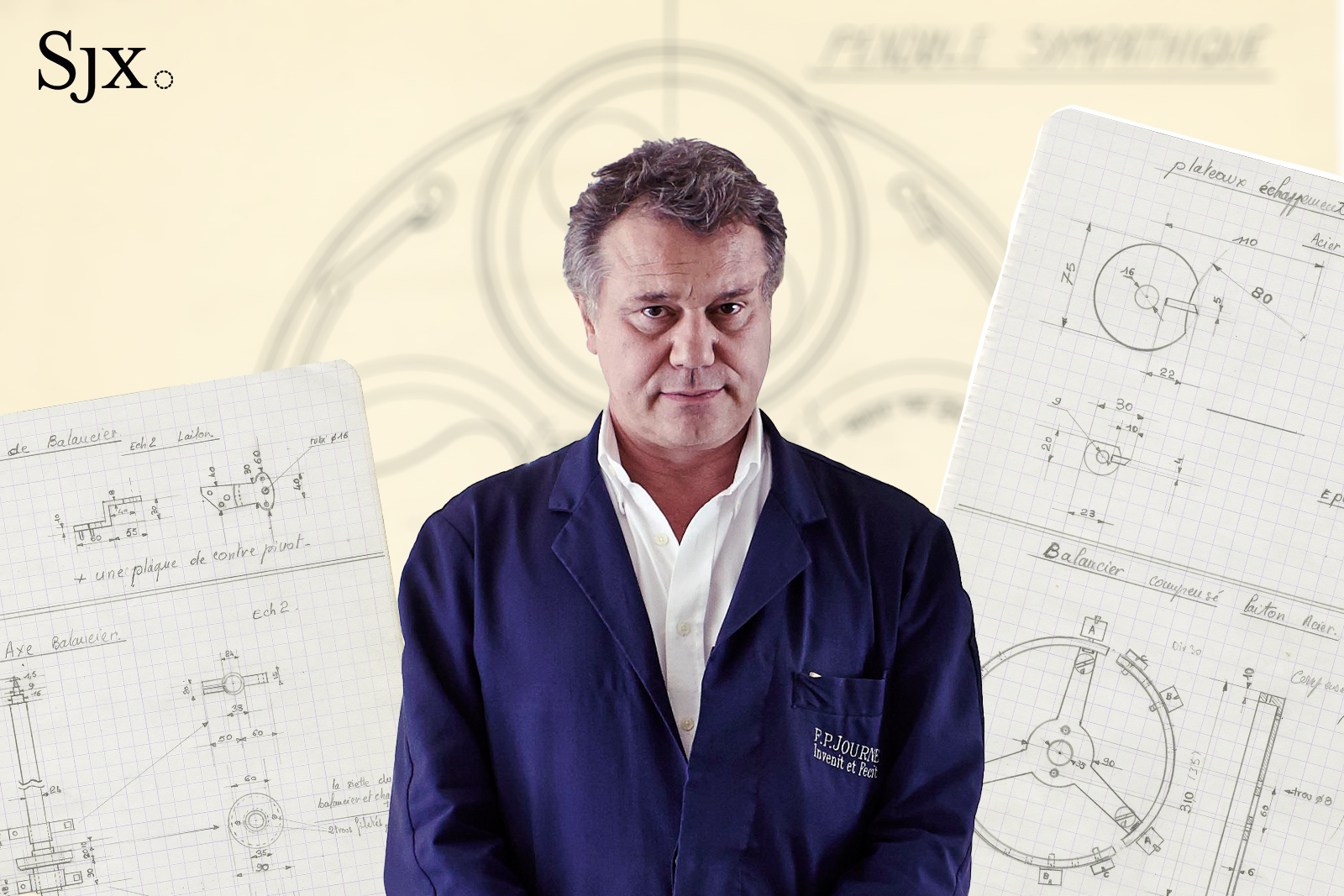
Our founder SJX provided an in-depth study of the Breguet Sympathique No. 1, with exclusive insights from its creator François-Paul Journe. The story is notable not only for its technical reconstruction of the mechanism but also for clarifying how the Sympathique informed Journe’s earliest thinking as a constructor before launching his namesake brand.
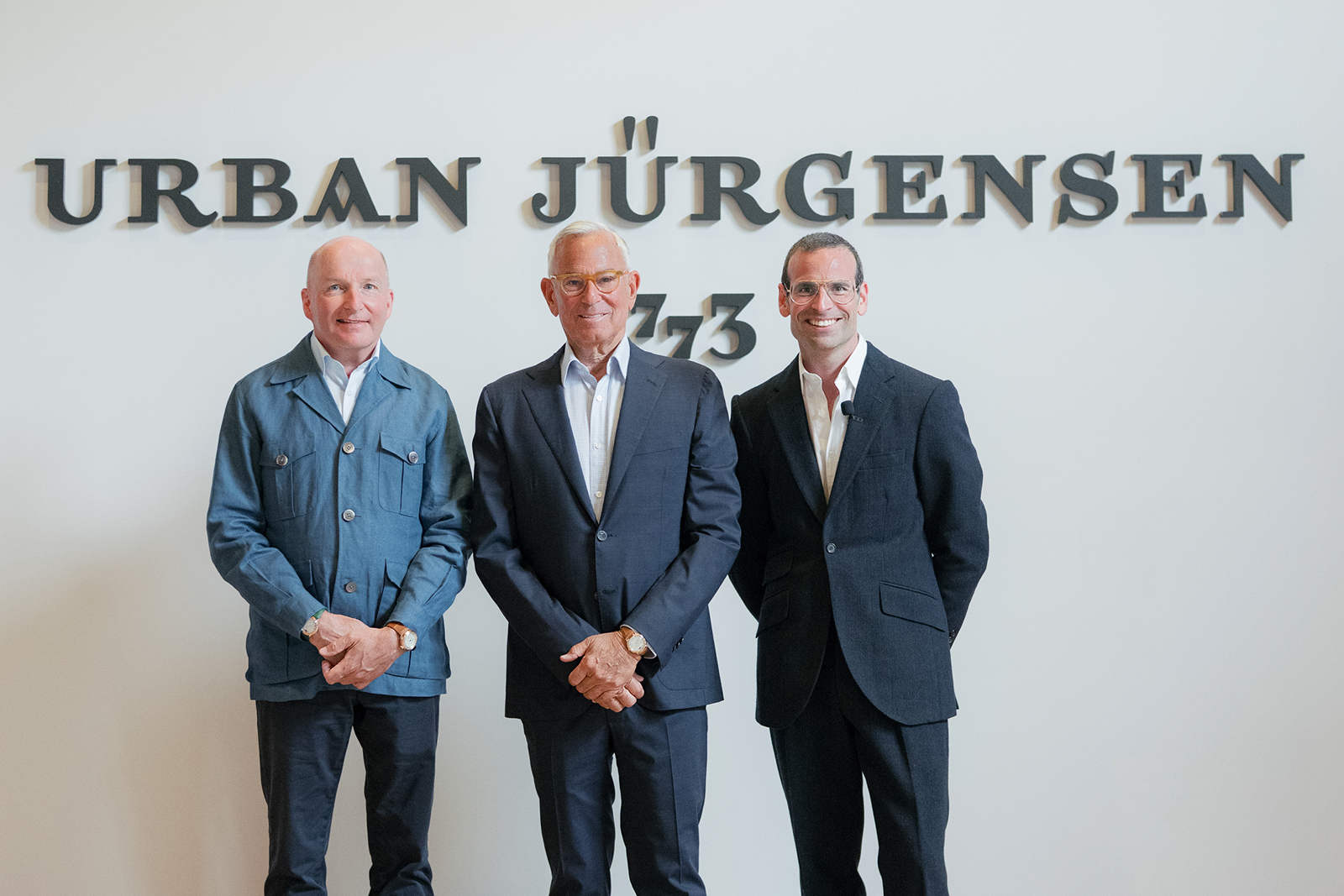
SJX also spent time with the people leading the industry. Interviews with Kari Voutilainen, Gregory Kissling, Ilaria Resta, and Marc Michel-Amadry offered unusually direct insight into how each manufacture is approaching product development, heritage, and shifting collector behaviour.
That research-driven approach continued across several technical features, including his hands-on review of the Rolex Land-Dweller, the most consequential mainstream release of 2025. His analysis unpacked both the engineering decisions behind the cal. 7135 and the strategic implications of Rolex introducing a new collection.
Finally his analysis of the record-breaking Patek Philippe ref. 1518 in steel and reporting from the major auctions traced the evolving tastes and appetites of a tightening pool of top bidders.
Our Editorial Director Brandon Moore joined Watches by SJX full time this year after several seasons as a part-time contributor, bringing an emphasis on the ‘how’ of watchmaking. His work included a detailed examination of the Ferdinand Berthoud Naissance d’une Montre 3, and behind-the-scenes photo essays from Émailleurs de la Cité in Geneva and Biver’s rural atelier in Givrins.

He also went off the beaten track to see the latest developments at Trilobe’s Paris workshop, and journeyed to the Oregon High Desert to witness the watchmaking of Keaton Myrick.
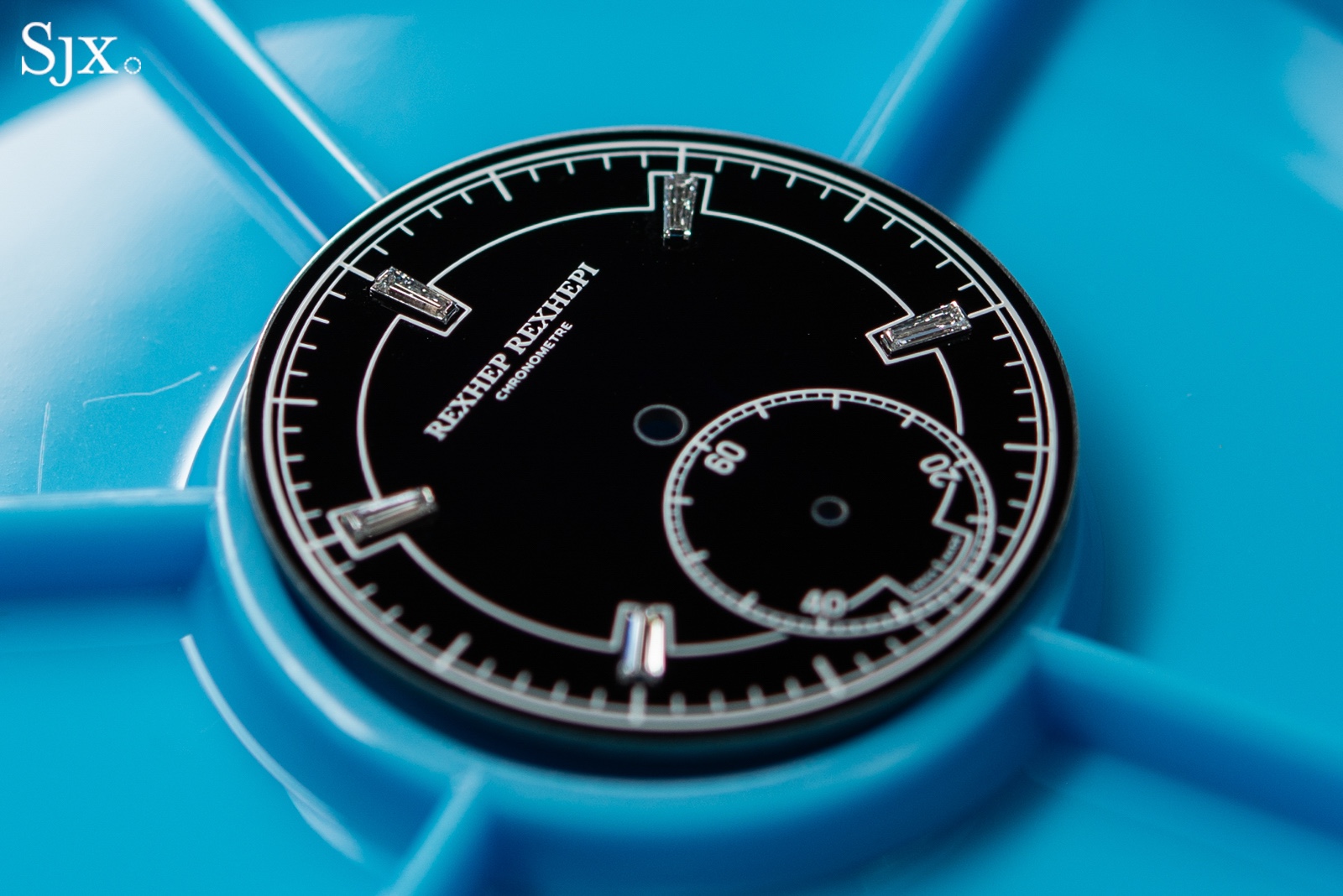
His dispatches from Dubai Watch Week and WatchTime New York added texture to the year’s narrative, and his reporting on the Louvre’s Mécaniques d’art exhibition situated Vacheron Constantin’s La Quête du Temps astronomical clock within two millennia of horological history. Brandon also helped produce the SJX Podcast, which crossed 20 episodes this year.
Studying engineering at EPFL, David Ichim brings a mechanical fluency that has become central to our technical coverage. His work this year spanned escapements, metallurgy, oscillator physics, and chronograph architecture. His most widely cited pieces included his explainers on the Rolex Dynapulse escapement in the Land-Dweller’s cal. 7135, and his recent examination of the magnetic constant-force escapement in the Breguet Expérimentale 1.
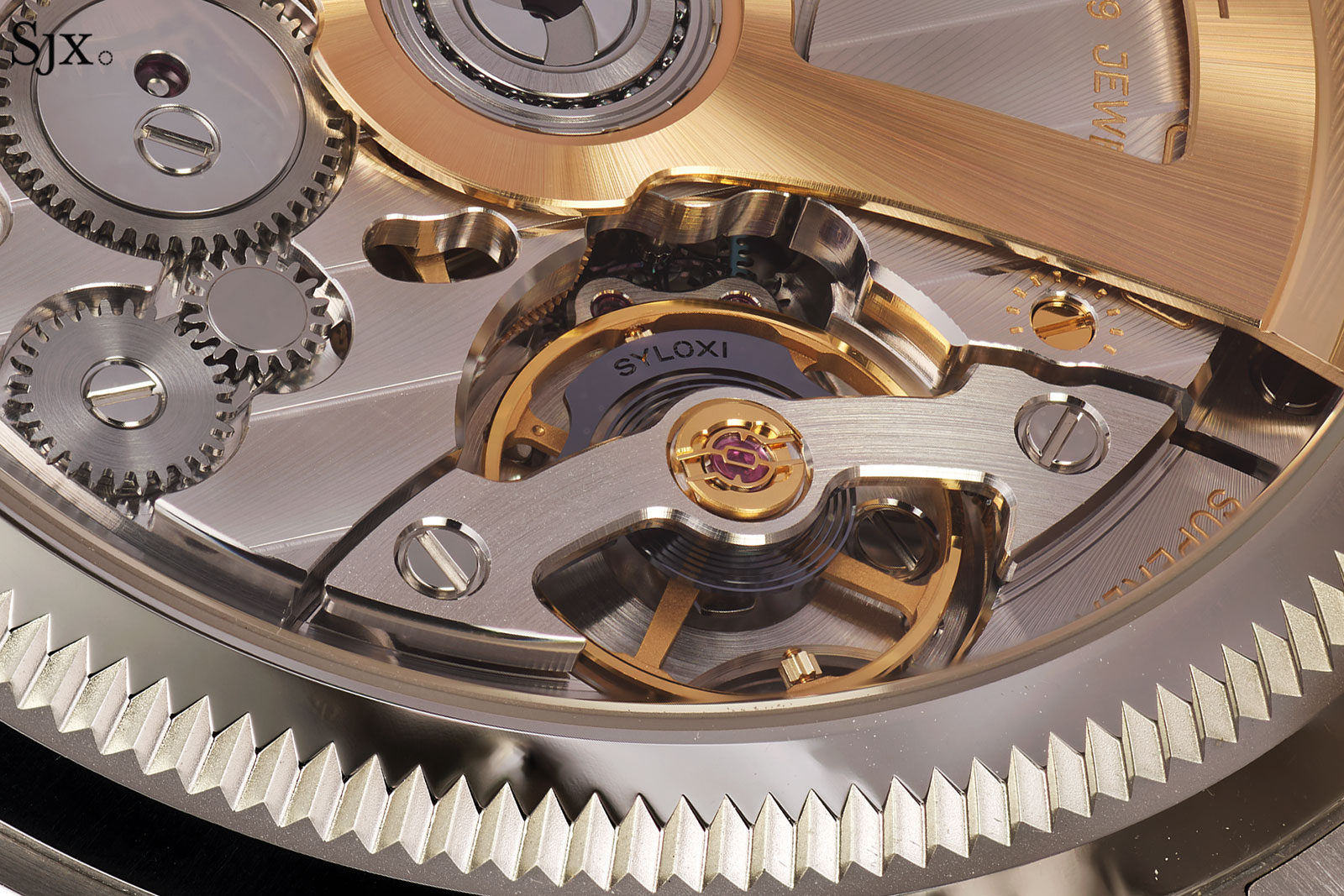
Much of his output formed an interconnected curriculum on oscillators and hairsprings. His two-part series on hairspring materials — from steel to Invar and Elinvar, then to Nivarox, SPRON, niobium alloys, and silicon — set the stage for a deep dive into overcoil geometry and a comprehensive study of isochronism. These naturally gave further context to his explainer on regulation and adjustment, tying together balance inertia, terminal curves, stiffness, and practical rate correction.
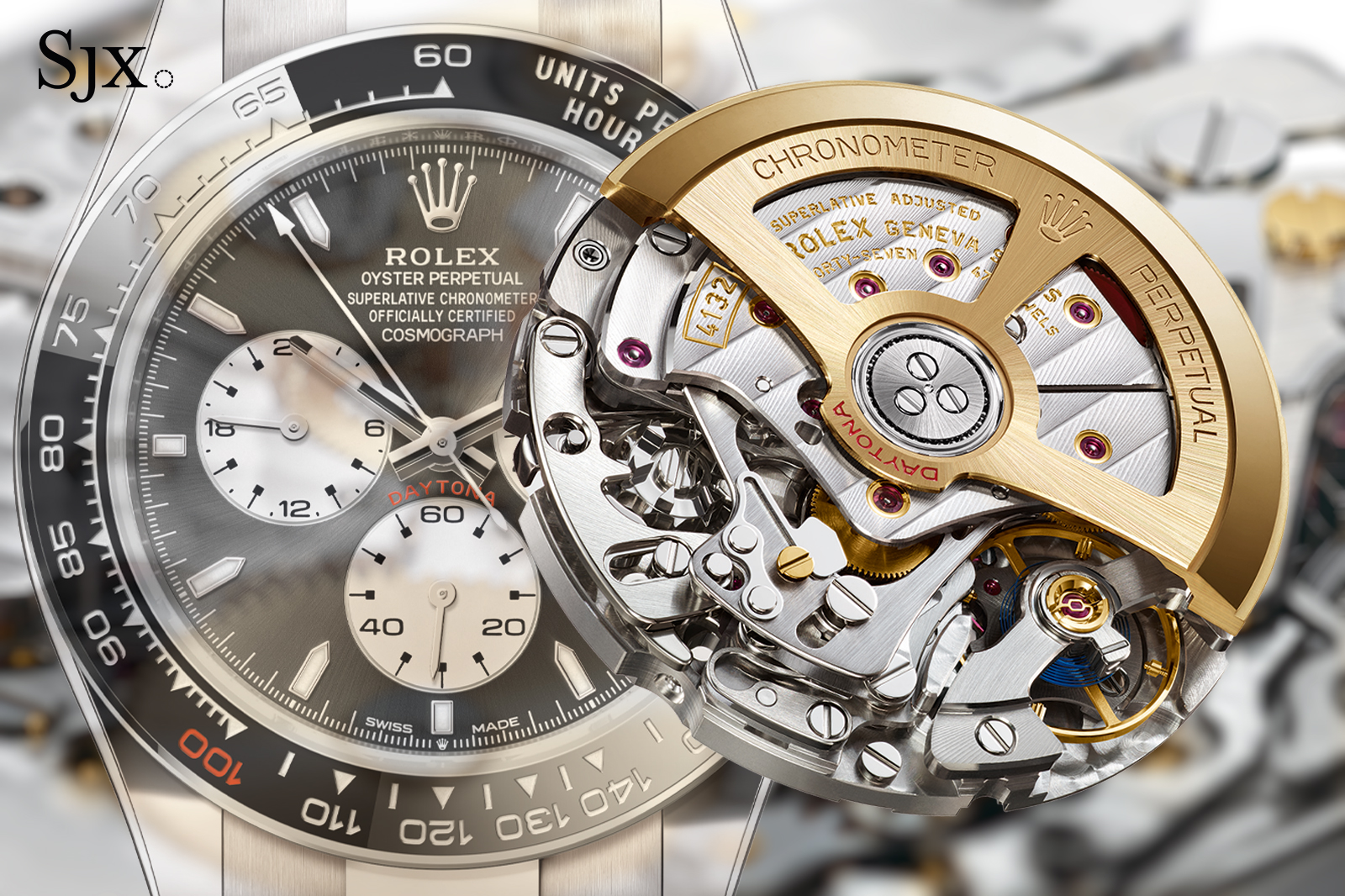

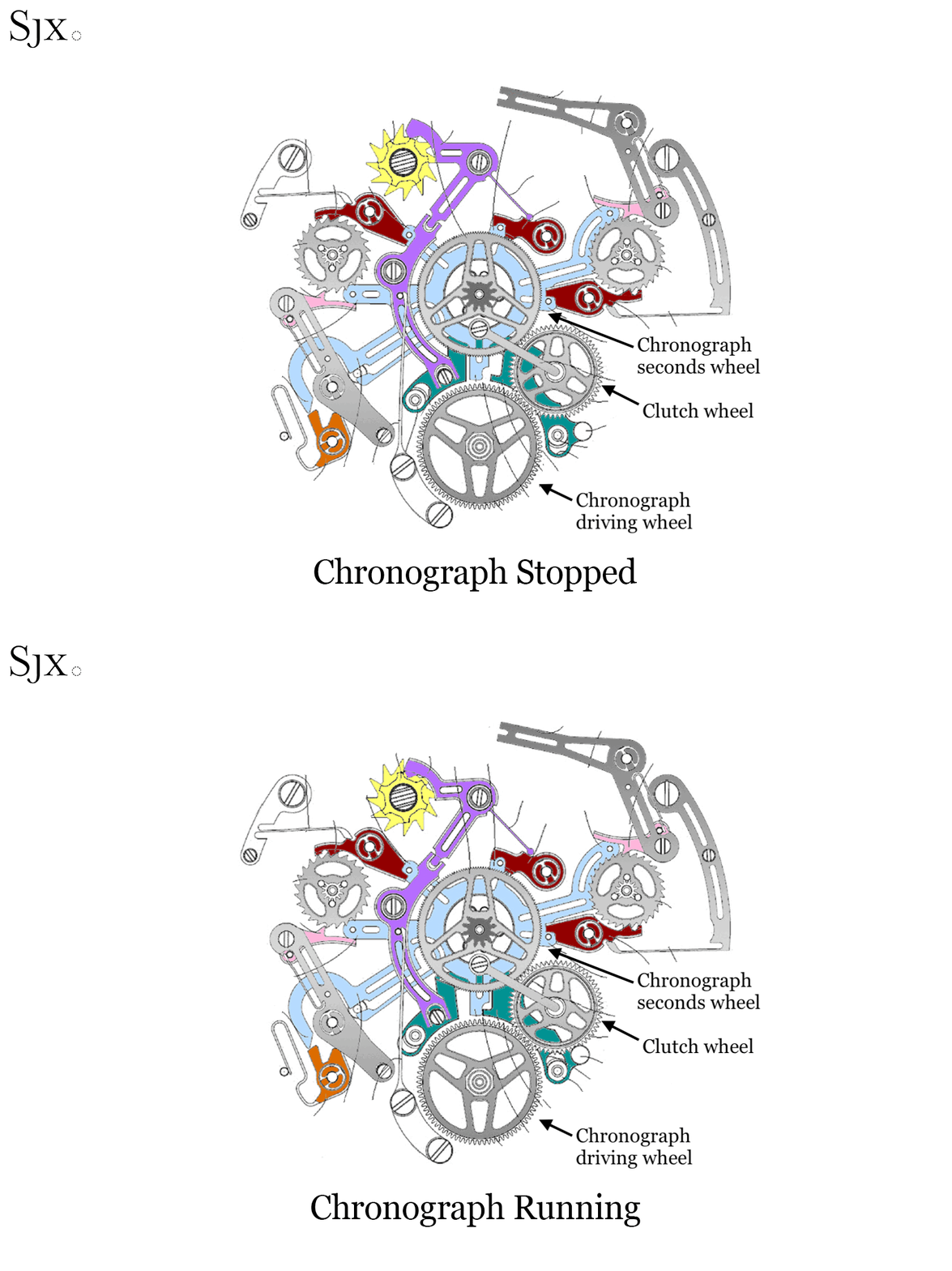
David also examined how theory translates into practice with his insights into the construction of the cal. 4132 that powers the Rolex Daytona “Le Mans”, showing how Rolex doubled the chronograph register using a compact differential.
Our Boston-based contributor Andrew Cavanaugh spent much of 2025 immersed in pocket watches and patent drawings. He opened the year with a profile of Elliot Cabot Lee that reconnected a lost Brahmin patron to the great British firms of Dent, Smith, Benson, and J. Player.
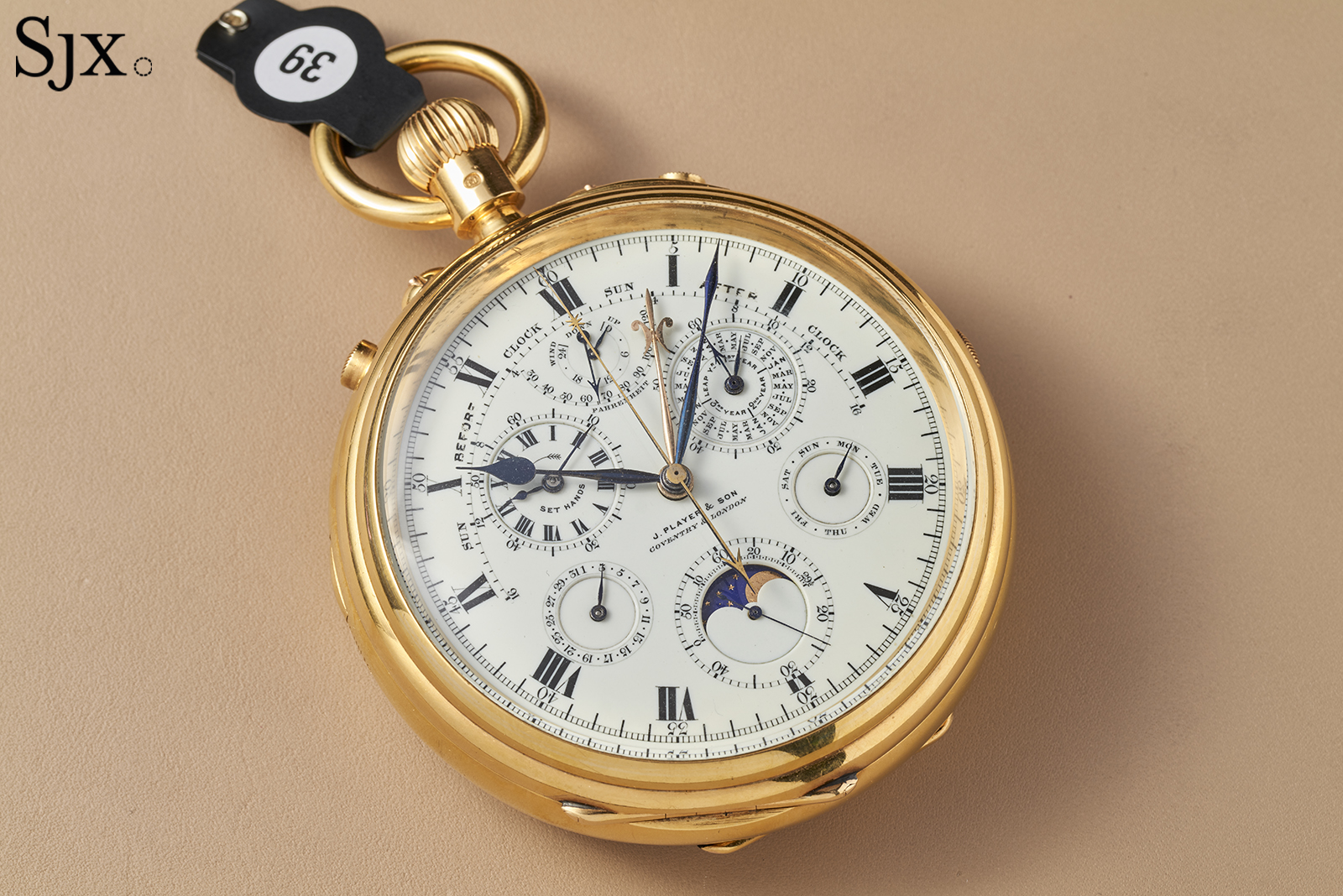
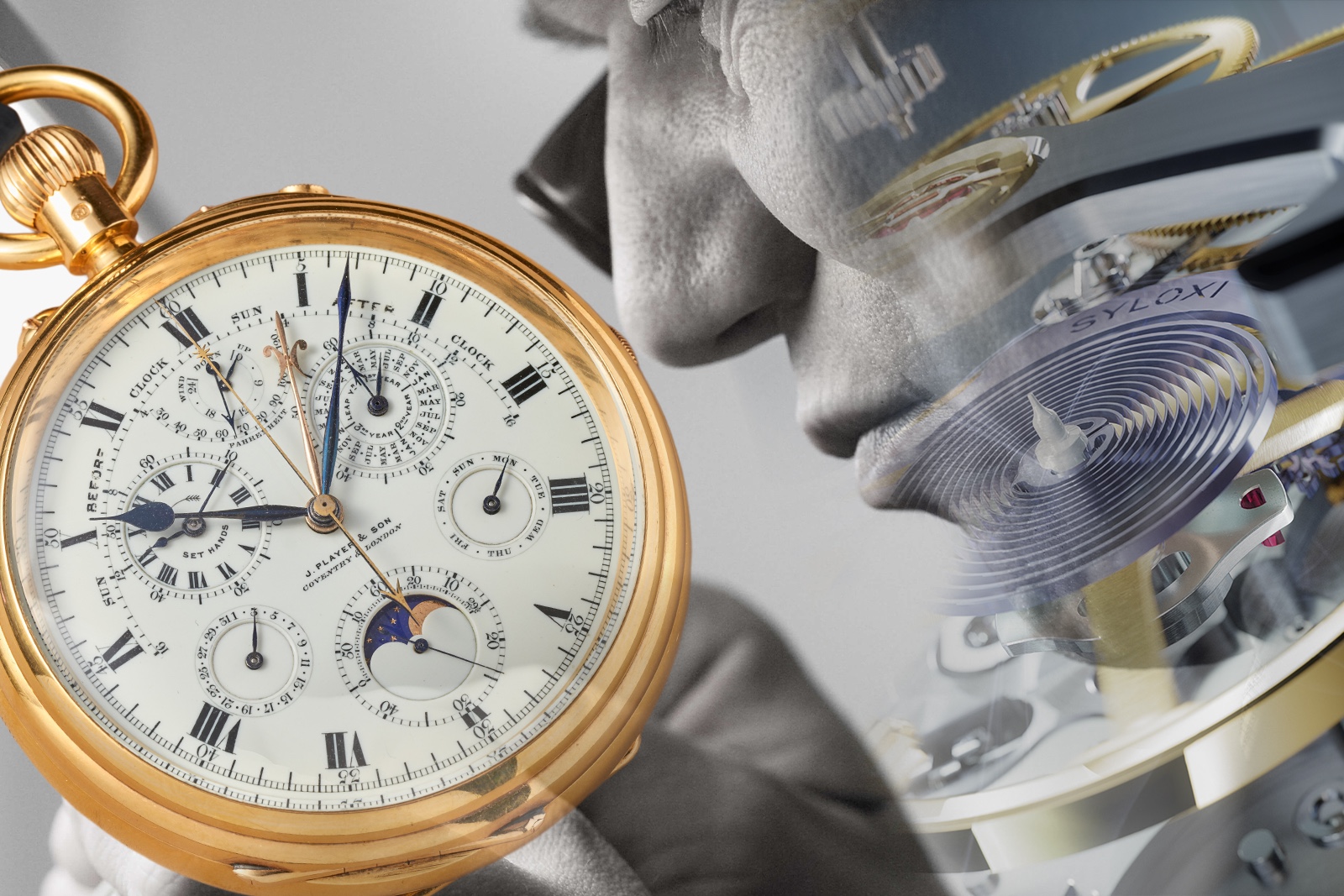
That set the stage for a series of pocket watch features, most notably his exhaustive analysis of the J. Player & Son supercomplication, and a hands-on evaluation of Breguet no. 1890, the four-minute natural-escapement tourbillon now in the collection of François-Paul Journe.
He also advanced our technical coverage with rigorous analyses of recent patents from Breguet and Audemars Piguet. In the case of Breguet, he unpacked a suite of ideas — including a new natural escapement and an updated Sympathique concept — offering an early look at mechanisms we have yet to see brought to market. His study of Audemars Piguet’s Royal Oak RD#5 was even more ambitious, with clear animations built directly from patent filings.
Andrew also showed range beyond historical and technical subjects with his thoughtful review of the F.P. Journe Tourbillon Souverain Vertical Joaillerie Rubis.
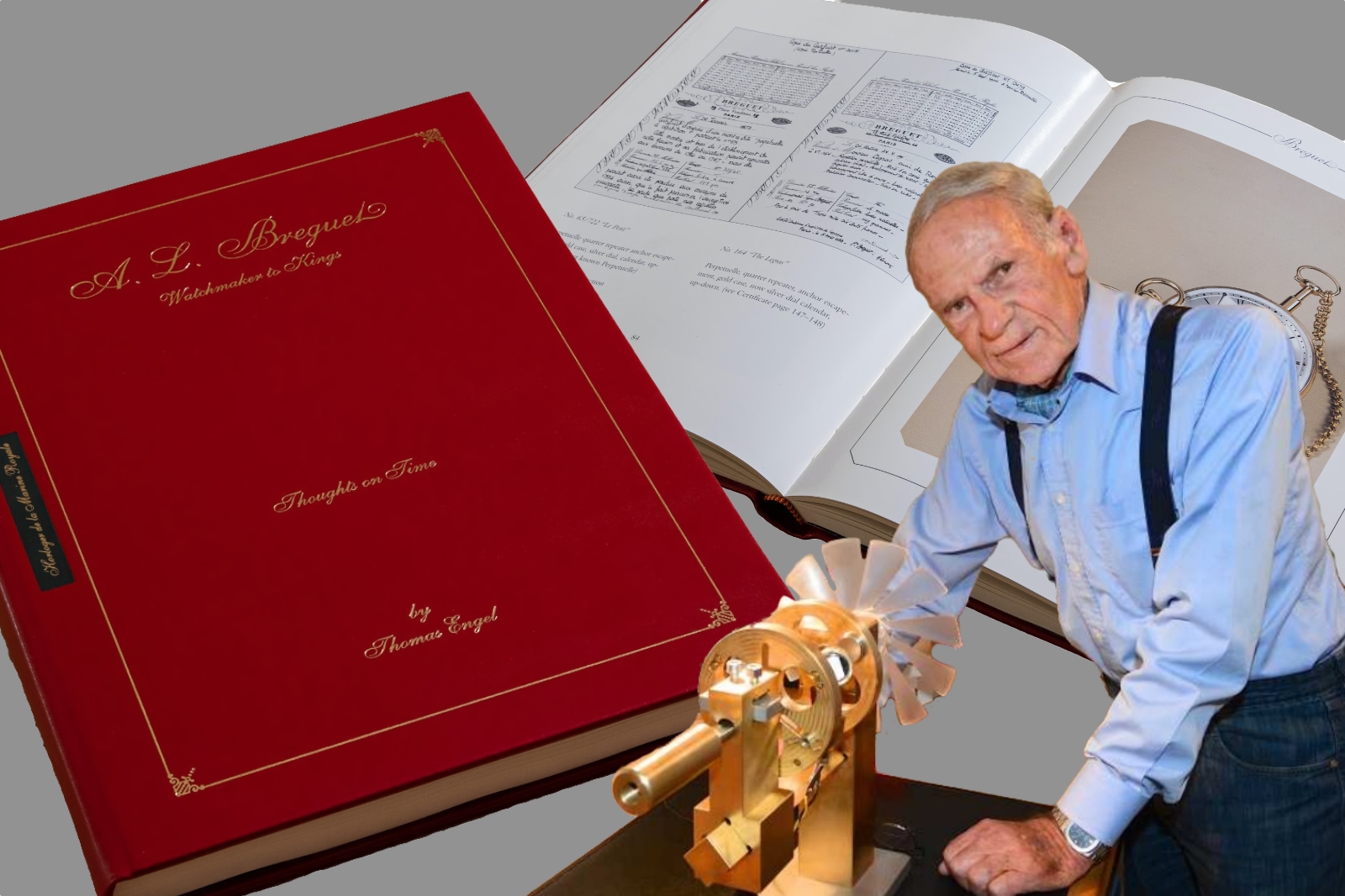
Our historical specialist, Carlos Torres, made his mark with several standout contributions to the Complicated Collectors series, reconstructing the philosophies of figures such as James Ward Packard and Thomas Engel. Rather than simply listing watches, these studies explored how each man approached complexity, purpose, and patronage — models that should inspire contemporary collectors.
He extended this analytical lens to two major Breguet projects: a survey of early nineteenth-century equation-of-time clocks and watches, and a comprehensive history of the Sympathique system from the originals through Sympathique No. 1. Both pieces blended technical detail with cultural context, showing how Breguet’s innovations shaped expectations of precision and mechanical autonomy.
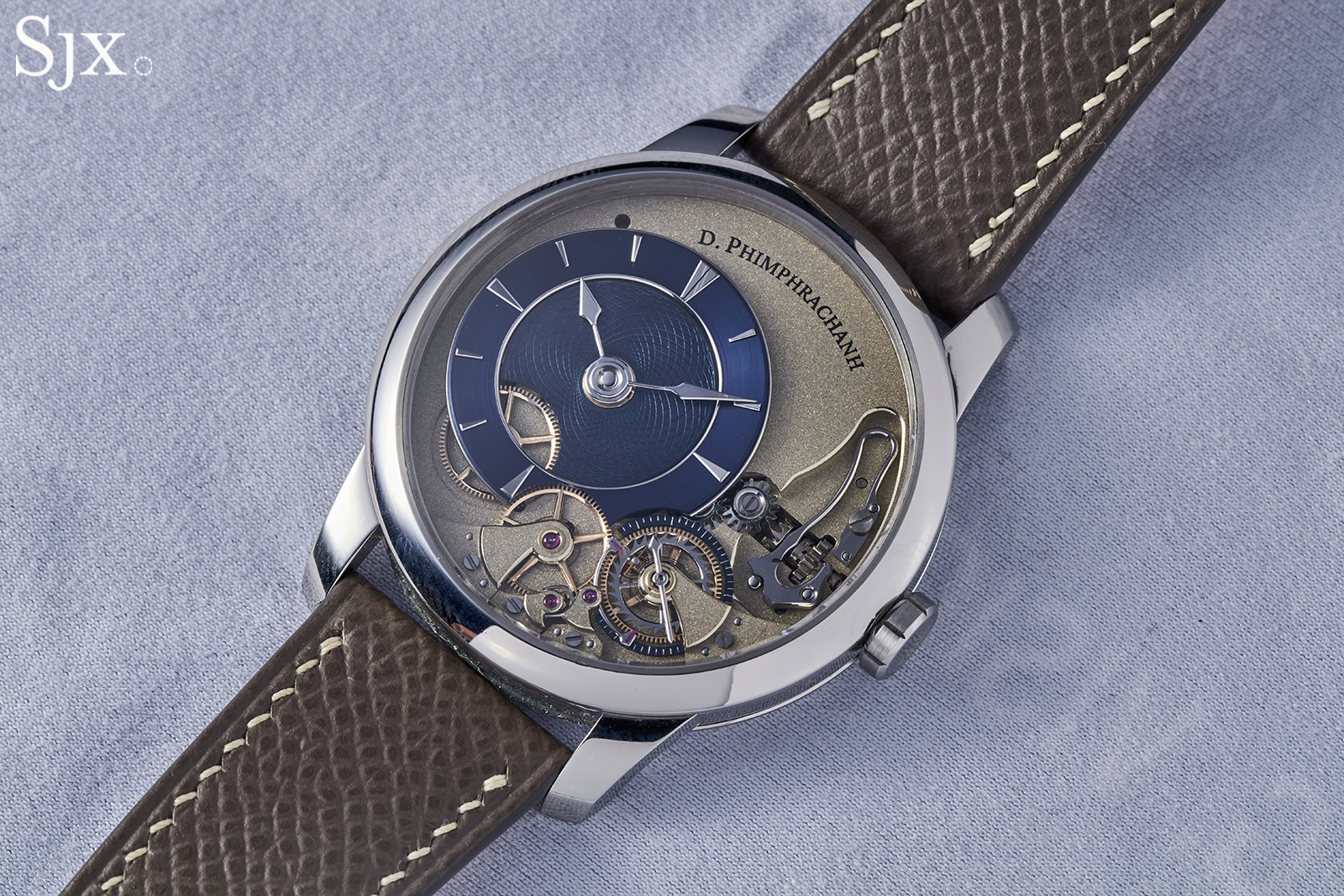
Carlos then widened the frame with a study of papal clocks and watches, along with a profile of Dann Phimphrachanh, a contemporary independent watchmaker whose work consciously echoes historical precedent.
Back to top.