

Craft at Scale: Audemars Piguet’s Industrial Strategy
In conversation with CIO Lucas Raggi.
Audemars Piguet (AP) is a storied name in haute horlogerie, and has long been the public face of the Vallée de Joux, the cradle of high complications in Switzerland. It’s also the only brand in the so-called ‘holy trinity’ to employ a Chief Industrial Officer (CIO). We sat down with Lucas Raggi to understand his role in shaping AP’s industrial strategy.
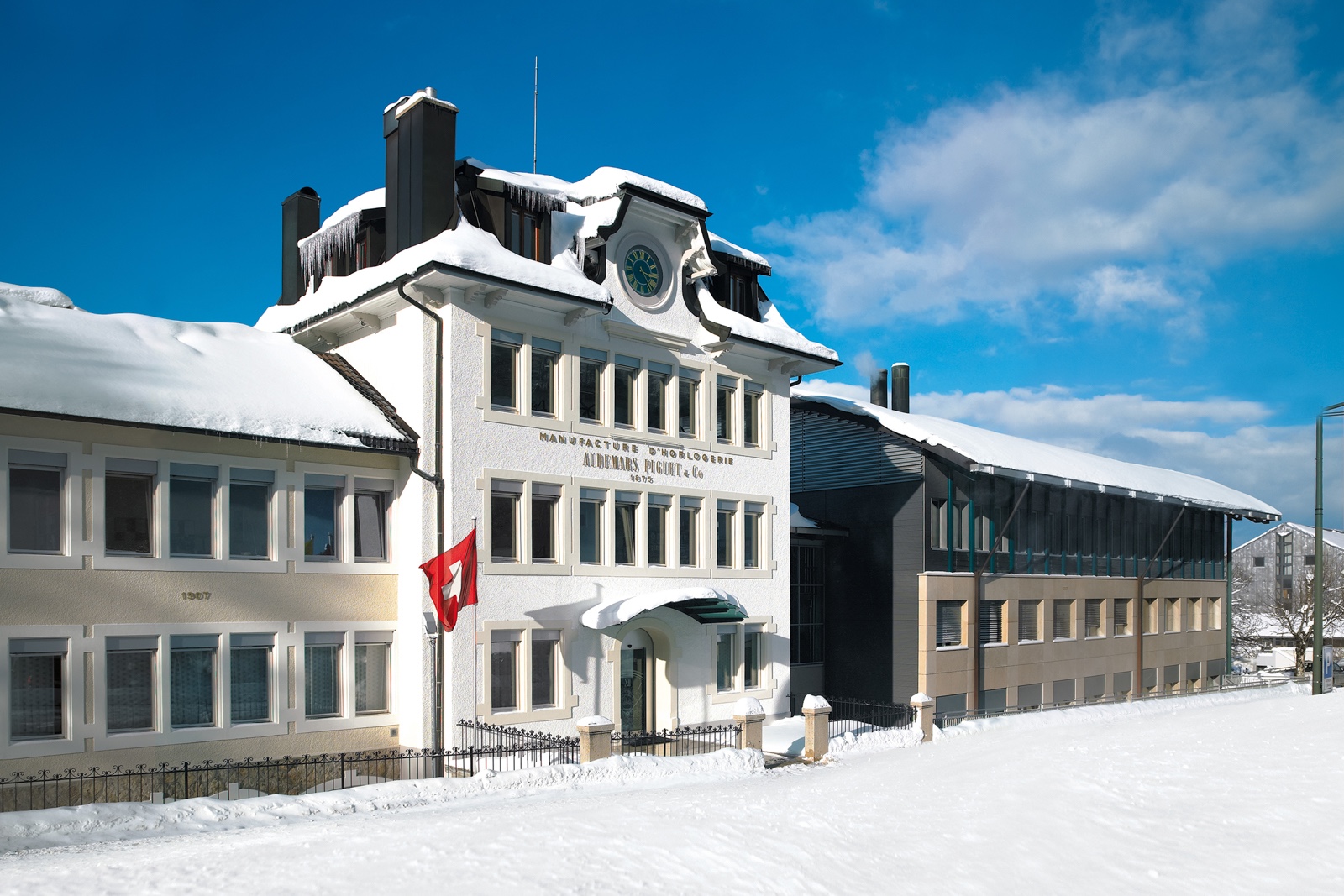
The historical home of Audemars Piguet. Image – Audemars Piguet
The context
Having closed the chapter on the brand’s first 150 years, AP is flying high. According to Vontobel estimates, the brand generated more than CHF2.4 billion in 2025, making it the third-largest brand by revenue after mass market masters Rolex and Cartier. The brand is estimated to have produced more than 50,000 watches in 2025, up from 30,000 just a few years ago.
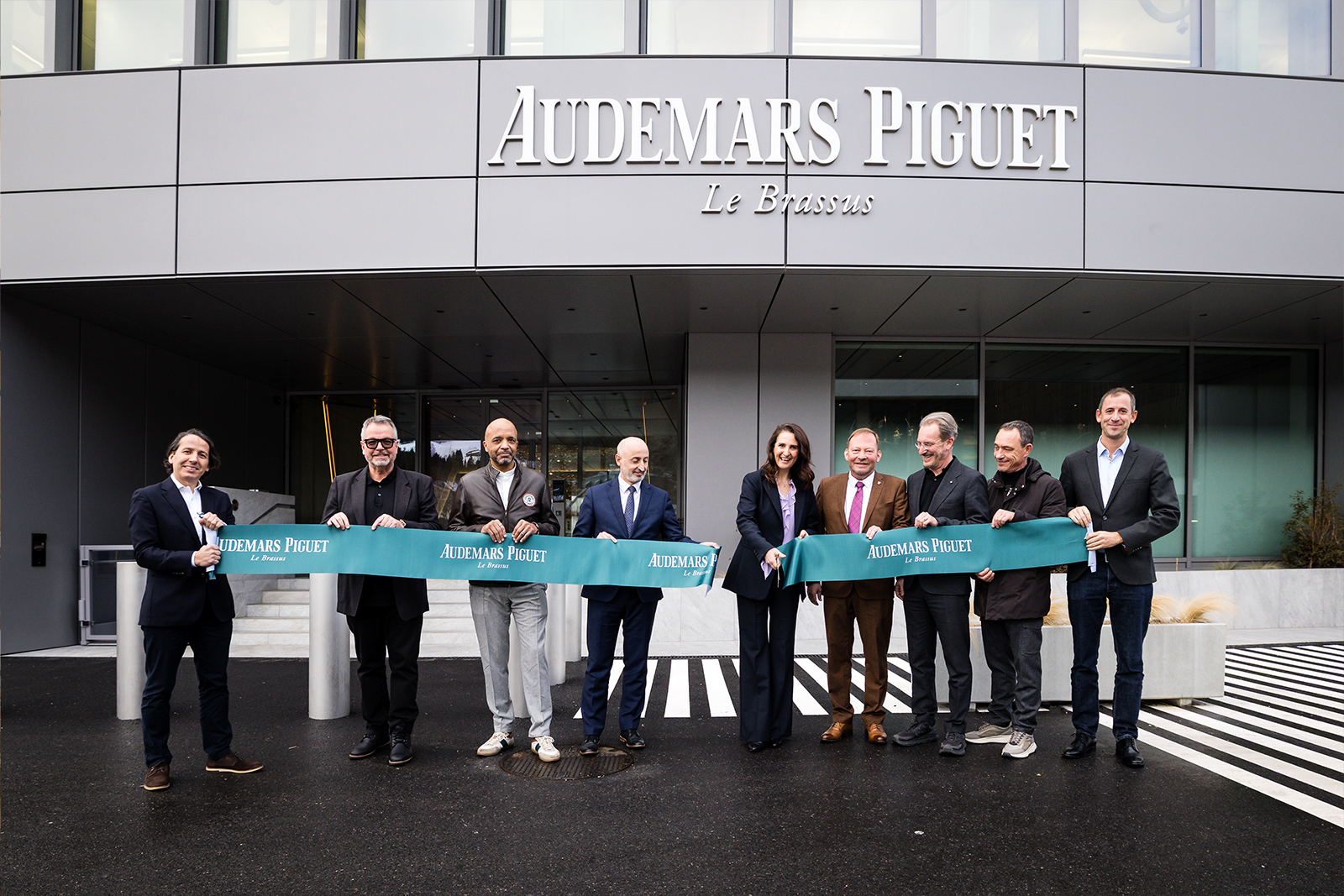
The ribbon-cutting ceremony at the opening of AP’s new Arc Manufacture in Le Brassus. Image – Audemars Piguet
The new Arc Manufacture, which just came online, might raise the ceiling further. In a 2022 interview then-chief executive François-Henry Bennahmias suggested AP would be capable of making up to 65,000 watches annually by 2027.
These numbers represent extraordinary growth for a century-old family owned brand that makes complicated watches. So how does a brand like AP (nearly) double its output in less than a generation without sacrificing small-scale craftsmanship? In short, thoughtful industrialisation.
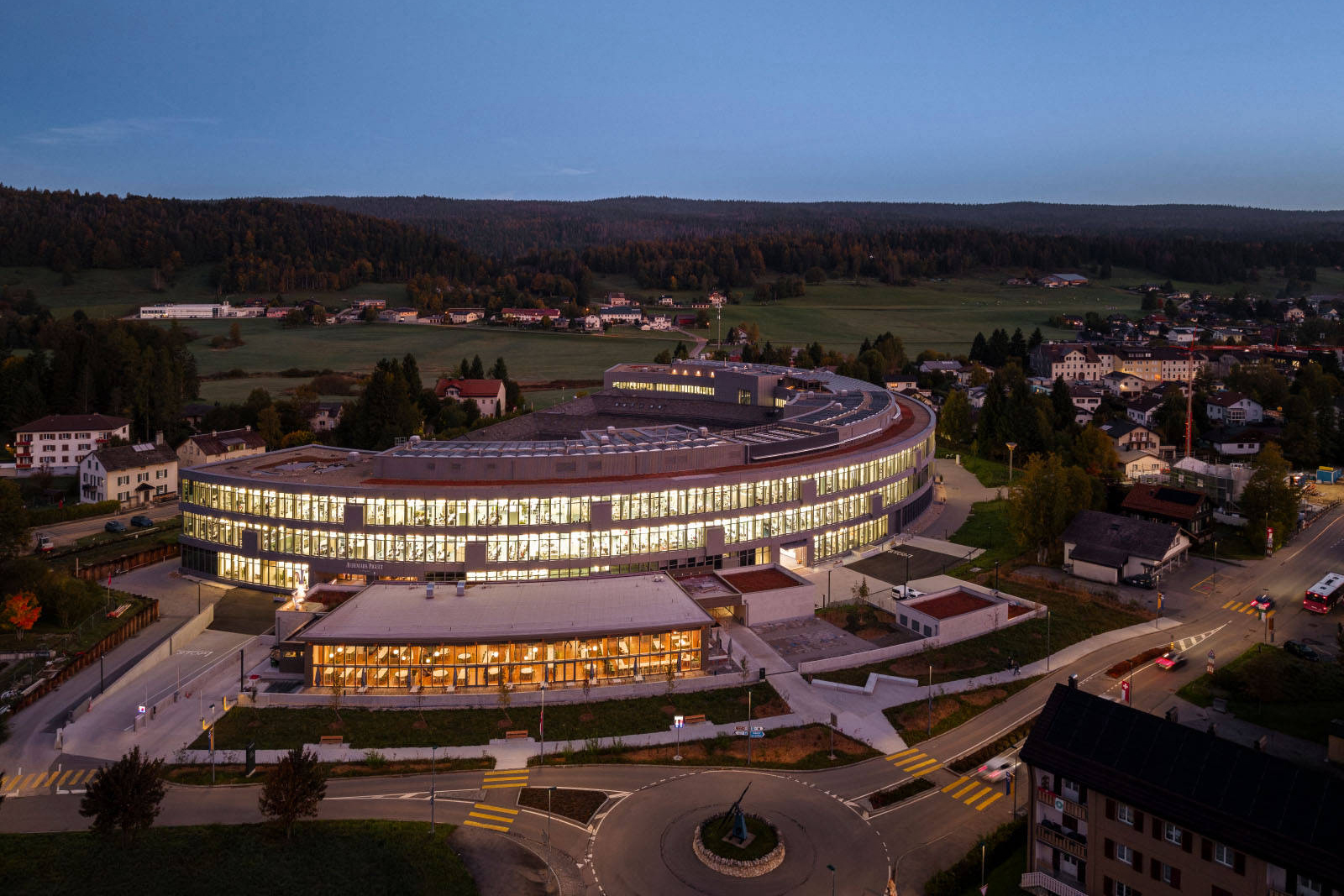
The recently opened Arc Manufacture in Le Brassus. Image – Audemars Piguet
The right background
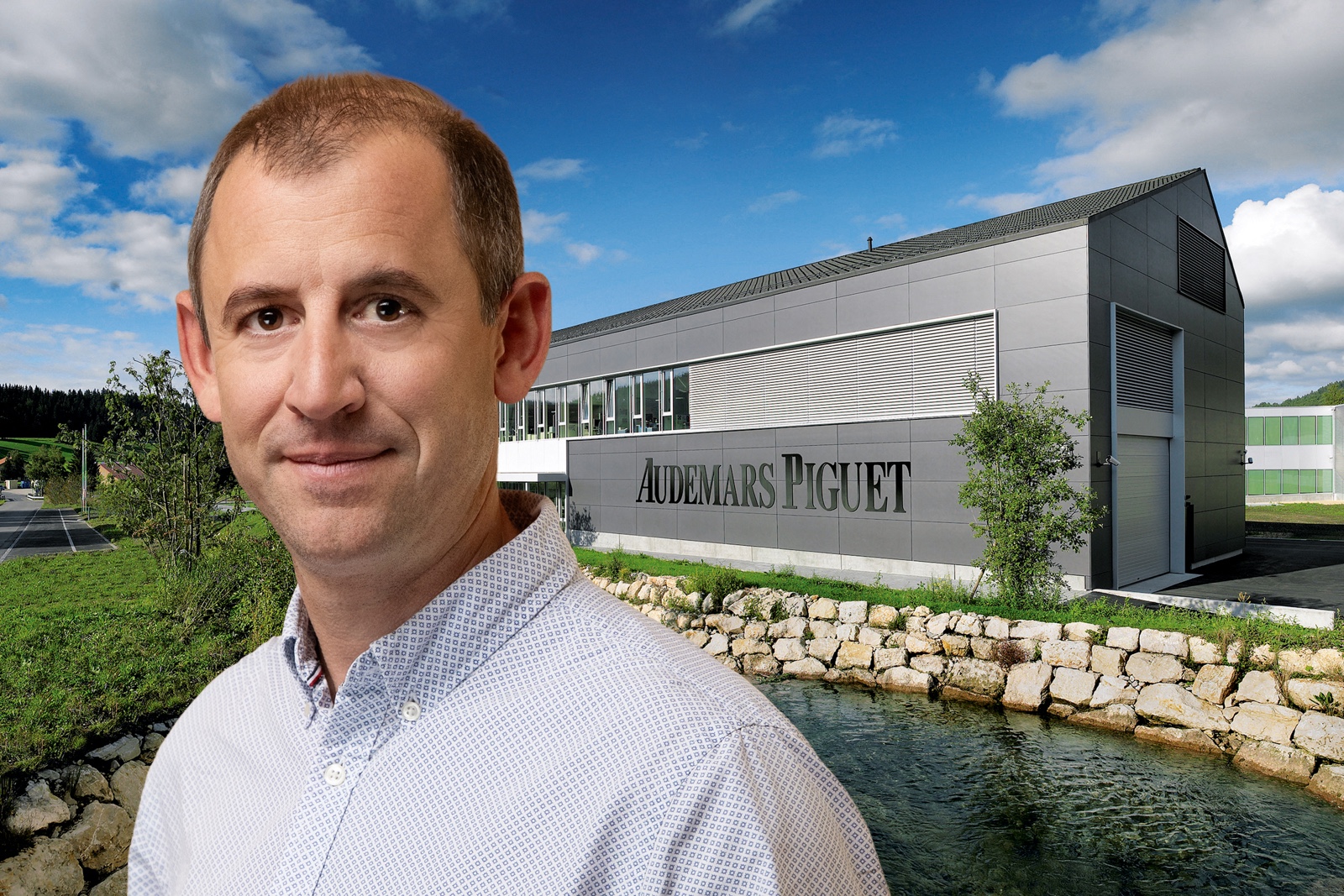
Lucas Raggi is a native of Lausanne and graduated with a master’s degree in microengineering from the Swiss Federal Institute of Technology (EPFL). Upon graduation, Mr Raggi extended his studies with a three-year applied research programme, during which he worked with AP to improve the acoustics of the brand’s minute repeaters. This experience helped him land a full-time engineering role at AP in 2011.
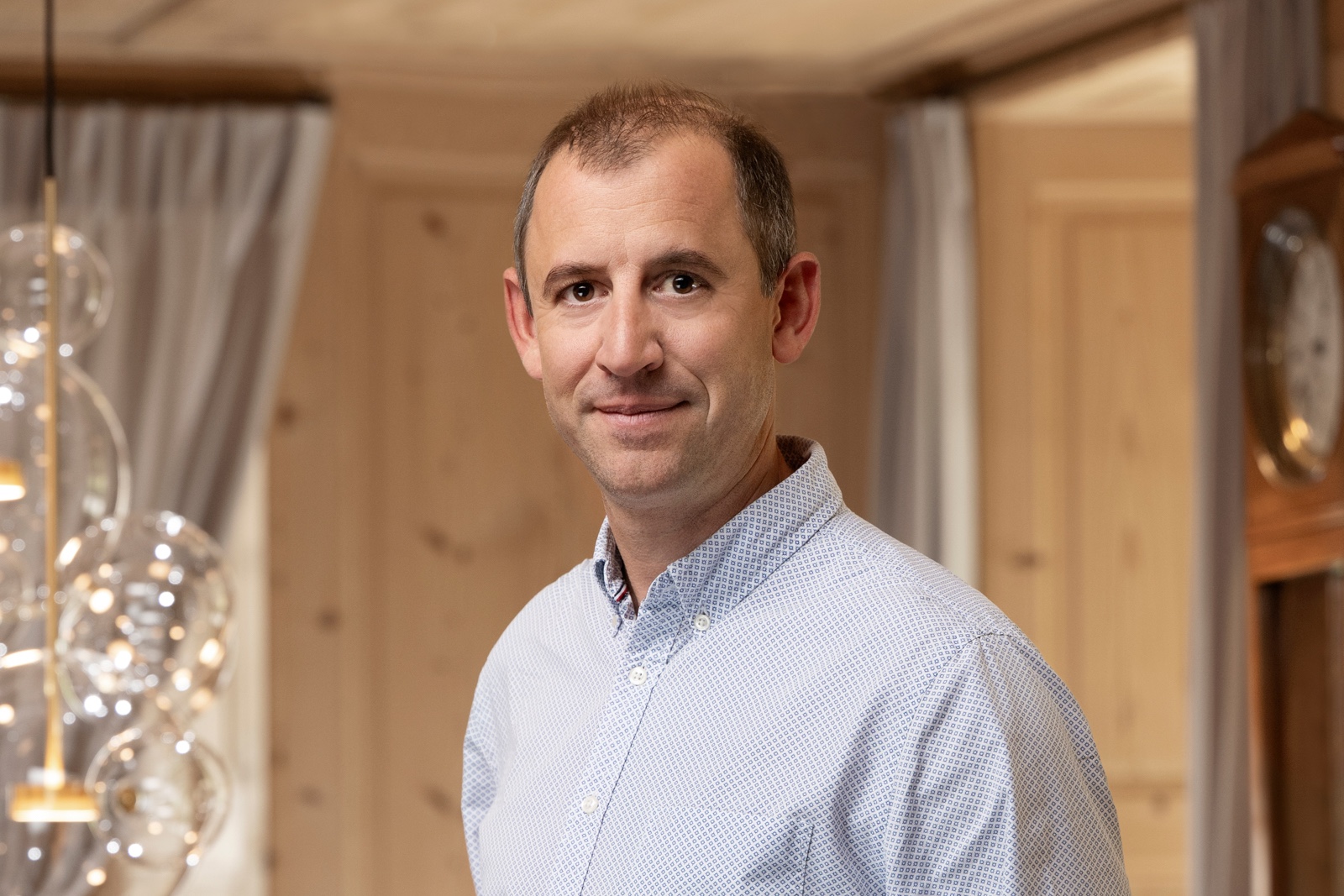
Chief Industrial Officer (CIO) Lucas Raggi. Image – Audemars Piguet
After becoming Director of Research and Development in early 2017, he oversaw the completion of the acoustics project he had begun at EPFL nearly a decade earlier. The result was the RD#1 prototype, unveiled in 2015 and commercialised the following year as the Royal Oak Concept Supersonnerie — a landmark in minute repeater acoustics that remains a reference point in the field.
He subsequently led a series of technically ambitious projects, among them the Royal Oak RD#2, then the world’s thinnest self-winding perpetual calendar wristwatch. His impact extends beyond complications to the development of novel materials including sand gold, chroma forged carbon, and polychrome ceramic. In his new role as CIO, Mr Raggi oversees AP’s industrial operations end to end, from design and production through supply chain, quality, and client service.
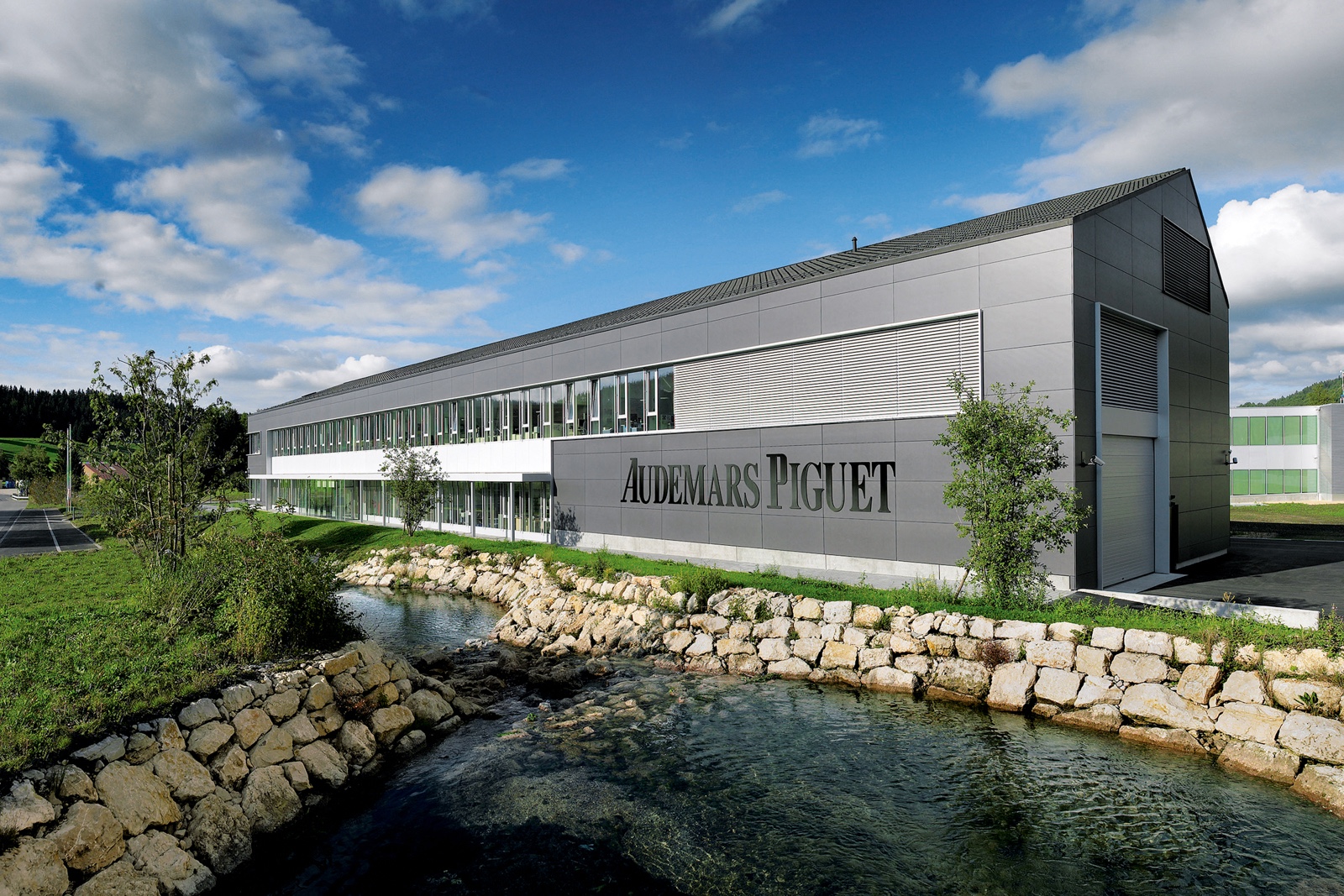
Audemars Piguet’s Manufacture des Forges, also in Le Brassus. Image – Audemars Piguet
Industrialisation is not automation
Speaking with Mr Raggi, he emphasised the difference between industrialisation and automation. He explained, “I think we should not confuse industrialisation and automation. Industrialisation means process engineering, so it makes it possible to stabilise the manufacturing, assembly, and finishing processes in order to offer constant quality to clients.” In contrast, he clarified, “automation would be doing things with machines.”
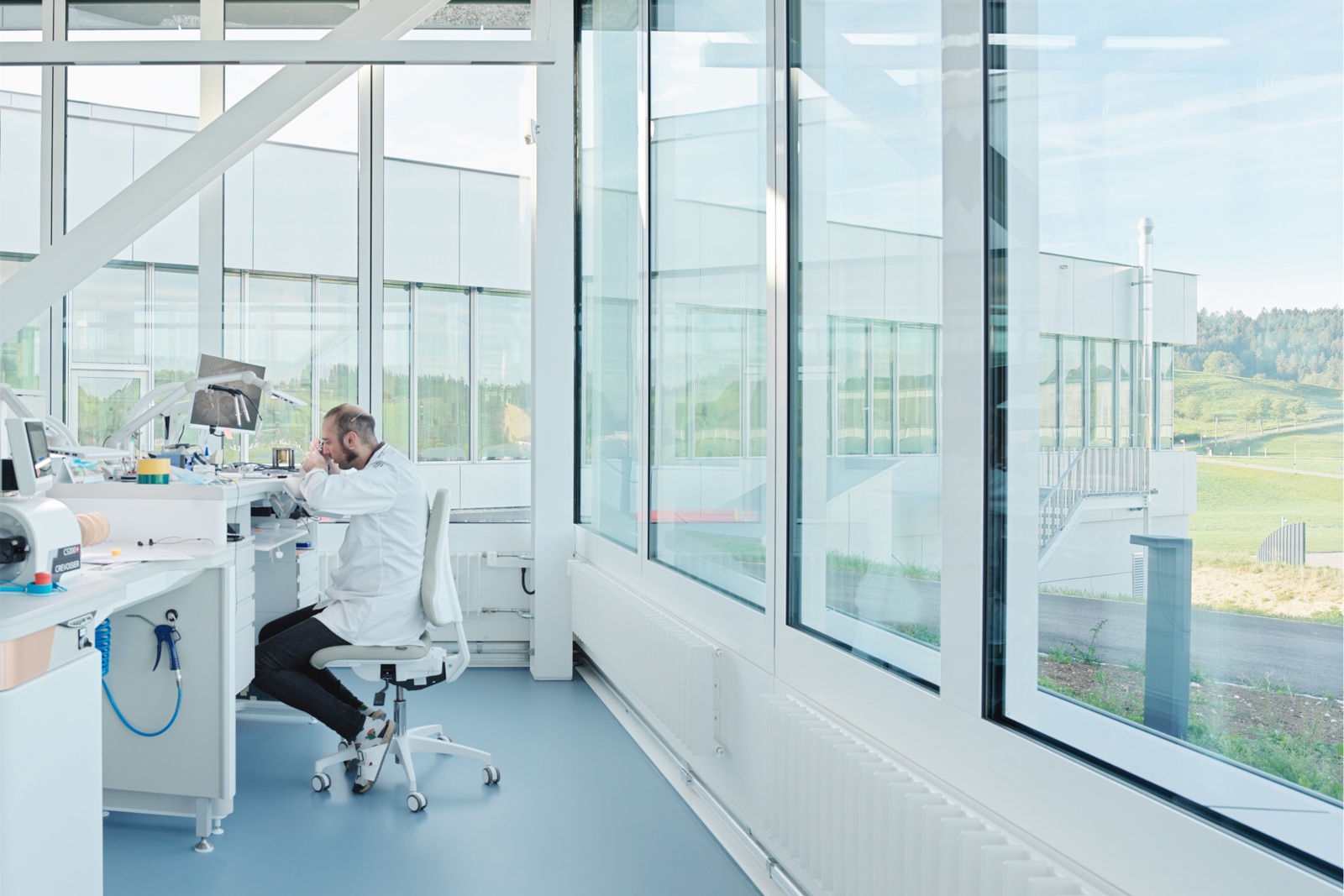
Laboratory-like conditions at AP. Image – Audemars Piguet
This speaks to how high-end brands can optimise output without sacrificing hands-on attention for each watch. Where automation does have a role is in eliminating unnecessary motions. This mindset explains one of the most interesting features of the brand’s new Arc Manufacture in Le Brassus: a robotic Goods-to-Person (GTP) parts retrieval system.
This system uses 66 robots to pick and deliver necessary components directly to watchmakers, reducing the time they spend waiting, walking, and looking for the parts they need. GTP systems can make a big difference for large-scale producers like Rolex and Omega, but they’re uncommon at smaller companies like AP. This is just one way that Mr Raggi is architecting AP’s industrial strategy to support future growth.
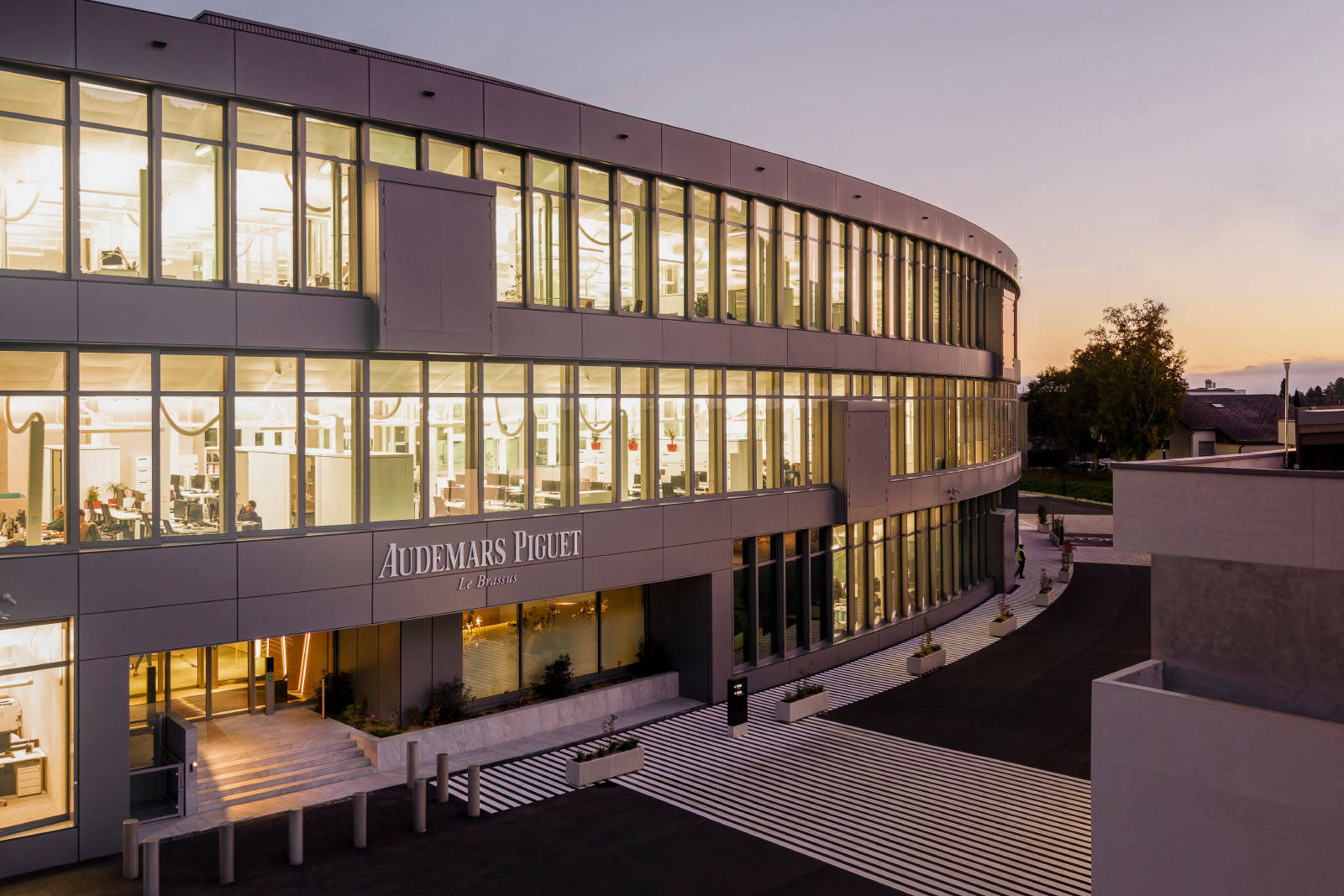
The Arc Manufacture. Image – Audemars Piguet
Mr Raggi explains, “At Audemars Piguet, we need to master industrial quality, and we use industrialisation to do that. However, we are operating at a volume that still allows us today to assemble all our watches by hand. And we are going to continue doing that.”
Smart industrial systems enable to the brand to conserve its most precious resource: watchmaker hours. “Our production is limited because we make watches and movements that meet very high-quality standards, and our challenge is more often to find the skills sufficiently qualified to achieve the level of production we have today. So, in the industrial sphere, what we try to do is bring technology to the areas where there are tasks that can be repetitive or that have no added value.”
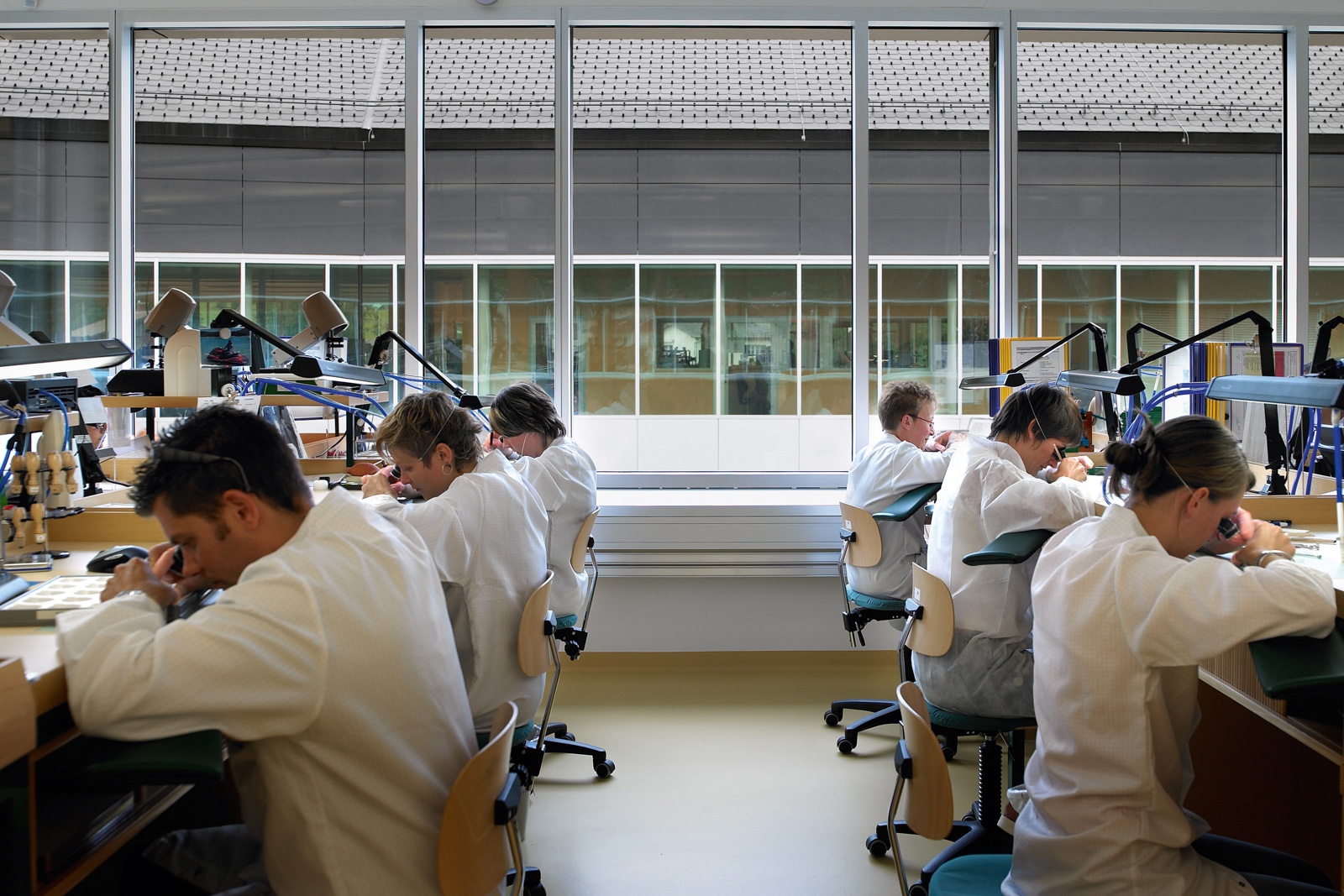
Where the magic happens. Image – Audemars Piguet
No more siloes
When Mr Raggi joined AP, he had a direct role in the brand’s RD series of experimental watches. This programme came to an end last year with the launch of the RD#5, an ultra-thin chronograph with a groundbreaking approach to managing energy for the start, stop, and reset actions.
The end of the RD series paves the way for the future of innovation at AP: the fabrication laboratory, or ‘fab lab.’ More than a simple rebranding, the fab lab does away with the complication-specific siloes behind the RD series.
This has opened the door to new perspectives on innovation, including a major focus on ergonomics. Mr Raggi explained, “One of our current focuses is on ergonomics and on the interactions between the user and the watch, specifically between the adjustment of the complications and the display of the information.”

A Royal Oak featuring the user-friendly cal. 7138 perpetual calendar movement.
The fruits of these efforts can be seen in watches like the Royal Oak Perpetual Calendar Openworked, which shows off the brand’s crown-operated perpetual calendar module. This design dispenses with decades of tradition in how perpetual calendars are adjusted. Instead of a complicated system of pushers in the case, all functions of this new platform can be adjusted via the crown, reducing the risk of costly user error and enhancing the robustness of the case, especially against water ingress.
This focus on user-friendliness was likely shaped by Mr Raggi’s own background. At EPFL, he was trained in the art of Functional Analysis, an approach that starts with customer needs and works backward to the optimal technical solution. This might sound like the obvious way to make anything, but in the highly traditional culture of Swiss watchmaking, brands often prefer the status quo, burdening the customer with the watchmaker’s own unsolved problems.
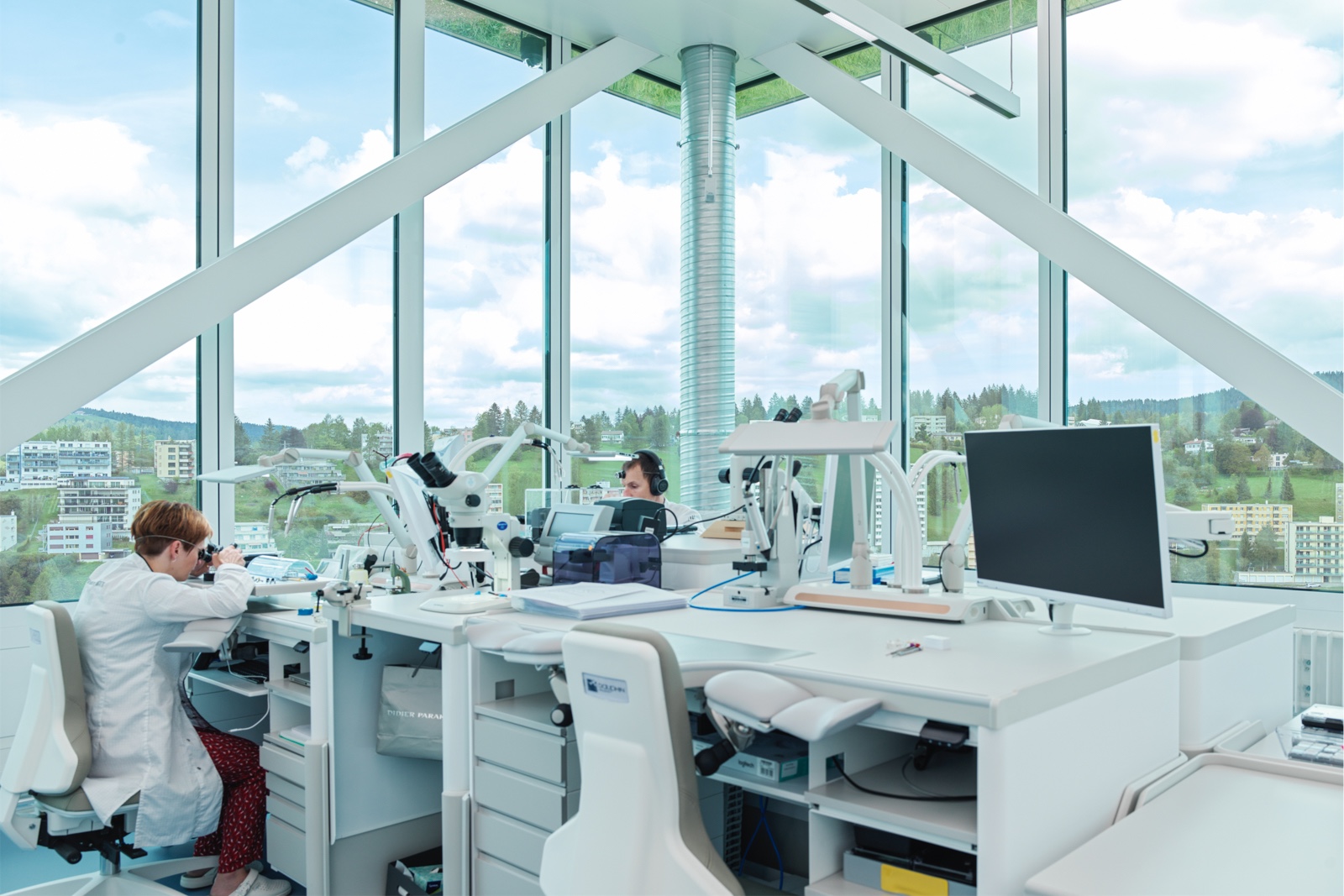
The brand’s industrial policy is partly visible in the controlled conditions of the manufacture. Image – Audemars Piguet
In other words, complexity is often solved in the user manual, rather than at the drawing board. Mr Raggi explained, “I have always had a customer-oriented approach, because of my training.”
Mr Raggi’s CIO role itself is interesting, not least because he does not have a counterpart at either Patek Philippe or Vacheron Constantin. One of his favourite things about his role is the end-to-end view of the entire business afforded by his role.
“What I find really interesting is being able to ensure continuity and de-siloed communication. From R&D all the way to the client service, passing through the supply chain and production. So it makes it possible to have coherence, and also to increase innovation because, in fact, you have a view of all the professions that contribute to making watches, and throughout their entire life cycle, including when we take care of them in client service.”
A modular (metallic) future
Audemars Piguet has almost completely overhauled its line-up of movements in recent years, starting with the time-only cal. 4302 and chronograph cal. 4401 that debuted in 2019. The modernisation of the portfolio continued with the launch of slim cal. 7121 in 2022, and the launch the compact chronograph cal. 6401 earlier this year that finally replaced the venerable F. Piguet cal. 1185, one of the last vestiges of AP’s pre-industrial era.
The brand still sources some parts and ebauches from third parties, but sticks to suppliers like Vaucher that are capable of matching its quality standards.
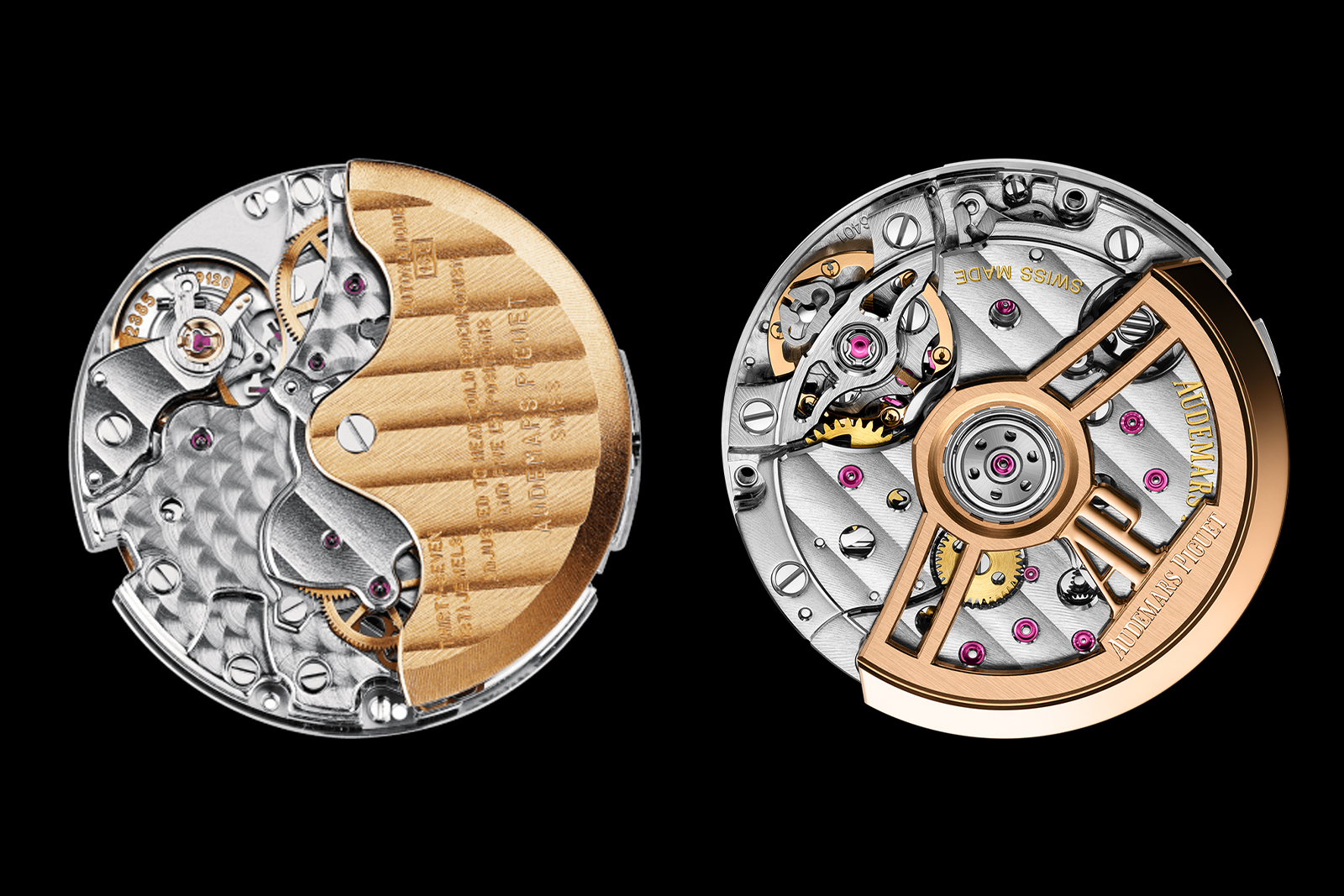
The F. Piguet cal. 1185 (left) was finally replaced by the in-house cal. 6401. Images – Audemars Piguet
The new calibres are not just movements — they are platforms that will support a range of complications in the future. Mr Raggi explained, “It’s true that in recent years, we have done a lot of development on base movements — the [cal.] 4302 for the hours, minutes, seconds, and the [cal.] 7120 for the ultra‑thin movement. We…have already started putting the focus on and developing more and more complications. But these complications needed base movements to support them.”
The overhaul of the line-up took time; the brand has acknowledged a seven-year development timeline for new movements. But now the brand has most of its bases covered with small and large sizes of time-only and chronograph calibres, all capable of powering additional complications.

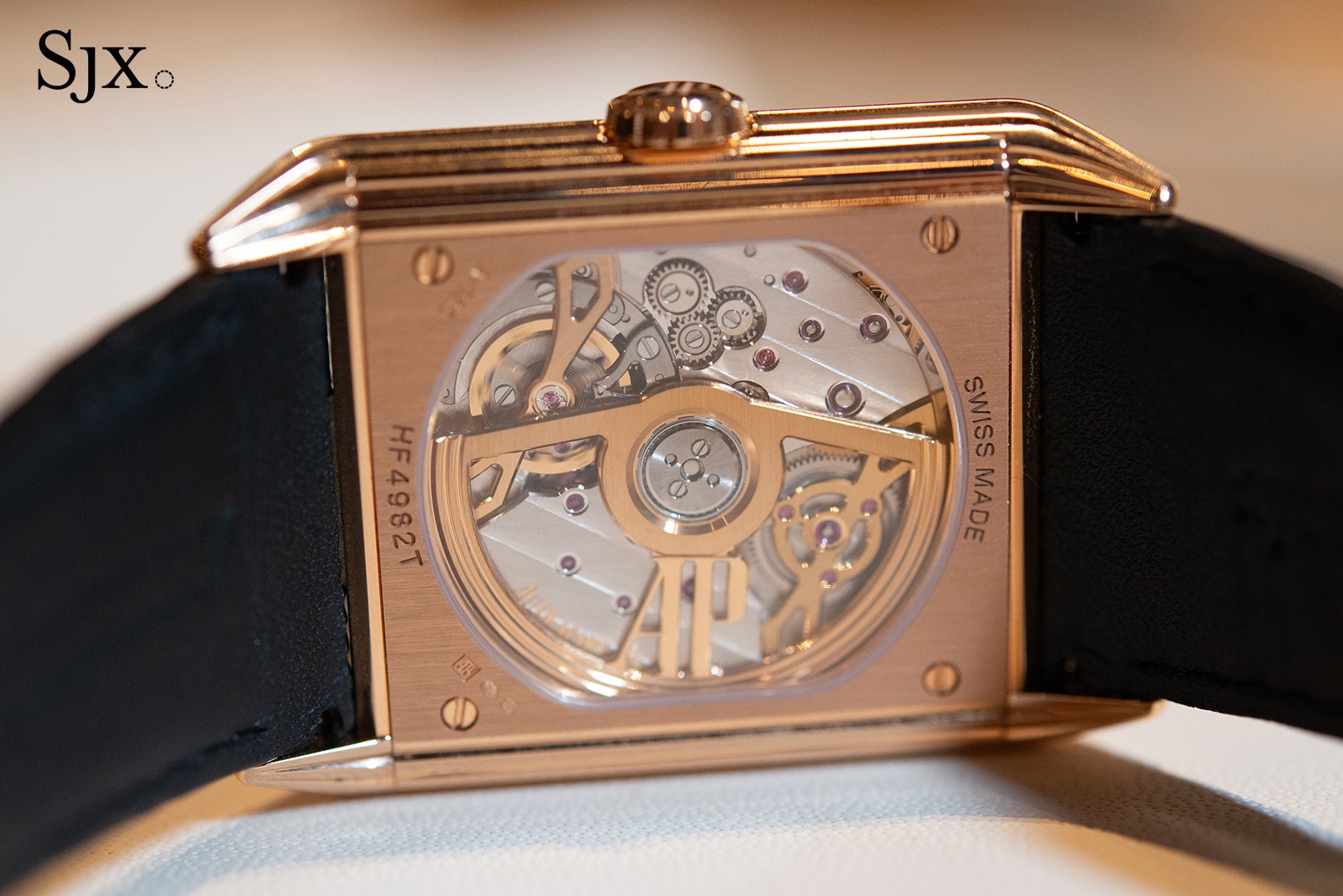
The brand’s latest ultra-thin automatic calibre seen here powering the Neo Frame Jumping Hour.
The Neo Frame Jumping Hour is a perfect example, adapting the cal. 7121 to power a jumping hours module. “In the future, we will continue to capitalise on our base calibres to develop more complications.”
Interestingly, despite the ever-more widespread use of silicon in high-end watchmaking, and AP’s demonstrated interest in novel case materials, silicon is apparently not on the menu. “In recent years, we developed Nivachron for the balance spring — a metallic but non‑magnetic alloy that delivers excellent performance — and we are going to continue in that direction.”
Design for manufacturability
While the brand plans to avoid silicon, its engineers are thinking outside the box in other areas. One of the interesting aspects of the RD#5 that was lost in much of the coverage of its innovative movement was the fact that it actually requires fewer parts than the ‘simpler’ cal. 4401 chronograph.
This can be chalked up to clever architecture that replaces some screwed bridges with circular clips. This approach is anything but traditional, but speaks to how the brand has prioritised design for manufacturability (DFM) in the movement development process.
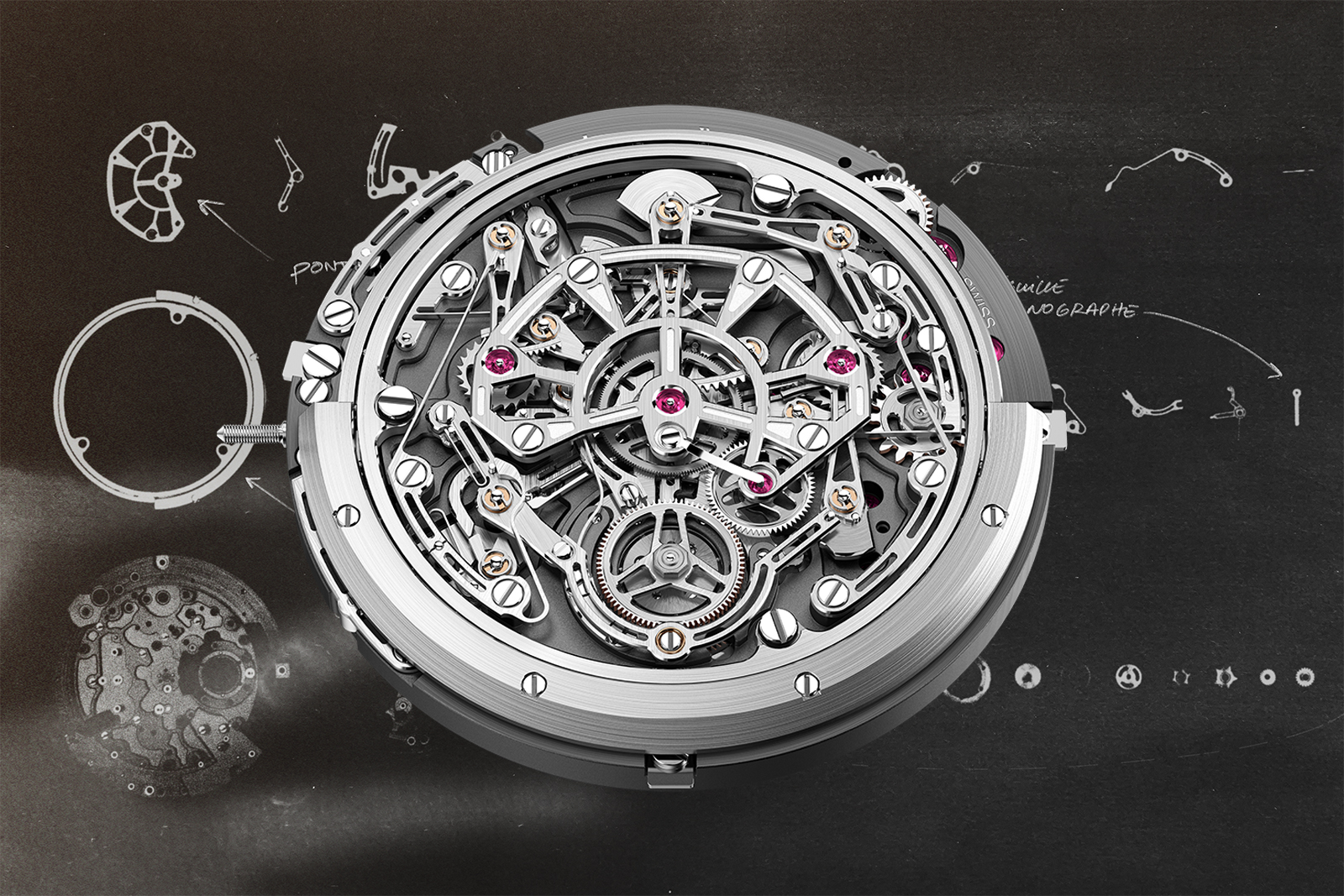
The clever cal. 8100 in the Royal Oak RD#5 ultra-thin chronograph. Despite its flying tourbillon architecture, the simplified design requires fewer parts than traditional chronograph designs. Image – Audemars Piguet
Speaking about the use of clips, Mr Raggi explained, “This solution allows us to make ultra‑thin movements, so whenever we need to produce thin movements, when we don’t have space to place bridges, we will use this solution.”
Concluding thoughts
Audemars Piguet is currently engaged in an interesting (and arguably somewhat risky) experiment to see how far high horology can be stretched using rigorous industrial discipline. With Mr Raggi leading the way, the brand is breaking down traditional complication-specific siloes and rethinking movement design for streamlined manufacturing, assembly, and usage.
This approach might not please some traditionalists, but it’s difficult to argue against innovations that improve functionality and reliability. That said, people buy watches based on emotion and are often willing to sacrifice convenience at the altar of good storytelling. With one foot in the past and one in the future, AP is in a unique position to find the right balance.
Back to top.