

Stellar Sequel: Oliver Gallaugher Deep Space Blue
Smaller, brighter, and blue.
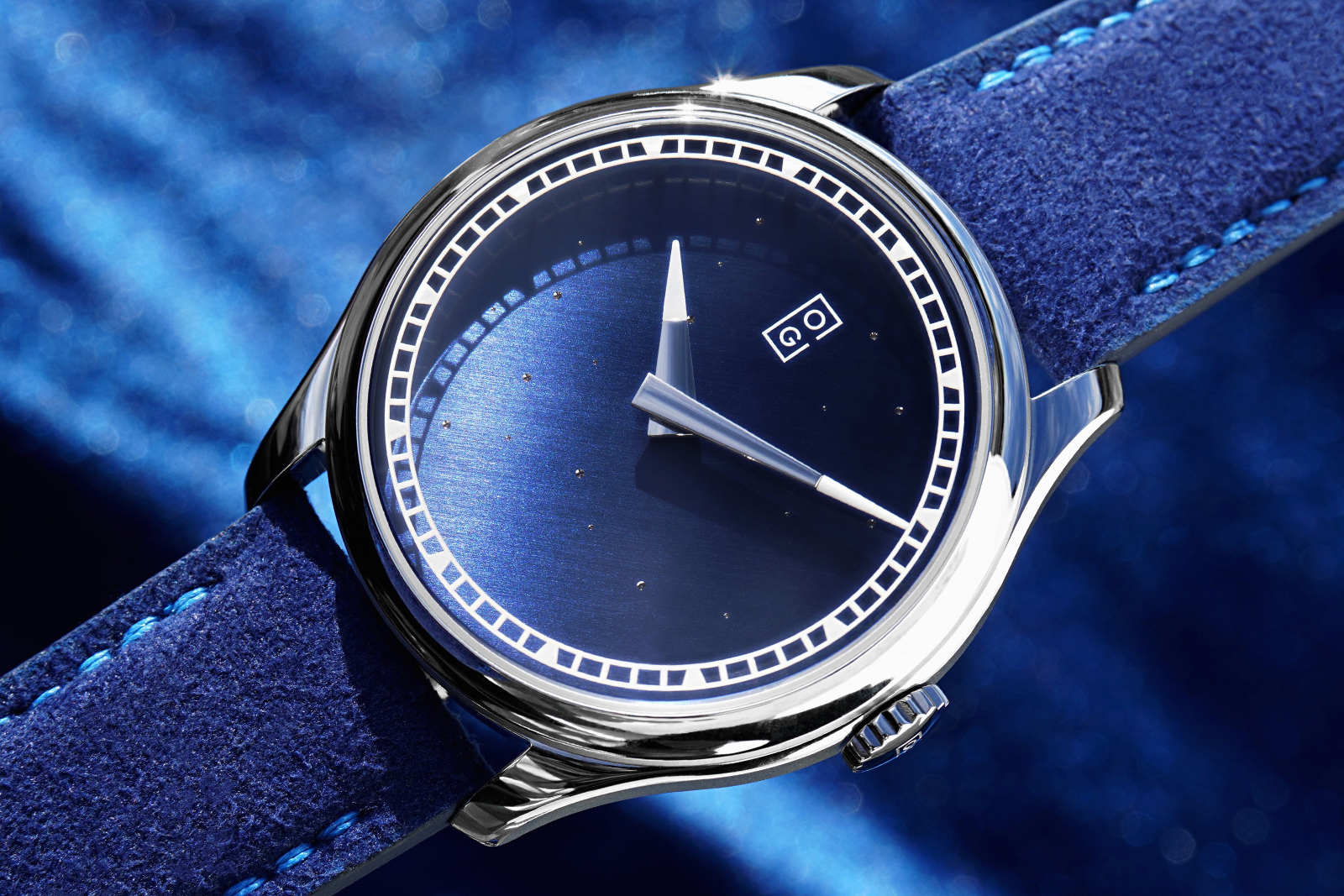
British designer Oliver Gallaugher (O.G) has unveiled the Deep Space Blue, a compact follow-up to the debut Deep Space launched two years ago. The refined sizing is thanks to a new movement that’s both smaller and better-equipped than the out-going Unitas 6498-based platform.
The 35-piece limited edition features a blued-hued dial with the same stellar theme of the original. To top it off, each dial features a unique pattern of engraved stars, making each individually numbered watch distinct from the next.
Initial thoughts
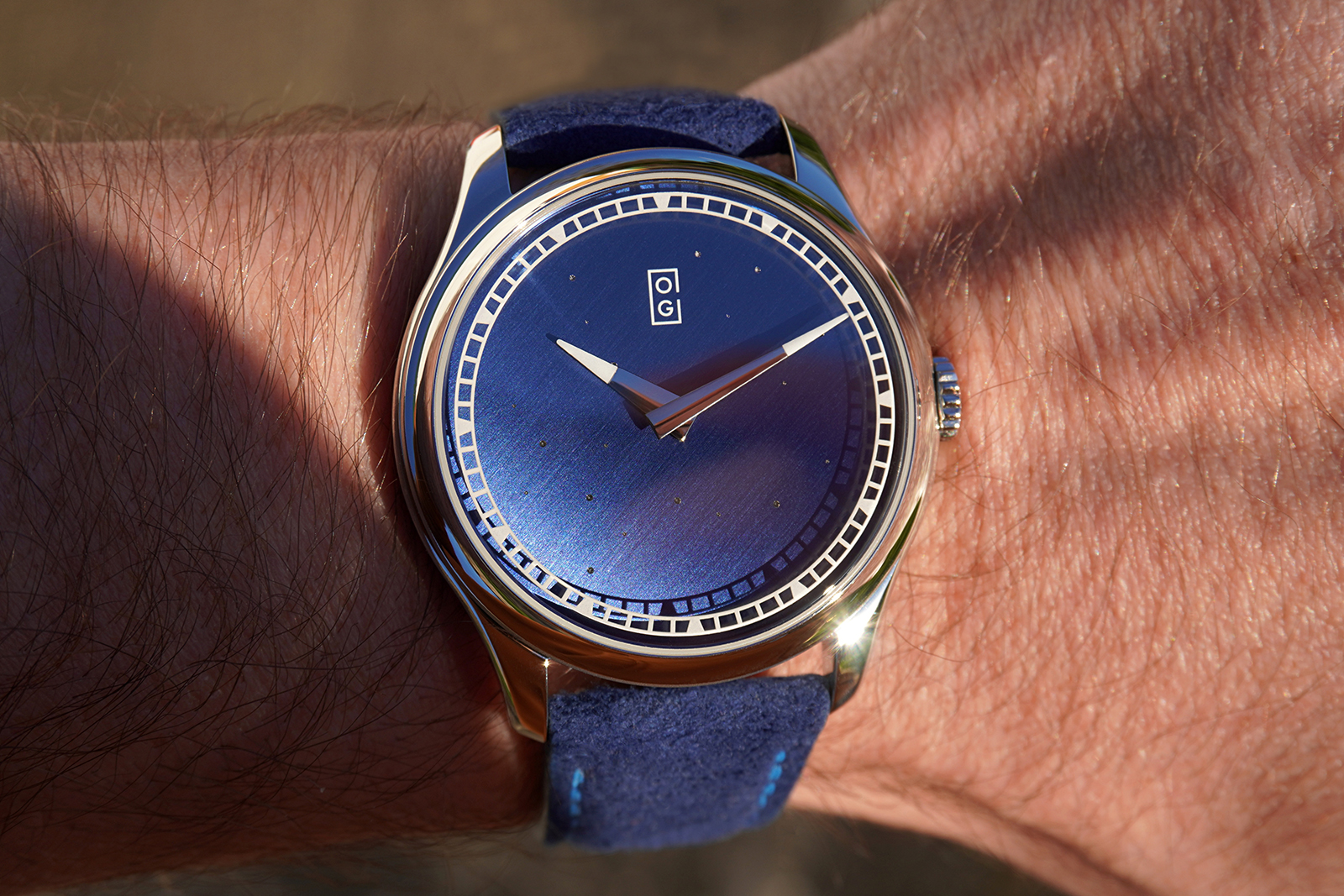
Oliver Gallaugher’s original Deep Space, launched in 2023, delivered an interesting and well-executed dial in a watch that wasn’t unnecessarily expensive. I appreciate that O.G has not moved aggressively upmarket with the sequel, as seems to be the trend for independents. Instead, the Deep Space Blue is slightly smaller and slightly nicer, while being only slightly more expensive, resulting in an improved value proposition.
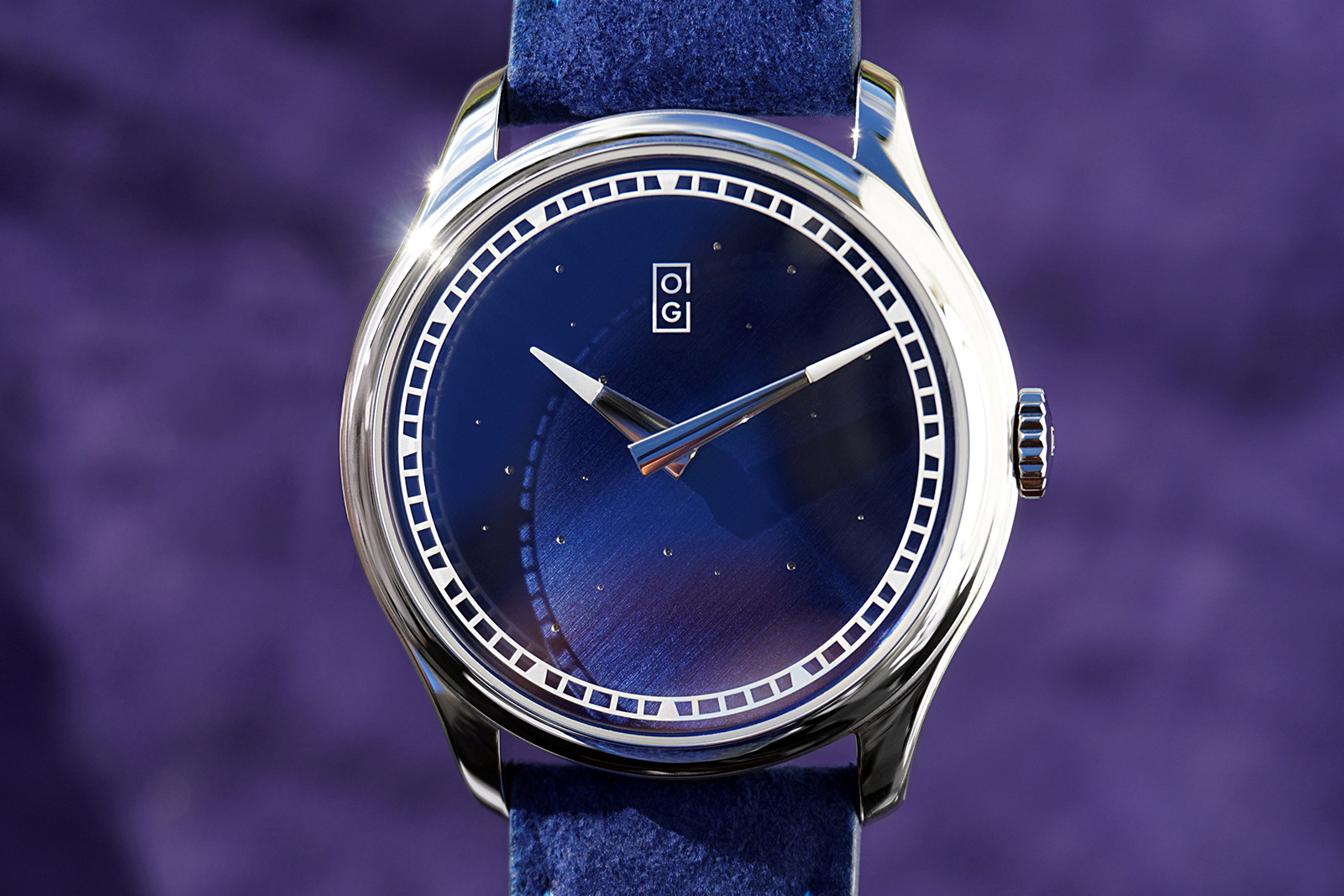
The revised dial is largely identical to that of the first generation Deep Space, aside from its blue colour and smaller size. The intersteller theme is conveyed clearly by the design, and no two will be alike; each dial will have unique and recognisable star pattern. The design looks as good in blue as in its original grey, which makes one wonder what it might look like in black or even burgundy.
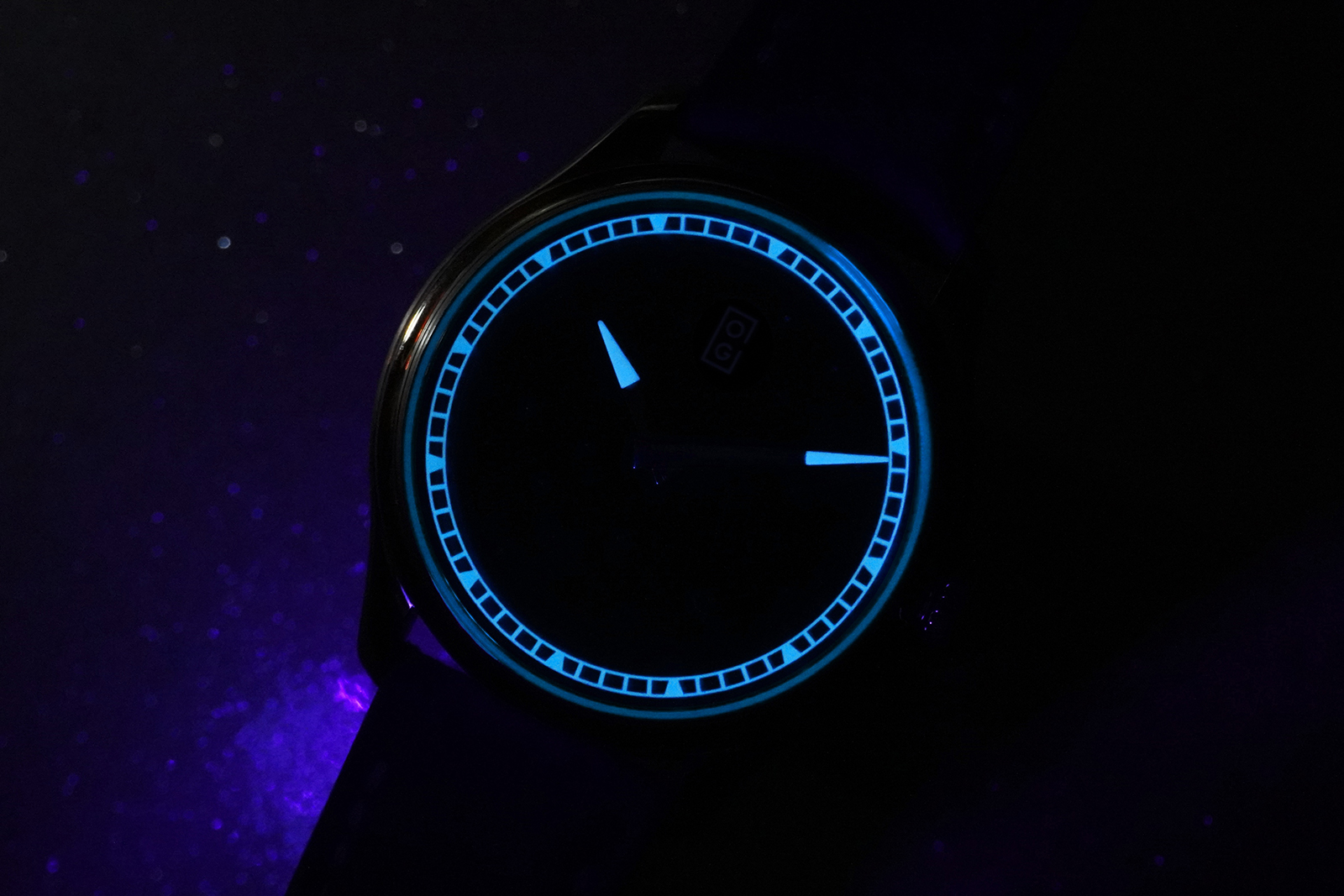
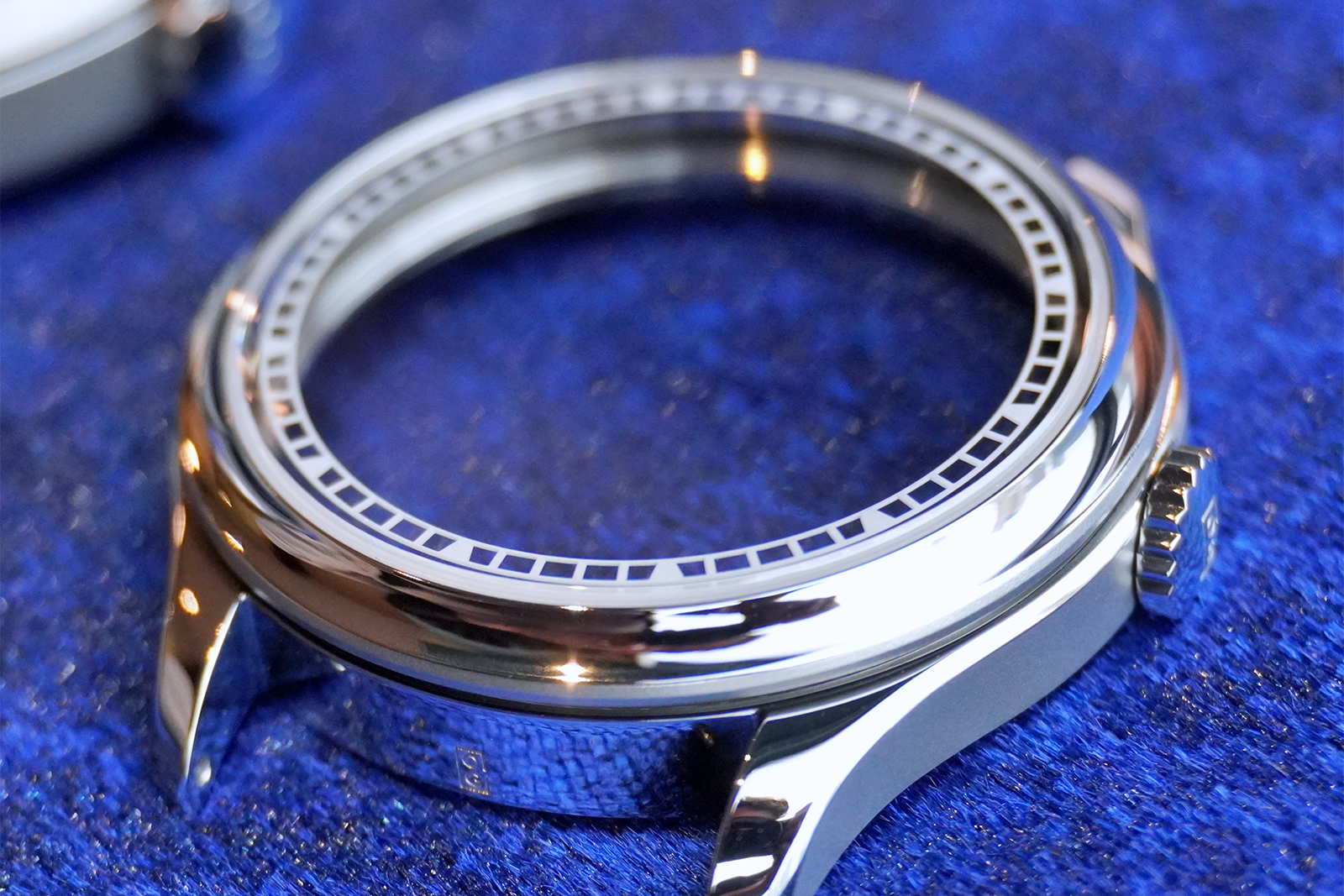
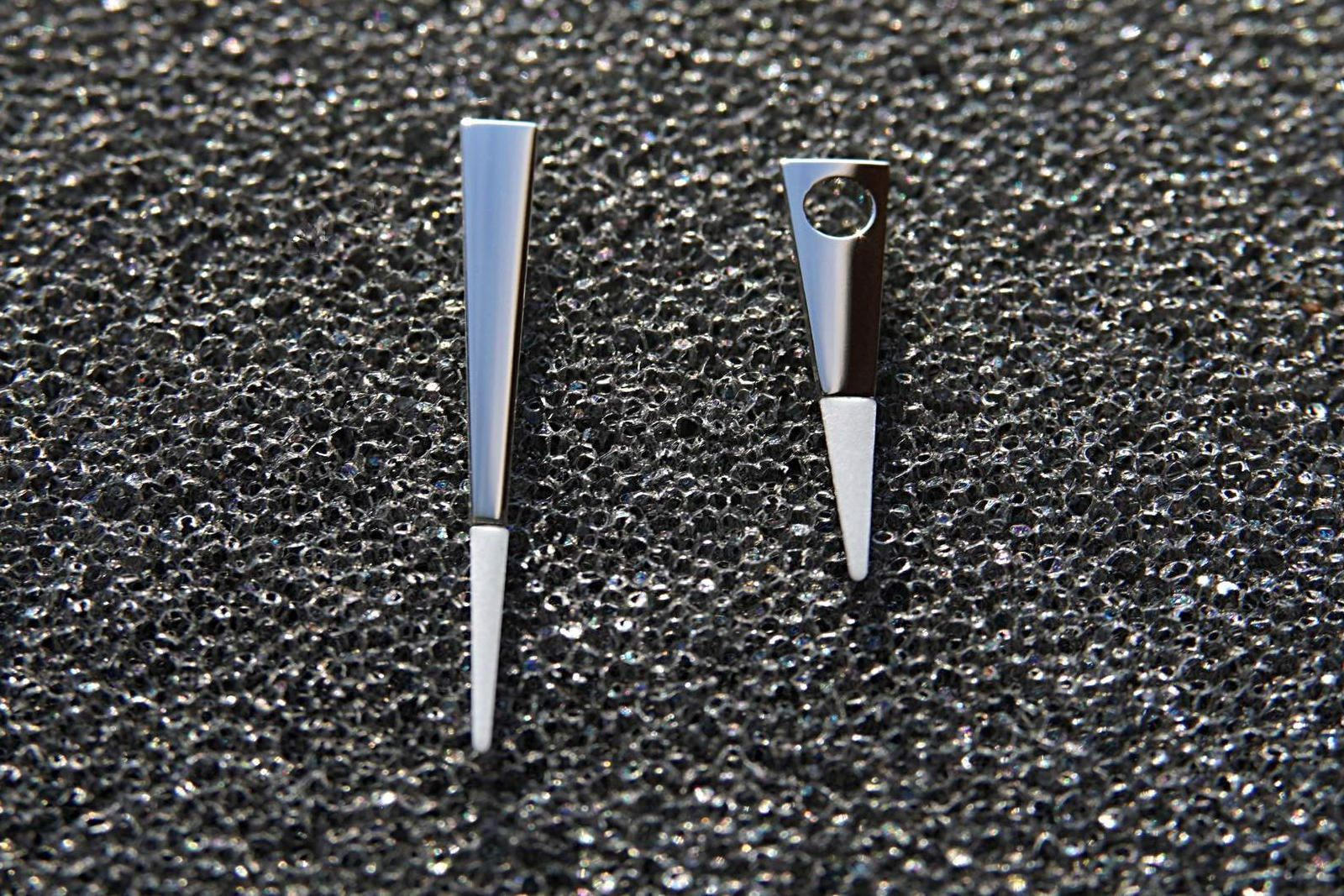
The brand did redesign the hands for the new edition, which were previously flat, matte, and bimetallic. The hands are now polished and rounded, a change that mirrors the case finishing, resulting in a more cohesive look overall. Both hands are tipped with sculpted blocks of blue Super-LumiNova, and the luminous minutes track is engraved on the underside of the crystal, rather than printed on the dial.
Like its predecessor, the Deep Space Blue is an international affair, with a Swiss movement, German dial, Chinese case, hands and buckle, and strap from Vietnam. That isn’t unusual, though O.G’s transparency regarding its partners is. Currently, the watches are being cased up in Hong Kong, where Mr Gallaugher currently resides, but he plans to move assembly and shipping to Switzerland in the near future.
Even with a case and hand set from a country with lower manufacturing costs compared to those of Switzerland, the 35-piece limitation means true economies of scale remain distant. That said, with a retail price of US$12,800, the Deep Space Blue puts small-batch watchmaking within reach for a new segment of the market.
A starry variant
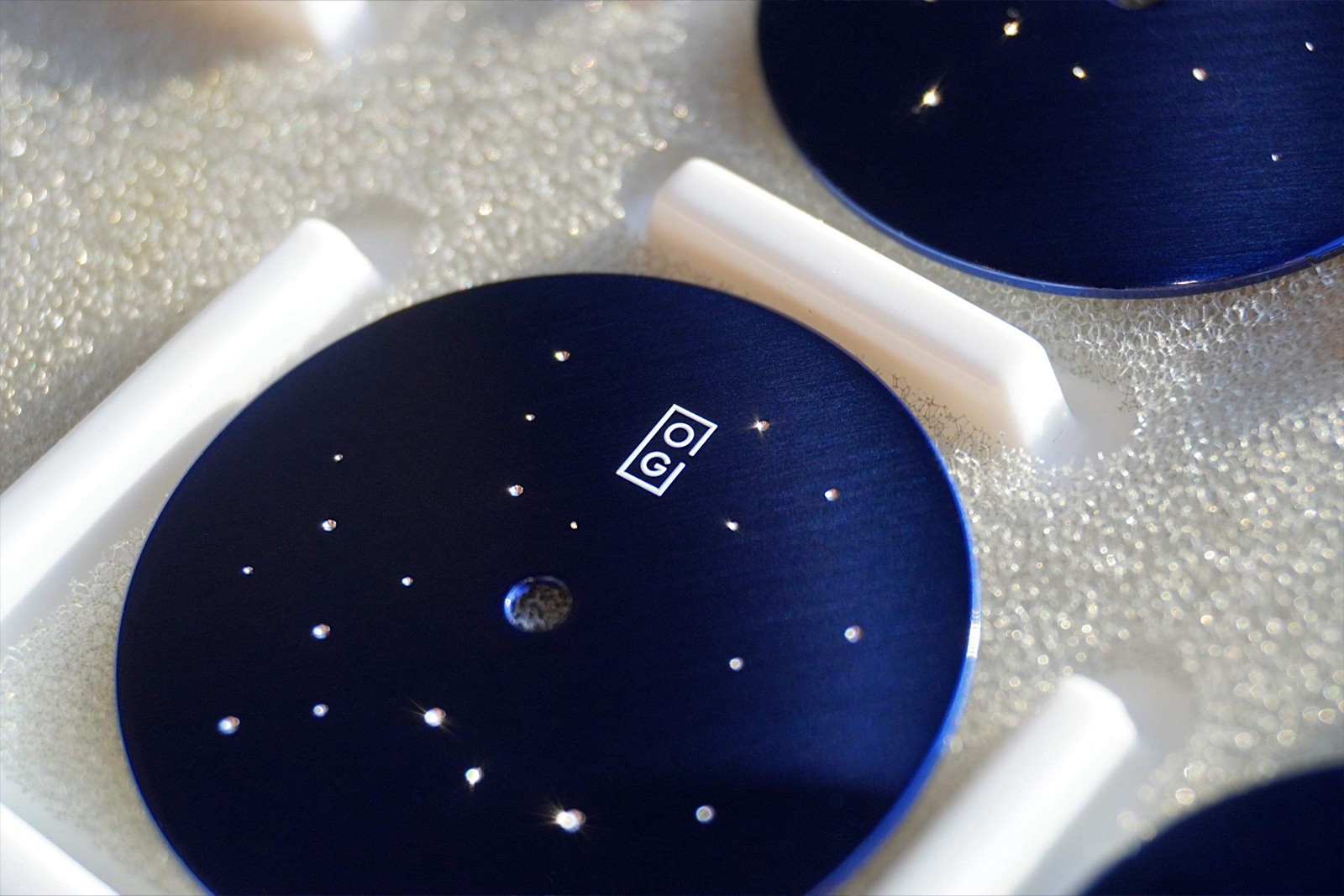
Made by German dial manufacturer Cador, the dial is more than a little reminiscent of De Bethune’s Starry Varius dials. Though the theme is similar, the methods differ. De Bethune takes an additive approach, setting white gold pins into its dial, while Cador uses a subtractive method, drilling dimples into the dial to represent the stars. The diagonal brushing gives the dial life, making the stars appear to streak across the sky.
O.G sources the 904L stainless steel case from Atmoz, a Hong Kong-based case and bracelet manufacturer with production in mainland China that sells watches under its own name, but is primarily a contract manufacturer. That explains the choice of 904L stainless steel, a material preferred by Rolex that also happens to be standard fare for Chinese manufacturers but remains unusual in the Swiss watch industry, where 316L steel predominates.
The hands are also from Atmoz – and also 904L. O.G claims these are the first watch hands made from 904L stainless steel, which may well be true but would be difficult to verify. Regardless of the material, the hands are a high point of the watch, thick, vaulted and mirror polished. The tips are made from a Super-LumiNova-filled composite that’s moulded-to-shape.
A new engine
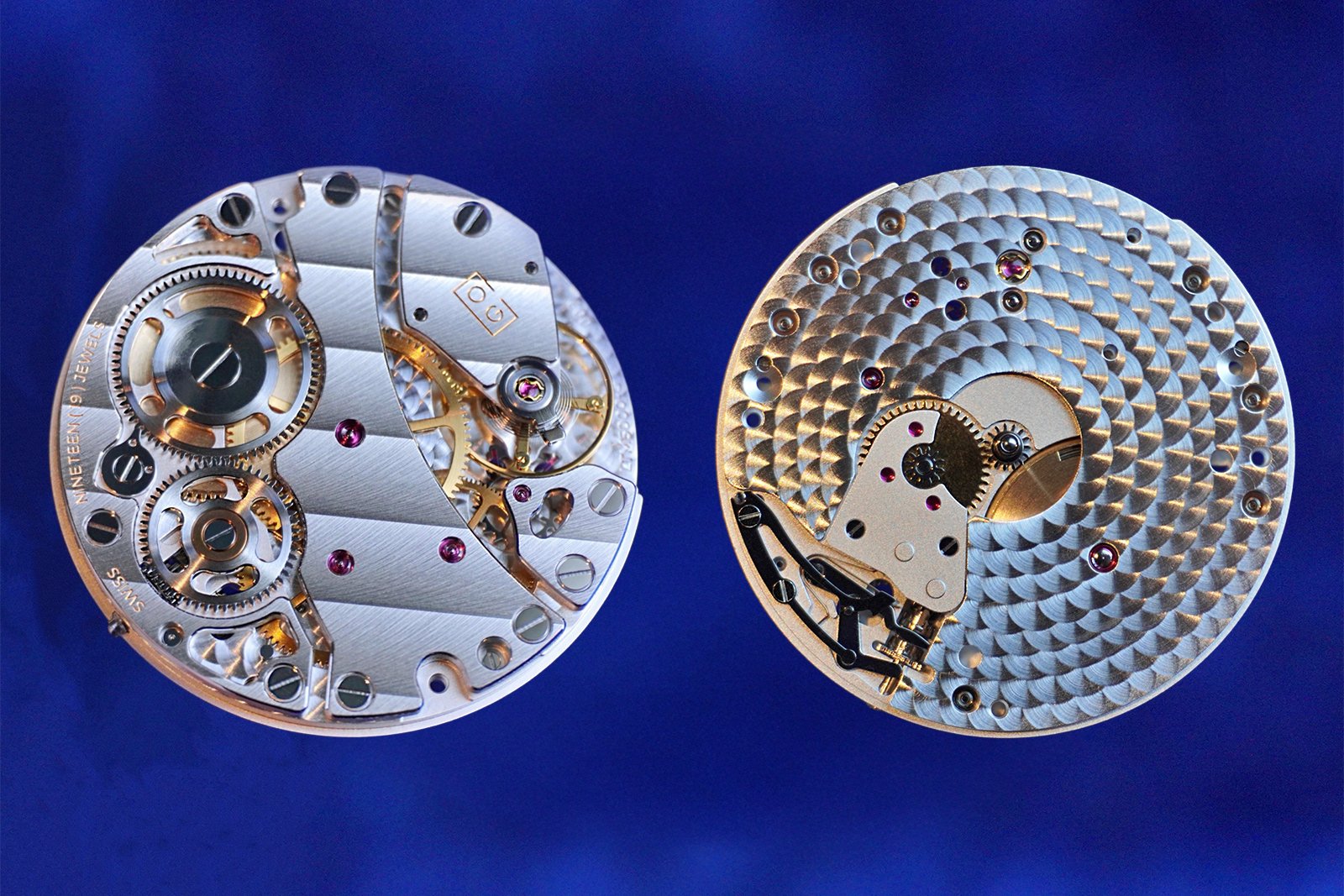
Oliver Gallaugher sourced the movement from Le Temps Manufactures SA (LTM) in Fleurier. While LTM best known as a blantier, and for its small, shaped calibres, such as the Berneron cal. 215, the manufacture also offers a series of 30 mm round movements, which sit in a sweet spot between the pocket watch-sized Unitas 6498 and the diminutive Peseux 7001. LTM offers its manual wind cal. 5050 in normal or skeltonised versions, and this customised version appears to use the barrel and escape wheel bridges, as well as the crown and ratchet wheels, from the latter.
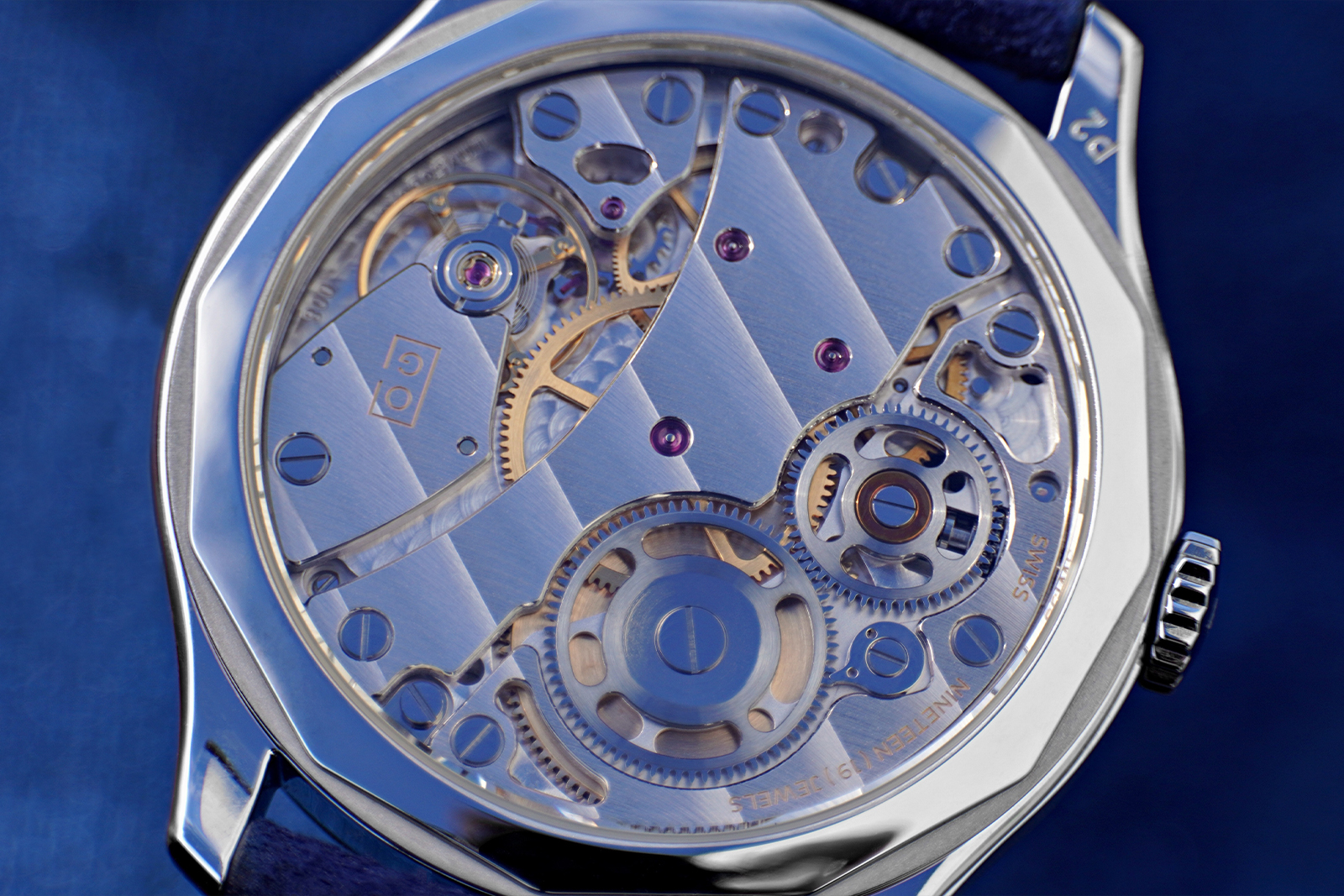
Like many independents in this price range, O.G previously used a dressed-up Unitas 6498 clone that barely fit into its 41 mm case. The smaller LTM movement has enabled the brand to shrink the case to 38 mm, which is more in touch with today’s tastes.
Overall the cal. 5000-G offers solid specifications, with the same 4 Hz beat rate and reasonably high balance inertia (8 mg*cm^2) as the popular ETA 2892, a humble movement that is nonetheless known for its excellent real-world performance.
The movement also offers an above-average 60-hour power reserve and a free-sprung balance from Atokalpa, a supplier to many high-end brands. Movement construction and decoration are appropriate for the price. Though largely applied by machine, the finishing is attractive, with broad striping across the bridges, diamond-cut bevels, and plenty of perlage on both sides of the main plate.
Key facts and price
Oliver Gallaugher Deep Space Blue
Ref. DSB
Diameter: 38 mm
Height: 8.8 mm
Material: 904L Stainless Steel
Crystal: Sapphire
Water resistance: 50 m
Movement: LTM 5000-G
Functions: Hours, minutes.
Winding: Manual-wind
Frequency: 28,800 beats per second (4 Hz)
Power reserve: 60 hours
Strap: Alcantara and calf leather strap
Limited edition: 35 pieces
Availability: Direct from Oliver Gallaugher, 8-12 month lead time
Price: US$12,800 (including shipping but without taxes)
For more, visit www.OliverGallaugher.com.
Amendment January 18, 2025: added that Mr Gallaugher plans to relocate casing up and shipping from Hong Kong to Switzerland.
Back to top.