

Eighties Luxe: Piaget Polo 79 Two-Tone
Bi-colour but one metal.
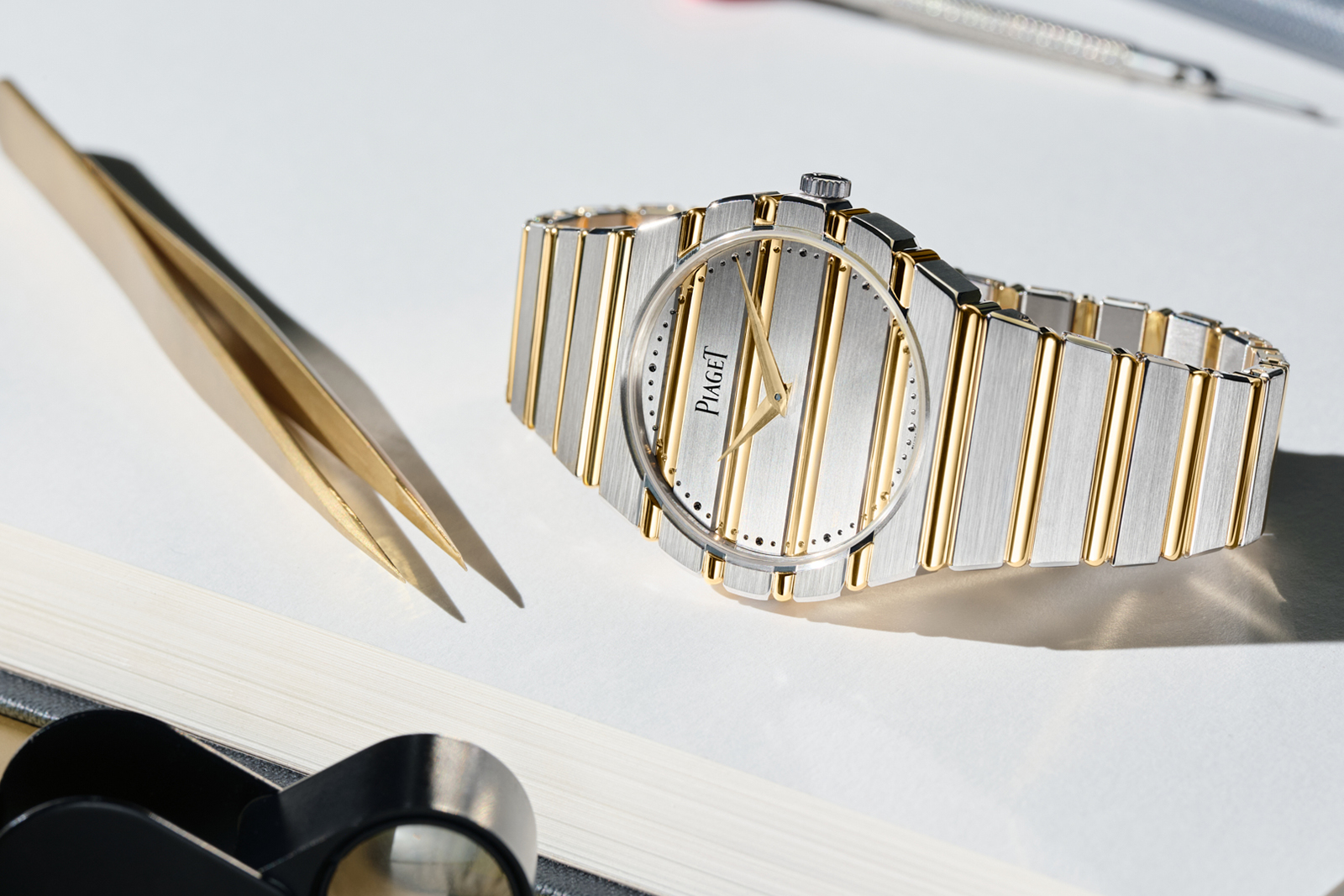
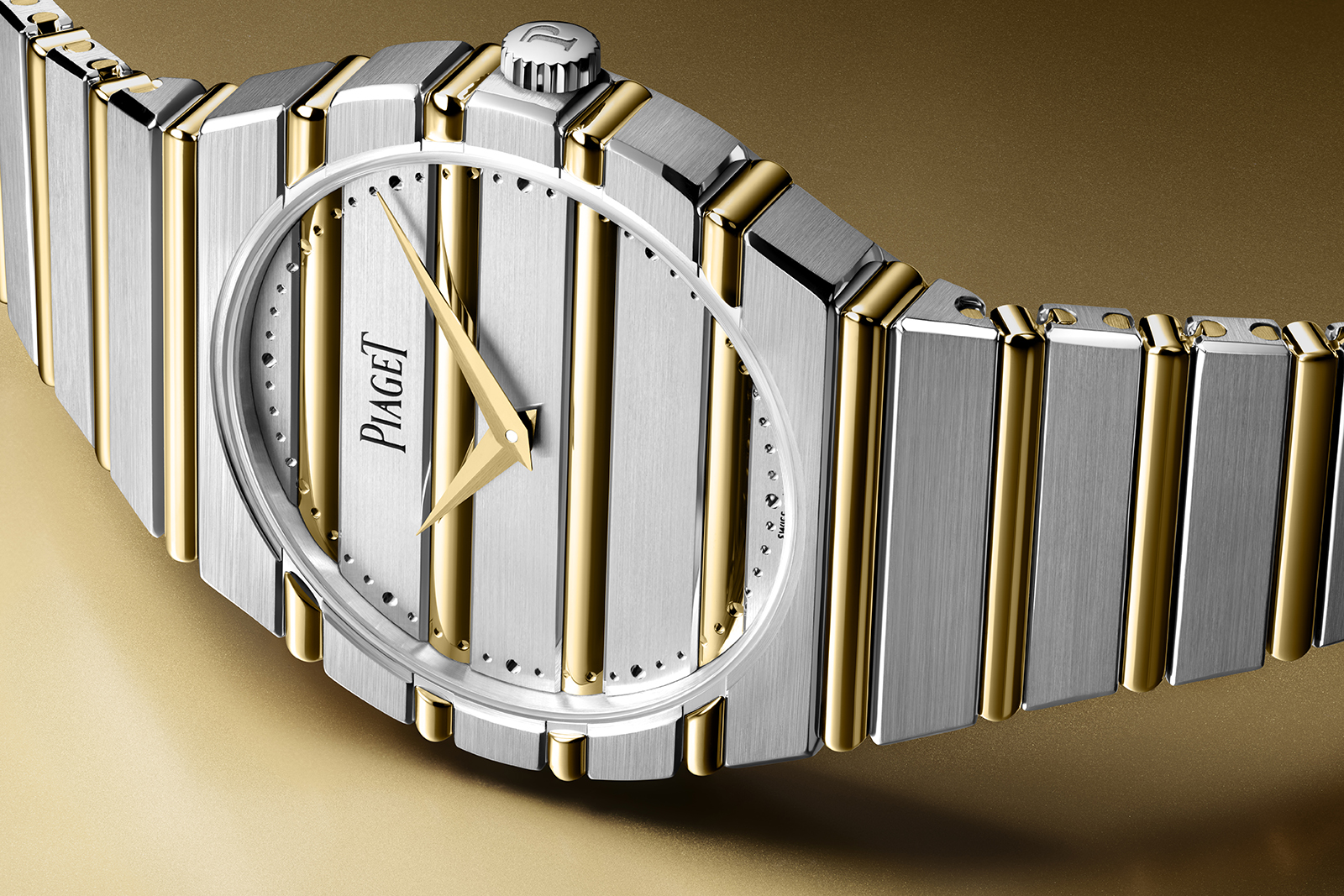
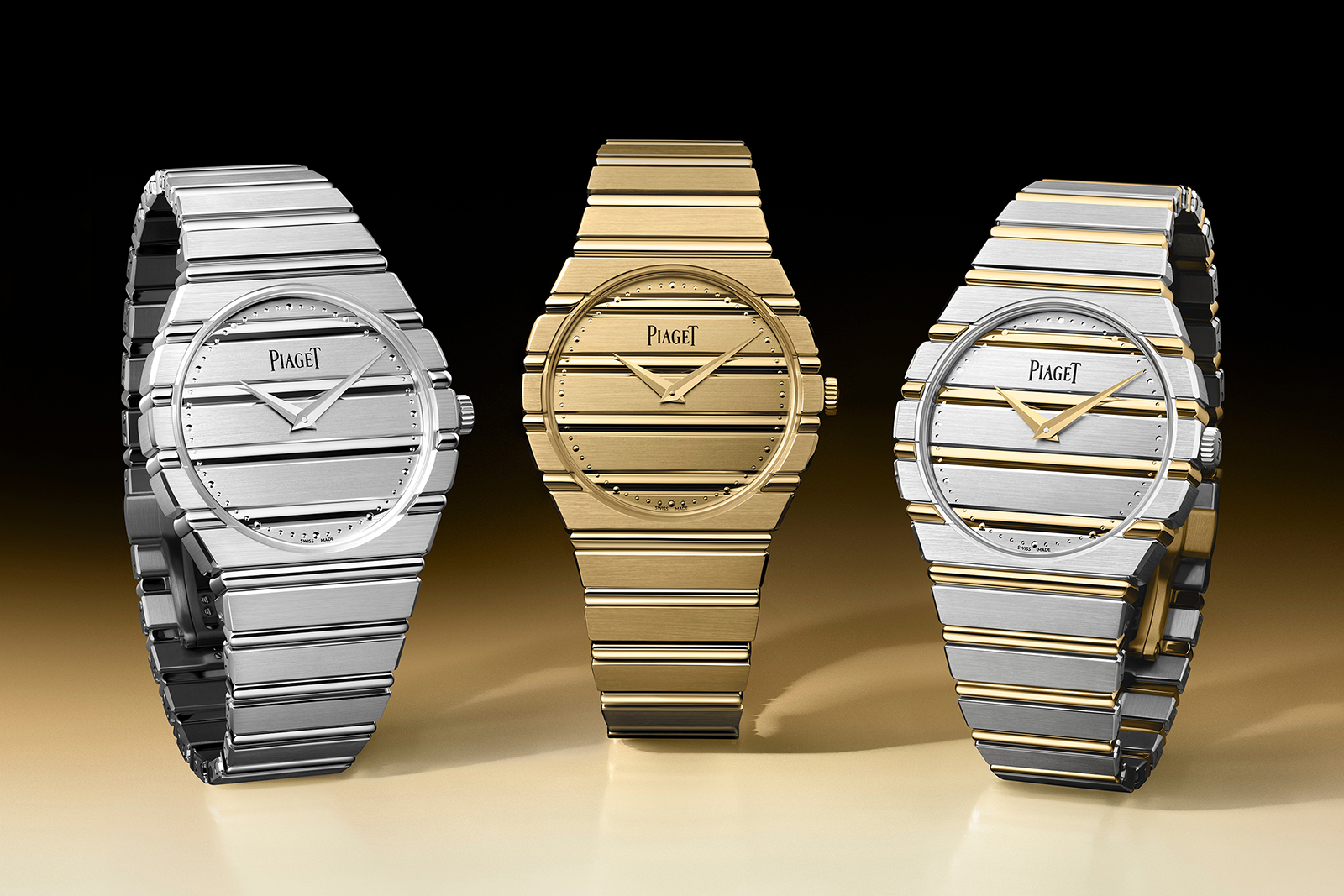
Having already launched it in yellow gold and then white gold, Piaget has logically followed up with the Polo 79 Two-Tone. While very much predictable, the Polo 79 Two-Tone is arguably the best looking of the trio with its retro combination of metals that are yellow and white gold, and not steel.
The new Polo 79 is otherwise identical to its predecessors, right down to the cal. 1200P movement and “slotted” construction of the case and bracelet.
Initial thoughts
The Polo 79 Two-Tone isn’t a surprise but it’s a good looking watch that has more appeal than its single-colour counterparts. The combination of yellow and white gold feels distinctly 1980s and true to the spirit of the watch.
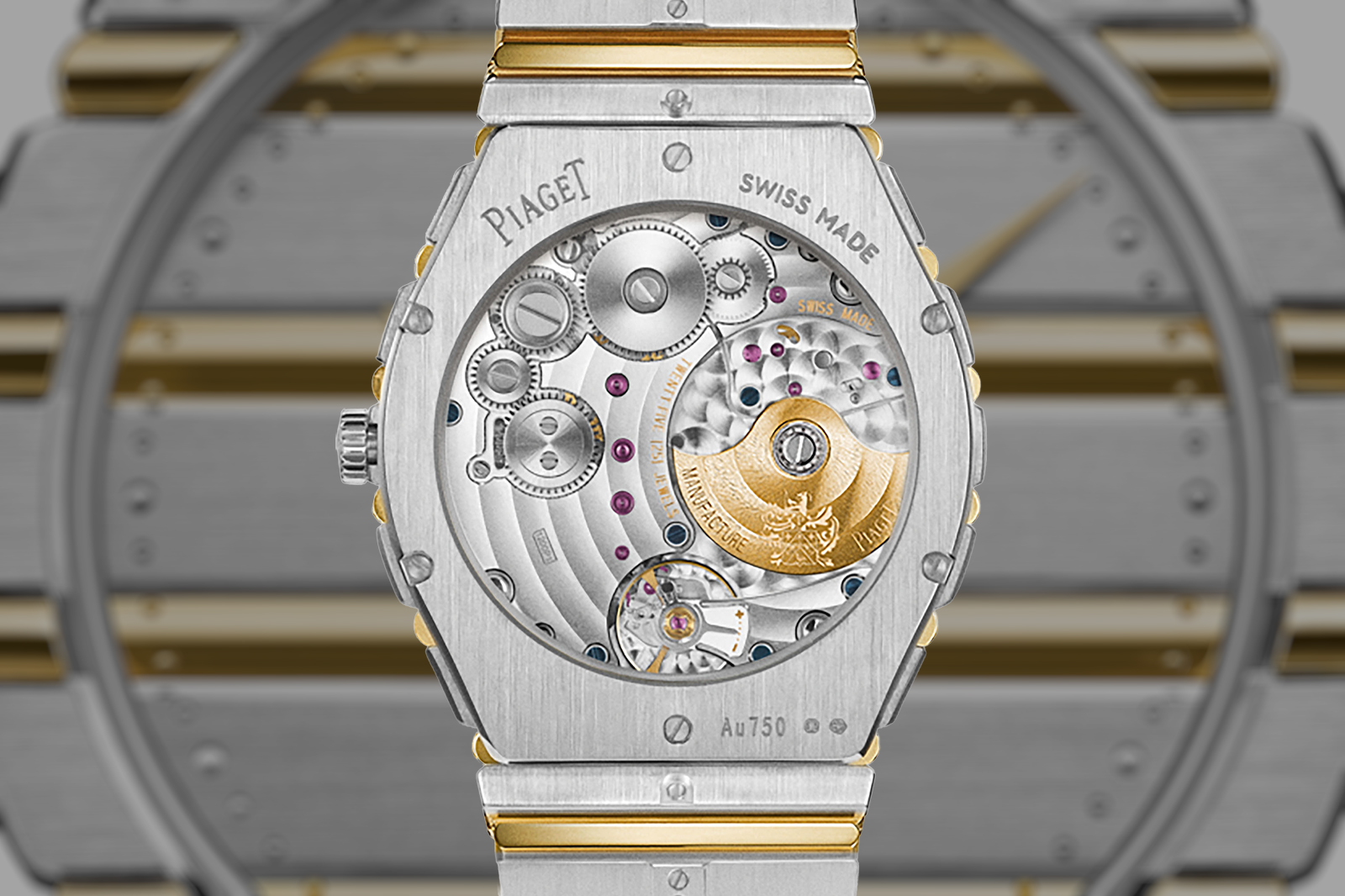
Though not imaginative, the Polo 79 is solidly executed in any of its forms. The case and bracelet are done well, while the cal. 1200P is a tried-and-tested workhorse that is also impressively thin; it’s a little industrial but acceptable overall.

The cal. 1200P
The fact that the two-tone model is two colours of gold, rather than steel and gold, is a nice touch. But that means it is expensive, even more expensive than the single-tone versions that are already pricey. This costs US$91,000, while the yellow gold model is US$77,000.
The price premium doesn’t really make sense since it’s essentially the same thing in terms of gold value and finishing (though it is arguable that white gold costs a little more than yellow).
The Polo 79 line-up
Polo glamour
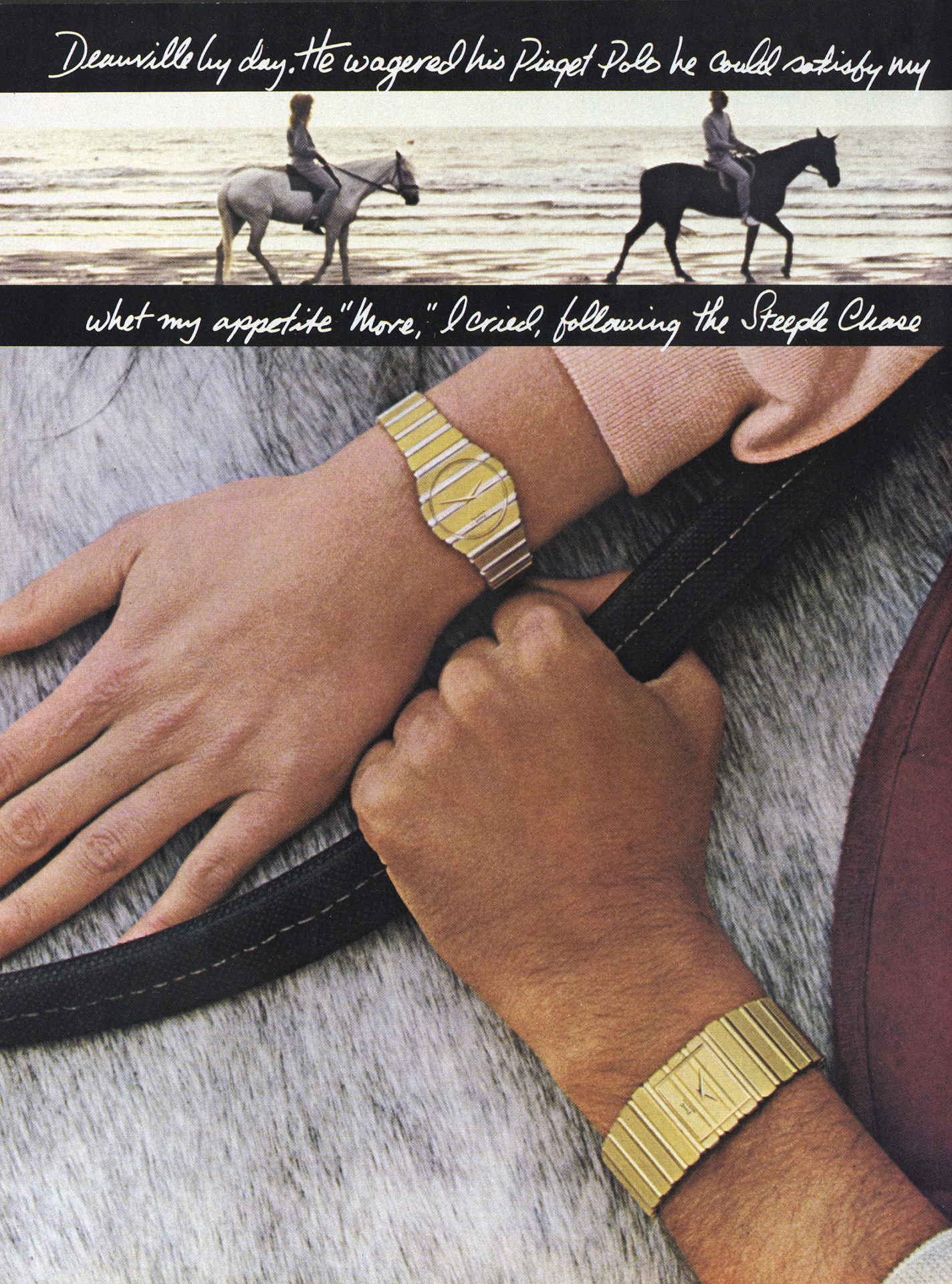
The two-tone Polo is hardly a novel idea as Piaget offered a multitude of Polo models in two-tone livery in the past. The combination is somewhat more unusual today since two-tone is largely out of favour. The combination works well with the Polo, and is coherent with both the design and origins of the watch.

A 1986 Piaget Polo ad
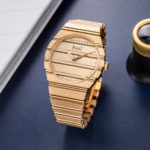
The Polo 79 Two-Tone is literally a combination of the white and yellow gold models. It’s basically a white gold model with the white gold gadroons replaced by yellow gold equivalents.
The contrasting colours not only add to the retro feel of the watch, but bring out the linear design of the Polo.
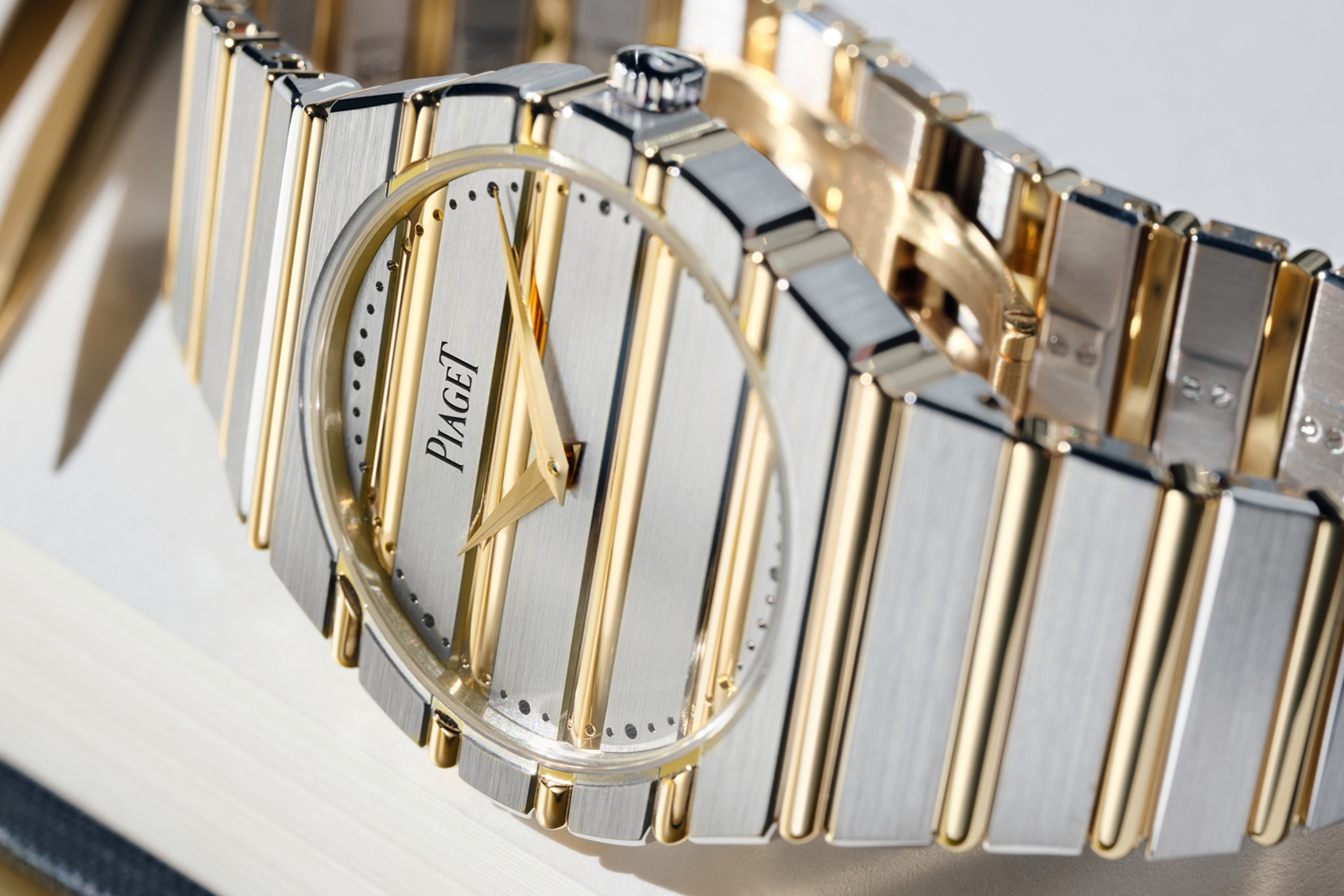
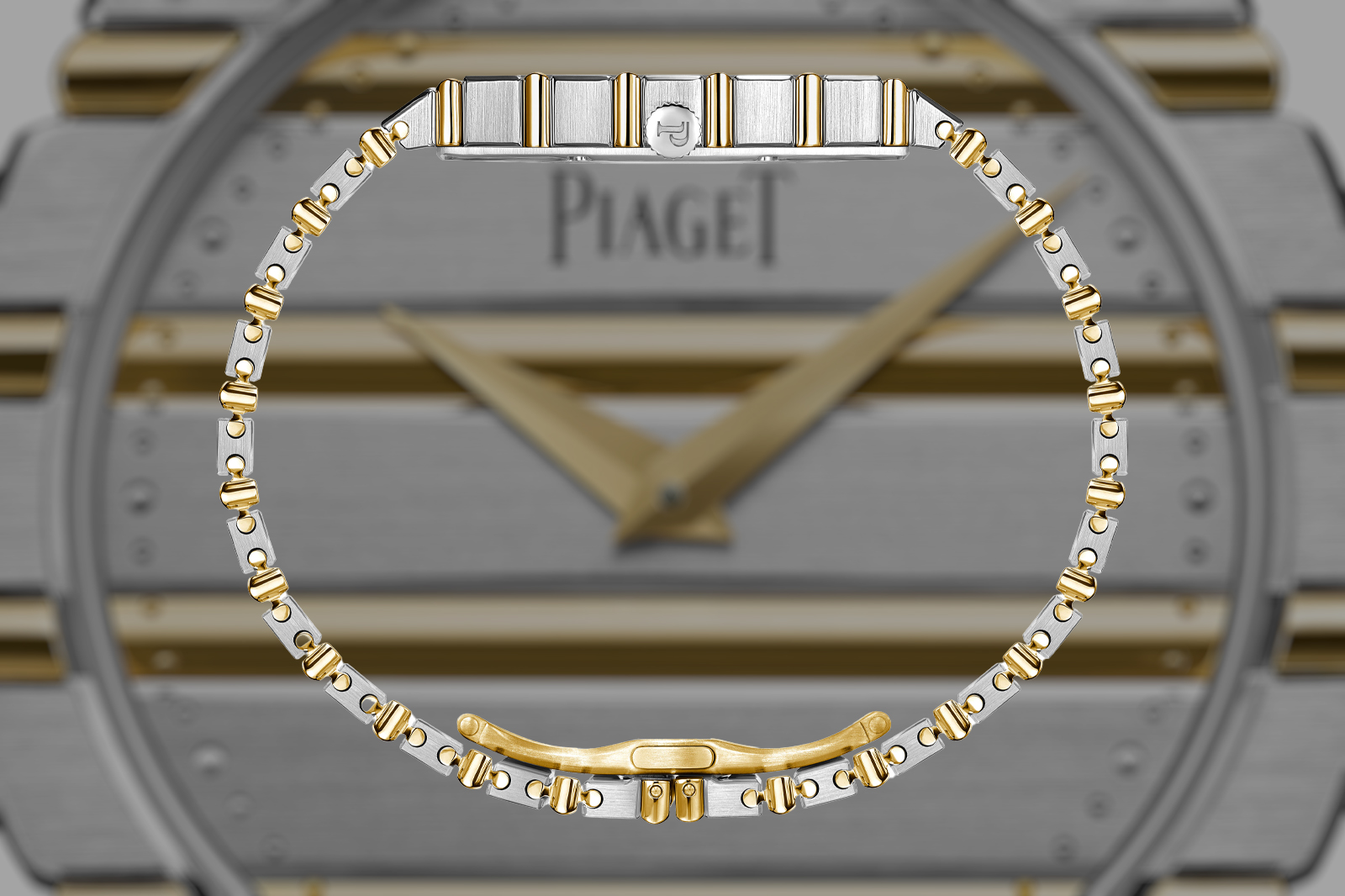
Like its single-tone siblings, the two-tone version has a “slotted” construction with the elements of the case and bracelet slotted into one another. The tolerances of the components are fine, so there is no visible joining between the parts.
This particular construction gives the bracelet a firm feel, though it is supple enough that is sits well on the wrist. The ergonomics are especially useful given the weight of the watch.
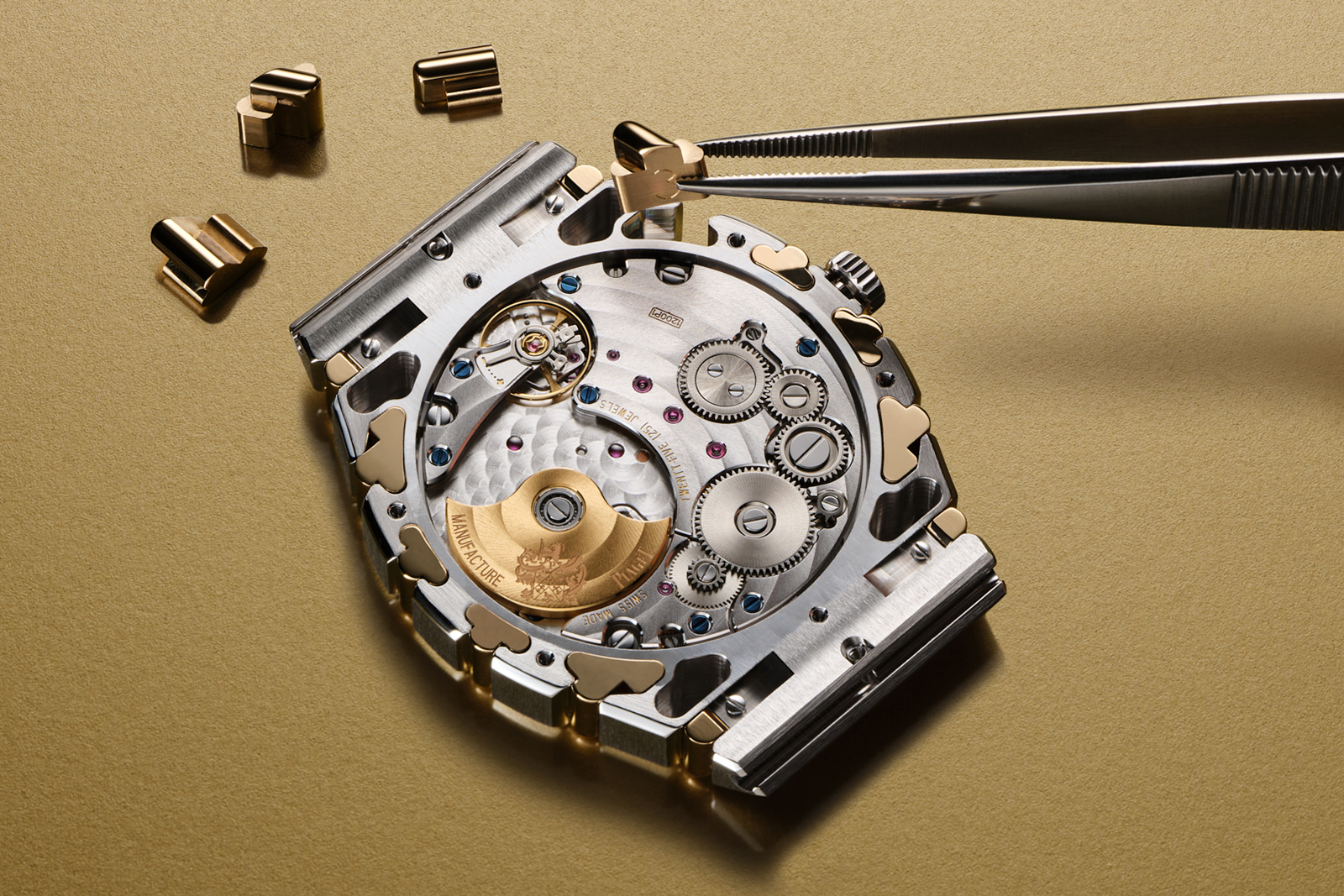
The display back reveals the cal. 1200P, a movement that is typical of Piaget. It’s relatively large in diameter, but thin thanks in part to the micro-rotor. It’s been in Piaget’s catalogue for a long time, explaining a relatively short 44-hour power reserve. The longevity, however, means the cal. 1200P is a known quantity in terms of performance.
Though competently executed, it could do with finer detailing, a common weakness in movements of this era from Piaget and its sister companies.
Key facts and price
Diameter: 38 mm
Height: 7.45 mm
Material: 18k yellow and white gold
Crystal: Sapphire
Water resistance: 50 m
Movement: Cal. 1200P1
Functions: Hours and minutes
Winding: Automatic
Frequency: 21,600 beats per hour (3 Hz)
Power reserve: 44 hours
Strap: 18k yellow and white gold bracelet
Limited edition: No
Availability: Now at Piaget boutiques and retailers
Price: US$91,000, or 129,000 Singapore dollars
For more, visit Piaget.com.
Back to top.