

Year in Review: Predictions for 2026
Measured expectations for the year ahead.
Twenty twenty-six is just days away. Most in the watch industry are hoping the new year will bring better times than 2025, though most equally don’t quite expect that to happen. That said, it will be a great year for some brands, big and small.
Architectural and affordable
Independent watch brands have had a great run, and that looks like it’ll continue, especially for (expensive) time-only watches with decorated movements and frequently, open or no dials. Plenty of independent watchmakers cater to this demand, all for more or less the same money. Personally, I find many such watches uninteresting – though a few stand out and feel like they will stand the test of time – but the strength of demand will propel this trend. I expect two more interesting developments to emerge from this.
One is watches priced lower, or much lower, than the typical CHF65,000-90,000 range for such watches. Ironically, while lower priced options might offer better value, they might be less appealing precisely because they are cheaper. That said, there is still opportunity in this segment, especially since lower prices often go hand-in-hand with higher volumes, so the market will gradually fulfil it, particularly since the way forward is obvious.
Functionally, such watches are not complex. Computer-aided design makes it even simpler by allowing manufacturers to rework existing calibres with relative ease; Christopher Ward is already doing something along these lines with the C12.
And decoration, by hand or machine, is easy to access now with more specialist suppliers offering such services to niche brands. Doing majority by machine and a little by hand will rebalance the price and volume equation. It is already difficult to distinguish between work done by machine and by hand – even Kari Voutilainen thinks so – and the difficulty will become even more pronounced.
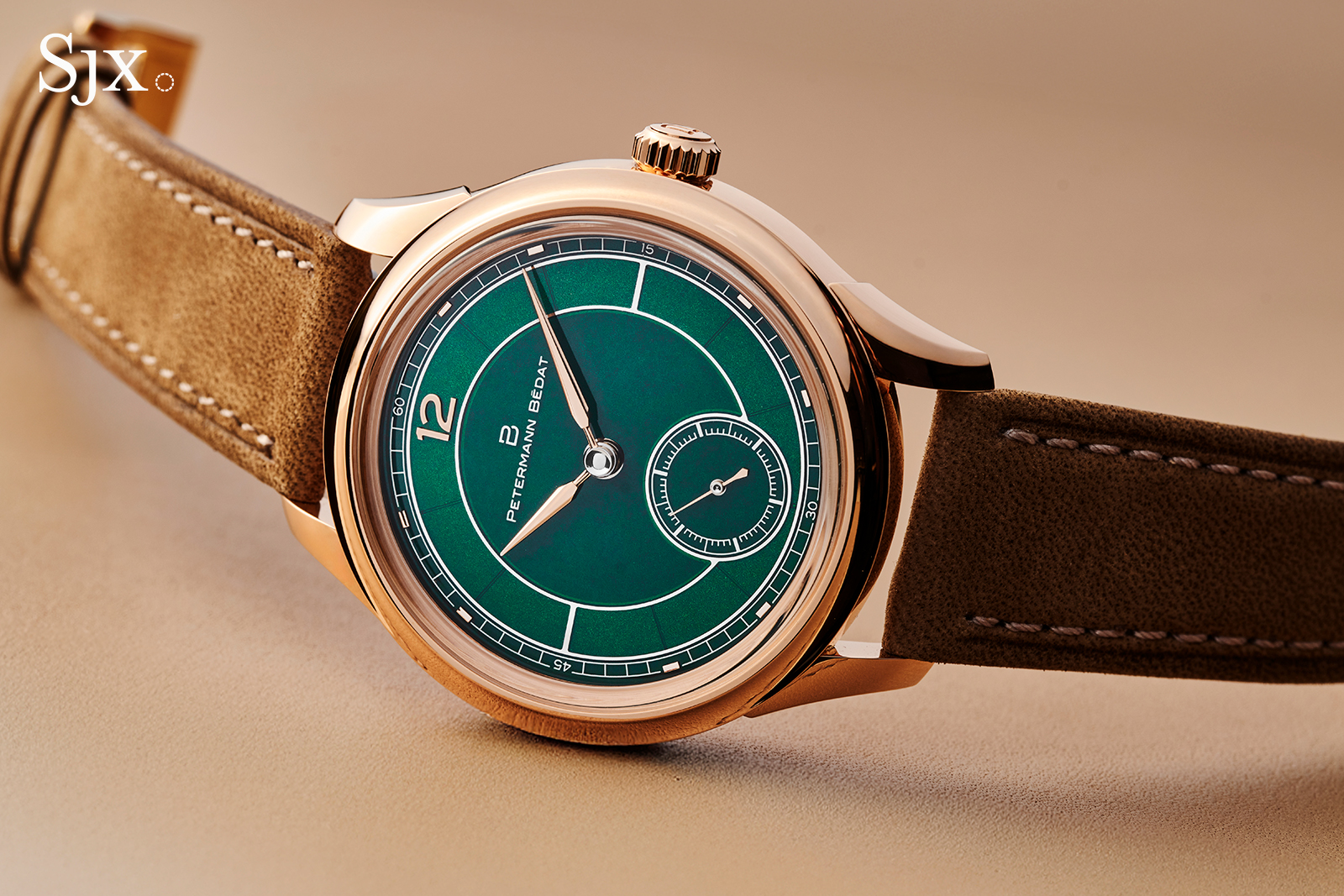
One of the best time-only launches of 2025, the Petermann Bedat 1825
The second development will be big brands’ response to this demand. All are clearly aware of the popularity of such time-only watches; some chief executives I speak with privately acknowledge the opportunity. But at big brands things take time.
Already some establishment brands have rolled out products in this category, like Breguet’s Souscription and 7225, along with Zenith’s G.F.J. cal. 135. I expect Breguet will do more in this category, while Zenith will iterate on the cal. 135. I am sure a handful of other brands will do the same, and perhaps big brands can do it better, maybe even cheaper, than the independents. They may have to do it better, because they are, ironically, at a disadvantage in this category.

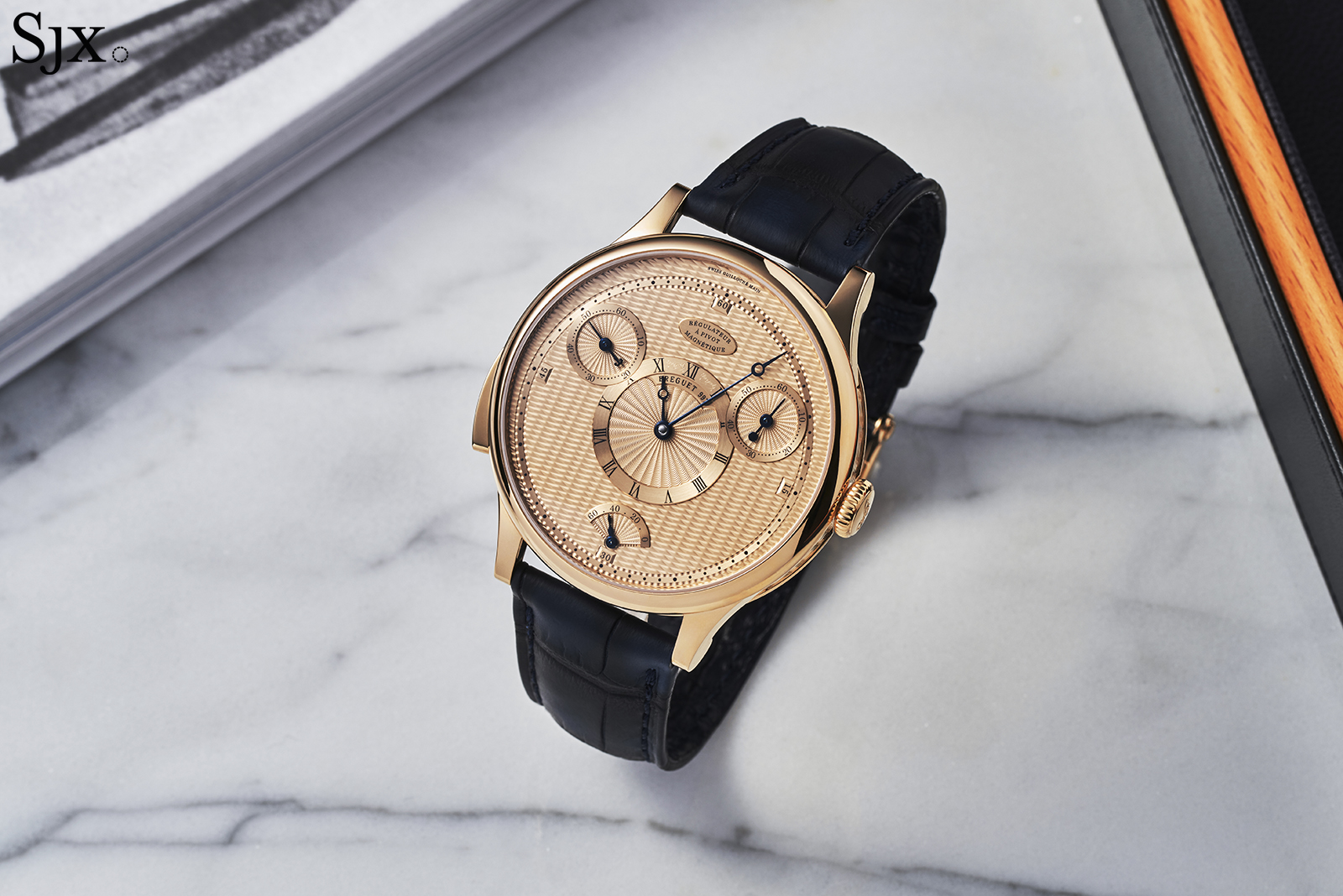
The Breguet 7225
Anniversaries again
As is habitual for watch brands, anniversaries, big and small, will be celebrated. The biggest is the 100th anniversary of the Rolex Oyster. It will be less revelatory than the Land-Dweller and Dynapulse in technical terms – after all, landmark historical moments only happen every so often – but it will still be unexpected (and they will sell out instantly).
Across town in Geneva, Patek Philippe will enjoy 50 years of the Nautilus. Coming two years after the launch of the Cubitus, the anniversary of its most prestigious sports watch will probably lean towards precious metal and complications, or in other words, a higher average price. But for enthusiasts, perhaps the Grand Exhibition in Milan come October 2026 might be more exciting since it promises both historical watches on show as well as a suite of event-exclusive limited editions.


The 40th anniversary Nautilus released a decade ago
True nerds will, however, remember that 2026 is the 25th anniversary of the Patek Philippe Museum, one of the world’s great horological showcases. I doubt the brand will celebrate the occasion in a commercial manner as it would the Nautilus, but it’s nonetheless an occasion that deserves a round of champagne.
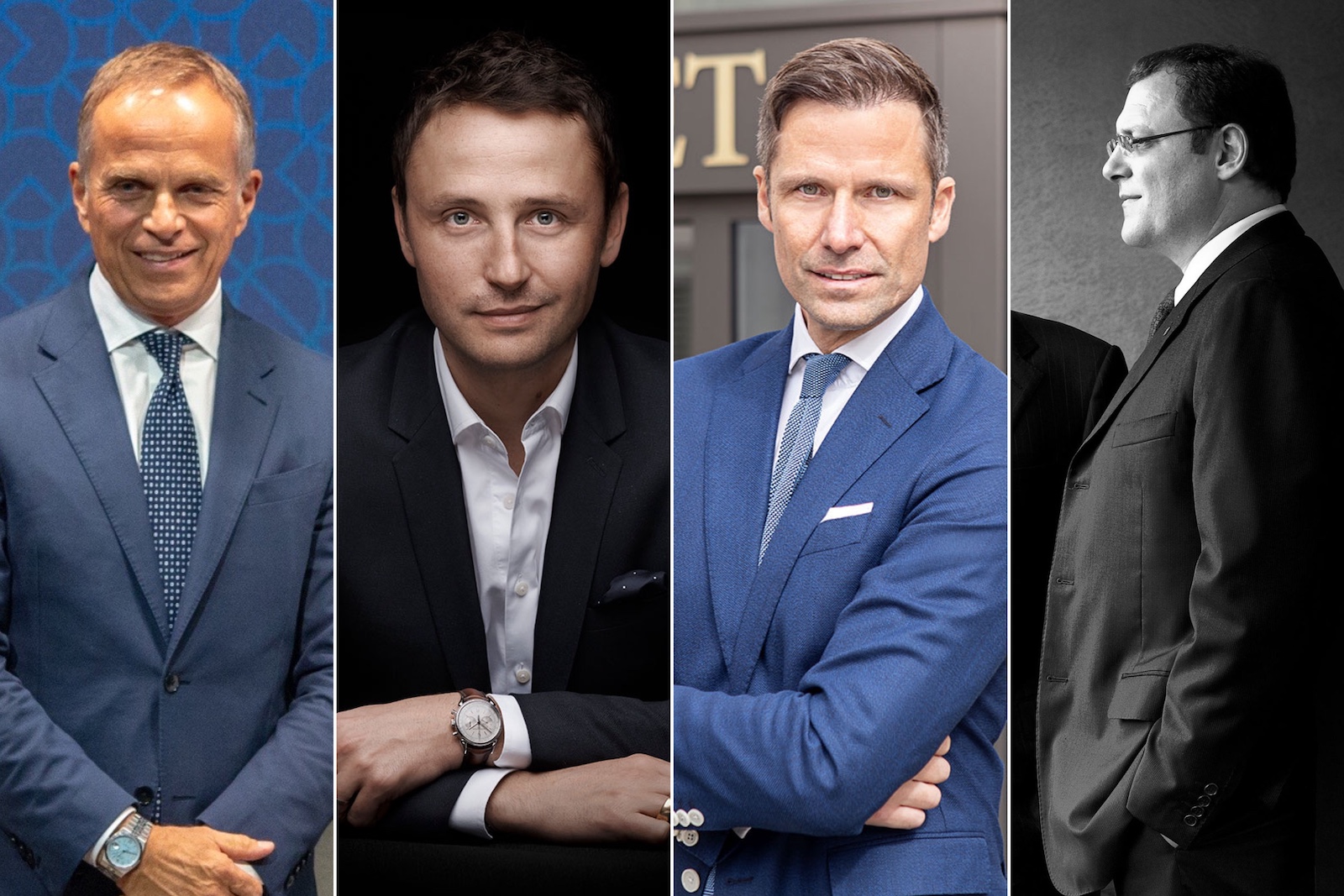
There are plenty more anniversaries in watchmaking in 2026, but those that will matter are probably few. One is the 225th year of Abraham-Louis Breguet’s patent of the tourbillon. Ordinarily such a date wouldn’t be overly significant, but given the strong momentum that Breguet now enjoys under the leadership of Gregory Kissling, I expect the brand to do something with it; not quite as much as it did this year, but something interesting nonetheless.
Another brand enjoying strong momentum with new leadership is Vacheron Constantin, where Laurent Perves took the helm a year ago. The brand enjoyed a strong year with a big anniversary, big wristwatch, and even bigger clock. But I expect more to come, as Mr Perves and his team have what it takes, though good things take time.
The anniversaries extend to independent watchmaking as well, for marques Parmigiani, Roger W. Smith, and Romain Gauthier. But the biggest of them is Richard Mille, which will be 25 years old. That isn’t a very long time by watch industry standards, yet Richard Mille feels like it’s been around for longer, a testament to its extraordinary success. I don’t expect to see many landmark watches here, even if Roger W. Smith unveils its long talked about tourbillon, though Richard Mille might surprise, especially given its vast resources and growing in-house capability.
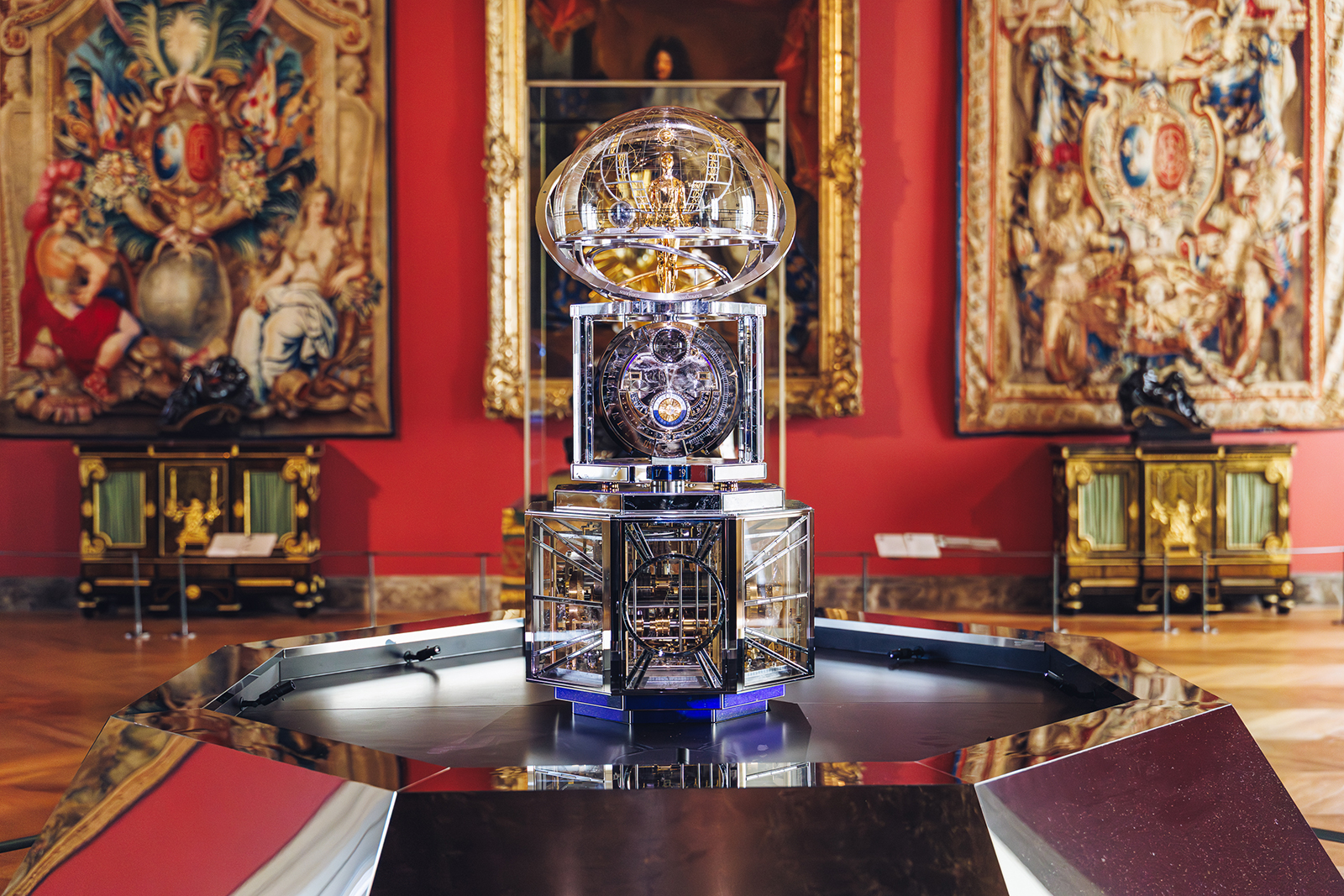
The Vacheron Constantin La Quête Du Temps astronomical clock. Image – Vacheron Constantin
Asian watchmaking
Just as in other industries, Chinese brands have rapidly gained in prominence in watchmaking. The offerings are diverse, well made, and at a range of price points. Many are priced less than comparable watches from Swiss brands across the price spectrum, though it feels like Chinese brands are now raising prices to match the competition from Europe. That said, watches sell because of storytelling, which gives some, but not all, establishment brands from Europe a protective moat.
This expansion will obviously continue. If electric cars are anything to go by, this is just the beginning of high quality Chinese manufacturing taking market share from established incumbents. The current offerings feel like they’re trying to do everything all at once, and the results are mixed.
But as with cars, the products will get better over time. It took a few years for Chinese carmakers to get to where they are. Now the Huawei Maextro S800, conceived as a Maybach alternative, is outselling traditional luxury sedans in China (though it’s not yet exported overseas). In watches, the truly great watchmakers or brands might not even have emerged yet.
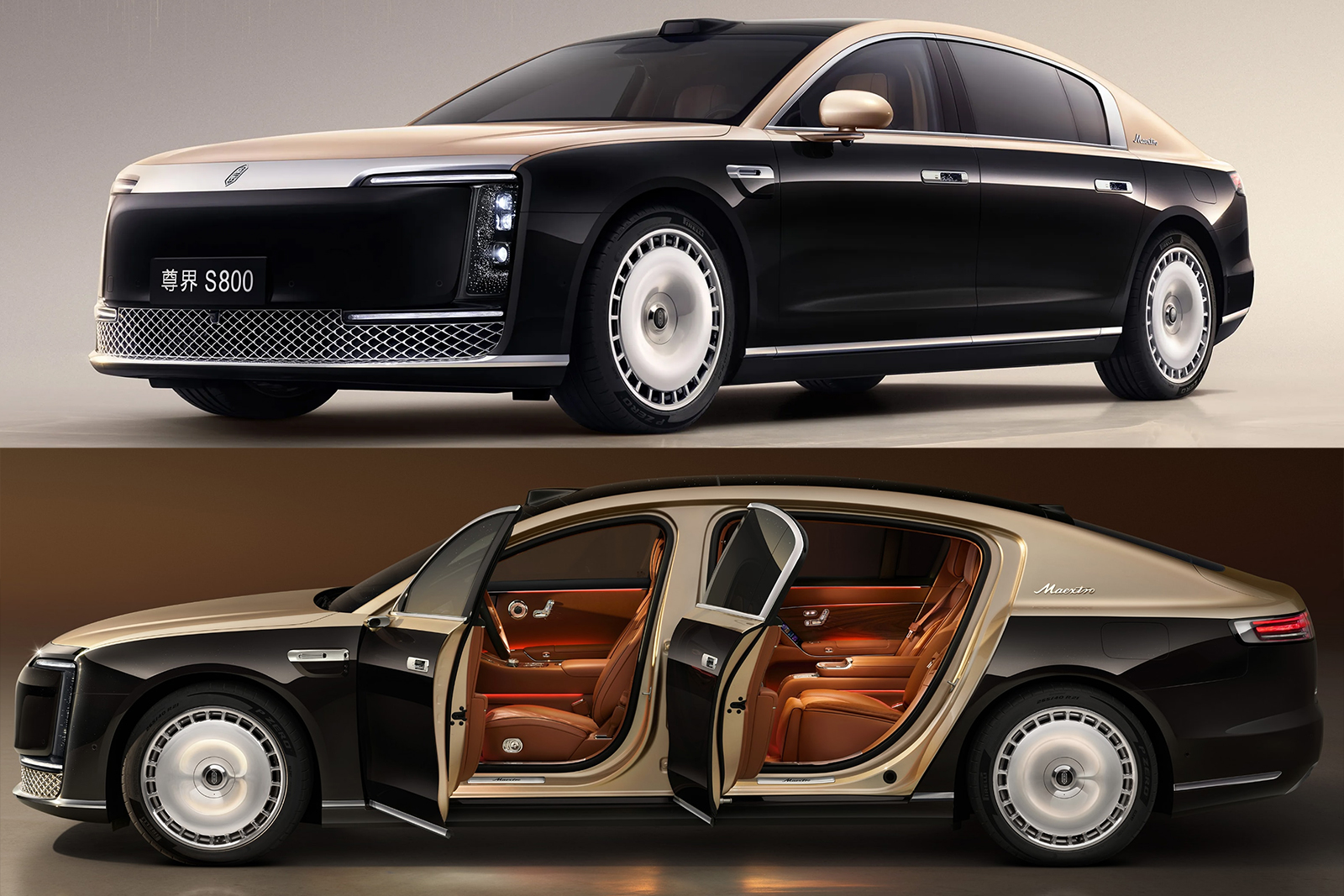
Maextro S800. Image – HIMA
Back to top.