

Best of 2025: Value Propositions Below US$10,000
Affordable highlights.
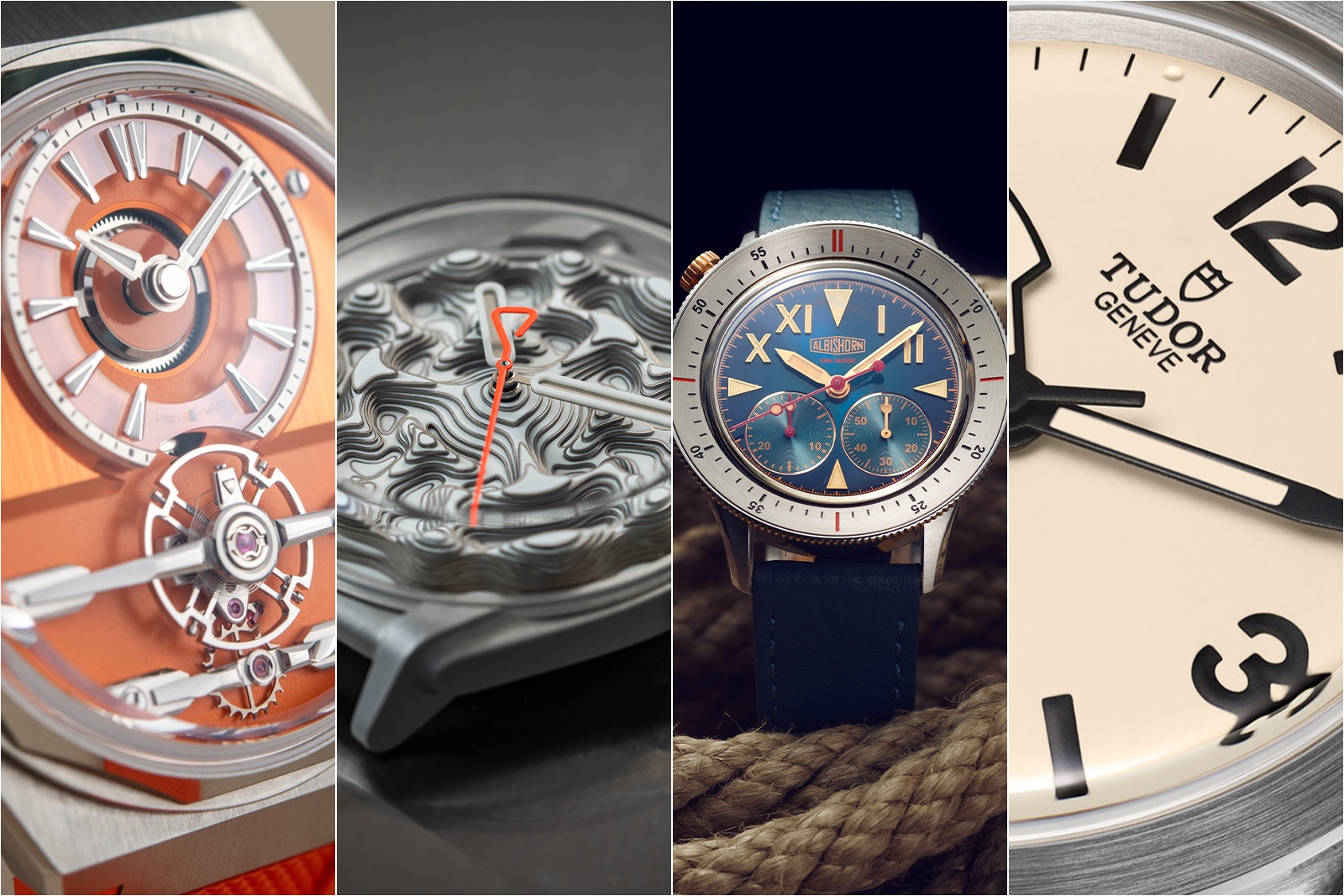
It was a mixed year for affordable watches, led by segment stalwart Tudor. While appealing offerings from brands like Grand Seiko moved up beyond the US$10,000 mark, the gap was filled by a slate of interesting releases from so-called micro-brands.
Here is a selection of affordable releases under US$10,000 that stood out this year.
Tudor Ranger 36 — SJX
I’m a fan of Tudor – I own several – because its watches are well made and priced even better. But the brand is increasingly appealing because of its gradual evolution towards enthusiast-friendly designs. The Ranger 36 illustrates that.
The original Ranger was a little bit too large for this vintage-inspired design. Tudor doubtlessly received feedback to that effect. It took the brand a while, but now the 36 mm version is pretty much spot-on.
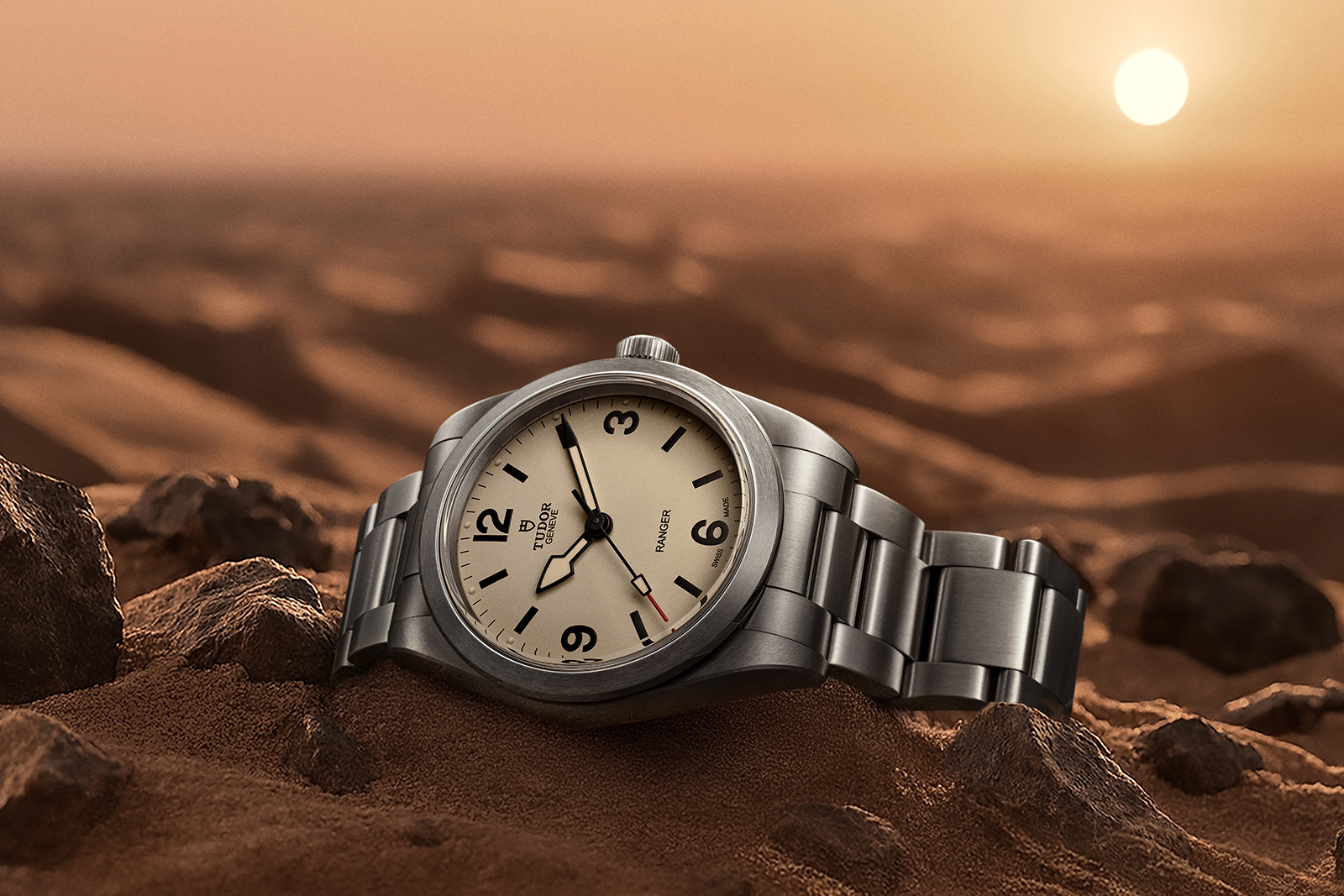
The compact size fits the design well and the watch also feels good on the wrist. And because the case and bracelet are both entirely brushed, the Ranger 36 also has a low-key look that makes it a practical watch in almost any situation.
The “dune white” dial is also a nice touch; it’s a nod to the “albino” dials found on some vintage sports watches (from Rolex rather than Tudor, but that’s a distinction without a difference for most of the brands’ histories).
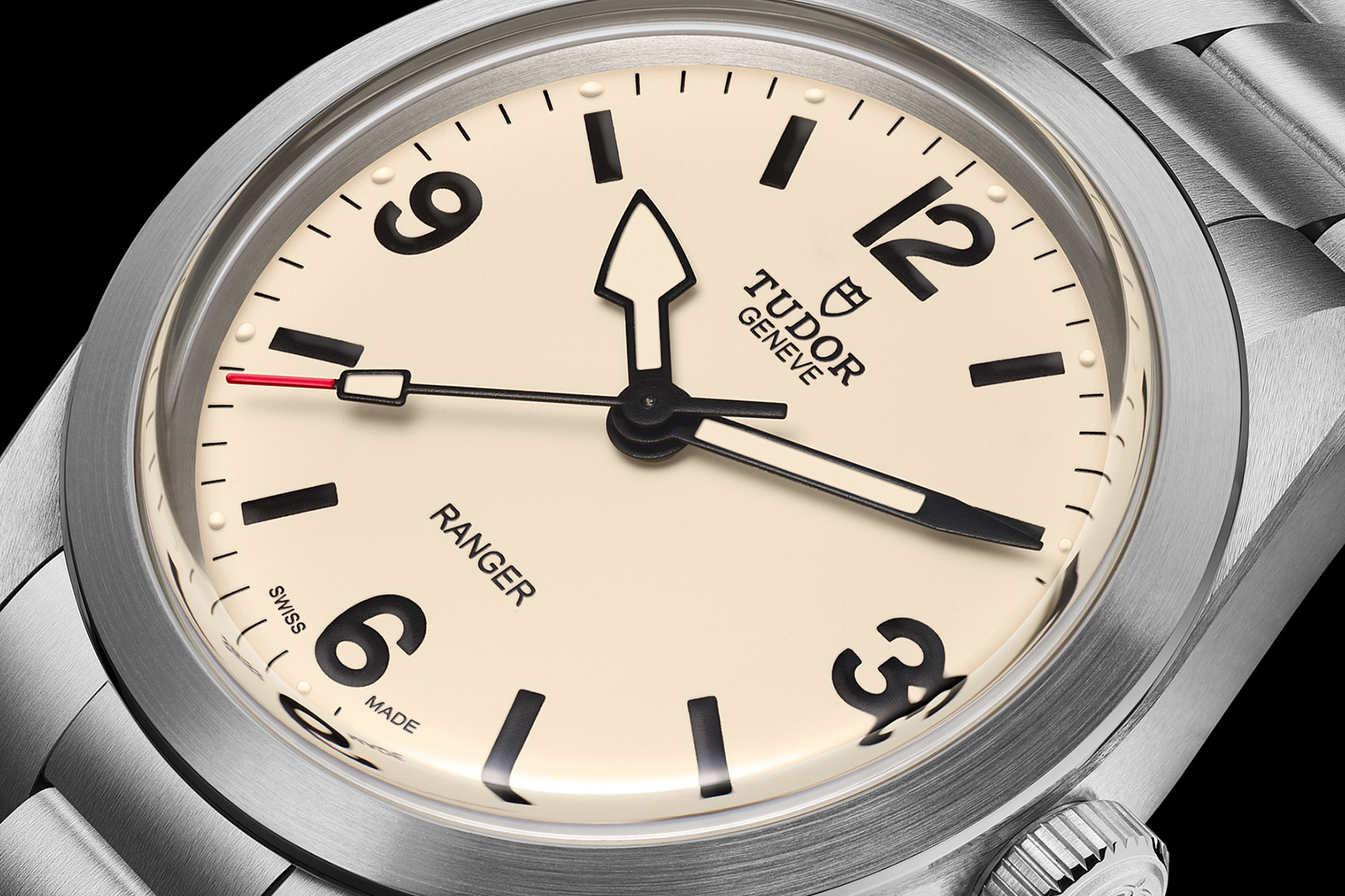

And importantly, the Ranger 36 is the most affordable Tudor with an in-house movement. It’s a solid entry into Tudor’s world of sports watches with high-spec movements.
As an aside, Tudor clearly excels in sports watches, but less so with dress watches. The recent 1926 Luna is a decent step in the right direction, but it isn’t as a good a dress watch as the Ranger or Black Bay are as sports watches. I’m sure it’ll take a while, but eventually Tudor will apply its skills to dress watches that are equally as appealing as its sports offerings.
Christopher Ward C12 Loco — Brandon Moore
The formula for making affordable watches usually involves starting with a known calibre and keeping everything else as simple as possible, leveraging the economies of scale offered by major case, dial, and bracelet suppliers to keep costs in check. With the C12, Christopher Ward has pulled off the rare feat of creating an affordable watch with an intriguing movement architecture, and a look that’s distinctive enough to dispense with dial-side branding.
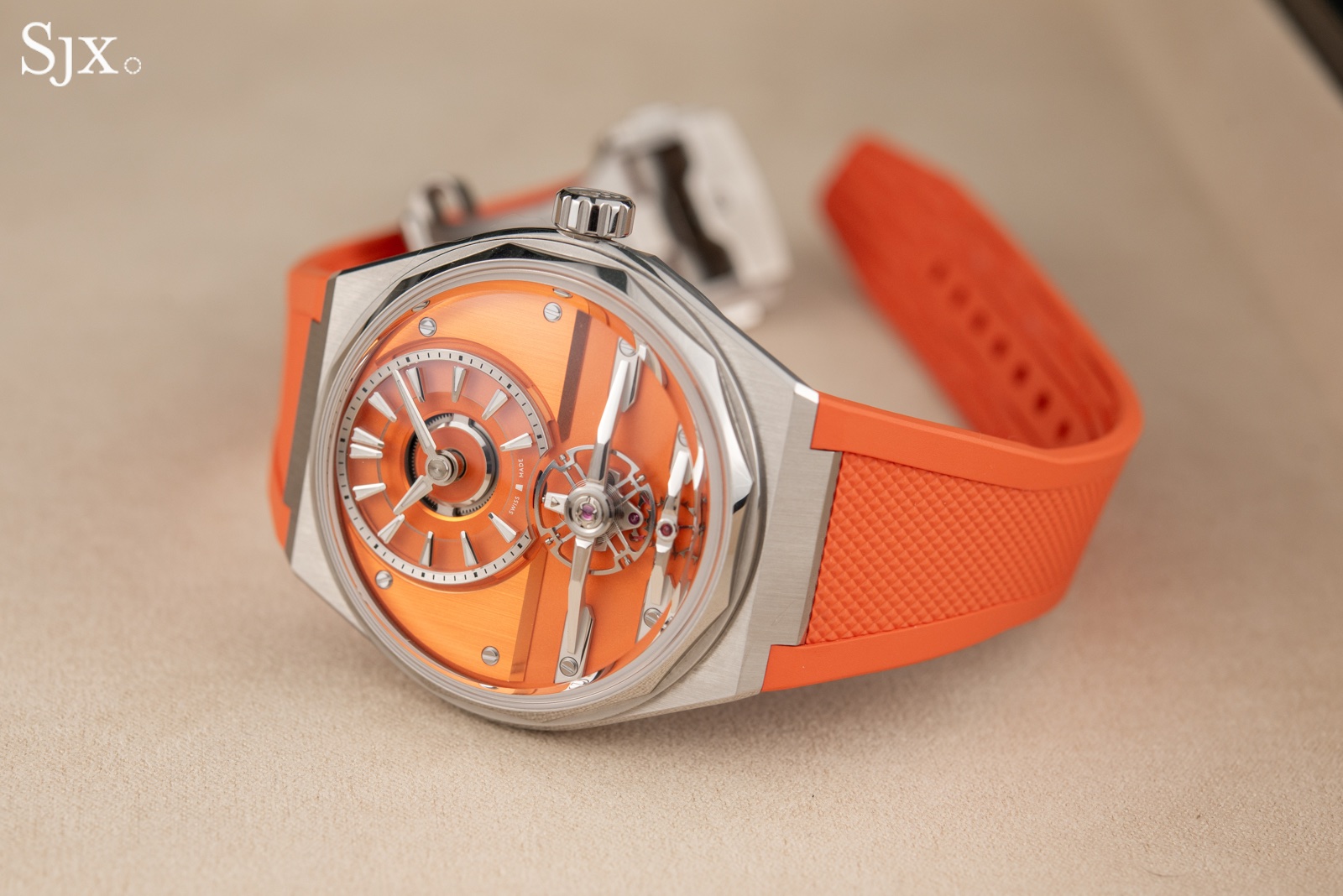

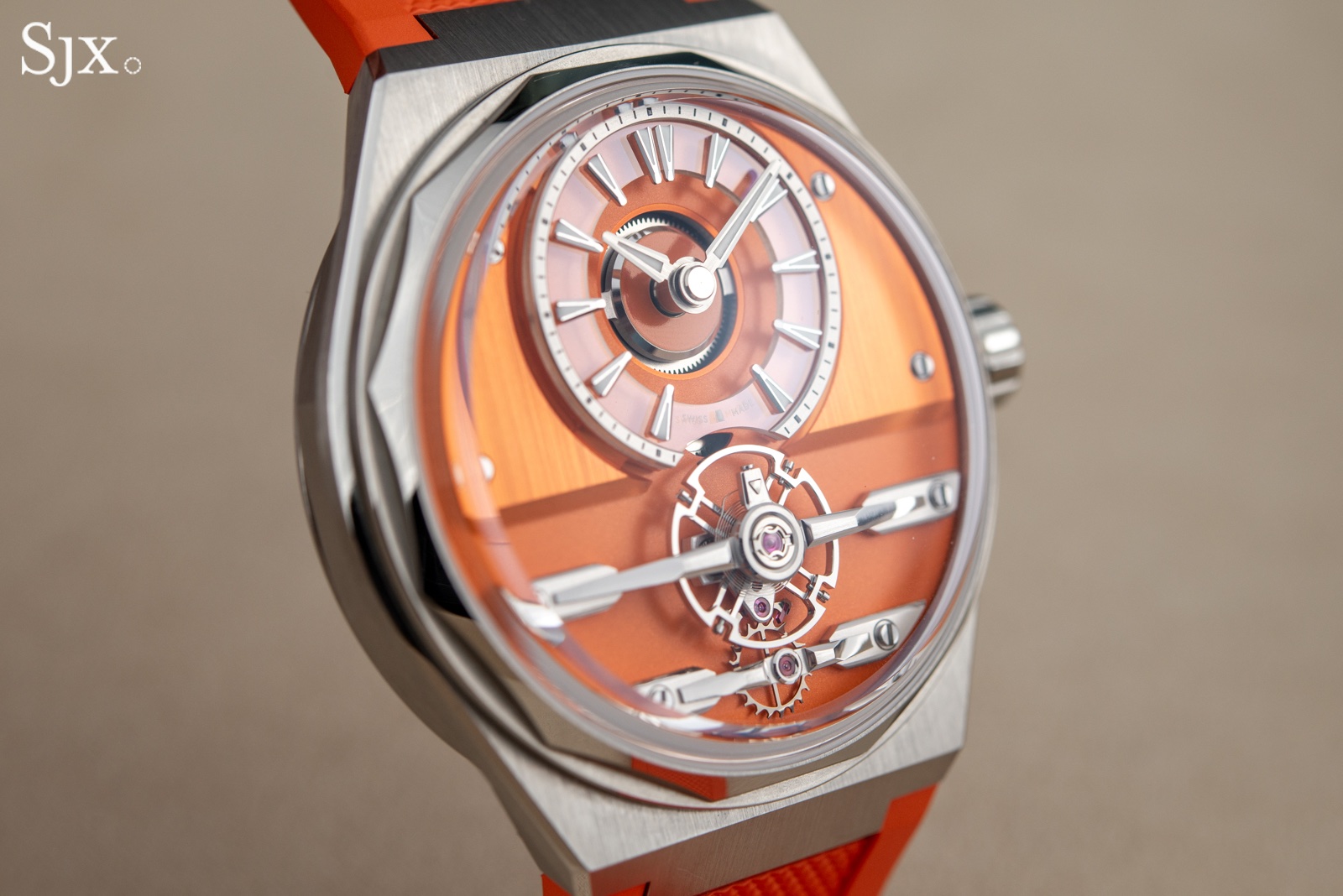
The appeal of the C12 is rooted in its CW-003 movement, which is a cleverly redesigned and upgraded version of its decade-old in-house calibre SH21. Starting with this long-autonomy movement, which was itself derived from the Valjoux 7750 architecture, Christopher Ward flipped the escapement to the dial side, introducing its first-ever free-sprung balance in the process.
The oscillator is supported by a sculpted steel bridge that, along with a few other bridges front and back, gets a bit of actual hand finishing performed by Atelier de Polissage Jurassien.
It’s worth noting that the affordable price of the Loco is due in part to the brand’s directly supervised network of suppliers in Asia that provide components like the case and strap. But the movement is manufactured and assembled in Biel and the overall package has enough Swiss content to qualify for the ‘Swiss Made’ label that many consumers view as a promise of quality.
Albishorn Thundergraph — David Ichim
Closely related to the Type 10 chronograph that made our list last year, the Albishorn Thundergraph is not entirely new, but its refined movement and thoughtful design make it one of the year’s stand-out value buys once again. In spite of its name, the Thundergraph pays tribute to traditional mountaineering, practically a national pastime for the Alpine nation the brand calls home.
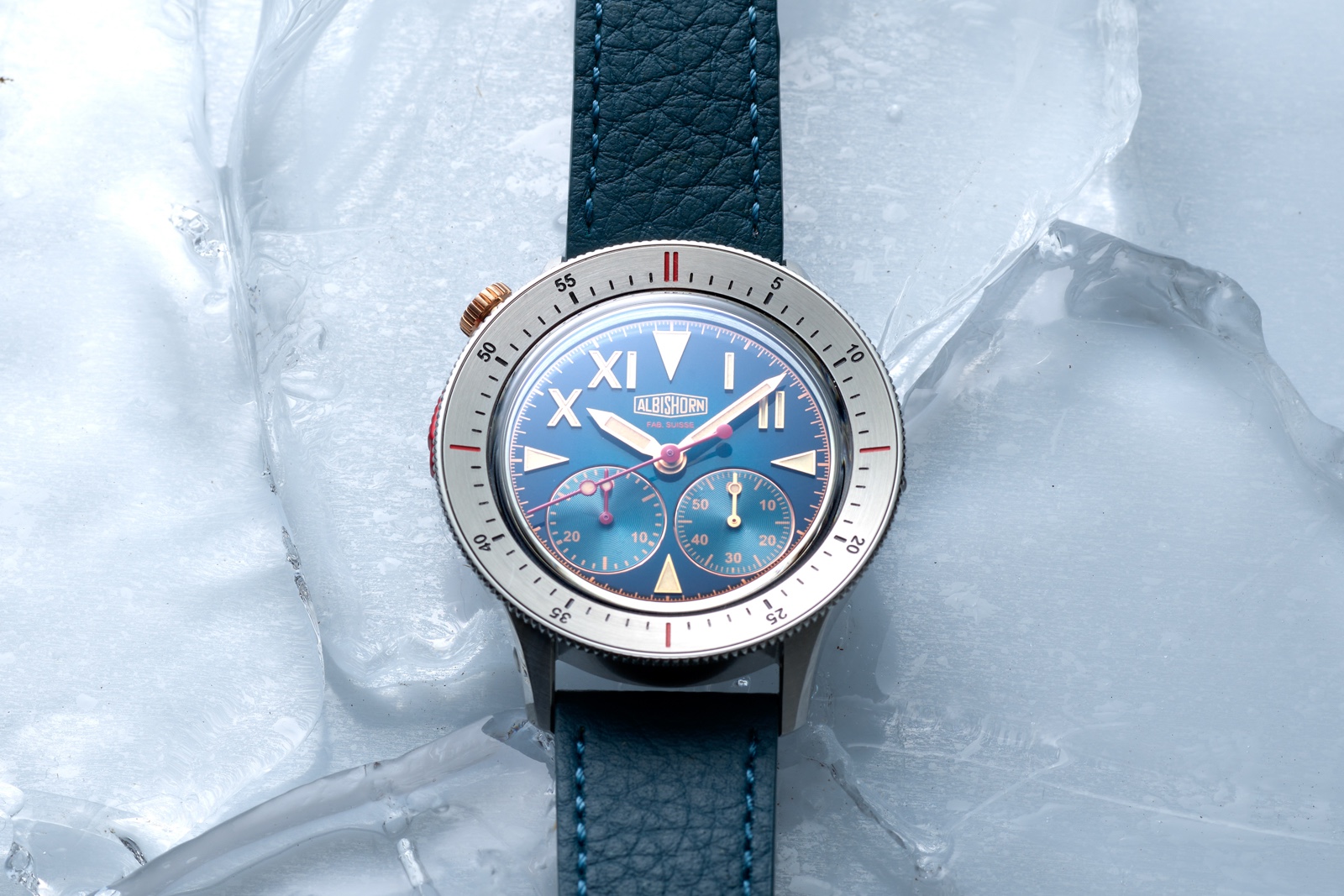
While reimagining the type of watch that might have accompanied Swiss mountaineers to the summits of as-yet unexplored peaks, Albishorn put legibility at the forefront with an expressive “ghost” California dial. Though usually associated with Rolex and Panerai, so-called California or ‘error-proof’ dials have arguably fallen out of favour in recent years. This creates an opportunity for watches like the Thundergraph to tastefully reimagine the design to suit modern sensibilities.
The Thundergraph incorporates a host of familiar cues — sharp, slender lugs, a large concave bezel, and of course the striking California dial — but manages to avoid feeling derivative of any single reference. Combining established design elements in a way that feels original is difficult to pull off, but it seems to be an emerging strength of Albishorn.
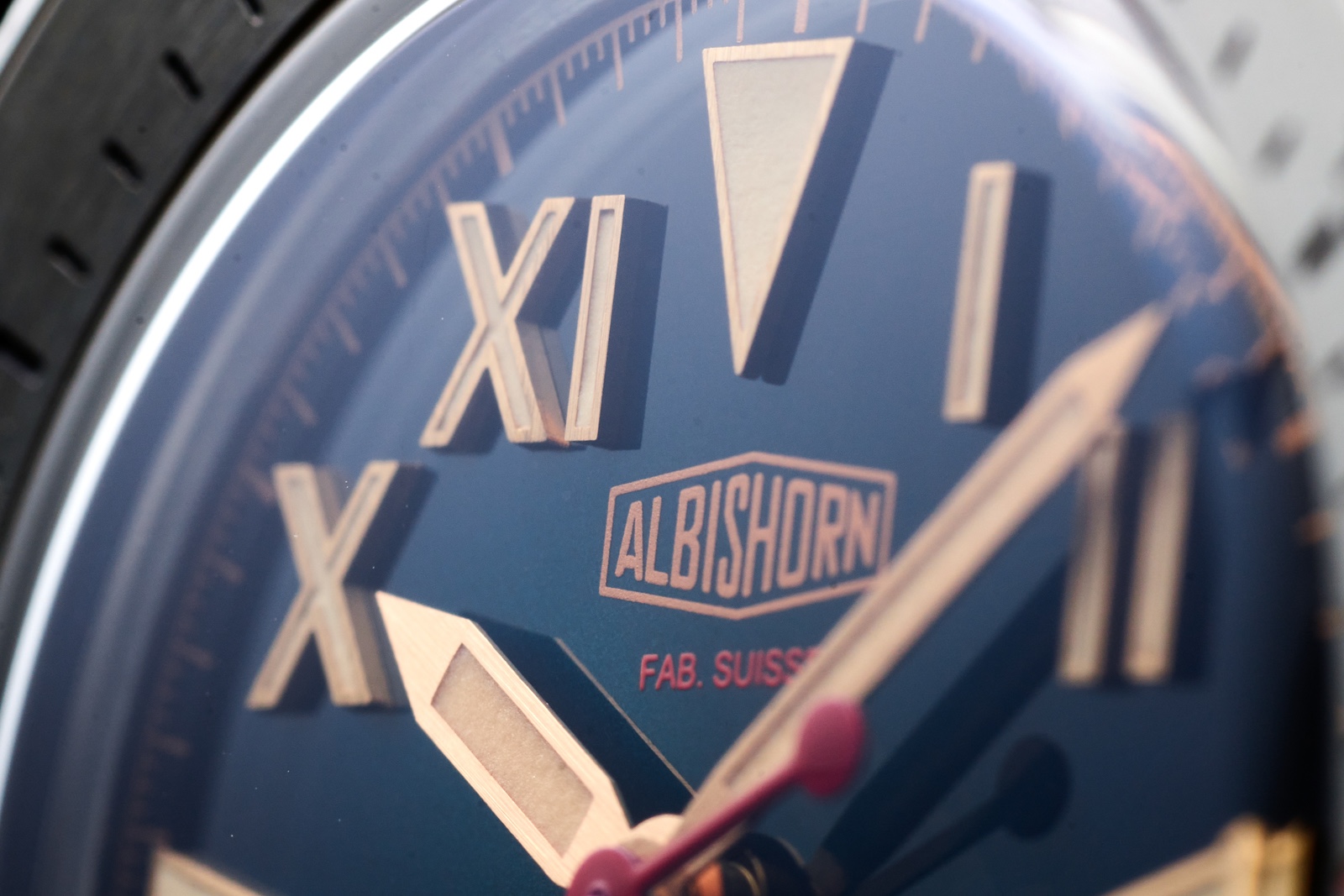
The biggest reason for Albishorn’s back-to-back appearances on this list is the brand’s proprietary ALB03 M monopusher chronograph movement derived from the ubiquitous Valjoux 7750 architecture. But one look at the charmingly quirky dial layout and 9:30 position of the red anodised aluminium pusher is enough to signal that this isn’t an off-the-shelf movement. In the hand, this fact makes itself known with its relatively slim case and crisp start/stop/reset action of the chronograph.
Taken as a whole, the Thundergraph offers a compelling proposition: a COSC-certified monopusher chronograph with genuine character, combining thoughtful details — from the bronze crown and red pusher to the well-judged California dial — at a price that remains firmly reasonable for what is on offer.
Kollokium Projekt 02 — Brandon Moore
Launched by a trio of industry insiders, Kollokium introduced the Projekt 2, a time-only watch that refines and crystalises the upstart brand’s unusual aesthetic. The Projekt 2 marks the debut of a lower profile case design that improves the weight balance on the wrist, and a striking topographic luminous dial made from 67 individual components.
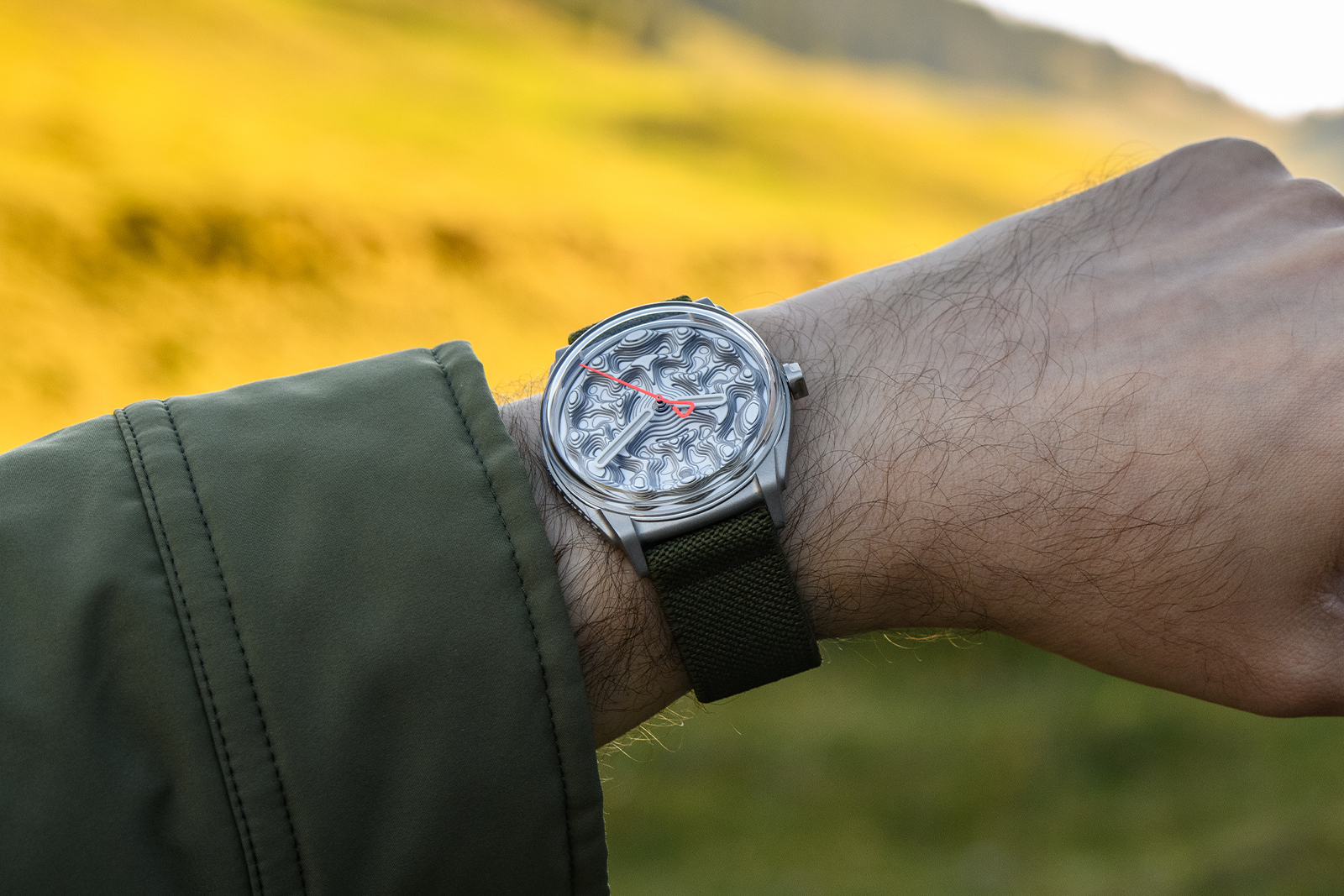
Given the captivating dial and neon orange seconds hand, it’s easy to miss the refined case, with its softly textured die-cast finish, until the watch is on the wrist. The ergonomics are excellent, and while it’s not a thin watch most of the height is carried by the box-shaped sapphire crystal. The result is a watch that looks and feels more compact that it is.
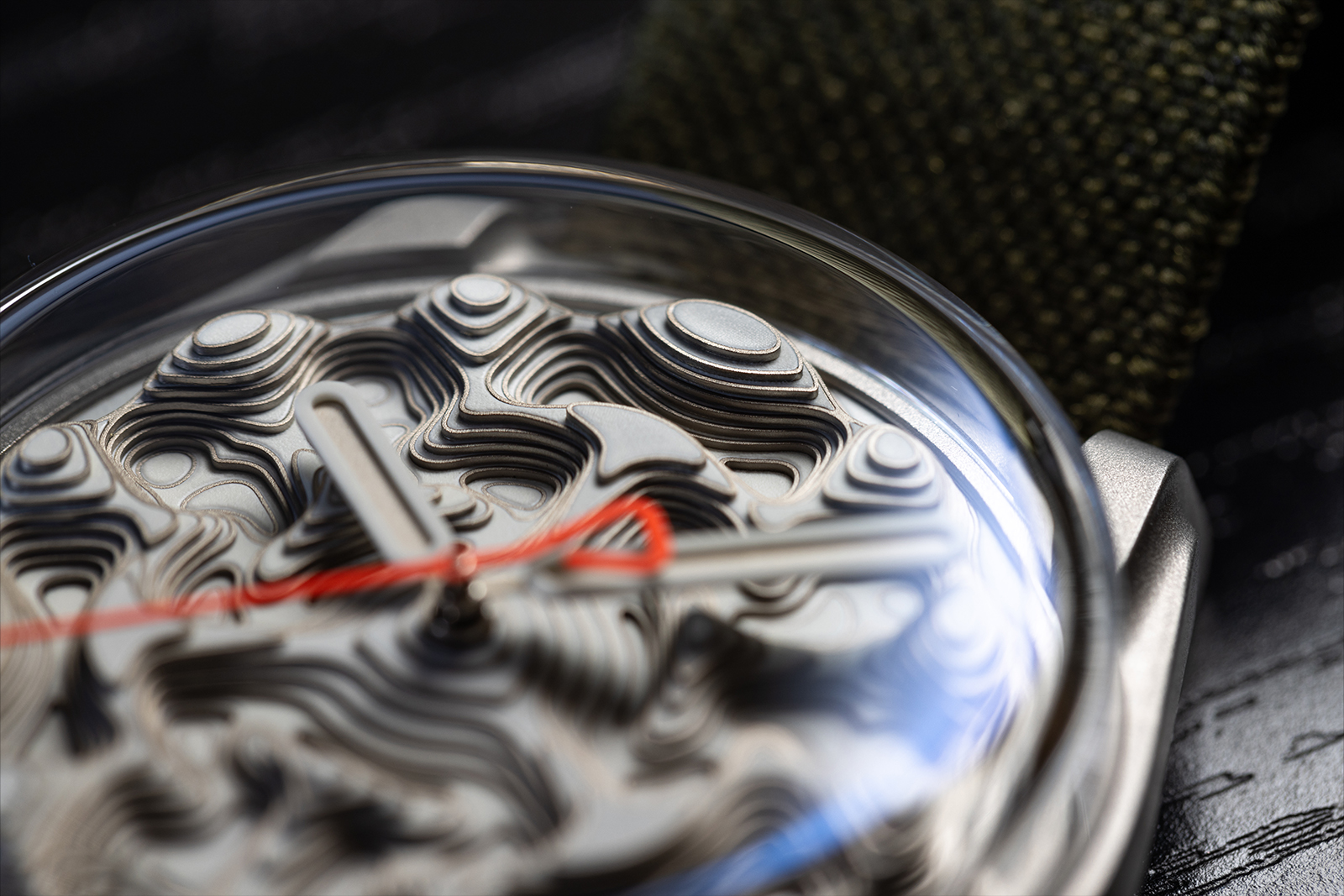
Inside, the Projekt 2 is powered by a La Joux-Perret G101, a platform that is becoming increasingly popular among independent watchmakers due to its compact dimensions, lively 4 Hz rate, and crowd-pleasing 68-hour power reserve.
Back to top.